Small Kitchen Remodel Cost Per Sq. Ft. Explained
Get the facts on small kitchen remodel cost without appliances per square foot, plus tips to plan your budget and avoid common renovation mistakes.
|
March 18, 2026
In this article:
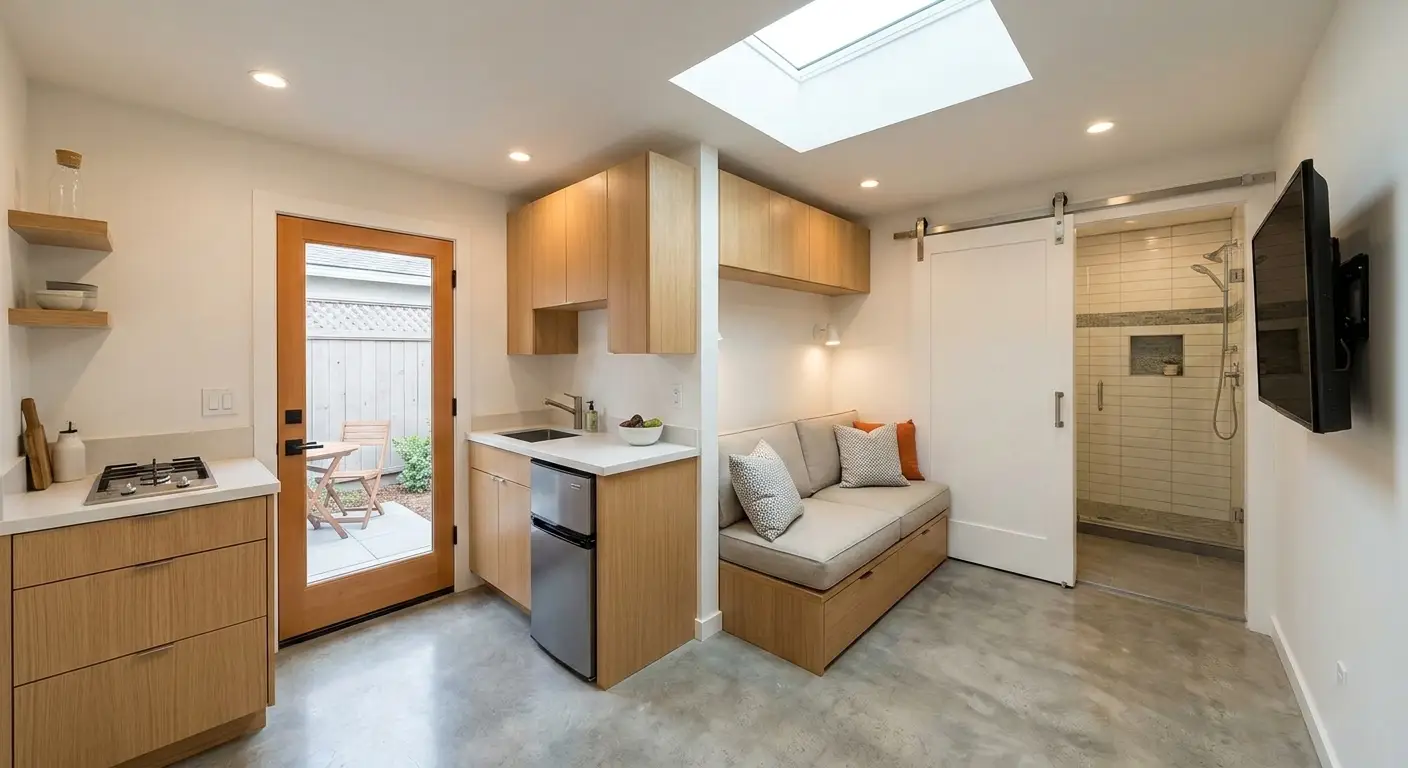
It’s easy to get excited about picking out new finishes for your kitchen, but all those choices depend on one thing: your budget. Creating a realistic financial plan is the first step toward a stress-free renovation. To help you get started, we’re breaking down the small kitchen remodel cost without appliances per square foot. This essential metric cuts through the confusion and gives you a tangible number to work with. We’ll explain what’s included in that cost, what factors drive it up or down, and how you can make smart choices to get the kitchen you want without overspending.
Key Takeaways
- Focus on the big three budget items: Cabinets, labor, and layout changes have the largest impact on your total cost. Making smart decisions in these areas is the key to keeping your project on track financially.
- Finalize your plan and build a safety net: Avoid expensive mid-project changes by deciding on every detail before demolition starts. Always include a 10% to 20% contingency fund to cover unexpected issues without derailing your budget.
- Work with your existing footprint to save big: The most impactful way to control costs is to keep your kitchen's current layout. This avoids the expense and complexity of moving plumbing and electrical systems, freeing up your budget for the finishes you love.
What's the average cost per square foot for a small kitchen remodel without appliances?
Figuring out a realistic budget is one of the first, and often trickiest, steps in any renovation. While every project is unique, using an average cost per square foot can give you a solid starting point for your small kitchen remodel. This number helps you create a baseline budget before you start picking out materials and finishes. It’s a practical way to understand the potential investment required for the scope of work you have in mind.
Keep in mind that these estimates don’t include the cost of new appliances, which can vary dramatically depending on the brands and models you choose. Think of these figures as the cost for the core renovation: cabinets, countertops, labor, and other essential materials that form the foundation of your new kitchen. At Realm, we help homeowners create customized plans that break down these costs, so you know exactly where your money is going from day one. This clarity helps prevent surprises and keeps your project on track.
To give you a clearer picture of what to expect, we’ve broken down the typical cost ranges into three common categories: budget-friendly, mid-range, and high-end remodels. Each tier represents a different level of investment and scope of work, helping you align your vision with your financial plan.
Budget-friendly remodel: $100-150 per square foot
A budget-friendly remodel is all about making smart, high-impact updates without changing the kitchen's existing footprint. Think of it as a major cosmetic refresh. At this price point, you’ll likely keep your current layout to avoid the cost of moving plumbing or electrical lines. The focus is on simple swaps that transform the space, like painting existing cabinets and adding new hardware, installing a new faucet, or choosing affordable materials like laminate countertops and a classic subway tile backsplash. This approach is perfect if your kitchen's layout works well but the style feels dated. It’s proof that you don’t need a massive budget to create a kitchen you love.
Mid-range remodel: $150-200 per square foot
This is the sweet spot for many homeowners, offering a significant transformation with a balance of quality and cost. A mid-range remodel typically involves more substantial upgrades. You might replace all your cabinets with semi-custom options, upgrade to durable countertops like quartz or granite, and install new flooring. This budget may also allow for minor layout adjustments to improve the kitchen’s flow, such as adding a small island or shifting a doorway. You’ll get a space that not only looks brand new but also functions much better for your daily life, making it a fantastic investment in your home’s value and your own enjoyment.
High-end remodel: $200-250+ per square foot
If you’re dreaming of a complete kitchen overhaul with premium materials and custom features, you’re looking at a high-end remodel. This tier involves gutting the space down to the studs and starting fresh. Expect to invest in fully custom cabinetry, luxury countertops like marble or high-end quartzite, and designer lighting and plumbing fixtures. This budget often includes structural changes, such as removing a wall to create an open-concept layout or reconfiguring the entire plumbing and electrical system. For a project this complex, having an expert on your side is key. The dedicated advisors at Realm can manage every detail, ensuring your vision for a dream kitchen becomes a reality, smoothly and efficiently.
What factors affect your remodel cost?
When you start planning your kitchen remodel, it’s helpful to know where the money goes. The total cost isn’t just one number; it’s a combination of several key factors, from the finishes you choose to the city you live in. Understanding these elements gives you more control over your budget and helps you make informed decisions. Let’s break down the four biggest drivers of your final project cost.
Your choice of materials
The materials you select for your kitchen play a huge role in the final price tag. Think of it as the area where you have the most direct control over your spending. Your choices for things like countertops, flooring, cabinets, and backsplash can swing your budget significantly. For example, laminate countertops are a fraction of the cost of high-end quartz or marble. Similarly, luxury vinyl tile can give you the look of hardwood for less. This is your chance to decide where to save and where to splurge to create a kitchen that fits both your style and your remodel budget.
Labor and project complexity
Labor is a major part of any renovation budget, often making up 50% to 60% of the total project cost. The price of labor is tied directly to the complexity of your project. A simple cosmetic update, like painting cabinets and replacing hardware, will require far less labor than a full gut remodel. The most significant cost driver is changing the kitchen's layout. Moving walls or reconfiguring the locations of your sink, dishwasher, or stove involves rerouting plumbing and electrical lines, which requires skilled (and more expensive) labor from plumbers and electricians. A platform like Realm can help you find vetted professionals to handle these complex jobs.
Structural changes and permits
If your remodel plans include moving walls, altering window placements, or changing the layout, you’ll likely need a permit from your city. As a general rule, you need a permit if you move plumbing, electrical lines, or structural elements. These permits come with fees and can add time to your project timeline for inspections. On the other hand, simple cosmetic updates that don't touch the kitchen's core systems usually don't need one. Navigating the permitting process can be tricky, which is why having an expert on your side can ensure everything is done correctly and up to code, saving you from potential headaches down the road.
How your location impacts the price
Where you live has a surprisingly big impact on your remodeling costs. If you’re in a major metropolitan area like Los Angeles or the Bay Area, you can expect to pay more than you would in a smaller town. Remodeling costs can be 20% to 30% higher in big cities, largely due to higher costs for labor and materials. Local demand and regulations also play a part. It’s important to research costs specific to your area to create a realistic budget from the start. This local knowledge ensures you aren't caught off guard by regional price differences and can plan accordingly.
How to calculate your total kitchen remodel budget
Figuring out your kitchen remodel budget can feel like the hardest part of the project, but it doesn't have to be. By breaking it down into a few simple steps, you can create a realistic financial plan that sets your project up for success. Think of this as building the foundation for your new kitchen. A solid budget helps you make clear decisions, communicate effectively with contractors, and avoid stressful surprises down the road. It’s the tool that transforms your wishlist into a workable plan, giving you control over the process from start to finish.
Before you even think about tile samples or cabinet styles, getting your numbers straight is essential. A well-planned budget acts as your roadmap, guiding every choice you make. It helps you prioritize what's most important, whether that's custom cabinetry or high-end countertops, and shows you where you can save. Without a clear budget, it's easy for costs to spiral, leading to difficult compromises or an unfinished project. This planning phase is where you can really get creative with your resources and ensure the final result is a kitchen you love that also makes financial sense. With a clear number in mind, you can start planning the fun parts with confidence, knowing you have a solid financial footing. Let's walk through how to calculate your total budget, step by step.
Measure your kitchen's square footage
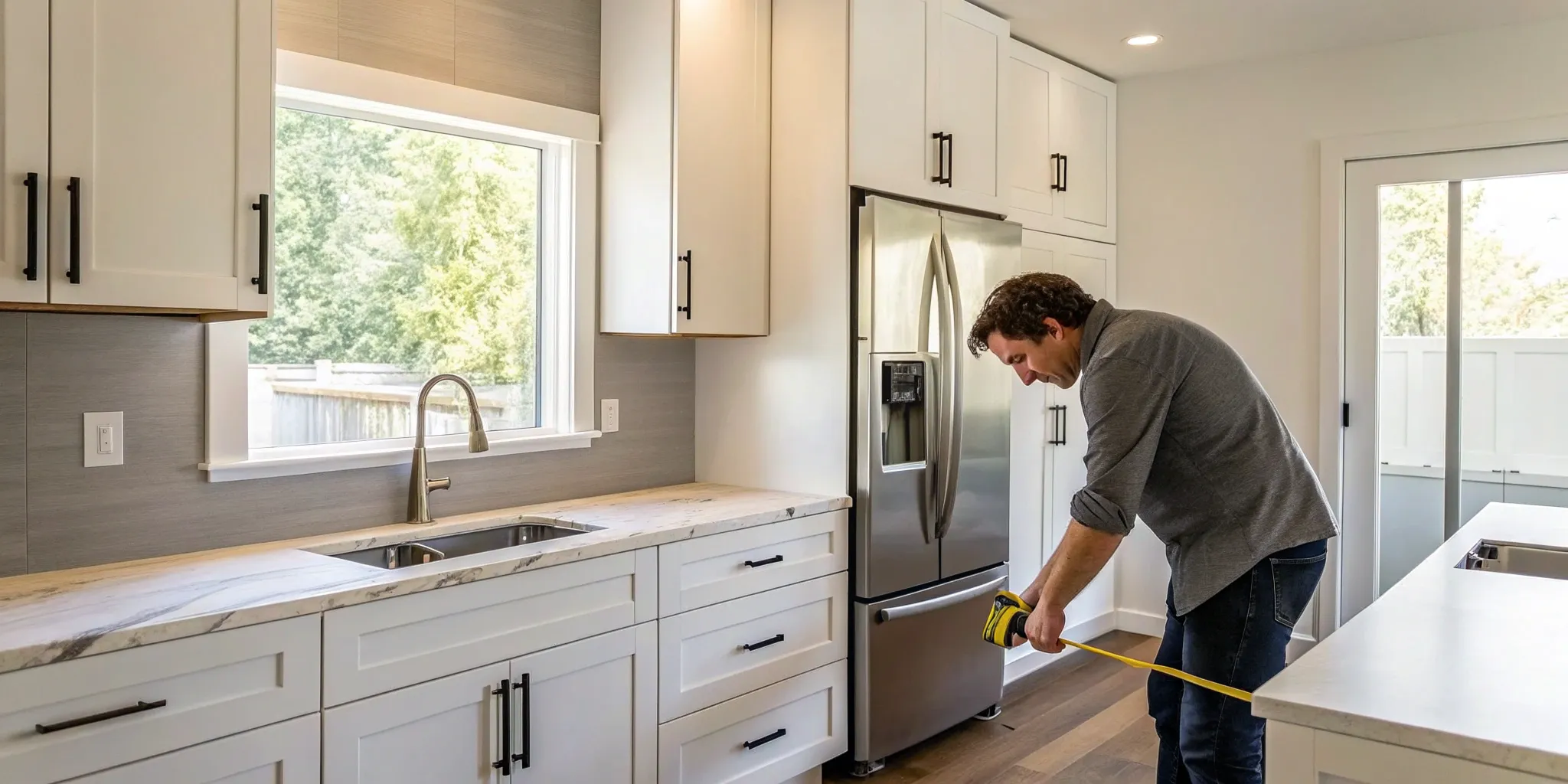
First things first, you need to know the size of your space. To begin calculating your budget, grab a tape measure and find your kitchen's square footage. Simply multiply the length of the room by its width to get the total area. This number is the starting point for almost every cost estimate. For reference, a small kitchen is typically between 75 and 100 square feet. Knowing your exact measurements helps you and your contractor estimate material quantities and labor time more accurately. It’s a simple step that removes a lot of guesswork from the equation, ensuring your initial estimates are grounded in reality.
Use a cost-per-square-foot formula
Once you have your measurements, you can use a cost-per-square-foot formula to get a baseline budget. This is where you multiply your kitchen's square footage by the average cost for the level of remodel you want (budget-friendly, mid-range, or high-end). Our small kitchen remodel cost guide shows that for a standard 10x10 kitchen, costs can range from $10,000 to $25,000, depending on the scope and materials. For example, if you have a 100-square-foot kitchen and are planning a mid-range remodel at $175 per square foot, your starting budget would be $17,500. This formula gives you a solid ballpark figure to work with as you start planning.
Add a 10-20% buffer for surprises
This might be the most important step in budgeting. Always set aside an additional 10% to 20% of your total budget for a contingency fund. During a remodel, surprises are almost inevitable. Once walls are opened up, you might discover outdated wiring, hidden plumbing issues, or water damage that needs to be addressed. This buffer isn't for splurging on fancier countertops; it's a safety net to cover unexpected but necessary repairs. Having this fund ready means a surprise problem won't derail your entire project or force you to compromise on your vision. It’s the key to keeping your renovation on track and your stress levels low.
What's included in a remodel (without appliances)?
When you set aside the cost of a new fridge or oven, your budget focuses on the foundational elements that define your kitchen's look and function. These are the core components that make up the bulk of the renovation work. Think of it as building the "room" itself before you furnish it with appliances. Understanding what these items are and how they impact your budget is the first step to a well-planned project.
A typical kitchen remodel budget, excluding appliances, covers four main categories: the cabinetry that stores your essentials, the surfaces you work on, the finishes that tie the room together, and the hidden systems that make it all work. Each category has a wide range of price points, giving you plenty of control over the final cost. Your project's scope will determine how much you allocate to each area. For example, a simple cosmetic update might focus on paint and hardware, while a full gut renovation will involve every single category. We'll break down exactly what falls under each of these key areas.
Cabinets and hardware
Cabinets are often the single largest expense in a kitchen remodel, making up 29% to 40% of your total budget. They define the layout and provide the primary storage, so it’s a big decision. If your existing cabinet boxes are in good condition, you can save a significant amount of money by refacing them. This involves replacing the doors and drawer fronts for a fresh look without the cost of a full replacement. Hardware like handles and pulls are the finishing touches. While less expensive than the cabinets themselves, they can make a huge impact on the overall style.
Countertops and backsplash
Your countertops are a major focal point and a key work surface, so material choice is everything. Costs can vary dramatically, from affordable laminate to high-end quartz or marble. For a standard 75-square-foot kitchen, you can expect countertop costs (including labor) to range anywhere from $600 to over $3,500. The backsplash protects your walls and adds a dose of personality. It’s another area where material choice, from simple subway tile to intricate mosaics, will influence your budget. Together, these surfaces define your kitchen's aesthetic.
Flooring and paint
Flooring and paint are two of the most transformative elements in a kitchen remodel. A fresh coat of paint is one of the most cost-effective ways to update a space, and it’s a task many homeowners feel comfortable doing themselves. New flooring can also completely change the room's character. Material options range from budget-friendly vinyl and laminate to more expensive hardwood or tile. These cosmetic tasks are great opportunities to save on labor costs if you’re willing to put in some sweat equity.
Plumbing and electrical
What’s happening behind the walls is just as important as what you see. This category includes installing sinks and faucets, running water lines, and ensuring all your electrical outlets, switches, and lighting are safe and up to code. The biggest cost driver here is changing the kitchen's layout. Moving plumbing or electrical lines is a complex job that requires a permit and the expertise of a licensed professional. This is not a DIY-friendly task, and it’s essential to budget for a qualified contractor to handle this work safely.
What are the biggest budget items in a kitchen remodel?
When you start planning your kitchen remodel, it’s helpful to know where most of your money is likely to go. Understanding the biggest budget items from the start helps you make smart decisions and find places to save. In almost every kitchen project, the two biggest expenses are cabinets and labor. Labor costs are woven into every part of the remodel, from demolition to installation, but three specific areas tend to claim the largest chunks of the budget: cabinetry, countertops, and any structural changes you decide to make.
Think of these as your "big three." The choices you make here will have the most significant impact on your total spending. For example, opting for fully custom cabinets versus refacing your existing ones can change your budget by thousands of dollars. The same goes for choosing a high-end countertop material or deciding to knock down a wall. By focusing your attention on these key areas, you can steer your project’s finances effectively. A clear plan helps you get the kitchen you want without unexpected costs, and having an expert guide you through these decisions can make all the difference.
Cabinets: Costs and money-saving alternatives
Cabinets are the foundation of your kitchen’s look and function, so it’s no surprise they are often the single largest line item on your invoice, typically accounting for 29% to 40% of the total project cost. The price includes the materials, construction, and the skilled labor needed for a perfect installation.
If brand-new custom cabinets aren't in your budget, don't worry. You have a fantastic money-saving option: refacing. If your cabinet boxes are still in good condition, you can simply replace the doors and drawer fronts. This gives your kitchen a completely fresh look for a fraction of the price. Cabinet refacing can save you 50% or more compared to a full replacement, freeing up funds for other priorities.
Comparing countertop materials
Your countertops are another major expense where your material choice plays a huge role in the final cost. This is one area where you have a lot of control over the budget. Materials range from affordable laminates to high-end natural stones, and the price differences can be dramatic.
For example, quartz is a popular and durable mid-range option, but if you fall in love with quartzite, a natural stone with unique veining, you can expect the price to be nearly double. When you’re planning, it’s a good idea to explore a few different materials to see how they fit your budget and lifestyle. Working with a network of vetted suppliers can also help you find quality materials at a fair price, ensuring you get the best value for your investment.
The cost of structural upgrades
Changing your kitchen’s layout is the quickest way to increase your remodel cost. While creating an open-concept space by removing a wall sounds amazing, it’s a major undertaking. This kind of structural work involves much more than just demolition. It often requires rerouting plumbing, moving electrical outlets, patching drywall, and potentially even consulting a structural engineer.
Each of these steps adds significant labor and material costs to your project. If you want to keep your budget in check, the most effective strategy is to keep your kitchen’s existing footprint. Working with your current layout eliminates the need for expensive plumbing and electrical work, allowing you to focus your funds on the finishes that will make the biggest visual impact. This is where expert guidance becomes invaluable for understanding the true cost of your vision.
How to save money on your small kitchen remodel
A kitchen remodel is a significant investment, but it doesn’t have to drain your savings. With some strategic planning and smart decision-making, you can create a beautiful, functional kitchen that fits your budget. It’s all about knowing where to spend and where you can save. A little bit of foresight can make a huge difference in the final cost, allowing you to get the look you want without overextending yourself financially. Here are a few practical ways to keep your project on track and your budget in check.
Decide what to DIY vs. hire out
The urge to do it all yourself to save on labor costs is strong, but it’s important to be realistic about your skills. It's smart to do simple tasks yourself, like painting, but always hire professionals for important work like plumbing, electrical, and structural changes. Taking on cosmetic updates like painting cabinets, swapping out drawer pulls, or even installing a peel-and-stick backsplash can save you hundreds. However, tasks that involve specialized trades are best left to the experts. A mistake with wiring or plumbing can lead to expensive, dangerous problems down the road. Finding the right vetted professionals is key to a successful, cost-effective remodel.
Make smart material choices
Your choices for materials, like countertops and flooring, have a big impact on the final price. The good news is that there are amazing budget-friendly alternatives that don't sacrifice style. Look for smart material swaps like laminate or budget-friendly quartz for countertops, which can give you the look of high-end stone for a fraction of the cost. For flooring, luxury vinyl tile (LVT) is a fantastic option that offers the appearance of hardwood or stone but with greater durability and a lower price tag. These materials have come a long way in recent years, offering sophisticated looks that can fool even a discerning eye.
Keep your existing layout to cut costs
If you want to make one decision that will have the biggest impact on your budget, this is it. Keeping your kitchen's current layout, meaning not moving sinks, stoves, or walls, is the best way to save money. Changing the layout adds a lot to the cost because it requires moving plumbing, electrical, and gas lines. This kind of work requires licensed professionals and often involves more complex permits and inspections. Working within your kitchen’s existing footprint can still result in a dramatic transformation. A fresh design with new finishes and better storage solutions can make the same layout feel entirely new and much more functional.
Choose between cabinet refacing and replacement
Cabinets are one of the biggest expenses in any kitchen remodel, but you might not need to start from scratch. If your cabinet boxes are in good shape, refacing them with new doors and drawer fronts can save you 50% or more compared to buying all new custom cabinets. During a reface, you can also have the cabinet boxes painted or veneered to match the new doors for a completely seamless look. This approach is less disruptive, faster, and much more affordable than a full tear-out. Take a close look at your existing cabinets; if the boxes are sturdy, refacing is an excellent way to get a high-end look for less.
Common budgeting mistakes to avoid
Creating a budget for your kitchen remodel can feel like trying to hit a moving target. But with a little foresight, you can avoid the common financial traps that derail even the most well-planned projects. Getting your numbers right from the start is about more than just money; it’s about ensuring a smooth, low-stress renovation experience. Let’s walk through the biggest budgeting mistakes I see homeowners make and, more importantly, how you can steer clear of them.
Underestimating hidden costs
It’s easy to budget for cabinets and countertops, but what about the less obvious expenses? Many small items can add up quickly. Things like a new sink, faucet, garbage disposal, flooring, baseboards, and even cabinet handles can easily add another $7,000 to $10,000 to your total cost. To avoid this surprise, create a detailed checklist of every single item, no matter how small. Go through your design plan and list everything from light fixtures to outlet covers to paint primer. This level of detail will give you a much more realistic picture of your final costs.
Forgetting a contingency fund
Think of a contingency fund as your project’s financial safety net. No matter how carefully you plan, surprises can and do happen, especially when you start opening up walls. You might find outdated wiring, hidden plumbing issues, or unexpected structural problems. That’s why you should always set aside an extra 10% to 20% of your total budget for these "what ifs." This isn't "extra" money to spend on upgrades; it's a dedicated fund to handle unforeseen problems without derailing your entire project. Having a dedicated advisor can help you plan for these possibilities from the start.
Making expensive changes mid-project
One of the fastest ways to inflate your budget is by making changes after the work has already begun. Deciding you want a different countertop material or a new cabinet layout mid-project can lead to costly change orders, wasted materials, and significant delays. Finalize every single design detail, from the backsplash tile to the drawer pulls, before your contractor picks up a single tool. Committing to your plan upfront saves you money, time, and a lot of headaches down the road. A solid plan is your best defense against budget creep.
Rushing the planning phase
All of these potential mistakes can be traced back to one thing: a rushed planning phase. It’s tempting to jump straight into demolition, but taking your time to plan is the single most important thing you can do for your budget. A thorough planning process allows you to get accurate quotes, finalize your design, and anticipate potential issues before they become expensive problems. This is where working with experts can make a huge difference, ensuring your project is set up for success from day one. A well-thought-out plan is the blueprint for a renovation that stays on time and on budget.
How kitchen size impacts your per-square-foot cost
It seems logical that a smaller kitchen would cost less per square foot to remodel, but that’s not always the case. In fact, the opposite is often true. Many of the big-ticket items and labor costs in a kitchen are fixed, meaning they don't shrink just because your floor plan is more compact. Think about it: you still need a sink, a faucet, and a certain number of cabinets and appliances, regardless of the room's size. When you spread these fixed costs over fewer square feet, the price per square foot naturally goes up. Understanding this helps you set a realistic budget and make smarter decisions about where your money goes.
Why smaller kitchens can cost more per square foot
The main reason smaller kitchens have a higher per-square-foot cost comes down to essentials. Your biggest expenses are almost always cabinets and labor. While you might need fewer cabinets, the cost doesn't scale down perfectly, and the labor for installation remains significant. Furthermore, any changes to your kitchen's layout will drive up the price substantially. Moving plumbing for a sink or dishwasher, rerouting electrical for outlets, or shifting a gas line for the stove are complex jobs. In a small space, these fixed costs make up a much larger percentage of your total budget, which is why a 10x10 kitchen remodel can sometimes have a surprisingly high per-square-foot price tag.
How to be cost-efficient in a compact space
You can still achieve a beautiful and functional kitchen without overspending. The best way to save money is to keep your kitchen's current layout. Working with your existing plumbing and electrical footprints eliminates one of the biggest cost drivers. Your choice of materials also has a huge impact, so explore different options for countertops and flooring to find a style you love within your budget. If your cabinet boxes are in good shape, consider refacing them with new doors and drawer fronts. This can give you a fresh look for about half the cost of all-new custom cabinets. Finally, while you can handle simple tasks like painting, it's always best to get expert guidance for specialized jobs to ensure they're done safely and correctly.
When to hire a pro vs. DIY
Deciding which parts of your kitchen remodel to tackle yourself and which to hand over to a professional is a huge part of managing your budget and timeline. While rolling up your sleeves for some DIY work can be a fantastic way to save money, it’s crucial to be realistic about your skills, the time you can commit, and which jobs legally require a licensed professional.
Going the DIY route can be rewarding, but a mistake on a critical task like plumbing or electrical work can lead to costly repairs, project delays, and serious safety hazards. The key is to find the right balance. By strategically choosing your DIY projects and leaving the complex jobs to the experts, you can get the best of both worlds: a beautiful, well-built kitchen and some extra cash in your pocket. At Realm, we help homeowners find vetted professionals to ensure the most important parts of your project are done right.
Know which tasks require permits and expertise
Before you pick up a sledgehammer, you need to understand which tasks require a permit. Generally, you need a permit if you move plumbing, electrical lines, or change the kitchen's layout. These rules are in place for your safety and to ensure your home is up to code. Simple cosmetic updates, like painting cabinets or replacing a faucet in the same spot, don't usually need one. Messing with electrical wiring or rerouting a gas line isn't just complicated; it can be dangerous if done incorrectly. For these jobs, you absolutely need to hire a licensed and insured professional. It protects your home, your family, and your investment.
Weighing the cost vs. benefit of professional help
It's smart to do simple tasks yourself, like painting or swapping out cabinet hardware, but always hire professionals for important work like plumbing, electrical, and structural changes. DIY projects can save money, but be honest about your skills and time. A project you thought would take a weekend could easily stretch into weeks, leaving your kitchen unusable. Remember, mistakes can be more expensive to fix than hiring a pro from the start. When you work with an advisor, we help you weigh these decisions and connect you with the right experts for the job, ensuring your project stays on track and within budget.
Related Articles
- How Much Does It Cost To Renovate Your Kitchen?
- Small Kitchen Remodel Cost Without Appliances: A Guide
- What's the Typical Cost to Remodel a Kitchen?
- Kitchen Remodel Cost: The Ultimate Budgeting Guide
Frequently Asked questions
What's the single most effective way to control my kitchen remodel budget? Without a doubt, the best way to keep costs in check is to work with your kitchen's existing layout. Moving your sink, stove, or any walls involves rerouting plumbing, electrical, and gas lines. These tasks require licensed professionals and add significant labor costs and complexity to your project. By keeping your main fixtures in the same place, you can focus your budget on the cosmetic updates that make the biggest impact, like new cabinets, countertops, and flooring.
Do I really need a contingency fund? It feels like I'm just inflating my budget. I completely understand why it feels that way, but a contingency fund is your project's most important safety net. Think of it as insurance against the unexpected. Once demolition begins, it's common to find issues hidden behind the walls, like old wiring that isn't up to code or a slow plumbing leak. Having that 10% to 20% buffer means you can handle these necessary fixes without having to sacrifice your design plans or halt the project altogether.
The cost-per-square-foot numbers are helpful, but do they include new appliances? That's a great clarifying question. The cost-per-square-foot estimates in this guide are for the core renovation work itself, so they do not include the cost of appliances. This covers things like cabinetry, countertops, labor, flooring, and paint. We separate appliances because their costs can vary so dramatically, from a few thousand dollars for a basic package to tens of thousands for high-end models. You should plan for your appliance budget as a separate line item.
Is it worth it to hire a professional for a small project? Even on a small project, hiring the right professionals for key tasks is a smart investment. While you can definitely save money by handling cosmetic jobs like painting or changing hardware yourself, tasks involving plumbing, electrical work, or cabinet installation require specific expertise. A professional ensures the job is done safely, correctly, and up to code, which prevents costly and dangerous mistakes down the road. It's about finding the right balance between DIY savings and professional quality.
My cabinet boxes are old. Is refacing still a good option for me? Cabinet refacing is an excellent option as long as the cabinet boxes themselves are structurally sound. Age isn't as important as their condition. If the boxes are sturdy, made of solid wood or plywood, and free from water damage, you can get a brand-new look for about half the cost of a full replacement. A professional can assess your cabinets and let you know if they are a good candidate for refacing.



































.png)














.png)