Find a General Contractor Bay Area: The Complete Guide
Learn how to find a general contractor Bay Area homeowners trust, with tips on vetting, comparing bids, and avoiding common renovation pitfalls.
|
February 20, 2026

In this article:
We’ve all heard the renovation horror stories: projects that drag on for months past their deadline, budgets that spiral out of control, or contractors who simply disappear. These cautionary tales almost always begin with hiring the wrong person for the job. Fortunately, most of these issues are entirely preventable if you know what to look for from the start. This guide is your playbook for avoiding common pitfalls. We’ll show you how to find a general contractor Bay Area homeowners can count on by teaching you to identify red flags, ask the right questions, and verify credentials, ensuring your renovation story has a happy ending.
Key Takeaways
- Always verify credentials and speak with references: Before signing anything, confirm your contractor's state license is active and that they carry both general liability and workers' compensation insurance. Calling their recent clients is the best way to get honest feedback on their communication, budget management, and overall reliability.
- Put your vision and the agreement in writing: A detailed project brief with inspiration photos and material lists helps contractors give accurate bids. Insist on a comprehensive contract that clearly defines the project scope, payment schedule, and process for handling changes to protect both you and your investment.
- Look beyond the lowest price when comparing bids: An unusually low bid can signal cut corners or hidden costs down the line. Compare proposals side by side to ensure each one covers the same scope of work and quality of materials, helping you choose the contractor who offers the best overall value.
What Makes a Great Bay Area General Contractor?
Finding the right general contractor in the Bay Area is about more than just getting a good quote. You’re looking for a partner who can bring your vision to life while handling the complexities of local regulations and project management. A great contractor is a skilled professional, a clear communicator, and a trustworthy guide for your renovation. Before you even think about project specifics, there are a few fundamental qualifications every contractor on your list should have. These non-negotiables form the foundation of a successful project and protect you, your home, and your investment.
Check for Licenses and Credentials
First things first: any contractor you consider must have the proper licenses. In California, this means they need to be licensed by the Contractors State License Board (CSLB). This isn't just a piece of paper; it's proof that they have met the state's standards for experience and knowledge. A valid license shows they are a legitimate professional who takes their trade seriously. When you start talking to potential contractors, don't be shy about asking for their license number. Verifying it is a critical first step to ensure they are legally qualified to perform the work on your home. It’s a simple check that can save you from major problems down the road.
Confirm They're Insured and Bonded
A professional contractor will always carry the right insurance. This is crucial for your protection. You’ll want to confirm they have both general liability insurance and workers' compensation. General liability covers property damage, while workers' comp covers injuries to the contractor or their team on your property. Without this coverage, you could be held financially responsible for accidents. Being "bonded" offers another layer of security. A surety bond protects you if the contractor fails to complete the job, pay subcontractors, or cover damages. Think of insurance and bonds as a safety net that ensures you won’t be left with a half-finished project or unexpected bills.
Look for Local Code Experience
The Bay Area is known for its unique and often strict building codes, which can vary from one city to the next. A great general contractor will have a deep understanding of these local regulations. This experience is invaluable, as it helps your project move smoothly through the permitting process and avoid costly delays or rework. A contractor who has worked in your specific area, whether it's San Francisco, Oakland, or San Jose, will know the ins and outs of the local building department. They can anticipate potential issues, ensure all work is compliant, and ultimately save you a lot of stress. This local expertise is a key differentiator between a good contractor and a great one.
How to Vet a General Contractor's Reputation
Finding a contractor with a great portfolio is one thing, but trusting them with your home and budget is another. A contractor’s reputation is the best indicator of what your experience will be like, so it’s worth doing a little homework before you sign a contract. Taking these steps can help you avoid major headaches, costly delays, and the kind of renovation nightmares you hear about from friends. Think of it as your due diligence to protect your investment and ensure a smooth project from start to finish.
Verify Their License Online
Before you do anything else, confirm that your potential contractor has an active license. In California, you can easily do this online through the Contractors State License Board (CSLB). An active license proves they’ve met the state’s requirements for testing, insurance, and bonding. Don’t just check that the license exists; make sure it’s in good standing with no disciplinary actions against it. This simple, crucial step weeds out unqualified or fraudulent operators right away, ensuring you’re only considering legitimate professionals for your project. It’s the foundational check that every homeowner should perform.
Read Reviews the Right Way
Online reviews are a powerful tool, but it’s important to read them with a critical eye. Go beyond the five-star ratings and look for patterns. Are clients consistently praising the contractor's communication and cleanliness? Or are there repeated complaints about missed deadlines and surprise costs? Look for detailed reviews on sites like Yelp, Google, and Houzz that describe the homeowner's experience. Pay attention to how the contractor responds to negative feedback, as this can reveal a lot about their professionalism and commitment to customer satisfaction. A thoughtful response shows they care about their business reputation.
Ask for and Call References
While online reviews are helpful, speaking directly with past clients provides unfiltered insight. Ask your potential contractor for at least three references from projects completed in the last year that are similar in scope to yours. When you call, don’t be shy about asking specific questions. You could ask, "Did the project finish on time and on budget?" or "How did the contractor handle unexpected problems when they came up?" And the most important question of all: "Would you hire them again?" Hearing directly from people who have been through the process is one of the best ways to find a reliable contractor.
Look Up Their Complaint History
A final check for red flags can give you peace of mind. You can look up a contractor’s public record on the CSLB website to see if any formal complaints have been filed against them. You can also check with the Better Business Bureau (BBB) for any unresolved issues. Be wary of contractors who have a history of disputes, liens, or legal actions. This step helps you spot potential signs of a bad contractor, like a pattern of taking deposits and disappearing or consistently going over budget. Protecting yourself from the beginning ensures your renovation is a positive experience, not a cautionary tale.
Common Projects for Bay Area General Contractors
General contractors in the Bay Area often specialize in certain types of projects that are popular across the region. While any good contractor can handle a range of jobs, finding one with deep experience in your specific project type is a huge advantage. They’ll know the common challenges, local codes, and best materials for the job. From updating a classic Victorian in San Francisco to building a modern family home in San Jose, contractors here have seen it all. Understanding the most common projects can help you find a professional who is perfectly suited for your vision.
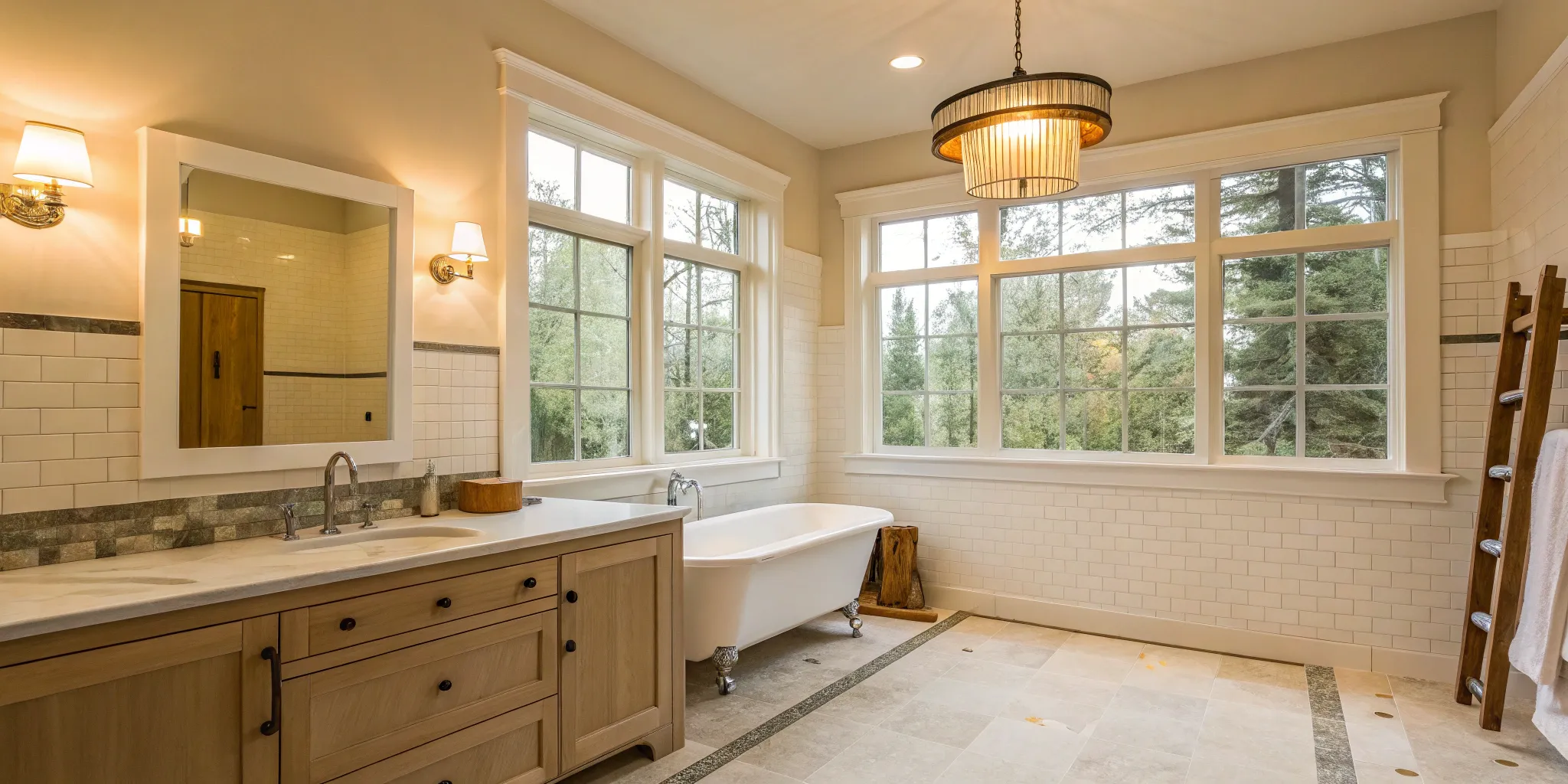
Kitchen and Bathroom Remodels
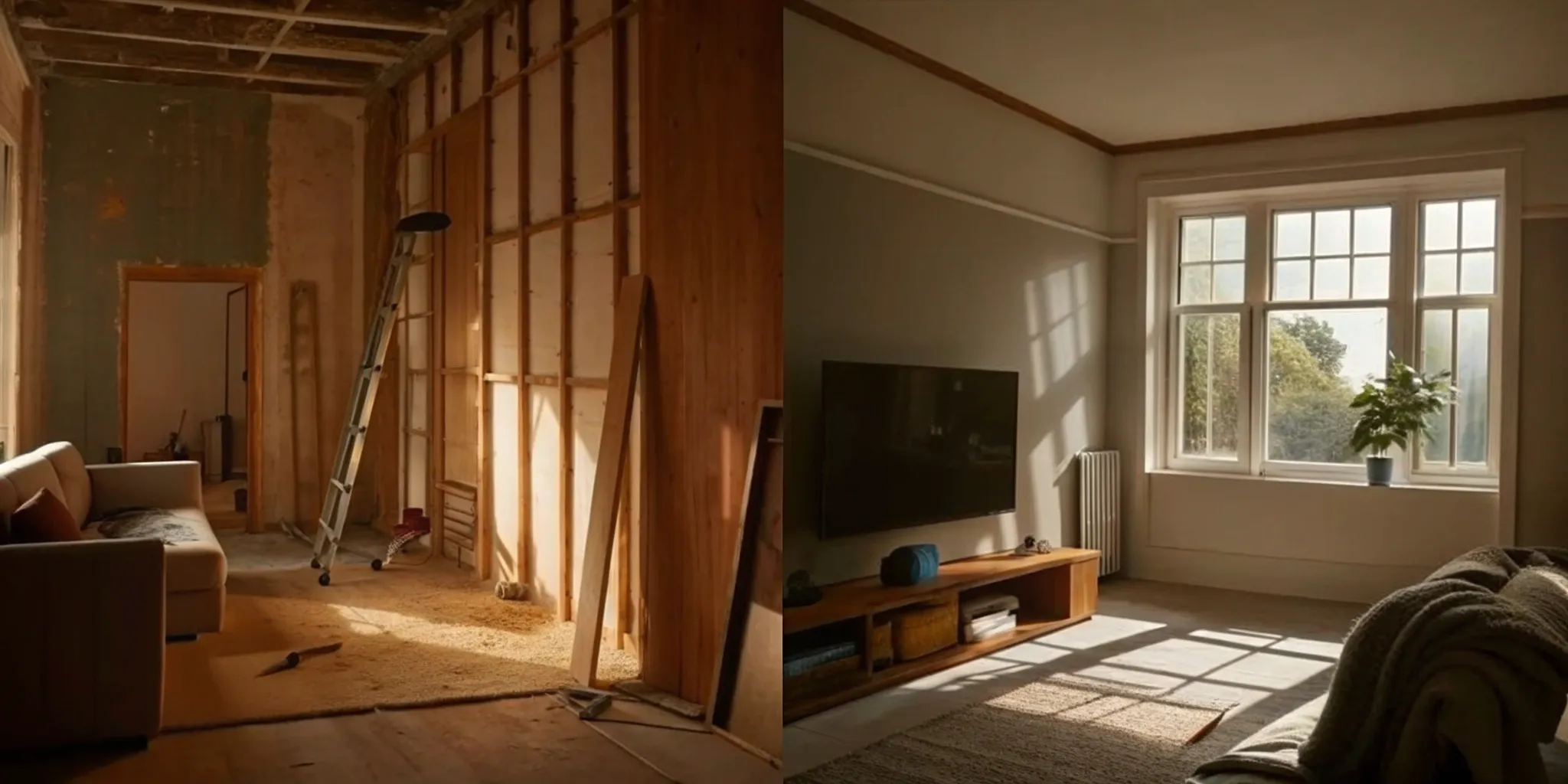
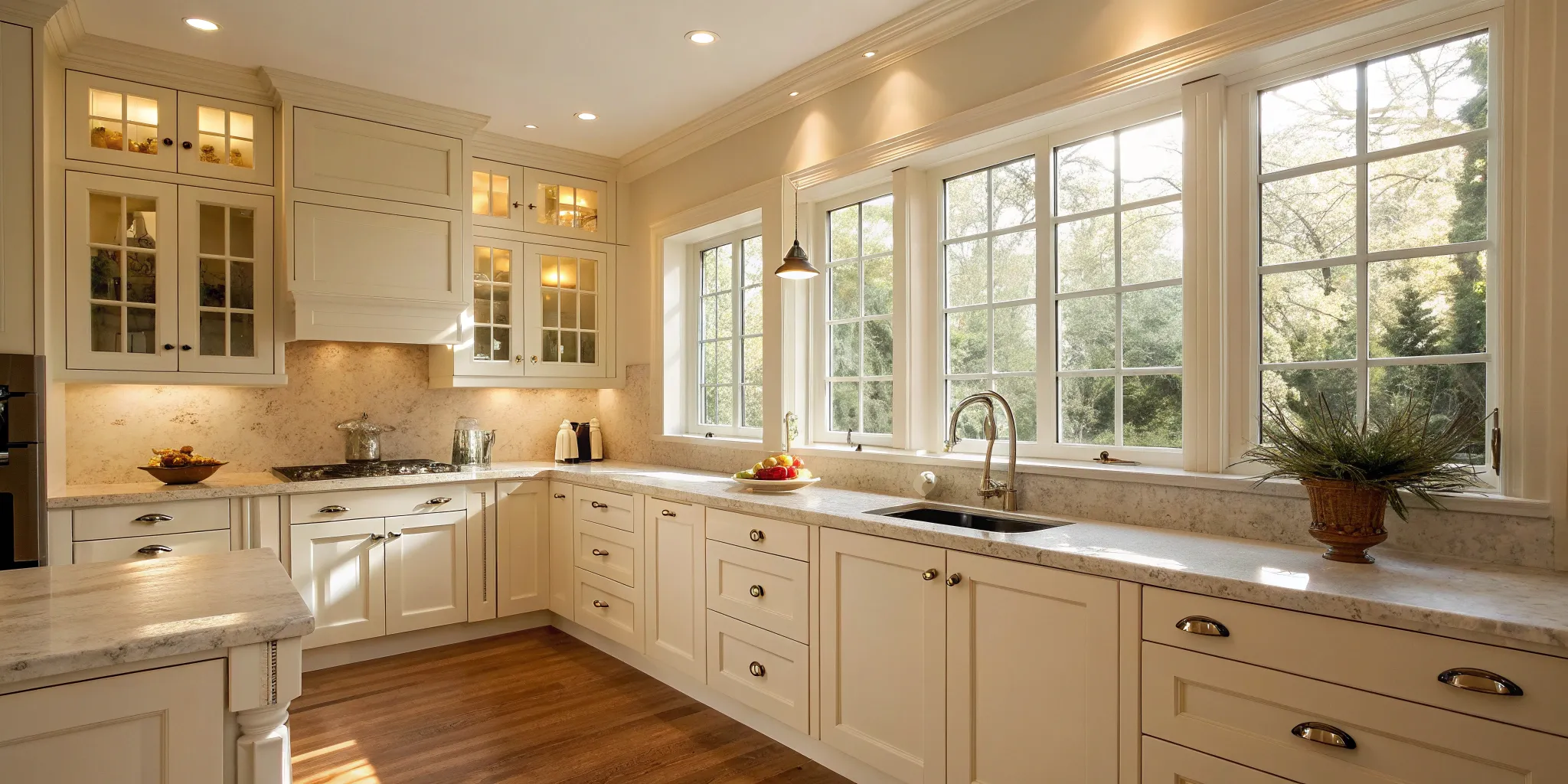
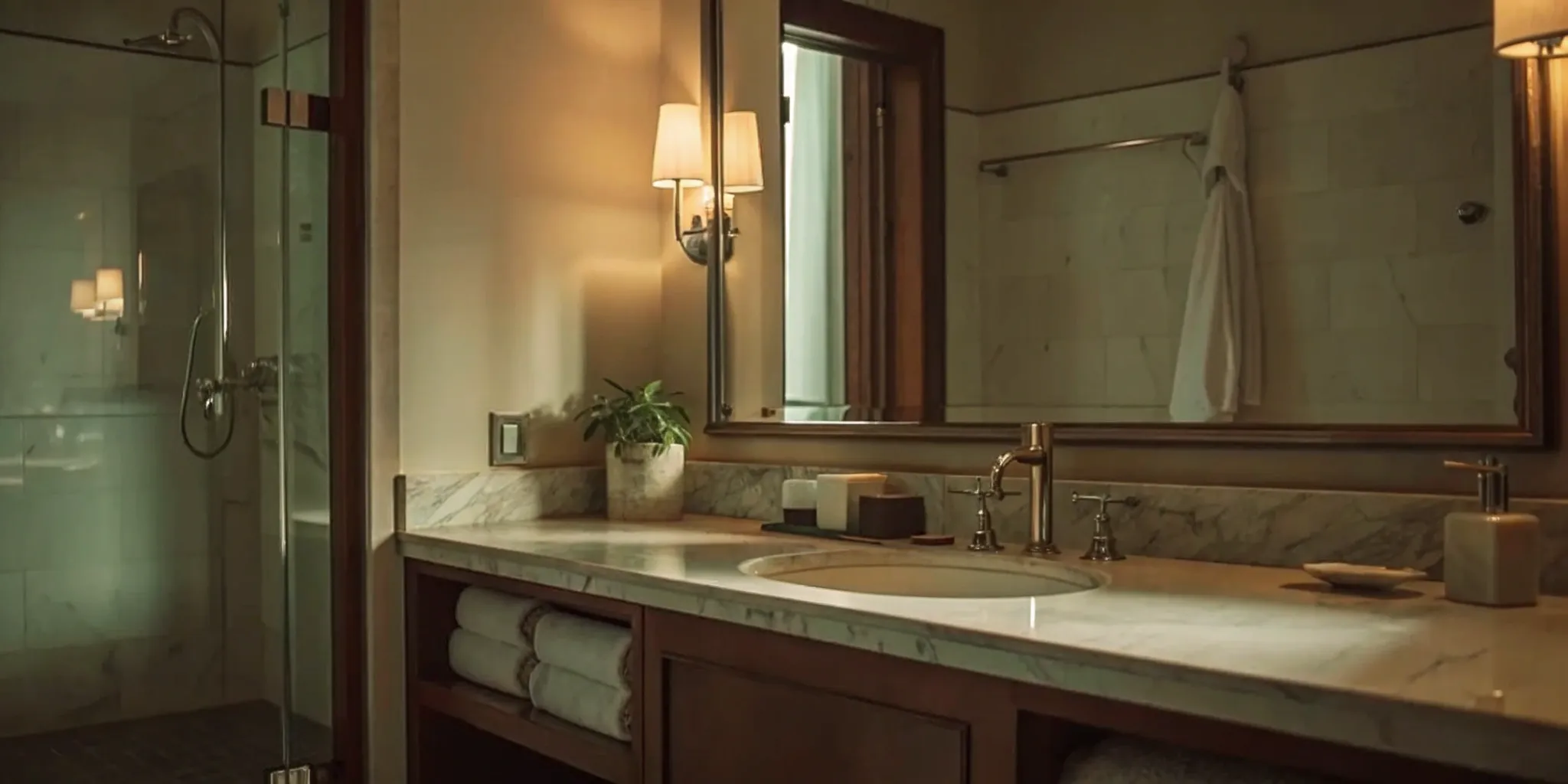
It’s no surprise that kitchen and bathroom remodels are at the top of most homeowners’ lists. These are the spaces we use every day, and an update can completely change how you feel about your home. In the Bay Area, these projects are also a smart financial move, as they can significantly increase your home’s value. A great general contractor is essential for these jobs. They manage everything from plumbing and electrical to tiling and cabinet installation, ensuring every detail is up to code and built to last. This leaves you free to focus on the fun parts, like picking out your new countertops.
Accessory Dwelling Units (ADUs)
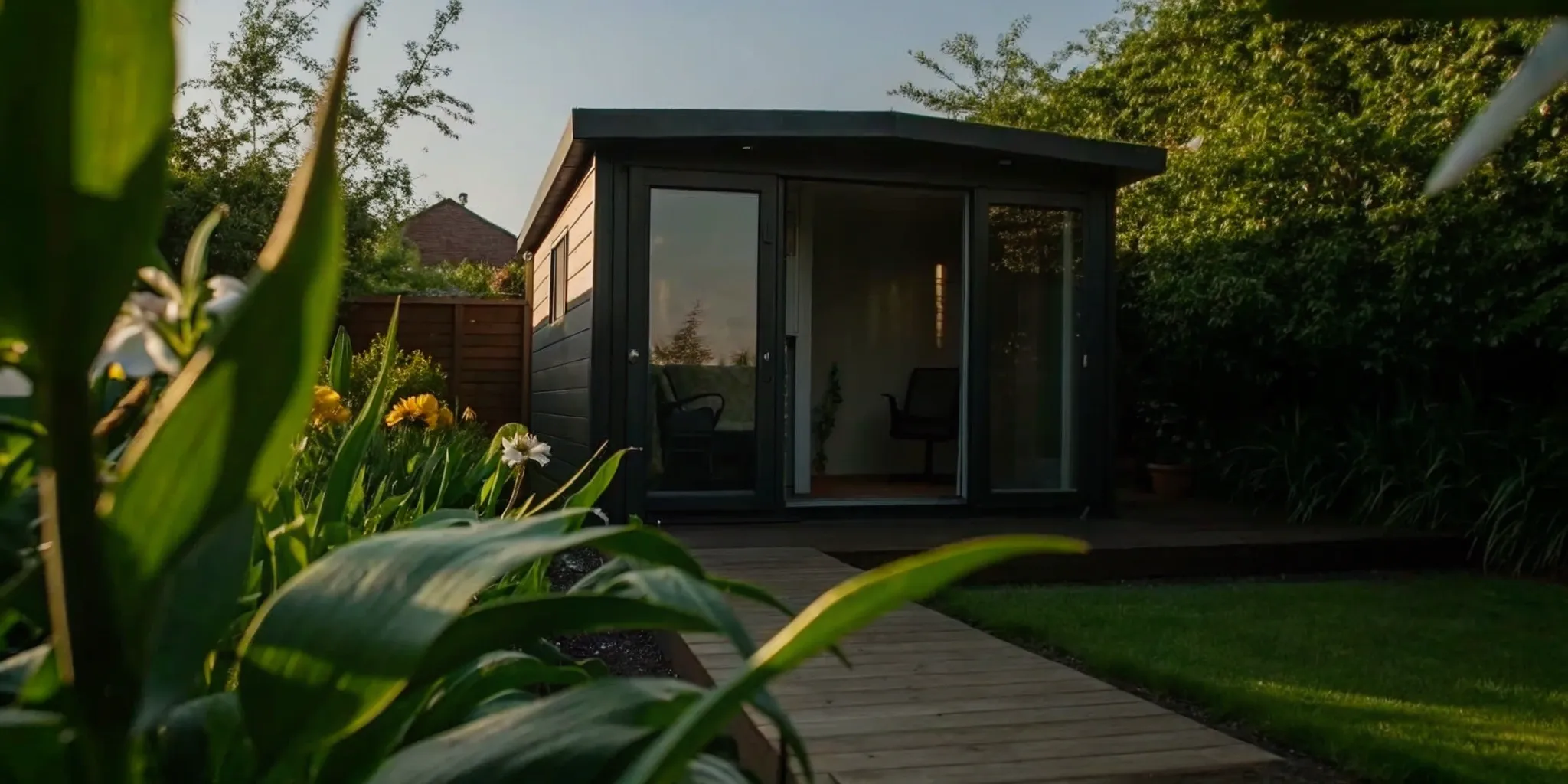
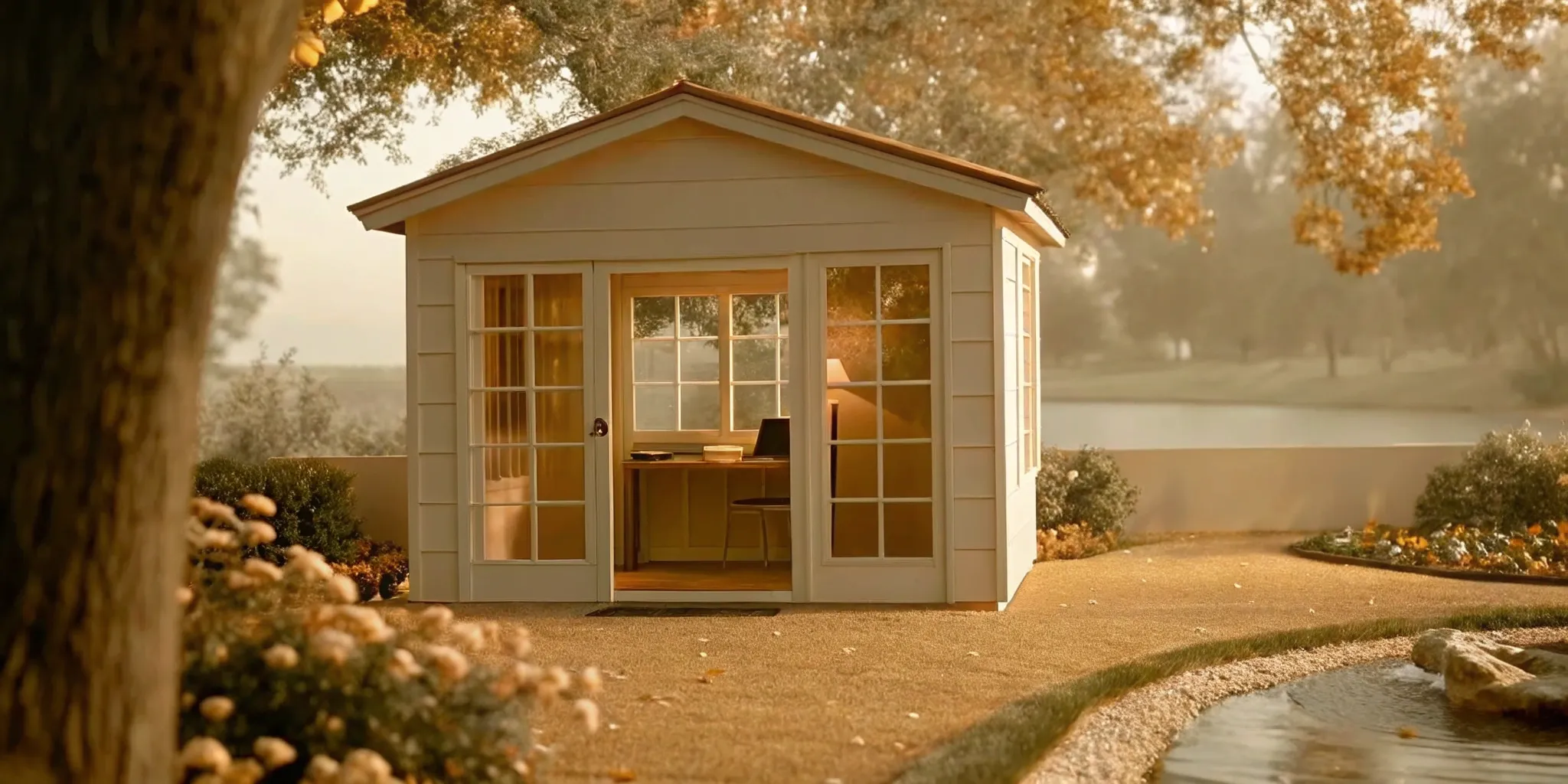
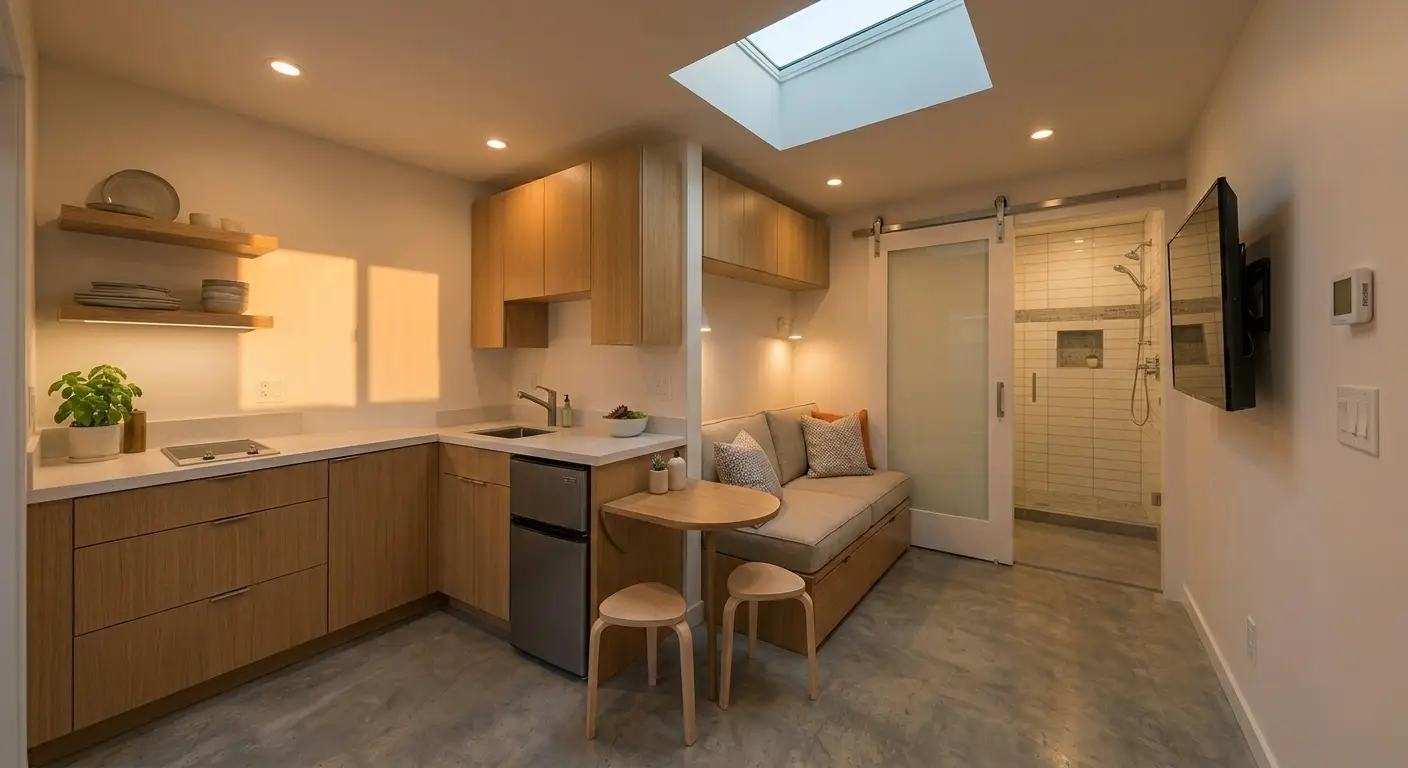
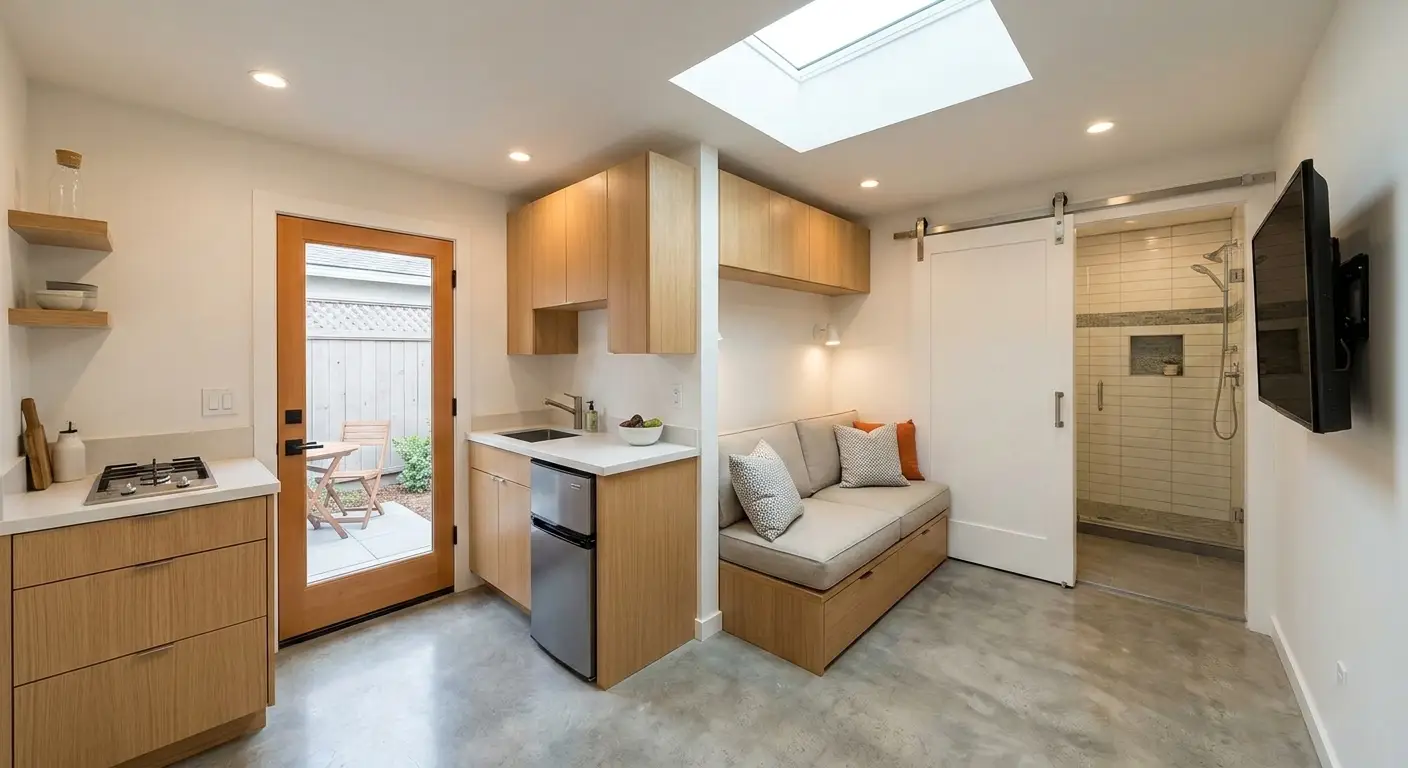
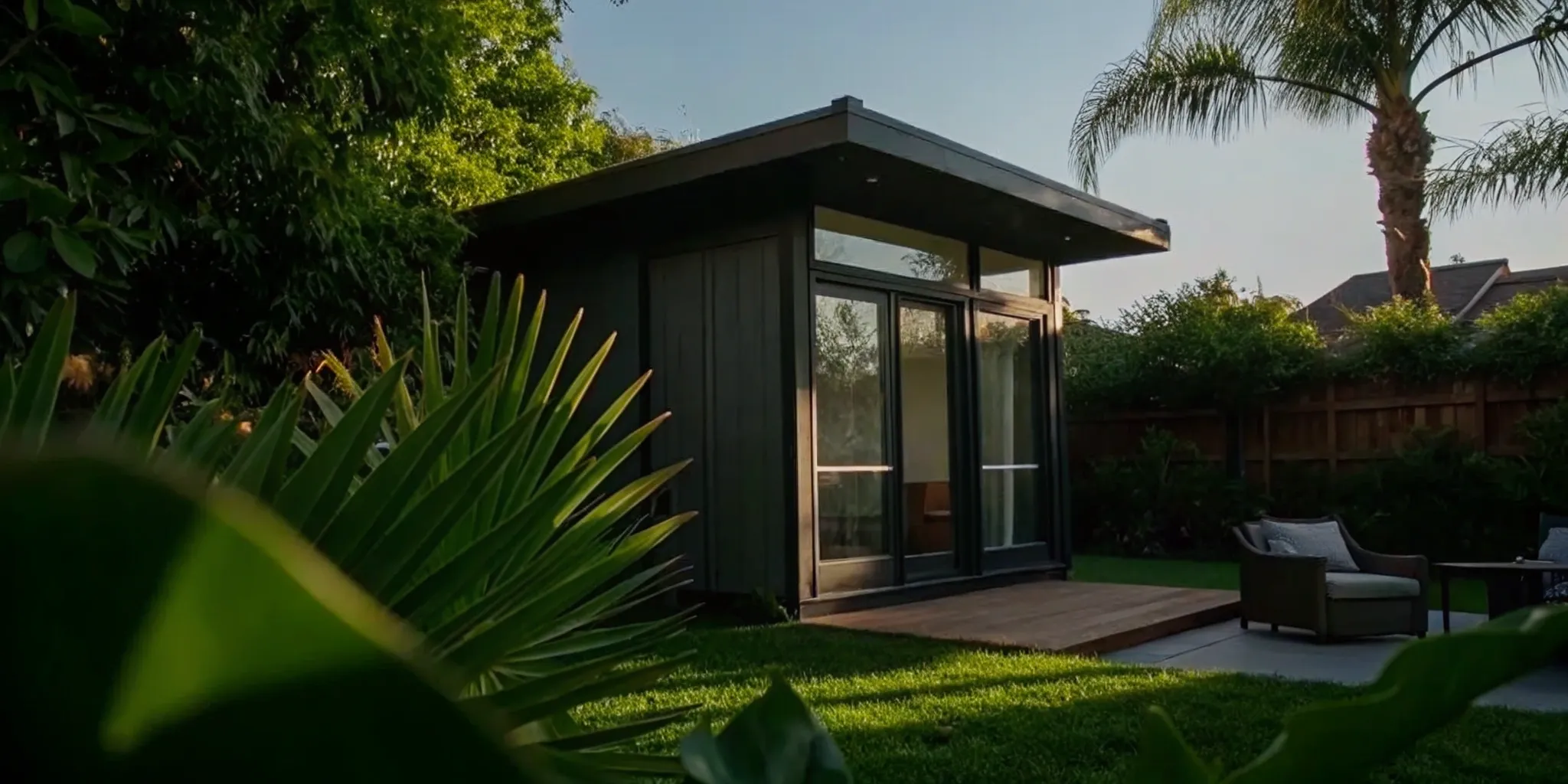
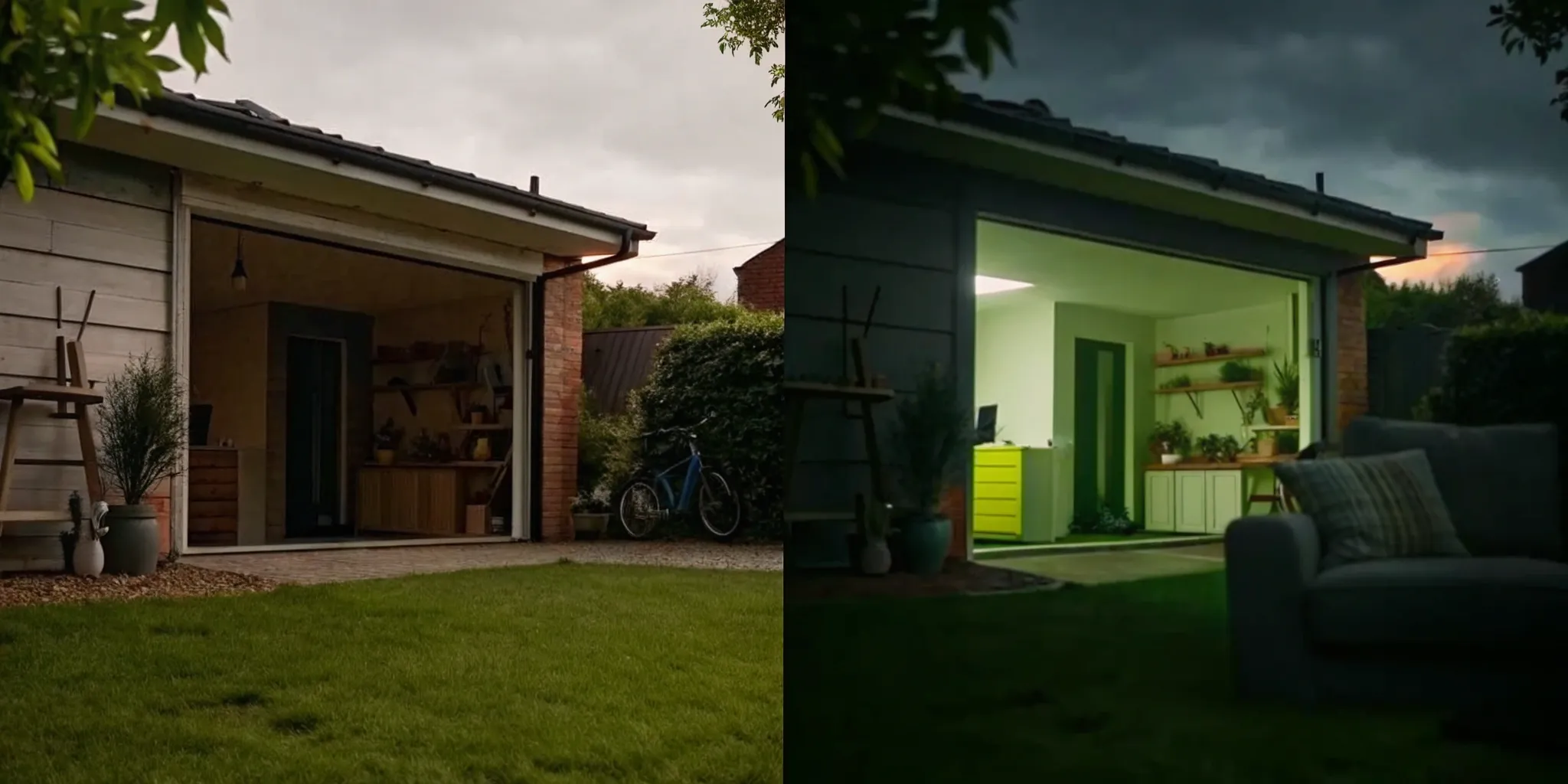
Accessory Dwelling Units, or ADUs, have become incredibly popular in the Bay Area. With the ongoing housing shortage, adding a small, separate living unit to your property is a brilliant solution. Whether you plan to use it as a guest house, a home office, or a rental unit for extra income, an ADU is a valuable addition. However, building one involves specific zoning rules and permit processes. A contractor with ADU experience will be familiar with the state and local regulations, helping your project go smoothly from design to completion.
Home Additions and New Construction
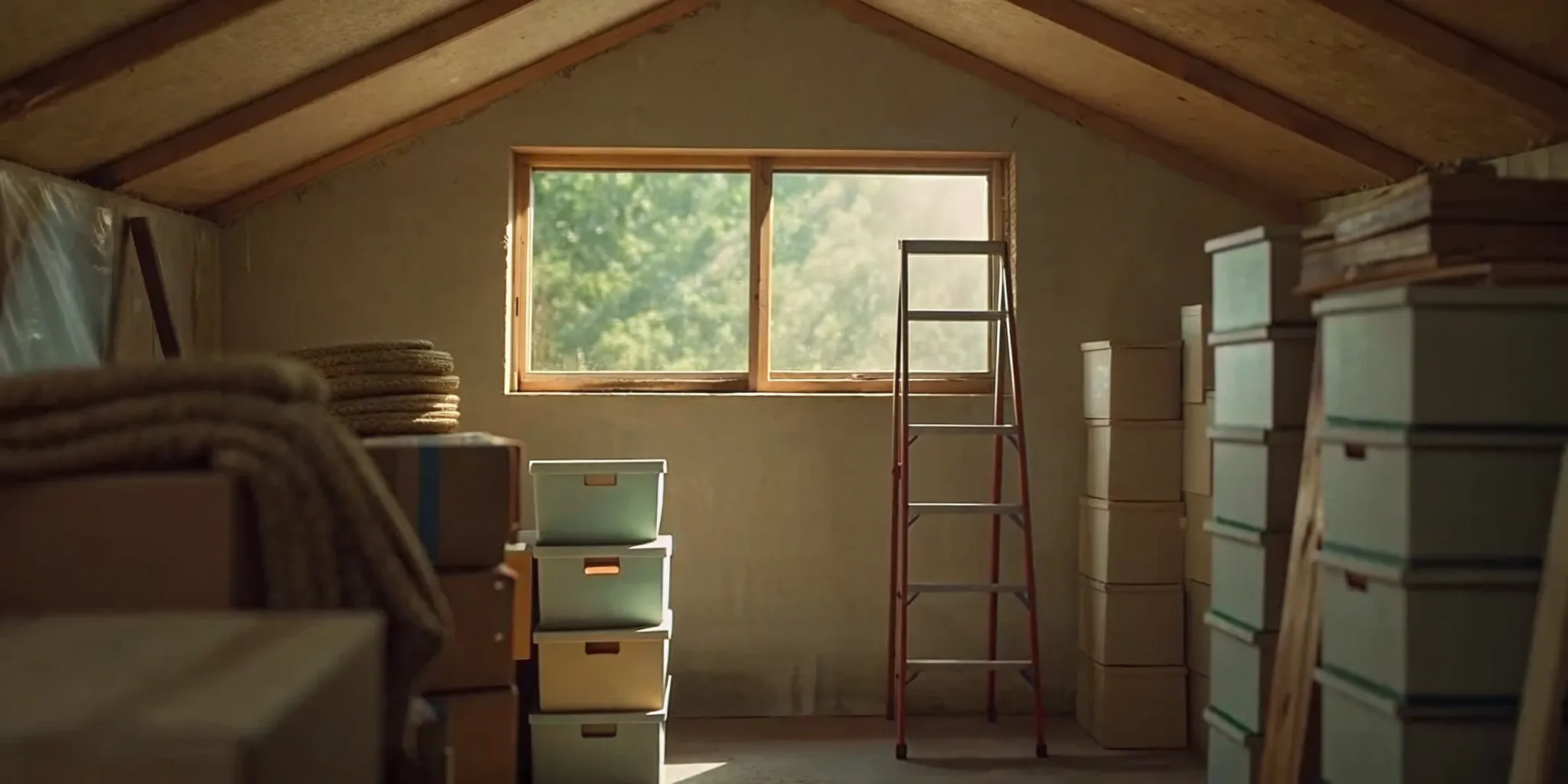
As families grow and needs change, many Bay Area residents choose to expand their current homes rather than move. Home additions, whether it’s a second story or a larger living area, require careful planning to blend seamlessly with the existing structure. General contractors also manage new construction projects, building a home from the ground up. In both cases, the contractor is your primary partner, responsible for turning architectural plans into a reality. They handle the complexities of local zoning laws and building codes, ensuring your new space is both beautiful and compliant.
Green Building and Eco-Friendly Renovations
Sustainability is a major focus in the Bay Area, and that extends to home construction. Eco-friendly renovations are a popular choice for homeowners looking to reduce their environmental footprint and lower their utility bills. These projects often involve using sustainable materials, installing energy-efficient windows, or adding solar panels. A contractor with a background in green building can guide you toward the best options for your home and budget. They can help you create a space that is healthier for your family and the planet without sacrificing style or comfort.
Where to Find a Qualified General Contractor
Finding the right general contractor can feel like searching for a needle in a haystack, but it doesn’t have to be. With the right approach, you can build a shortlist of qualified, trustworthy professionals for your Bay Area renovation. The key is to use a mix of modern tools and old-fashioned networking to gather potential candidates. Start by exploring a few different avenues to cast a wide net. From there, you can begin the process of narrowing down your options to find the perfect partner for your project.
Use Online Directories and Platforms
Your search will likely begin online, which is a great place to start. Websites like Yelp, Angi, and even Google are filled with listings for local contractors. These platforms are helpful because they centralize information and provide a space for past clients to share their experiences. In fact, the vast majority of homeowners now rely on online reviews before hiring a pro. Use these sites to gather a list of potential contractors in your area whose work seems to align with your project. Pay attention to their ratings, read both positive and negative reviews, and look at photos of their completed projects to get a feel for their style and quality.
Get Referrals from People You Trust
While online platforms are a solid starting point, nothing beats a personal recommendation. Ask friends, family, neighbors, or colleagues if they’ve worked with a general contractor they loved. Finding a reliable contractor can be one of the biggest common challenges for homeowners, and a referral from a trusted source gives you immediate insight into a contractor’s communication style, reliability, and workmanship. In a high-cost market like the Bay Area, a personal vetting can save you from potential headaches and costly delays down the road. People are usually happy to share their experiences, good or bad, so don’t be shy about asking for details.
Check Professional Associations
Another excellent way to find qualified contractors is through professional associations. Organizations like the National Association of the Remodeling Industry (NARI) or the National Association of Home Builders (NAHB) have local chapters with member directories. Contractors who belong to these groups are often committed to a code of ethics and continuing education, which can be a good indicator of their professionalism. These associations provide a curated list of members who are invested in their craft. This step adds an extra layer of verification and can help you find contractors who are serious about their business and reputation in the industry.
Red Flags to Watch for When Hiring a Contractor
Finding the right contractor is exciting, but it’s smart to go in with your eyes open. Knowing what to watch out for can save you from major headaches, unexpected costs, and project delays. While most contractors are dedicated professionals, a few bad apples can make the process stressful. Paying attention to these common red flags related to pricing, communication, and paperwork will help you confidently choose a partner who will bring your vision to life the right way.
Spot Unrealistic Bids and Pricing
If a bid seems too good to be true, it probably is. An unusually low estimate is one of the biggest warning signs. This can mean the contractor is cutting corners on materials, hiring unskilled labor, or doesn't fully understand the scope of your project. They might also plan to make up the difference later with a stream of expensive change orders. To protect yourself, always get at least three detailed bids. This gives you a clear sense of the market rate for your project. A trustworthy contractor will provide a transparent quote and be able to explain every line item without hesitation.
Watch for Poor Communication
A renovation project is a partnership, and good communication is the foundation. If a contractor is hard to reach, late for appointments, or vague with their answers from the very beginning, consider it a preview of what’s to come. These early signs of disorganization often translate into missed deadlines and frustrating miscommunications once the work starts. You want a contractor who is responsive, professional, and clear. Pay attention to how they handle your initial questions. Do they listen to your ideas and provide thoughtful answers? A reliable partner will make you feel heard and respected from the first conversation.
Avoid Vague Contracts and Missing Paperwork
A handshake deal has no place in a home renovation. A professional contractor will always insist on a detailed, written contract that protects both of you. Be wary of anyone who presents you with a one-page agreement or seems hesitant to put things in writing. A proper contract should clearly outline the full scope of work, a payment schedule, specific materials to be used, and an estimated timeline. It should also detail how changes will be handled. Having expert guidance to review these documents can be invaluable, ensuring every detail is covered and there are no surprises down the road.
Identify Patterns in Bad Reviews
Before you sign anything, do a little digging online. While a single negative review isn’t necessarily a dealbreaker, a pattern of similar complaints is a major red flag. Look for recurring issues across different review sites, like consistent project delays, budget overruns, or poor craftsmanship. Also, be cautious if a contractor has no online presence or reviews at all. A reputable business usually has some digital footprint. Taking the time to read what past clients have to say can give you incredible insight into what it’s really like to work with a contractor.
How to Clearly Communicate Your Project Vision
Getting a contractor to see your vision is one of the most important parts of a renovation. When you can clearly articulate what you want, you minimize misunderstandings, prevent costly changes down the line, and ensure the final result matches your dreams. Think of it as creating a roadmap for your project. A great contractor can build anything, but they need you to provide the destination.
Putting in the effort to document your vision, budget, and expectations before the work begins sets a professional tone and establishes a partnership built on clarity. This preparation helps contractors provide more accurate bids and gives you a solid framework for comparing them. It’s your best tool for making sure everyone is on the same page from day one.
Create a Detailed Project Brief
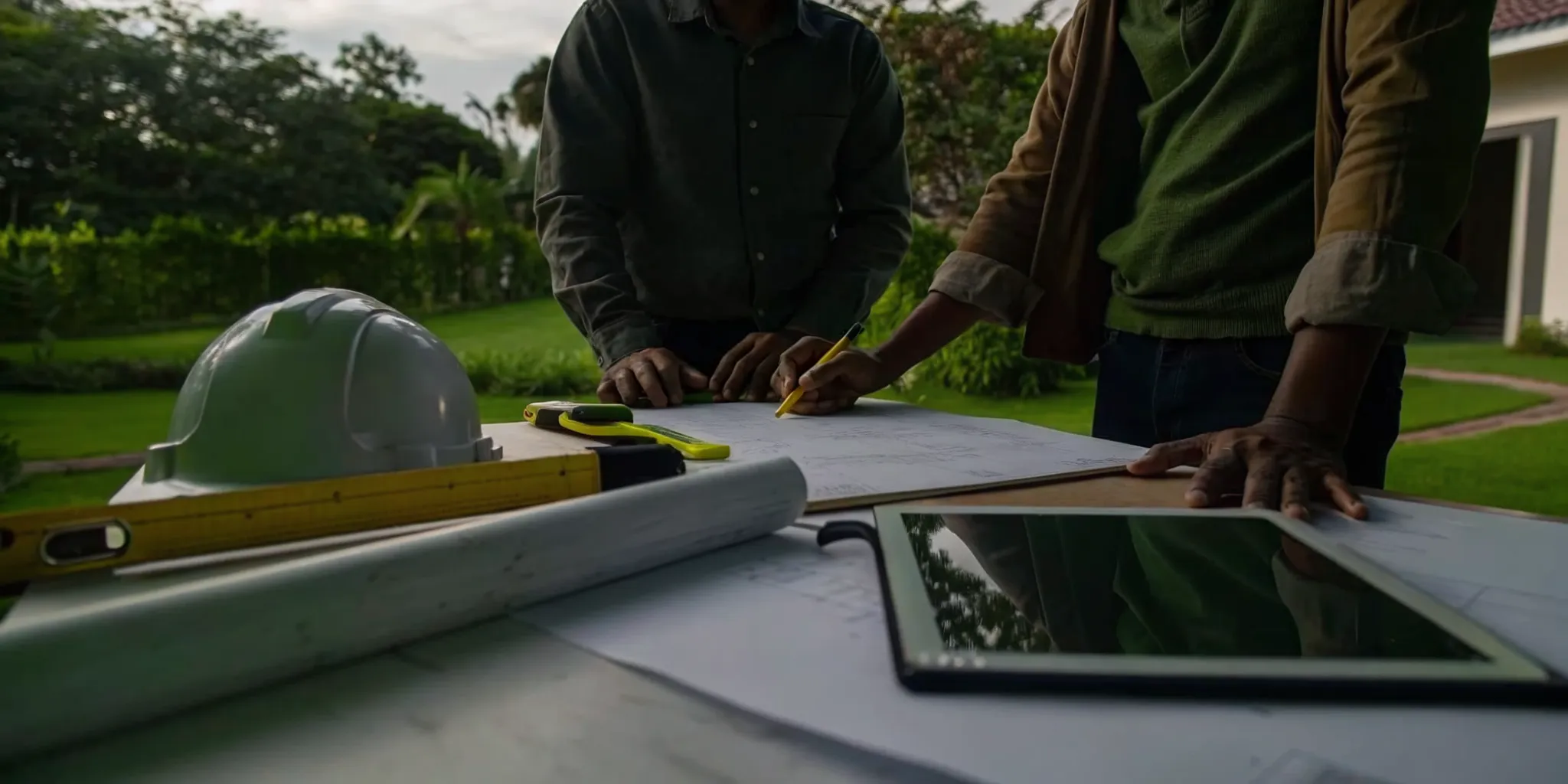
A project brief is your vision on paper. It’s a document that outlines everything you want, from the big picture down to the smallest details. Start by gathering inspiration. Create a mood board on Pinterest with images of kitchens, bathrooms, or additions you love. Include notes about what you like, such as the cabinet style, tile pattern, or window placement. Your brief should also list specific materials, brands, and model numbers for appliances or fixtures you’ve already chosen. The more detail you provide, the better a contractor can understand your aesthetic and functional needs, which is especially helpful when navigating the Bay Area’s strict zoning laws.
Set a Realistic Timeline and Budget
Being upfront about your budget and timeline is essential. In the Bay Area, high demand for skilled labor and materials means costs can add up quickly. Research the typical price for your type of project to get a baseline. Remember that a contractor’s bid includes more than just materials; it covers skilled labor, which can range from $75 to $150 per hour, plus overhead and project management. When you present a realistic budget, it allows contractors to suggest appropriate materials and solutions that fit your price point. Similarly, discuss your ideal timeline but be prepared to be flexible. A good contractor will help you create a practical schedule that includes a buffer for potential delays.
Establish a Communication Plan
Decide how you and your contractor will stay in touch before you even sign a contract. Will you have a weekly check-in call? Is email or a project management app the best way to track progress and decisions? Setting these expectations early prevents frustration later. A contractor’s communication style during the bidding process is often a preview of what’s to come. If they are responsive, clear, and professional, it’s a great sign. Your plan should also specify how changes will be handled. A formal change order process ensures any adjustments to the scope, budget, or timeline are documented and approved in writing, protecting both you and your contractor.
What Drives General Contractor Costs in the Bay Area?
Budgeting for a renovation in the Bay Area can feel like hitting a moving target. Costs here are influenced by a unique mix of economic and geographic factors that make it one of the most expensive places to build in the country. Understanding what goes into a general contractor's pricing will help you create a realistic budget and evaluate bids more effectively. The final price tag on your project isn't arbitrary; it’s a combination of hard costs, project complexity, and the contractor's business model. Key drivers include the high price of skilled labor and materials, the specific scope of your project, how your contractor structures their fees, and even your home’s exact location within the Bay Area. By breaking down these elements, you can get a clearer picture of where your money is going and why. A well-informed homeowner is better equipped to have productive conversations with contractors and make confident decisions about their investment. At Realm, we provide a detailed cost analysis upfront, so you have a solid foundation for your project planning.
Factor in Labor and Material Costs
The two biggest line items on any renovation budget are labor and materials. Labor costs in the Bay Area are among the highest in the nation, driven by a competitive job market and an incredibly high cost of living. Skilled contractors and tradespeople often charge between $75 and $150 per hour, reflecting their expertise and the demand for their services. This rate covers not just their wages but also insurance, overhead, and other business expenses. Similarly, material costs can fluctuate based on supply chain dynamics and local demand. High-quality finishes, lumber, and fixtures all contribute significantly to the overall budget, and sourcing them in a high-demand market adds to the expense.
How Project Scope Affects the Price
The size and complexity of your renovation directly impact the final cost. A simple cosmetic update is very different from a full-scale home addition that requires structural changes, new plumbing, and electrical work. The more detailed and complex the project, the more it will cost. Your general contractor is responsible for coordinating all the moving parts, including hiring and managing subcontractors like electricians, plumbers, and painters. As one homeowner noted, "There are a lot of factors that go into the price such as labor, overhead, material, the details of the addition...The GC will sub the work." This management of specialized trades is a critical part of their job and is factored into their overall fee.
Understand Different Pricing Models
Contractors use different models to price their work, and it’s helpful to know which one your potential hire uses. The two most common are "fixed-price" and "cost-plus." A fixed-price contract gives you a single, all-in number for the entire project. A cost-plus contract bills you for the actual cost of labor and materials plus a percentage for the contractor's overhead and profit. When you get a quote, remember that the price for materials is more than just their retail cost. Contractors add a markup to cover the logistics of ordering, storing, and guaranteeing the products they install. This fee is a standard part of their business operations, covering everything from their office rent to their truck insurance.
Know How Location Impacts Cost
Even within the Bay Area, costs can vary from one city to another. Renovating a home in San Francisco or Palo Alto will likely be more expensive than a similar project in a less dense part of the region. This is because the local cost of living directly affects labor rates. Beyond that, each municipality has its own permitting fees, building codes, and regulations that can add to the project's complexity and cost. Logistical challenges like limited street parking for work crews or restricted construction hours in certain neighborhoods can also influence a contractor's bid. A contractor with deep local experience will be familiar with these nuances and can price your project more accurately.
How to Compare Bids from Multiple Contractors
Once you have a few bids in hand, the real work begins. It’s tempting to just scan for the lowest price and call it a day, but that’s one of the biggest mistakes you can make. Comparing contractor bids is about finding the best value for your investment and, just as importantly, the right partner for your home renovation. A thorough comparison protects you from surprise costs, shoddy work, and months of frustration. Let's break down how to do it right.
Look Beyond the Bottom Line
The lowest number on the page can be very persuasive, but it rarely tells the whole story. A bid that seems too good to be true probably is. When a contractor gives you a quote, it includes more than just the cost of lumber and tile; it also covers their labor, overhead, and profit margin. An unrealistically low estimate might signal that the contractor is cutting corners, using subpar materials, or doesn't fully understand the scope of your project. Instead of focusing solely on the final price, consider the overall value. A slightly higher bid from an experienced, reputable contractor often means a smoother process and a better final result.
Compare Project Scope and Materials
To make a fair comparison, you need to be sure you’re looking at the same project from each contractor. This is where a detailed breakdown becomes essential. Ask every contractor to provide a bid that clearly lists all inclusions and exclusions, plus specific allowances for items like fixtures or finishes. I recommend creating a simple spreadsheet to line up the bids side-by-side. This "bid-leveling" approach helps you spot differences quickly. Does one contractor include demolition and debris removal while another lists it as an extra? Is one quoting high-end appliances while another is using builder-grade? Getting this level of detail ensures there are no misunderstandings down the road.
Ask the Right Questions
A bid is a document, but a contractor is a person you’ll be working with closely. Don’t be afraid to pick up the phone and contact the contractor directly to discuss their proposal. A good contractor will be happy to walk you through their bid and explain their reasoning. Ask them why they chose certain materials, how they plan to handle potential challenges, and what their payment schedule looks like. Their answers (or lack thereof) will tell you a lot. If a contractor is vague, defensive, or pressures you to decide quickly, consider it a major red flag. This conversation is as much about vetting their communication style as it is about clarifying the numbers on the page.
What to Expect When You Hire a Contractor
Once you’ve vetted your options and selected a general contractor, the real work begins. This phase is all about setting clear expectations, formalizing your agreement, and establishing a communication rhythm that will carry you through the project. Knowing what to expect at each step can help you feel more in control and ensure a smoother renovation process from the initial handshake to the final walkthrough. A great contractor will guide you through this, but it’s always best to be prepared. This partnership is key to turning your vision into a reality, so starting off on the right foot is essential for everyone involved. Let’s walk through the key stages of kicking off your project.
The First Meeting and Site Visit
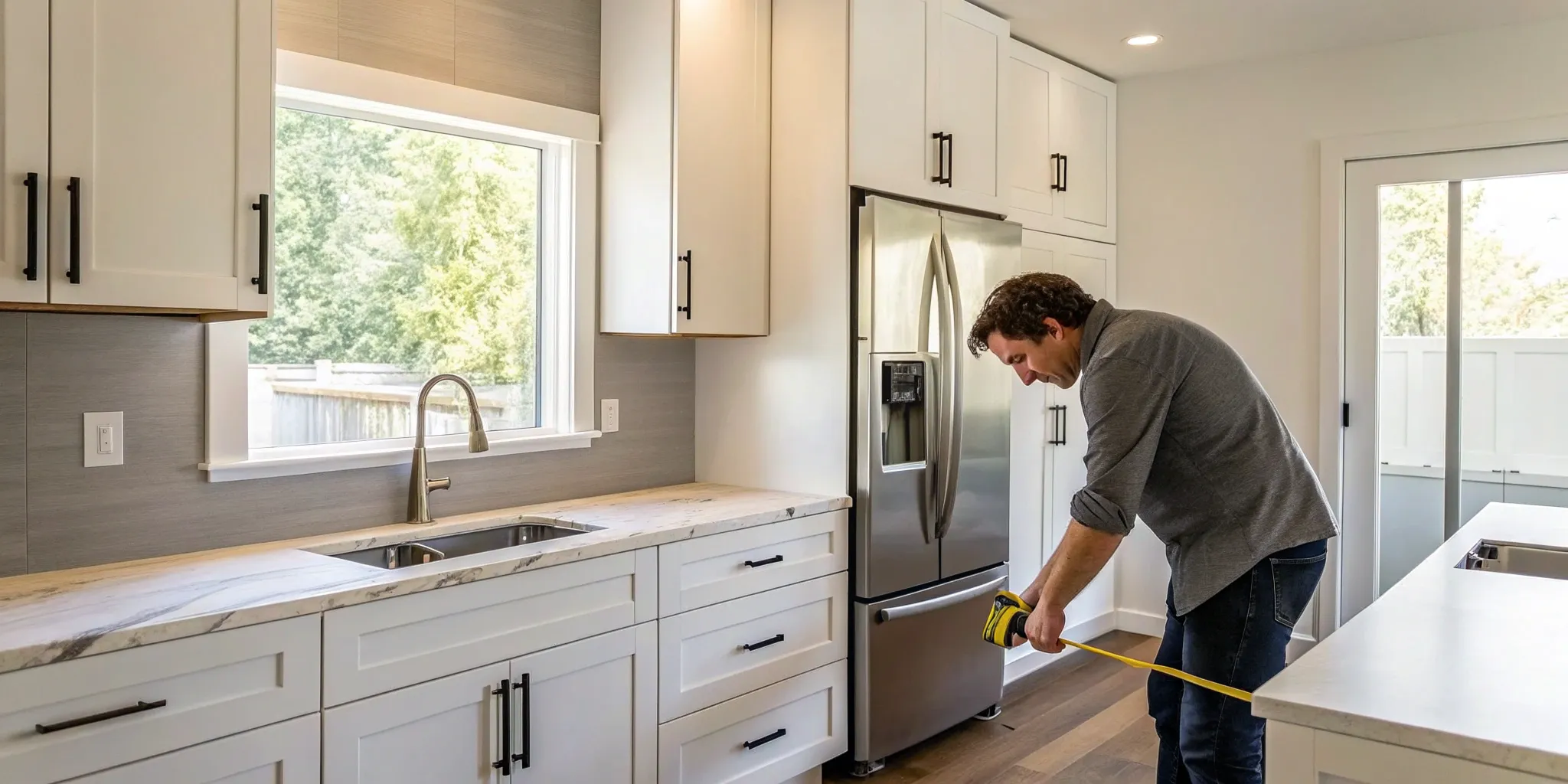
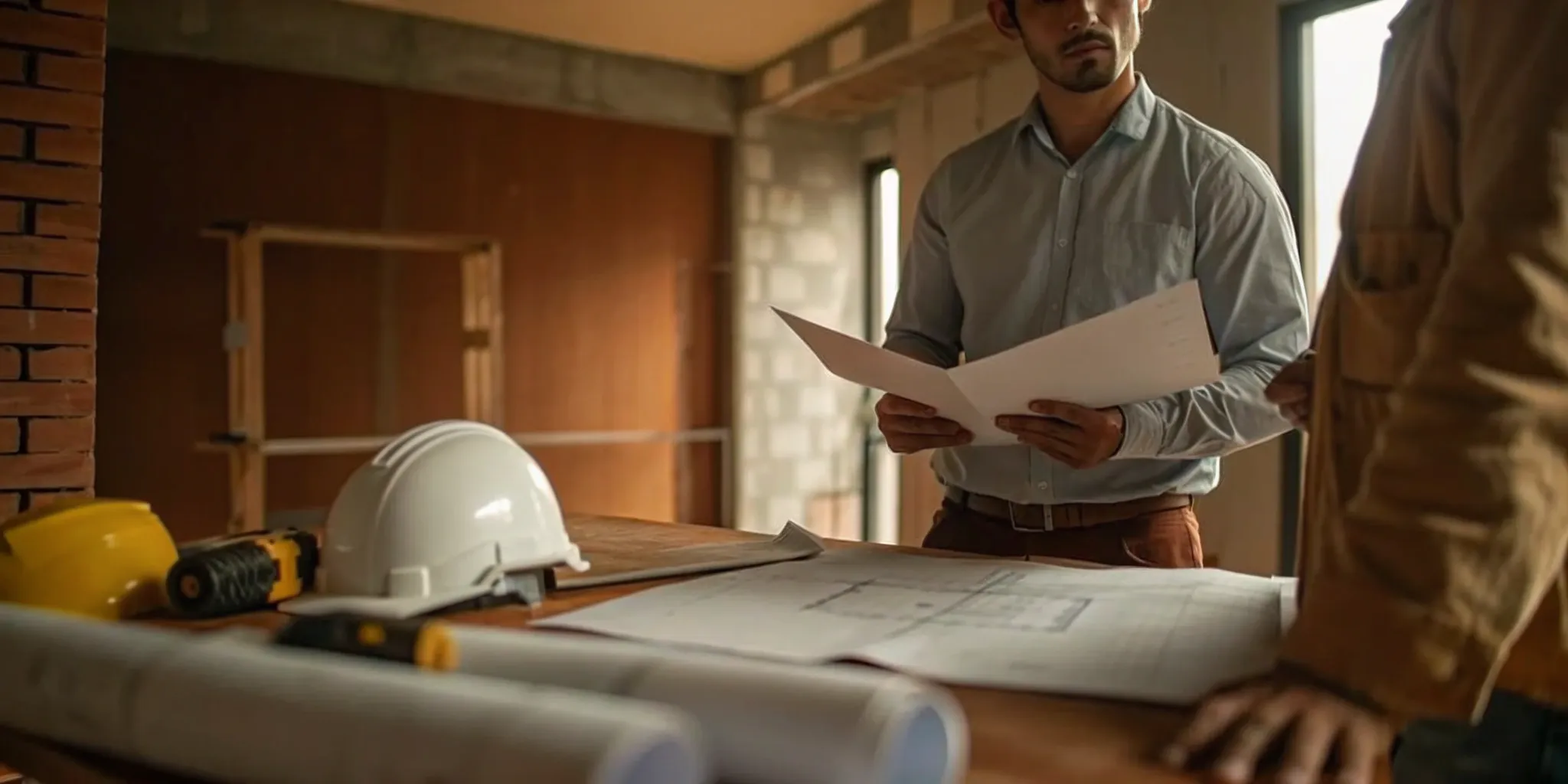
Your first official meeting is more than just a meet-and-greet; it’s a chance to confirm you’ve made the right choice. The contractor should come to your home for a site visit to see the space, take measurements, and discuss your vision in detail. Pay attention to their professionalism and how they communicate. In the Bay Area, where zoning laws and building codes can be particularly complex, it’s vital to work with a licensed general contractor who understands local regulations. Ask them about their experience with similar projects in your city. This initial conversation sets the tone for the entire project, so make sure you feel heard and confident in their expertise before moving forward.
How to Negotiate the Contract
The contract is your project’s blueprint and your most important form of protection. Don’t just skim it; read every line. A solid contract should clearly list all inclusions (what the contractor will do) and exclusions (what they won’t). It should also have defined allowances, which are budget estimates for items you’ll select later, like tile or light fixtures. To make sure you’re comparing bids fairly, you can use a bid-leveling sheet to line up costs from different contractors side-by-side. This detailed approach helps prevent surprise costs and ensures you and your contractor are perfectly aligned on the scope of work and the budget from day one.
Kicking Off the Project and Staying in Touch
Before any demolition begins, there are a few final pieces of paperwork to handle. Your contractor should provide you with current Certificates of Insurance (COIs), including General Liability and Workers’ Compensation. This protects you from liability if an accident happens on your property. Once the project is underway, consistent communication is crucial. Agree on a schedule for regular check-ins, whether it’s a daily text or a weekly call. If your contractor is hard to reach or misses scheduled calls before the project even starts, it could be a sign of communication issues to come. A clear communication plan keeps the project on track and ensures you’re always in the loop.
Related Articles
- How to Hire a General Contractor for House Renovation
- Finding The Right Contractor
- How To Assess Contractor Bids (& What To Look Out For)
Frequently Asked Questions
What's the first thing I should do when I find a contractor I like? Before you get too invested, take five minutes to do a quick background check. The most important first step is to verify their license number on the California Contractors State License Board (CSLB) website. This simple search confirms they are a legitimate professional who is legally allowed to work on your home and that their license is in good standing. It’s a non-negotiable check that protects you from unqualified or fraudulent operators right from the start.
Is the lowest bid always the best choice? It's rarely the best choice. An unusually low bid can be a major red flag, often indicating that the contractor may be using cheaper materials, hiring less-skilled labor, or doesn't fully grasp the project's scope. This can lead to surprise costs and change orders later on. Instead of focusing only on the price, compare the detailed scope of work, the quality of materials listed, and the contractor's reputation to find the best overall value for your investment.
What if a contractor asks for a large upfront payment? You should be very cautious. California law limits the down payment a contractor can request to 10% of the total contract price or $1,000, whichever is less. A contractor who asks for a large sum of cash upfront may have financial problems or could be planning to abandon the job. A professional will always establish a clear payment schedule in the contract that ties payments to specific project milestones, ensuring you only pay for work as it is completed.
How detailed does my project plan need to be before I start talking to contractors? The more detail you can provide, the more accurate your bids will be. You don't need professional blueprints to start the conversation, but having a clear idea of your goals is key. Create a simple project brief with inspiration photos, a list of must-haves, and any specific materials or appliances you've already chosen. This helps contractors understand your vision and gives them the information they need to provide a thoughtful and realistic estimate.
Besides the contractor's fee, what other costs should I budget for? A contractor's bid covers labor, materials, and their overhead, but there are other expenses to anticipate. You should plan for the cost of city permits, which can vary depending on your project's scope and location. Your contract will also likely include "allowances," which are placeholder amounts for items you'll choose later, like light fixtures or tile. If you select items that cost more than the allowance, that will add to your total. It's also wise to set aside a contingency fund of 10-15% for any unexpected issues that may arise.





























.png)




.png)