The Real Cost to Convert a Garage Into a Studio
Wondering how much does it cost to convert a garage into a studio? Get a clear breakdown of expenses, hidden fees, and smart budgeting tips.
|
December 23, 2025
In this article:
Thinking about your garage conversion as an investment, rather than just an expense, changes the entire conversation. You’re not just creating a new room; you’re adding significant value to your property and enhancing your daily life. Whether it’s a home office that improves your work-life balance or an ADU that generates rental income, the return can be substantial. Of course, every good investment requires a clear understanding of the upfront capital needed. That’s why the first question to answer is how much does it cost to convert a garage into a studio? We’ll explore the costs associated with popular conversion ideas so you can weigh the initial investment against the long-term financial and lifestyle benefits.
Key Takeaways
- Account for the Unseen Costs First: Your budget should prioritize essential upgrades like permits, foundation work, and new electrical or plumbing systems before you even think about paint colors. These foundational expenses are non-negotiable for a safe and legal conversion.
- Balance Your Splurges with Your Savings: You have direct control over costs when choosing materials and finishes, which is a great place to save money. Just remember that fixed factors, like your garage's size and local labor rates, will also play a major role in the final price tag.
- DIY the Finishes, Not the Foundation: Save money by handling cosmetic tasks like painting and installing trim yourself. For anything structural, electrical, or plumbing-related, hiring a licensed professional is essential for safety, code compliance, and the long-term quality of your new space.
How Much Does a Garage-to-Studio Conversion Cost?
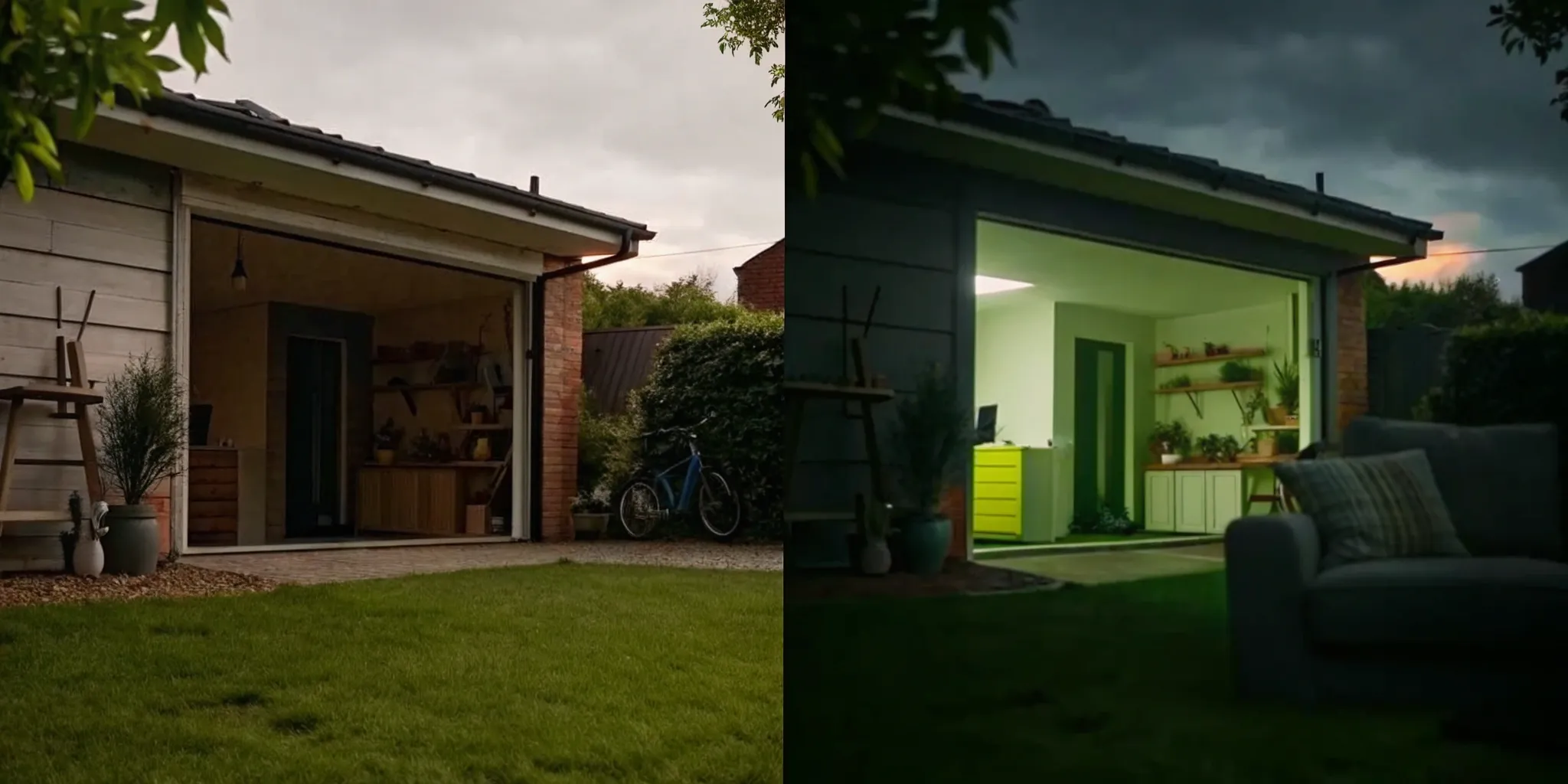
Figuring out the budget for your garage conversion is one of the first, and most important, steps. The good news is that since you’re working with an existing structure—foundation, walls, and a roof are already in place—it’s one of the most cost-effective ways to add square footage to your home. The final price tag can vary quite a bit, though, depending on how ambitious your plans are.
Generally, you can expect a garage conversion to cost anywhere from $9,600 to over $51,000. The total depends on the size of your garage, the condition it’s in, and what you plan to use the new space for. A simple home office will have a very different budget than a fully equipped apartment. Let’s break down what you can expect at different price points.
A Look at Basic Costs
If you’re aiming for a straightforward conversion without major structural changes, you can get started for as little as $4,200. A basic project typically involves finishing the interior with insulation, drywall, and flooring, plus adding simple electrical wiring for lights and outlets. This budget is perfect for creating a functional space like a home gym, a workshop, or a simple playroom. You’re essentially just making the existing space comfortable and usable, which is a fantastic way to add value without a massive investment.
What a Mid-Range Budget Gets You
For most homeowners, a mid-range budget of $7,500 to $20,000 is a realistic target. This price range, which works out to about $18 to $50 per square foot, allows for more significant upgrades. You can afford higher-quality finishes, better insulation, and the installation of an HVAC system for heating and cooling. This budget also covers more complex electrical work and potentially some minor plumbing. A project of this scope might take anywhere from four to eight weeks and is ideal for creating a comfortable home office, an art studio, or a cozy guest bedroom.
Investing in a High-End Conversion
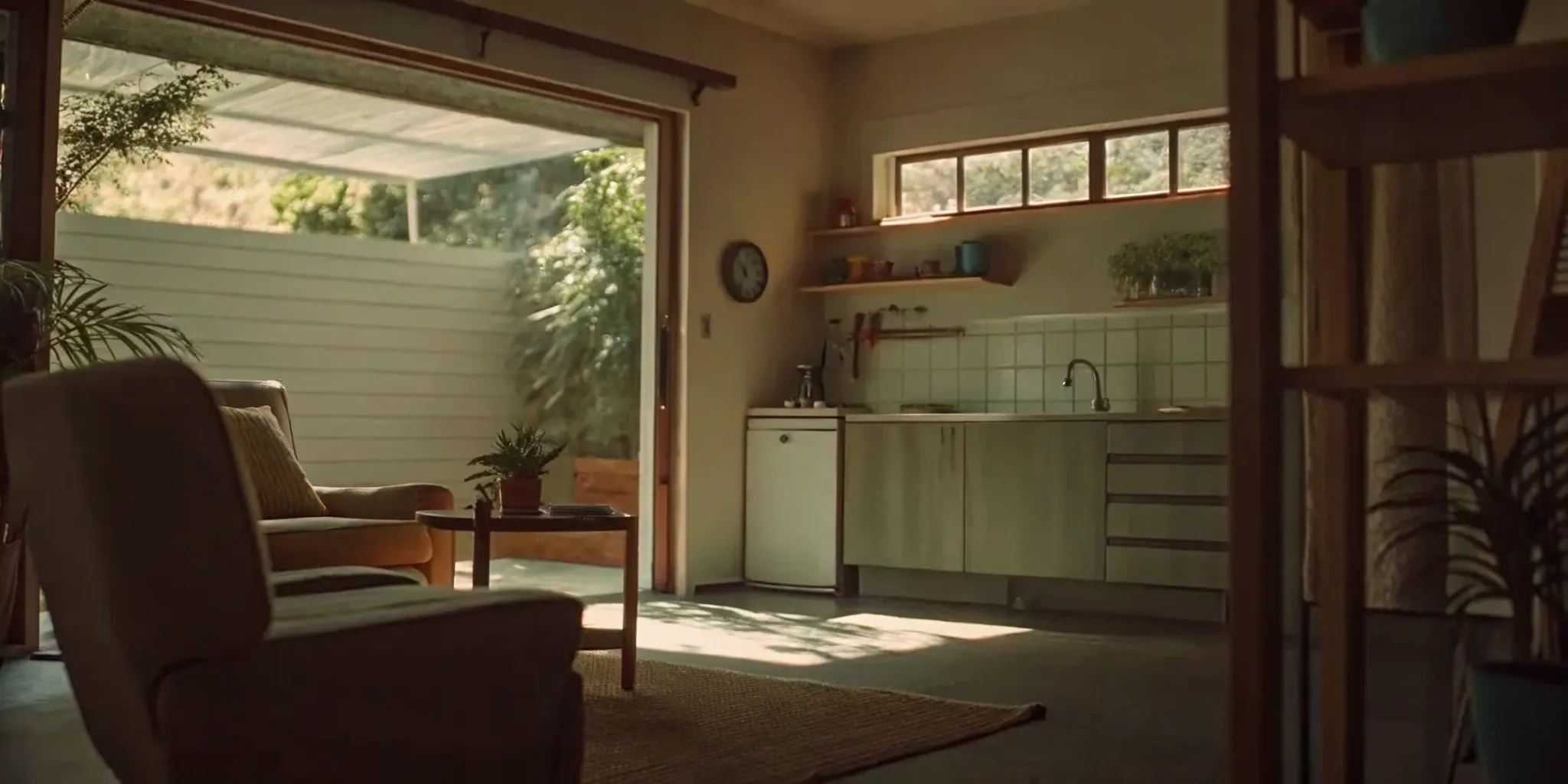
If your dream is to convert your garage into a full-fledged living space, like an Accessory Dwelling Unit (ADU) with its own kitchen and bathroom, you’ll be looking at a high-end project. These conversions can range from $60,000 to over $175,000. The cost is higher because you’re essentially building a small home, which requires extensive plumbing, electrical, and structural work. The starting condition of your garage plays a huge role here; you might need to update utility lines or even replace the roof. While it’s a significant investment, a well-designed ADU can provide rental income or dramatically increase your home’s value.
What Factors Drive Up Your Conversion Cost?
The final price tag for your garage conversion isn't a one-size-fits-all number. Several key factors can cause the cost to swing from a modest investment to a major expense. Understanding these variables from the start helps you build a realistic budget and make informed decisions about where to save and where to splurge. From the square footage you’re working with to the city you live in, each element plays a role in shaping your project's bottom line. Let's break down the four biggest drivers of your garage conversion cost.
Your Garage's Size and Layout
It’s a simple rule: the bigger the space, the more it costs to convert. A larger garage requires more materials—more flooring, more drywall, more paint—and often more labor to install everything. A standard one-car garage (around 240 sq. ft.) will naturally be the most budget-friendly option, while a three-car space (600+ sq. ft.) will be on the higher end. The layout also matters. A simple, rectangular garage is straightforward to work with, but if your space has odd angles or support posts you want to remove, you may face additional design and structural costs to create a functional and open studio.
Why Your Location Matters
Where you live has a huge impact on your total project cost. Labor rates, material prices, and permit fees vary significantly from one city to another. A conversion in a high-cost-of-living area like San Francisco or Los Angeles will almost always be more expensive than the same project in a more affordable region. This is why getting quotes from local contractors is so important. At Realm, we connect you with a network of vetted professionals in your area, ensuring you get accurate, localized pricing and expert guidance tailored to your specific market. This local knowledge is key to keeping your budget on track.
Necessary Structural Changes
Garages are built for cars, not people, and they often need significant structural work to become safe and comfortable living spaces. Many garage foundations are simple concrete slabs that aren't properly insulated, leveled, or reinforced for a living area. You might need to pour a new floor or add a subfloor to fix these issues. Other common structural changes include raising the ceiling height, reinforcing walls to support new windows, or adding beams to create a more open layout. These are not DIY-friendly tasks and require a professional assessment to ensure your new studio is built to last and meets local building codes.
The Quality of Materials and Finishes
This is where you have the most control over your budget. The materials and finishes you choose can make a huge difference in the final cost. Opting for luxury vinyl plank flooring instead of polished concrete, or choosing custom, energy-efficient windows over standard models, will increase your expenses. The same goes for everything from light fixtures and cabinetry to countertops and paint. While it’s tempting to go for high-end finishes, it’s important to balance your aesthetic vision with your budget. Planning these choices ahead of time helps you see where your money is going and decide what’s truly a priority for your new space.
Common Garage Studio Ideas (and Their Price Tags)
Once you decide to convert your garage, the fun part begins: choosing its new purpose. The possibilities are nearly endless, but some conversions are more popular than others. From a quiet workspace to a full-blown apartment, the scope of your project will be the biggest factor in your final budget. Here’s a look at some common garage studio ideas and what you can generally expect them to cost.
The Home Office
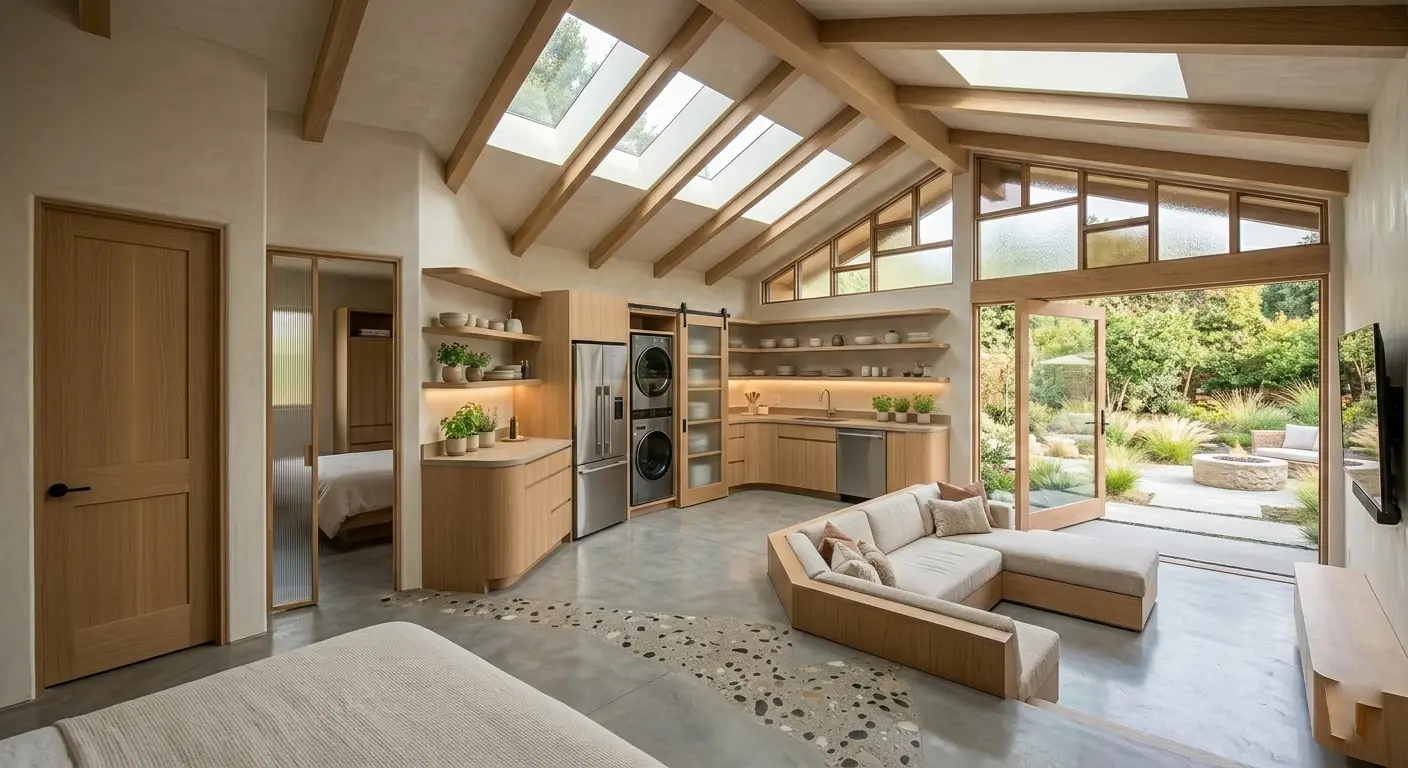
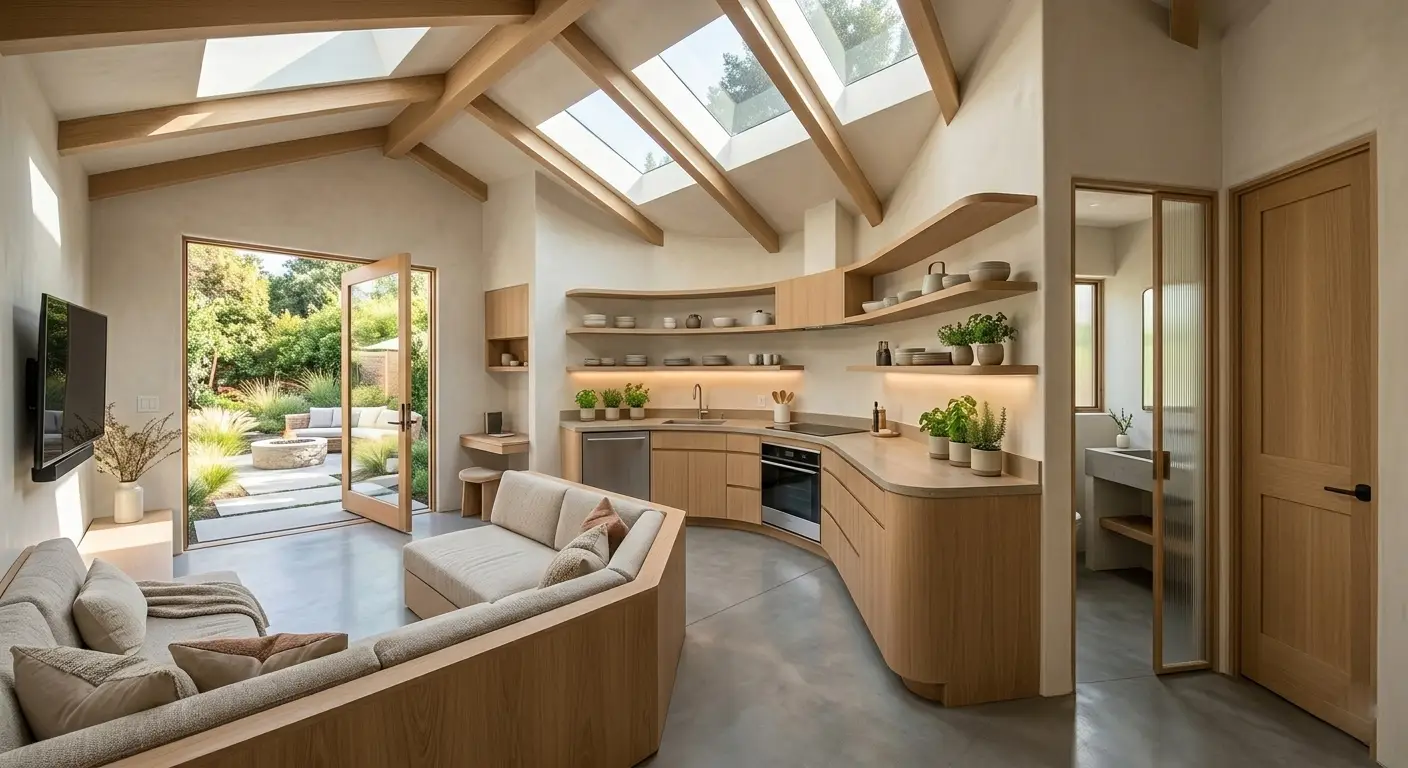
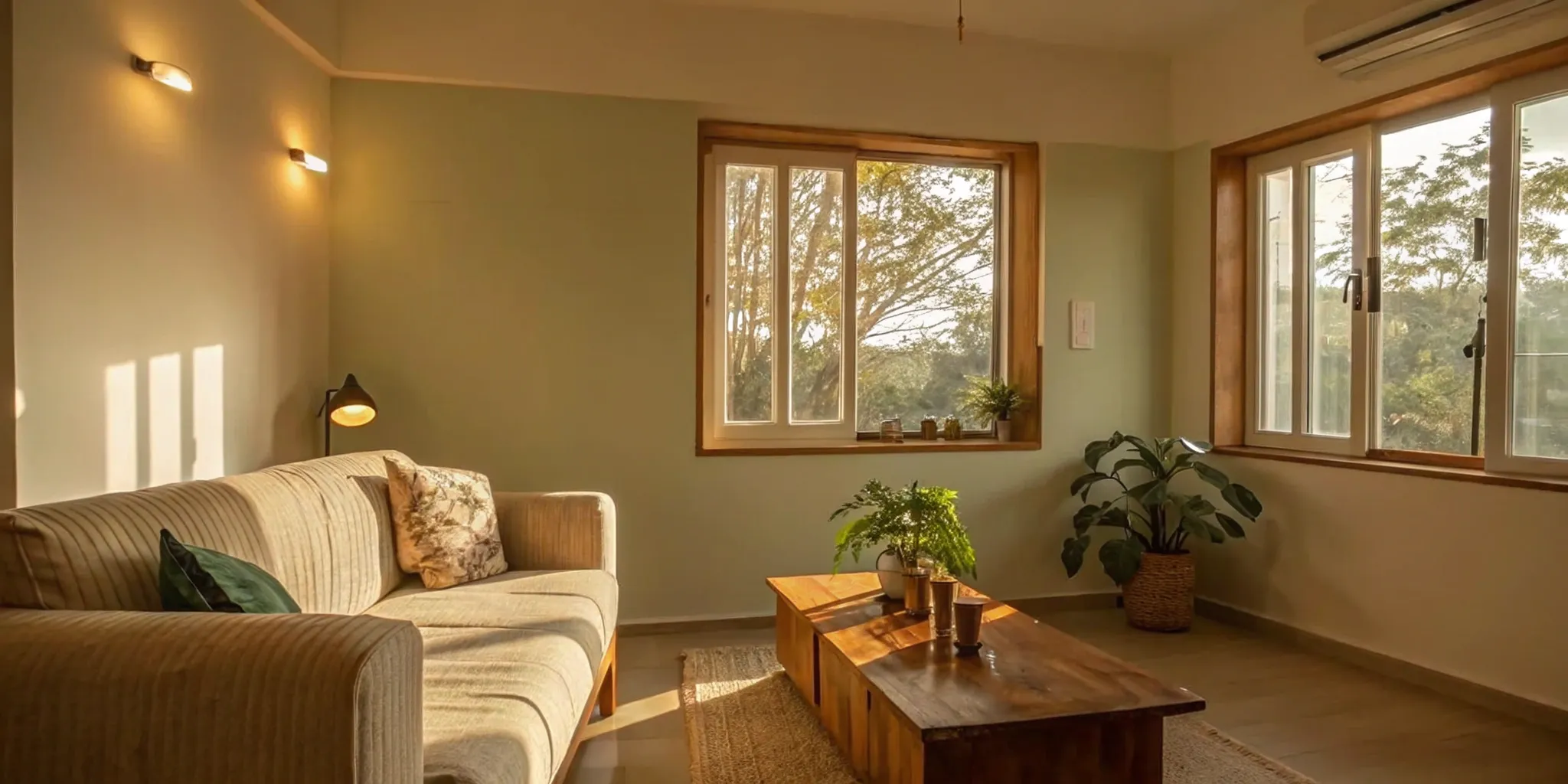
If you work from home, trading a commute for a walk across the yard is a dream. A garage-to-office conversion creates a dedicated, quiet workspace separate from the main house. This project involves finishing the interior with insulation, drywall, flooring, and proper electrical for your computer and lighting. You can expect a typical home office conversion to cost between $8,200 and $14,700. This investment gives you a professional space that can improve your focus and work-life balance without the expense of a full home addition.
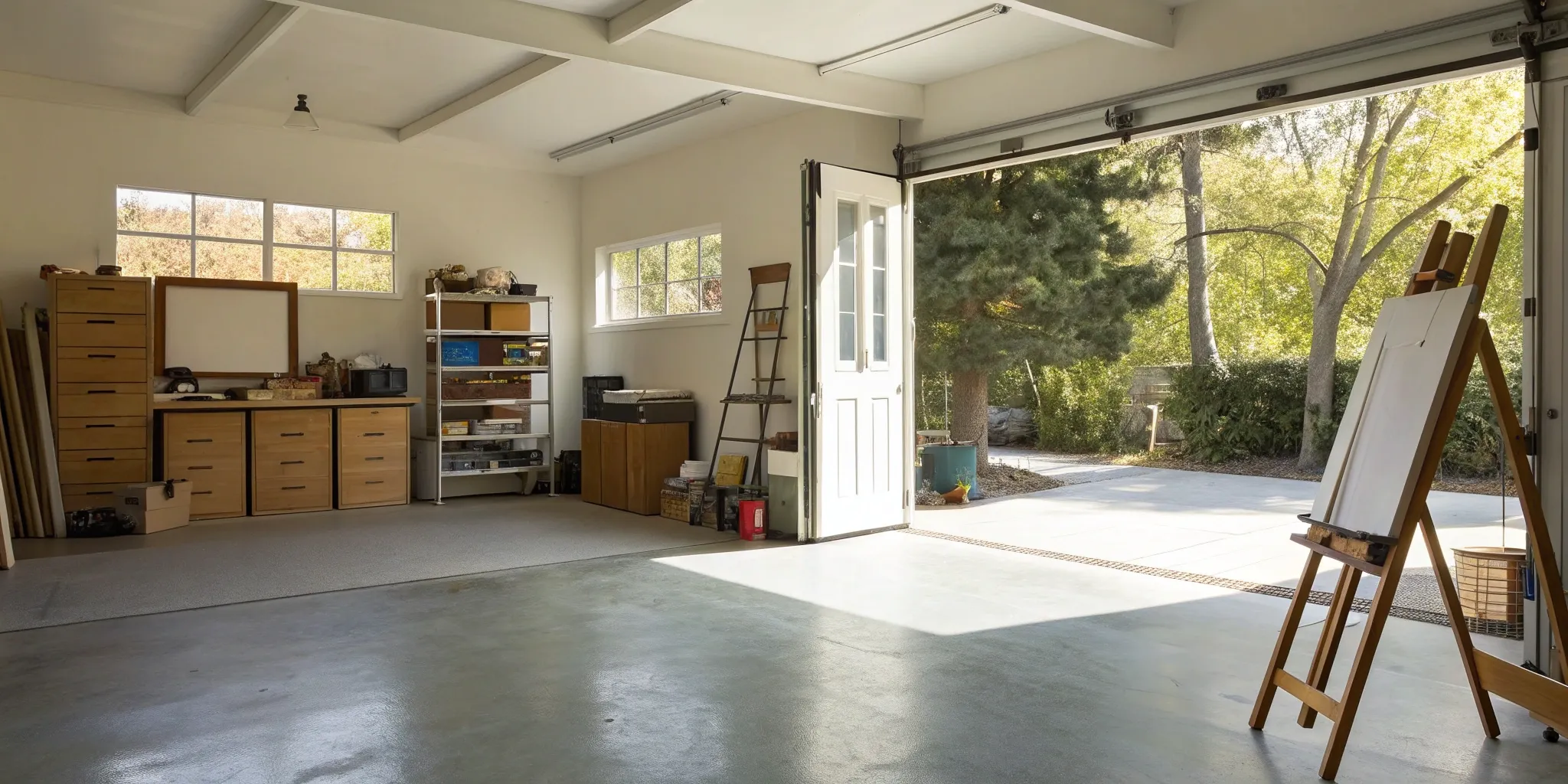
The Art or Music Studio
For creatives, a dedicated studio is invaluable. Transforming your garage into an art or music room gives you a space to make a mess or make some noise without disturbing the rest of the household. The flexibility of a garage conversion means you can tailor it to your craft. An artist might prioritize natural light and utility sinks, while a musician will need to budget for soundproofing. Costs vary widely based on these specializations, but they generally start in a similar range to a home office and go up from there, depending on the specific features you need.
The Home Gym
Tired of paying for a gym membership you barely use? A home gym offers the ultimate convenience. Converting your garage into a fitness studio typically costs between $8,700 and $15,900. This budget usually covers essentials like durable, shock-absorbent flooring, proper ventilation or an HVAC system, and electrical updates for workout equipment. You might also want to add mirrors or reinforced walls for mounting gear. Over time, the money you save on monthly gym fees can make this a very practical and worthwhile home improvement project.
The Guest Suite
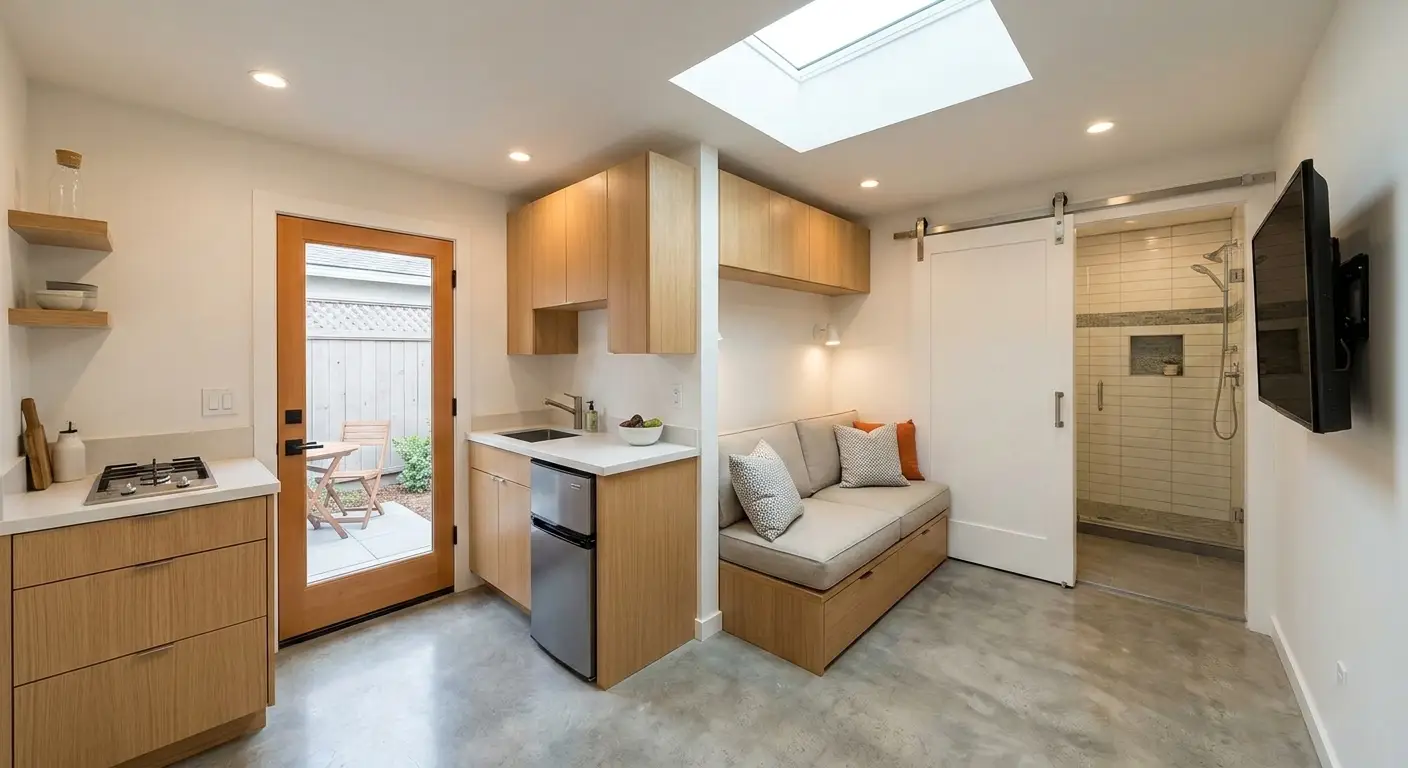
A garage guest suite is a fantastic way to add comfortable, private space for visiting family and friends. The cost can vary dramatically depending on the amenities you include. A basic sleeping area with a finished interior will be on the lower end of the cost spectrum. However, adding a bathroom or a small kitchenette will significantly increase the price due to the extensive plumbing and electrical work required. This project adds major functionality and can make your home the go-to spot for gatherings.
The Accessory Dwelling Unit (ADU)
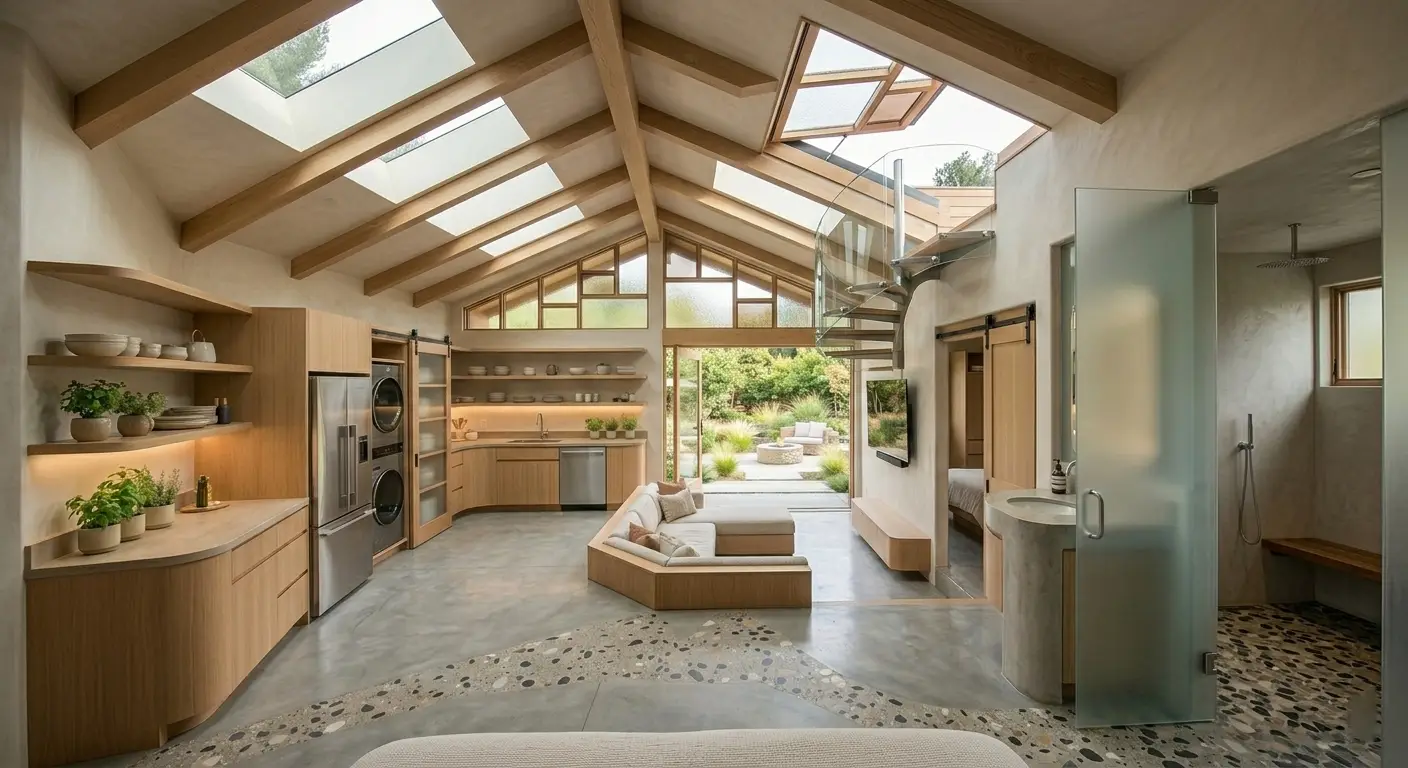
Converting your garage into an Accessory Dwelling Unit (ADU) is the most complex and expensive option, but it also adds the most value. An ADU is a fully independent living space, complete with a kitchen, bathroom, and separate entrance. Costs can range from $60,000 to over $175,000, depending on your garage's condition and the level of finishes. While it's a major undertaking, an ADU conversion can provide a steady rental income or serve as a long-term home for a family member.
Don't Forget to Budget for These Hidden Costs
When you’re dreaming up your new studio space, it’s easy to focus on the fun stuff, like paint colors and furniture. But some of the biggest expenses in a garage conversion are the ones you can’t see. From permits to plumbing, these "hidden" costs are essential for making your new space safe, legal, and comfortable. Overlooking them can quickly derail your budget and your timeline.
Thinking through these items from the start helps you build a more realistic budget. It’s not about getting bogged down in the details, but about being prepared. A solid plan accounts for everything, including the less-glamorous structural and utility work. This way, you can avoid stressful surprises and feel confident as your project moves forward. Let’s walk through the common costs that often catch homeowners off guard so you can factor them into your financial plan.
Permits and Inspections
Before you start demolition, you’ll need to talk to your local government. Most garage conversions require a building permit to ensure the project meets safety and zoning regulations. The cost for a permit can be around $550, but this varies depending on where you live. You'll also need to schedule inspections at different stages of the project—like for framing, electrical, and plumbing—to get official approval. These steps are non-negotiable for creating a legal living space, especially if you plan to build an ADU. Skipping this process can lead to fines and trouble when you eventually sell your home.
Foundation and Structural Work
Your garage was originally built to park cars, not to serve as a living area. Because of this, its foundation might not meet the building code requirements for a habitable space. Many garage slabs are not deep enough or lack the proper footings. A contractor may need to reinforce the existing foundation or even pour a new one, which can involve ripping out the entire floor. This is a significant job that adds a substantial amount to your budget, but it’s crucial for the long-term stability and safety of your new studio. It's one of the first things a vetted professional will assess.
Electrical and Wiring Upgrades
The single electrical circuit that powers your garage door opener and a few overhead lights won't be enough for a studio. You’ll need a complete electrical system upgrade to handle lighting, outlets for computers or equipment, and any appliances. This involves running new wiring, adding a dedicated subpanel, and installing outlets and fixtures that meet residential safety codes. This isn't a place to cut corners; proper wiring is essential for preventing fire hazards and ensuring your new space is fully functional. A licensed electrician will need to perform this work to pass inspection.
New Plumbing Installation
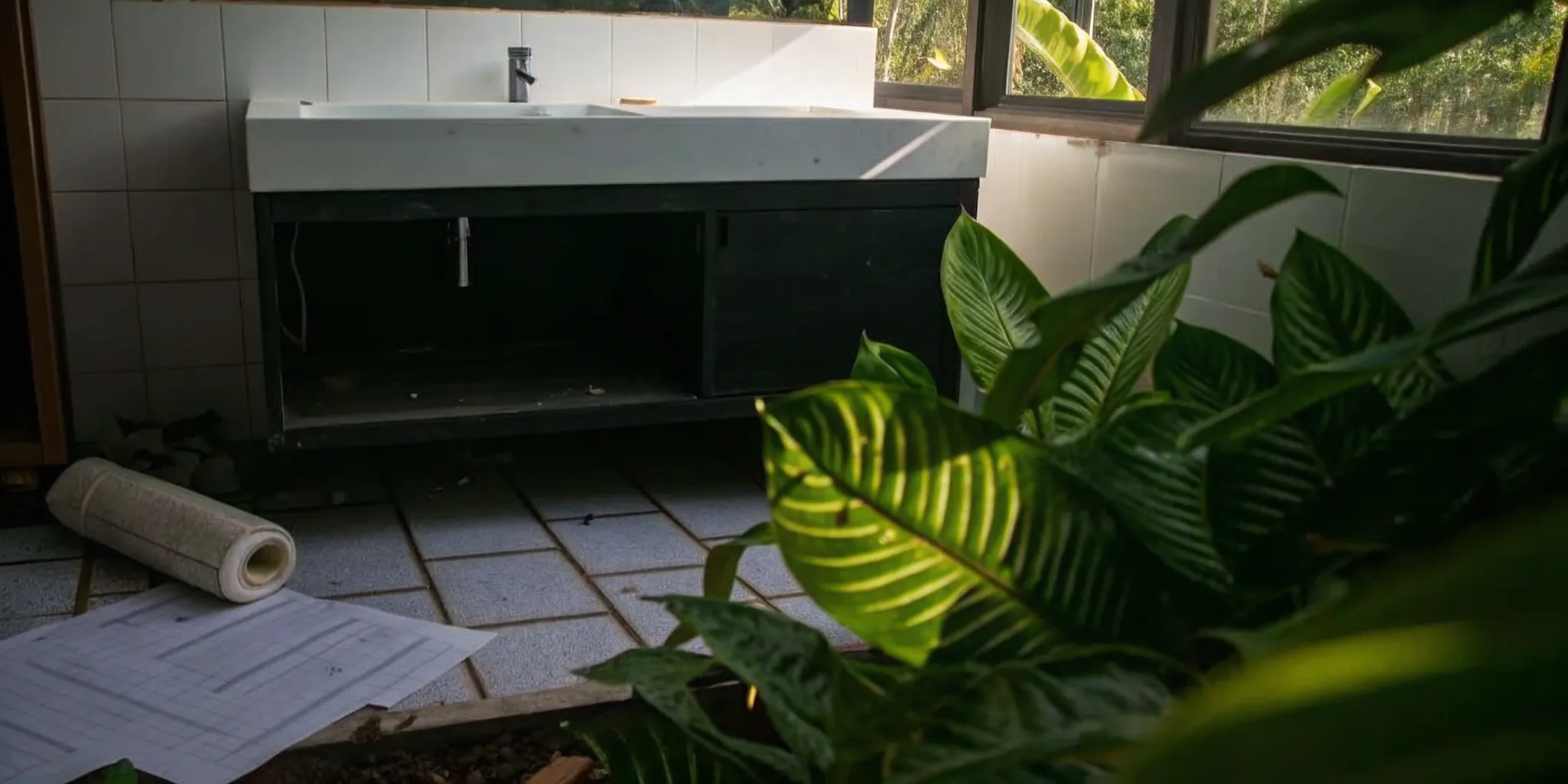
If your studio plans include a bathroom or a kitchenette, you'll need to budget for new plumbing. This is often one of the more expensive parts of a conversion because it involves cutting into the concrete slab to run new water supply and drain lines. The cost will depend on how far your garage is from your home's existing plumbing and the complexity of the layout. Even if you're planning a simple office or gym, consider if you might want to add a sink or bathroom later—it’s much more cost-effective to rough in the plumbing now than to add it down the road.
Adding an HVAC System
Garages aren't built with insulation or climate control in mind, so you’ll need a way to heat and cool your new studio. An HVAC system is essential for making the space comfortable year-round. A popular and efficient option is a ductless mini-split system, which can cost between $1,000 and $4,000. This allows you to control the temperature in the studio independently from the rest of your house. Other options include extending your home's existing ductwork or using window units, but a mini-split often provides the best balance of performance and cost for a converted space.
Insulation and Drywall
To create a comfortable room that’s energy-efficient, you’ll need to properly insulate the walls and ceiling before putting up drywall. Garages typically have uninsulated walls, so this step is key to keeping the space warm in the winter and cool in the summer. For a standard two-car garage, the cost for professional insulation and drywall installation can be a few thousand dollars. While it might seem like a basic step, quality insulation will pay off in lower energy bills and a much more pleasant environment for working, exercising, or relaxing.
Flooring
The concrete slab in your garage needs an upgrade to become a proper floor. At a minimum, you’ll want to seal or paint it, but most homeowners opt for more traditional flooring. Options range from affordable vinyl or laminate to more expensive choices like tile, carpet, or engineered wood. Before you install your final flooring, you may also need to level the concrete and install a subfloor with a moisture barrier to prevent dampness. Your flooring choice will have a big impact on both your budget and the final look and feel of the studio.
New Windows and Doors
Natural light can completely transform a dark garage into a bright, inviting studio. Adding new windows is a common part of most conversions, but the cost can add up, typically ranging from $300 to $1,200 per window. You’ll also need to replace the main garage door with a standard exterior door or even a wall with a window. This not only improves the appearance but also helps with insulation and security. Think about how you want the space to feel and where you can place windows to maximize light and create a more welcoming atmosphere.
Breaking Down Permit and Inspection Fees
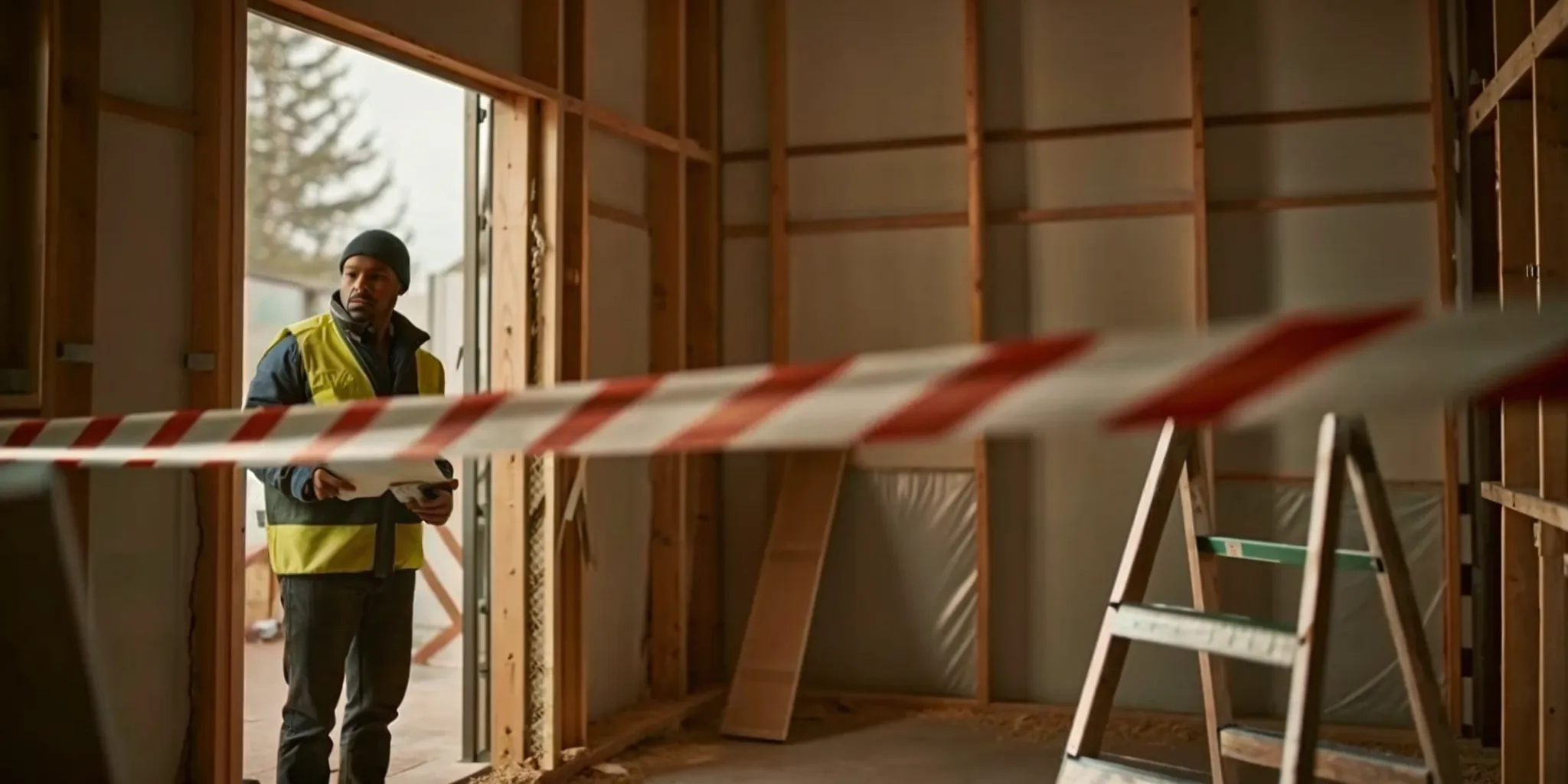
Permits and inspections are a non-negotiable part of any garage conversion. Think of them as the official green light from your city, ensuring your new studio is safe, sound, and up to code. While the process can feel a bit bureaucratic, it’s designed to protect you and any future owners of your home. The fees associated with these steps are a significant part of your budget that you can't afford to overlook. They aren't just a single line item; the total cost depends on where you live, the complexity of your project, and what kinds of new systems you’re installing.
It's easy to get excited about picking out flooring and paint colors, but forgetting to budget for permits can bring your project to a screeching halt. These costs cover the city's time to review your plans and send inspectors to your home at key stages of construction. This ensures everything from the framing to the wiring is done correctly. Planning for these costs upfront saves you from sticker shock later and keeps your project moving smoothly. It’s always better to know what to expect before you start swinging a hammer, and understanding the permit process is a huge piece of that puzzle.
Regional Building Permit Costs
The first permit you’ll need is a general building permit, which covers the structural changes of your conversion. The cost for this can vary quite a bit depending on your city and county. On average, you can expect to pay around $550 for a basic building permit. However, in areas with a higher cost of living or more stringent building codes, this fee could be higher. Your project's total valuation will also influence the price—the more expensive the renovation, the higher the permit fee. It's a good idea to check your local building department's website for a fee schedule to get a more accurate estimate for your area.
Electrical and Plumbing Permit Fees
If your new studio needs electricity, a bathroom, or a kitchenette, you’ll need separate permits for each of those systems. These are in addition to your main building permit. Fees for electrical, plumbing, or HVAC permits can add anywhere from a few hundred dollars to over $1,000 to your total. The final cost depends on the scope of the work. For example, adding a few outlets is much cheaper than wiring a full kitchen and bathroom for an ADU. These specialized permits ensure that a licensed professional is doing the work and that it meets all safety standards, which is especially important for wiring and plumbing.
What to Expect from Inspections
Getting your plans approved is just the first step; you’ll also have multiple inspections throughout the project. Be prepared for this part of the process to take time. Coordinating with city officials can sometimes be slow, and it’s not uncommon for an inspector to request changes or additional work on-site, even if your plans were already approved. This is where having an expert on your side can make a world of difference. A dedicated advisor who understands how the process works can help you anticipate these hurdles and communicate effectively with contractors and city officials, keeping your project on track and minimizing stressful surprises.
How Your Design Choices Affect the Final Bill
Once you have the basic structure sorted out, it’s time for the fun part: choosing the finishes that will transform your garage into a beautiful, functional studio. This is also where your budget can stretch or shrink significantly. The materials you select for flooring, windows, and walls play a huge role in the final price tag. While it’s tempting to go for high-end finishes everywhere, it’s smart to think about where to splurge and where to save.
For example, investing in good insulation will pay off in comfort and lower energy bills for years to come, while a more budget-friendly flooring option might look just as great and leave more room in your budget for other priorities. Working with an expert advisor can help you weigh these decisions, ensuring you get the look you want without unexpected costs. Let’s break down how these key design elements impact your overall spending.
Selecting Your Flooring
The concrete slab in your garage is a blank canvas, but it needs to be properly finished to create a comfortable living space. Your flooring options range from simple epoxy paint on the concrete to installing an insulated subfloor with carpet, tile, vinyl, laminate, or wood. A polished concrete or epoxy floor is often the most cost-effective route and works well for a home gym or art studio. If you’re aiming for a cozier feel for a home office or guest suite, laminate and vinyl offer the look of wood for a fraction of the price. Hardwood or high-end tile will sit at the top of the budget but can create a truly seamless transition from the main house.
Choosing Windows and Doors
To make your converted garage feel like a true part of your home, you’ll need to address the windows and doors. Adding windows is essential for bringing in natural light and meeting egress requirements, especially if the studio will be used as a living space. Expect this to cost anywhere from $300 to $1,200 per window, depending on the size and style. You’ll also likely want to replace the clunky garage door with a standard entry door, which can run between $475 and $1,600. These changes not only improve the aesthetic but also enhance security and insulation, making them a worthwhile investment for any conversion.
Picking the Right Insulation
Proper insulation is a non-negotiable step for turning a garage into a comfortable, climate-controlled room. Garages are rarely insulated to the same standard as the rest of a house, so you’ll need to add it to the walls and ceiling. This is crucial for keeping the space warm in the winter and cool in the summer, and it will also help with soundproofing—a must for a music studio or home office. Adding insulation typically costs between $2,000 and $6,000. While it’s a significant upfront cost, quality insulation will save you money on heating and cooling bills in the long run.
Replacing or Modifying the Garage Door
The garage door is the most obvious giveaway of the room’s former life. You have two main paths here. The more budget-friendly option is to keep the door in place, insulate it, and cover the interior side with drywall. You can even use veneers to change its exterior look. The other approach is to have a vetted contractor remove the door completely and frame a solid exterior wall in its place. This is a more involved and expensive job, but it provides the most complete transformation, making the new studio feel like it was always part of the house.
DIY vs. Hiring a Pro: A Cost Comparison
One of the biggest questions for any renovation project is how much of the work you can handle yourself. Taking on some tasks can definitely save you money, but it’s crucial to be realistic about your skills, time, and the tools you have available. A garage conversion isn't just a weekend project; it involves multiple trades and needs to meet local building codes to be safe and legal. While the idea of a full DIY conversion is romantic, the reality can involve costly mistakes and major safety risks.
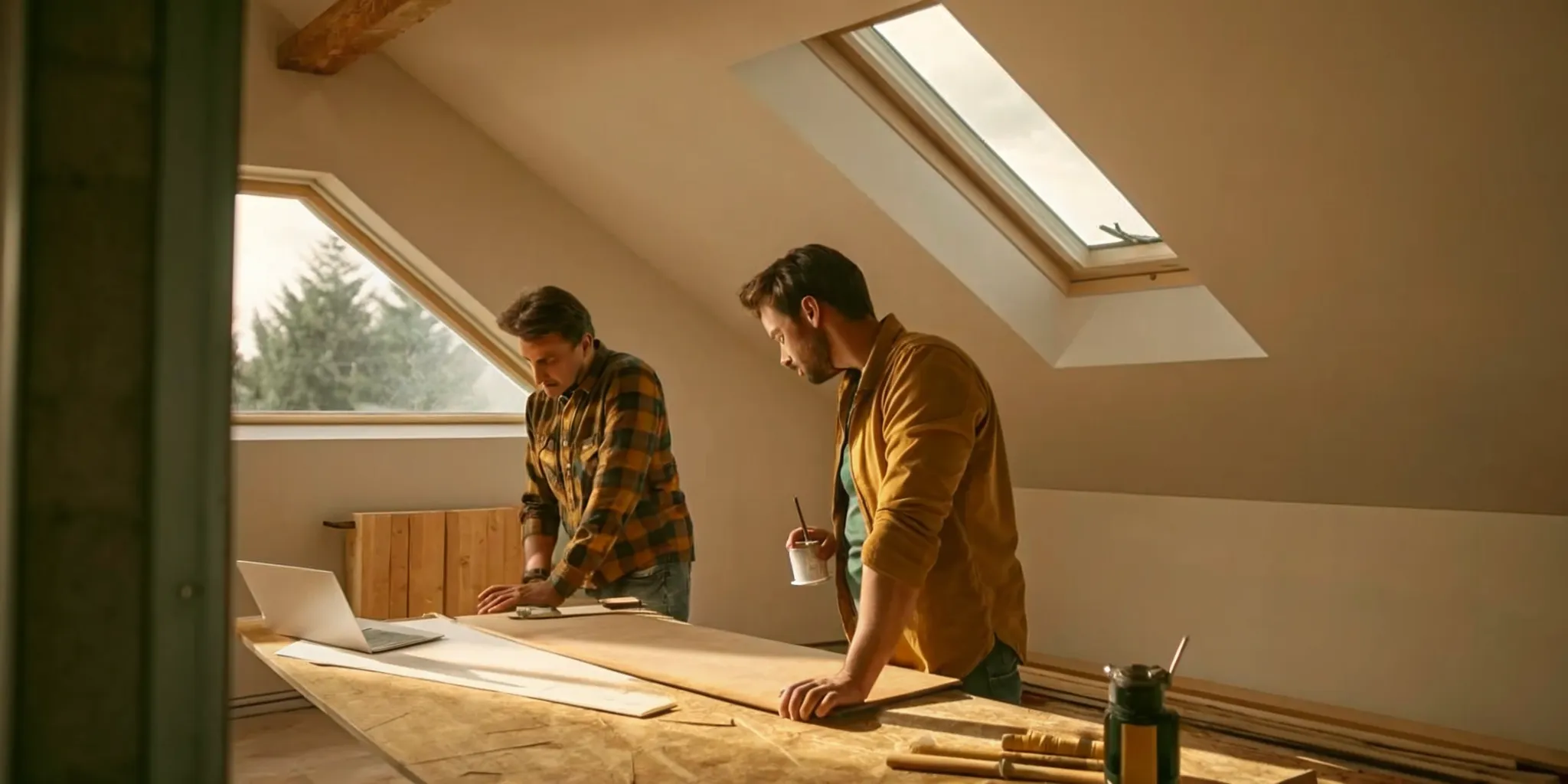
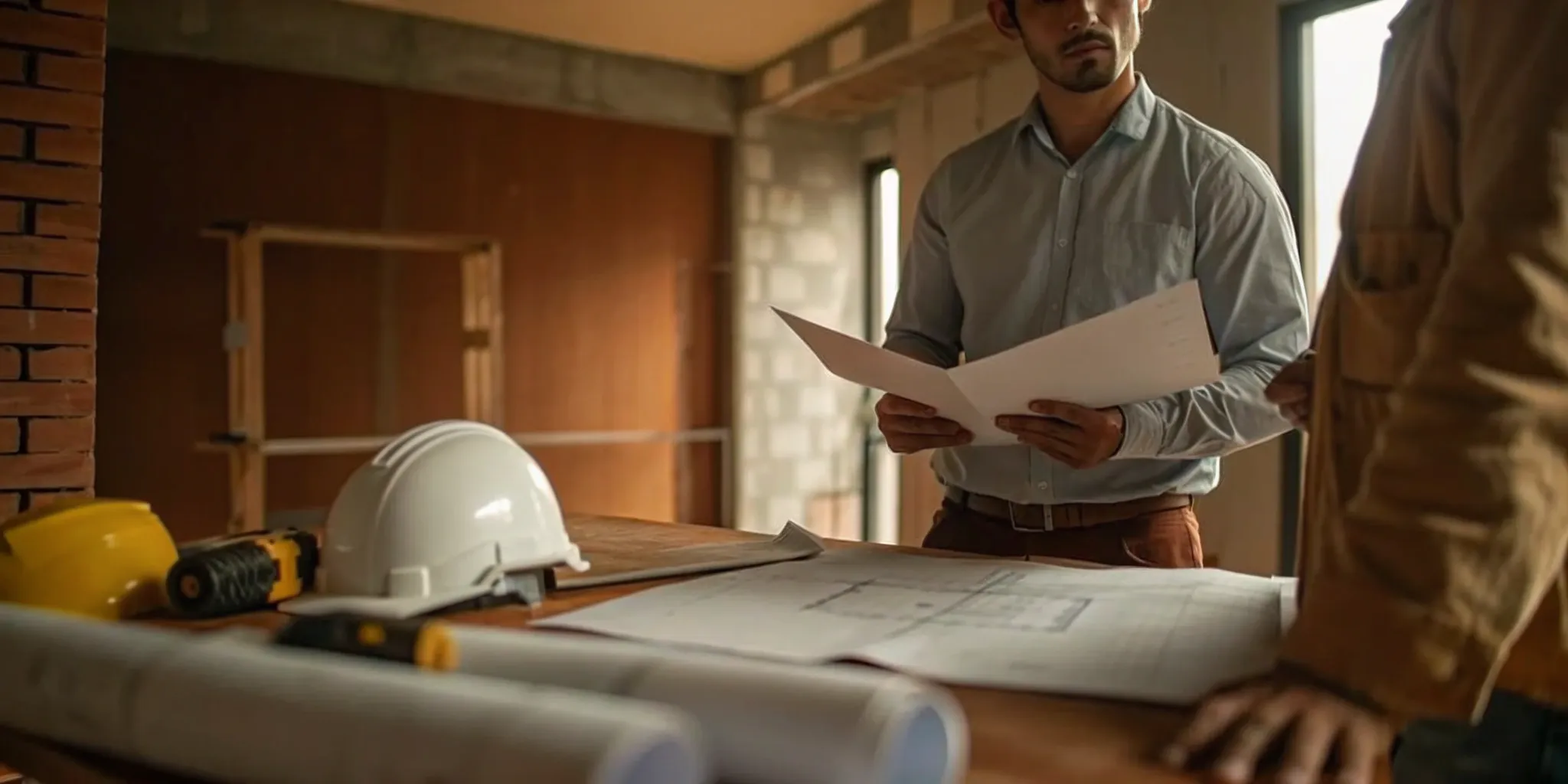
The best approach for most homeowners is a hybrid one: tackle the straightforward, cosmetic jobs yourself and leave the complex, technical work to licensed professionals. This strategy lets you put your personal stamp on the space and cut down on labor costs where it makes sense, without compromising on safety or quality. Before you start swinging a sledgehammer, let’s break down which jobs are good for a weekend warrior and when it’s absolutely time to call in an expert. This balance is key to keeping your project on budget and ensuring your new studio is a space you can enjoy for years to come.
Which Tasks Can You DIY?
If you’re comfortable with a bit of hands-on work, there are several parts of a garage conversion where you can save a good chunk of change. Think about the finishing touches. You can save money by doing simple tasks yourself, like painting the walls, laying down basic click-lock flooring, or installing baseboards and trim. These jobs are mostly cosmetic, so a small mistake isn’t going to cause a major structural or safety issue. Other potential DIY tasks include light demolition (like tearing out old cabinets), assembling furniture, or even landscaping the area outside a new entryway. Taking on these jobs yourself not only reduces your labor bill but also gives you a real sense of ownership over your new space.
When to Call in a Professional
While it’s tempting to do as much as you can, some jobs are strictly for the pros. It's very important to hire skilled professionals for tricky jobs like electrical wiring, plumbing, or altering the structure of the garage. These tasks require specialized knowledge and licensing for a reason—doing them incorrectly can be dangerous, lead to expensive damage, and cause you to fail a building inspection. Anything that involves moving walls, cutting into the foundation, or running new water and sewer lines falls squarely into this category. A licensed contractor ensures the work is up to code and safe for your family. This is where having a trusted team is non-negotiable. Realm specializes in connecting homeowners with a network of vetted professionals who have the right experience for your project.
Understanding Labor Costs
Labor is one of the biggest line items in any renovation budget, and it can vary dramatically. While a general contractor might cost around $30 per hour on average, this rate changes significantly based on where you live. For example, labor for a garage conversion in a high-cost-of-living area like Massachusetts could be thousands of dollars more than the same project in Texas. When you hire a general contractor, you’re paying for their expertise in managing the entire project—from scheduling subcontractors to pulling permits and ensuring everything passes inspection. Getting multiple, detailed quotes is the best way to understand what labor will cost in your area. This helps you create an accurate budget and avoid surprises down the road.
Common Budgeting Mistakes to Sidestep
Even the most carefully planned projects can hit a few bumps. When it comes to your budget, a little foresight goes a long way in making sure those bumps don’t derail your entire garage conversion. It’s easy to get swept up in the design details and forget about the less glamorous, but equally important, line items. Let’s walk through some of the most common budgeting slip-ups so you can keep your project on track and your finances in check. By anticipating these potential pitfalls, you can create a more realistic and resilient budget from the start.
Underestimating the Total Price
It’s a classic renovation story: the final bill is much higher than the initial estimate. This often happens because of unexpected issues that pop up once the work begins, like outdated wiring hidden in the walls or foundation problems you couldn't see. A good rule of thumb is to build a contingency fund of 15-25% of your total project cost. This isn't just for worst-case scenarios; it can cover small but necessary changes, like needing additional permits or deciding on a last-minute upgrade. Planning for these surprises ensures you can handle them without stress.
Forgetting Utility Upgrades
Converting a space designed for cars into a comfortable studio for people almost always requires significant utility work. Your garage’s existing electrical system likely isn’t equipped to handle the demands of a living space and will need a full update to meet modern safety regulations. If you’re adding a bathroom or kitchenette, you’ll need to budget for new plumbing lines. And don’t forget about heating and cooling—installing an HVAC system is a major expense that’s crucial for making the studio usable year-round. These upgrades are essential for both comfort and compliance, so be sure to factor them in early.
Getting Only One Contractor Quote
It can be tempting to go with the first contractor who gives you a reasonable-sounding quote, but this can be a costly mistake. You should always get at least three detailed bids from different licensed professionals. This doesn't just help you find a competitive price; it gives you a clearer understanding of the project's scope and what a realistic budget looks like. Comparing quotes helps you spot anything that one contractor might have missed. At Realm, we connect homeowners with our network of vetted professionals to ensure you get comprehensive and trustworthy estimates for your project.
Overlooking Local Building Codes
Navigating city regulations for plans, permits, and inspections can feel overwhelming, but ignoring them is not an option. Before you start any work, you need to check with your local planning authority to understand the specific requirements for a garage conversion in your area. These rules are in place to ensure your new studio is safe, structurally sound, and legal—especially if you plan to use it as a separate living space or an ADU. Failing to follow local building codes can lead to hefty fines and orders to tear down your hard work, so it’s a step you absolutely can’t skip.
How to Create a Smart Budget for Your Project
A smart budget is your project’s roadmap. It does more than just track expenses; it gives you the confidence to make decisions and helps you stay in control from start to finish. When you know where your money is going, you can avoid those stressful mid-project surprises that can derail your timeline and your excitement. Building a realistic budget involves getting solid numbers, planning for the unexpected, and knowing where you can save without cutting corners. It’s about being strategic so you can create the studio you want without the financial headache.
Get Accurate Contractor Quotes
The first step to a realistic budget is getting accurate quotes, and that means you need to talk to more than one person. I recommend getting detailed bids from at least three different licensed contractors. This isn't about finding the absolute cheapest price—it's about understanding the true market rate for your project and finding the best value. Comparing quotes helps you see what each contractor includes, from materials to labor, so you can make an informed choice. It also helps you spot any bids that seem too good to be true. Realm can connect you with its network of vetted professionals to ensure you’re getting estimates from reliable experts.
Build a Cushion for Surprises
No matter how well you plan, renovations almost always come with a few surprises. That’s why a contingency fund isn’t just a good idea—it’s essential. Think of it as a financial safety net for the unexpected, like discovering old wiring that needs updating or a hidden leak behind a wall. A good rule of thumb is to set aside an extra 15% to 20% of your total project cost. For specific trades like electrical work, you might even want to add about 25% to that initial quote. This cushion prevents a small issue from turning into a major budget crisis.
Find Ways to Save on Costs
You can keep your budget in check without sacrificing style. One of the best ways to save is by handling some of the simpler tasks yourself. If you’re comfortable with a paintbrush or laying down flooring, taking on those jobs can significantly reduce labor costs. You can also make smart material choices. For example, you can choose materials that look good but cost less, like luxury vinyl tile that gives you the beautiful look of hardwood for a fraction of the price. A little creativity here can go a long way in stretching your budget.
Plan Your Project with Realm
A detailed plan is your best defense against budget creep. Making changes once construction has started is one of the fastest ways to drive up costs, as it can lead to rework, new material orders, and project delays. By finalizing your design and material choices before the first hammer swings, you can create a clear scope of work for your contractor and keep the project on track. This is where having a dedicated advisor can make all the difference. When you plan your project with Realm, you get a data-driven plan and expert guidance to help you make all those important decisions upfront, ensuring a smoother process from start to finish.
How to Find the Right Contractor for Your Garage Conversion
Choosing the right contractor is arguably the most critical decision you'll make for your garage conversion. This is the person who will turn your vision into a physical space, and the right partner can make the entire process feel smooth and exciting. The wrong one? Well, that’s a story no homeowner wants to tell. Finding a great contractor isn't about luck; it's about doing your homework. You need someone with the right skills, proper credentials, and a transparent process. Think of it as hiring a key team member for a very important project—because that’s exactly what it is. By taking a few deliberate steps, you can find a professional you trust to build your new studio correctly, on time, and within your budget.
Look for Relevant Experience
A garage conversion isn't just a standard room addition; it comes with its own unique set of challenges. You want a contractor who has been down this road before. When you start interviewing potential pros, ask to see a portfolio of their past garage conversions. It's very important to hire skilled professionals for tricky jobs like electrical wiring, plumbing, or changing the structure of the garage. A generalist might be great at kitchens, but you need someone who understands the specifics of turning a space designed for cars into a comfortable, code-compliant living area. Ask them about challenges they’ve faced on similar projects and how they solved them. Their answers will tell you a lot about their expertise.
Verify Licenses and Insurance
This step is non-negotiable. Before you even think about signing a contract, you must verify that your contractor has the necessary licenses and insurance. A valid contractor's license proves they meet state requirements for competency, while insurance protects you from liability if a worker is injured on your property or if damage occurs. Ask for a copy of their license and their certificates for general liability and workers' compensation insurance. Don't just take their word for it—you can typically verify a license number online through your state's contractor licensing board. This simple check protects your finances, your home, and your peace of mind.
Ask for Detailed Estimates and References
Don't settle for the first quote you receive. It's smart to get multiple quotes from several licensed contractors to compare prices and find the best fit for your project. A legitimate estimate shouldn't just be a single number on a piece of paper; it should be a detailed breakdown of all anticipated costs, including materials, labor, permits, and other fees. This transparency allows you to compare offers accurately. Just as important, ask for references from their last few projects. Speaking with past clients is the best way to get an honest assessment of the contractor's communication, professionalism, and ability to stick to a timeline and budget.
Use a Vetted Contractor Network
Let's be honest: finding, interviewing, and vetting multiple contractors can feel like a full-time job. An easier path is to work with a service that does the heavy lifting for you. Using a vetted contractor network connects you with qualified professionals who have already been screened for licenses, insurance, and a history of quality work. This approach saves you time and reduces the risk of hiring the wrong person. At Realm, we match you with experienced, local contractors who are perfectly suited for your project, so you can move forward with confidence. We handle the vetting so you can focus on designing your dream studio.
Related Articles
- Convert Garage to Living Space Cost: A Full Breakdown
- Garage Conversion Cost Per Square Foot: A Price Guide
- Your Guide to the Cost to Convert Garage to Room
Frequently Asked Questions
How long does a typical garage conversion take? The timeline for a garage conversion really depends on the scope of your project. A simple conversion, like a home gym or office that doesn't require new plumbing, might take four to eight weeks. If you're planning a full Accessory Dwelling Unit (ADU) with a kitchen and bathroom, you should plan for a longer timeline, often three to five months. This includes the time needed for design, getting permits approved by your city, and the construction itself.
Do I really need a permit for a simple conversion, like a home gym? Yes, you almost always do. Any time you change a space's intended use from a non-habitable area (like a garage) to a habitable one (like a gym or office), your local building department requires a permit. This process ensures that the electrical work, insulation, and any structural changes are done safely and meet code. It might feel like a hassle, but it protects your investment and prevents major headaches when you eventually sell your home.
Will converting my garage actually increase my home's value? A well-executed, permitted garage conversion is one of the most reliable ways to add value to your home because you're adding finished square footage. The return on your investment will vary based on your local real estate market and the type of space you create. A full ADU that can be used as a rental unit typically provides the highest financial return, but any functional and comfortable living space is a major selling point for future buyers.
What's the very first step I should take to get started? Before you start looking at flooring samples, the best first step is to clearly define what you want to use the space for. Once you have a clear goal—whether it's a quiet office or a guest suite—you can begin to assess the feasibility. This involves understanding your garage's current condition and getting a realistic idea of the potential costs. This is the perfect point to consult with an expert who can help you create a data-driven plan and budget for your specific project.
Can I still use part of the garage for storage if I convert it? Absolutely. A partial conversion is a popular and practical option for homeowners who don't want to give up their storage space entirely. You can frame a wall to section off a portion of the garage for storage while converting the rest into your new studio. You can also get creative with your design by incorporating built-in cabinets, shelving, or even a small loft area to keep your tools and seasonal items organized and out of sight.














.png)







.png)