What Happens If You Do Construction Without a Permit?
Find out what happens if you do construction without a permit, including risks to your safety, property value, insurance, and potential legal trouble.
|
March 2, 2026
In this article:
Your home is more than just an investment; it’s the place where your family should feel safest. While renovations are meant to improve your space, taking shortcuts can introduce hidden dangers. The permit and inspection process exists for one primary reason: to ensure all work is done to a safe, professional standard. So, what happens if you do construction without a permit? You’re bypassing the very system designed to protect you from faulty wiring, unstable structures, and improper plumbing. This guide isn’t about scaring you with rules; it’s about empowering you with the knowledge to protect your home, your family, and your peace of mind from preventable risks.
Key Takeaways
- Treat permits as a non-negotiable safety check: For any project that alters your home's structure, electrical, or plumbing systems, a permit is essential. It ensures the work is inspected for safety and code compliance, protecting your family and your home's value.
- Recognize the high price of skipping the process: Building without a permit can lead to expensive fines, stop-work orders, and denied insurance claims. It also creates major complications when you try to sell, potentially lowering your home's value and deterring buyers.
- Face existing unpermitted work head-on: If you discover unpermitted work, the best strategy is to be proactive. Contact your local building department to learn about getting a retroactive permit and hire a professional to help bring the project up to code.
Does My Project Need a Permit?
Figuring out if your renovation needs a permit can feel like a huge hurdle, but it’s one of the most important first steps you’ll take. The rules can seem confusing, and they change depending on where you live and the scope of your project. Generally, the bigger the change, the more likely you are to need official approval. Think of it this way: a permit is your city’s way of ensuring the work on your home is done safely and up to code, protecting you, your family, and your investment. It’s not just about red tape; it’s about peace of mind. Let’s break down which types of projects typically require a permit and which ones you might be able to tackle without one.
Major Renovations and Additions
If you’re planning a significant project, you can almost guarantee you’ll need a permit. This includes building something new, like an ADU or a home addition, as well as major remodels that change the footprint of your home. According to the Seattle Department of Construction and Inspections, projects that involve new construction, altering a building, or even tearing one down usually require a permit. This is a standard rule across most cities. Getting a permit ensures that your plans meet local zoning laws and building codes from the very beginning, saving you from costly mistakes down the road. Having a trusted partner to manage this process can make all the difference.
Electrical and Plumbing Updates
Anytime you’re touching your home’s core systems, you’re likely entering permit territory. This is especially true for electrical and plumbing work. While it might seem like a hassle for what’s happening behind the walls, these permits are all about safety. Faulty wiring can lead to fires, and incorrect plumbing can cause major water damage and health hazards. A permit ensures a licensed professional does the work correctly and that it gets inspected. Without that official oversight, you run the risk of dangerous mistakes that could have serious consequences for your home and family.
Structural Changes to Your Home
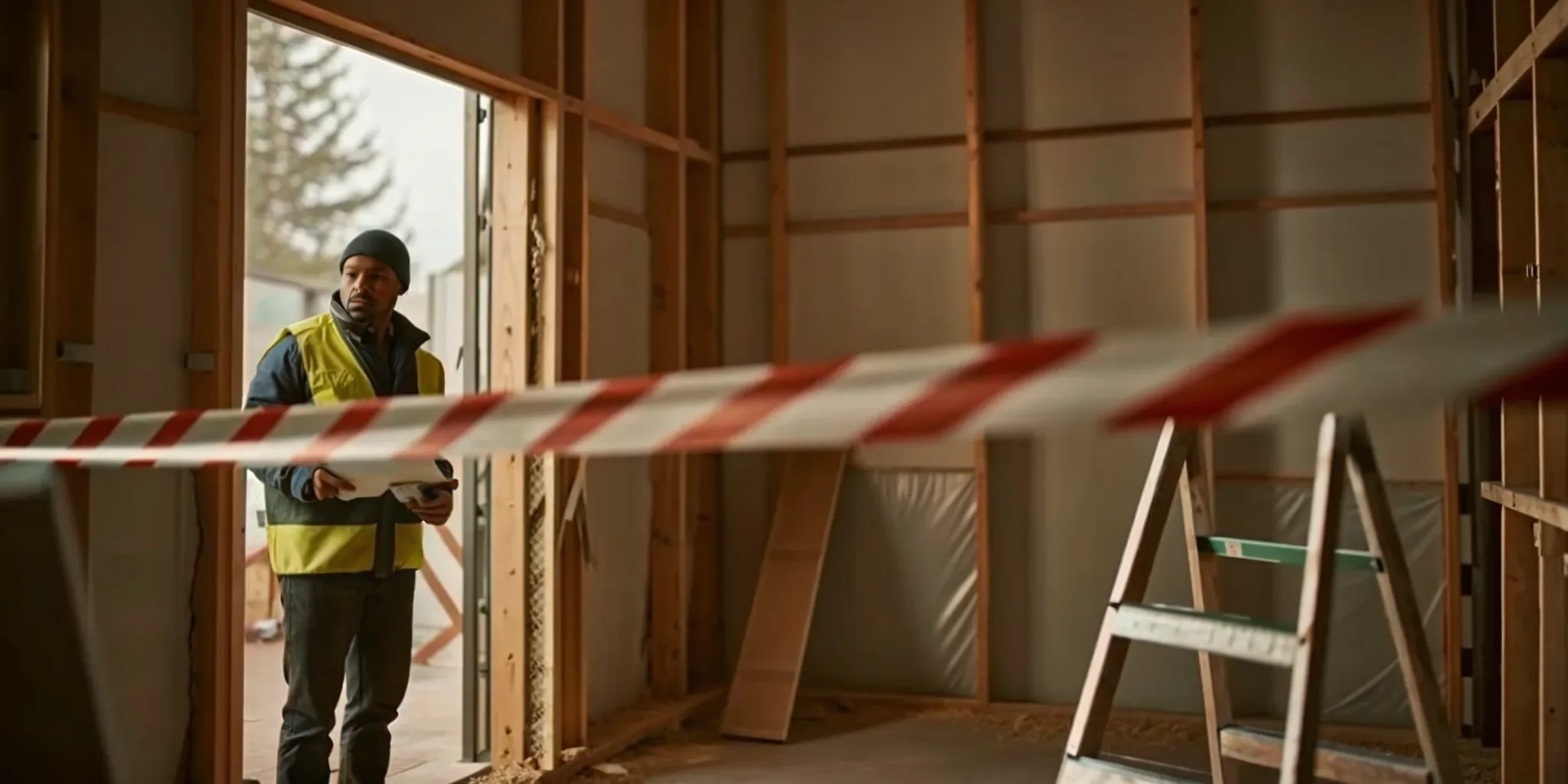
Are you dreaming of an open-concept living space? If your project involves moving or removing walls, altering rooflines, or changing window and door openings, you will need a permit. These are structural changes that affect the integrity of your home’s frame. Doing this kind of work without approval is not only risky but also illegal. Local authorities take structural work very seriously because if it’s done improperly, it can compromise the stability of your entire house. Building without a permit for structural changes can lead to stop-work orders, fines, and major issues when you eventually decide to sell your home.
Common Permit Myths, Busted
Here’s some good news: not every single home improvement project requires a permit. Many smaller, cosmetic updates can be done without needing to file paperwork with the city. Projects like repainting your interior, installing new flooring, or replacing kitchen cabinets and countertops often fall into the permit-free category. The same goes for building small, detached sheds or certain types of fences. However, the rules can be specific and vary from one city to another. The single best piece of advice is to always check with your local building department first. When in doubt, getting expert guidance can help you confirm what’s needed before you start any work.
The Real Cost of Building Without a Permit
Thinking about skipping the permit process to save a little time or money? It’s a tempting shortcut, but the reality is that unpermitted construction can lead to a cascade of expensive and stressful problems. The true cost goes far beyond the initial permit fee, creating issues that can linger for years. From sudden work stoppages to major headaches when you try to sell, the risks almost always outweigh the perceived benefits. Let’s break down what you’re really gambling with when you build without a permit.
Facing Fines and Stop-Work Orders
Imagine your project is finally underway, only to find a bright red notice on your door from the city. This is a stop-work order, and it does exactly what it sounds like: forces all construction to a screeching halt. Local authorities can issue a stop-work order the moment they discover unpermitted work, and it stays in effect until you’ve resolved the violation.
On top of the delays, you’ll face financial penalties. These fines are typically much higher than the original permit fee—sometimes double or even triple the cost. Your local building department isn’t just trying to collect money; they’re enforcing rules designed to keep you and your community safe. Ignoring them means paying a premium for the oversight you tried to avoid.
How It Impacts Your Property Value
Unpermitted work can become a major liability when it’s time to sell or refinance your home. During the sales process, you’re legally required to disclose any work done without permits. This disclosure can scare off potential buyers who don’t want to inherit the problem, or it can give them powerful leverage to negotiate your price way down. Many buyers will simply walk away rather than deal with the uncertainty and potential costs of fixing it.
Lenders are also wary of unpermitted renovations. When you try to refinance, an appraiser will assess your home’s value and condition. If they spot work that isn’t on record with the city, the bank may refuse to issue a new loan, leaving you stuck. The risks of buying a home with unpermitted renovation work are simply too high for most buyers and financial institutions.
Legal Trouble and Property Liens
While fines are common, the consequences can escalate for more serious or repeated violations. In some cases, your local municipality could take you to court, leading to even more significant legal fees and penalties. The worst-case scenario? A judge could order you to tear down the unpermitted structure entirely, forcing you to pay for demolition and lose your entire investment in the project.
Another risk is a property lien. If you fail to pay the fines associated with unpermitted work, the city can place a lien on your property. This is a legal claim against your home that must be paid off before you can sell or refinance it. It’s a black mark on your property’s title that can complicate your financial future until it’s fully resolved.
The High Price of Getting a Permit Later
Some homeowners think they can just apply for a permit after the fact if they get caught. This process, often called getting a retroactive or "as-built" permit, is far more difficult and expensive than getting one from the start. You’ll still have to pay penalty fees, but you’ll also have to prove the work was done correctly.
This often means opening up finished walls to allow an inspector to see the structural, electrical, or plumbing work hidden inside. You’ll have to pay a contractor to expose the work and then pay them again to patch everything up afterward. The potential fines and legal issues combined with the cost of deconstruction and reconstruction make this a painful and costly process. Getting the permit upfront is always the simpler, safer, and more affordable path.
How Unpermitted Work Affects Your Safety and Insurance
Beyond the fines and financial headaches, skipping a permit introduces serious risks to your home and family. Permits trigger inspections, which are designed to catch problems before they become disasters. When you bypass this process, you’re left hoping the work was done correctly, and that can have major consequences for your insurance coverage and personal liability.
Why Your Insurance May Not Cover You
Imagine a fire breaks out due to faulty wiring from an unpermitted kitchen remodel. When you file a claim, your insurance provider will investigate the cause. If they discover the work was done without a permit, they could argue that the uninspected, non-compliant work created an unacceptable risk they didn't agree to cover. This could lead them to deny your claim, leaving you to pay for catastrophic damages out of pocket. In some cases, an insurer might even cancel your policy altogether. Essentially, by skipping a permit, you could be voiding the protection you count on your homeowner's policy to provide.
Hidden Safety and Structural Risks
The most frightening aspect of unpermitted work is what you can’t see. Without the oversight of a licensed inspector, there’s no way to verify that a contractor followed safety protocols. Shoddy electrical work can create a fire hazard inside your walls, improper plumbing can lead to slow leaks and dangerous mold growth, and unapproved structural changes could compromise your home’s integrity. These hidden dangers might not reveal themselves for years, but the consequences can be severe. A permit ensures another set of expert eyes reviews the project to confirm it’s safe for you and your family.
Your Liability as a Homeowner
If someone is injured on your property as a direct result of unpermitted work, you could be held personally responsible. For example, if a deck built without a permit collapses during a party and injures a guest, you could face a lawsuit. Because the structure was never inspected and approved for safety, you would likely be found negligent. This liability extends beyond your immediate friends and family. If you sell your home without disclosing the unpermitted work, the new owners could sue you if they discover issues or if someone is harmed later on. Protecting yourself legally means ensuring all major work on your home is properly documented and approved.
The Problem with Not Meeting Building Codes
Building codes aren't arbitrary rules meant to make your life difficult. They are minimum standards for safety that cover everything from the depth of your foundation to the type of wiring used near a water source. These regulations are updated regularly to reflect modern safety practices and materials. When work is done without a permit, it almost certainly hasn't been checked for compliance with current building codes. If the local building department discovers the non-compliant work, they can issue a stop-work order. They can also require you to tear out the finished work and redo it correctly, which is an incredibly expensive and frustrating setback.
What to Do About Existing Unpermitted Work
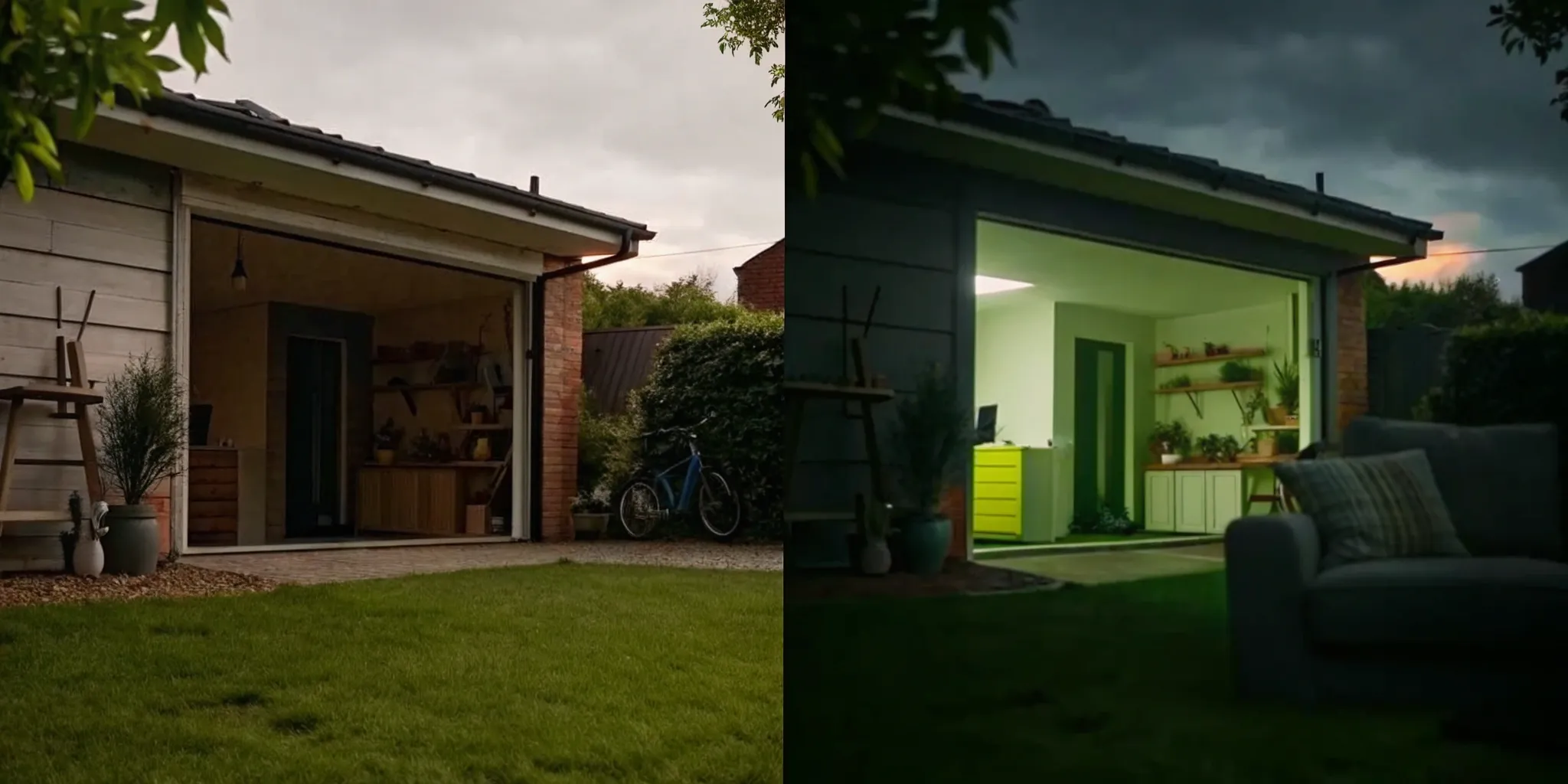
Discovering unpermitted work in your home can feel like a major setback. Maybe a previous owner converted the garage into a living space without telling the city, or perhaps you’re just now realizing that deck you love was built without proper inspections. Whatever the situation, that sinking feeling is often followed by a wave of questions: What do I do now? Am I in trouble? How much is this going to cost?
First, take a deep breath. While dealing with unpermitted construction isn't simple, it's a problem you can solve. Ignoring it can lead to bigger issues down the road, from fines and stop-work orders to major safety hazards and trouble when you try to sell your home. The key is to be proactive and address the situation head-on. By taking the right steps, you can work toward legalizing the work, ensuring your home is safe, and protecting your investment. Think of it as an opportunity to get everything in order and gain peace of mind. With a clear plan and the right support, you can get your project back on track. A dedicated home advisor can help you understand the specific requirements in your area and create a strategy to move forward.
How to Get a Retroactive Permit
The official path to legalizing unpermitted work is by obtaining a retroactive permit, often called an "as-built" permit. This process involves showing the local building department that the existing work meets current safety and building codes. Be prepared, as getting permits for work that’s already done can be challenging and sometimes costly. You'll likely need to hire an architect or engineer to create detailed drawings of the existing structure. An inspector will then visit your home and may require you to open up walls or ceilings so they can check things like framing, insulation, and electrical wiring. It’s a thorough process, but it’s the only way to officially legitimize the renovation.
Working With Your Local Building Department
Your first practical step should be to contact your local building department. This might feel intimidating, but approaching them as a homeowner who wants to make things right will set a cooperative tone. Start by asking for the complete permit history for your address; many cities and counties now have online portals where you can search for this information. When you speak with a representative, explain the situation honestly. They are the ultimate authority on what’s needed and can outline the specific steps, fees, and inspections required to get your home into compliance. Being transparent from the start is the fastest way to a resolution.
Bringing the Project Up to Code
The main goal of any building permit is to ensure the work is safe and structurally sound. When you apply for a retroactive permit, an inspector will evaluate the unpermitted work against current building codes, which may be stricter than when the work was originally done. If they find any issues, you will be required to make corrections. This could involve anything from upgrading electrical outlets and adding insulation to reinforcing structural supports. While it can be frustrating to redo parts of a finished project, remember that these building codes exist to protect you and your family from potential accidents and structural failures.
When to Call a Renovation Professional
Trying to manage a retroactive permit on your own can quickly become overwhelming. This is the perfect time to bring in a professional. An experienced general contractor, architect, or a renovation advisor can be your biggest asset. They understand the complexities of building codes and have experience working with local building departments. A professional can assess the unpermitted work, create the necessary plans for submission, and manage the entire inspection and correction process for you. At Realm, we connect homeowners with a network of vetted local contractors who can confidently handle these exact situations, ensuring the job is done right and your home is brought up to code.
Related Articles
- Residential Construction Renovation: A Simple Guide
- Your Full Home Renovation Checklist: Start to Finish
- Garage Conversion Permits: Your Complete Guide
Frequently Asked Questions
My project seems pretty small. How do I know for sure if I need a permit? The best rule of thumb is to always check with your local building department. While cosmetic updates like painting or swapping out a faucet usually don't require a permit, the line can get blurry quickly. Rules differ from city to city, but generally, if your project involves changing your home's structure, plumbing, or electrical systems—even in a small way—you'll likely need official approval. A quick call or a visit to your city’s website can give you a definite answer and save you from a major headache later.
What happens if the unpermitted work was done by a previous owner? Am I still responsible? Yes, unfortunately, the responsibility for unpermitted work falls to the current homeowner. When you buy a property, you inherit its full history, including any non-compliant renovations. While it can be frustrating to fix someone else's shortcut, addressing it is crucial for your home's safety and your ability to sell or refinance in the future. Think of it as protecting your investment and ensuring your home is safe for your family.
Is it more expensive to get a permit after the work is already done? Almost always, yes. Getting a retroactive permit is a much more involved and costly process than getting one from the start. Most cities charge penalty fees that can be double or triple the original permit cost. You may also have to hire an architect to draw up plans of the existing work and pay contractors to open up walls for inspection, then repair them afterward. It’s a difficult and expensive path that makes getting the permit upfront look like a bargain.
Can my insurance company really deny a claim for unpermitted work? They absolutely can. Your homeowner's insurance policy is a contract based on the known, approved condition of your home. If you have a fire caused by unpermitted electrical work or water damage from uninspected plumbing, your insurer could argue that you created a risk they never agreed to cover. This could lead them to deny your claim, leaving you responsible for the full cost of repairs.
I think my home has unpermitted work. What is the very first thing I should do? Before you do anything else, contact your local building department and request the complete permit history for your address. This gives you an official record of what work has been approved and what hasn't. This simple step provides a clear starting point and helps you understand the full scope of the situation before you decide on your next move, whether that’s talking to a contractor or applying for a retroactive permit.




































.png)













.png)