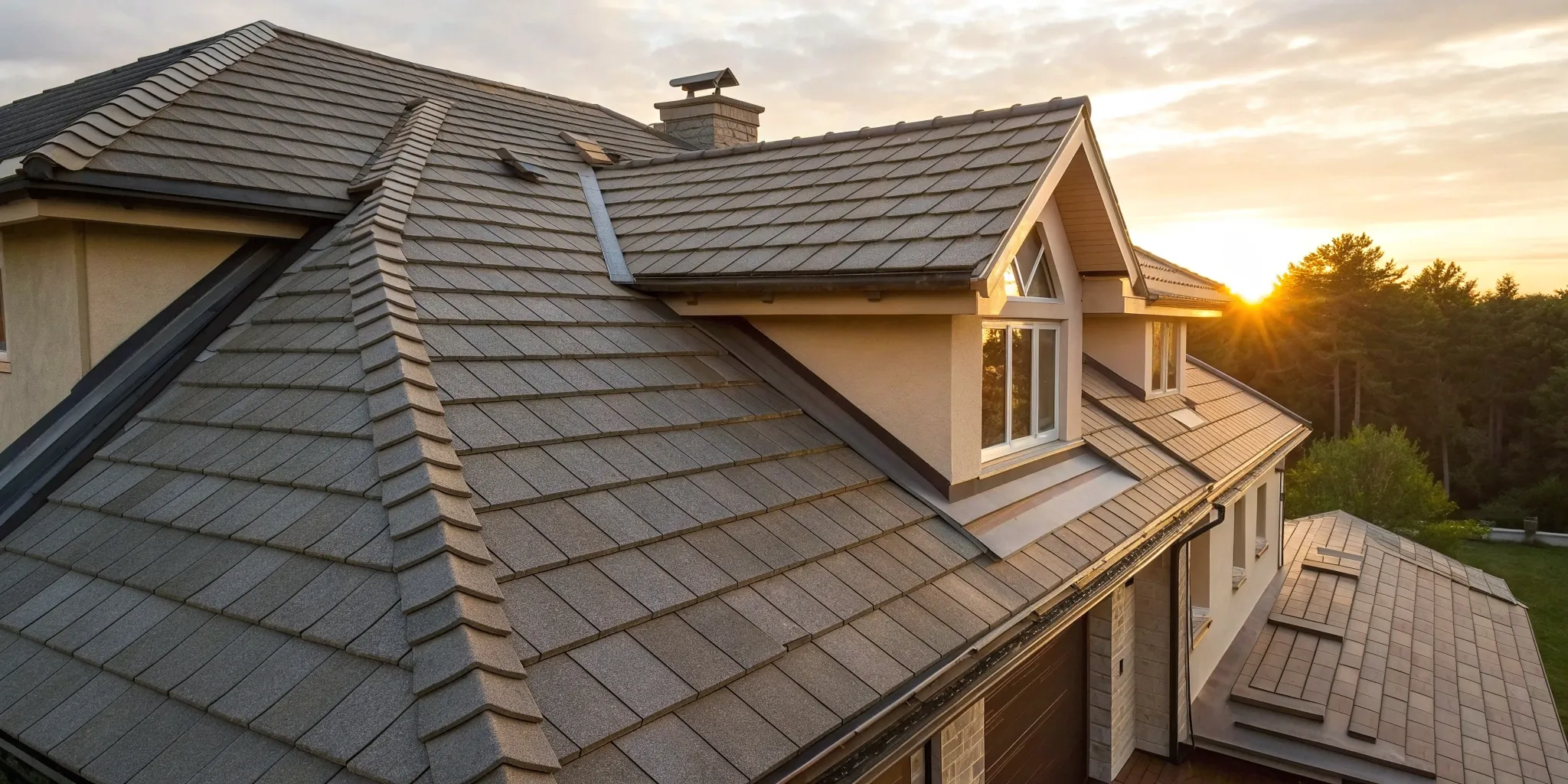
Breaking Down the Two-Story Home Addition Cost
Get a clear look at two-story home addition cost, including key factors, hidden expenses, and tips to plan your budget for a successful renovation.
|
March 19, 2026
In this article:
The classic renovation dilemma for homeowners needing more space is whether to build up or build out. A ground-floor addition might seem simpler, but it comes at the expense of your outdoor space. Building up preserves your yard but introduces a different set of complexities and costs. A key factor in this decision is the two-story home addition cost compared to a single-level extension. While the total price tag for two stories is higher, the cost per square foot can often be lower, giving you more value for your investment. We’ll explore how these two options stack up financially to help you make the smartest choice for your home and budget.
Key Takeaways
- Plan for the full project cost: Your budget needs to cover more than just the construction quote. Factor in essential expenses like foundation reinforcements, HVAC and electrical upgrades, permit fees, and a contingency fund of 15 to 20 percent for unexpected issues.
- Building up offers great value: A two-story addition often has a lower cost per square foot than building out. You get double the living space from a single foundation and roof, which is a smart financial move that also preserves your yard.
- Hire a specialized team for a complex job: This type of renovation is a long-term project, so your success hinges on your team. Make sure to hire an architect, engineer, and contractor who have proven experience with the specific challenges of adding a second story.
What is a two-story home addition?
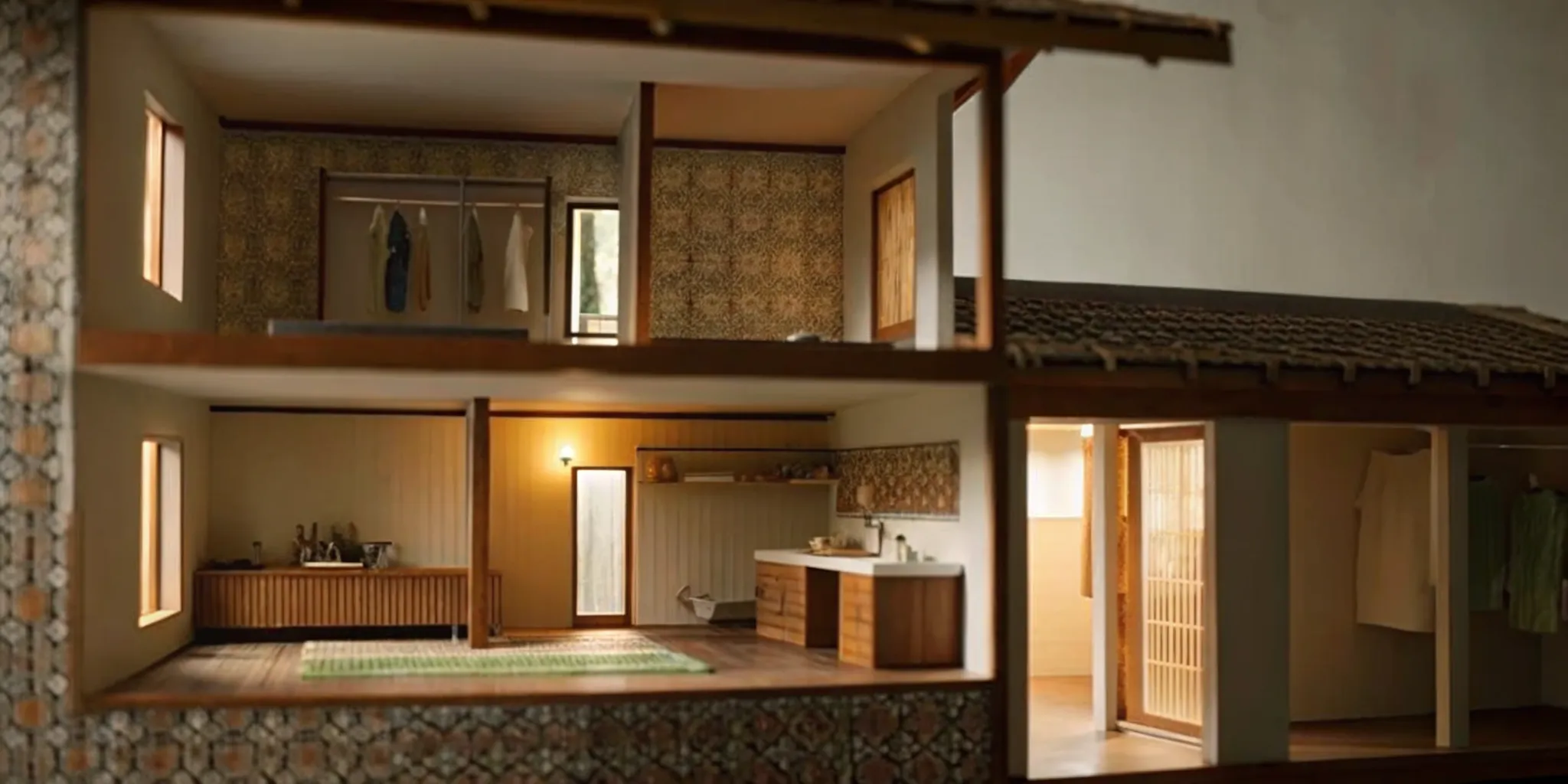
If you’re feeling cramped but love your home’s location, a two-story addition might be the perfect solution. Simply put, it’s a project that adds space to both the ground floor and the second floor of your house at the same time. This means you can expand your kitchen and add a primary suite directly above it, or create a larger living room with extra bedrooms upstairs. The biggest advantage is gaining significant square footage without having to sacrifice your precious yard space. It’s an efficient way to reshape your home to fit your family’s changing needs.
The perks of building up
Building up instead of out comes with some fantastic benefits. The most obvious is gaining more living space, which can significantly increase your home’s value and even open up better views. A two-story addition is also often more cost-effective per square foot than a single-story one. Why? Because you’re building two floors on a single foundation and roof structure, maximizing your investment. For many homeowners, undertaking a major renovation is also a more appealing financial and emotional choice than the process of selling, buying a new home, and moving. You get to stay in the neighborhood you love while creating a home that’s perfectly tailored to you.
Is a two-story addition right for you?
Before you start dreaming of new layouts, it’s important to be realistic. Adding a second story is a major undertaking that is expensive, complex, and will temporarily disrupt your daily life. You need to ask yourself if you truly need all that extra room. If you only need a bit more space, a smaller partial addition might be a better fit. Also, consider your connection to your current home. Do you love your neighbors, your street, and your community enough to live through a large-scale renovation? Answering these questions honestly will help you decide if this is the right path for you and your family. Having expert guidance can make all the difference in navigating these big decisions.
How much does a second-story addition cost?
Let's get straight to the point: adding a second story is a major financial undertaking. While it's a fantastic way to gain space without sacrificing your yard, the price tag can vary dramatically. The final cost depends on a whole host of factors, from the size of your addition to the specific finishes you choose. To give you a clearer picture, we can break down the expenses by looking at the average cost per square foot and how your zip code plays a big role in the final number. Understanding these key elements will help you create a more realistic budget from the start.
Breaking down the cost per square foot
On average, you can expect a second-story addition to cost between $100 and $500+ per square foot. For a complete project, this often translates to a total cost of $100,000 to $300,000, but it can certainly go higher. For example, a modest 500-square-foot addition might start around $100,000, while a larger 1,000-square-foot project could easily approach $500,000. It’s also smart to be prepared for sticker shock; many homeowners find that initial estimates are much lower than the final bids they receive. Getting a customized plan early on is the best way to understand the true potential cost for your specific home and vision.
How location affects your budget
Where you live has a huge impact on your renovation budget. Construction costs are significantly higher in major metro areas like the San Francisco Bay Area or Los Angeles compared to smaller towns. This is due to higher labor rates, demand, and stricter building codes, especially in coastal zones. Your project's complexity and the materials you select will also influence the price. Interestingly, building up can be more cost-effective than building out. A two-story addition often gives you more space for your money because you're maximizing the use of your existing foundation, which is one of the most expensive parts of any new construction. A great local general contractor can help you understand these regional cost differences.
What drives the cost of a two-story addition?
When you start budgeting for a second-story addition, it’s easy to focus on the price per square foot. But that number is just a starting point. The final cost is shaped by several key factors, from the ground up. Understanding these drivers will help you create a more accurate budget and make informed decisions with your design and build team. Think of it as a recipe: the final dish depends on the quality of your ingredients, the complexity of the steps, and the skill of the chef. A large, simple addition might cost less than a smaller, more intricate one with high-end finishes. Each choice you make, from the structural requirements to the style of the faucets, will have a ripple effect on the total price. Let's break down the main components that will influence your project's bottom line.
Foundation and structural needs
Before you can build up, you have to look down. Your home's existing foundation was designed to support its current structure, not an entire second floor. A crucial first step is hiring a structural engineer to assess whether your foundation can handle the extra weight. In many cases, the foundation will need to be reinforced, which can be a significant and necessary expense. This isn't a corner you can cut; ensuring your home is structurally sound is the most important part of the project. This initial structural assessment is non-negotiable for a safe and successful build.
Size and design complexity
It makes sense that the bigger the addition, the higher the cost. But it’s not just about square footage. The complexity of your design plays a huge role, too. A simple, box-like addition with a standard roofline will be far more affordable than one with multiple rooms, vaulted ceilings, dormer windows, and intricate architectural details. Every corner, every angle, and every custom feature adds to both material and labor costs. This is where working with a design professional can help you balance your dreams with your budget, creating a space that meets your needs without unnecessary complexity.
Materials and finishes
Here’s where you have the most control over your budget. The materials and finishes you choose can cause the cost to swing dramatically. For the structure itself, the price of lumber and other framing materials will be a major factor. For the interior, the choices are endless. High-end finishes like hardwood floors, custom cabinetry, stone countertops, and designer light fixtures will cost significantly more than standard-grade options. You can save money on building materials by selecting more modest finishes, but it's important to find a balance between cost and quality that you'll be happy with for years to come.
Labor and contractor fees
Adding a second story is a complex project that requires a team of skilled professionals, and their expertise is a major part of your budget. You'll need an architect for the design, a structural engineer for the foundation, and a reliable general contractor to manage the entire project from start to finish. Labor costs vary widely depending on your location and the current demand for construction services. It’s essential to work with an experienced team you can trust. Getting multiple bids is a good practice, but remember that the cheapest option isn't always the best. Quality workmanship is an investment in your home's value and your peace of mind.
What are the hidden costs of a second-story addition?
When you get a quote for a second-story addition, it’s easy to focus on the big number. But that initial estimate often doesn’t tell the whole story. Several other expenses can pop up during the project, and if you haven’t planned for them, they can throw your entire budget off track. Think of it like this: the main quote covers the new structure, but what about preparing your old structure to support it? Or the costs of living somewhere else while your roof is wide open? These are the kinds of expenses that can feel "hidden" if you're not looking for them.
Being aware of these potential costs isn't about getting discouraged. It's about being prepared. A well-planned project accounts for these variables from the start, ensuring a smoother process with fewer stressful surprises. By understanding the full scope of what your project entails, you can create a more realistic budget and work with your team to manage expenses effectively. At Realm, we believe in full transparency, which is why we help homeowners see the complete picture. Our dedicated advisors guide you through every line item, from foundation work to final finishes, so you know exactly what to expect before construction even begins.
Strengthening your foundation
Before you can build up, you have to make sure your home’s base is ready for the extra weight. Your house was originally built to support its existing structure, not an entire second floor. A structural engineer will need to assess your foundation to determine if it can handle the additional load. This inspection is a crucial first step, and if the engineer finds that your foundation needs reinforcement, that work will add a significant cost to your project. It’s an expense that’s easy to overlook but absolutely essential for the safety and stability of your home.
Updating your home's systems (plumbing, HVAC, electrical)
Adding a whole new level to your home means your existing utility systems will be working overtime. Your current HVAC unit was likely sized for a one-story house and may not be powerful enough to efficiently heat and cool the new space. Similarly, your electrical panel might need an upgrade to handle the extra circuits for new bedrooms, bathrooms, and lighting. You’ll also need to run new plumbing lines for any upstairs bathrooms or laundry rooms. These system upgrades are vital for making your new addition comfortable and functional, but they represent a major cost category outside of the basic construction.
Permits, fees, and design costs
Getting the green light from your local municipality is a critical part of any major renovation, and it comes with its own set of costs. You’ll need to pay for building permits, which can run into thousands of dollars depending on your location and the scope of your project. Before you can even apply for permits, you’ll need detailed architectural and structural plans. Hiring an architect and a structural engineer to create these blueprints is another key expense. These professional fees ensure your addition is designed safely and up to code, but they are a separate budget item from labor and materials.
Finishing touches and temporary living arrangements
Even with the best planning, construction timelines can shift due to weather, supply chain issues, or unexpected discoveries during demolition. If your home becomes unlivable during a key phase of the project, you’ll need to budget for temporary housing. Renting an apartment or an extended-stay hotel for a few months can add up quickly. Beyond that, remember to account for the finishing touches that make a house a home. The cost of paint, light fixtures, flooring, window treatments, and new furniture for your expanded space should all be factored into your total project budget.
How does a two-story addition stack up?
When you’re ready to add more space to your home, you have a few paths you can take. The big question is often whether to build up with a second story or build out with a ground-floor extension. Each option comes with its own set of costs, benefits, and considerations. Understanding how a two-story addition compares to other projects is the first step in deciding which route is the right fit for your property, your budget, and your family’s needs.
Thinking through these comparisons isn't just about the final price tag. It’s about maximizing your investment and getting the most functional space for your money. Do you want to preserve your backyard? Are you trying to get the best possible cost per square foot? Let’s break down how a two-story addition compares to a single-story one so you can weigh the pros and cons for yourself. With a clear picture of the trade-offs, you can move forward with a plan that truly works for your home.
Two-story vs. single-story additions
At first glance, a single-story addition might seem like the more budget-friendly option. But when you look closer, a two-story addition often provides more space for your investment. The reason is simple: you’re building two floors on top of a single foundation and under a single roof. Since the foundation and roof are two of the most expensive parts of any addition, getting double the square footage out of them is a huge financial advantage.
While the total project cost will be higher for two stories, the overall value can be much greater. You’re essentially getting a better bang for your buck on a square-foot basis. This makes a two-story addition a smart choice if your goal is to add a significant amount of living space, like multiple bedrooms and a bathroom, without the redundant costs of building a second foundation.
Building up vs. building out
The decision to build up or out is a classic renovation dilemma. Expanding your home’s footprint with a ground-level addition is often less expensive upfront. However, that lower cost comes with a major trade-off: sacrificing your yard space. For many homeowners, especially those with kids, pets, or a love for gardening, losing outdoor area is a significant drawback.
This is where building up really shines. Adding a second story preserves your entire yard, which can be a huge plus for both your lifestyle and your property value. While the structural work required to add a second story can make it a more complex project, the long-term benefits are compelling. You get all the new interior space you need without compromising the outdoor space you love.
Comparing the cost per square foot
When you analyze the numbers, the cost-per-square-foot can be a revealing metric. While the total cost of a two-story addition is higher, the price per square foot can actually be lower than that of a single-story project. Again, this comes down to efficiency. You’re spreading the high costs of excavation, foundation, and roofing across twice the square footage.
On average, a second-story addition can range from $100 to over $500 per square foot, depending on your location, the complexity of the design, and the quality of your finishes. A single-story addition might fall into a similar range, but you’re getting less space for those foundational costs. A dedicated Realm advisor can help you get accurate local estimates, ensuring you understand exactly how your project costs break down and where you can find the most value.
Permits and regulations: what you need to know
Tackling permits and regulations can feel like the most intimidating part of a home addition. It’s a world of paperwork, city codes, and inspections that can seem complex from the outside. But think of it this way: these rules are in place to protect you, your family, and your investment. They ensure your new second story is safe, structurally sound, and built to last. Every city and county has its own specific set of rules, which is why having an experienced team on your side is so important.
A good general contractor or a dedicated project advisor will handle the logistics of the permitting process for you. They know the local requirements inside and out and can make sure every detail is covered. This keeps your project moving forward smoothly and prevents costly delays or legal issues down the road. While it might seem like a bureaucratic hurdle, getting the right permits is a critical step that validates the quality and safety of your renovation. With the right support, you can get through this phase without the headache.
Zoning requirements and building codes
Before you can break ground, your project plans must comply with local zoning requirements and building codes. Zoning laws dictate what you can build on your property, including restrictions on height, how close you can build to your property lines (known as setbacks), and the overall size of your home. Building codes, on the other hand, are all about safety. They set the standards for construction, covering everything from electrical wiring and plumbing to structural integrity.
For a project as significant as a two-story addition, you will absolutely need to get all the necessary permits from your local government. This isn’t just a suggestion; it’s a legal requirement that ensures your addition is safe and up to code. Your contractor will submit detailed architectural plans to the city for approval before any work begins.
The inspection process and associated costs
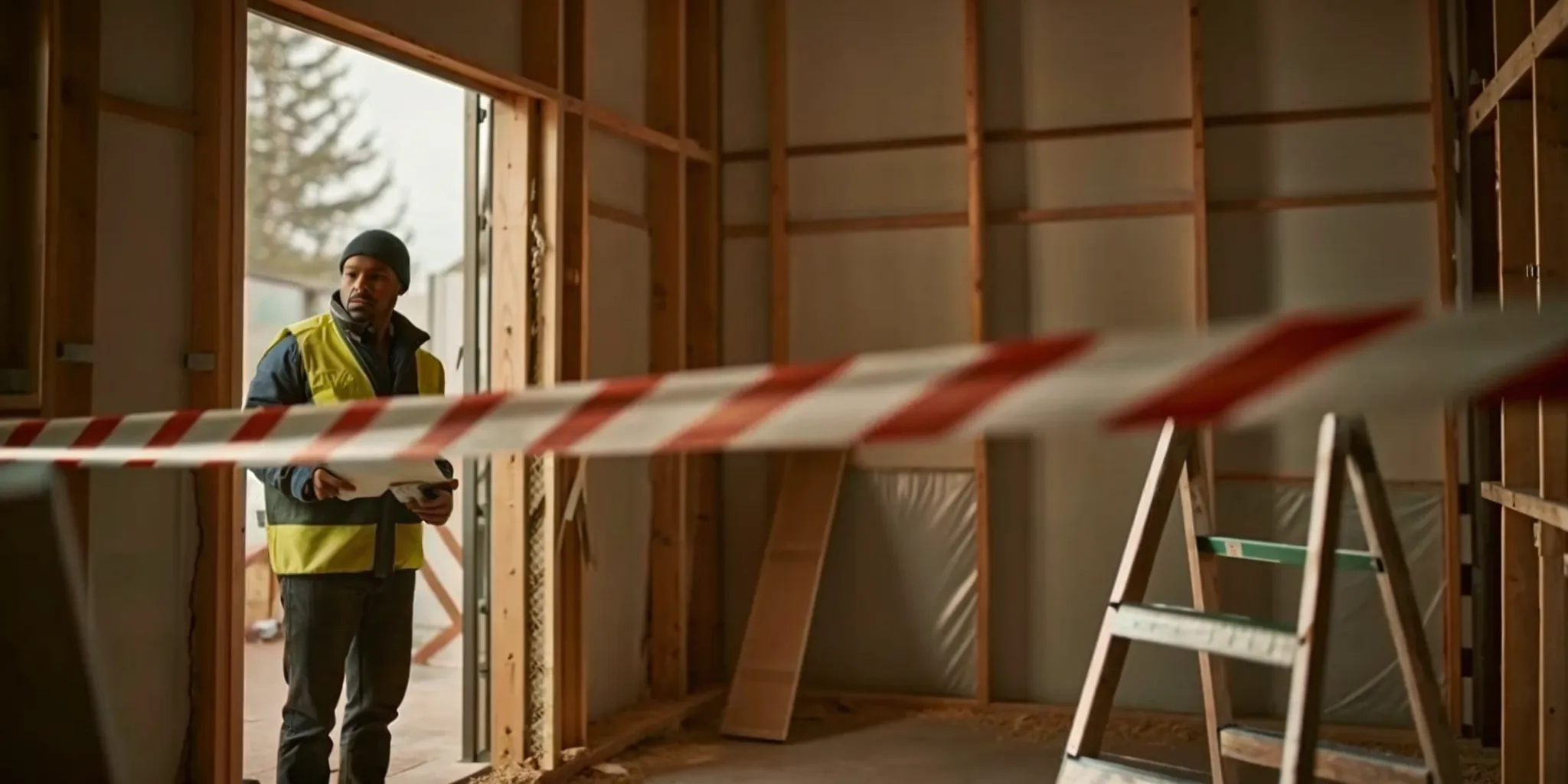
Getting your plans approved is just the first step. Throughout the construction process, a city inspector will visit your home at key milestones to verify that the work meets code. These inspections cover everything from the foundation and framing to the final electrical and plumbing systems. Each inspection is a checkpoint to ensure quality and safety.
This process comes with its own set of costs. As one homeowner noted, "Getting permission (permits) from your city and hiring an engineer will add thousands of dollars to the project." It's also crucial to hire a structural engineer early on to confirm your home’s foundation can support the extra weight. While these fees add to your budget, they are a non-negotiable investment in the safety and long-term value of your home.
What's the timeline for a second-story addition?
Adding a second story is more of a marathon than a sprint. It’s a major construction project that requires careful planning and patience from start to finish. From the first sketch to the final walkthrough, you should prepare for the entire process to take anywhere from six to 12 months. In some cases, the planning phase alone can take up a good chunk of that time before any construction even begins.
Understanding the key phases and potential roadblocks can help you set realistic expectations and keep your project on track. Having an expert in your corner, like a Realm advisor, can make all the difference in managing the schedule and handling any surprises along the way. A clear roadmap helps you see the light at the end of the tunnel, even when your home is a busy construction zone.
From groundbreaking to move-in: the key phases
The journey starts long before the first hammer swings. This initial phase involves working with architects and designers to create blueprints, securing the necessary building permits, and hiring your construction team. This stage is all about laying a solid foundation for the project, both literally and figuratively. Once the plans are set and approved, the build begins. This includes preparing the site, reinforcing your home's existing foundation, framing the new story, and getting the roof on. After the structure is weatherproof, crews will move inside to handle electrical, plumbing, insulation, and drywall. The final steps involve installing finishes like flooring, paint, and fixtures before a final inspection.
What can slow down your project?
Even the best-laid plans can hit a snag. Common delays include discovering that your home's systems, like plumbing, electrical, and HVAC, need significant upgrades to support the new space. Finding the perfect spot for a new staircase can also present a design puzzle that takes time to solve. Some delays are simply out of your control. Material shortages and supply chain issues can push back timelines, while bad weather can halt progress, especially during critical phases like when your roof is temporarily removed. Building a contingency fund and a flexible schedule into your plan from the start helps you absorb these bumps without derailing your project. Working with vetted professionals can also help you anticipate and manage these risks more effectively.
How to choose the right contractor for your addition
A two-story addition is a huge undertaking, and your contractor will be your partner through it all. The success of your project hinges on finding the right team. A great contractor not only manages the day-to-day work but also helps you stick to your budget and timeline. This isn't a decision to rush. Taking the time to find and vet the right professionals will save you headaches and money down the road. Let's walk through how to assemble your dream team and get bids you can trust.
Finding and vetting your build team
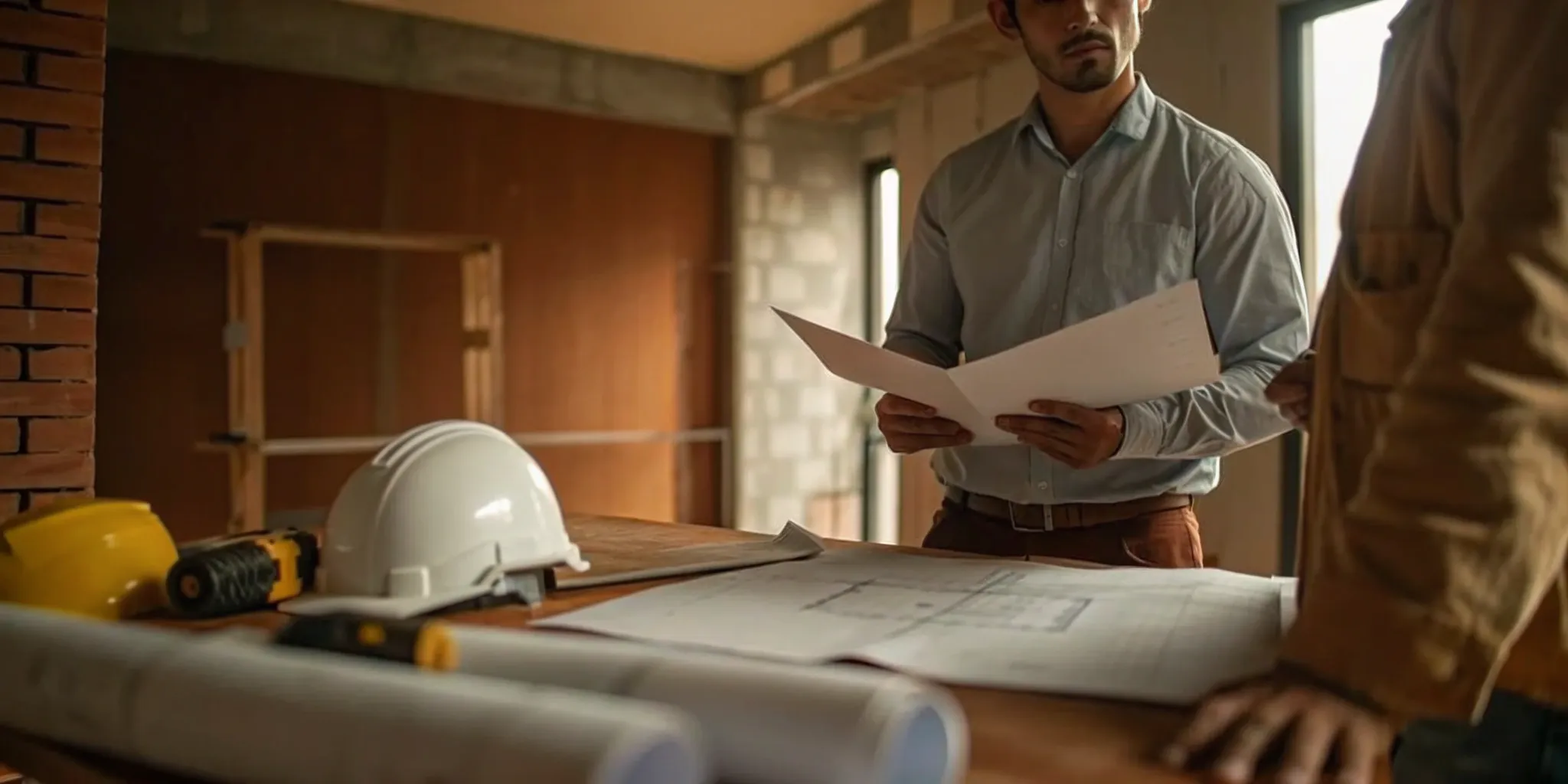
A two-story addition requires a team of specialists. You’ll need an architect to handle the design and ensure it meets local codes, a structural engineer to confirm your home’s foundation can support the new weight, and a general contractor to manage the entire project. Because adding a second story is so complex, it’s critical to hire a builder with specific experience in this type of construction. When you’re interviewing potential contractors, ask to see their portfolio of similar projects. At Realm, we connect homeowners with a network of vetted professionals who have the right experience for the job, taking the guesswork out of finding a qualified team.
How to get accurate bids and manage costs
Once you have a shortlist of contractors, it’s time to get bids. Don’t be shy about reaching out for quotes, even if your project is a year or two away. Just be upfront that you’re in the planning phase. This gives you a realistic baseline for your budget. While building up is often more complex than building out, it preserves your yard space and can add significant value. A good contractor will also be a source of cost-saving ideas. Be open to their suggestions on materials or design tweaks that could lower costs without sacrificing quality. Using Realm’s project planning tools can also help you create a detailed scope of work, which ensures every contractor is bidding on the exact same project.
How do you plan and budget for a two-story addition?
Adding a second story is a major undertaking, and getting your finances in order from the start is the key to a successful project. A solid plan goes beyond just the construction estimate; it involves understanding all the potential costs, securing the right financing, and preparing for the unexpected. Think of your budget as the roadmap for your renovation. It will guide your decisions on everything from materials and finishes to the overall scope of the project, helping you make smart choices that align with your financial goals.
Before you get too far into design daydreams, it’s important to ground your project in financial reality. This means doing your homework on local construction costs, getting preliminary quotes, and deciding how you’ll pay for the work. A well-planned budget helps you stay in control and prevents financial stress down the line. It’s the difference between a project that feels exciting and one that feels overwhelming. At Realm, we help homeowners create a detailed, realistic budget and connect them with vetted professionals who provide transparent pricing, ensuring you feel confident and supported every step of the way. We believe that a clear financial plan is the bedrock of a smooth renovation experience.
Set a realistic budget (and don't forget a contingency fund)
Building up is a big, expensive, and disruptive project, so it’s crucial to understand all the details before you begin. Your final cost will depend on the size and complexity of your addition, the materials you choose, and the labor costs in your area. Once you have a baseline estimate from your contractor, the most important next step is adding a contingency fund. This is a non-negotiable safety net for any surprises that pop up, like discovering hidden structural issues or making a last-minute design change. Plan on setting aside an extra 15% to 20% of your total project cost for this fund.
How to pay for your home addition
Once you have a budget, you can explore your financing options. For many homeowners, the big question is whether to renovate or move. While the upfront cost of an addition is significant, it’s often more affordable and less stressful than selling your home and buying a new one, especially when you factor in closing costs, realtor fees, and moving expenses. Common ways to fund an addition include a home equity line of credit (HELOC), a home equity loan, or a cash-out refinance. It’s a good idea to compare the cost of adding on versus buying a bigger home to see what makes the most sense for your family and financial situation.
Related Articles
- The True Cost to Build a Home Addition Explained
- Home Addition Cost Per Sq Ft: A Full Breakdown
- Home Addition Cost Breakdown: A Complete Guide
Frequently Asked Questions
Can any house have a second story added? Not necessarily. The most important factor is your home's existing foundation. It was designed to support the original structure, and adding an entire new floor adds a tremendous amount of weight. The first and most critical step is to hire a structural engineer to perform an assessment. They will determine if your foundation is strong enough as is or if it needs to be reinforced, which is a common and significant expense.
How long will I have to move out of my house during construction? You should definitely plan to live elsewhere for at least part of the project. The most disruptive phase happens when your roof is removed to build the new floor, which can make your home unlivable for several weeks or months. Some homeowners choose to move out for the entire duration of the build to avoid the noise, dust, and general chaos. This is an important detail to discuss with your contractor so you can plan for temporary housing costs and logistics.
Is it really more cost-effective to build up instead of out? When you compare the cost per square foot, building up often gives you more value for your money. This is because you are adding two levels of living space on top of a single foundation and under a single roof. Since the foundation and roof are two of the most expensive components of an addition, this efficiency can make a big difference. While the total project cost will be higher than a small ground-floor addition, you gain more space and get to keep your valuable yard.
What's the very first step I should take if I'm considering this project? Before you fall in love with floor plans, the best first step is to get a clear picture of your finances. Determine a realistic total budget you are comfortable with and explore how you will pay for the renovation, whether through savings, a loan, or refinancing. Having a solid budget from the very beginning will guide all your future decisions and help you have productive conversations with architects and contractors about what is truly possible for your home.
Besides the contingency fund, are there other ways to manage the budget? Yes, you have a lot of control over the final cost through your design and material choices. A simple, rectangular addition is far more affordable to build than a complex design with multiple angles and rooflines. Inside, your selection of finishes makes a huge impact. Opting for high-quality but standard-grade flooring, tile, and fixtures instead of top-of-the-line luxury items can save you thousands. A good design and build team can help you find materials that look great without breaking the bank.
















.png)



.png)