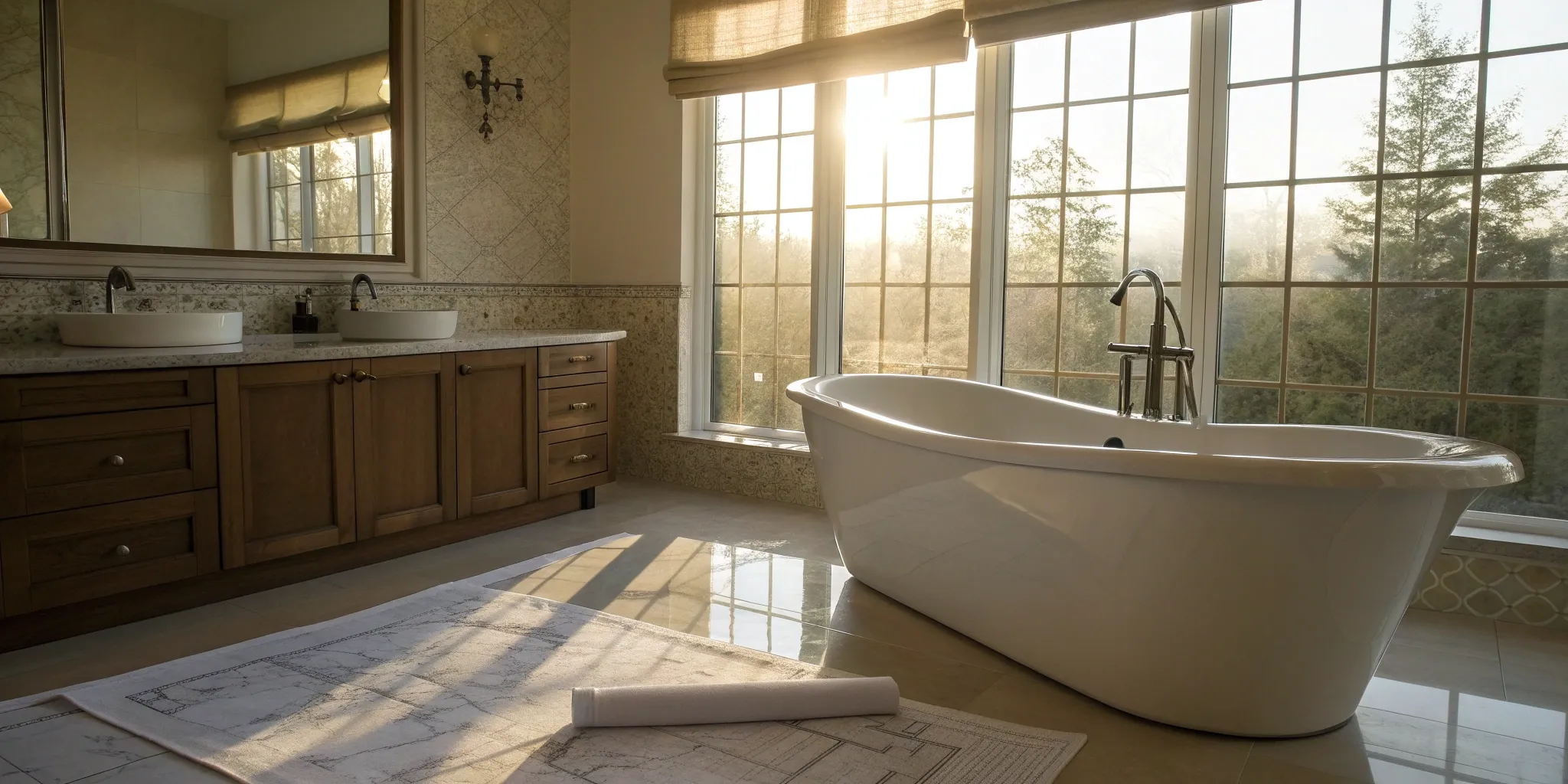
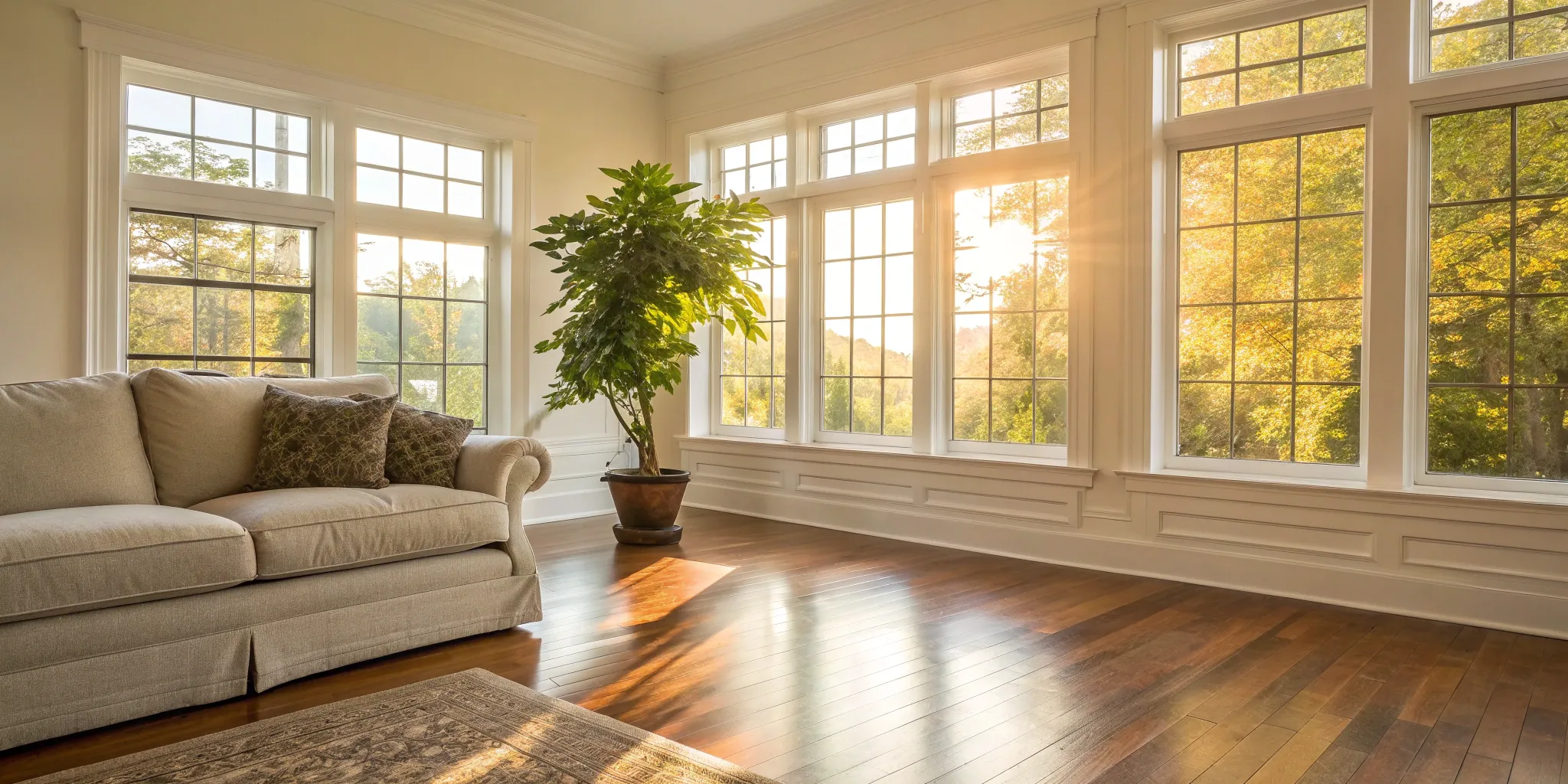
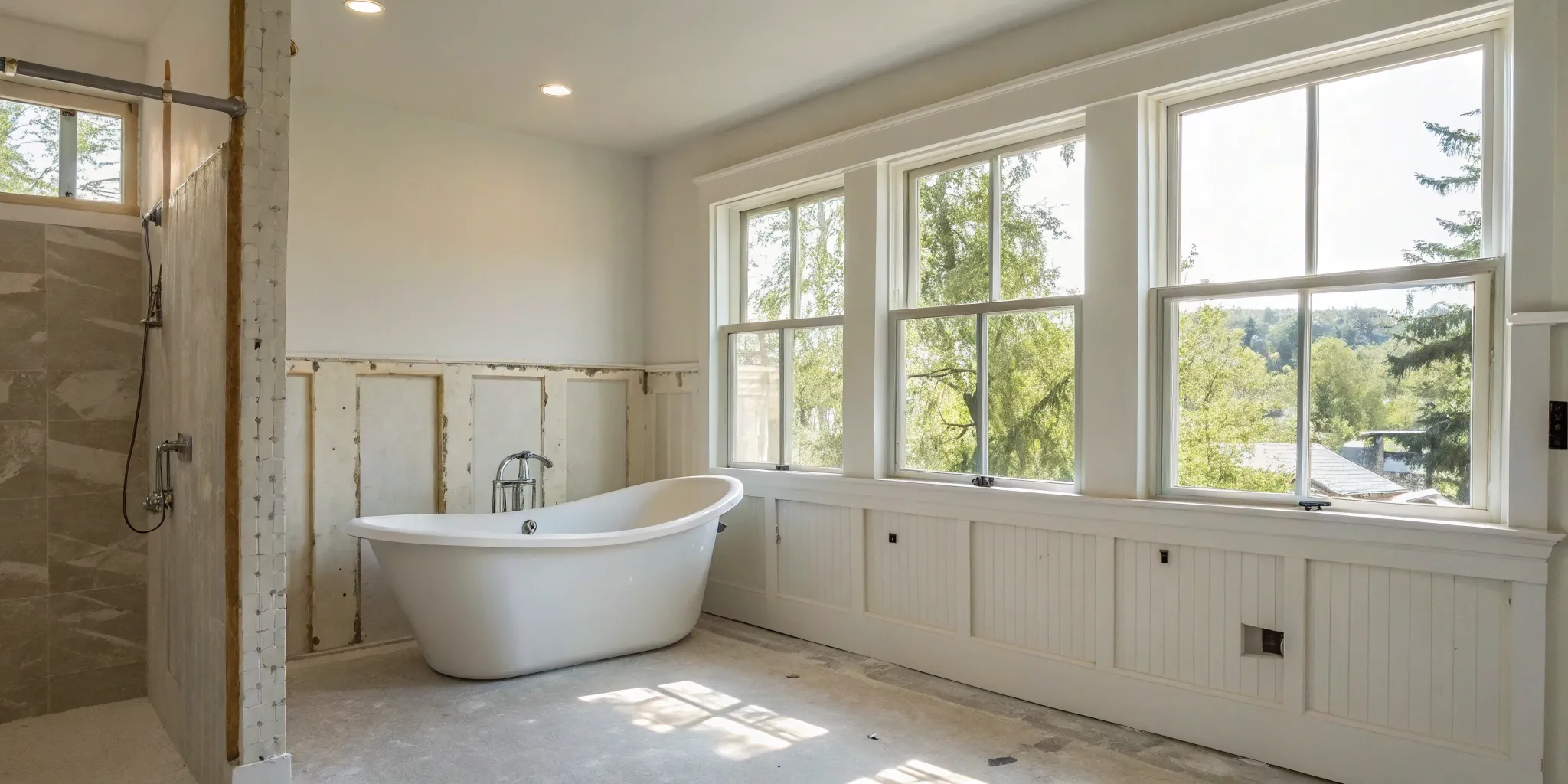
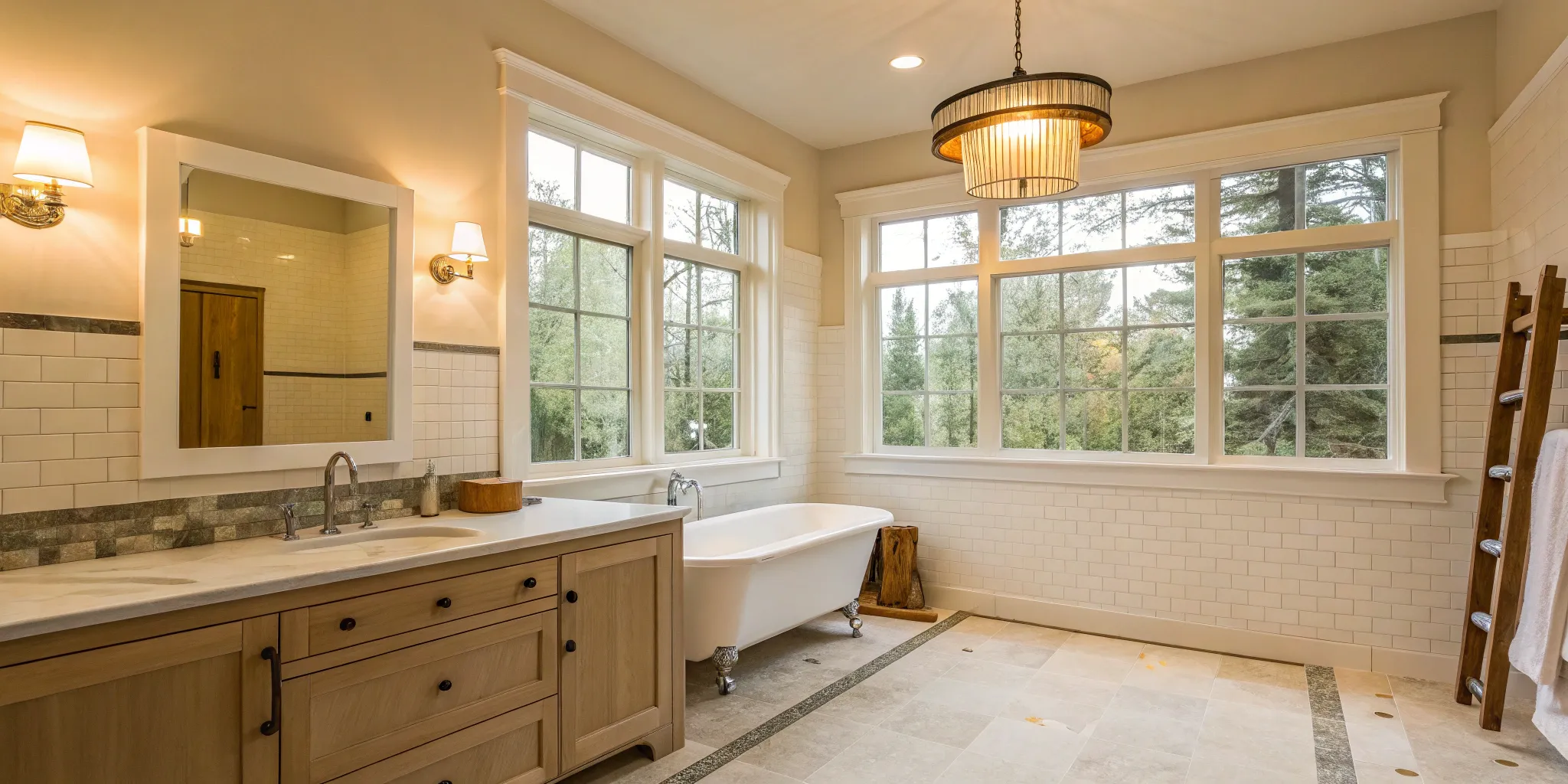
5 Inspiring Garage to Living Space Conversion Ideas
Get practical garage to living space conversion ideas for a home office, guest suite, family room, or more. Transform unused space into something you love.
|
December 31, 2025
In this article:
For most of us, the garage is a black hole of forgotten stuff—old sports equipment, half-finished projects, and boxes that haven't moved in years. But that cluttered space is actually your home's hidden potential. A garage conversion is the smartest way to get the extra room you desperately need without the massive cost and stress of moving or building a huge addition. Whether you need a quiet home office, a private guest suite, or a playroom for the kids, these garage to living space conversion ideas transform wasted square footage into your favorite room in the house. This guide will walk you through everything you need to know, from planning and permits to design and budgeting.
Key Takeaways
- Build it Right from the Start: Treat your garage conversion like any other major home renovation. That means checking local zoning laws and getting permits first, then planning for the non-negotiable upgrades—insulation, climate control, and proper utilities—that turn a car storage space into a true living area.
- Your Goal Sets Your Budget: The cost of your project is directly tied to its purpose. A simple home office will be far less expensive than a full ADU with a kitchen and bathroom, so defining your primary goal upfront is the best way to create a realistic budget and plan.
- Design for Light and Livability: Overcome the garage's dark, boxy nature by prioritizing design elements that create an inviting atmosphere. This means adding plenty of windows or skylights for natural light and using clever solutions like built-in storage and multi-functional furniture to make the space feel open and useful.
Why Convert Your Garage?
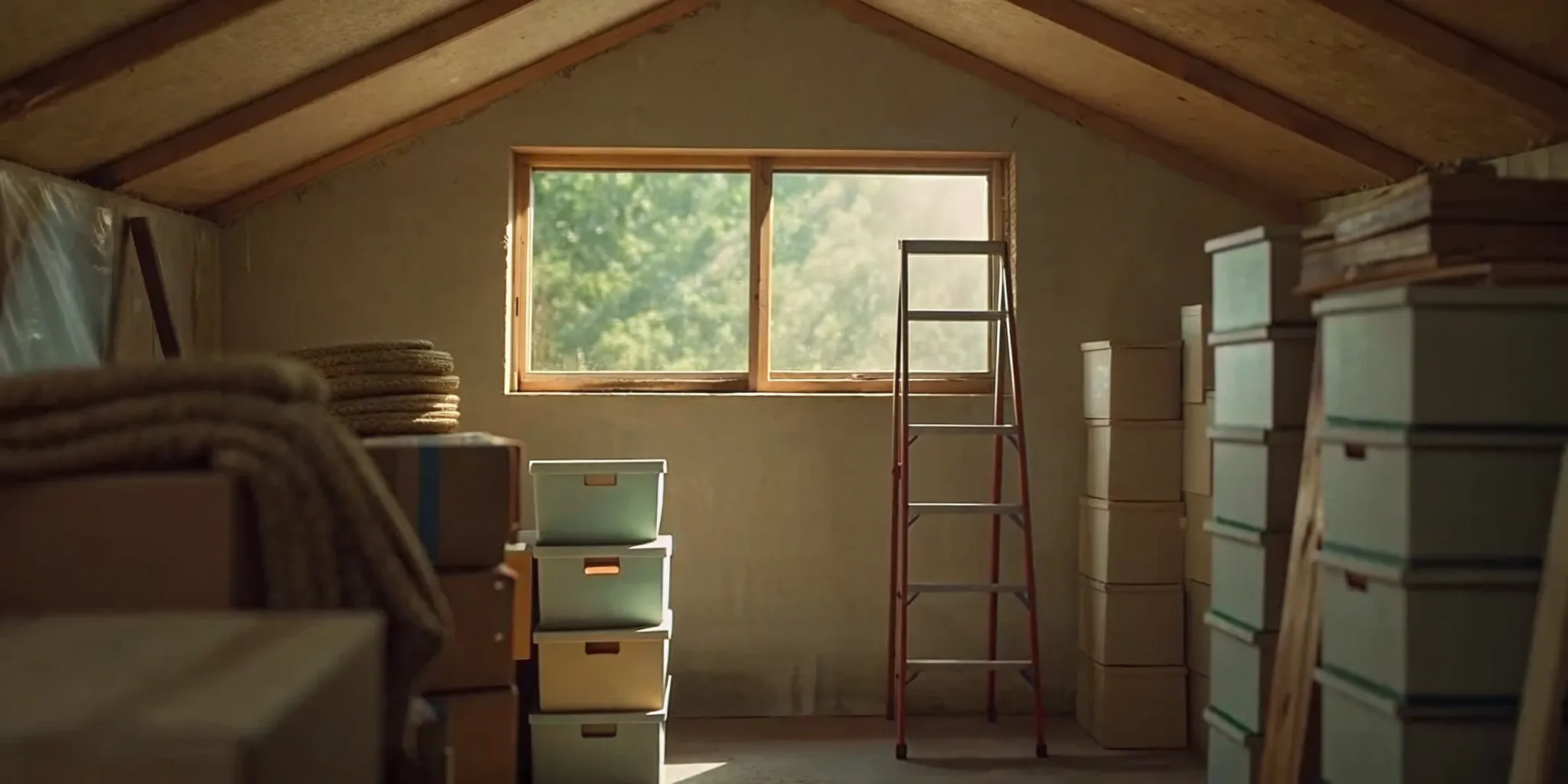
Let's be honest, for many of us, the garage is less of a car sanctuary and more of a final resting place for forgotten hobbies, half-empty paint cans, and boxes we haven't opened since the last move. But what if that underused space could solve your biggest home-related problems? A garage conversion transforms that cluttered square footage into a functional, beautiful part of your home. It’s one of the most practical ways to get the extra room you need without the headache and expense of moving or building a massive addition.
Whether you’re dreaming of a quiet place to work, a private space for guests, or a new source of rental income, your garage holds the key. This isn't just about adding a room; it's about reimagining your home to better fit your life right now. A well-planned conversion can significantly increase your property's value, provide a steady income stream, and give your family the breathing room it needs to grow. It’s a smart investment that pays off in both financial returns and everyday quality of life. At Realm, we can help you create a custom plan to make it happen.
Add Value to Your Home
A garage conversion is more than just a home improvement project; it's a strategic investment in your property. By transforming storage space into livable square footage, you directly increase your home's market value. Think about it from a buyer's perspective: a house with a dedicated home office, a guest suite, or a legal rental unit is far more appealing than one with a standard two-car garage. The return on investment for a garage conversion is often impressive, with many homeowners recouping a significant portion of the cost upon resale. A permitted, well-designed project adds legitimate, appraised value that you’ll see reflected in your home’s equity.
Create a New Income Stream
Imagine your mortgage payment shrinking each month, thanks to your garage. Converting it into a small apartment or an Accessory Dwelling Unit (ADU) can create a powerful new source of income. In high-demand areas, a clean, modern rental unit can attract long-term tenants or short-term vacationers, providing a steady cash flow. This rental income can help you pay off your home faster, save for other goals, or simply give you more financial flexibility. It turns an underutilized part of your property into a hardworking asset that contributes to your financial well-being month after month.
Gain More Space Without Moving
As your family grows or your lifestyle changes, the need for more space becomes urgent. But the thought of packing up and moving can be completely overwhelming. A garage conversion offers a brilliant alternative. You can get the extra bedroom, home gym, or family room you need without leaving the neighborhood you love. This approach is typically faster and less disruptive than building a new addition from the ground up. You’re simply repurposing an existing structure to better serve your family’s needs, whether that’s creating a quiet workspace or a dedicated playroom for the kids.
Garage Conversion Ideas to Get You Started
Once you start seeing your garage as a blank canvas, the possibilities are endless. Instead of a cluttered space for cars and storage, you can create a room that adds function, comfort, and value to your home. Whether you need a quiet place to work, a fun spot for the family to gather, or a private suite for guests, a garage conversion can be tailored to fit your exact needs. Here are a few popular ideas to get your imagination going.
A Quiet Home Office or Studio
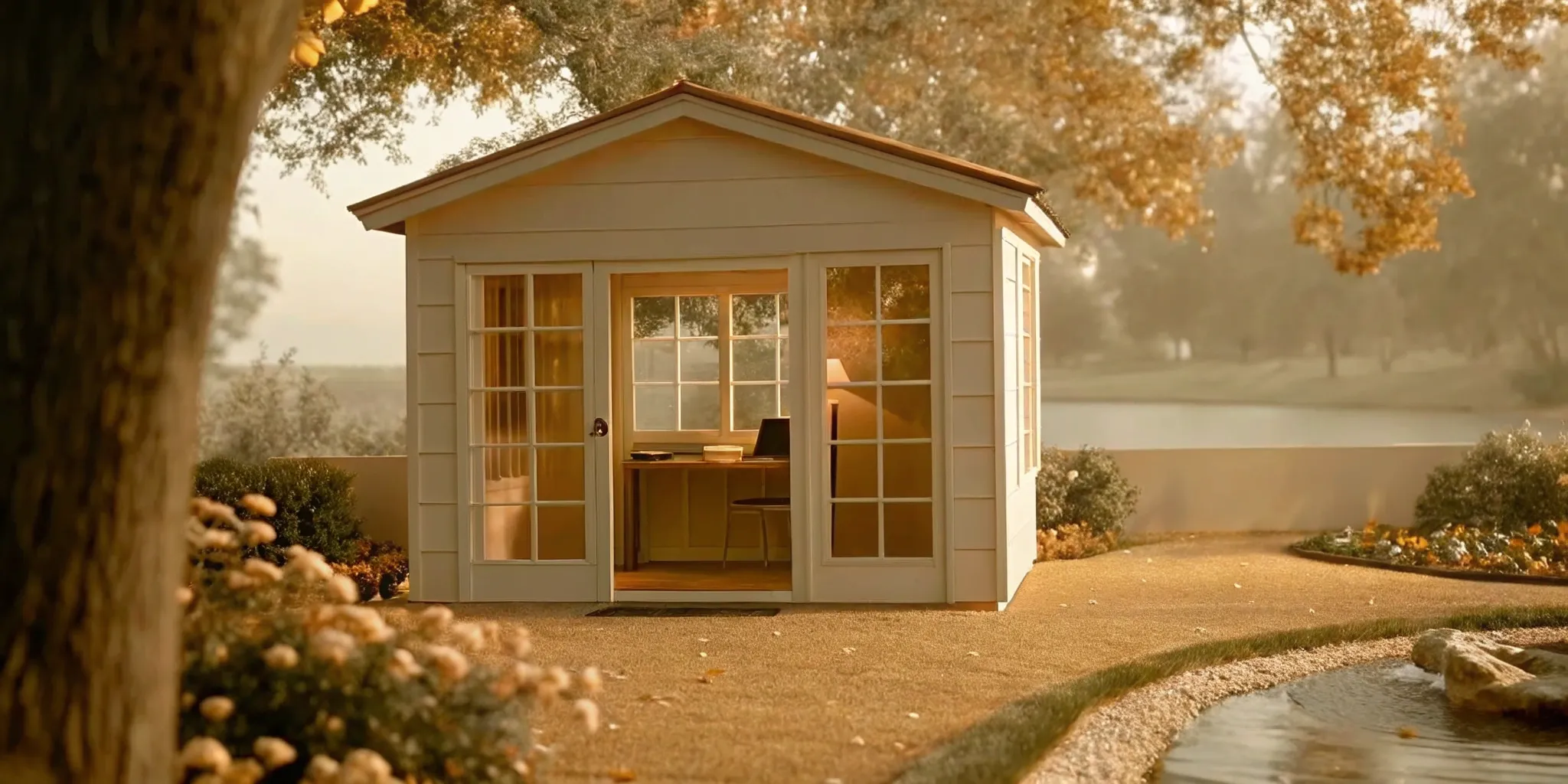
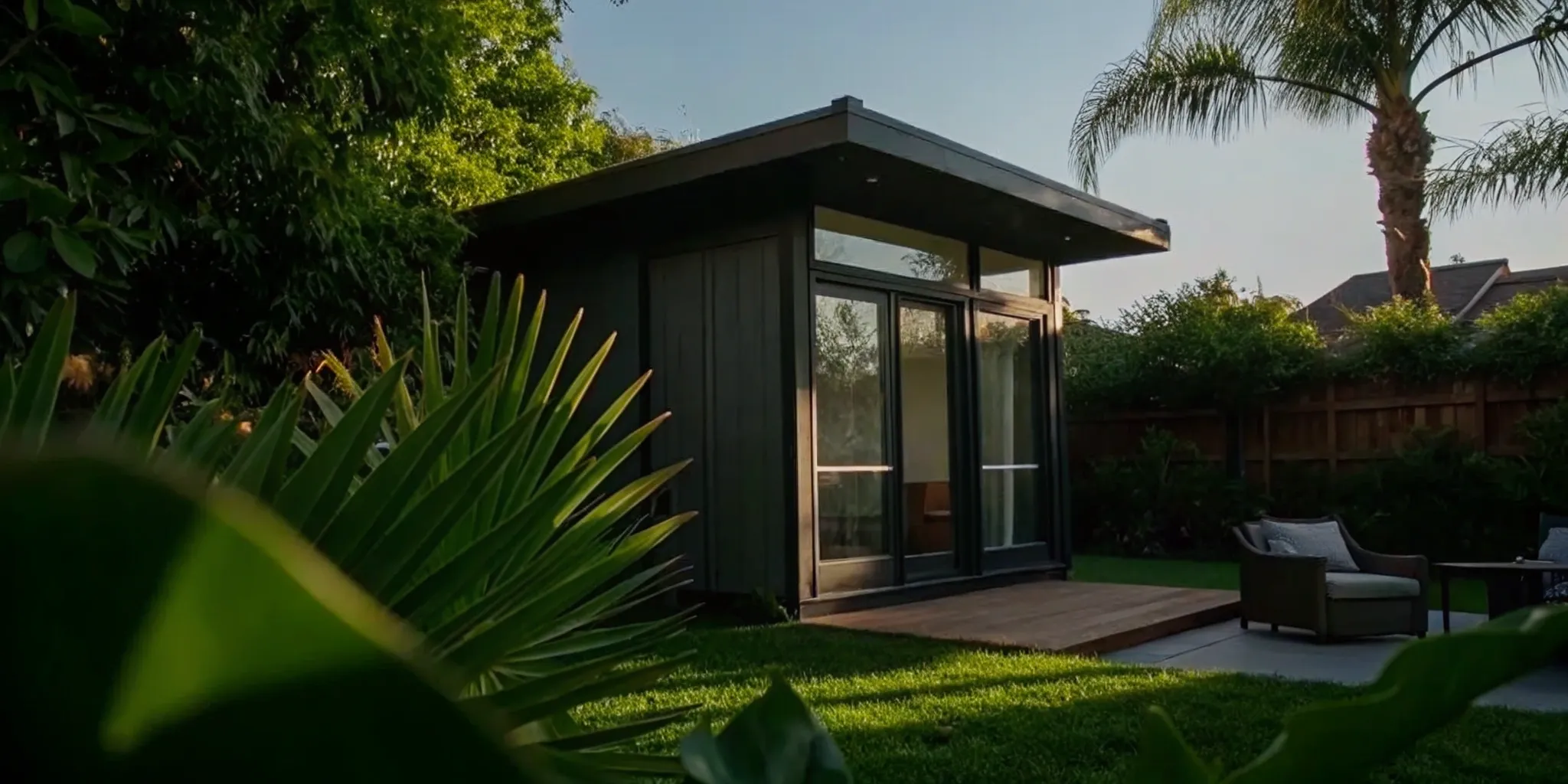
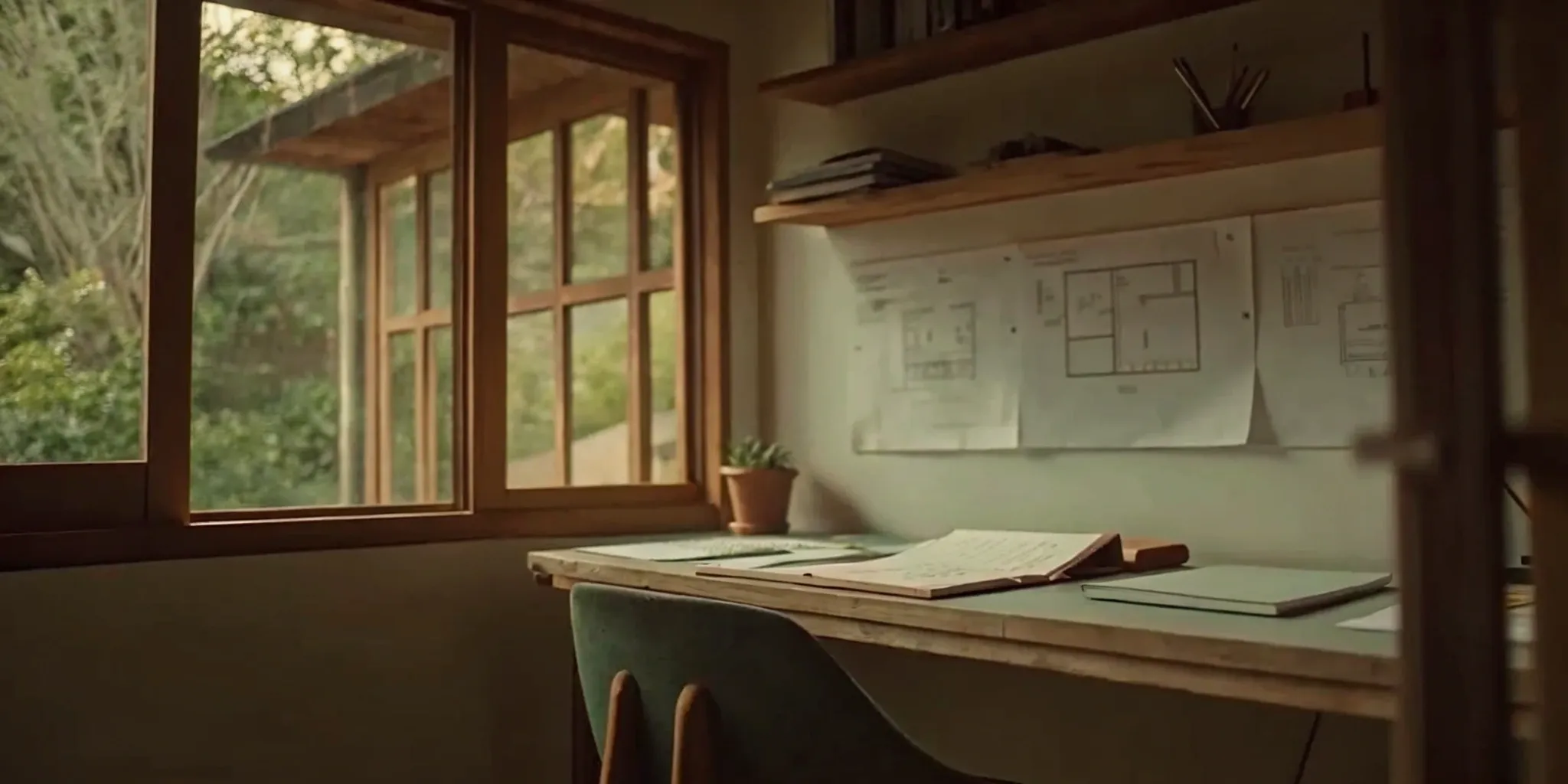
With more people working from home, a dedicated office is no longer a luxury—it's a necessity. Converting your garage into a home office or creative studio gives you a quiet, separate space to focus without the distractions of the main house. Imagine a short commute across your yard to a room designed for productivity, complete with great lighting, comfortable seating, and all the outlets you need. This separation helps create a healthier work-life balance and keeps your living areas for relaxing. A customized project plan can help you map out the perfect layout for your professional needs.
A Private Guest Suite
Give your visitors a comfortable and private place to stay by turning your garage into a guest suite. This is so much better than a pull-out sofa in the living room. A well-designed suite can include a cozy bedroom, a small seating area, and its own bathroom, making your guests feel right at home. This setup is perfect for visiting family or friends, giving everyone their own space and privacy. Plus, a beautiful guest suite can significantly increase your home’s appeal and functionality, making it a smart investment for the future.
The Ultimate Family Room
Transform your garage into the ultimate family room or hangout spot. This is your chance to create a dedicated space for fun and relaxation, away from the more formal areas of your home. You could design a cozy media room for movie nights, a game room with a pool table and arcade machines, or simply a comfortable lounge for your teens to entertain friends. By moving the noisy, high-energy activities to the converted garage, you can keep the main part of your house a little more peaceful. Check out our design library for more inspiration.
A Self-Contained In-Law Unit
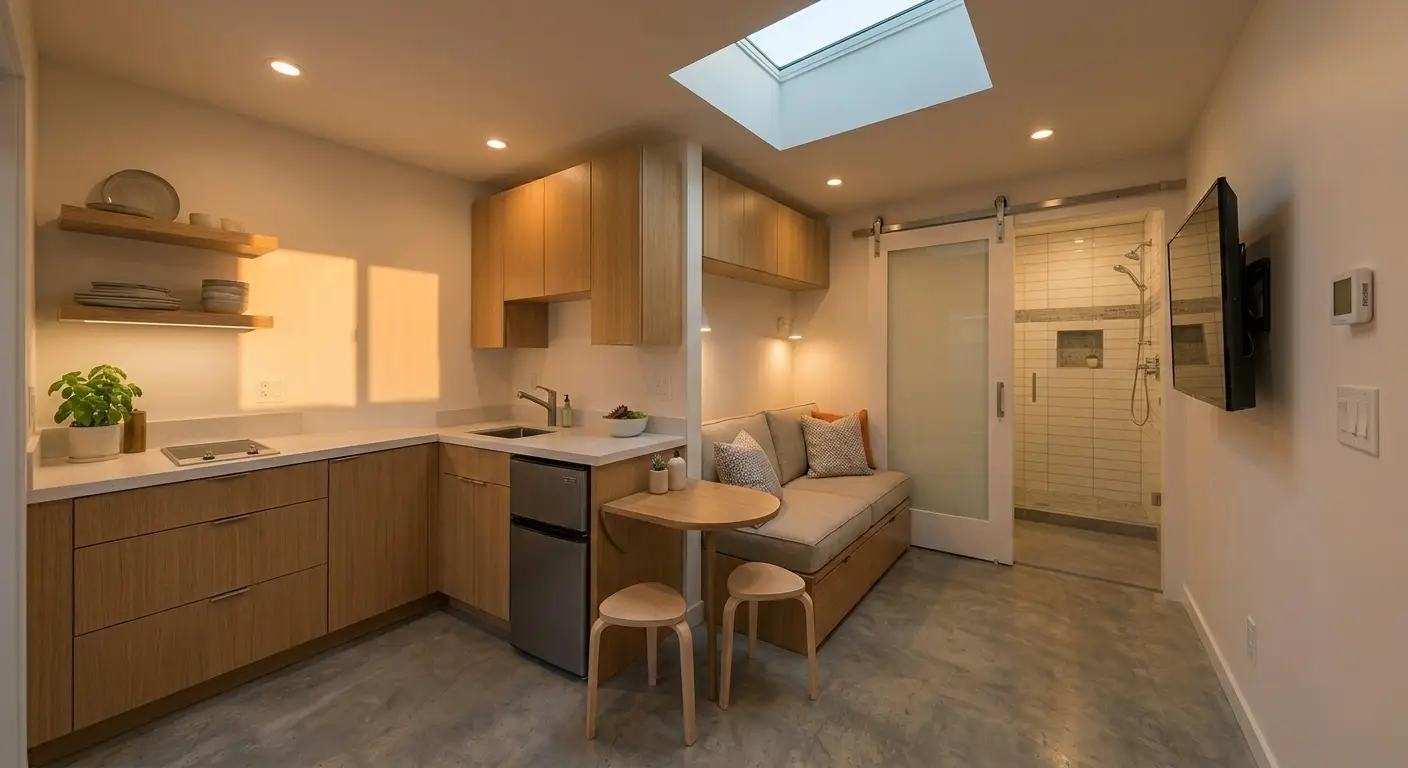
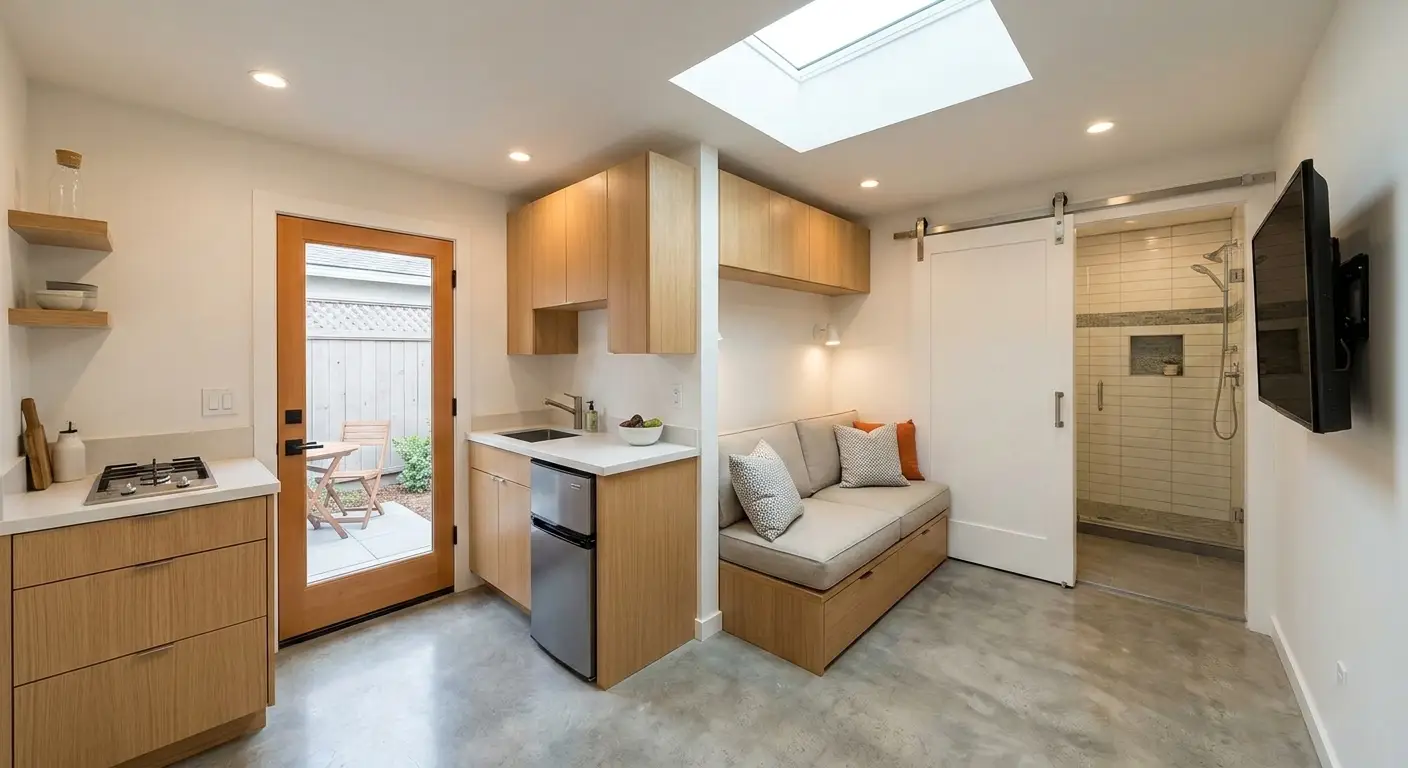
For multi-generational families or those looking for rental income, a self-contained in-law unit, or Accessory Dwelling Unit (ADU), is an incredible asset. This goes beyond a simple guest room by including a kitchenette, a full bathroom, and a private entrance, creating a fully independent living space. A permitted ADU can provide a comfortable home for aging parents or adult children, or you can rent it out for a steady income stream. Because these projects are more complex, it helps to have an expert advisor to guide you through the process from start to finish.
A Dedicated Kids' Playroom
If you’re tired of tripping over toys in your living room, converting the garage into a dedicated playroom might be the perfect solution. It gives your kids a safe and durable space where they can be creative, make a mess, and burn off energy without taking over the whole house. You can install durable flooring, add tons of built-in storage for toys and art supplies, and even include fun features like a climbing wall or a chalkboard wall. A designated playroom helps keep your main living areas tidy and gives your children a space that is truly their own.
Planning Your Conversion: Where to Start
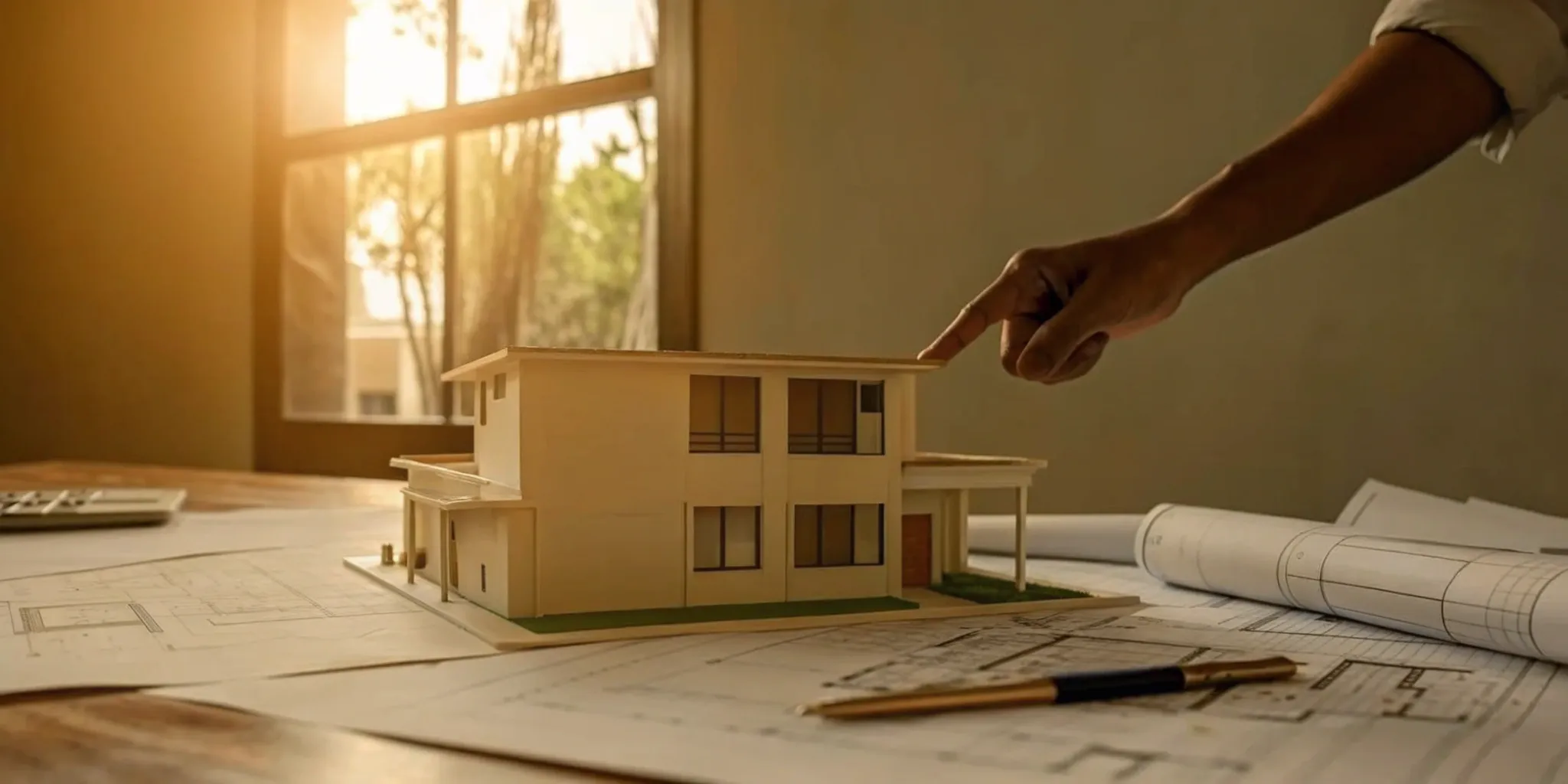
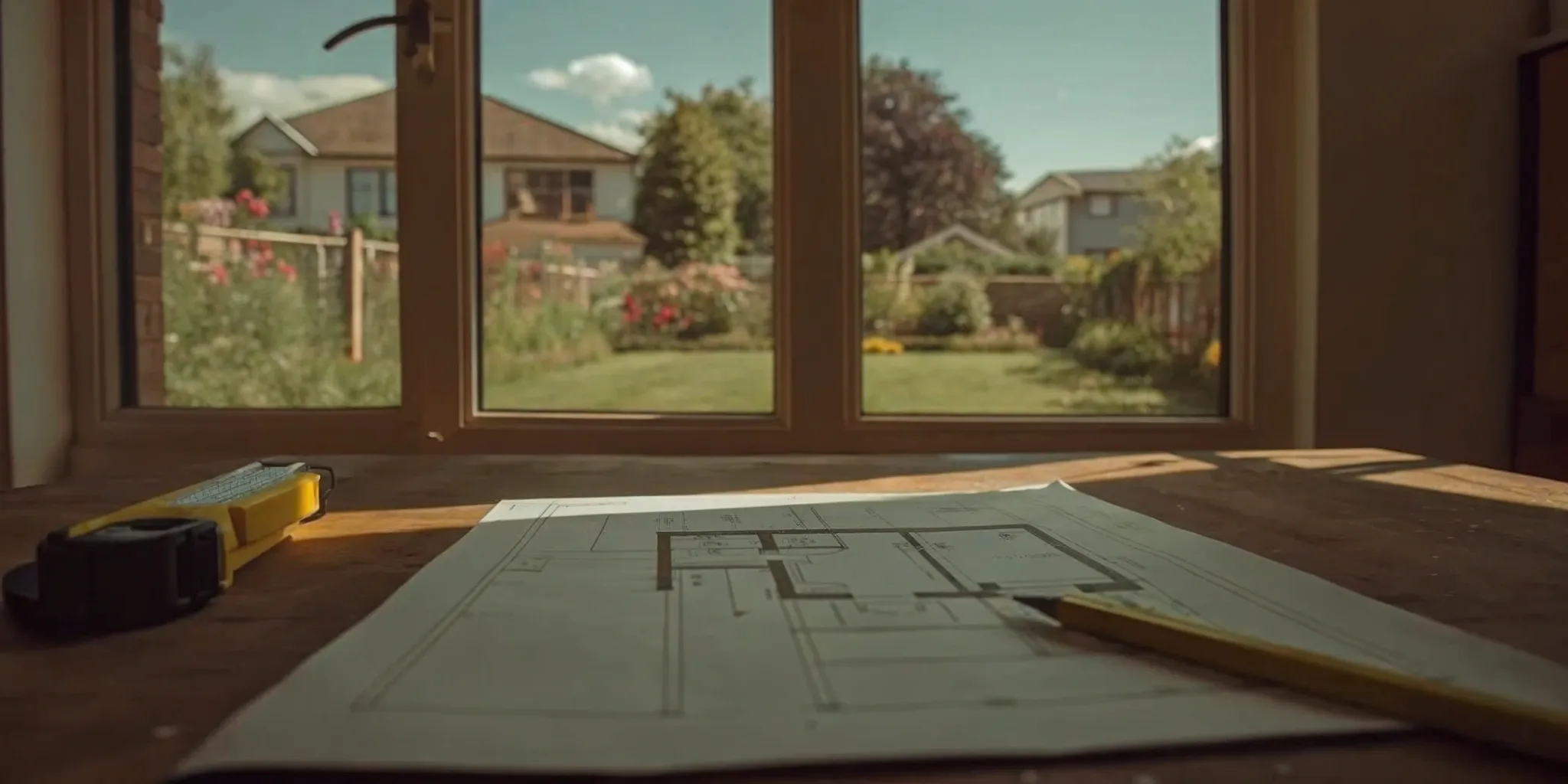
Before you start picking out paint colors and furniture, there are a few foundational steps you need to take. Thinking through the logistics and legalities first will save you major headaches down the road and ensure your new space is safe, comfortable, and fully compliant. Getting these key pieces sorted out will create a solid plan, making the entire renovation process smoother from start to finish. This is where the real work begins, but tackling it head-on sets your project up for success.
Check Local Zoning Laws and Permits
First things first: you need to understand your local rules. Every city has its own zoning laws and permit requirements for converting a garage into a living space, often called an Accessory Dwelling Unit (ADU). These regulations can dictate everything from the minimum size of the unit to whether you can include a kitchen. Trying to build without the proper permits can lead to fines and an order to tear down your work. A quick check of your city’s planning department website or a conversation with a renovation expert can clarify what’s possible on your property and get you on the right track.
Assess Your Garage's Structure
Next, take a hard look at your garage’s existing structure. Was it built to the same standards as the rest of your house? You’ll need to assess the foundation, walls, and roof to make sure they’re sound and ready to support a finished living space. A concrete slab might need to be leveled or raised, and the framing may require reinforcement to handle drywall and insulation. Understanding the "bones" of your garage is a critical step in planning a successful conversion and will help you create a realistic budget for the structural work required.
Figure Out Your Parking Situation
Converting your garage means losing a dedicated spot for your car, and that’s a bigger deal than you might think. Many cities have zoning ordinances that require homeowners to have a certain number of covered, off-street parking spaces. Before you move forward, you need a clear plan for where you’ll park. Will you add a carport, extend your driveway, or is there ample street parking available? Make sure your new parking solution complies with local regulations so you don’t trade one problem for another.
Plan for Utilities
Your garage likely has basic electricity, but it wasn’t designed for full-time living. You’ll need to plan for significant utility upgrades. This includes running new electrical wiring for outlets and lighting, adding heating and cooling systems to keep the space comfortable, and potentially extending plumbing for a bathroom or kitchen. These systems are essential for making the space functional and safe. It’s best to consult with licensed professionals like electricians and plumbers early in the process to map out what’s needed and get an accurate estimate of the costs involved.
How Much Does a Garage Conversion Cost?
Let’s talk about the number one question on every homeowner’s mind: the budget. The cost of a garage conversion can range from around $20,000 for a simple, single-room update to over $150,000 for a fully equipped apartment, also known as an Accessory Dwelling Unit (ADU). That’s a huge range, and where your project falls depends entirely on what you want to create. Are you dreaming of a quiet home office, or are you building a full-service rental unit with a kitchen and bath?
The complexity of your vision is the biggest driver of cost. Adding plumbing for a bathroom or kitchen will immediately move your project into a higher price bracket than a simple playroom that only needs finished walls and flooring. The good news is that this investment pays off. A well-executed garage conversion can significantly increase your property value, with many homeowners seeing a strong return. To get a clear picture of what your specific project might cost, it’s always best to start with a customized plan that accounts for your home’s unique layout and your local building codes.
Budgeting for a Basic Conversion
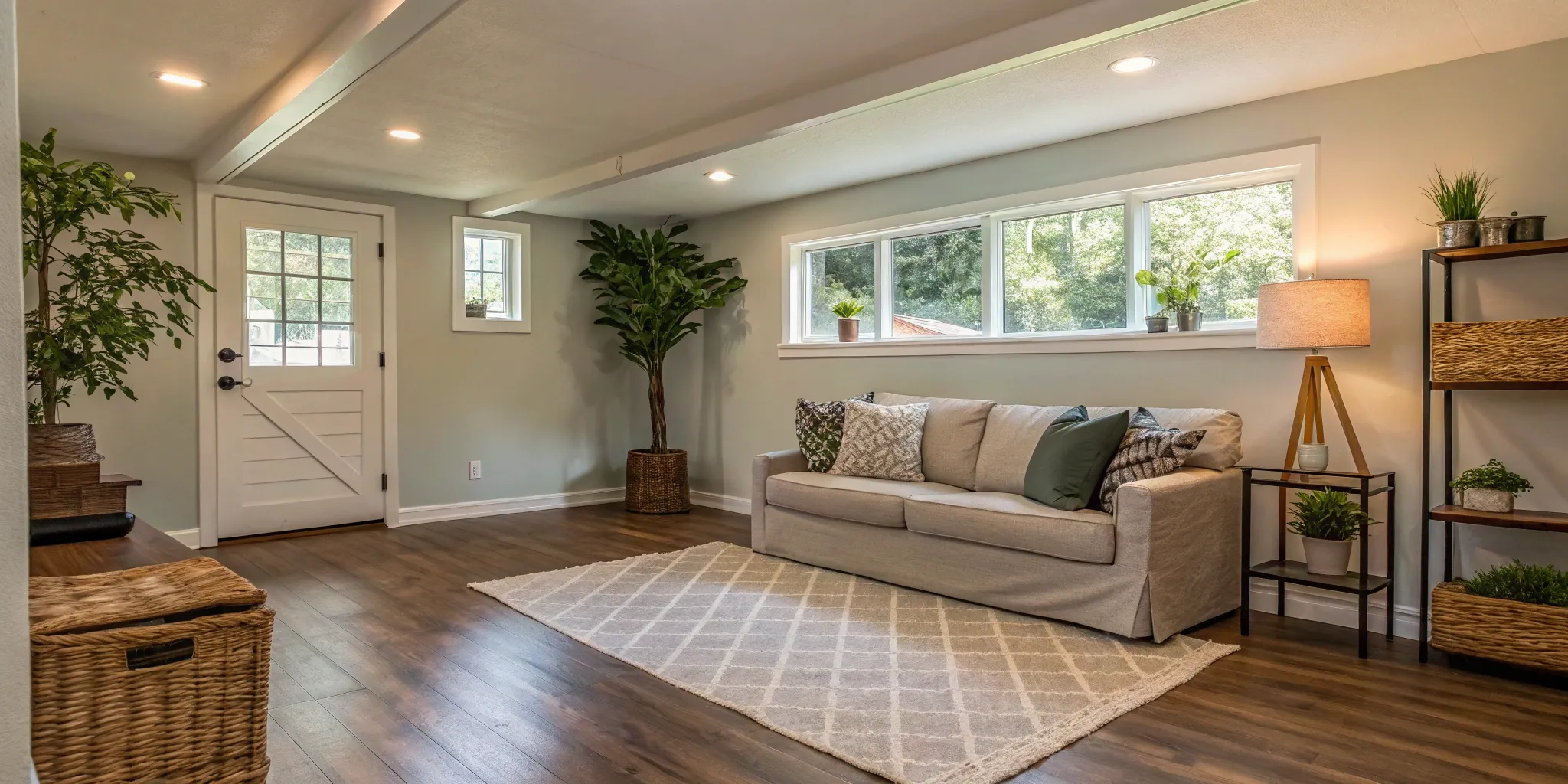
If you’re looking to create a simple, functional room, you’re in the basic conversion category. Think of a home office, a gym, or a kids’ playroom. This type of project typically costs between $20,000 and $45,000. The work focuses on making the space comfortable and livable: insulating and finishing the walls with drywall, installing durable flooring like vinyl or laminate, adding proper lighting, and running electrical for outlets. A basic conversion generally doesn’t involve adding plumbing or making major structural changes, which helps keep the budget manageable. It’s the perfect solution for when you just need more usable square footage without the complexity of a full apartment.
What a Mid-Range Project Includes
A mid-range conversion takes things a step further, creating a more private and self-sufficient space like a guest suite. This is where you’d add a bathroom, which introduces plumbing—a significant cost factor. You can expect a budget in the range of $45,000 to $90,000 for this level of work. In addition to a bathroom, a mid-range project often includes upgraded insulation, a dedicated heating and cooling system (like a mini-split), larger windows for more natural light, and potentially a separate entrance. This turns your garage into a true extension of your home, perfect for visiting family or creating a more secluded retreat.
The Cost of a High-End Conversion
A high-end conversion transforms your garage into a complete, independent living unit or ADU. This is the most complex and expensive option, typically running from $90,000 to $150,000 or more. This budget covers everything: a full kitchen with appliances, a bathroom, a dedicated bedroom, and high-quality finishes throughout. The project involves extensive plumbing, electrical, and structural work to create a space that’s fully up to code for a separate dwelling. While it’s a major investment, a high-end conversion offers the highest return, giving you the option to generate a new income stream through long-term tenants or short-term rentals.
Factors That Affect Your Final Cost
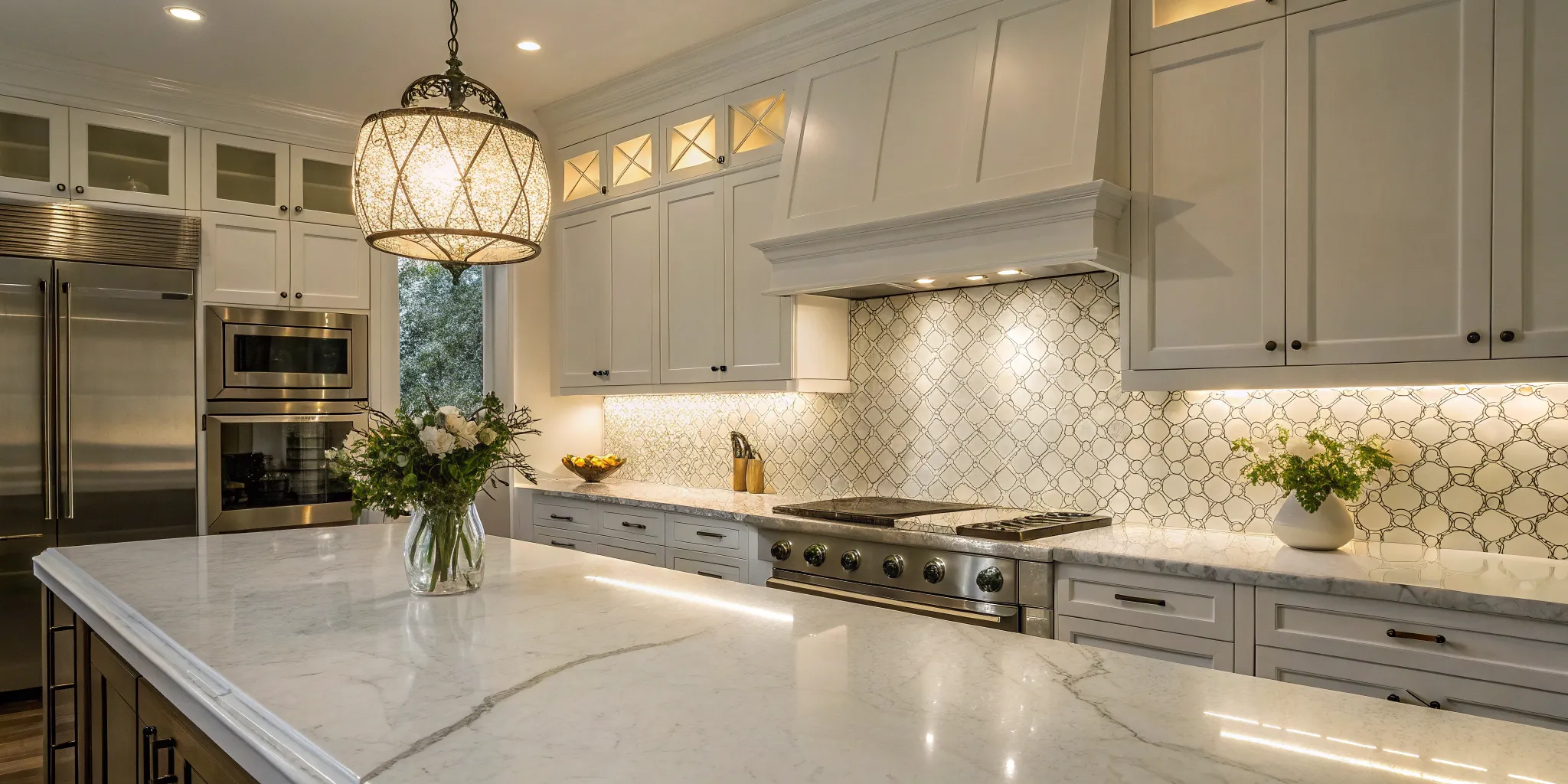
No two garage conversions are exactly alike, and several key factors will influence your final price tag. The biggest variable is the scope of your project—adding a kitchen and bathroom will always cost more than creating a simple office. The existing condition of your garage also plays a huge role; if the foundation has cracks or the framing needs to be replaced, you’ll have to budget for repairs. Your location matters, too, as labor rates and permit fees vary by city. Finally, your choice of finishes can swing the budget significantly. Custom cabinets, stone countertops, and high-end appliances will cost more than standard, off-the-shelf options.
Essential Structural and System Upgrades
Before you start picking out paint colors and furniture, let's talk about the bones of your new space. A garage is built to store cars, not people, so turning it into a comfortable, safe, and legal living area requires some serious foundational work. These upgrades are the least glamorous part of the project, but they are absolutely the most important. Getting the structure, climate control, and utilities right from the start will save you from major headaches and costly fixes down the road.
This is where the project moves from a simple DIY to a full-scale renovation. You’ll need to address everything from the concrete floor under your feet to the wiring in the walls. It’s also the stage where having a team of trusted professionals makes all the difference. A general contractor can coordinate the various tradespeople needed for plumbing, electrical, and HVAC, ensuring everything is done to code. Working with a dedicated advisor can help you line up these essential projects, find vetted pros, and make sure no critical step is missed. Think of this as building the strong, reliable framework for the beautiful room you’re dreaming of.
Installing the Right Floor
One of the first things you’ll notice about your garage floor is that it isn’t flat. Garages are designed with a slight slope toward the main door to allow water to drain out. To make the space feel like a true part of your home, you’ll need to level this floor. This can be done by pouring a self-leveling concrete compound or by building a raised wood-framed floor on top of the existing slab. A raised floor also creates a convenient space to run wiring and plumbing and to add floor insulation, which makes the room much cozier.
Adding Insulation and Climate Control
Garages are rarely insulated, which is why they feel like a freezer in the winter and an oven in the summer. To create a comfortable living space, you’ll need to add high-quality insulation to the walls and ceiling. If you plan to keep the garage door, it should be replaced with a well-insulated model. You’ll also need a plan for heating and cooling. This could involve extending your home’s existing HVAC system or installing a separate, energy-efficient ductless mini-split system, which is a popular choice for single-room additions.
Upgrading Electrical and Wiring
The electrical system in a typical garage is minimal—usually just one or two outlets and a single overhead light. This won’t be nearly enough for a functional living space. You’ll need to hire a licensed electrician to run new wiring and install multiple outlets, switches, and lighting fixtures to meet residential building codes. They will also likely need to add a new circuit to your home’s main electrical panel to handle the increased load from lights, electronics, and any appliances you plan to add. This is a critical safety step that should only be handled by a qualified professional.
Planning for Plumbing
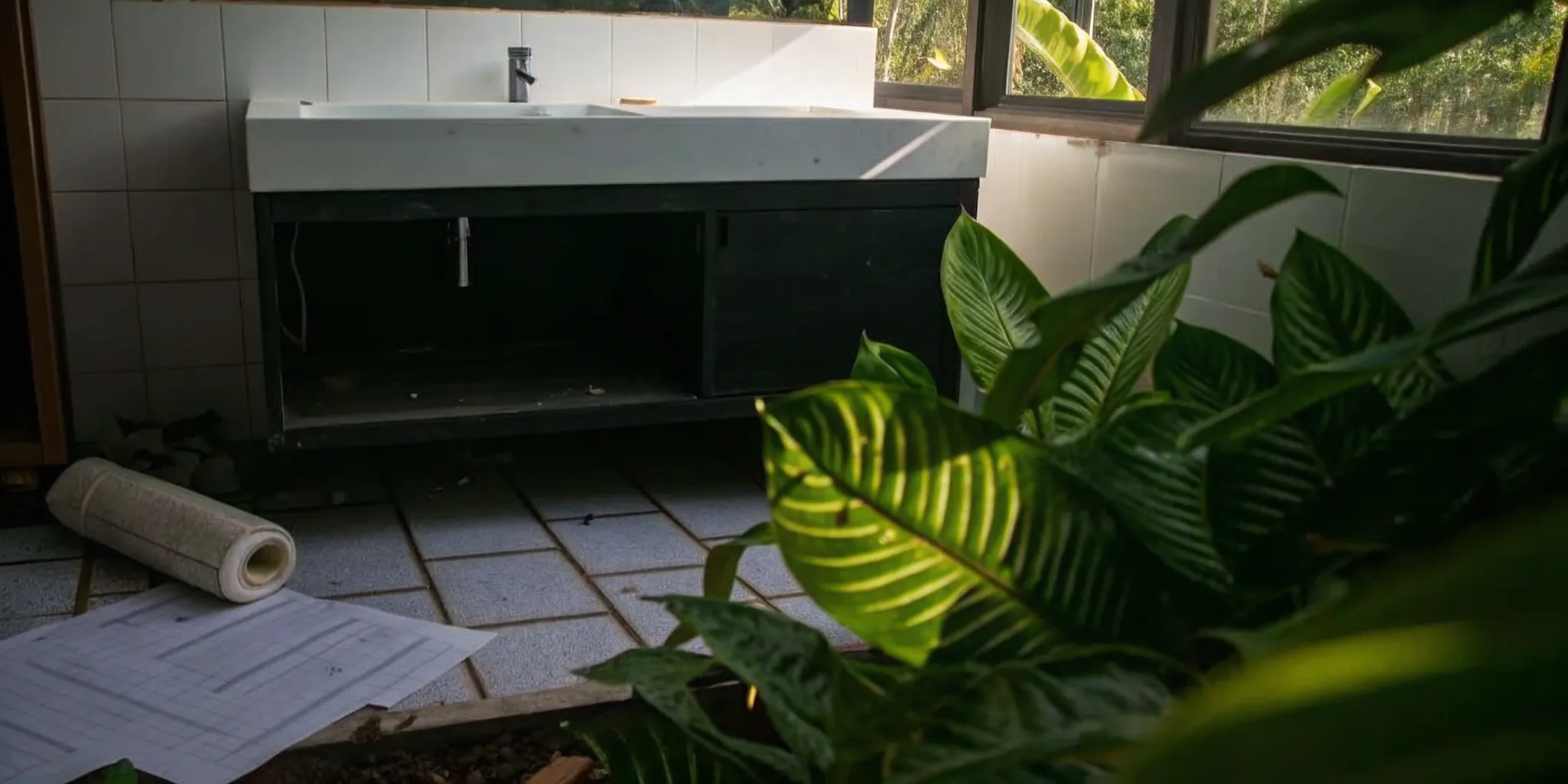
If your vision includes a bathroom, kitchenette, or even a simple utility sink, you’ll need to plan for plumbing. This is one of the more complex and costly additions to a garage conversion. It involves running new hot and cold water supply lines and, more significantly, installing drain lines. Since garages are built on a concrete slab, this often requires cutting into the foundation to connect to your home’s main sewer line. This work adds a layer of complexity and will definitely require separate permits and inspections, so be sure to factor it into your budget and timeline from the very beginning.
How to Bring in More Light and Air
Garages are typically dark and stuffy, so a key part of any conversion is introducing natural light and fresh air. This step is essential for making the space feel less like a garage and more like a bright, welcoming room you actually want to spend time in.
Choose the Right Windows
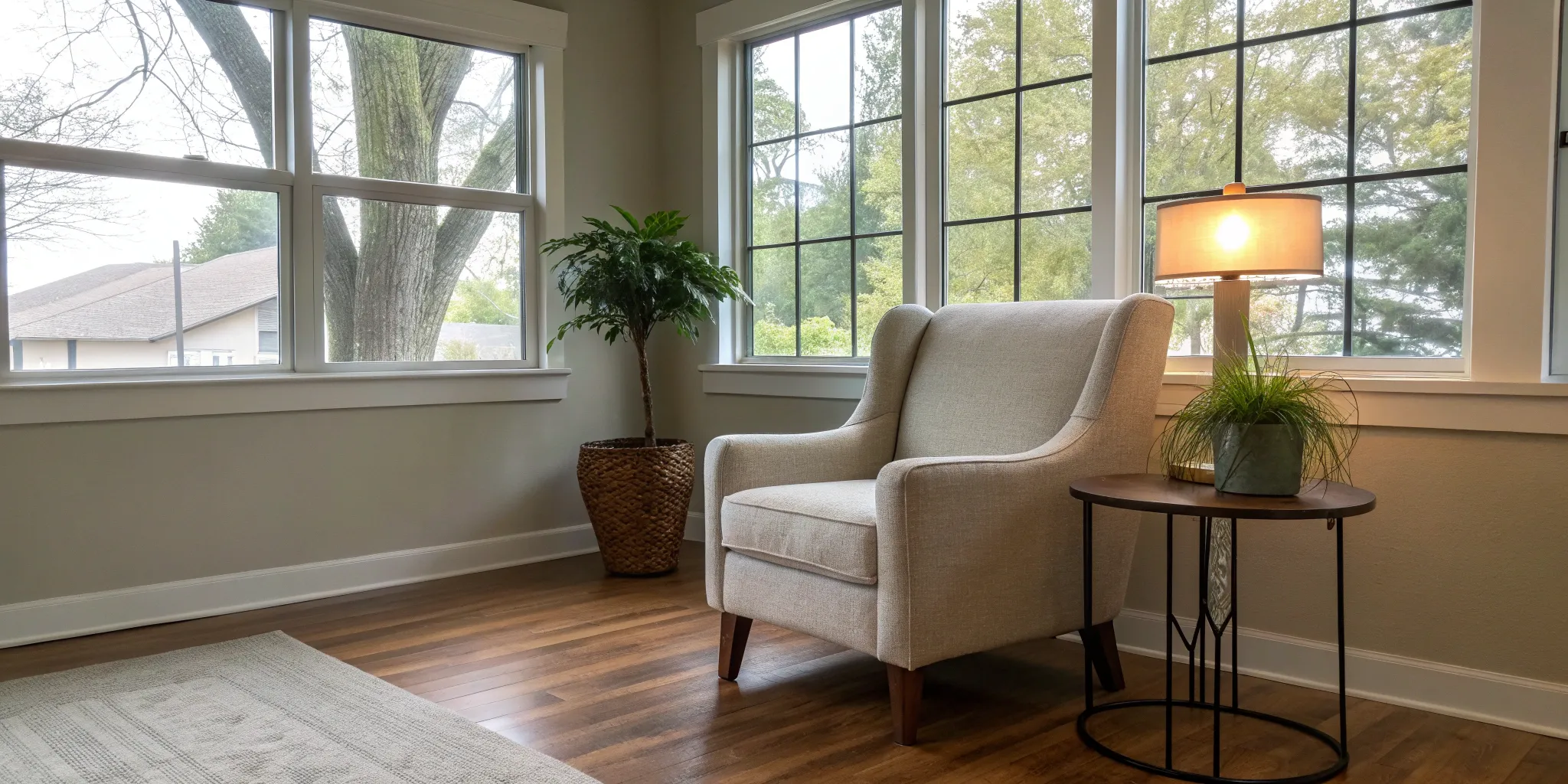
Windows are a must for any garage conversion, providing light, ventilation, and a necessary emergency exit. You have plenty of options. High horizontal windows let in light while maintaining privacy, while a large picture window can frame a beautiful view and become a focal point. Think about both placement and style to maximize sunlight and airflow throughout the day. A customized renovation plan can help you figure out the best window strategy for your specific layout, ensuring the final space is both bright and comfortable.
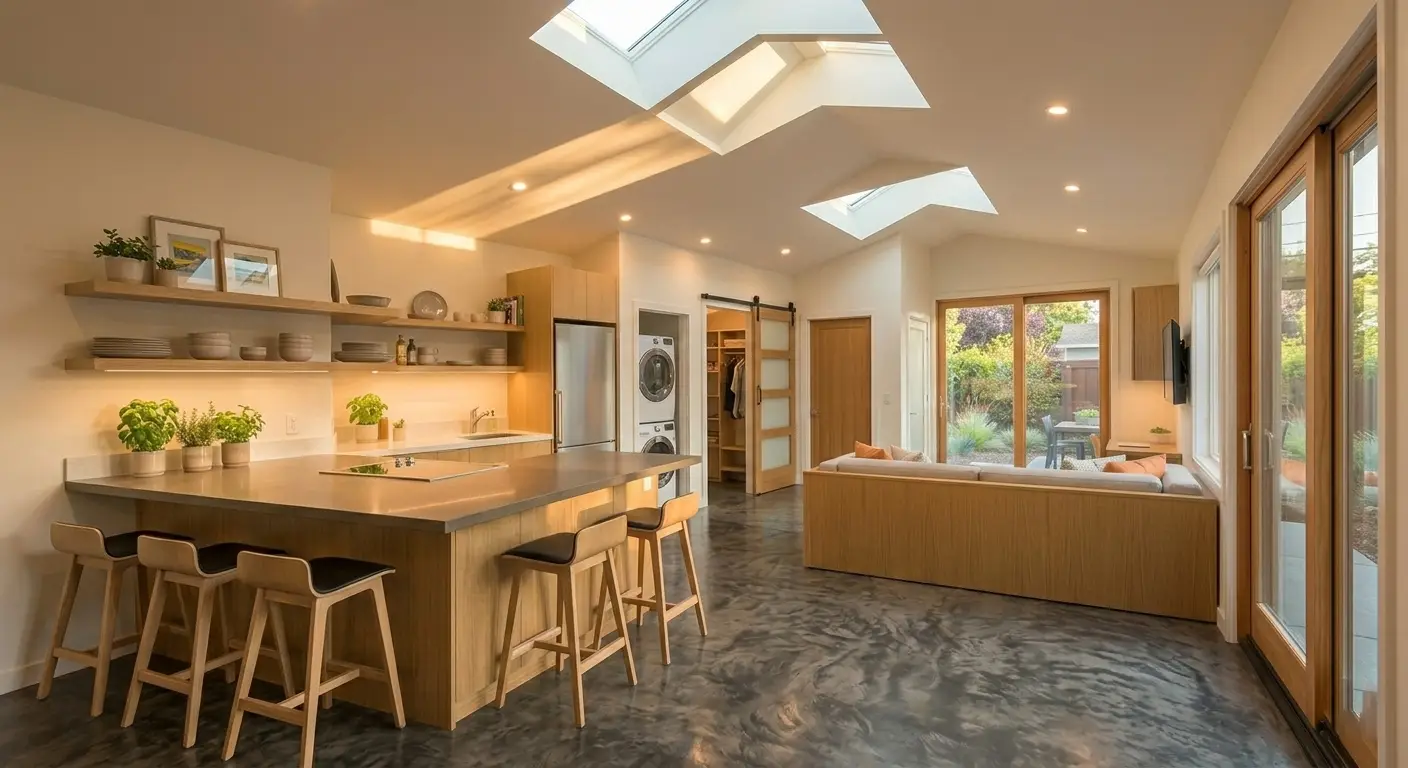
Consider Adding Skylights
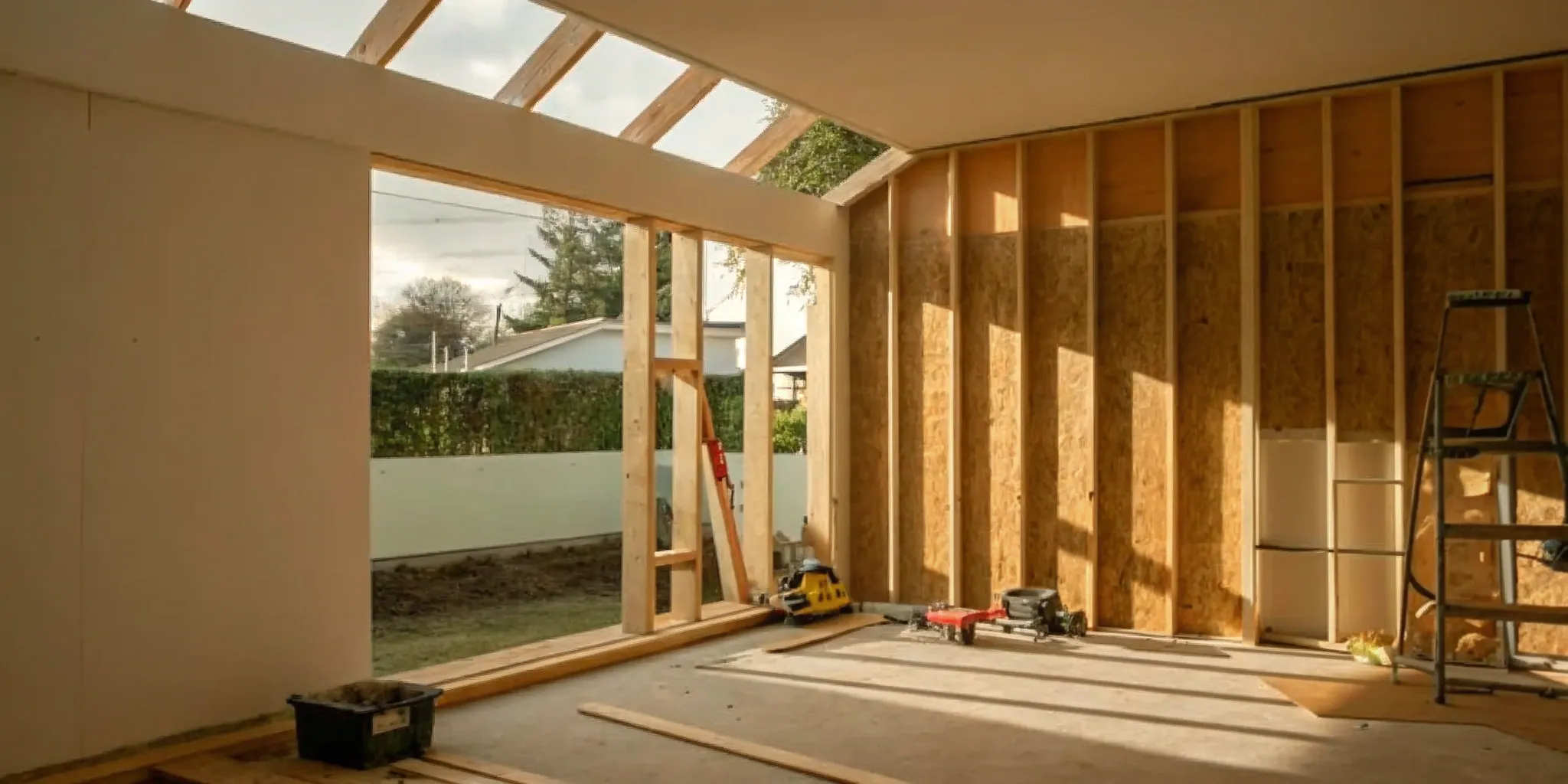
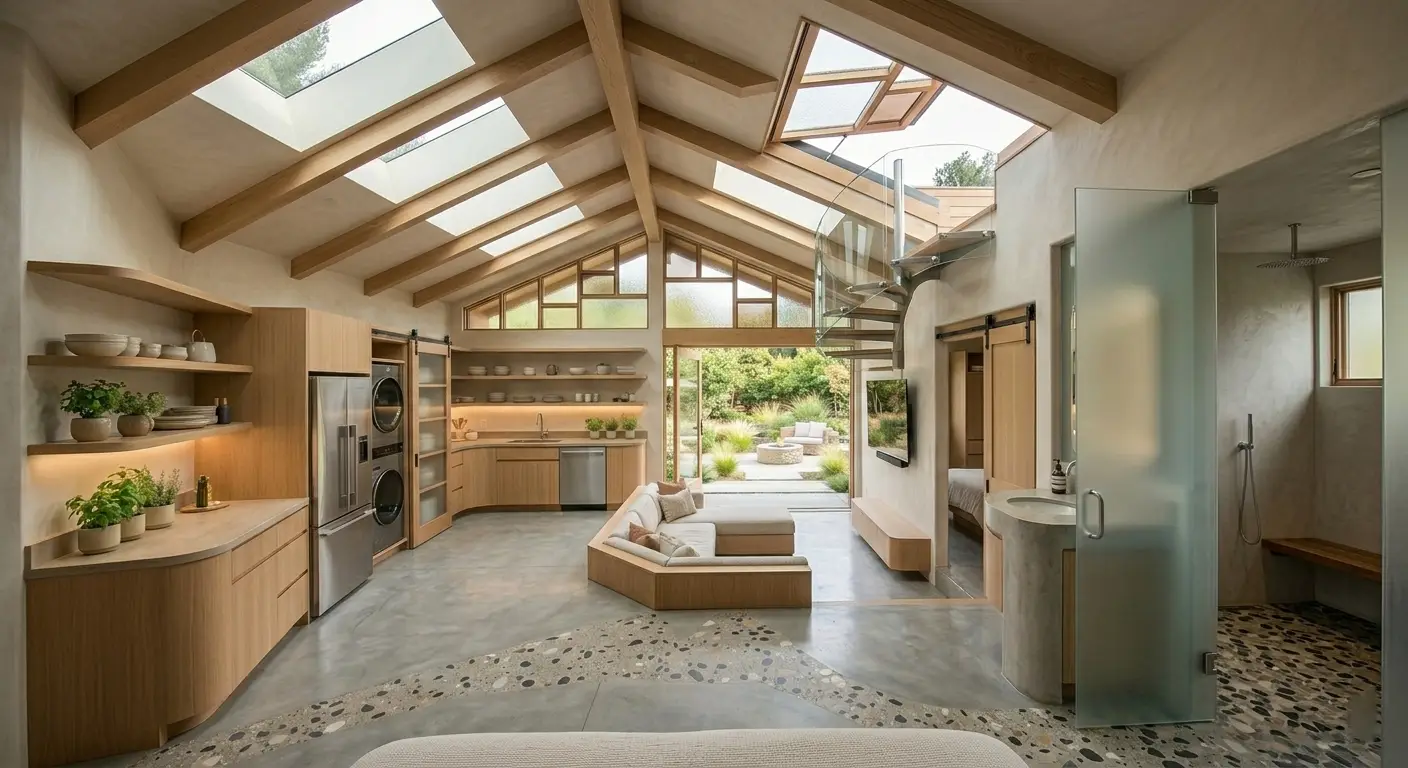
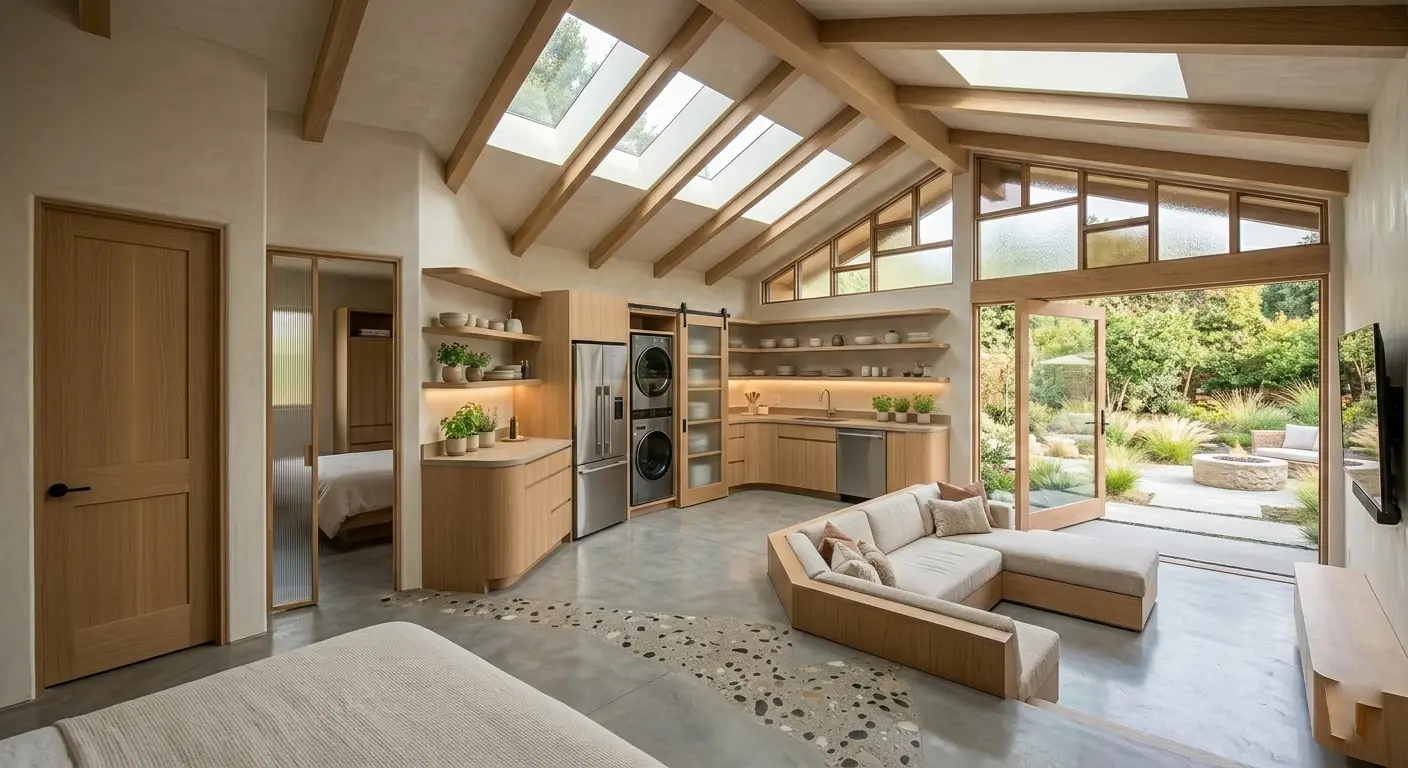
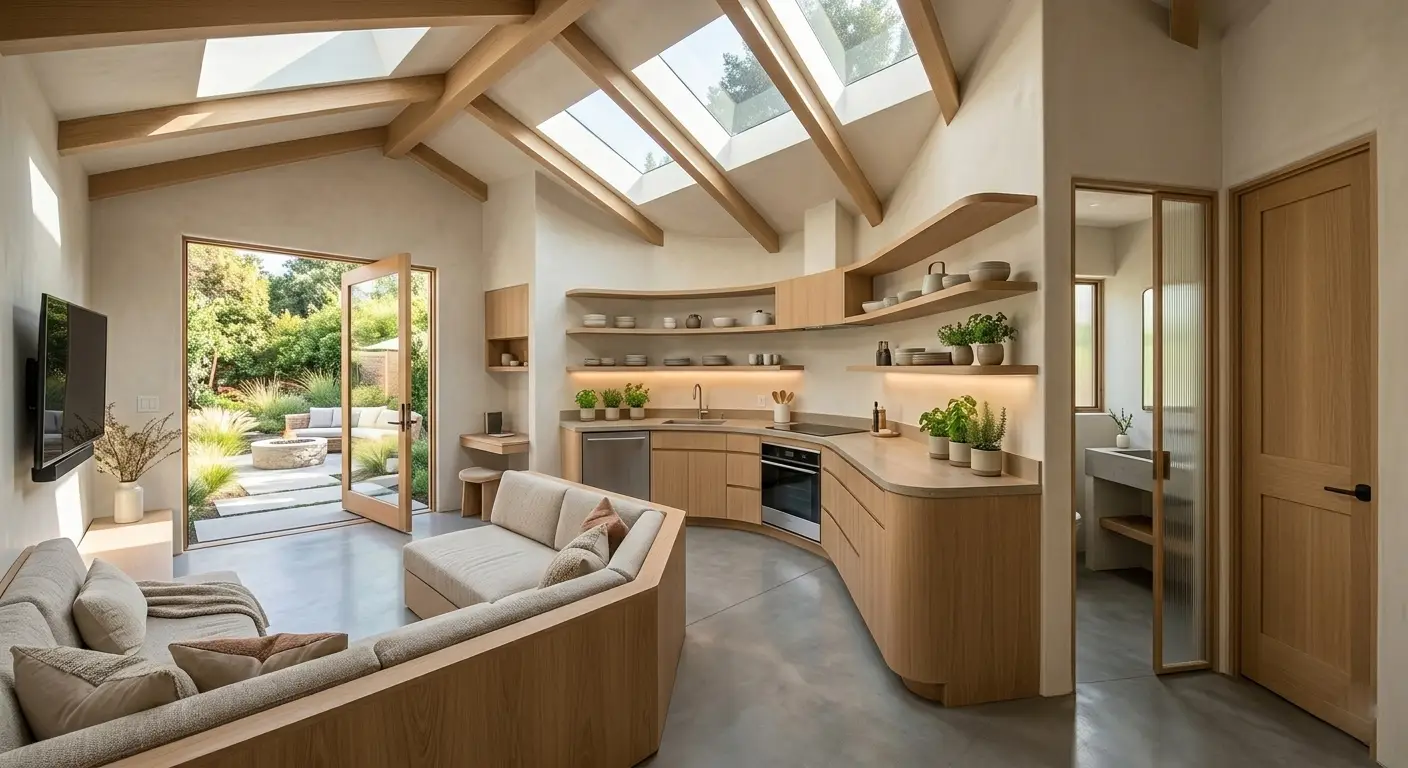
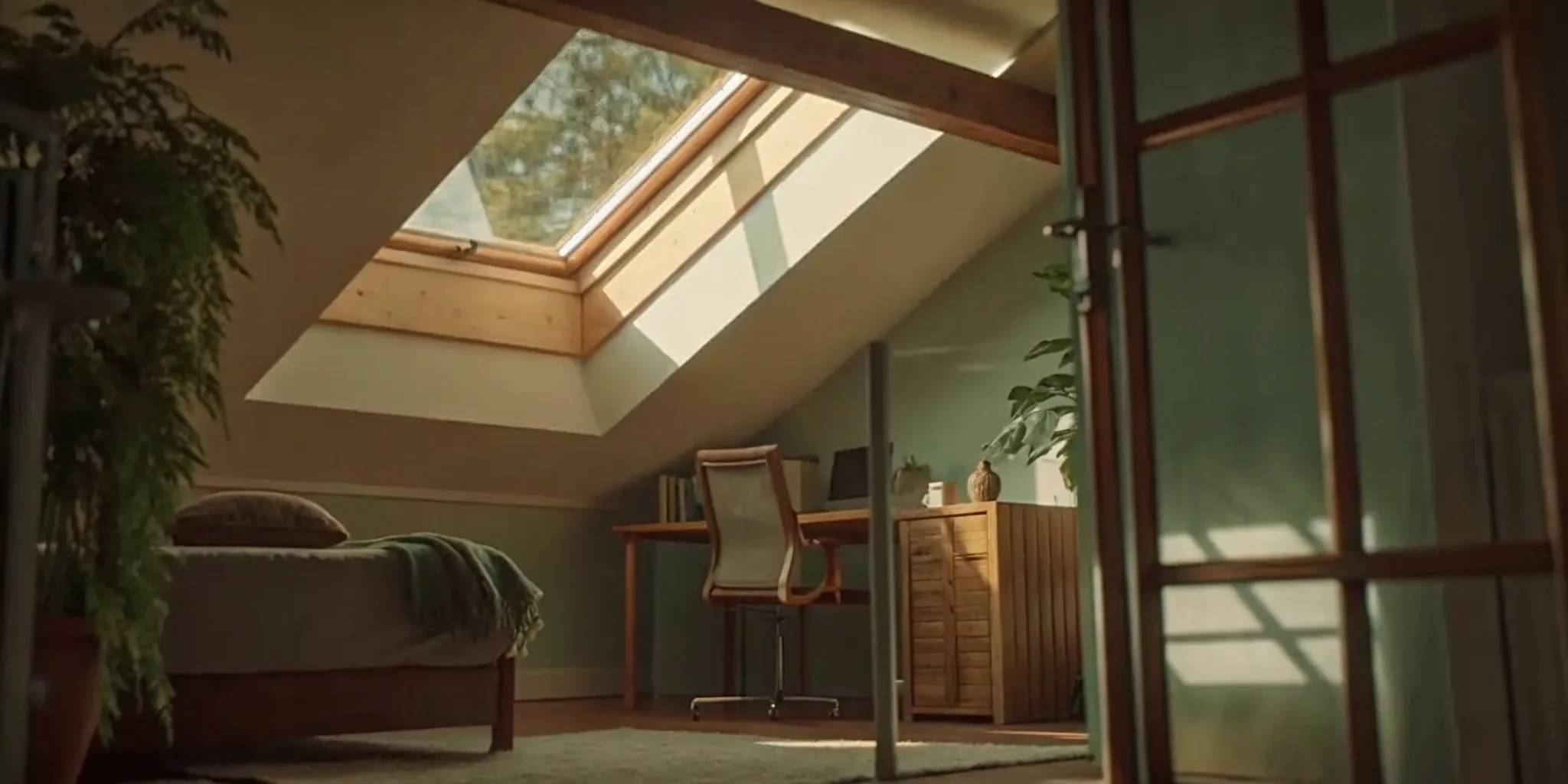
If wall space is limited, look up. Skylights are an incredible way to bring in overhead light, making a room feel larger and more open. They can significantly improve light and air circulation, creating a stronger connection to the outdoors. You can opt for fixed skylights for pure sunlight or choose operable ones that open to let in a fresh breeze. Installing skylights is a structural job, so getting expert guidance from the start is important to ensure they are placed and sealed correctly for a leak-free, beautiful result.
Upgrade Your Garage Door
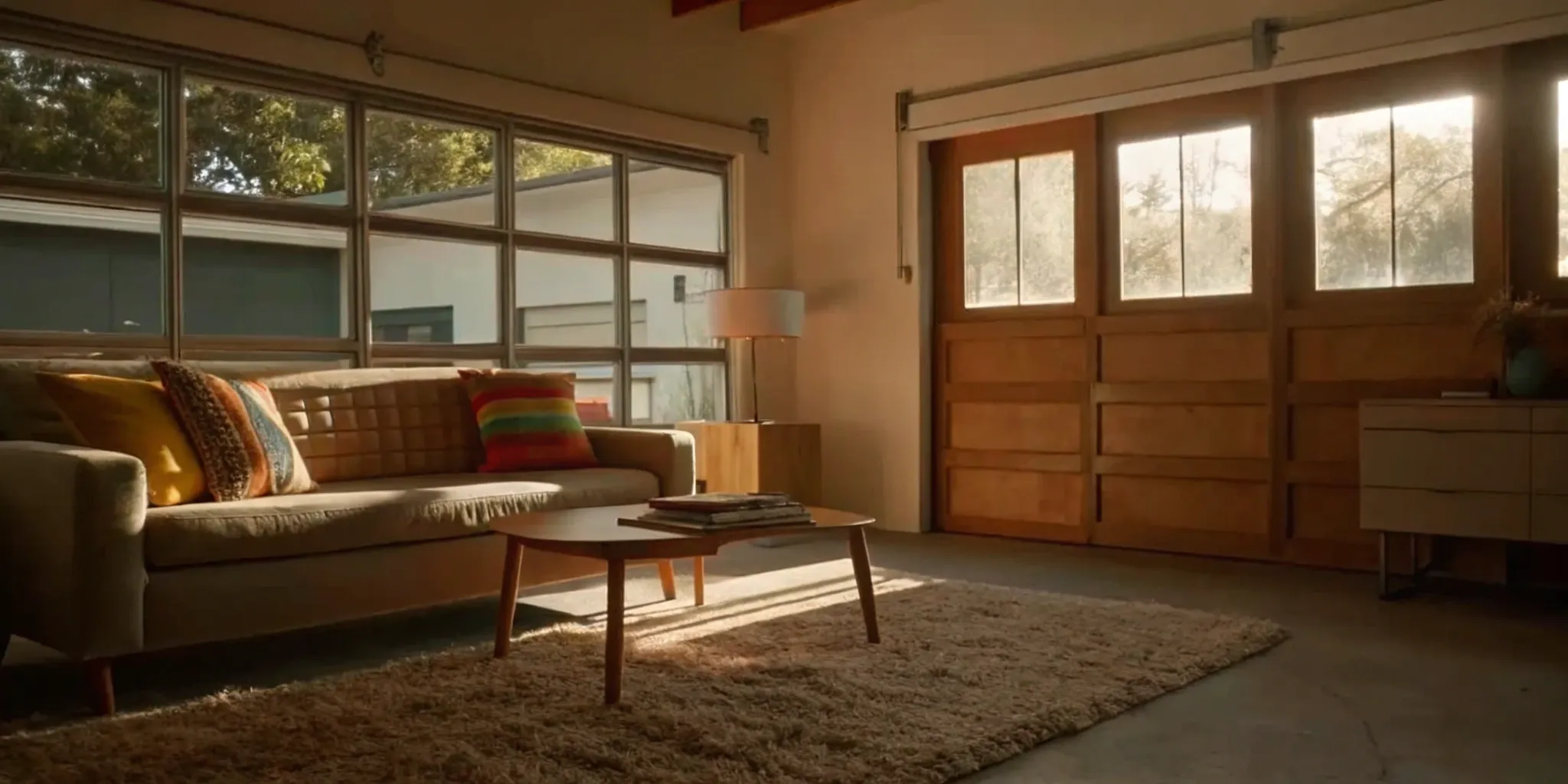
Replacing the solid garage door is perhaps the most impactful change you can make. Swapping it for French doors, a sliding glass wall, or a modern glass-paneled door instantly brightens the space and provides easy access. This single move enhances natural light and creates an inviting atmosphere that blurs the line between inside and out. It’s the perfect way to create a seamless flow to a patio or garden. Because this involves reframing a large opening, you’ll want to work with a vetted professional to ensure the new installation is secure, weatherproof, and beautifully finished.
Designing a Smart and Functional Space
Once the structural work is done, the real fun begins: turning that empty box into a space you’ll love to use. A garage is essentially a blank canvas, but its long, narrow shape can be tricky to work with. The key is to think strategically about how you’ll use every square foot. A thoughtful design ensures your new room is not only beautiful but also incredibly functional, meeting your family’s needs today and for years to come.
Smart design is all about making deliberate choices that maximize both comfort and utility. It’s about finding clever ways to hide clutter, creating distinct areas for different activities, and choosing pieces that can adapt as your life changes. Before you start picking out paint colors, think about the flow of the room and how you can make it work harder for you. From multi-purpose furniture to flexible layouts, a little planning goes a long way in creating a polished and practical living area. Your Realm advisor can help you connect with designers who specialize in making the most of unique spaces.
Pick Multi-Purpose Furniture
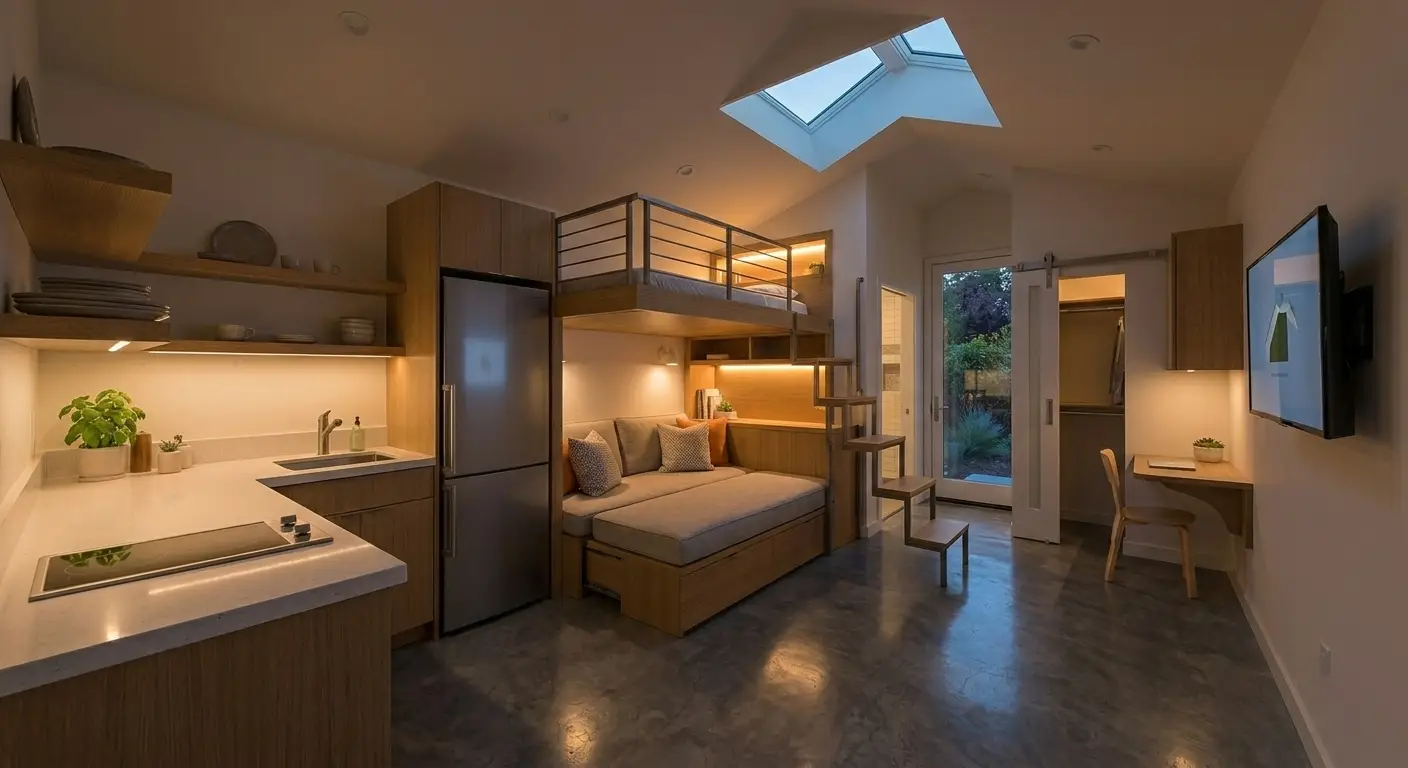
In a smaller space like a converted garage, every piece of furniture should earn its keep. Opting for multi-functional items is one of the easiest ways to make your new room feel bigger and more versatile. Think beyond a standard sofa or bed and look for pieces that serve two or even three purposes. A comfortable wall bed can transform a home office into a guest room in seconds, while a coffee table with a lift-top can double as a dining table or workspace. Modular storage systems and ottomans with hidden compartments are also perfect for keeping clutter out of sight. These clever solutions allow you to furnish the room for its primary use without sacrificing its ability to adapt to other needs.
Create Different Zones
Even if your garage conversion is one large, open room, you can create the feeling of separate spaces by establishing distinct zones. This design trick helps organize the area and makes it feel more intentional. You can define zones without putting up walls by using area rugs to anchor a seating area, arranging furniture to create a natural walkway, or using a console table to visually divide a living space from a workspace. Different types of lighting can also help. For example, you might use brighter, focused task lighting over a desk and softer, ambient lamps in a reading nook. Zoning makes a single room feel more dynamic and capable of supporting multiple activities at once.
Incorporate Built-In Storage
One thing most garages don't have is closets, so planning for storage is absolutely critical. Instead of filling the room with bulky, freestanding furniture, consider incorporating built-in storage. Custom, floor-to-ceiling shelving or cabinetry uses vertical space efficiently and can be designed to fit perfectly into your room’s dimensions, leaving more open floor space. A window seat with drawers underneath provides both seating and a place to stash blankets or toys. By building storage directly into the architecture of the room, you create a seamless, uncluttered look that makes the entire space feel more spacious and organized. It’s a smart investment that adds significant function and polish.
Plan a Flexible Layout
Your needs will likely change over time, so it’s wise to design a space that can change with you. A room that serves as a playroom for young kids might need to become a study space for a teenager or a home gym for you down the road. When planning your layout, choose a configuration that can be easily adapted. This might mean using lightweight furniture that’s easy to move, installing electrical outlets in multiple locations, and avoiding overly specific, permanent fixtures. By planning for long-term flexibility, you ensure your garage conversion remains a valuable and useful part of your home for many years to come.
Find Your Style: Design Inspiration
Now for the fun part: deciding what your new space will look like. A garage conversion gives you a blank canvas, and while that’s exciting, it can also feel a little overwhelming. The key is to choose a design direction that not only looks great but also supports how you plan to use the room every day. Do you need a bright, energizing home office or a warm, relaxing family den?
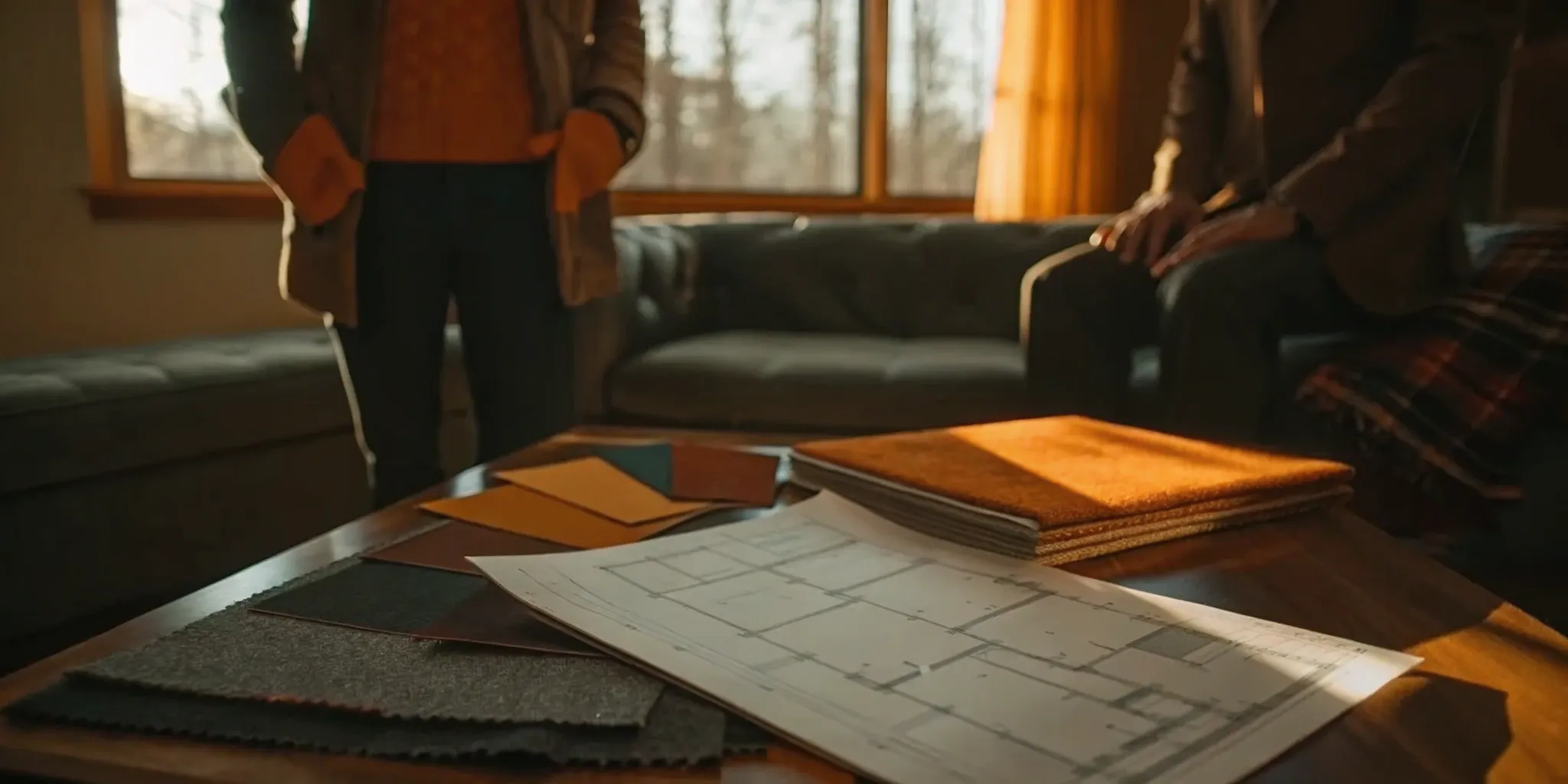
Thinking about the overall vibe you want to create will help guide your choices for everything from flooring and paint to lighting and furniture. Don't feel like you have to hide the fact that the room was once a garage. Some of the most stunning conversions lean into the building's original character, like its high ceilings or concrete floors. Below are a few popular design styles that work beautifully in converted garages. Use them as a starting point to gather ideas and create a space that truly feels like you. And remember, if you need help translating your vision into a workable plan, your Realm advisor can connect you with talented designers.
Sleek and Modern
A modern design is all about clean lines, simplicity, and smart functionality. This style is perfect for a home office, a guest suite, or a multi-purpose room where every square foot counts. To get this look, focus on a neutral color palette—think whites, grays, and blacks—with smooth, uncluttered surfaces. Since many people convert garages for more flexible living space, multi-functional furniture is a huge help. Think about incorporating pieces like a wall bed that folds up to reveal a sofa or a dining table that expands to host more guests. These clever solutions keep the room feeling open and adaptable for any activity.
Cozy and Traditional
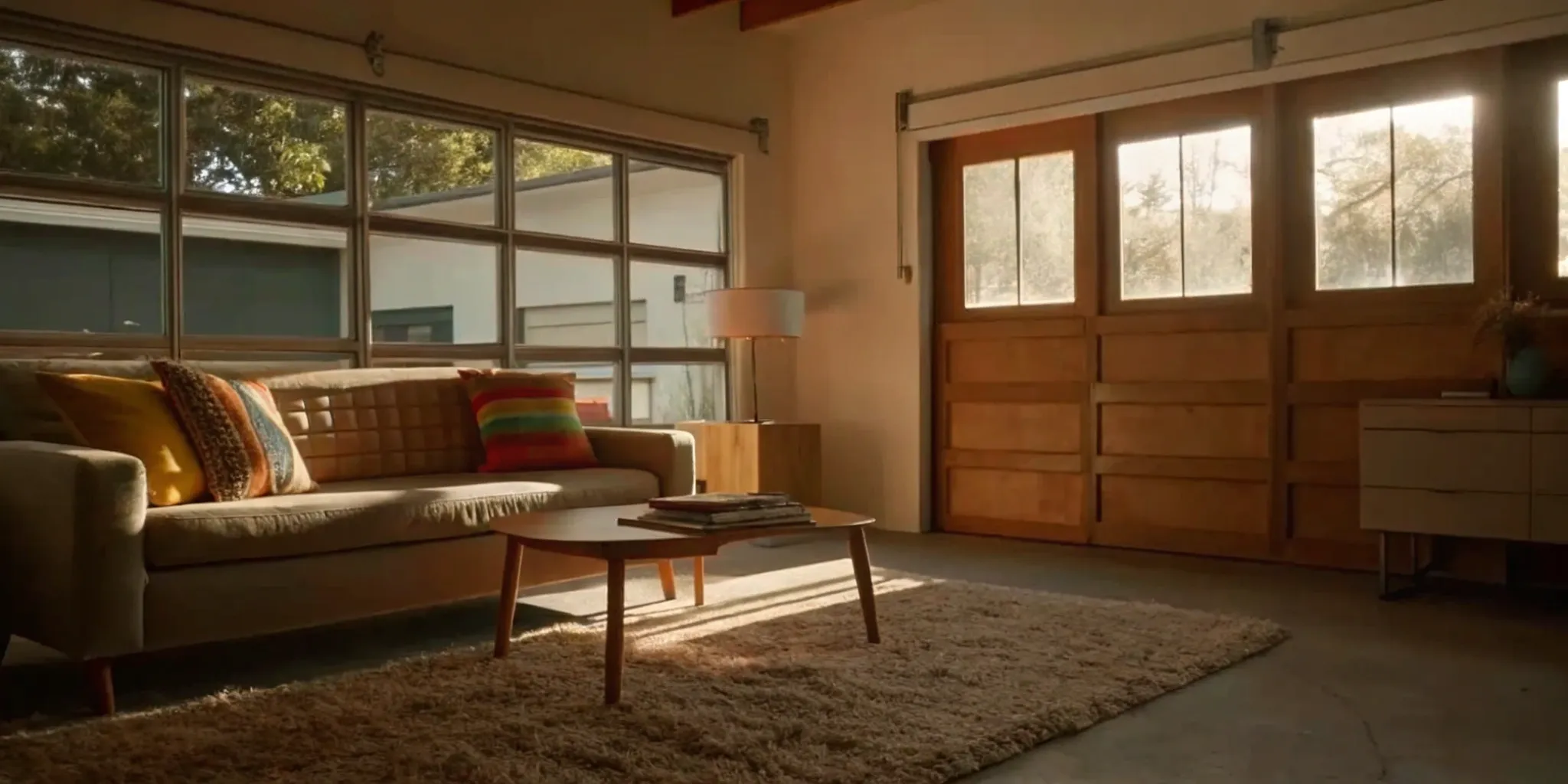
If your goal is to create a warm and inviting retreat, a traditional style is the way to go. This approach is perfect for a family room, an in-law suite, or a comfortable guest bedroom. The focus here is on comfort and classic appeal. You can instantly make the space feel warmer by building a subfloor over the concrete slab and laying down carpet or wood. Maximize natural light with large windows, and choose a color palette of warm, earthy tones. Soft textures are key, so bring in plush rugs, comfortable upholstered furniture, and layered window treatments to create a space that feels like a big hug.
Industrial and Chic
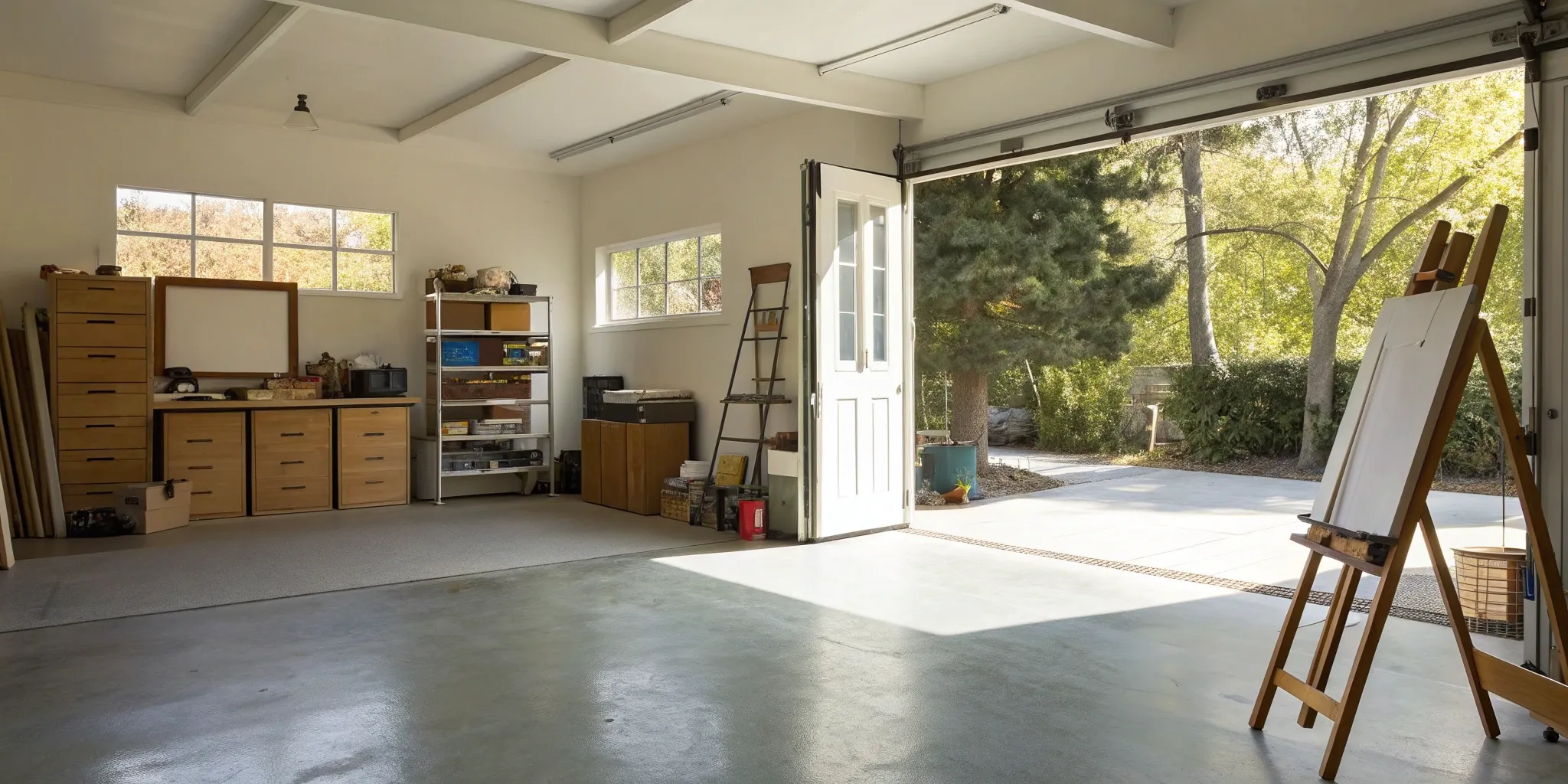
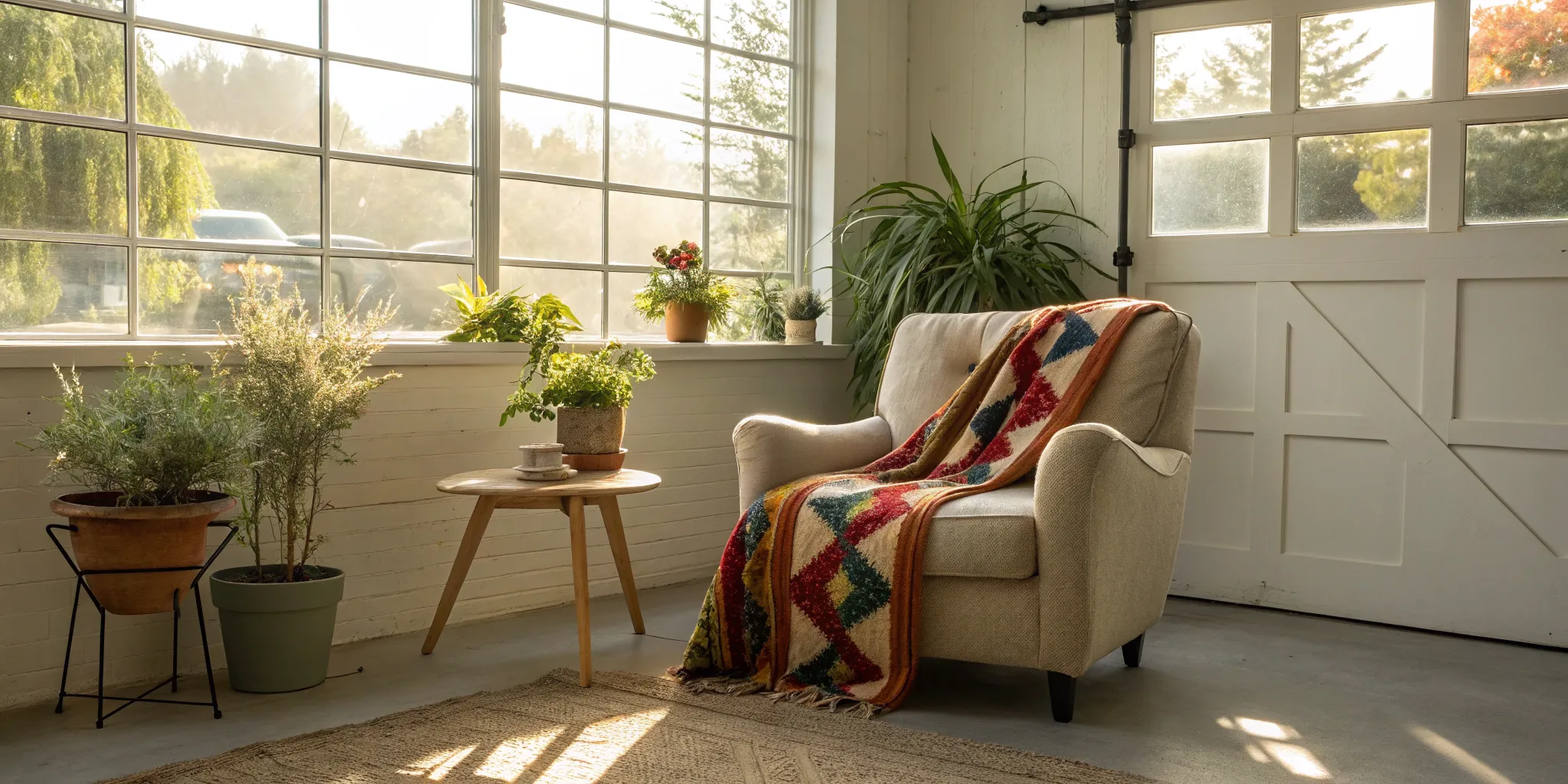
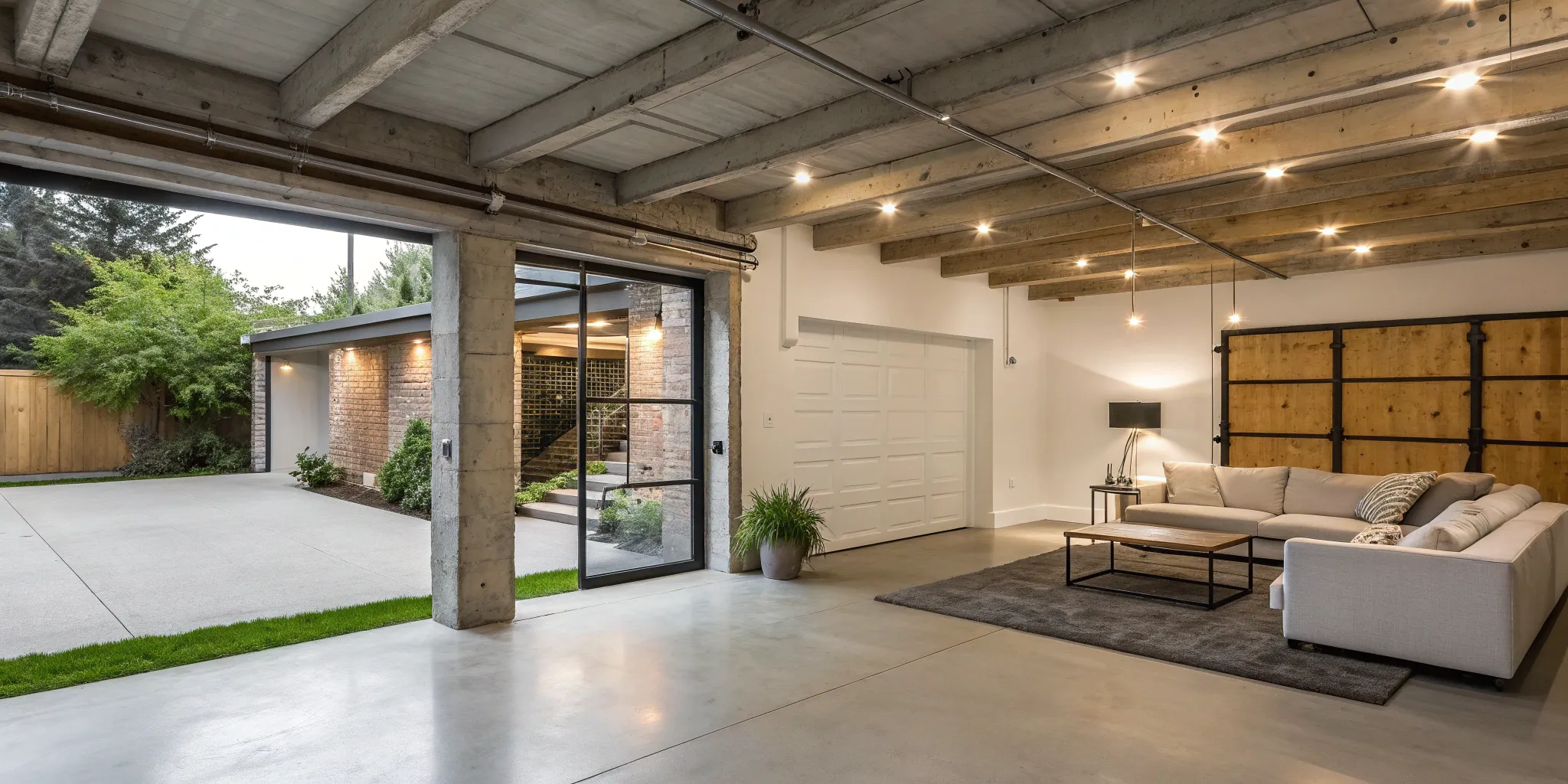
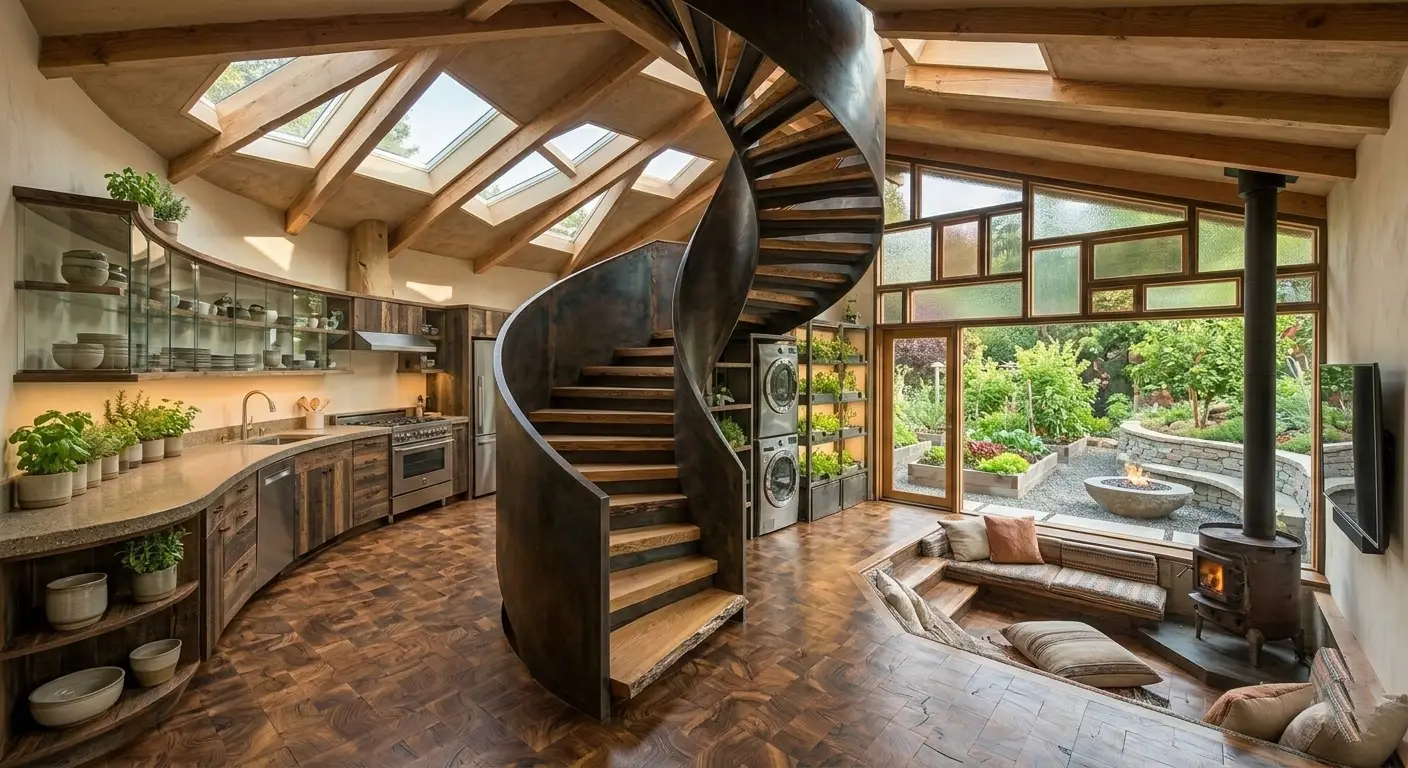
Why hide your garage’s roots when you can celebrate them? An industrial-chic design leans into the raw, functional aesthetic of a garage. This style is great for a home gym, an art studio, or a unique entertainment area. Think polished concrete floors, exposed brick walls, and visible ductwork. The trick is to balance these harder elements with strategic additions. Adding light through new windows and skylights can enhance the industrial feel while keeping the space bright and welcoming. Pair raw materials like metal and reclaimed wood with comfortable furniture to create a look that’s both edgy and livable.
Common Garage Conversion Mistakes to Avoid
A garage conversion is an exciting project, but a few common missteps can turn your dream space into a major headache. Thinking through the details from the start will save you time, money, and stress down the road. By sidestepping these frequent pitfalls, you can ensure your new living area is safe, comfortable, and built to last. Let's walk through the three biggest mistakes homeowners make so you can get your project started on the right foot.
Don't Skip Permits and Codes
It’s tempting to jump straight into demolition, but one of the most critical first steps is understanding your local building requirements. Failing to secure the right permits can lead to serious fines or even force you to tear out your beautiful new space. Every city has different rules, and as Realtor.com points out, "zoning laws can either restrict or forbid living space in a converted garage, require a certain amount of off-street parking." Before you do anything else, check with your local planning department to understand the legal requirements for a garage conversion. This ensures your project is safe, compliant, and won’t cause problems if you decide to sell your home later.
Don't Underestimate the Cost
It’s easy for the costs of a garage conversion to spiral if you don’t have a realistic budget from the beginning. While it’s generally more affordable than a full addition, it’s not just a matter of adding drywall and paint. You’ll need to account for everything from structural changes to plumbing and electrical work. The overall conversion cost has a "wide price range, influenced by the size of the garage, the complexity of the project, and the quality of materials used." Be sure to factor in finishes, flooring, windows, and HVAC systems. Getting detailed quotes and adding a 10-15% contingency fund for unexpected issues will help keep your project on track financially.
Don't Forget Insulation
Garages are designed to protect cars, not people, so they typically lack the insulation needed for a comfortable living space. Proper insulation is absolutely essential for keeping your new room from feeling like a freezer in the winter and an oven in the summer. As experts advise, "Make sure the walls and ceilings are well-insulated, and use an insulated garage door (if you keep one) to keep the room comfortable all year." This isn’t just about comfort—it’s also about energy efficiency. A well-insulated space will be much cheaper to heat and cool, saving you money on utility bills for years to come. Don't forget to insulate the floor, too.
Related Articles
- Garage Conversion Ideas Bedroom: A Complete Guide
- 5 Garage Conversion Ideas on a Budget You'll Love
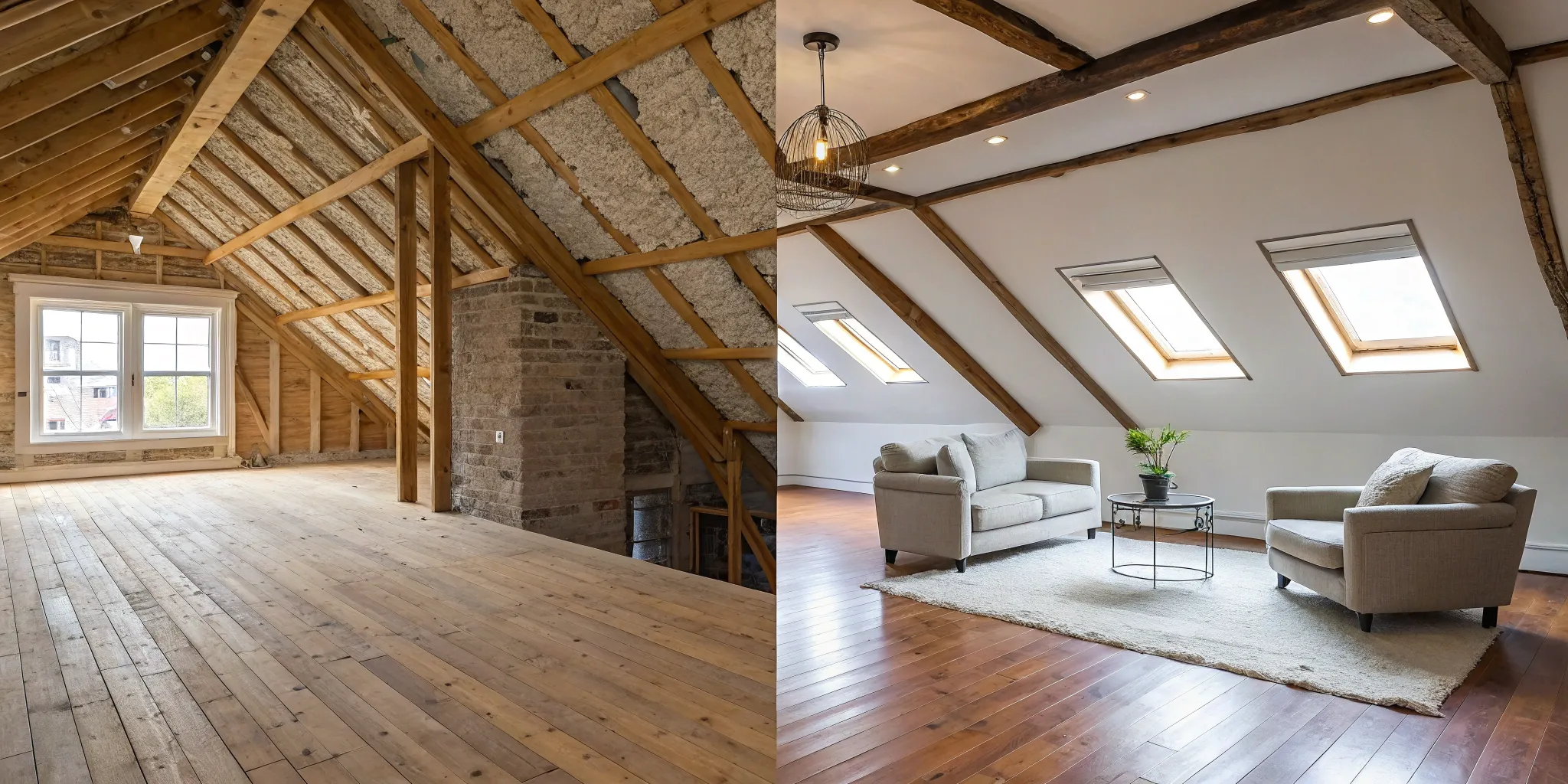
- Inspiring Garage Conversion Ideas: Before and After
- 6 Garage Conversion Floor Plans You'll Love
Frequently Asked Questions
How long does a typical garage conversion take? The timeline really depends on the complexity of your project. A simple conversion into a home office or gym might take a few months from planning to completion. If you're building a full Accessory Dwelling Unit (ADU) with a kitchen and bathroom, you should plan for a longer process, often six months or more, because of the detailed design, permitting, and inspection stages involved.
What's the real difference between a basic room conversion and a full ADU? Think of it this way: a basic conversion turns your garage into an extension of your main house, like a playroom or office. An ADU, on the other hand, is a legally recognized, independent home. It must have its own kitchen, bathroom, and entrance. This distinction is important because ADUs have stricter building code requirements but also give you the legal right to rent the unit out, which a simple converted room does not.
Do I have to replace my garage door? You don't have to, but it's often one of the best decisions you can make for the space. Replacing the solid door with French doors or a wall of windows dramatically improves natural light and makes the room feel less like a garage. If you want to keep the look, you can opt for a modern, insulated glass-paneled garage door that lets light in while still functioning as a door.
Will converting my garage increase my property taxes? Yes, you should expect your property taxes to go up. When you get permits to convert a garage into living space, you are officially increasing the assessed value of your home. Your local tax assessor will re-evaluate your property based on the new, valuable square footage you've added, which results in a higher tax bill. It's a good idea to factor this ongoing cost into your overall budget.
Where's the best place to start with all the permits and legal stuff? The most direct starting point is your local city or county planning department. Their website is usually the first stop for finding zoning rules and permit applications. This part of the process can feel overwhelming, which is why many homeowners choose to work with a renovation advisor or a contractor who has experience with conversions in their specific area. They can help you understand the requirements and manage the paperwork.

















.png)








.png)