4 Factors That Affect Deck Building Permit Cost
Learn what impacts your deck building permit cost, from city regulations to project size, materials, and hidden fees, so you can plan your budget confidently.
|
March 2, 2026

In this article:
When you’re budgeting for a new deck, you probably have line items for lumber, hardware, and labor. But there’s another critical expense that’s easy to overlook: the permit. Building a deck without one can lead to serious financial headaches, from fines to problems when you sell your home. Getting that official approval is a non-negotiable investment in your property. The question isn't if you need one, but how much it will set you back. The deck building permit cost varies widely depending on where you live and the scale of your project. This guide will walk you through the typical fees, what factors influence the final price, and how to avoid common mistakes that can inflate your costs.
Key Takeaways
- Secure your permit to protect your investment and safety: This official approval ensures your deck is built to last and meets legal codes, preventing fines, insurance issues, and complications when you decide to sell your home.
- Plan for more than just the application fee: The final cost of getting a permit includes the city's fee plus potential expenses for professional drawings, multiple construction inspections, and any required code upgrades to your home.
- Do your homework before you apply: Avoid common delays by researching your local building codes and zoning rules ahead of time, gathering all necessary documents, and submitting a complete and accurate application package from the start.
What is a deck building permit and why do you need one?
So, you're dreaming of a new deck—a perfect spot for morning coffee or summer barbecues. Before you start picking out lumber, there's a crucial first step we need to talk about: the building permit. What is it, exactly? A deck building permit is an official document from your city or county that gives you the green light to start construction. It’s not just bureaucratic red tape; it’s your assurance that the project is being done correctly and safely from the ground up. Think of it as a seal of approval that says your project plans are solid and meet all the necessary requirements for a safe, long-lasting structure.
Getting this permit is non-negotiable for most deck projects. It confirms that your plans meet local building codes, which are designed to prevent structural failures and keep everyone safe. Beyond safety, a permit is also your best friend when it comes to protecting your home's financial value. Skipping this step can lead to fines, trouble with insurance, and major complications if you ever decide to sell your home. By going through the official process, you're not only following the law but also creating a documented improvement to your home, which is a huge plus. Think of it less as a hurdle and more as a foundational part of a successful, stress-free renovation.
Meet legal and safety standards
The main reason for a building permit is to make sure your new deck is safe and sound. Every city has a set of rules, known as building codes, that dictate how structures must be built. These codes cover everything from the depth of the footings to the spacing of the railings. A permit ensures an inspector will review your plans and check the final construction to confirm it meets these critical safety standards. This process helps prevent accidents caused by poor construction, giving you peace of mind that your deck is a secure place for your family and friends to gather. Most projects that involve adding a new structure require some type of building permit, and decks are no exception.
Protect your property value
A permit isn't just about safety; it's also a smart financial move. Building a deck without a permit can come back to haunt you. If the city discovers the unpermitted work, you could face hefty fines and may even be required to tear the deck down. Many municipalities will charge doubled permit fees if you're caught building without one. Furthermore, unpermitted additions can create major roadblocks when you try to sell your home. Potential buyers can be scared off by the liability, and it can complicate appraisals and inspections, ultimately lowering your property's value. Securing a permit upfront protects your investment and ensures your beautiful new deck is a true asset.
How much does a deck building permit cost?
Figuring out the cost of a deck permit can feel a bit like trying to hit a moving target. The final price tag depends heavily on where you live and the specifics of your project. But don't worry, we can break down the typical costs so you have a clear idea of what to expect for your budget. While it’s an extra line item, getting a permit is a crucial step that ensures your deck is safe, legal, and adds real value to your home.
Typical permit fee ranges
For a standard deck project, you can generally expect the permit itself to cost somewhere between $50 and $600. While the average building permit for any home project can be around $500, decks thankfully tend to fall on the more affordable end of that spectrum. The exact amount will come down to your local municipality's fee schedule, which is why you’ll see a pretty wide range. A simple, small deck will naturally have a lower permit fee than a large, complex one with multiple levels.
How fees are calculated
So, how do cities come up with these numbers? It’s not random, but the method does vary from one place to another. Your local building department will likely use one of three common approaches. Some charge a simple flat rate for specific project types. Others calculate the fee based on the size of your deck, charging per square foot. The most common method, however, is to base the fee on a percentage of your total estimated project cost—usually between 0.5% and 2%. Understanding how it works in your specific area is the first step to creating an accurate budget.
Other potential fees
The application fee isn't the only cost to keep in mind. You'll also need to budget for inspection fees, which typically run from $100 to $500. These cover the cost for a city inspector to visit your property and sign off on the work at key stages of construction, like after the footings are poured and upon final completion. And a word of caution: if you start building without a permit and have to get one after the fact, you’ll face a retroactive permit. These are significantly more expensive—think $2,000 to $8,000—and can bring your project to a screeching halt.
What factors influence your deck permit cost?
Figuring out the cost of a deck permit can feel a bit like trying to hit a moving target. It’s not a single, flat fee, and the final price tag depends on a handful of key variables. Understanding these factors ahead of time helps you create a more accurate budget and prevents sticker shock when the bill arrives. Think of it less as a bureaucratic hurdle and more as a predictable expense you can plan for.
The cost of your permit is directly tied to your specific project—where you live, how big and complex your deck will be, and even the materials you choose to build it with. Each of these elements plays a role in how your local building department calculates the fee. On top of that, there’s a major financial incentive to do things by the book. Attempting to build without a permit can lead to serious penalties that make the original fee look like a bargain. Let’s break down exactly what goes into that final number so you can approach your project with confidence.
Your city's regulations
The single biggest factor influencing your permit cost is your location. As one source puts it, "The cost of a permit changes based on where you live and what kind of project you're doing." Every city and county has its own unique fee schedule, meaning the permit for a deck in Los Angeles could be priced very differently from an identical one in the Bay Area. These fees are set by your local building department and are designed to cover the administrative costs of reviewing your plans and conducting inspections. Before you get too far into planning, it’s a great idea to visit your city’s website or give them a call to understand their specific fee structure.
The size and design of your deck
It makes sense that the bigger and more complex your deck is, the more the permit will cost. Most municipalities calculate permit fees based on the total valuation of the project. A simple, ground-level 10x10-foot deck will have a much lower valuation—and therefore a cheaper permit—than a sprawling multi-level deck with built-in benches, a pergola, and complex staircases. As a general rule, "The more expensive your project is, the more your permit will likely cost." This is why having a detailed design and a clear budget is so important early on; it not only guides your build but also helps you accurately estimate associated costs like permits.
Your choice of materials
The materials you select for your deck also play a direct role in the permit fee because they impact the project's total valuation. Opting for premium materials like high-end composite decking or exotic hardwoods like Ipe will drive up your project's overall cost, which in turn increases the permit fee. On the other hand, using standard pressure-treated pine will result in a lower valuation and a more modest permit cost. While it might be tempting to underestimate your material costs to lower the fee, it’s crucial to be honest and accurate. Your building department needs the correct valuation to charge the right fee and ensure your project is properly documented.
Penalties for building without a permit
This is one area where trying to cut costs can backfire spectacularly. It is absolutely essential to secure your permit before any work begins. Many homeowners are surprised to learn that if you start construction without a permit and get caught, the consequences are steep. As the code for Freeport, NY, states (and this is common practice everywhere), "If you begin construction or renovation without a permit, the fees will be doubled." Beyond doubled fees, you could also face stop-work orders that delay your project indefinitely and even be required to tear down what you’ve already built. The initial permit fee is a small price to pay for the peace of mind that comes with knowing your project is legal, safe, and up to code.
What are the hidden costs of a deck permit?
The fee you pay to the city is just the starting point. When you budget for your deck permit, it’s smart to plan for a few other expenses that often pop up along the way. These "hidden" costs aren't meant to be deceptive; they're just part of the standard process of ensuring your new deck is safe, compliant, and built to last. From professional drawings to final inspections, several items contribute to the total cost of getting your project approved. Understanding these potential expenses ahead of time will help you create a more accurate budget and avoid surprises. A dedicated project advisor can help you account for these variables from the very beginning, ensuring your financial plan is as solid as your deck's foundation.
Architectural plans and drawings
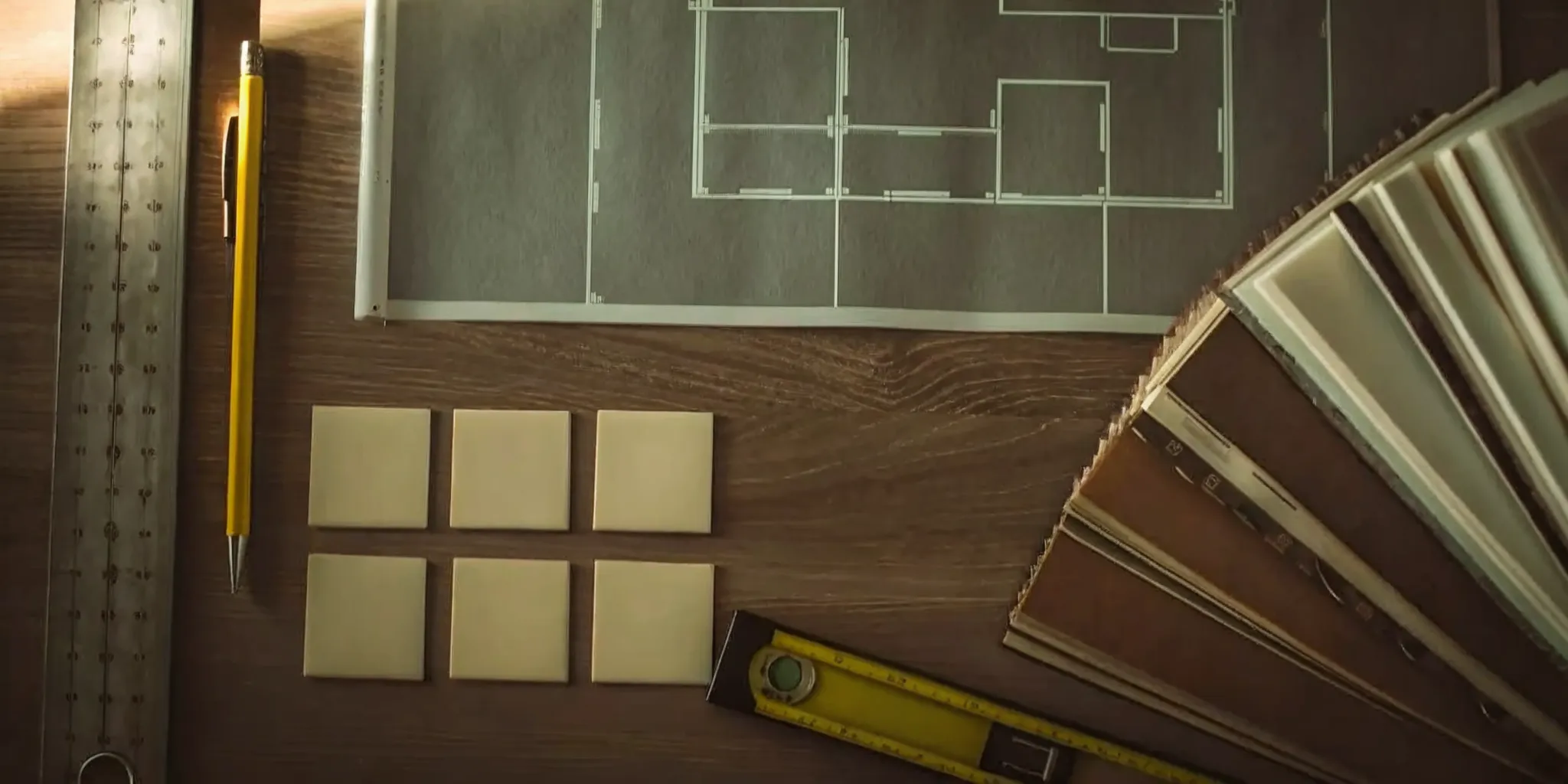
Before the city approves your project, they need to see exactly what you plan to build. This means you'll likely need professional architectural plans and drawings. These documents show the deck's dimensions, materials, foundation details, and how it attaches to your house. They serve as the blueprint for your contractor and the city's guide for ensuring the design meets safety standards. While you can sometimes draw these yourself for very simple projects, most jurisdictions require plans stamped by an architect or engineer. This is an upfront cost you'll need to cover before you can even submit your permit application.
Construction inspection fees
Your permit fee doesn't always cover the cost of the inspections that happen during construction. Cities send inspectors at key stages—like after the footings are dug but before concrete is poured, and after the framing is complete—to verify the work matches the approved plans and meets code. These construction inspections typically come with their own fees, often ranging from $100 to $500 each. Think of them as quality control checkpoints that protect your investment and your family's safety. It’s best to ask your local building department about their inspection fee schedule when you apply for the permit so you know what to expect.
Required code upgrades
Building codes evolve to improve safety, and a new project can sometimes require you to bring adjacent parts of your home up to the current standard. For example, if your deck plan includes an outdoor electrical outlet, you may need to update the circuit to a GFCI (ground-fault circuit interrupter) outlet, which is now standard for outdoor use. The way the deck’s ledger board attaches to your house might also need extra reinforcement to meet modern structural requirements. These upgrades add to your total project cost, which can in turn slightly increase the final permit fee since it's often calculated as a percentage of the project's value.
Utility and impact fees
Depending on where you live and the specifics of your project, you might encounter extra utility or impact fees. The cost of a permit can vary widely by location, and these fees are one reason why. For instance, if your deck is built over or near utility lines, you may have to pay a fee for review or relocation. Some municipalities also charge "impact fees" for new construction to help fund public infrastructure like parks or roads. These aren't common for a simple deck project, but it's always worth asking your local planning department if any might apply to your property.
What happens if you build a deck without a permit?
It can be tempting to skip the permit process. You might think it’s just a way for the city to collect money, or maybe you’re just eager to get your project started. But building a deck without the proper approvals can create serious headaches that far outweigh the initial hassle of getting a permit. From hefty fines to major issues when you try to sell your home, the consequences can be costly and stressful. Before you decide to bypass this crucial step, it’s important to understand what’s at stake.
Fines and doubled fees
The most immediate consequence of building without a permit is financial. If the city discovers your unpermitted project, you won’t just be asked to pay for the original permit. Most municipalities will hit you with significant fines and penalties. In many cases, local governments will double the original permit fees for any work started without approval. Suddenly, the few hundred dollars you might have saved becomes a bill for thousands. This penalty is designed to discourage unpermitted work, turning a cost-saving shortcut into a much more expensive ordeal.
Stop-work orders
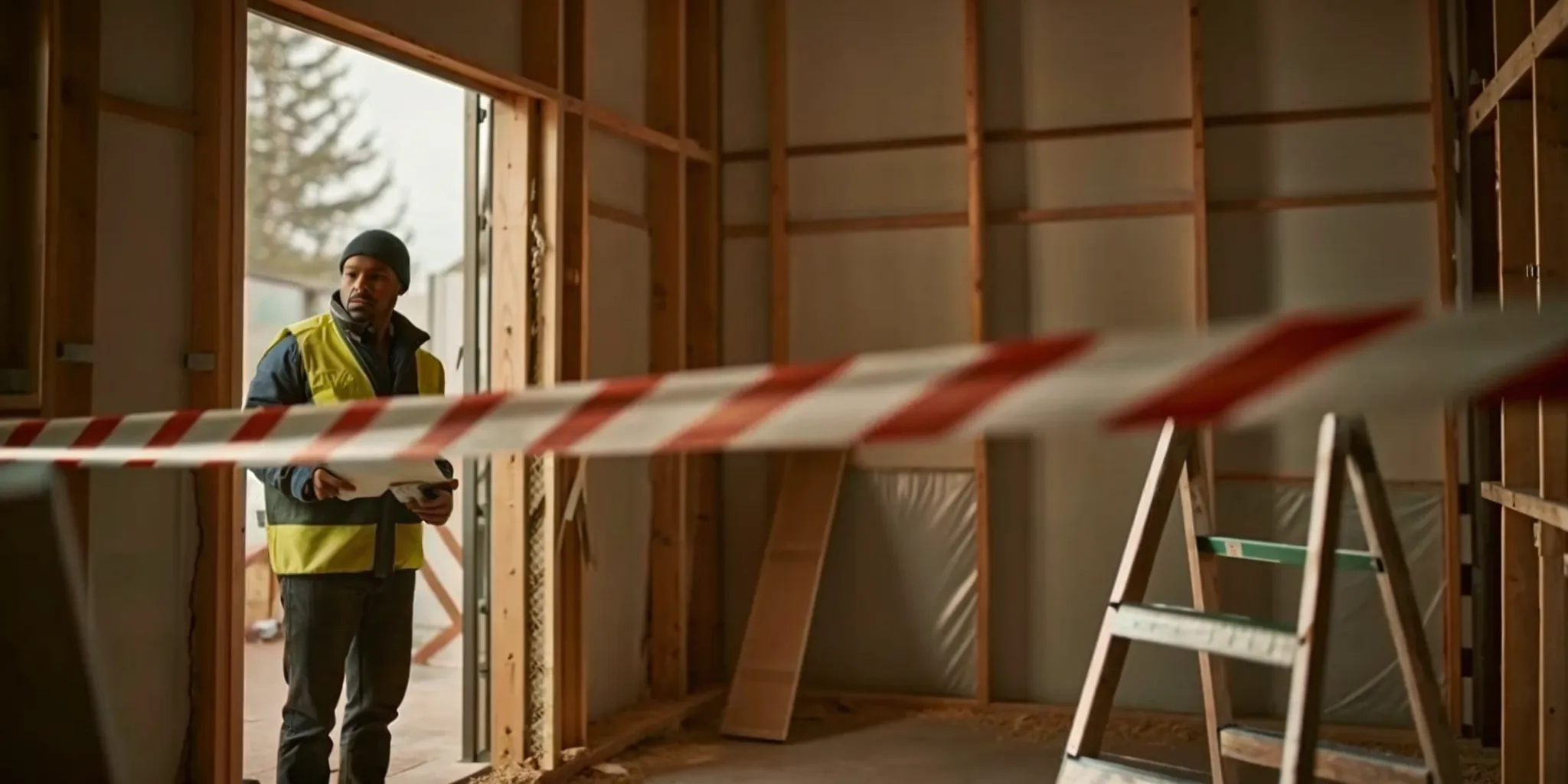
Imagine your deck is halfway built when a building inspector shows up and slaps a bright red stop-work order on your property. This order legally requires you to halt all construction immediately. Work can’t resume until you go through the proper channels to get the project approved. This means applying for a retroactive permit, which is often a more complicated and expensive process. Inspectors may even require you to tear down parts of your new deck to verify that the footings, framing, and connections meet safety codes, causing major delays and driving up your project costs.
Problems with insurance and home sales
The fallout from an unpermitted deck can last for years. If the deck is damaged in a storm, your homeowner's insurance could deny the claim because the structure wasn't legally built. Some homeowners have even shared stories about how skipping permits can cause issues with insurance companies who may use drones to check for unapproved additions. Furthermore, when it’s time to sell your home, an unpermitted deck can become a major liability. It will likely be flagged during the buyer’s inspection, forcing you to either tear it down, get a retroactive permit, or lower your asking price to compensate the new owner for the risk.
How to prepare for your permit application
Walking into the permit process prepared is the best way to keep your project on schedule and on budget. It might seem like a lot of administrative work, but getting your ducks in a row before you submit anything will save you from frustrating delays and back-and-forth with the city. Think of it as creating a clear roadmap for your project that your local building department can easily understand and approve. A smooth permit process starts long before you fill out the first form. It begins with solid research and careful planning. By understanding what your city requires ahead of time, you can gather everything you need for a complete and accurate application that sails through the approval process.
Research local building codes
Before you get too attached to a specific deck design, you need to understand the rules of the game. Every city has its own set of building codes, which are essentially safety and construction standards designed to protect you and your property. These codes dictate everything from the required depth of your deck’s footings to the spacing of the railing balusters.
Understanding the specific codes that apply to your area is crucial for compliance and avoiding costly mistakes down the line. The best place to start is your local building department's website. Most have detailed guides and checklists available for homeowners. A quick search or a phone call can clarify the specific requirements for your project, ensuring your plans are up to code from day one. Realm’s expert guidance can also help you make sense of these technical requirements.
Gather your documents and plans
Submitting a permit application isn't as simple as filling out a single form. You’ll need to provide a complete package of documents that clearly illustrates your project. Typically, you must fill out the application, provide a site plan showing where the deck will be on your property, and submit at least two full sets of detailed building plans.
Your site plan shows the dimensions of your lot and the location of your house, and it pinpoints exactly where the new deck will go. The building plans are the detailed blueprints that show how the deck will be constructed, including materials, dimensions, and structural details. Having all of this information prepared and professionally presented makes it easy for the plan reviewer to approve your project without delay.
Check zoning rules and setbacks
Beyond building codes, you also need to be aware of local zoning ordinances. These rules govern how land in your area can be used and include important restrictions like setbacks—the minimum distance your deck must be from your property lines, other buildings, or environmentally sensitive areas. Ignoring these rules can bring your project to a screeching halt.
It's essential to get your permit before you start any work. If you begin construction without confirming you’re compliant with zoning rules, you could face doubled fees or be forced to tear down what you’ve built. You can find zoning maps and regulations on your city’s planning or zoning department website. Working with vetted professionals who are familiar with your area’s specific zoning requirements is another great way to ensure your project is compliant from the start.
Common (and costly) permit mistakes to avoid
Getting through the permit process can feel like a project in itself, but a little preparation goes a long way in preventing major headaches. Knowing the common pitfalls is the first step to avoiding them. A smooth permit process means your project stays on schedule and on budget—something every homeowner wants. Let’s walk through a few mistakes that are easy to make but also easy to avoid with the right approach.
Starting work too soon
It’s so tempting to get a head start on demolition or framing while you wait for the official permit to come through, but this is one of the riskiest moves you can make. Beginning construction without a permit in hand can lead to stop-work orders from your city, hefty fines, and the possibility of having to tear down what you’ve already built. It’s essential to have all your approvals finalized before the first hammer swings. An expert advisor can help you create a realistic timeline that accounts for permit processing so you aren’t left waiting around.
Submitting an incomplete application
A simple mistake on your paperwork can set your project back by weeks or even months. Submitting an incomplete application is a frequent cause of delays. If your application is missing key information, like detailed architectural drawings or structural calculations, it will likely be rejected. This forces you to correct the errors and resubmit, putting you at the back of the line. Before you submit, double-check that every form is filled out completely and you’ve included all the required supporting documents. This is where professional guidance becomes invaluable for ensuring everything is correct the first time.
Not managing the permit process
Getting your permit approved isn’t the finish line—it’s the start. Many homeowners underestimate the ongoing management required. Your permit will likely require several inspections at different stages of construction, from foundation to framing to final sign-off. Missing a scheduled inspection or failing to have the permit card displayed properly on-site can cause delays and re-inspection fees. Staying organized and understanding the full scope of your local regulations are key to keeping your project moving forward smoothly and ensuring it remains compliant from start to finish.
Frequently Asked Questions
Do I really need a permit for a small, simple deck? It’s a great question, and the answer is almost always yes. Most cities have rules that require a permit for any deck that is a certain height off the ground (often as low as 18 or 30 inches) or attached to your house. Even if your project seems minor, it’s considered a structural addition. Getting that permit is your official record that the deck was built to current safety standards, which protects your family, your home’s value, and you from future liability.
How long does it typically take to get a deck permit? The timeline can vary quite a bit depending on how busy your local building department is. For a straightforward deck project with a complete and accurate application, you might get your permit in just a few weeks. However, if the plans are complex or if the department is backlogged, it could take a couple of months. The key to a faster approval is submitting a thorough and professional application package the first time around.
Can I apply for the permit myself, or should my contractor handle it? You absolutely can apply for the permit yourself as the homeowner. Many building departments have resources to help you through the process. That said, it can be time-consuming and requires a good understanding of the required plans and local codes. Often, having your contractor or a design professional handle the application is a smoother path, as they are familiar with the process and what reviewers are looking for.
What happens if my permit application gets rejected? Don't panic! A rejection is rarely a final "no." It usually means the reviewer needs more information or has identified an issue with the plans that needs to be corrected. The city will provide you with a list of comments or required changes. You’ll need to address those items, update your plans, and resubmit the application. It’s a setback, but it’s a normal part of the process designed to ensure the final project is safe and compliant.
My contractor says we can skip the permit to save time and money. Is that a red flag? Yes, that is a major red flag. A reputable contractor will always insist on getting the proper permits because they know it protects both you and their business. Suggesting you skip this step could mean they are cutting corners elsewhere, are not properly licensed, or are trying to avoid having their work inspected. The potential fines, legal issues, and safety risks are never worth the small amount you might save upfront.



























.png)










.png)