How to Convert a Garage Into a Room Legally (4 Steps)
Learn how to convert a garage into a room legally with four clear steps, covering permits, building codes, and tips for a safe, compliant renovation.
|
January 22, 2026
In this article:
You have a vision for your underused garage: a bright home office, a cozy guest suite, or a fun playroom for the kids. Bringing that vision to life is an exciting journey, but the first step is understanding the official process. Every city and county has specific rules to ensure these transformations are done safely. From securing the right permits to passing final inspections, each step is designed to protect your home and your family. We’ll show you how to convert a garage into a room legally, breaking down the requirements so you feel prepared and in control of your project from start to finish.
Key Takeaways
- Permits Are Non-Negotiable: A legal garage conversion requires official approval from your local building department. This process is essential for ensuring the project is safe, protecting your home's value, and avoiding major legal and financial headaches down the road.
- Building Codes Make It a Livable Space: To transform a garage into a true part of your home, it must meet specific safety standards. Key requirements include minimum ceiling heights, proper emergency exits (egress windows), adequate insulation, and professionally installed electrical and HVAC systems.
- The Right Team Simplifies Everything: A successful conversion depends on a solid plan and experienced professionals. Hiring a contractor or architect who knows your local rules is the best way to manage the permit process, construction, and final inspections correctly from the start.
What Are the Legal Requirements for a Garage Conversion?
Turning your garage into a functional living space is an exciting project, but it involves more than just design and construction. To do it right, you need to follow a specific set of legal rules. These regulations aren’t just red tape; they’re in place to ensure your new room is safe, comfortable, and a true asset to your home. Getting the legal side sorted out from the beginning protects your investment and prevents major headaches down the road. Think of it as building a strong foundation for your project before the first wall even goes up.
Building Permits: When You Need One
Let’s get straight to the point: if you’re converting your garage into a living space, you will almost certainly need a building permit. This isn't a step you can skip. A permit is your official permission from your local municipality to proceed with the project. It ensures that your plans are reviewed by officials who check for compliance with local and state building codes. This process confirms that your new room will be structurally sound, have proper ventilation, and meet fire safety standards. Your first move should always be to contact your local building department to understand their specific requirements and application process.
Zoning Laws and Property Restrictions
Beyond building codes, you also need to consider zoning laws. These rules govern how property in your area can be used, and they often include regulations about parking. Since you’re converting a space designed for cars, your city may require you to have a certain number of off-street parking spots. Losing your garage could put you in violation of these rules unless you have another place to park, like a driveway. On top of city regulations, if you live in a community with a Homeowners Association (HOA), you’ll need to check their rules, too. HOAs can have their own strict guidelines about what you can and can’t do with your property.
Safety and Accessibility Standards
A key reason for the permit process is to ensure your converted garage meets the same safety standards as any other room in your house. This means it must be a habitable space. For example, if you’re creating a bedroom, it will need an egress window large enough to serve as an emergency exit. Other critical standards include proper insulation to control temperature, adequate ventilation for fresh air, and moisture-proofing to prevent mold. You’ll also need to install smoke detectors and ensure all electrical work is done to code by a qualified professional. These aren't just suggestions—they are requirements for a safe and legal conversion.
How Do I Know if My Garage Conversion Needs a Permit?
Figuring out the permit situation for your garage conversion can feel like a puzzle, but it’s a critical piece to get right. The short answer is: you almost certainly will need a permit. Converting a garage from a space for cars into a space for people is a major change in use, and your local government wants to ensure it’s done safely and correctly. Think of a permit not as a bureaucratic hurdle, but as a process that protects you, your family, and your home’s value. It ensures that all the work—from framing to electrical—meets safety standards.
The specific permits you’ll need depend on a few key factors: where you live, the complexity of your project, and whether you’re touching major systems like plumbing or electrical. Before you get too far into daydreaming about your new home office or guest suite, it’s smart to get a clear picture of the requirements. This will help you create a realistic budget and timeline. We’ll walk through the four main areas you need to investigate to determine exactly what your project requires.
Check With Your Local Permitting Office
Your first and most important call should be to your local building or permitting office. This is the only way to get definitive answers for your specific area, as rules can vary dramatically from one city to the next. When you call or visit their website, be ready to explain your project simply: "I want to convert my attached garage into a living space." They can tell you which applications you'll need to fill out and what plans you'll need to submit. Getting this information directly from the source helps you avoid misinformation and start your project on the right foot.
Assess Your Scope of Work
The scale of your renovation directly impacts your permit needs. If you’re just painting the walls and adding a rug to create a home gym, you likely won’t need a permit. However, the moment you make structural changes, a permit is required. This includes cutting into walls to add windows or doors, removing support posts, or changing the garage door to a solid wall. Essentially, if you are changing the function of the space from non-habitable to habitable, you’ll need to go through the official process. A clear project plan will help you outline every change, making it easier to discuss with your local officials.
Factor in Electrical and Plumbing Updates
Are you planning to add outlets, overhead lighting, a bathroom, or a kitchenette? Any new electrical or plumbing work will absolutely require a permit. This is non-negotiable and is purely for safety. Licensed electricians and plumbers are required to work on permitted projects to ensure everything is up to code, preventing fire hazards and water damage down the line. In fact, most reputable professionals won’t even start a job without a permit in place. When you work with vetted contractors, they will handle pulling the necessary trade-specific permits as part of their process.
Review Your HOA and Community Rules
Beyond the city’s requirements, you might also have a Homeowners' Association (HOA) to answer to. HOAs have their own set of rules, known as Covenants, Conditions, and Restrictions (CC&Rs), which can govern everything from paint colors to major renovations. Many HOAs have strict guidelines about altering the exterior appearance of your home, which could affect your plans to replace the garage door. Before you spend a dime, read your HOA documents and submit your plans for their approval. Skipping this step could lead to fines or even being forced to reverse the changes at your own expense.
Key Building Codes for a Safe Conversion
When you decide to convert your garage, you’re not just adding a room—you’re creating a new, habitable part of your home. Building codes are the official rulebook to make sure that new space is safe, comfortable, and structurally sound. While specific regulations can vary by city and state, they all share the same goal: protecting you and your investment.
Think of these codes less as red tape and more as a quality-control checklist for your project. They cover everything from the height of your ceiling to the placement of your electrical outlets. Following them ensures your new bedroom, office, or gym is a place you can actually enjoy without worrying about safety hazards or structural issues down the road. A Realm advisor can help you make sense of the specific codes in your area, but here are the key categories you’ll need to address.
Structure and Ceiling Height Rules
Garages are built to shelter cars, not people, so their construction standards are different from the rest of your house. To legally become a living space, the structure needs an upgrade. This often involves reinforcing the framing and ensuring the foundation can support a finished room. A crucial rule is ceiling height; most building codes require a minimum ceiling height of 7.5 feet for a space to be considered habitable. If your garage ceiling is lower, you may need to either raise the roof or lower the floor, which can add complexity and cost to your project.
Window and Emergency Exit (Egress) Requirements
Safety is the top priority, and that’s where egress requirements come in. Every bedroom must have at least one point of emergency escape and rescue, which is usually a window of a specific size. These egress windows must be large enough and low enough to the ground for someone to climb out of in case of a fire. Beyond safety, building codes also mandate windows to provide natural light and ventilation, which are essential for making a room feel comfortable and livable. Your contractor will need to ensure any new windows meet these strict size and placement rules.
Electrical and HVAC Systems
The single lightbulb and lone electrical outlet in your garage won’t cut it for a living space. Your conversion will need a full electrical update, including multiple outlets, proper lighting, and circuits that can handle the load of your electronics and appliances, all installed by a licensed electrician. You also have to think about heating and cooling. Your home’s existing HVAC system may not be powerful enough to service the new square footage, so you might need to extend the ductwork or install a separate, dedicated system like a ductless mini-split to keep the room comfortable year-round.
Insulation and Moisture-Proofing
To make your converted garage feel like a true part of your home, it needs proper insulation in the walls and ceiling. Garages are rarely insulated, which is why they get so hot in the summer and cold in the winter. Adding insulation will not only make the space more comfortable but also more energy-efficient, saving you money on utility bills. It’s also critical to add a moisture barrier, especially over the concrete slab floor, to prevent dampness from seeping in. This step is key to preventing mold growth and protecting your new flooring.
What Are the Risks of Converting Without a Permit?
It can be tempting to skip the permit process to save time and money, but converting a garage without the proper approvals can create serious problems down the road. These issues often cost far more to fix than the initial permit fees. From legal penalties to safety hazards, the risks of an unpermitted conversion are significant and can affect your finances, your family’s well-being, and your home’s future value. Understanding these potential consequences is the first step toward making sure your project is a success.
Fines and Legal Trouble
Local authorities take building codes seriously. If your city or county discovers you’ve done major work without a permit, you can face steep fines. This discovery doesn't have to come from an inspector; it could be triggered by a neighbor's complaint or an unrelated service call. In a worst-case scenario, officials could issue a "stop-work" order mid-project or even require you to tear out all the completed work. Getting your project back on track means dealing with penalties and applying for permits retroactively, which is often more complicated and expensive than getting them upfront. A dedicated project advisor can help you handle all the paperwork correctly from the start.
Problems With Your Home Insurance
Your homeowner's insurance is designed to protect your property, but that coverage often comes with a major condition: the work must be permitted and up to code. If a fire, flood, or other accident occurs in an unpermitted part of your home, your insurance company could deny your claim. This would leave you responsible for covering all the repair costs out of pocket. Imagine a fire starting from faulty wiring in your new living space—without a permit to prove the electrical work was inspected and approved, you could be facing a total financial loss for that part of your home.
Safety Risks and Liability
Building codes aren't just about bureaucracy; they exist to keep you and your family safe. An unpermitted garage conversion might lack critical safety features like proper ventilation, adequate electrical wiring, or emergency exits. These oversights can lead to dangerous situations, including poor air quality, fire hazards, or gas leaks. Furthermore, if a guest or tenant is injured in the unpermitted space, you could be held fully liable for any damages or lawsuits. The peace of mind that comes from knowing your new room is structurally sound and safe for anyone who uses it is priceless.
Trouble When You Try to Sell
An unpermitted garage conversion can become a major roadblock when it's time to sell your house. Most buyers will hire a home inspector, who is trained to spot signs of unpermitted work. When it’s discovered, it can scare off potential buyers or lead to difficult negotiations. You might be asked to lower your asking price, give the buyer a credit to fix the issues, or even undo the conversion entirely before the sale can close. This not only delays the sale but can also erase any value you thought you were adding to your home. Protecting your investment means doing things by the book.
Your Step-by-Step Guide to a Legal Conversion
Turning your garage into a functional, beautiful room is an exciting project, but doing it the right way is key to protecting your investment and your family. It might seem like a lot of red tape, but following the legal process ensures your new space is safe, compliant, and truly adds value to your home. Think of these steps not as hurdles, but as a roadmap to a successful renovation. From initial sketches to the final sign-off, a methodical approach will save you from major headaches down the line. With a clear plan, you can confidently transform that underused space into a valuable part of your home. Let’s walk through the process together, one step at a time.
Step 1: Plan and Design Your Space
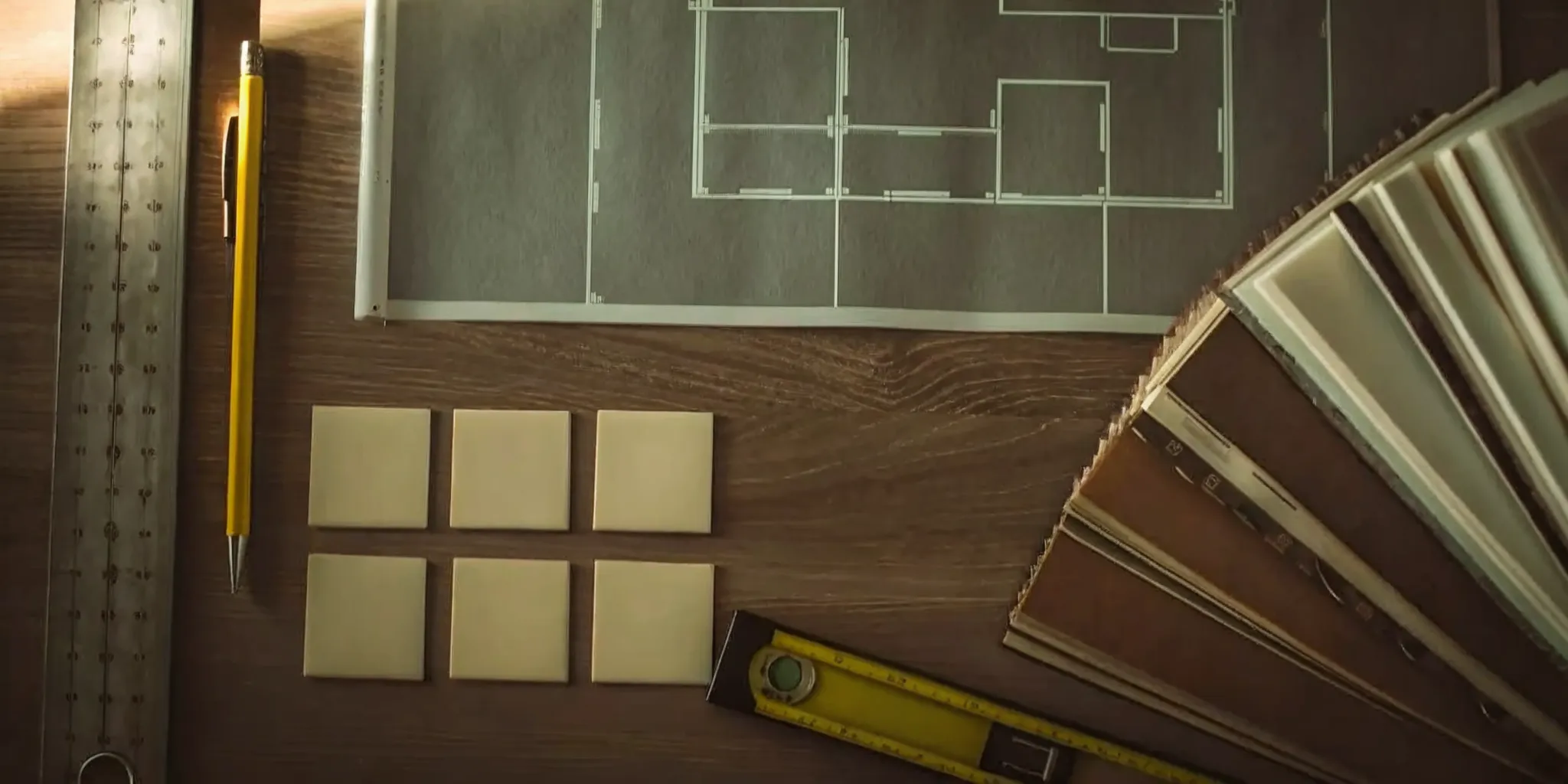
Before you start picking out paint colors, let's map out your vision. What will this new room be? A cozy family den, a quiet home office, or maybe a full studio apartment? Your intended use will shape every decision you make. A thoughtful design does more than just maximize the space; it ensures the layout is functional and meets all local building codes. This is the stage where you work out the details, from window placement to electrical outlets. A solid plan is your foundation for a smooth project and helps you get a clear scope of work before construction begins, ensuring the final result is exactly what you dreamed of.
Step 2: Apply for Permits
Now for the part that everyone loves to hate: paperwork. Securing the right permits is a non-negotiable step in a legal garage conversion. Your local city or county office requires them to make sure your project is safe and up to code. It might feel like a hassle, but this process protects you, your home, and any future owners. Skipping this step can lead to fines, forced tear-downs, and major issues when you try to sell your home. Every jurisdiction has slightly different rules, so you’ll need to check with your local building department to see exactly what’s required for your project. This is often where having an expert guide can make all the difference.
Step 3: Manage the Construction
Once your permits are approved, it’s time to bring your vision to life. While you might be tempted to handle some of the work yourself, certain jobs are best left to licensed professionals. Anything involving electrical, plumbing, or HVAC systems should be handled by experts who understand the code requirements and safety protocols. Hiring vetted, reliable contractors not only ensures the work is done correctly but also gives you peace of mind. Investing in professional help for these critical systems is one of the smartest decisions you can make for the safety and long-term durability of your new living space.
Step 4: Pass Final Inspections
You’ve made it to the home stretch! After the construction is complete, a city inspector will visit to conduct a final review of the work. They’ll check everything from the wiring to the window sizes to ensure it all aligns with the approved plans and meets current safety codes. This final sign-off is what officially makes your converted garage a legal and habitable part of your home. It’s an essential step for safety, especially if the room will be used as a bedroom, as it confirms there are proper emergency exits and safeguards in place. Passing this inspection is the final seal of approval on your successful project.
How a Legal Conversion Adds Value to Your Home
Going through the permit process might feel like a hassle, but it’s what turns a simple renovation into a smart financial investment. A legal, permitted garage conversion adds real, measurable value to your home in several ways. It’s not just about creating a new bedroom or home office; it’s about increasing your property’s market worth, creating new income opportunities, and protecting yourself from future complications. When you follow the rules, you’re ensuring the new space is safe, functional, and officially recognized as part of your home’s total square footage.
This official status is key when it comes to appraisals and resale. Think of it as future-proofing your investment. A permitted project gives you peace of mind and a clear return, whether you plan to sell in a few years or stay for decades. It transforms an underused part of your property into a legitimate, valuable asset that contributes to your home's overall equity. Let’s break down exactly how a by-the-book conversion pays off.
More Livable Square Footage
One of the most direct ways a garage conversion adds value is by increasing your home's livable square footage. Appraisers and buyers use square footage as a primary metric for determining a home's worth. By transforming a space meant for cars into a functional room, you’re making your home larger and more useful without the cost of a full-blown addition. As New Zealand Certified Builders notes, "Converting your garage can add more living space without moving or changing your home's outside size." This new, permitted space—whether it's a bedroom, family room, or home gym—contributes directly to your home’s overall appraised value.
Potential for Rental Income as an ADU
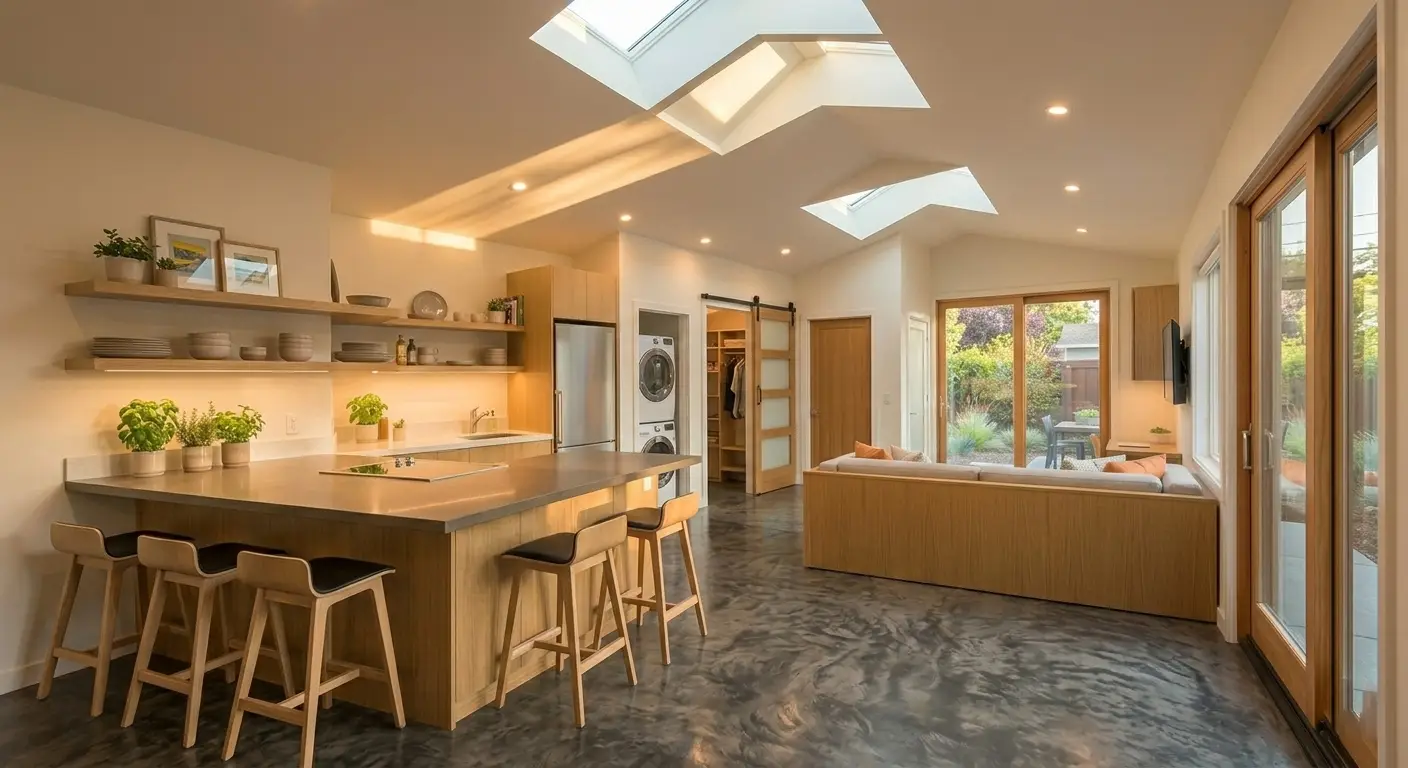
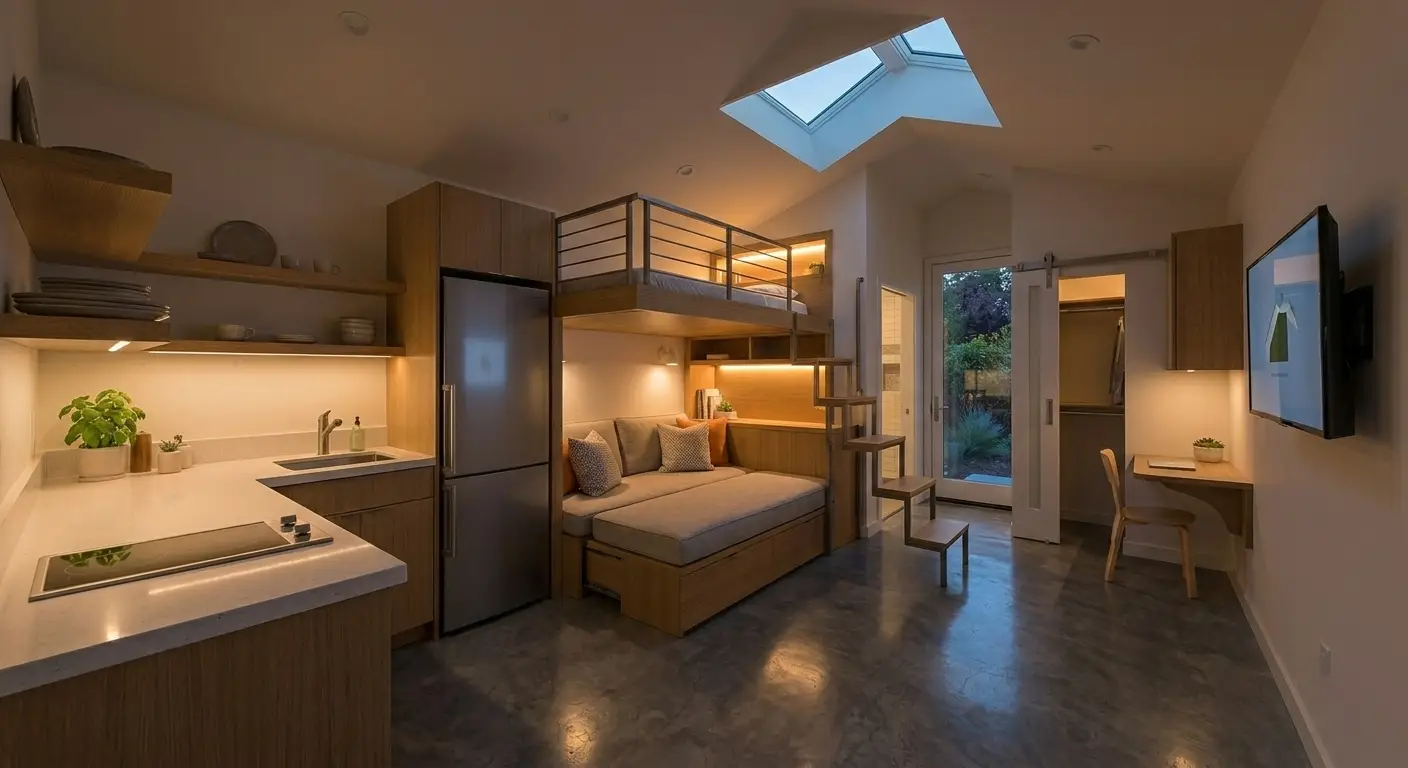
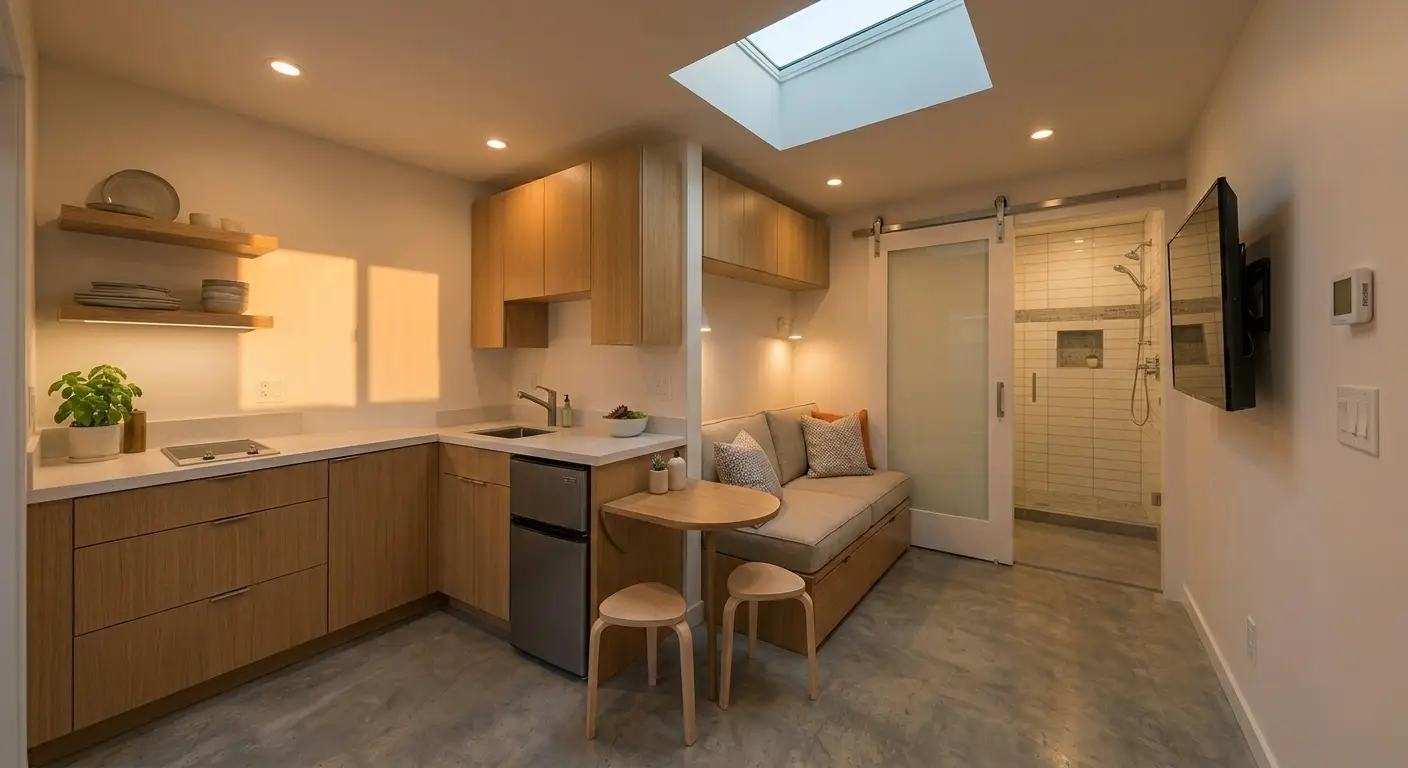
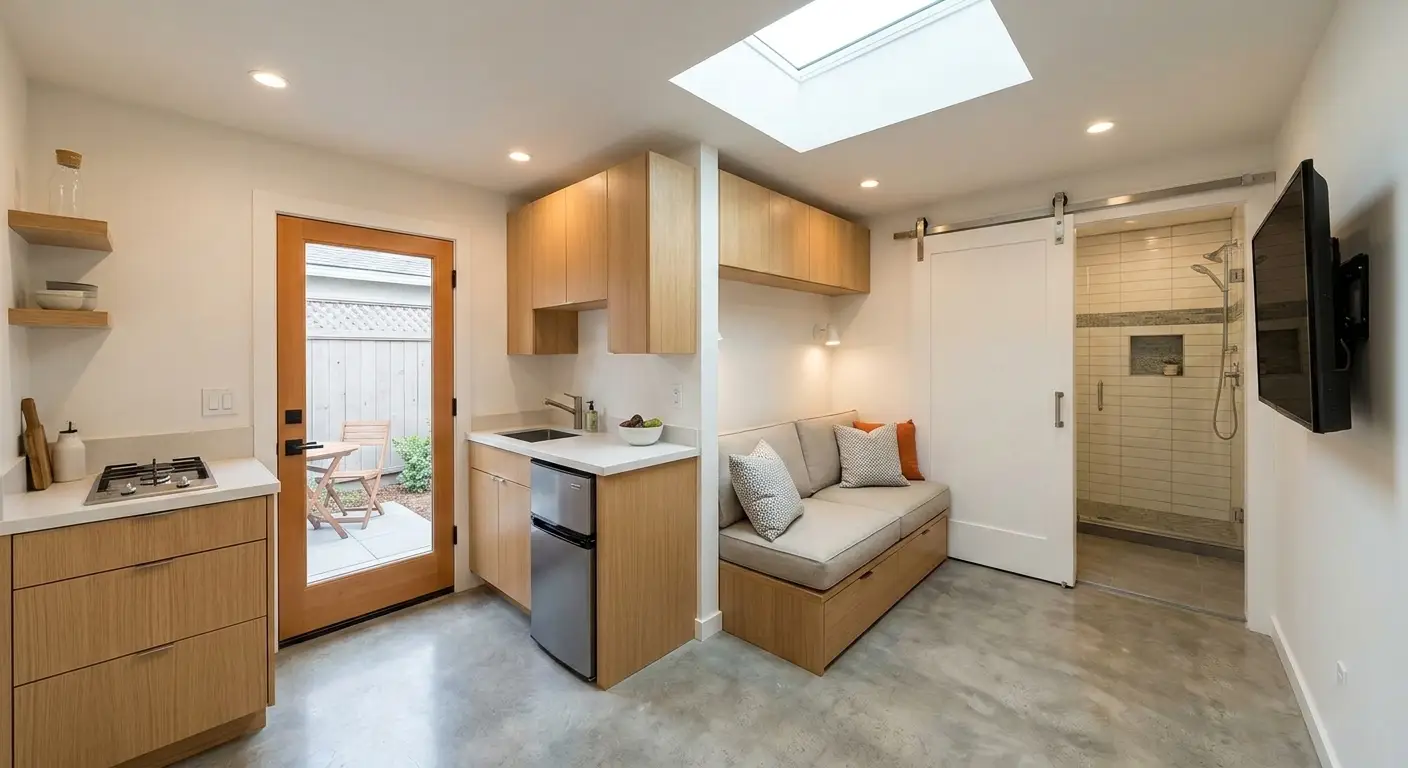
A garage conversion can become an income-generating asset when turned into an Accessory Dwelling Unit (ADU). An ADU is a self-contained living space complete with its own entrance, kitchen, and bathroom, making it a perfect rental unit. This is an especially valuable option in cities where housing is in high demand. As the experts at Maxable point out, "An ADU is a full apartment... and it can be rented out." Creating a legal ADU not only provides a steady stream of rental income to help offset your mortgage but also significantly increases your property's overall value. Many cities even offer incentives for homeowners who build ADUs to help ease housing shortages.
Attract More Buyers in the Future
When it’s time to sell, a permitted garage conversion can make your home stand out. The extra bedroom, office, or in-law suite is a major selling point for a wide range of buyers, from growing families to those needing a dedicated workspace. A legal conversion is listed as official square footage, which can push your home into a higher price bracket. However, it’s important to consider the trade-offs. As Neighborly advises, "you'll be losing a parking spot, which some future buyers might want." In neighborhoods where street parking is scarce, this could be a drawback. But for many, the value of the additional living space far outweighs the loss of a garage.
Protect Your Long-Term Investment
Securing the right permits is the best way to protect your investment for the long haul. Permits ensure that all work is done to code, making the space safe for you and your family. This official approval is also critical when you decide to sell. An unpermitted conversion can become a major roadblock. According to one homeowner's experience, "Not having a permit can cause big issues if you ever sell your house. Buyers or inspectors might find out, leading to delays, fines, or even having to undo the work." Working with a trusted partner like Realm ensures your project is managed correctly from the start, protecting your home’s value and saving you from costly problems down the road.
Who to Hire for Your Garage Conversion
Building the right team is one of the most important steps in your garage conversion. The right professionals will not only bring your vision to life but also ensure every part of the project is done safely and legally. While it might seem like you can manage everything yourself, experienced pros save you time, prevent costly mistakes, and handle the complex parts of the job, like securing permits and passing inspections. This is where having a trusted partner can make all the difference, guiding you to the right people for your specific project.
Find a Contractor Who Knows Local Codes
Think of your general contractor as the project manager for your conversion. They hire and coordinate all the subcontractors (like plumbers and electricians), manage the timeline, and ensure the work meets quality standards. For a garage conversion, it’s critical to hire a contractor who has specific experience with these types of projects in your area. They’ll be familiar with local building codes and zoning rules, which can prevent major delays. A good contractor who specializes in garage conversions or ADUs will know exactly what your local inspectors are looking for, making the entire process much smoother.
Know When to Call an Architect or Engineer
Depending on the complexity of your project, you may need an architect or a structural engineer. An architect is your go-to for creating the design and floor plan. They’ll draw up the official plans you need to submit with your permit application, ensuring your new space meets requirements for things like ceiling height, window placement, and exits. If your conversion involves changing the structure of the garage—like removing a support column or altering the roofline—you’ll likely need a structural engineer to ensure the building remains safe and sound. They provide the calculations and plans to guarantee structural integrity.
Get Help With Your Permit Application
The permit process can feel intimidating, but you don’t have to go it alone. Your first step can be calling your local permitting office to understand the basic requirements. However, the professionals you hire are your best resource for getting through the paperwork. Your architect or contractor will typically prepare and submit the permit application on your behalf. They know what information and drawings are needed and can speak the language of the building department. Having an expert guide you through this process is a core part of a stress-free renovation, ensuring you have the support you need from planning to final inspection.
Common Garage Conversion Mistakes to Avoid
A garage conversion is an exciting project, but a few common missteps can turn your dream space into a major headache. Getting ahead of these issues from the start will save you time, money, and stress down the road. By planning carefully and working with the right team, you can ensure your new room is safe, legal, and everything you hoped it would be. Here are the top mistakes to watch out for as you begin your renovation.
Skipping the Permit Process
It can be tempting to bypass the permit process to save time or money, but this is one of the biggest mistakes you can make. Most garage conversions require a permit because you’re changing the use of the space from a non-habitable area to a living area. Your city needs to review your plans to ensure they meet local and state safety rules. Without the proper permits, you could face hefty fines, be forced to tear out your work, or run into major trouble when you try to sell your home. Getting expert guidance on permits from the beginning is the best way to protect your investment.
Ignoring Building Codes
Building codes are not just suggestions; they are legal requirements that ensure your new living space is safe and comfortable. These rules cover everything from minimum ceiling heights and the number of electrical outlets to the size and type of windows required for emergency exits. For example, a bedroom must have an egress window that’s large enough to escape through in a fire. Ignoring these codes can create dangerous living conditions and will cause your project to fail its final inspection. Working with a trusted partner who understands local building codes is essential for a successful and compliant conversion.
Poor Planning for Utilities
Properly integrating utilities is critical, especially if your conversion includes a kitchen or bathroom. Garages aren't typically equipped with the same plumbing and electrical systems as the rest of your house. You’ll need to plan for running new water and sewer lines and upgrading the electrical panel to handle the increased load. This is not the place to cut corners. Trying to DIY complex electrical or plumbing work can lead to serious safety hazards and costly repairs. It’s always best to hire vetted professionals who can ensure all utility work is done correctly and up to code.
Forgetting to Tell Your Insurer
Once your project is complete, you’ll have valuable new living space—and you need to make sure it’s protected. Many homeowners forget to notify their insurance company about their garage conversion. If you have an unpermitted or improperly built space, your insurer may refuse to cover any claims related to it, such as water damage or fire. It’s also a good idea to check with your county tax office to understand how the conversion might affect your property taxes. Thinking through these financial details is a key part of planning successful home renovation projects.
Related Articles
- Garage Conversion Permits: Your Complete Guide
- 5 Inspiring Garage to Living Space Conversion Ideas
- ADU Zoning 101: What Homeowners Need to Know
Frequently Asked Questions
What's the difference between a simple garage update and a full conversion that needs a permit? The key difference comes down to changing the use of the space. If you’re just painting the walls, laying down rubber flooring for a home gym, or adding freestanding shelves for storage, you generally don’t need a permit. However, the moment you intend to make the garage a permanent, habitable living area, the permit process begins. This includes work like adding insulation, installing drywall, running new electrical circuits, adding plumbing, or replacing the garage door with a solid wall and windows.
How long does the permitting process typically take? This is one of the most common questions, and the honest answer is that it varies quite a bit depending on where you live. In some cities, a straightforward plan might be approved in a few weeks. In others, especially for more complex projects like an ADU, it could take several months to get through the plan review and approval stages. The timeline is influenced by how busy your local building department is and how complete and accurate your initial application is.
Does converting my garage into living space affect my property taxes? Yes, you should expect your property taxes to increase after a legal conversion. When you add permitted, livable square footage to your home, you increase its assessed value. Your local tax assessor will update your property's record to reflect the new, larger living area, which will result in a higher tax bill. It's a good idea to contact your county assessor's office beforehand to get an estimate of how the project might impact your taxes.
What’s the difference between a garage conversion and an Accessory Dwelling Unit (ADU)? While both start with a garage, they aren't the same thing. A standard garage conversion might turn the space into a single room, like a home office, playroom, or guest bedroom that is part of the main house. An ADU, on the other hand, is a complete, independent home. It must have its own separate entrance, a kitchen, a bathroom, and living space. The building codes and zoning rules for an ADU are much more extensive because you are essentially creating a second legal residence on your property.
Is it guaranteed that a garage conversion will add value to my home? A well-done, permitted conversion almost always adds value by increasing your home's livable square footage. However, it's not an absolute guarantee that you'll recoup 100% of the cost. The final value depends on the quality of the construction and the specific needs of your local real estate market. You also have to consider what you're losing. In a neighborhood where parking is extremely tight, removing the only covered parking spot could be a drawback for some future buyers.























.png)













.png)