Average Cost to Replace a Roof: A Price Guide
Get the facts on the average cost to replace a roof, plus tips on materials, labor, and ways to save when planning your next roof replacement project.
|
December 5, 2025
In this article:
You can look up national statistics all day, but when it comes to a new roof, your zip code is one of the biggest factors in the final price. Labor rates and material availability in the SF Bay Area are very different from those in Sacramento, which is why the national average cost to replace a roof can be a misleading guideline. This article will break down why location matters so much. We'll help you understand all the regional components—from local permits to labor costs in your city—that will shape your specific project budget and give you a realistic financial picture.
Key Takeaways
- Understand the Full Price Tag: Your final bill is more than just materials. Labor can be up to 60% of the total, and you also need to account for permits, tear-off fees, and potential underlying repairs.
- Make Strategic Choices to Save: The material you pick has the biggest effect on your budget, with asphalt shingles being the most cost-effective option. You can also save by getting multiple quotes and scheduling your project during a slower season.
- Hire a Pro You Can Trust: Protect your investment by choosing a contractor who is fully licensed and insured. Always get a detailed contract that outlines the scope of work, payment terms, and a solid workmanship warranty.
How Much Does a New Roof Cost?
Thinking about a new roof is a big deal, and one of the first questions on your mind is probably, "What's this going to cost me?" The truth is, there isn't one single price tag. The final cost depends on a mix of things like the size of your home, the materials you pick, and even where you live. But don't worry, we can break it down. Think of these numbers as a starting point to help you budget and plan for your project. We'll walk through the national averages and then get into how your specific location plays a role in the final price.
A Look at National Averages by Home Size
Let's start with the big picture. The national average for a roof replacement is about $9,528. Of course, the size of your roof is a huge factor. For a typical 2,000-square-foot house, homeowners usually pay around $9,476. That said, the price can swing anywhere from $7,283 to over $24,000. Why such a big range? It comes down to the materials you choose—from standard asphalt shingles to premium slate tiles—and the complexity of your roof's design. A simple, flat roof will cost less than one with multiple peaks and valleys.
How Your Location Impacts the Price
Beyond size and materials, your zip code has a major say in your final bill. The cost of roof replacement varies quite a bit from one state to another, and even between cities. This is mostly due to differences in local labor costs and the availability of materials. For example, a new roof in a rural area might cost less than the same job in a major city like Los Angeles or San Francisco. While some regions see averages between $5,500 and $20,000, it's important to get quotes that reflect the pricing in your specific area to create an accurate budget.
What Factors Into Your Roof Replacement Cost?
When you get a quote for a new roof, you'll see it's more than just a single number. The final price is a mix of several key components, from the materials you pick to the unique shape of your home. Understanding these factors will help you make sense of your estimates and plan your budget with confidence. Each element plays a role in the final cost, so let's break down what you can expect to see on your proposal.
Your Roof's Size and Shape
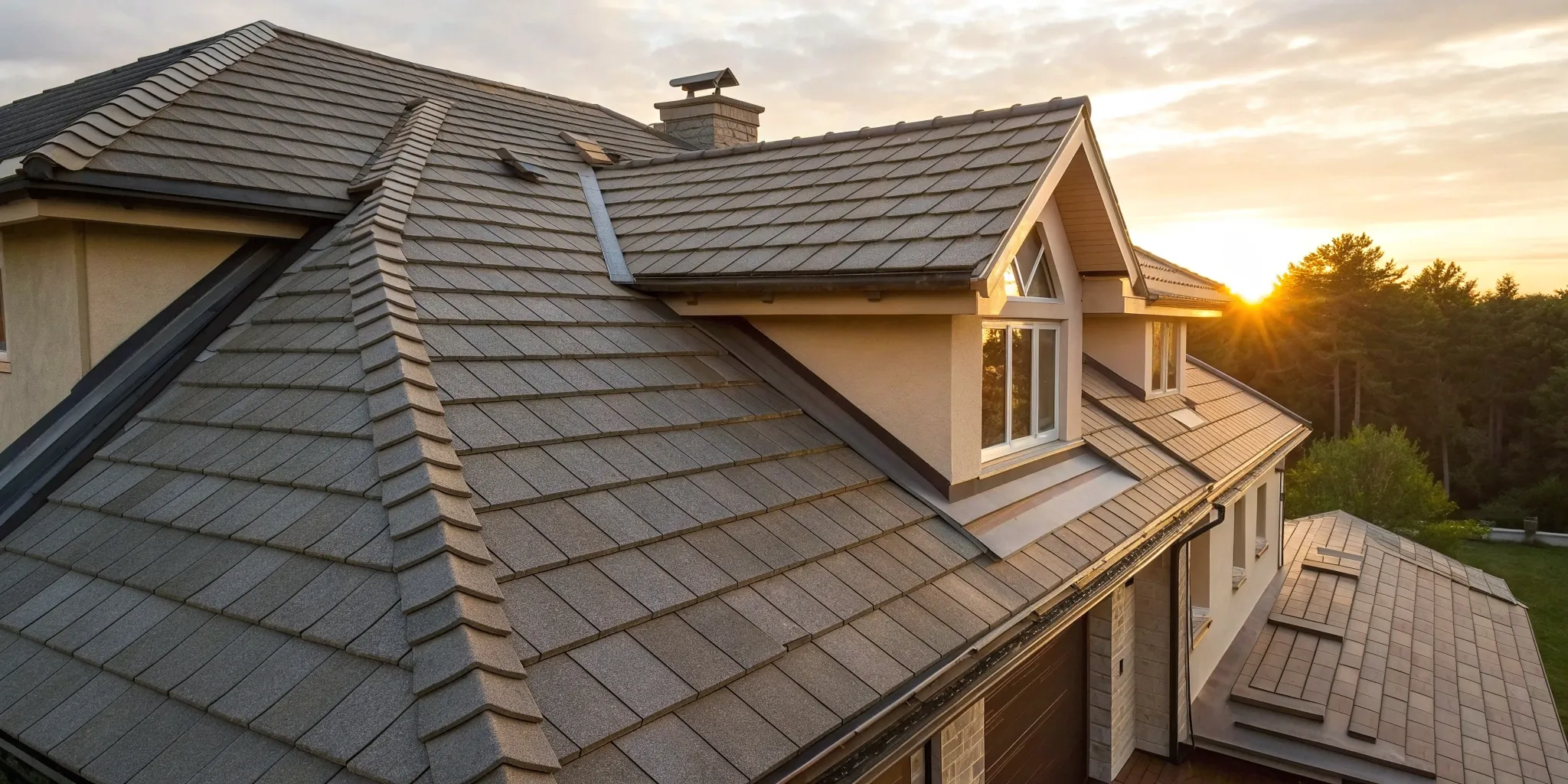
The biggest driver of your roof replacement cost is its size. Roofers measure in "squares," which is simply a 100-square-foot area. It’s important to know that your roof's total square footage is almost always larger than your home's living space because of its pitch, or slope, and any overhangs. A simple, gently sloped roof will cost less to replace than a steep one with lots of angles, dormers, and skylights. These complex features require more materials, more precise cuts, and significantly more labor, all of which add to the bottom line.
The Materials You Choose
This is where you have the most control over your budget. The type of roofing material you select will have a huge impact on your total cost. Asphalt shingles are the most popular and budget-friendly option, while architectural shingles offer a more dimensional look for a bit more. Materials like metal or wood shakes are a bigger upfront investment but often come with a longer lifespan. When you plan your renovation project, weighing the long-term value against the initial cost is key to making the right choice for your home and your finances.
Labor Costs in Your Area
Don't be surprised to see that labor makes up a huge portion of your bill—typically around 40% to 60% of the total project cost. This is one of the most variable factors, as rates differ quite a bit depending on where you live. Labor costs in the SF Bay Area, for example, will likely be higher than in Sacramento. The complexity of your roof also plays a big role here. A steep, multi-level roof requires more safety equipment and skilled work, which naturally increases the labor hours and the overall price. This is why getting quotes from vetted local professionals is so important for an accurate estimate.
Necessary Structural Repairs
Sometimes the biggest costs are the ones you can't see until the project is underway. Once the old shingles are removed, your contractor might find issues with the underlying wood decking, like rot or water damage from past leaks. These problems have to be fixed before the new roof can be installed to ensure its integrity and longevity. While it’s an unexpected expense, addressing these structural repairs is crucial for protecting your home. A good contractor will discuss potential issues with you beforehand and explain how they’ll handle any surprises, so you’re not caught completely off guard.
Comparing Roofing Material Costs
The material you choose for your roof is one of the biggest decisions you’ll make, impacting everything from your home’s curb appeal to your long-term budget. It’s a classic balancing act between upfront cost, durability, and the look you want to achieve. Some materials are budget-friendly and get the job done, while others are a significant investment that can last a lifetime. Let's break down the most common options so you can see how they stack up.
Asphalt Shingles
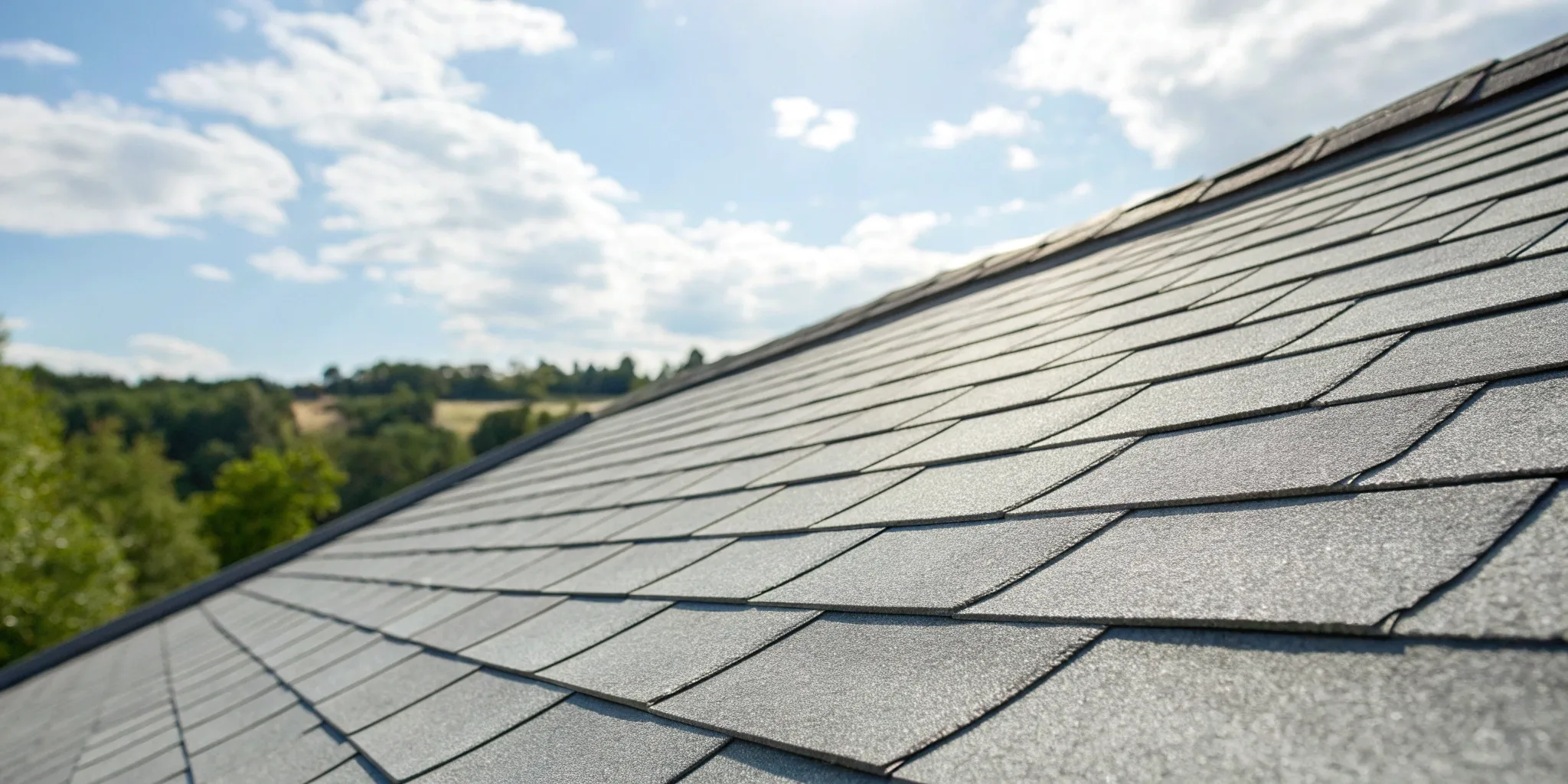
If you look around your neighborhood, you’ll likely see a lot of asphalt shingle roofs. They are the most popular and affordable roofing material in the country, making them the go-to for many homeowners. With an average cost of around $1.00 to $1.20 per square foot for the materials alone, they offer a solid, budget-friendly solution. While they don't have the longevity of some premium materials, modern architectural shingles come in a variety of colors and styles, offering a great look for a fraction of the price. They are a practical choice that provides reliable protection without a hefty price tag.
Metal Roofing
Once reserved for commercial buildings or rustic cabins, metal roofing has become a popular choice for modern homes. It’s a significant step up in price, typically ranging from $5 to $12 per square foot, but it’s an investment in durability. Metal roofs are known for their incredible longevity, often lasting 50 years or more with minimal maintenance. They are also energy-efficient, reflecting solar heat to potentially lower your cooling costs. If you’re looking for a long-term solution that can withstand harsh weather, a metal roof is definitely worth considering.
Clay and Slate Tiles
For a timeless, high-end look, clay and slate tiles are in a class of their own. These premium materials offer unmatched beauty and exceptional durability that can last for a century or more. Slate is one of the longest-lasting roofing materials you can buy, providing a classic, elegant appearance. Clay tiles offer a distinct Mediterranean or Spanish style that adds incredible character to a home. Both are heavy, require specialized installation, and come with a premium price tag, but their longevity and stunning aesthetic make them a worthwhile investment for the right home.
Wood Shingles and Other Premium Options
Wood shingles and shakes provide a beautiful, natural look that can truly enhance your home’s curb appeal. Made from woods like cedar or redwood, they cost between $4.50 and $9 per square foot. This rustic charm comes with a trade-off, as wood requires more regular maintenance than other materials to prevent rot, mold, and insect damage. If you love the look but are concerned about upkeep, you might also explore composite shingles, which mimic the appearance of slate or wood without the associated maintenance, offering another great premium option for your home.
What Other Costs Should You Budget For?
When you get a quote for a new roof, the price usually covers the big-ticket items: materials and labor. But a full roof replacement involves more than just laying down new shingles. Several other costs can pop up, and it’s smart to have them on your radar from the start so you can create a realistic budget. Think of these as the behind-the-scenes expenses that ensure your new roof is safe, compliant, and built to last.
From local government paperwork to the logistics of removing your old roof, these additional factors can add thousands to your final bill. Understanding them ahead of time helps you ask the right questions when vetting contractors and prevents sticker shock later on. A customized renovation plan can help you account for these variables, ensuring you have a clear financial picture before the work begins. Let’s break down the most common costs you should plan for.
Permits and Inspections
Before any work starts, you’ll likely need a building permit from your city or county. This isn't just red tape; it’s a process to ensure the work meets local safety and building codes. The cost for a permit can vary quite a bit depending on where you live. Your contractor should handle the process of pulling the permit, but the fee itself will be part of your overall project cost. Inspections may also be required at certain stages to sign off on the work, confirming everything is up to standard.
Tearing Off and Disposing of the Old Roof
Your old roof has to go somewhere, and that process comes with a price tag. The cost to tear off and dispose of the old roofing materials typically adds between $1,000 and $3,000 to your project. This fee covers the labor-intensive job of removing every old shingle and nail, plus the fees for hauling it all away and disposing of it properly according to local regulations. It’s a messy but essential step for a clean slate and a secure new roof.
Extra Fees for Steep or Complex Roofs
If your home has a particularly steep roof or a complex design with multiple peaks, valleys, and dormers, you can expect to pay more. A steep pitch makes the work more dangerous and difficult, requiring extra safety equipment and more time. This added complexity can increase the price by $1,000 to $3,000. Contractors need to account for the specialized labor and safety measures needed to work on challenging rooflines, so this fee covers that additional risk and effort.
Underlayment and Structural Fixes
Sometimes, the real issues are hiding right under the surface. Once the old roofing material is removed, your contractor might find damage to the underlying wood base, known as the sheathing or decking. Water leaks can cause rot and structural weakness that must be repaired before a new roof can be installed. Depending on the extent of the damage, these structural fixes can add anywhere from $1,000 to $4,000 to your budget. It’s an unexpected cost, but fixing it is critical for the long-term health of your new roof.
How Can You Save Money on a New Roof?
A new roof is a major home investment, but there are smart ways to manage the cost. With some strategic planning, you can save a significant amount without sacrificing quality. Here are four practical ways to approach your roof replacement and keep your budget in check.
Time Your Replacement Strategically
If your roof replacement isn’t an emergency, timing is your best tool for saving money. Roofers are busiest in the fall and spring, and that high demand often comes with higher prices. By scheduling your project during a slower season, like winter (weather permitting), you may find contractors are more willing to offer competitive rates. Discuss the best off-season window with your roofer to find a time that works for both your schedule and your wallet, ensuring a stretch of clear weather for the installation.
Get Quotes from Several Contractors
Don’t just accept the first estimate you get. A crucial step is to gather at least three detailed quotes from different, reputable contractors. This allows you to compare more than just the final price—you can evaluate the proposed scope of work, material quality, and included warranties. Comparing quotes helps you understand the market rate and ensures you’re getting fair value. Realm simplifies this by connecting you with our network of vetted professionals, so you can compare offers from trusted experts with confidence.
Understand Your Insurance Options
Before you assume you're covering the full cost, take a look at your homeowner's insurance policy. If your roof damage is the result of a covered event like a storm or a fallen tree, your insurance may help pay for the replacement. You’ll have to cover your deductible, but the assistance can make a huge difference. Be sure to document any damage and contact your insurance provider to clarify your coverage before you commit to any work. This simple step could save you thousands.
Choose Smart, Cost-Effective Materials
Your choice of material has the biggest impact on your roof's final price tag. While premium materials like slate or metal are durable, they also come at a high cost. For a budget-conscious option, asphalt shingles are a reliable and popular choice, offering a great blend of performance and affordability. They are significantly less expensive than higher-end options, making them a practical way to lower your upfront investment. Carefully weighing your material options helps you find the perfect balance between your budget, aesthetic goals, and long-term durability.
How to Choose the Right Roofing Contractor
Finding the right contractor is the most critical step in your roof replacement project. The quality of the installation is just as important as the quality of the materials you choose. A great roofer ensures your investment is protected and the job is done right, while the wrong one can lead to costly repairs and major headaches. Here’s what to look for to find a trustworthy professional for the job.
Check for Proper Licensing and Insurance
This is non-negotiable. A reputable contractor must be properly licensed and insured in your state and city. Licensing proves they meet local standards, while insurance protects you. Ask for proof of two types of coverage: general liability, which covers damage to your property, and worker's compensation, which covers injuries to their crew on your property. Without this, you could be held financially responsible for accidents. Don’t just take their word for it—ask to see the certificates and verify that they are current. It’s a simple step that provides essential peace of mind.
Understand the Scope of Work
Before you sign anything, make sure you have a clear understanding of the scope of work detailed in a written contract. A vague agreement is a recipe for disaster. The contract should explicitly list the specific materials being used (down to the brand and color), a projected timeline for start and completion, and a breakdown of all services. This includes tasks like tearing off the old roof, disposing of debris, and any necessary structural repairs. Getting everything in writing prevents miscommunication and ensures you and your contractor are on the same page from day one.
Compare Warranties and Guarantees
A new roof is a significant investment, and a good warranty protects it. Typically, you’ll encounter two types: a manufacturer’s warranty on the materials and a contractor’s warranty on the workmanship. When you compare the warranties and guarantees from different roofers, look closely at the details. How long does the coverage last? What exactly does it cover? Is the warranty transferable to a new owner if you sell your home? A contractor who offers a strong workmanship warranty is confident in their skills and stands behind their work, giving you an extra layer of security.
Clarify Payment Terms and Spot Red Flags
A professional contractor will have a clear and fair payment structure. It’s standard to pay a deposit upfront (often 10% to 30%), with subsequent payments tied to project milestones and a final payment due upon completion and your satisfaction. Be sure to clarify payment terms upfront and get them in writing. Be very cautious of any contractor who demands a large cash deposit or asks for the full amount before the work begins. These are major red flags. A trustworthy roofer will never pressure you into a cash-only deal or ask for a disproportionately large down payment.
Related Articles
- How Much Does a Roof Replacement Cost? A Homeowner's Guide
- How Much Does a New Roof Cost? A Homeowner's Guide
Frequently Asked Questions
How do I know if I need a full roof replacement or just a repair? This is a great question, and the answer often comes down to the age of your roof and the extent of the damage. If you're dealing with a few missing shingles from a recent storm on a relatively new roof, a repair is likely all you need. However, if your roof is nearing the end of its typical 20-25 year lifespan, or if you're seeing widespread issues like curling shingles, persistent leaks in multiple spots, or lots of granules from your shingles collecting in the gutters, it’s probably time for a full replacement. A professional inspection is the best way to get a definitive answer.
Is it okay to install new shingles over my old ones to save money? While it might seem like a clever way to cut costs, putting a new layer of shingles over an old one is generally not recommended. This practice, called a "roof-over," can trap moisture, add significant weight to your home's structure, and make it impossible for a contractor to inspect the underlying wood decking for rot or damage. Most reputable roofers will advise against it because it can shorten the lifespan of your new roof and may even void the manufacturer's warranty on the shingles.
How long does a typical roof replacement project take from start to finish? For an average-sized home, the hands-on work of tearing off the old roof and installing the new one can usually be completed in just a few days, depending on the weather. The entire process, from signing the contract and ordering materials to the final cleanup and inspection, might take a week or two. The complexity of your roof's design and the type of material you choose can also affect the timeline, but your contractor should give you a clear schedule before they begin.
You mentioned architectural shingles. Are they worth the extra cost over standard asphalt? Architectural shingles are a definite step up from the standard "3-tab" asphalt shingles, and for many homeowners, the extra cost is well worth it. They are thicker, more durable, and have a dimensional, textured look that can really improve your home's curb appeal. Because of their sturdier construction, they often come with a longer warranty and can better withstand high winds and harsh weather. Think of them as a mid-range option that offers a great balance of style, longevity, and value.
What happens if the contractor finds unexpected damage after tearing off the old roof? Discovering rotted wood or other structural issues is a common homeowner worry, but a professional contractor will have a plan for it. Before you sign a contract, ask how they handle these kinds of surprises. A good proposal will often include a price for replacing sheets of plywood or decking on a per-unit basis. When the issue is found, your contractor should stop work, show you the damage, and get your approval on the additional cost before proceeding. This ensures you stay in control of the budget and there are no financial shocks at the end of the project.













.png)


.png)