How Long Does It Take to Get a Building Permit?
Wondering how long does it take to get a building permit? Learn what affects permit timelines and get tips to keep your renovation project on track.
|
February 16, 2026

In this article:
Planning a home renovation is exciting. You’re probably already dreaming about the finished space, picking out finishes, and interviewing contractors. But there’s one crucial, less-glamorous step that can make or break your project timeline: the building permit. It’s often the most confusing part of the process, and it’s where many projects get stuck. One of the biggest unknowns for homeowners is figuring out exactly how long does it take to get a building permit. The answer can range from a few weeks to several months, and understanding the factors that influence this timeline is key to keeping your renovation on track and on budget. This guide will walk you through everything you need to know.
Key Takeaways
- A Permit Protects Your Investment: Think of a building permit as a safeguard for your home's safety and long-term value. Properly permitted work prevents future issues with insurance claims and ensures a smooth process when it's time to sell.
- Control Your Timeline with a Flawless Application: While you can't change your city's workload, you can directly influence your permit timeline. The most common cause of delays is an incomplete or inaccurate application, so getting it right the first time is the best way to keep your project on schedule.
- Lean on Professional Expertise to Avoid Delays: The permitting process has many moving parts, and small mistakes can lead to big setbacks. Working with an experienced contractor or advisor who understands local codes is the most effective way to ensure your application is correct and your project moves forward without a hitch.
What Is a Building Permit and Why Do You Need One?
Think of a building permit as an official green light from your local government. It’s a formal approval that says your renovation plans are sound, safe, and up to code. While it might feel like just another piece of paperwork in your project, its role is incredibly important. Getting a permit isn't about jumping through bureaucratic hoops; it’s about ensuring your project is built correctly and legally from the very beginning.
Permits are the system your city uses to verify that any construction—from a small bathroom update to a major home addition—meets specific safety standards. These rules, known as building codes, are in place to protect you, your family, and future owners of your home. They cover everything from structural integrity and fire resistance to electrical and plumbing systems. By requiring a permit, your local building department gets a chance to review your plans and inspect the work as it progresses, giving you peace of mind that the job is done right. At Realm, we see the permit process as a foundational step for a successful renovation, which is why we help homeowners manage it as part of our service.
Keep Your Project Safe and Legal
At its core, a building permit is a safety measure. It’s an official confirmation that your project plans comply with local construction standards designed to keep you safe. When a licensed professional reviews your plans, they’re checking for things you might not think about, like whether a new wall can support the weight of the roof or if the wiring for your new kitchen island is installed correctly to prevent a fire hazard. These checks ensure the finished project is not only beautiful but also structurally sound and safe for your family to live in. This process protects the integrity of your home and the well-being of everyone in it.
Protect Your Home's Value
Beyond safety, securing the right permits is a crucial step in protecting your home’s financial value. When it comes time to sell, unpermitted work can become a major headache. Potential buyers will likely find out about it during the inspection process, which can scare them away or lead them to demand a lower price. Failing to get a permit can also lead to fines from your city or even orders to tear out the completed work. Properly permitted renovations, on the other hand, are a clear sign to future buyers that the work was done correctly, which helps maintain and even increase your home's resale value.
How Long Does It Take to Get a Building Permit?
One of the most common questions homeowners ask is about the permit timeline, and the honest answer is: it depends. The time it takes to get a building permit can range from a few weeks to over a year, depending on your project's complexity and your city's specific processes. Understanding the typical timelines can help you plan your renovation schedule and set realistic expectations from the start. Knowing what to expect is the first step in a smooth and successful project.
The Timeline for Simple Projects
If you’re planning a straightforward project, you can breathe a sigh of relief. Simpler jobs, like small interior remodels or minor repairs that don't involve major structural changes, often have a much faster turnaround. For these types of projects, you can generally expect the permit process to take a couple of weeks. Some cities even offer over-the-counter permits for very simple updates, allowing you to get approval on the same day you apply. This streamlined process is designed to help homeowners move forward with smaller-scale improvements without getting bogged down in lengthy reviews.
The Timeline for Complex Projects
For larger, more complex renovations, it’s wise to plan for a longer wait. Projects involving new additions, significant structural work, or changes to your home's footprint require a more thorough review from the city. The timeline for these permits can stretch from a few weeks to several months. For very involved projects, especially those in areas with strict zoning or environmental regulations, it’s not uncommon for the process to take six to nine months, and sometimes even up to a year. This is where having an expert on your side can make a huge difference in keeping things moving.
Local Timelines: From LA to Seattle
Where you live plays a huge role in your permit timeline. Timelines can vary dramatically from one city to the next, even within the same state. Homeowners have reported wait times ranging anywhere from two weeks to two years depending on their location and project. For example, getting a permit in the Puget Sound area can take nine to twelve months, while a demo and rebuild project in Seattle might take closer to a year. Because every municipality has its own workload and review process, it’s essential to research the specific requirements and average wait times in your city. You can usually find this information on your local Department of Building and Safety website.
What Factors Affect Your Permit Timeline?
Getting a building permit isn’t a one-size-fits-all process. The time it takes can vary wildly, shifting from a few weeks to several months depending on a handful of key factors. While some of these are out of your control, like your city’s backlog, others are directly influenced by how you prepare. Understanding what shapes your timeline is the first step to planning a smoother, more predictable renovation.
The Size and Scope of Your Project
It makes sense that a simple bathroom update will move through the system faster than a full second-story addition. The larger and more complex your project, the more scrutiny your plans will receive. Structural changes, additions, and projects that alter your home’s footprint require detailed architectural and engineering plans that need a thorough review. But here’s the good news: the most significant factor in how long this takes is often the effort you put into moving the process forward. Staying organized and responsive can make a huge difference, no matter the size of your renovation.
The Quality of Your Application
One of the most common reasons for delays is submitting an incomplete or inaccurate permit application. Think of your application as the first impression you make on the building department. If it’s missing forms, has vague drawings, or contains incorrect information, it will likely be sent to the bottom of the pile for corrections. A high-quality application is clear, detailed, and includes all the required documentation from the start. This is where expert guidance can be invaluable, ensuring your plans are correct and complete before you ever submit them, saving you from frustrating and costly setbacks.
Your City's Current Workload
Your local building department is a busy place, and its current workload can directly impact your wait time. Some smaller towns may have limited staff, leading to longer review periods, while larger cities might have more streamlined digital systems but a higher volume of applications. External events can also create sudden backlogs. For instance, a surge in construction after a storm or a local housing boom can slow everything down. While you can’t control their workload, you can call ahead to ask about current review times to set a more realistic project schedule.
Zoning Rules and Property Features
Every property is unique, and sometimes those unique features come with extra rules. If your home is in a historic district, near wetlands, or on a steep slope, you’ll likely face additional reviews and requirements. Local zoning ordinances—the rules that dictate what you can build, how high, and how close to your property line—also play a major role. A project that requires a zoning variance or special exception will take much longer than one that fits neatly within the existing codes. Doing your homework on these specific constraints early on is key to avoiding surprises.
Neighborhood Feedback and Reviews
In some cases, your neighbors can have a say in your project. If your renovation is large enough to require public notice, your neighbors may have an opportunity to review the plans and voice concerns. Building in a neighborhood with an active Homeowners Association (HOA) or a design review board adds another layer of approval to the process. These reviews are meant to maintain the neighborhood's character, but they can also add weeks or even months to your timeline. It’s always a good idea to understand the local sentiment and any formal review processes before you finalize your plans.
Avoid These Common Permit Application Mistakes
The permit process can feel like a maze of paperwork and technical jargon, and it’s easy to make a wrong turn. Even small mistakes on your application can send you right back to the start, adding weeks or even months to your timeline. The good news is that most of these setbacks are completely avoidable. By understanding the common pitfalls before you submit your application, you can set your project up for a much smoother journey.
Think of your permit application as the first impression you make on your local building department. A clear, complete, and accurate submission shows them you’re serious about doing the project correctly and safely. It builds confidence and reduces the back-and-forth that causes so many delays. From missing forms to vague project plans, we’ll walk through the most frequent slip-ups homeowners make and, more importantly, how you can steer clear of them. Getting this part right is one of the best ways to keep your renovation on track and on budget.
Missing Paperwork and Forms
One of the simplest yet most common reasons for a permit delay is an incomplete application. With so many documents to manage, it’s easy to miss a signature line or forget to include a required form. Submitting an incomplete permit application is a frequent mistake that can lead to immediate delays or even an outright rejection, forcing you to start the process over.
Before you submit anything, visit your city’s building department website and create a checklist of every single required document. Departments often update their forms, so make sure you have the most current versions. Double-check everything for signatures, dates, and completed fields. A little organization upfront can save you a massive headache and keep your project moving forward.
Vague or Incorrect Project Plans
Your local building department needs to see exactly what you’re planning to build. A common pitfall is submitting a permit application with insufficient project details. If your plans are vague, unclear, or missing key information like dimensions, materials, or structural details, the plan reviewer can’t verify that your project meets safety codes. This will almost certainly lead to delays as they send your application back with a request for more information.
To avoid this, work with a qualified architect, designer, or contractor to produce professional, detailed drawings. These plans are the blueprint for your project and the foundation of your permit application. Investing in clear, comprehensive plans not only helps you get your permit faster but also ensures you and your contractor are on the same page.
Ignoring Local Building Codes
Building codes are the rules that keep your home safe, and they vary significantly from one city to another. Failure to research and follow local regulations can lead to major delays in the permitting process. These codes cover everything from the type of drywall you need in a garage to the height of your stair railings. In areas like California and the Pacific Northwest, there are also specific codes related to seismic activity, energy efficiency, and wildfire-resistant construction.
Your contractor or architect should be an expert on the codes in your area, but it’s your responsibility as the homeowner to ensure the project is compliant. An application that ignores local codes will be sent back for revisions every time. Taking the time to understand the key requirements for your project will help you and your team get it right from the start.
Confusing Your Role vs. Your Contractor's
A frequent point of confusion is who is responsible for pulling the permit. Many homeowners hire tradespeople for regulated work but never hear anything about the need for a permit, assuming the professional is handling it. While many general contractors will manage the permitting process as part of their service, the ultimate legal responsibility falls on you, the property owner.
Before you sign a contract, have a direct conversation about who will prepare, submit, and manage the permit application. Get this agreement in writing. If your contractor is handling it, ask for copies of the submission and the approved permit once it’s issued. Working with vetted, reliable contractors who have a clear process for permits is essential for a successful and legally compliant renovation.
How Can You Speed Up the Permit Process?
Waiting for a permit can feel like a major roadblock, but you have more control over the timeline than you might think. While you can’t change your city’s workload, you can take proactive steps to make the process as smooth and fast as possible. It all comes down to preparation, clear communication, and knowing when to call in a professional. By focusing on what you can control—like the quality of your application and your relationship with the permitting office—you can avoid common delays and keep your project moving forward.
Get Your Application Right the First Time
One of the most frequent causes of permit delays is a simple one: an incomplete application. Submitting paperwork with missing forms or incorrect information is a guaranteed way to have your project sent to the back of the line. Before you submit anything, double-check that you’ve filled out every field and included all required documents, from architectural plans to structural engineering reports. A complete and accurate application is much more likely to sail through the initial review. Taking the time to get it right from the start can save you weeks or even months of frustrating back-and-forth with the city.
Meet With Your Local Building Department Early
Don’t wait until you submit your application to talk to your local building department. Schedule a preliminary meeting to discuss your project. This gives you a chance to ask questions, understand specific requirements, and get feedback directly from the people who will be reviewing your plans. Building a good relationship with the department staff can make a huge difference. They can help you identify potential issues early on, so you can address them before they become major hurdles. This simple step shows you’re serious about following the rules and can make your application review a much smoother experience.
Communicate Clearly and Consistently
Vague project descriptions are a red flag for permit reviewers. Your application needs to paint a crystal-clear picture of the work you plan to do. Avoid ambiguity and provide detailed, accurate plans that leave no room for misinterpretation. If a reviewer has questions, respond promptly and thoroughly. Consistent communication is essential for building trust and showing that you’re an organized and reliable homeowner. An application with insufficient project details will almost certainly face delays, so clarity is your best friend throughout this process.
Hire an Expert to Handle the Process
Let’s be honest: the permit process can be complex and time-consuming. If you’re feeling overwhelmed, hiring an expert can be a smart move. Professionals who handle permits regularly, sometimes called permit expediters, understand the specific codes and processes for your city. They know how to prepare a flawless application and can often anticipate and solve problems before they arise. At Realm, your dedicated advisor helps you manage these complexities from the start. Having an experienced guide ensures your project complies with all local regulations, saving you time, stress, and costly mistakes.
What Happens If You Skip the Permit?
Tackling the permit process can feel like a huge hassle, and it’s tempting to think, "Can't I just skip it?" While it might seem like a shortcut to save time and money, working without a permit is one of the biggest risks you can take with your home. It can turn your dream renovation into a costly and complicated nightmare. Think of a building permit as a form of insurance for your project. It’s the official seal of approval that confirms your plans meet local standards for safety, zoning, and construction quality. This protects not only your family but also the long-term value of your home. When you skip this crucial step, you open yourself up to a host of problems that can surface immediately or years down the road. From being forced to halt construction and pay hefty fines to facing major issues with your insurance or when you try to sell, the consequences far outweigh the initial inconvenience. At Realm, we help homeowners handle the entire process to make sure your project stays on track, on budget, and completely above board, avoiding these exact headaches.
Facing Stop-Work Orders
Imagine your project is finally underway, and suddenly, a city inspector shows up and slaps a bright red "Stop-Work Order" on your front door. This is a common outcome of unpermitted construction. Once an order is issued, all work must come to a complete halt. According to the City of Albuquerque, you’ll typically have about a month to resolve the issue. If you don’t comply after a final warning, you could end up in court. This not only delays your project indefinitely but also forces you to go back and apply for the permit you skipped, often with added penalties. It’s a stressful, time-consuming, and entirely avoidable situation that can throw your entire renovation timeline off course.
The Risk of Fines and Legal Trouble
Skipping a permit isn't just a procedural misstep—it's a violation of local law, and it comes with financial penalties. Fines for unpermitted work can be steep, sometimes double or triple the original permit fee. In some cases, you may be required to tear out the completed work so an inspector can review what was done, forcing you to pay for demolition and reconstruction. As experts at Evergreen Permitting note, failing to follow regulations can lead to fines or even required modifications to your plans. These unexpected costs can quickly derail your budget, turning what seemed like a cost-saving measure into a significant financial burden that negates any initial savings.
Complications with Homeowner's Insurance
This is a risk many homeowners overlook. Your homeowner's insurance policy is a contract, and it assumes your home is up to code. If you perform unpermitted work and something goes wrong, your insurance provider may have grounds to deny your claim. For example, if a fire starts due to faulty wiring installed without a permit, you could be left to cover the entire cost of repairs yourself. Many homeowners don't realize their insurance may not cover damages or liabilities from unpermitted projects, leaving them exposed to massive financial risk. It’s a gamble that’s simply not worth taking with your most valuable asset.
Trouble When It's Time to Sell
The decision to skip a permit can follow you for years, especially when you decide to sell your home. Unpermitted work creates a major red flag for potential buyers and their lenders. You are legally required to disclose any work done without a permit, which can scare off buyers or lead to lowball offers. According to Cutter Construction, these issues can seriously complicate a sale. A savvy buyer will likely ask you to get the work retroactively permitted—a difficult and expensive process—or demand a significant price reduction. In a worst-case scenario, it could kill the deal entirely, leaving your home lingering on the market.
What Kind of Permit Does Your Project Need?
Figuring out which permit your project needs can feel like a puzzle, but it’s simpler when you break it down by the type of work you’re doing. A common mistake is assuming one permit covers everything, but different jobs require different approvals. From a simple bathroom refresh to a full-scale addition, the scope of your project will determine the specific permits you’ll need to secure. It’s all about ensuring the work is done safely and up to code. Let’s look at some common renovation projects and the permits they typically require.
Kitchen and Bathroom Remodels
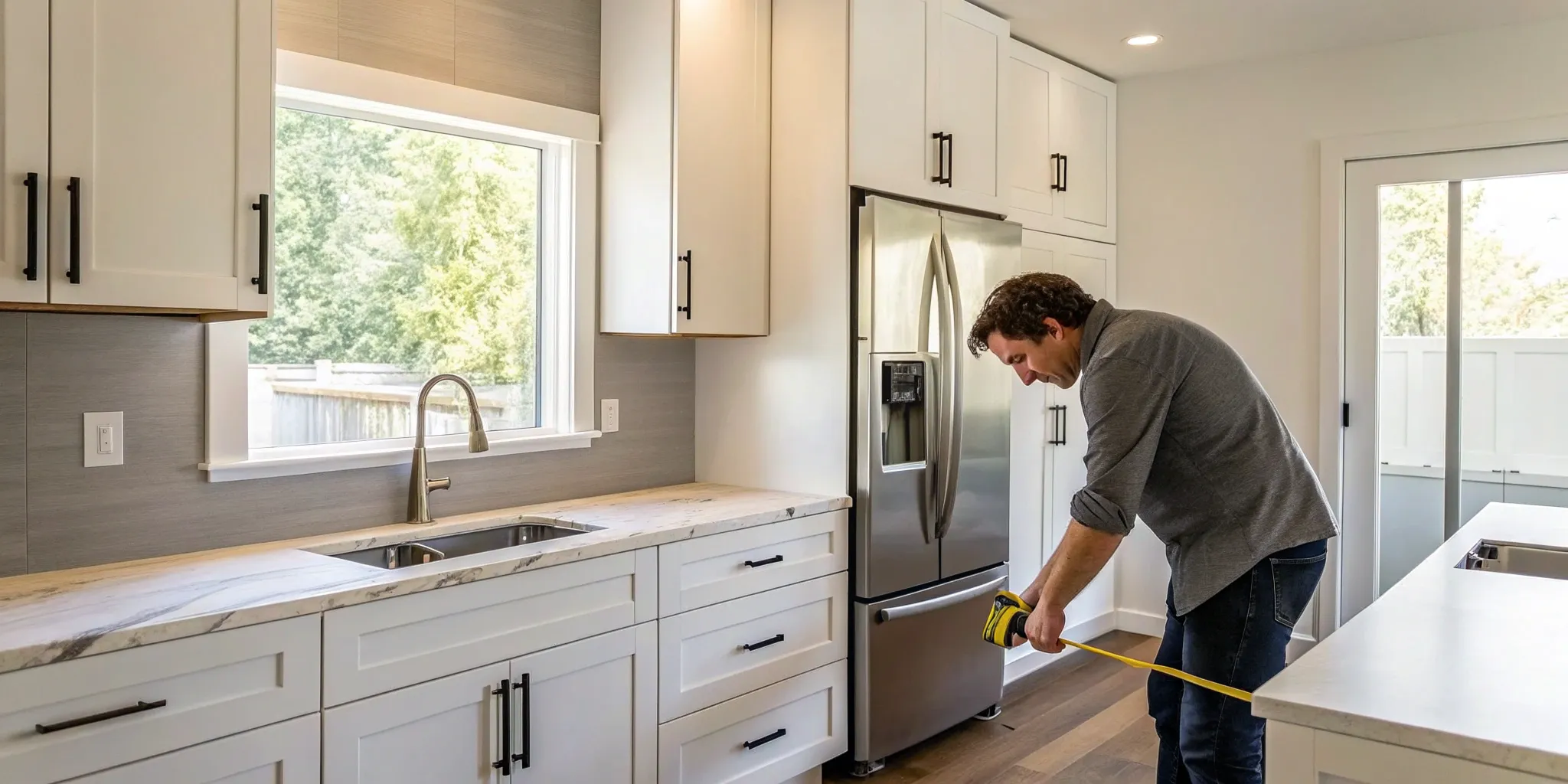
If your kitchen or bathroom update is purely cosmetic—like painting cabinets, replacing a faucet, or laying new tile—you likely won’t need a permit. However, the moment you start moving things around, the rules change. Relocating a sink, moving an electrical outlet for a new appliance, or knocking down a wall to create an open-concept space will almost always require a permit. It's a common myth that if your contractor doesn't mention a permit, you don't need one. Ultimately, the responsibility falls on you, the homeowner, to ensure your project is compliant with local building codes.
Additions and Structural Work
This is the big one. Any project that changes your home’s footprint or alters its core structure is guaranteed to need a permit. This includes building an addition, adding a second story, or even removing a load-bearing wall. These projects require detailed architectural plans and engineering calculations to be submitted to your local building department for approval. Because they are so complex, they often require multiple permits—a general building permit, plus separate ones for the electrical, plumbing, and mechanical work involved. This is where having expert guidance becomes essential to keep everything on track.
Electrical, Plumbing, and HVAC Updates
Think of any work happening behind your walls. Major electrical, plumbing, or HVAC (heating, ventilation, and air conditioning) updates typically require a permit. Why? Because faulty work in these systems can pose serious safety risks, like fires or water damage. Examples include running new electrical circuits, replacing a water heater, or installing a new furnace and ductwork. Even if the work seems straightforward, your city wants to ensure a licensed professional completes it correctly and that it passes inspection. This protects not only your home but also your family’s safety.
Small Projects That Still Need a Permit
You might be surprised by the smaller projects that often require a permit. Building a deck over a certain height, installing a fence above a specific height, or even replacing all your windows can trigger a permit requirement depending on your local rules. While it might seem like a hassle for a seemingly minor job, these permits are in place for your protection. They ensure that even small structures are built safely and that new windows meet energy efficiency and safety codes. When in doubt, it’s always best to check with an expert before you begin.
How to Plan Your Renovation Around the Permit Process
Navigating the permit process can feel like a project in itself, but with the right plan, you can keep your renovation on track. Thinking about permits early helps you create a more accurate timeline and budget, saving you from stressful surprises down the road. Here’s how to factor the permitting process into your renovation plans from day one.
Coordinating With Your Contractor
You don’t have to become a permit expert overnight. Your best resource is a local professional who deals with the building department regularly. Your contractor, architect, or engineer will have firsthand experience with how long permits typically take in your city. They can offer a realistic estimate based on their past projects and current workloads at the local office. When you work with vetted professionals, they can anticipate potential roadblocks and prepare your application to meet specific local requirements, which is a huge advantage. Lean on their expertise to set your project up for success.
Setting Realistic Timelines
The time it takes to get a building permit can vary wildly. Depending on your project's complexity and your city's efficiency, you could be waiting anywhere from a few weeks to several months. In online forums, homeowners have reported wait times ranging from two weeks to two years. While that’s a massive range, the key takeaway is to be prepared for a marathon, not a sprint. The effort you and your team put into submitting a complete and accurate application plays a huge role. A well-prepared submission is much less likely to get stuck in a cycle of revisions and reviews.
Budgeting for Permit Fees and Delays
Permit fees are an essential line item in your renovation budget. These costs are usually calculated based on the value or square footage of your project and are paid once your plans are approved. But the official fees aren’t the only potential costs. Delays in the permit process can also impact your budget by pushing back start dates and potentially affecting contractor schedules. The most common reason for delays is an incomplete or incorrect application. To avoid these common pitfalls, double-check that every form is filled out and all required documents are included before you submit anything.
Related Articles
- What Renovations Require a Permit? A Simple Guide
- What Happens If You Build Without a Permit?
- How to Apply for a Building Permit for a Home Addition
- 4 Factors That Affect Deck Building Permit Cost
- Garage Conversion Permits: Your Complete Guide
Frequently Asked Questions
Who is actually responsible for getting the permit—me or my contractor? While many general contractors will manage the paperwork as part of their service, the ultimate legal responsibility for the project falls on you as the homeowner. It's crucial to have a clear conversation with your contractor before any work begins to decide who will handle the permit submission. Get this agreement in writing so there’s no confusion. Never assume it’s being taken care of; it’s your home, so you’ll want to be sure it’s done right.
Do I really need a permit for something small, like replacing my windows? You might be surprised. While simple cosmetic changes like painting don't require a permit, many seemingly small projects do. Replacing all of your windows, building a deck over a certain height, or even installing a new water heater often requires official approval. Every city has different rules, so the safest bet is to check with your local building department or a trusted professional before you start any work, no matter how minor it seems.
What's the first step I should take to start the permit process? Your best first move is to have a clear and detailed plan for your project. Before you can even think about filling out forms, you need to know exactly what you want to build. Once you have a solid plan, you can schedule a preliminary meeting with your local building department to discuss the project. This gives you a chance to ask questions and understand the specific requirements for your application from the start.
Is it possible to get a permit after the work is already done? Getting a retroactive permit is sometimes possible, but it's a process you want to avoid. It's often expensive, stressful, and can involve paying hefty fines. Inspectors may even require you to open up finished walls or tear out completed work so they can verify that everything meets code. It is far simpler and more cost-effective to secure the proper permits before you begin construction.
How much should I budget for permit fees? Permit costs vary widely because they are usually calculated based on the total value or square footage of your renovation. A smaller project might only cost a few hundred dollars in fees, while a major addition could run into the thousands. You can typically find a fee schedule on your local building department's website. Don't forget to also budget for the cost of creating the professional plans required for the application.


































.png)













.png)