Backyard Office Pod California: A Complete Guide
Find the best backyard office pod California options, costs, and tips for installation, permits, and design to create your ideal work-from-home space.
|
December 23, 2025
In this article:
Adding a structure to your property is a big decision, and you want to know it’s a smart investment. A backyard office is more than just a place to work; it’s a flexible space that adds real value to your home. It can serve as a quiet studio, a home gym, or even a guest room, making your property more functional and appealing. But how much does it cost, and what’s the potential return? We’ll break down the budget, explore financing options, and look at the top models available. This guide will help you understand the full financial picture of adding a backyard office pod California homeowners are investing in.
Key Takeaways
- Plan for the whole project, not just the pod: A successful backyard office requires thinking through permits, site preparation, and utility connections from the very beginning to ensure a smooth process and accurate budget.
- Prioritize quality construction for a comfortable, lasting workspace: Look for durable materials, proper insulation, and solid electrical work to create a functional space you can use year-round, not just a glorified shed.
- Choose a versatile design to ensure your pod adds value for years: Think beyond a simple office and consider how a flexible space can adapt to your future needs, whether as a gym, studio, or guest room, maximizing your investment.
What is a Backyard Office Pod?
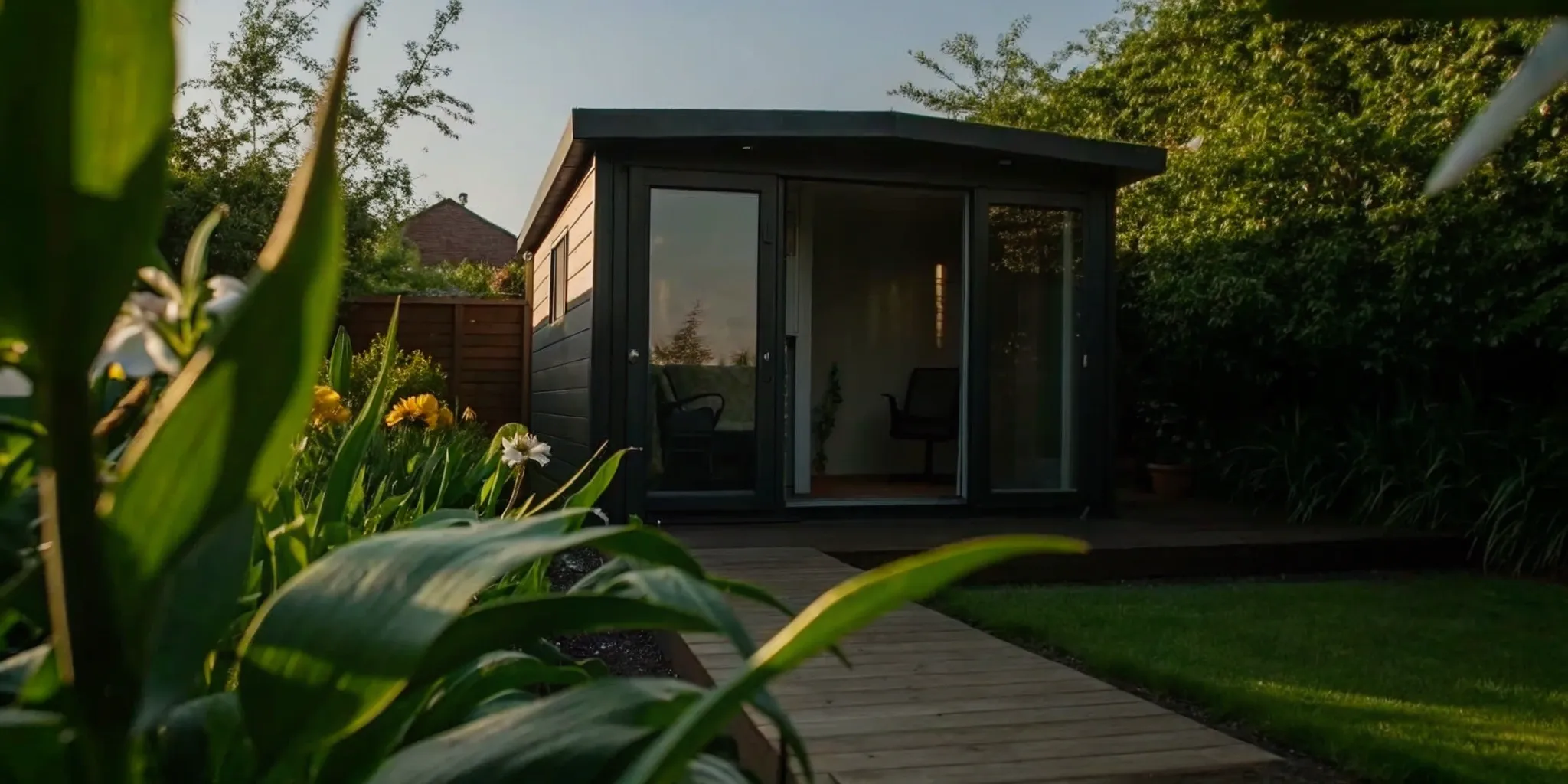
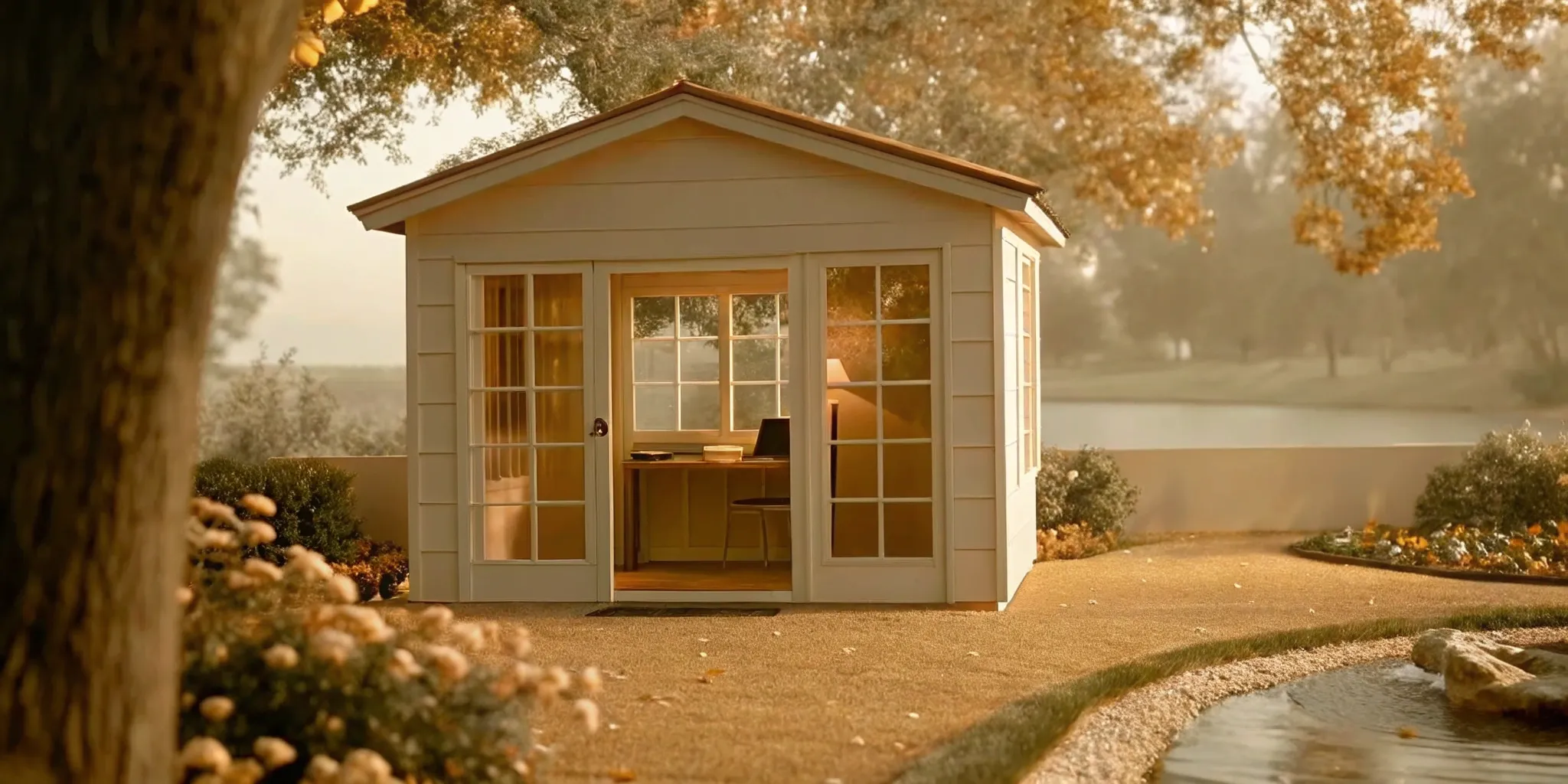
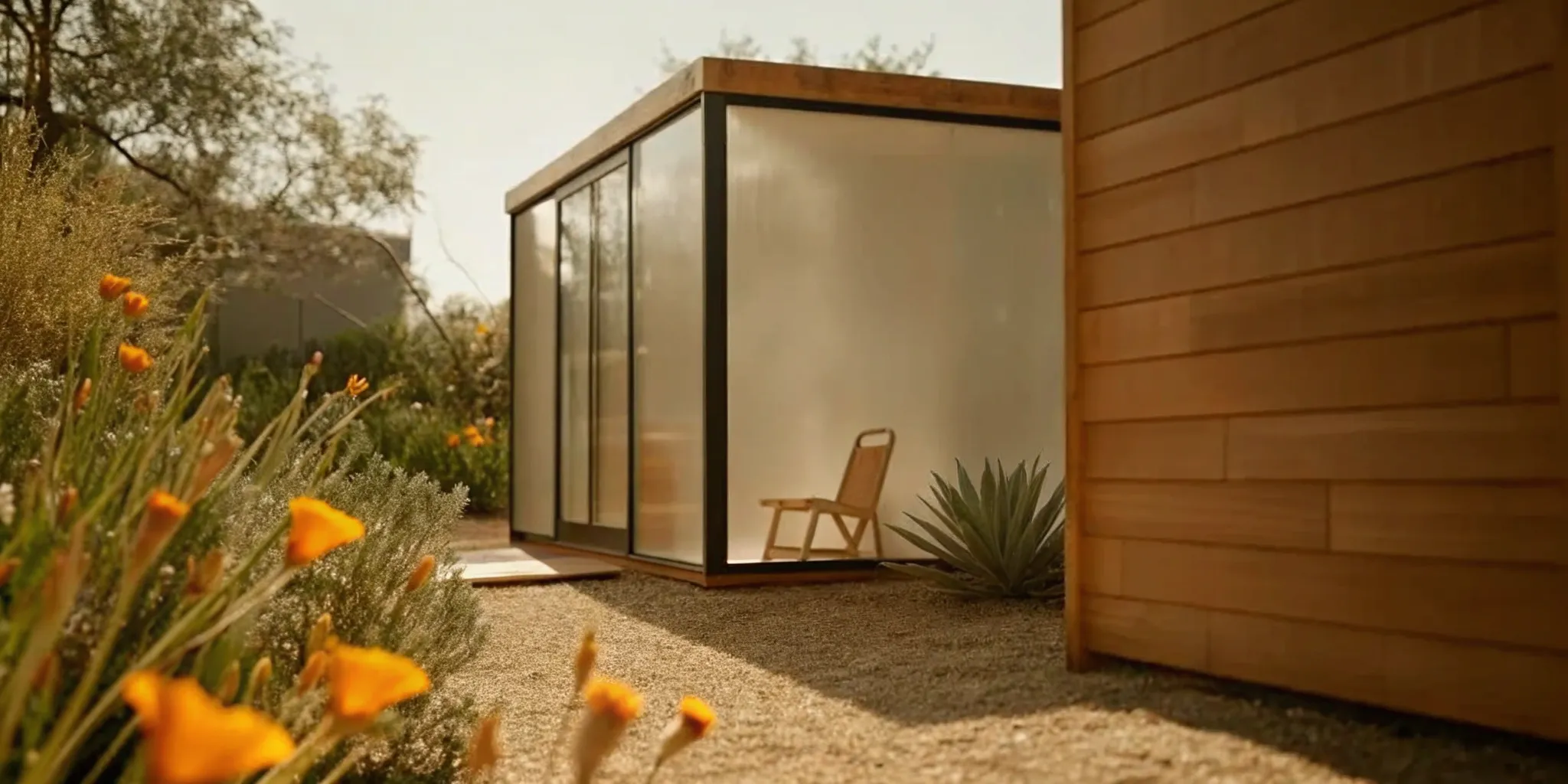
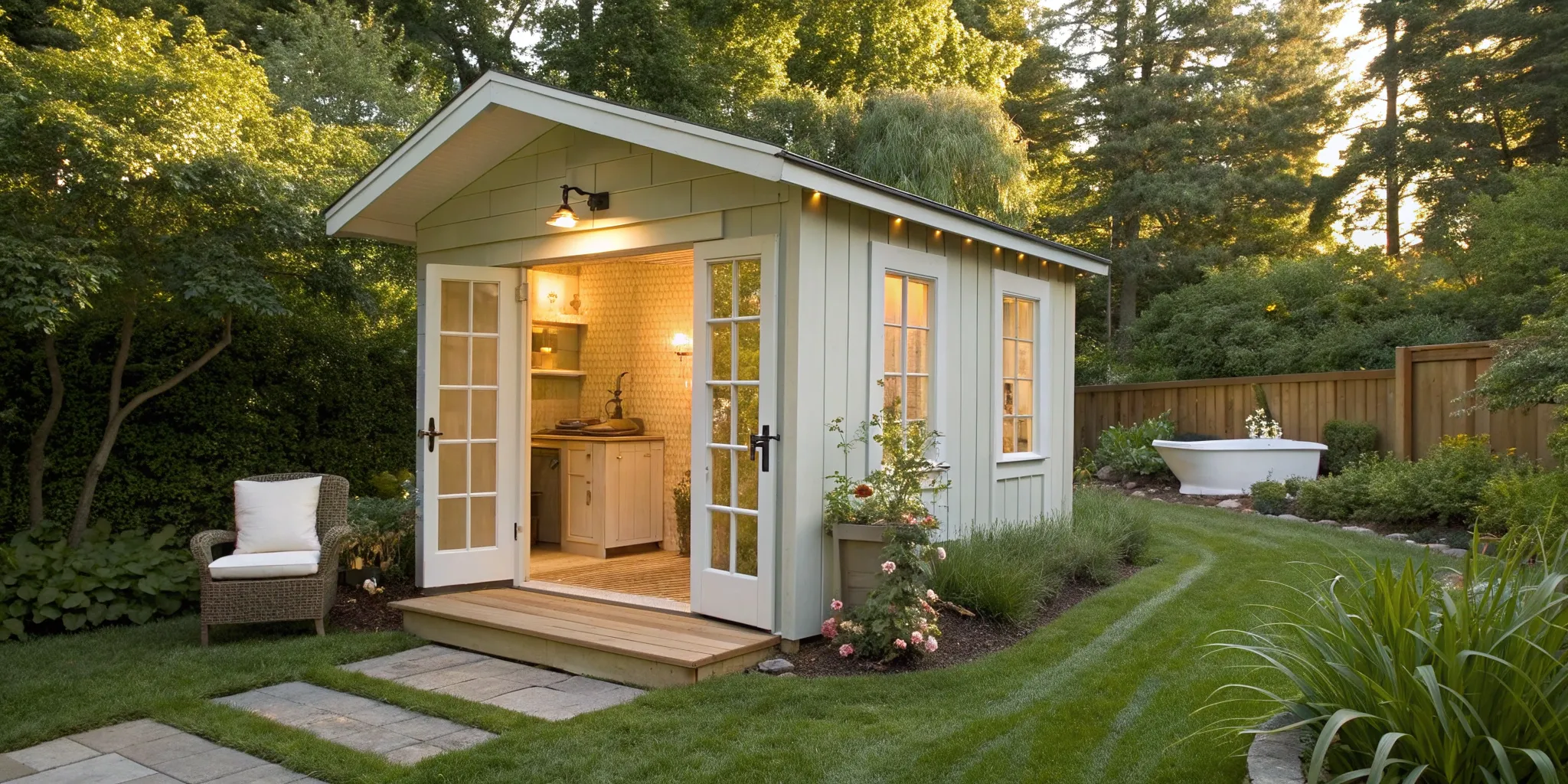
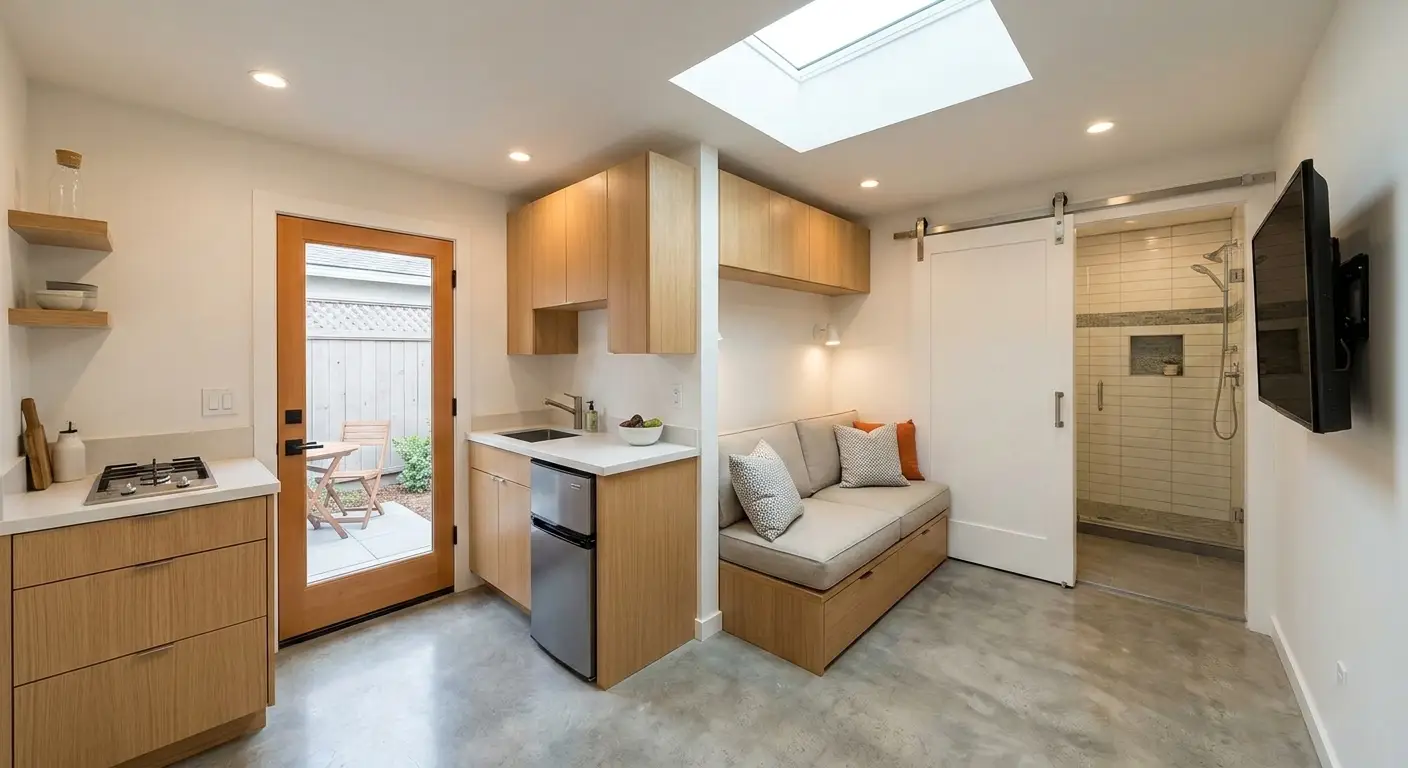
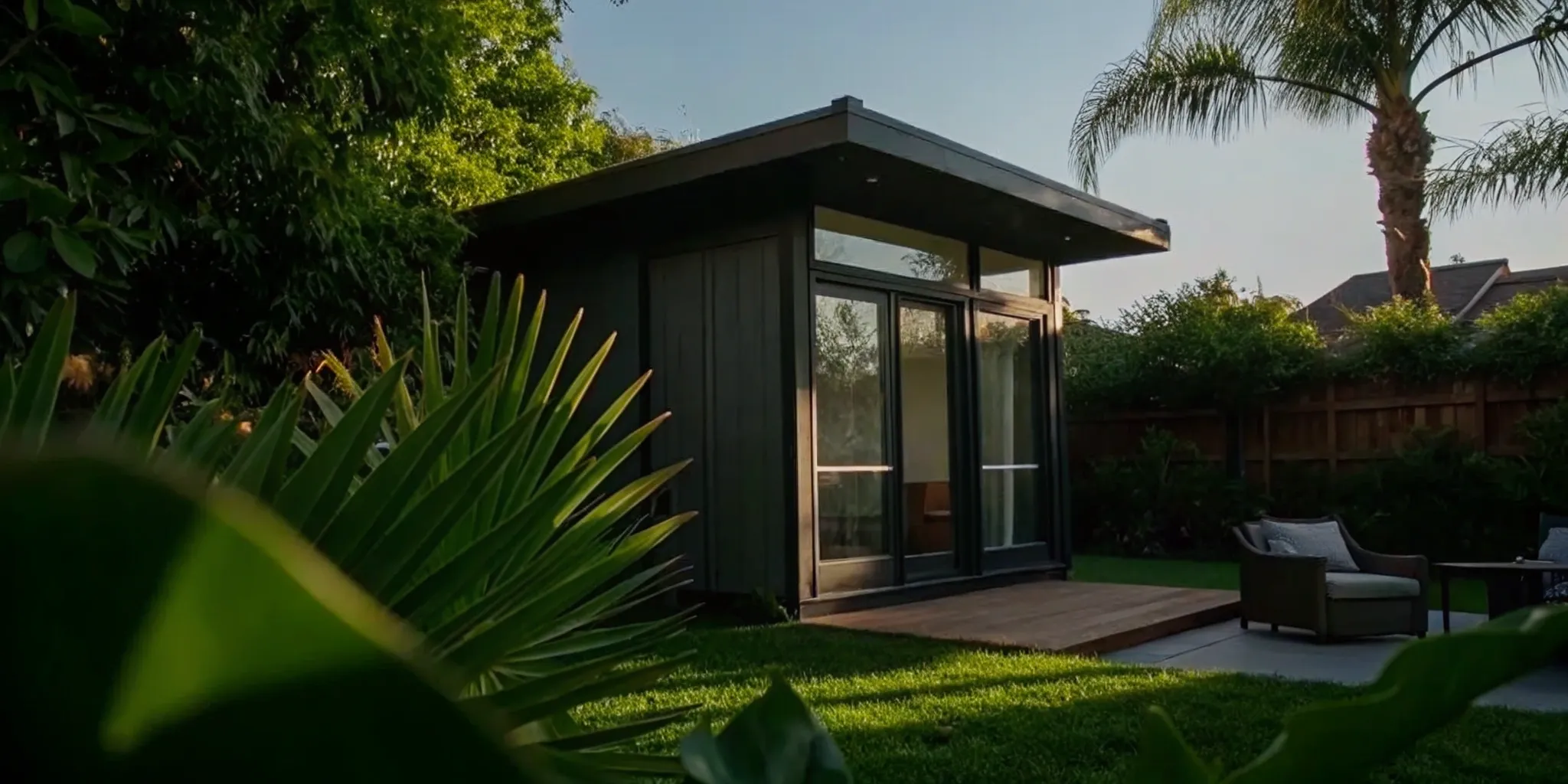
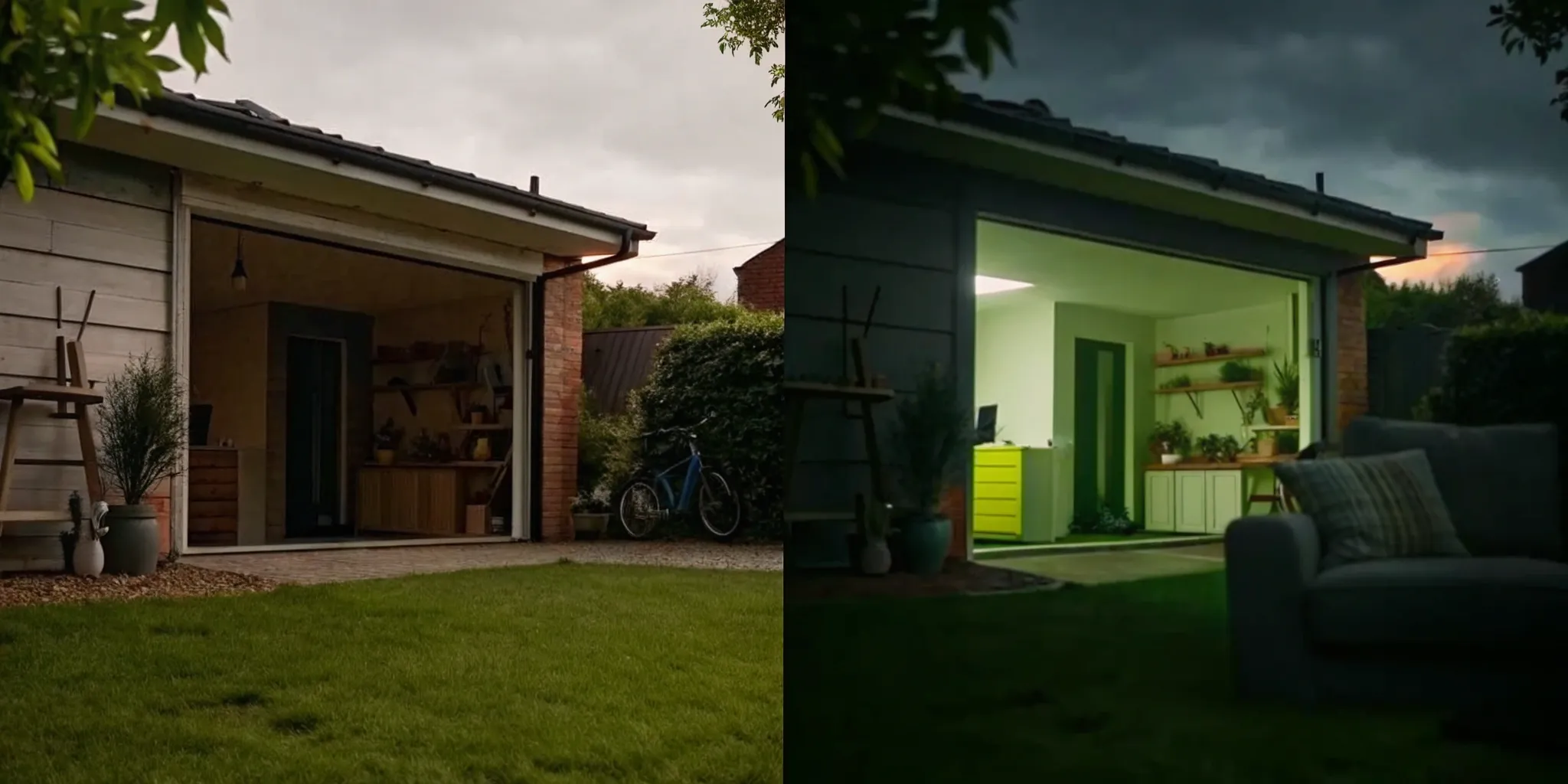
If your work-from-home setup has slowly taken over your living space, you’ve probably dreamed of a separate, dedicated office. A backyard office pod is exactly that: a pre-built, standalone structure designed to be a professional workspace right in your yard. Think of it as a high-quality, miniature outbuilding that’s worlds away from a simple storage shed. These versatile pods aren’t just for work; they can easily become an art studio, a home gym, a quiet reading nook, or a creative space for your hobbies.
Unlike a DIY shed project, a true backyard office is a finished, comfortable room built for year-round use. A successful project involves more than just placing a box in your yard. It requires a proper foundation, professional electrical wiring for your computer and lights, and good insulation to keep you comfortable. Getting these details right is what transforms a basic structure into a functional extension of your home. That’s why planning your project with an expert from the start ensures your new office is safe, durable, and ready for work the day it’s installed.
Key Features of a Modern Office Pod
Modern office pods are designed for comfort and durability. They are typically built with strong steel frames, high-quality interior and exterior finishes, and thick insulation to handle both hot summers and cool winters. Most are prefabricated, meaning they’re built off-site in a factory and then delivered and installed in your yard, which minimizes construction disruption at your home. Key features often include large windows for natural light, built-in electrical outlets and lighting, and secure, locking doors. These elements come together to create a space that feels like a real room, not just an afterthought, giving you a professional environment that’s built to last.
Why a Backyard Office Might Be Right for You
The biggest advantage of a backyard office is the ability to create a clear boundary between your work life and your home life. Having a separate space helps you focus during the day without household distractions and allows you to mentally "leave work" by simply walking back to your house. This separation can dramatically improve your productivity and restore a sense of peace to your home. For many homeowners, the dedicated space and quiet environment are exactly what they need to do their best work, making it a smart investment in both their career and their well-being. Realm’s dedicated advisors can help you explore if a pod is the right fit for your property and lifestyle.
The Best Backyard Office Pods in California
With so many backyard office pods on the market, finding the right one for your California home can feel like a full-time job. You need a space that not only fits your yard but also your budget and work style. A dedicated office pod can be a game-changer, giving you a quiet, separate space to focus without the commute. It’s the perfect solution for creating a clear boundary between your work life and home life, which is more important than ever.
But where do you even start? The options range from simple, pre-built units to fully custom designs. You have to consider materials, insulation, electrical hookups, and whether you’ll need a permit. At Realm, we're all about simplifying home projects, and that includes finding the best products and partners for your renovation. We’ve spent time looking into the top contenders in California to see who delivers on quality, design, and customer experience. We evaluated them based on their construction, ease of installation, customization options, and overall value, so you can feel confident in your choice. Think of this as your curated shortlist for creating the perfect backyard workspace.
Realm's Top Picks
When it comes to creating a productive workspace in your backyard, several options stand out in California. We've narrowed down the list to a few top picks that consistently deliver on their promises. These companies offer a great mix of style, durability, and thoughtful features. Whether you're looking for a turnkey solution that arrives ready to go or a customizable shed you can design from the ground up, there's something here for you. Each of these pods combines functionality with great aesthetics, making them an excellent choice for homeowners ready to invest in a dedicated office space that will last for years to come.
Wellmade Sunset Mini
The Wellmade Sunset Mini is a fantastic pre-built backyard office that can also pull double duty as an art studio or pool room. It’s designed for a quick and easy installation, which means it often doesn't require a building permit, saving you time and hassle. The all-inclusive price is a huge plus, as it covers the structure itself, delivery, taxes, and full installation within California. This transparent pricing makes budgeting much simpler. It also comes with a 5-year warranty that covers major parts and some cosmetic issues, giving you peace of mind about your investment and ensuring your new space is protected.
LiveLarge PODS
LiveLarge PODS are incredibly versatile pre-built structures perfect for a home office, gym, or even a quiet yoga space. They are built with strong steel frames, high-quality finishes, and thick insulation, ensuring they are both durable and comfortable no matter the season. The two main models, POD PRO and POD MAX, each offer 120 square feet of customizable space, giving you a blank canvas to work with. This makes them a great option if you’re looking for a functional and stylish backyard addition that you can truly make your own. Their solid construction means you're getting a space that's built to last.
Studio Shed
If you want full control over the design, Studio Shed specializes in customizable backyard office solutions that can be tailored to meet your exact needs. Their focus on high-quality materials and energy-efficient designs makes them a popular choice for homeowners who want a sustainable and stylish workspace. With a variety of sizes and configurations available, Studio Shed gives you the creative freedom to build a personalized office that fits perfectly into your backyard. You can choose everything from the window placement to the interior finishes, creating a space that truly reflects your personal style and workflow.
Autonomous WorkPod
If focus is your top priority, the Autonomous WorkPod is designed to provide a quiet and productive workspace. It comes packed with features like soundproofing, smart technology, and an ergonomic design to help you stay on task without interruptions. This pod is ideal for remote workers who need a dedicated office away from the distractions of the main house. Its modern, minimalist look and advanced features make it a standout option for anyone looking to create a high-performance work-from-home environment. It’s a turnkey solution for getting straight to work.
How Much Does a Backyard Office Pod Cost in California?
Figuring out the budget for a backyard office is one of the first, and biggest, steps. The total cost can vary quite a bit, depending on the size, materials, and level of customization you’re looking for. A simple, pre-fabricated pod will have a different price tag than a fully custom-built studio with a bathroom and kitchenette.
Think of it like buying a car—there’s a base model, but you can add features that affect the final price. The good news is that there are options for different budgets. The key is to understand all the potential costs upfront so you can plan effectively. From the price of the pod itself to site preparation and utility hookups, we’ll break down what you can expect to spend on your new backyard workspace.
Understanding the Base Price
The base price for a backyard office pod in California typically covers the structure itself. For example, a pre-built unit like the Wellmade Sunset Mini might have an all-inclusive price of around $37,800 that covers the shed, delivery, taxes, and installation. Other companies might offer a lower initial price that only includes the pod, with delivery and installation as separate line items.
Most pre-built pods, like the popular 120-square-foot LiveLarge PODS, are designed to fall under the size that requires extensive permitting, which helps manage costs. When you get a quote, always ask for a detailed breakdown to see what’s included. Does it cover the foundation? Electrical wiring? Interior finishes? Knowing this will help you compare different options accurately.
How to Pay for Your Pod
You don’t have to pay for your new office pod entirely out of pocket. Many homeowners use financing to make the project more manageable. Because a backyard office can add value to your property, several loan options are available. These often include a home equity line of credit (HELOC), a home equity loan, or a cash-out refinance.
Some pod manufacturers also offer their own financing solutions. Through partnerships with lenders, they can provide flexible financing options that are specifically designed for these types of projects. In some cases, you can finance up to 100% of the project, rolling the cost of the pod, installation, and other expenses into a single loan. This makes it easier to manage your budget without dipping into your savings.
Planning for Additional Costs
The price of the pod isn’t the final number. You’ll need to budget for a few other essential expenses to get your office up and running. First is site preparation, which might involve leveling the ground or clearing landscaping. You’ll also need a foundation, which could be a concrete slab or a pier system.
Next, consider utility connections. Running electricity and an internet line from your main house to the pod will likely require hiring a licensed electrician. Finally, don’t forget about permits. While many pods are designed to avoid needing a permit, you should always check local rules for your specific city or county. A partner like Realm can help you create a comprehensive budget that accounts for these costs from the start.
Do You Need a Permit for a Backyard Office in California?
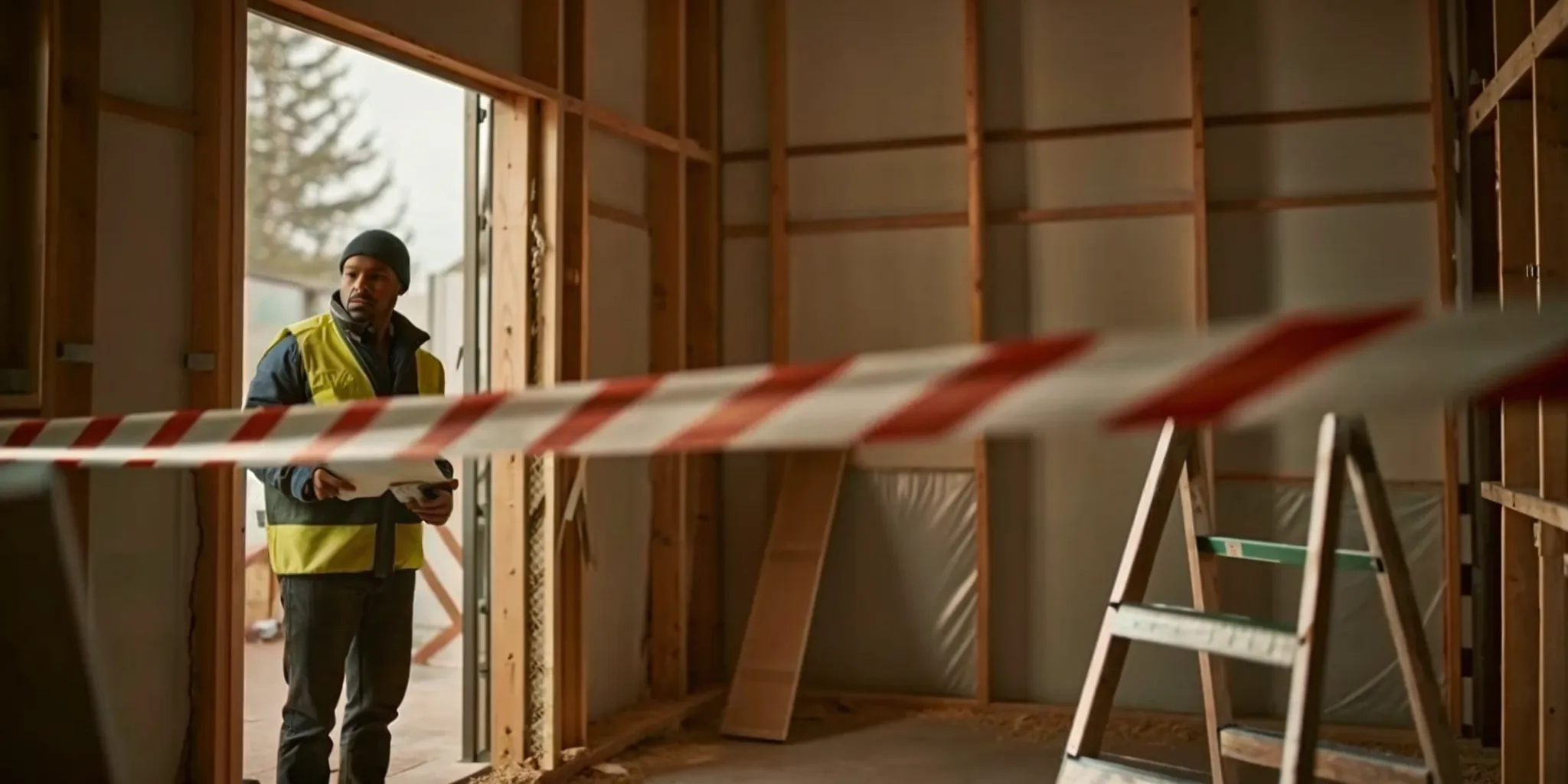
Figuring out permits can feel like the most daunting part of any home project, but it doesn’t have to be. The short answer is: you might need a permit. It really depends on the size of your office pod, where you live in California, and your specific property rules. Think of a permit as official permission from your local government to build, ensuring your new structure is safe and up to code.
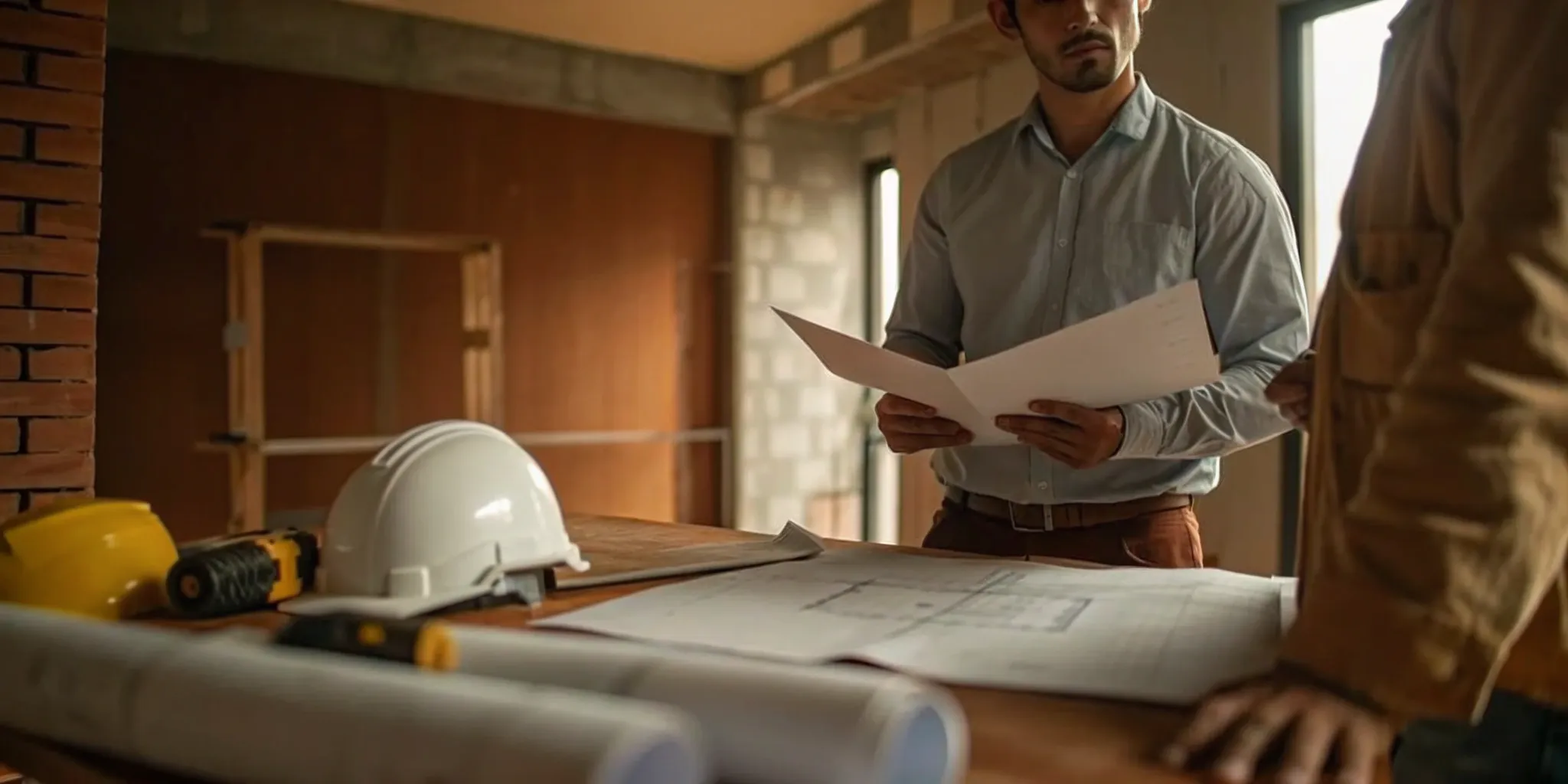
While it’s tempting to skip this step, especially for what seems like a simple backyard addition, getting it right from the start will save you from potential fines, headaches, and even having to remove the structure later. The rules are in place to protect you, your property, and your neighbors. Working through these regulations is a key part of the process, and it’s where having an expert in your corner can make all the difference. A dedicated advisor can help you understand exactly what’s required for your project, taking the guesswork out of the equation. Let’s break down the main things you’ll need to consider.
When a Permit is Required
Generally, the larger the structure, the more likely you are to need a permit. Many California cities allow for small accessory structures—often under 120 square feet—to be built without one, provided they meet other conditions like not having plumbing or permanent electrical wiring. However, this is not a universal rule. A smaller 8'x10' pod might be exempt in one city but require a full permit in the next. Your first and most important step is to check directly with your local city or county building department. They have the final say and can give you clear, specific information for your area.
Checking Local Zoning Laws
Beyond the building permit itself, you’ll need to understand your local zoning laws. These are the rules that govern how land in your neighborhood can be used. They control things like the maximum size and height of your office pod and exactly where you can place it on your property. For example, zoning laws might dictate that you can’t build any structure that covers more than a certain percentage of your backyard. Because these regulations can be very different from one town to the next, you’ll need to research the specific codes for your address before you even think about buying a pod.
Foundation and Setback Rules
Two other important terms you’ll come across are "foundation" and "setback." Setback rules define how far your office pod must be from your property lines, your main house, and other buildings. This is to ensure privacy, access, and safety for everyone. You can’t just place your pod right up against your neighbor’s fence. Foundation requirements also play a role. A pod resting on a simple, on-grade base might have different rules than one installed on a permanent concrete slab. A permanent foundation is often considered a more lasting structure and is more likely to require a permit from your city.
Don't Forget Your HOA
If you live in a community with a Homeowners Association (HOA), you have an extra layer of rules to follow. Your HOA’s guidelines are completely separate from the city’s regulations, and they are often much stricter. They might have specific rules about the exterior look, color, size, and placement of any backyard structures to maintain a uniform neighborhood aesthetic. Before you do anything else, review your HOA documents and get written approval for your project. This will prevent any future disputes with your neighbors and ensure your new office pod is a welcome addition to the community.
What to Look For in an Office Pod
Once you’ve sorted out the logistics, the fun part begins: choosing the perfect pod. But with so many options on the market, it’s easy to get overwhelmed. A backyard office is a significant investment in your home and your work life, so it’s important to look beyond the pretty pictures. The right pod is more than just a box in your yard; it’s a comfortable, functional, and durable space. Let’s walk through the key features to consider so you can find a pod that truly works for you.
Finding the Right Size and Layout
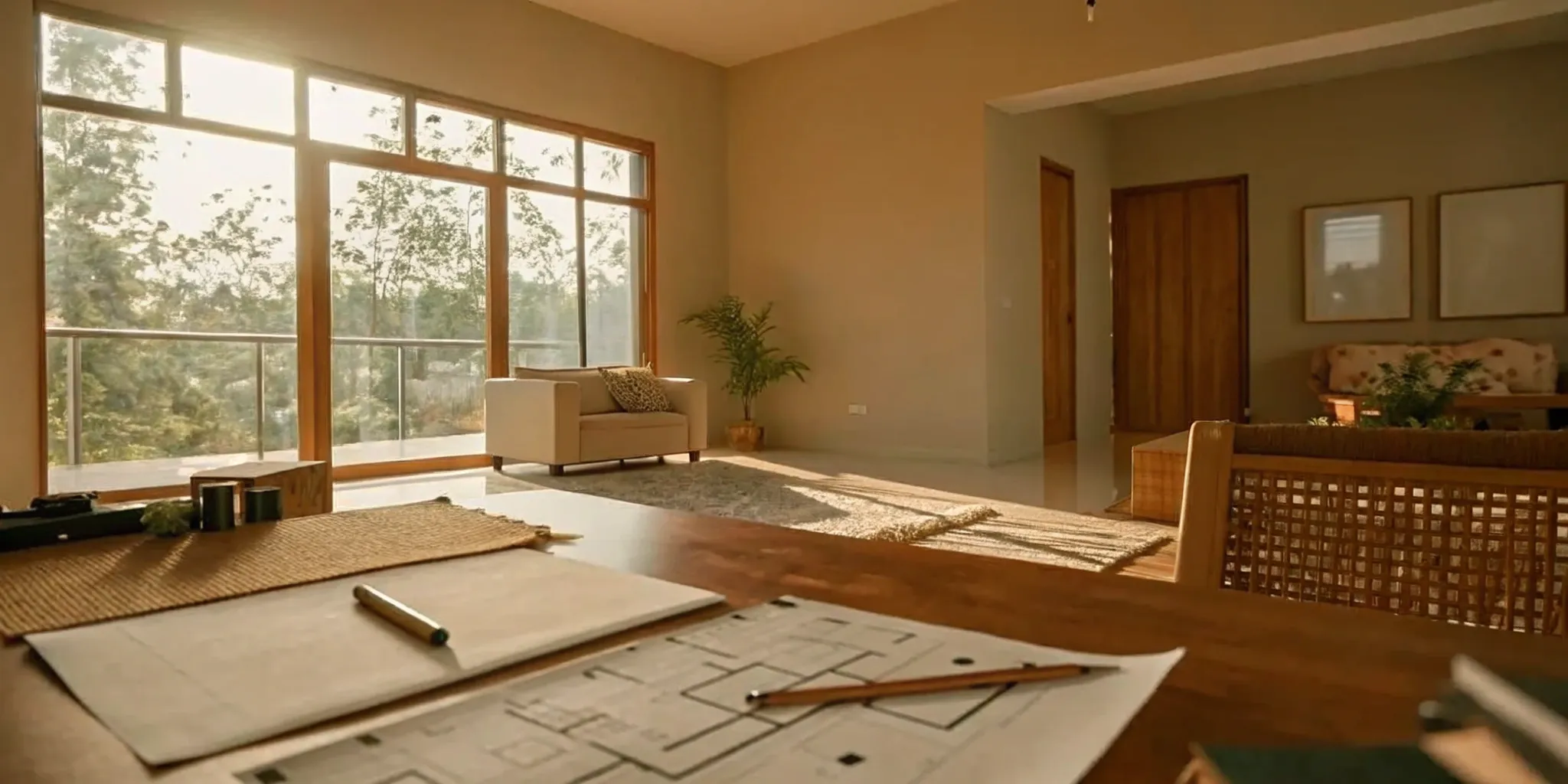
It’s tempting to think a small, simple pod is all you need, but it’s wise to plan for the future. As one pod manufacturer notes, "It's quite common for people to start out thinking they just want a small office pod for themselves and then the idea has grown into a much larger space." Think about how you’ll use the space not just today, but a year from now. Will you need room for a client chair, extra storage, or maybe a small sofa for coffee breaks? Before you commit, grab some painter's tape and map out your ideal furniture layout in your yard. This simple step helps you visualize the space and ensure you won’t feel cramped. A thoughtful layout can make even a compact pod feel spacious and productive.
Insulation and Climate Control
To get year-round use from your office, you need to think beyond four walls and a roof. A true backyard office pod needs proper insulation and climate control to keep you comfortable whether it’s a hot summer afternoon or a chilly winter morning. Proper insulation isn’t just about comfort; it also makes your pod more energy-efficient, saving you money on heating and cooling bills. Look for models with high-quality insulation in the walls, floor, and ceiling. For climate control, a mini-split system is a popular choice because it provides both heating and air conditioning. Good ventilation and strategically placed windows also play a huge role in maintaining a pleasant work environment.
Smart Tech and Connectivity
In a modern workspace, reliable technology is non-negotiable. Your pod should come ready with all the necessary electrical wiring for your computer, lighting, and other devices. But why stop there? Many modern pods are built with smart technology integrated from the start, including features like smart climate control, lighting, and sound systems. The most critical piece is a strong internet connection. You may need to run an ethernet cable from your house or install a mesh Wi-Fi extender to ensure you have a stable signal for video calls and large file transfers. These tech-forward features help create a seamless and efficient workspace that’s truly ready for the future.
Quality Materials and Construction
Don’t fall for the myth that office pods are just glorified sheds with flimsy walls. A well-built pod uses durable, high-quality materials designed to last for decades with minimal maintenance. Look for strong frames made from steel or high-grade lumber, weather-resistant siding, and double-paned windows that help with both insulation and soundproofing. Solid construction means you can confidently mount shelves, monitors, and whiteboards without worrying about structural integrity. When you work with an advisor, they can help you vet different models and ensure you’re investing in a structure that’s built to the same standards as a traditional home addition.
How to Choose the Best Spot in Your Yard
Choosing the perfect location for your backyard office is a big decision that will have a major impact on its functionality and your comfort. It’s about more than just finding a flat piece of ground. You need to think about how you’ll use the space day-to-day. The right spot can make your pod feel like a seamless extension of your home, while the wrong one can create daily frustrations. Before you break ground, consider how factors like your daily routine, need for privacy, and even the sun's path will shape your experience. Let's walk through the key things to consider.
Access to Your Home and Utilities
Proximity to your main house is a practical detail you won't want to overlook. You'll want to pick a spot that's close enough so you can easily pop inside for a coffee refill or to use the restroom without it feeling like a trek. This is also a major factor for your budget. The further your pod is from your house, the more it will cost to run utility lines for electricity, heating, cooling, and internet. A shorter distance means a simpler, more affordable connection process. Thinking through these logistics is a key part of the planning process, ensuring there are no surprises down the road.
Finding a Quiet, Private Location
Your new office should be a sanctuary for focus. If you're planning to use it as a workspace, you'll want to make sure it's in a location that's private enough so you can concentrate and get things done. Take a walk around your yard and listen. Is one area shielded from street noise? Is another spot tucked away from your neighbor’s chatty patio or your kids’ favorite play area? Also, consider the view from your pod’s windows and the view of your pod from the main house. A little strategic placement, perhaps using existing trees or fences, can create the perfect mental separation between home life and work life.
Working with Sunlight and Shade
The California sun is a huge asset, but it can also be a challenge. Pay attention to how sunlight moves across your yard throughout the day. A spot that gets gentle morning light might be perfect, while a location that bakes in the direct afternoon sun could turn your pod into a sauna. Think about window placement, too. You don't want intense glare on your computer screen all day. As you plan your layout, consider the placement of your furniture when deciding where your door and windows will be. Existing trees, awnings, or even a well-placed pergola can provide necessary shade and help keep your new workspace comfortable year-round.
What to Expect on Installation Day
The day your backyard office pod arrives is when your vision truly starts taking shape. While the on-site build is surprisingly quick, a smooth installation day is all about the prep work you do beforehand. Knowing what to expect will help you coordinate with your build team and ensure everything goes off without a hitch. From laying the groundwork to flipping the light switch for the first time, here’s a breakdown of the final steps.
Preparing Your Site and Foundation
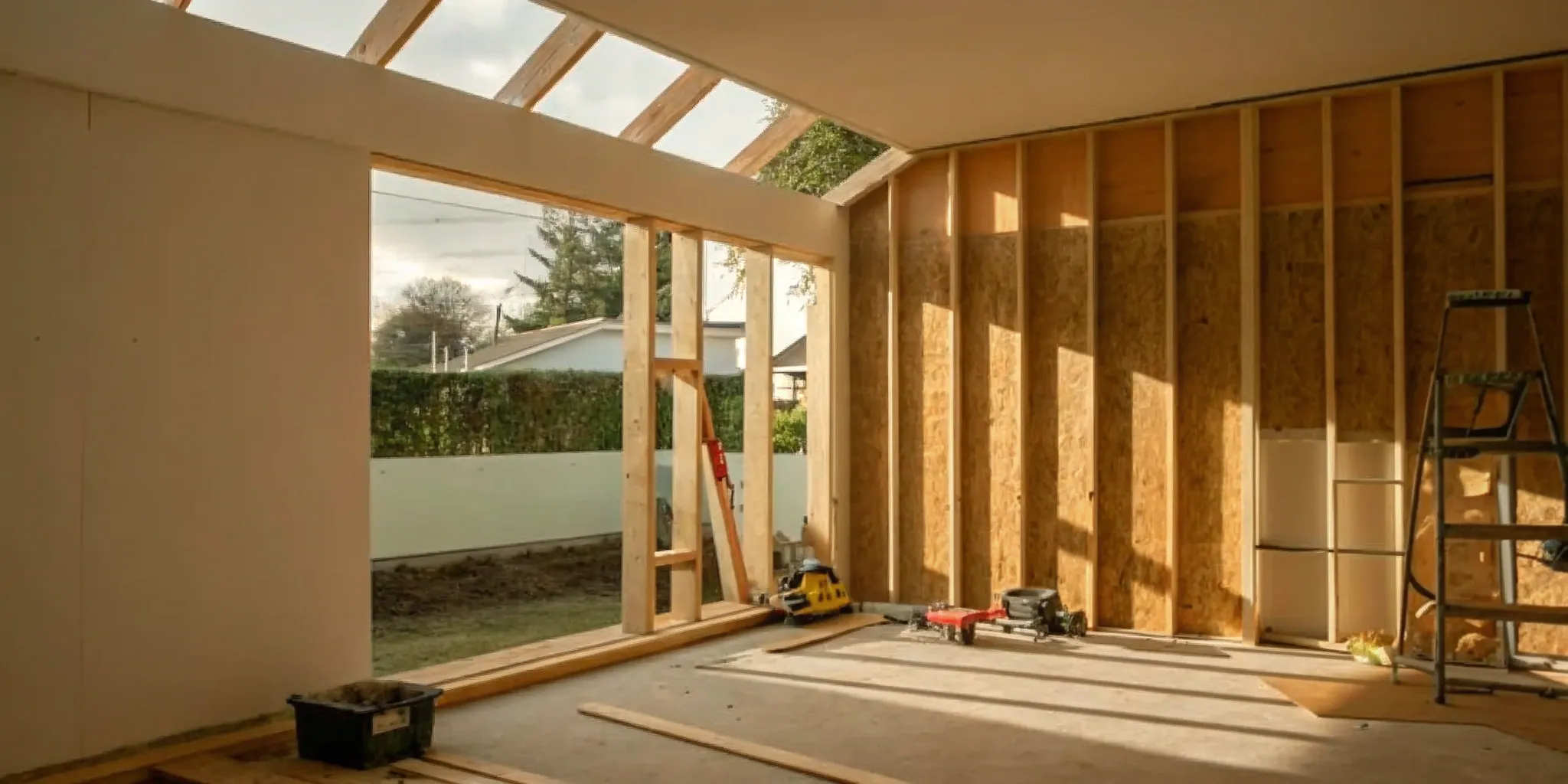
Before the first wall panel goes up, your backyard needs to be ready. A true backyard office pod requires more than just four walls; it needs a proper foundation to ensure it’s stable, level, and built to last. The first step is clearing and leveling the designated area in your yard. Depending on your pod’s design and local soil conditions, your foundation might be a concrete slab, concrete piers, or a screw pile system. Your contractor will handle the construction, but your role is to ensure the site is accessible. This is a critical step where having expert guidance makes all the difference in starting your project on solid ground.
The Installation Timeline
One of the best parts of choosing a prefabricated office pod is the speed of assembly. The installation process is fast, taking only five to eight days on your property. However, it’s important to remember that the whole project, from initial design and permitting to the final walkthrough, typically takes two to three months. The on-site work happens after the pod has been manufactured and delivered. During that week, you’ll see the structure assembled, the roof and siding installed, and the windows and doors fitted. Working with vetted professionals ensures this process stays on schedule, turning your empty yard space into a functional office in about a week.
Connecting Utilities Safely
To make your office pod truly functional, you’ll need power and internet. If you want electricity or water in your pod, you'll need to make sure the connections are safe and follow local building codes. This usually involves digging a small trench from your main house to the pod to run an electrical conduit. Because this involves your home’s main electrical panel, you must hire a licensed electrician for this work. The same goes for any plumbing. For internet, you can often use a Wi-Fi extender, but for the most reliable connection, consider running an ethernet cable through the same trench as your power line.
Common Myths About Office Pods
Backyard office pods are a fantastic solution for creating a dedicated workspace, but a lot of misinformation floats around. It’s easy to get tripped up by assumptions about their durability, size, and the rules for building one. Let’s clear up a few of the most common myths so you can move forward with your project confidently. By separating fact from fiction, you can ensure your new workspace is everything you hoped it would be.
Myth: They Aren't Built to Last
One of the biggest worries I hear is that office pods are flimsy, like a temporary shed that can’t handle much more than a desk. People assume the walls are too weak for shelves or mounting a monitor. In reality, a quality office pod is constructed with durable, high-grade materials designed to last for years. Think of it less like a shed and more like a miniature, well-built room. These structures are engineered to support the equipment you need. When you work with vetted professionals, you can be sure your pod is built with quality materials.
Myth: It's Hard to Get the Size Right
Choosing the right size for your pod can feel daunting, and many people default to thinking smaller is better. However, it’s common for homeowners to underestimate how much space they’ll actually want. While you might only need a spot for your computer now, consider your future needs. Will you want a comfortable chair for reading or extra storage? It’s wise to plan for a slightly larger space than you think you need. A good project plan will help you visualize the layout and select a size that serves you well for years to come.
Myth: You Never Need a Permit
This is perhaps the most dangerous myth out there. While some very small structures might fly under the radar, a legitimate backyard office pod is a different story. Once you add a permanent foundation, electrical wiring, and insulation, you’re often entering territory that requires a building permit. Every city in California has its own set of rules, and ignoring them can lead to fines. Before you do anything, it’s essential to understand your local building codes and zoning laws to ensure your project is fully compliant.
How to Get the Most From Your Investment
A backyard office pod is more than just a workspace; it's a significant addition to your property. Like any home project, you want to ensure it pays off in the long run, both in daily usefulness and overall home value. With a little planning and care, you can make sure your new space serves you well for years to come. Thinking about the pod’s financial implications, upkeep, and future flexibility from the start will help you maximize its potential and protect your investment.
Home Value and Tax Considerations
Adding a functional, stylish structure to your property can certainly increase its appeal to future buyers, especially in crowded urban areas where extra space is a premium. However, it’s important to understand the financial side. Depending on its features and size, some municipalities may classify your office pod as an Accessory Dwelling Unit (ADU), which could be subject to different property tax rules. Before you build, take some time to check your local regulations to see how a backyard structure might affect your taxes. This step ensures you aren't met with any surprises and can fully appreciate the value your new office adds to your home.
Simple Maintenance for Long-Term Use
Your backyard office is built to withstand the elements, but a little regular maintenance will keep it in top shape. Think of it like caring for your main house. Periodically, you’ll want to check for any signs of leaks, especially around windows and the roof after a heavy rain. It’s also a good idea to inspect the exterior finish to see if it needs a fresh coat of paint or sealant to protect it from sun and moisture. Making these small checks a part of your seasonal home maintenance routine is a simple way to ensure the pod remains a comfortable and durable space for years.
More Than an Office: Other Ways to Use Your Pod
One of the best things about a backyard pod is its versatility. While you may need it as a home office today, its function can evolve with your family’s needs. This flexible space can easily transform into a home gym, a quiet art studio, or a peaceful yoga retreat. As your kids get older, it could become a teen hangout or a music room. Some homeowners even design their pods to serve as a small guest house or a pool room. Companies like LiveLarge design their pods specifically for this kind of multi-purpose use, making them a truly valuable and adaptable addition to your property.
Related Articles
Frequently Asked Questions
How much should I really budget for a backyard office pod? While the base price for a quality pod often starts around $30,000-$40,000, it’s smart to plan for additional costs to get a true all-in number. You’ll need to factor in site preparation, a proper foundation, and the cost of hiring a licensed electrician to run power from your house. These essential steps can add several thousand dollars to your total, so be sure to get a detailed quote that breaks down every expense before you commit.
What's the first step to figuring out the permit situation for my property? Your first and most important call should be to your local city or county building department. Don't rely on general rules you find online, as regulations can vary dramatically even between neighboring towns. Ask them specifically about the requirements for an "accessory structure" of the size you're considering. This single step will give you the clearest and most accurate information, saving you from major headaches later on.
Is a backyard office a better investment than a room addition? It really depends on your goals, but a pod offers unique advantages. It's typically faster and less disruptive to install than a traditional home addition, giving you a dedicated space in a matter of months, not a year. It also creates a distinct separation between your home and work life, which is a huge benefit for focus and well-being. While a room addition adds square footage directly to your home's footprint, a stylish, functional pod is a highly attractive feature for future buyers who also work from home.
How long does the entire process take, from picking a pod to my first day working in it? While the on-site installation is surprisingly quick—often just a week—the entire project from start to finish usually takes about two to three months. This timeline accounts for the initial design choices, securing any necessary permits, manufacturing the pod off-site, and preparing your yard for its arrival. Planning ahead is key to making sure the process runs smoothly and you're in your new office on schedule.
Can I use my pod for something other than an office in the future? Absolutely. That’s one of the best things about them. A well-built pod is a flexible space that can adapt to your life. Today it might be your office, but in a few years, it could easily become a home gym, an art studio, a quiet reading room, or even a hangout space for your teenagers. Thinking about this long-term versatility from the start helps ensure you’re investing in a structure that will serve your family for years to come.












.png)



.png)