2-Bedroom House Remodel Cost: A Full Breakdown
Curious how much does it cost to remodel a 2-bedroom house? Get a clear breakdown of renovation expenses, hidden costs, and smart budgeting tips.
|
January 26, 2026
In this article:
You’ve spent hours saving inspiration photos and dreaming up the perfect look for your home. The vision is clear, but turning it into a reality brings up the one question that can stop a project in its tracks: what will this actually cost? Figuring out how much does it cost to remodel a 2-bedroom house is the bridge between your dream and a workable plan. This guide is designed to help you cross it. We’ll provide realistic cost ranges for kitchens, bathrooms, and bedrooms, explain the factors that can cause prices to climb, and share practical tips for saving money without sacrificing your vision.
Key Takeaways
- Plan for More Than Just the Obvious Costs: Your final price tag isn't just materials and labor. Remember to budget for permits, potential structural surprises, and design changes by setting aside a 10-20% contingency fund from the start.
- Control Your Budget with Smart Material Choices: You have the most power over your spending when selecting finishes. Decide where to splurge on high-impact items and where to save with stylish, cost-effective alternatives to get a high-end look without the matching price tag.
- Start with a Professional Plan: Avoid common pitfalls by getting expert input before you begin. A solid plan and a vetted contractor are your best tools for creating a realistic budget, sticking to your timeline, and ensuring the job is done right.
How Much Does It Cost to Remodel a Two-Bedroom House?
Let's get straight to the point: you want to know the bottom line. Trying to budget for a two-bedroom house remodel can feel like you're guessing in the dark, especially with so many variables at play. The final cost depends on everything from your home's location and the materials you choose to the scope of the project itself. While there’s no single magic number, looking at national averages can give you a solid starting point for what to expect. Think of these figures as a general guide to help you frame your budget before you start diving into the specifics of your project. From there, you can begin to tailor your plan to fit your home, your vision, and your wallet.
The National Average Cost
So, what's the typical price range? Across the country, a full house renovation can cost anywhere from $15,000 for light cosmetic updates to over $250,000 for a complete gut job. More specifically, remodeling multiple rooms at once usually falls between $19,000 and $88,000, with a national average of around $52,000. A smaller budget might cover fresh paint, new flooring, and updated fixtures, while a larger investment could include moving walls, reconfiguring layouts, and installing high-end finishes. Your project will likely land somewhere within this spectrum, depending on how ambitious your plans are.
Breaking It Down by Square Foot
Another helpful way to estimate your costs is to think in terms of price per square foot (psf). This metric helps you compare projects of different sizes. Generally, you can expect to pay between $15 and $150 per square foot for a remodel. A basic, cosmetic-level renovation might be on the lower end of that scale. However, a more involved full-home renovation that involves gutting spaces often starts around $75 psf and can go up to $200 psf or more for mid-grade to high-end finishes. Understanding these numbers is the first step in creating a realistic budget, and having an expert guide you through the process ensures you know exactly where your money is going.
What Factors Influence Your Remodel's Cost?
Figuring out the cost of a two-bedroom house remodel isn't as simple as pulling a single number out of a hat. The final price tag is a blend of several key ingredients, and the choices you make for each one will directly impact your budget. Think of it like cooking: the same basic recipe can result in a simple weeknight meal or a gourmet feast, depending on the ingredients you choose. Understanding these variables is the first step toward building a realistic budget and a clear plan.
From your zip code to the type of tile you fall in love with, every detail matters. The four biggest factors that will shape your renovation budget are your home’s location, the quality of materials you select, the cost of labor in your area, and the overall scope of your project. Getting a handle on these elements will help you see where your money is going and give you the power to make smart decisions that align with your financial goals and your vision for your home.
Your Location
Where you live plays a huge role in what you'll pay for a remodel. Costs for labor and materials can vary significantly from one city to another, largely driven by the local cost of living. If you're in a major metro area like the San Francisco Bay Area or Los Angeles, you can expect to pay more than someone in a smaller town. This is because demand for skilled contractors is higher, and everything from lumber delivery to permit fees simply costs more. Local building codes and permit requirements also differ by municipality, adding another location-specific layer to your overall budget.
The Quality of Your Materials
This is where you have the most control over your budget. The materials you choose will have a direct and significant impact on your total spending. For example, installing laminate countertops might be a budget-friendly choice, while opting for high-end marble or quartz will increase your costs substantially. The same goes for flooring, fixtures, cabinets, and paint. It’s helpful to think about balancing aesthetics, durability, and price. A dedicated advisor can help you explore options that fit your style without derailing your budget, ensuring you invest in quality where it counts the most.
Labor and Contractor Rates
Labor is one of the biggest line items in any renovation budget, often accounting for 20% to 50% of the total cost. These rates are influenced by your location and the specific skills required for your project. A licensed electrician or a master plumber will command a higher hourly rate than a general laborer, and rightfully so. While it can be tempting to find the cheapest bid, this is not the area to cut corners. Hiring experienced, vetted, and insured professionals is crucial for ensuring the work is done correctly and safely, saving you from expensive and stressful fixes down the road.
The Scope of Your Project
The size and complexity of your renovation—what pros call the "scope of work"—is a fundamental cost driver. Are you planning a simple cosmetic update with new paint and fixtures, or a full-gut renovation that involves moving walls, re-routing plumbing, and updating electrical systems? The more complex the job, the more it will cost in both labor and materials. It’s also important to be wary of "scope creep," where small, unplanned additions start to pile up. Defining a clear and detailed project plan from the outset is the best way to keep your project on track and on budget.
A Room-by-Room Cost Breakdown
Breaking down your remodel cost by room is a practical way to manage your budget. Each space has unique needs, and this approach helps you prioritize what matters most. Here’s a general look at what you can expect to spend on the major areas of a two-bedroom home.
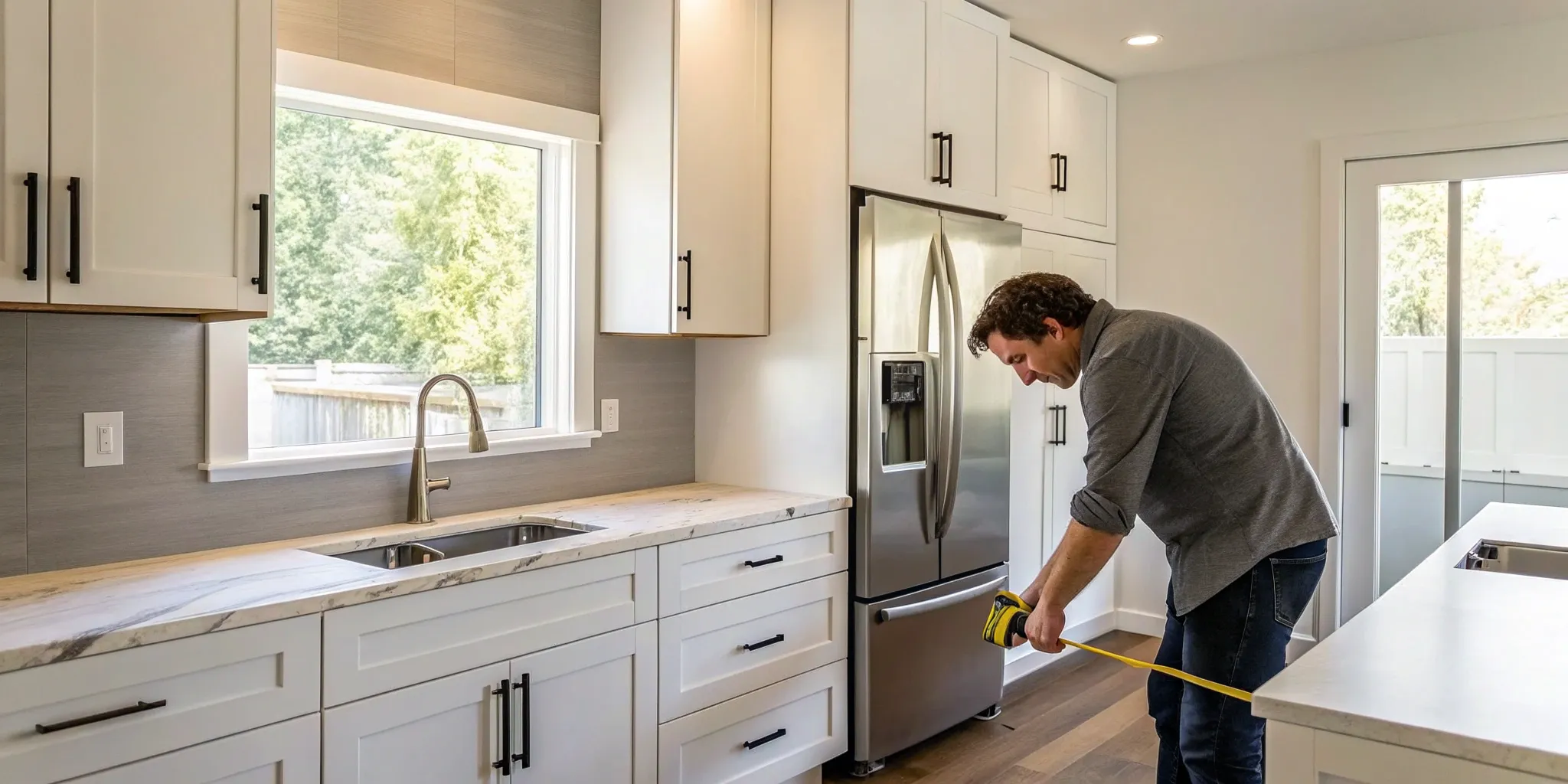
Kitchen Remodel Costs
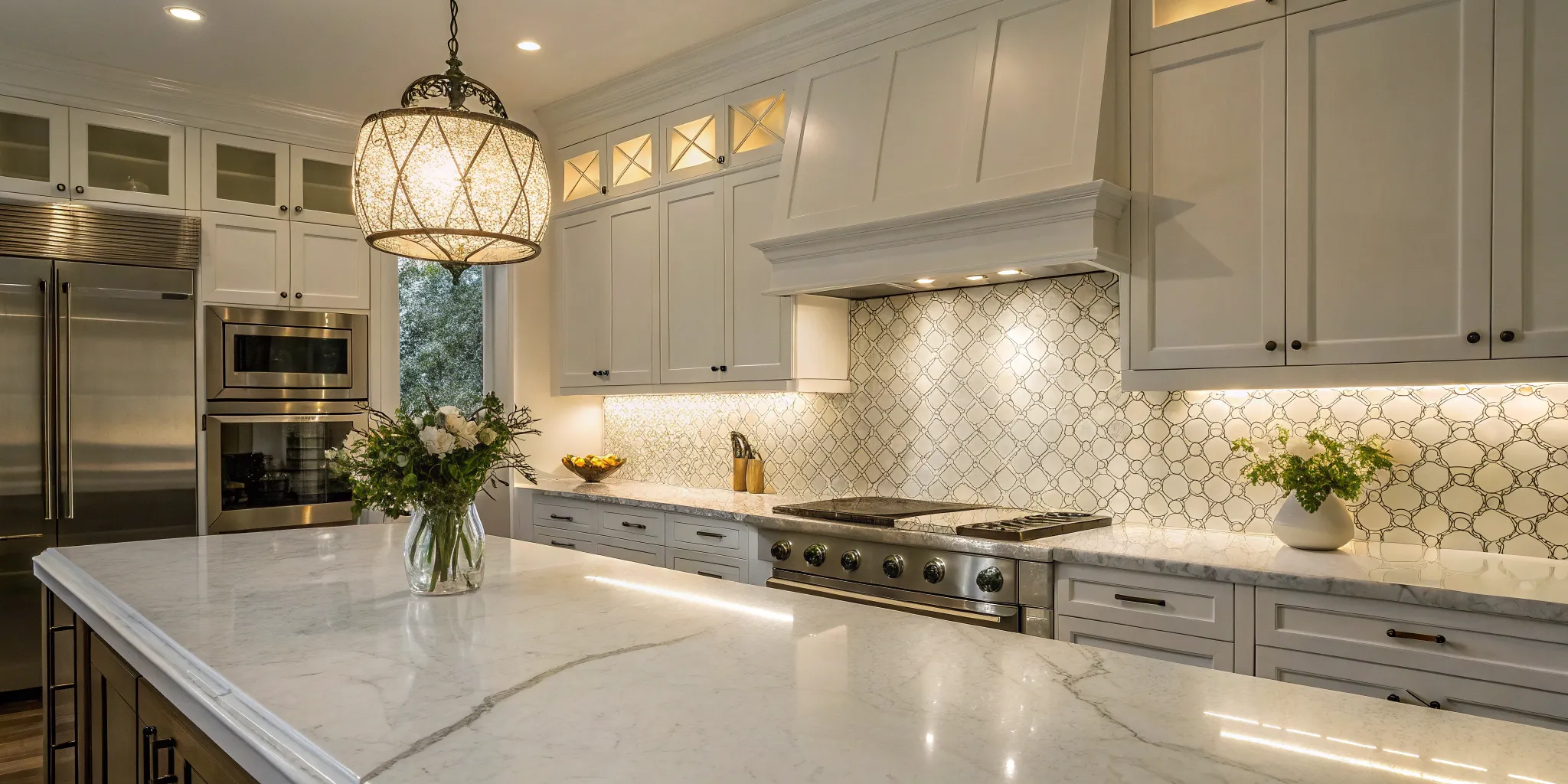
The kitchen is often the most complex room to renovate, but it also offers a high return on investment. For a smaller, budget-friendly kitchen, expect to spend $15,000 to $30,000. A mid-range project starts around $375 per square foot, or about $37,500. High-end remodels with premium materials begin at $650 per square foot and can climb past $65,000. Some luxury kitchen renovations can even reach $144,000, depending on appliances and custom work.
Bathroom Renovation Costs
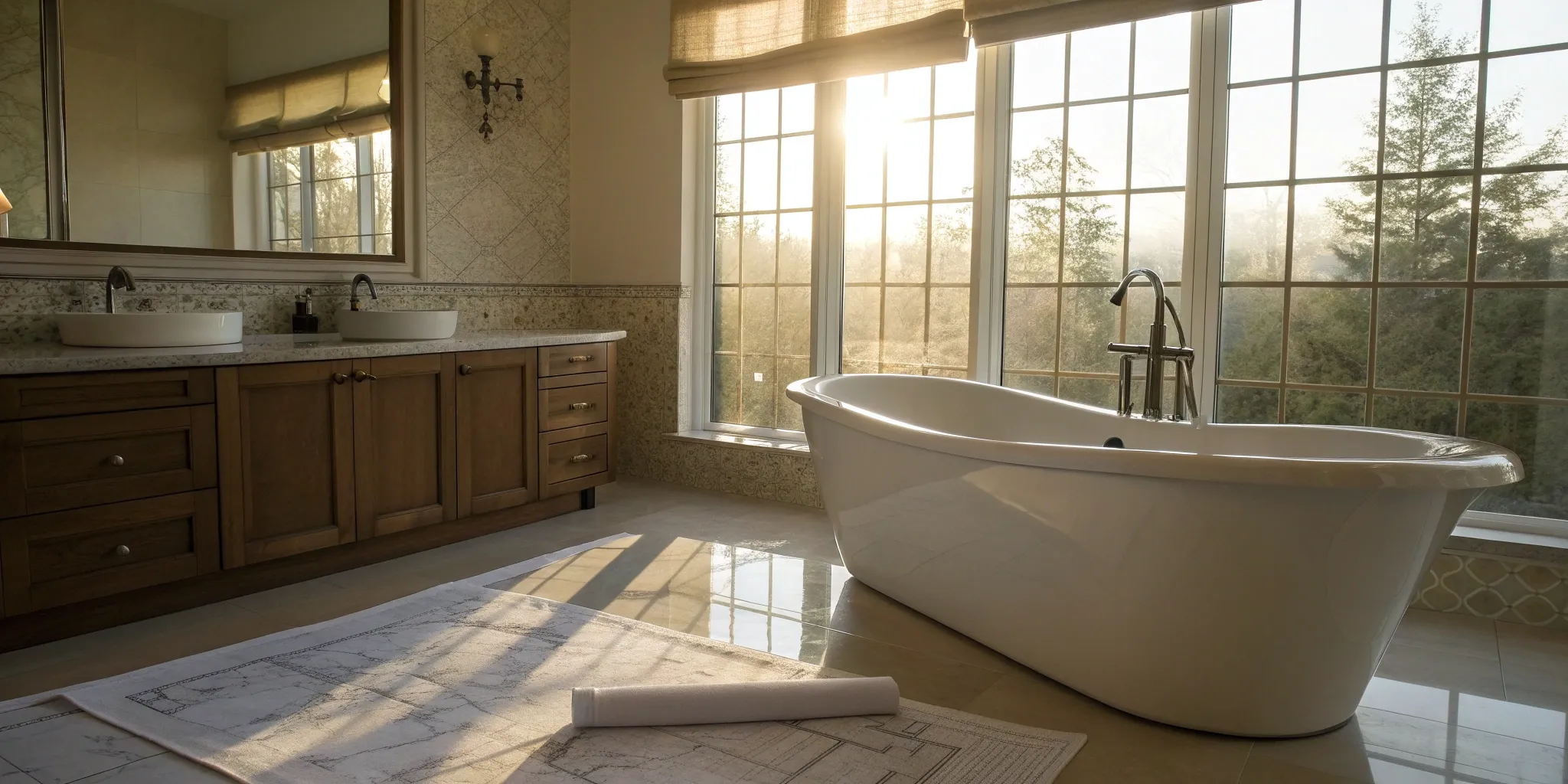
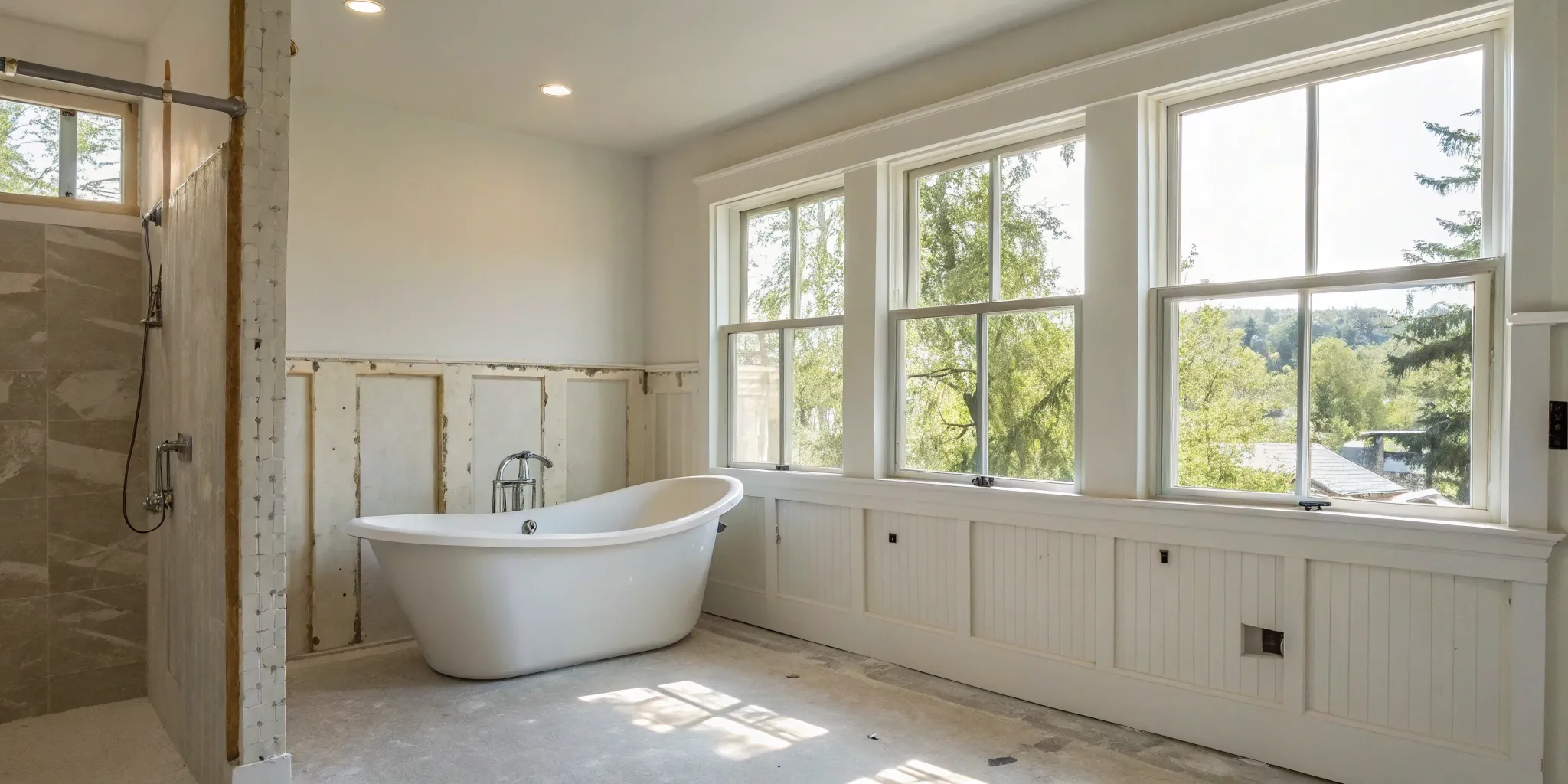
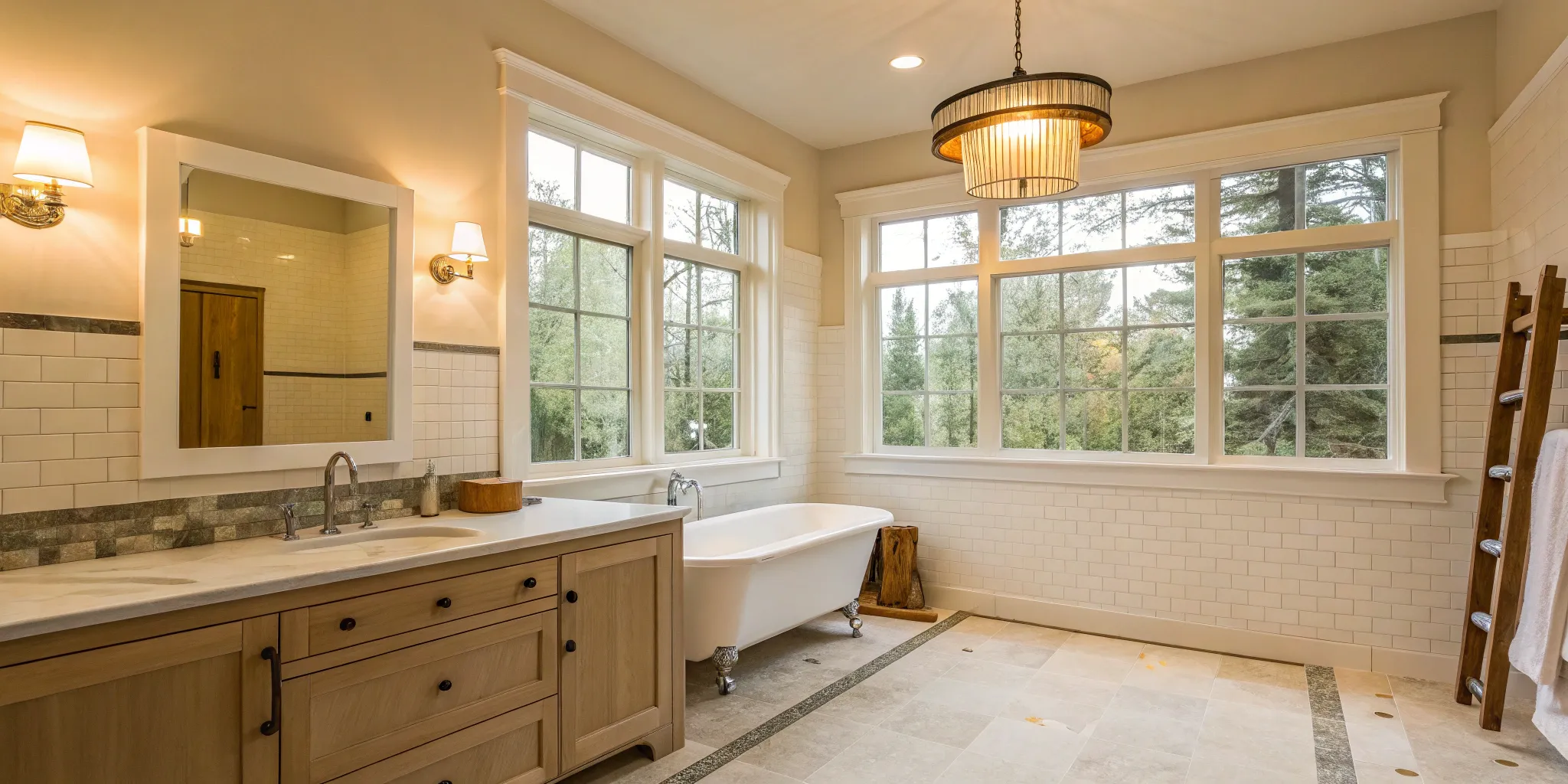
Bathroom renovation costs vary widely based on size and finishes. A basic remodel of a small bathroom will likely fall between $15,000 and $20,000. A mid-grade renovation starts at $650 per square foot, bringing a 35-square-foot bathroom to about $23,000. For a high-end bathroom with premium tile and custom fixtures, costs can start at $735 per square foot, putting the total spend around $46,000 or more to create that spa-like retreat you've been wanting.
Bedroom Update Costs
Updating bedrooms is usually more straightforward and less costly. A comprehensive update—including new flooring, paint, and closets—generally costs between $12,000 and $28,000. This range covers everything from simple cosmetic refreshes to more involved changes. As home renovation cost guides show, the final price depends on the scope of work. A Realm advisor can help you determine which updates will add the most value to your home.
Living Room and Common Area Costs
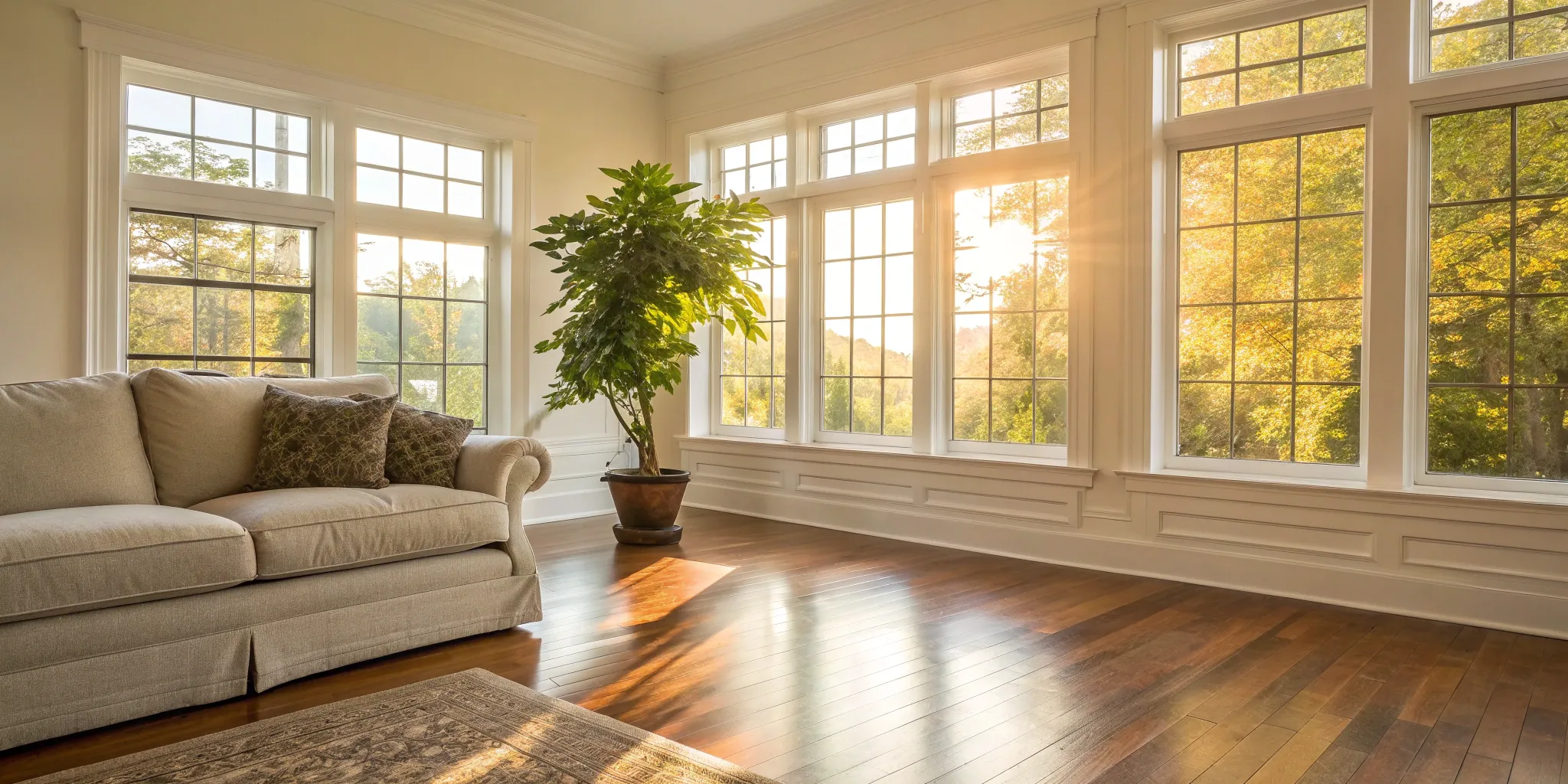
Renovating your living room is often one of the more affordable projects, but it can have a huge impact. On average, an update costs between $5,000 and $10,000. This budget typically covers high-impact improvements like new paint, updated flooring, and modern light fixtures that can completely transform the look and feel of the space. The scope of your project will ultimately determine where your final costs land within this range.
Don't Forget These Hidden Costs
Even the most detailed budget can have a few surprises. While it’s impossible to predict every single expense, you can prepare for the common costs that often catch homeowners off guard. Thinking about these potential expenses ahead of time and building a contingency fund (typically 10% to 20% of your total budget) will help you handle them without derailing your project. Let’s walk through the most common hidden costs so you can factor them into your financial plan from the start.
Permits and Inspections
For any project that involves changing your home’s structure, plumbing, or electrical systems, you’ll likely need a permit from your local building department. This isn’t just bureaucratic red tape; it’s a crucial step to ensure all work is done safely and up to code. The cost for permits can range from a few hundred to over a thousand dollars, depending on your project's scope and location. Your contractor usually handles the application process, but the fee is part of your overall project cost. Don’t forget to also budget for the inspections that are required to close out the permit.
Unexpected Structural Repairs
This is the big one. Once you open up walls and floors, you might uncover issues you never knew existed—like water damage, termite-eaten studs, or outdated electrical wiring. These problems have to be addressed before your planned renovation can continue, adding unplanned material and labor costs to your budget. While you can’t know what’s behind your drywall, a good contractor can often spot red flags. Having an expert advisor on your side can help you anticipate potential issues and manage them effectively when they pop up, ensuring they don’t completely blow your budget.
Mid-Project Design Changes
It’s completely normal to have a new idea or change your mind once you see the project taking shape. However, making changes after work has already begun can be expensive. For example, deciding to move a light fixture might require an electrician to rewire, a drywaller to patch the old spot, and a painter to touch it up—all for one seemingly small adjustment. Finalizing every detail of your customized renovation plan before demolition starts is the best way to keep these costs in check and your project moving forward smoothly.
Potential Timeline Delays
Time really is money in a renovation. Delays can happen for all sorts of reasons, from a specific tile being on backorder to a subcontractor’s schedule getting backed up. These delays can lead to increased costs, especially if you’re paying for alternate housing or if your contractor has to extend their timeline. While some delays are unavoidable, working with a vetted professional who has strong relationships with suppliers and subcontractors can help minimize wait times. A well-managed project will have a realistic schedule that builds in a buffer for these kinds of small hiccups.
Which Materials and Features Add the Most to Your Budget?
When you’re planning a remodel, it’s easy to get swept up in the big picture, like moving walls or reconfiguring a layout. But the specific materials and features you choose have a massive impact on your final bill. The difference between a budget-friendly finish and a high-end one can be thousands of dollars, even within the same room. Understanding where your money is going is the first step to making smart decisions that align with your goals and your budget.
It’s not just about the things you see, either. Some of the most significant costs are hidden behind the walls, in the systems that make your home comfortable and safe. These aren't the most exciting purchases, but they are often the most critical. Let’s break down the key areas where your choices can cause costs to climb, so you can plan for them from the start.
High-End Finishes and Countertops
Think of finishes as the jewelry of your home—the countertops, faucets, light fixtures, and hardware that complete the look. This is also where costs can escalate quickly. Choosing premium, high-quality materials will always cost more than standard, budget-friendly options. For instance, a stunning slab of natural stone for your kitchen countertops will be a much larger investment than durable and stylish laminate. While these beautiful materials create a huge visual impact, it’s important to weigh their cost against their function and your overall budget. The same goes for smaller items; designer light fixtures and high-end plumbing can add hundreds, if not thousands, to your project.
Custom Cabinetry and Built-Ins
Cabinetry is one of the biggest line items in any kitchen or bathroom remodel. While stock cabinets from a big-box store are the most affordable, they offer limited sizes and styles. On the other end of the spectrum, custom work is built to your exact specifications, which means you pay for specialized design and labor. This applies to more than just kitchens; custom built-in bookshelves in a living room or a personalized closet system in a bedroom will also be a major investment. If you love the tailored look but not the price tag, semi-custom cabinets can be a great middle ground, offering more flexibility than stock without the full cost of custom.
Premium Flooring and Tile
Flooring is a foundational choice, both literally and financially. The cost can range dramatically depending on what you choose. You can expect to pay anywhere from $15 to $150 per square foot for materials and installation, with premium materials like high-end tiles pushing costs toward the upper end of that range. Natural hardwood is a timeless but costly option, while luxury vinyl plank (LVP) can offer a similar look for a fraction of the price. For bathrooms and kitchens, intricate tile patterns like herringbone or mosaics require more material and significantly more labor to install, driving up the price compared to a simple, large-format tile.
Major System Upgrades (HVAC & Electrical)
Some of the most expensive upgrades are the ones you can’t even see. If you live in an older home, you may need to update your electrical panel to handle modern appliances or add new circuits for a kitchen island. A full HVAC system replacement can be a five-figure expense, and even adding central air conditioning where it didn’t exist before is a major project. These system upgrades are often not optional—they’re required for safety, code compliance, and the basic function of your home. Because these aren't glamorous updates, it’s easy to overlook them in an initial budget, but a professional can help you identify these needs early on.
How to Save Money on Your Remodel
A beautiful remodel doesn’t have to drain your savings. With some smart planning and strategic choices, you can make your budget stretch further without compromising on the final result. It’s all about knowing where to spend and where you can save. A thoughtful approach can make a huge difference, turning an expensive project into a savvy investment in your home. From timing your renovation to choosing the right materials, a few key decisions can lead to significant savings. Let’s walk through some of the most effective ways to keep your two-bedroom remodel costs in check.
Know When to DIY (and When to Hire a Pro)
Rolling up your sleeves is a fantastic way to cut down on labor costs, which can account for a huge chunk of your budget. You can easily handle tasks like painting walls, swapping out old cabinet hardware, installing simple shelving, or even light demolition like tearing up old carpet. These jobs are satisfying and can save you hundreds, if not thousands, of dollars. However, it’s crucial to know your limits. For anything involving plumbing, electrical, or structural changes, always hire a professional. The risk of costly mistakes or safety hazards just isn’t worth it. Think of it as a smart balance: you handle the cosmetic updates, and the experts take care of the technical work.
Choose Materials Wisely
Your material choices have a massive impact on your total spending. While high-end finishes are beautiful, there are many budget-friendly alternatives that look just as stunning. For example, instead of expensive granite countertops, you could explore high-quality laminate or butcher block options. Luxury vinyl plank can give you the look of hardwood for a fraction of the price and with better durability. A great strategy is to mix high and low. Splurge on one or two statement items that you love—like a unique backsplash tile or a designer light fixture—and choose more standard, affordable options for everything else. This creates a high-end feel without the high-end price tag across the board.
Compare Bids from Several Contractors
Never settle for the first quote you receive. It’s essential to get detailed bids from at least three different contractors to understand the market rate and find the best value for your project. When you review these bids, don’t just look at the bottom-line number. A good proposal will break down the costs for labor, materials, and permits, giving you a clear picture of where your money is going. This process helps you spot any red flags and ensures you’re partnering with a transparent and thorough professional. Realm simplifies this entire step by connecting you with our network of vetted contractors and helping you compare their proposals apples-to-apples.
Time Your Project Strategically
Believe it or not, the time of year you choose to remodel can affect your costs. Contractors are often busiest during the summer and right before the holidays. If you can schedule your project during their slower seasons—typically late fall, winter, or early spring—you may find they have more availability and potentially more competitive pricing. This isn't always a guarantee, but it’s a smart factor to consider. Planning your renovation for the off-season gives you a better chance of securing your preferred contractor and can sometimes lead to lower labor costs, helping your budget go just a little bit further.
Common Budgeting Mistakes to Avoid
Creating a budget for a remodel can feel like trying to hit a moving target. But with a little foresight, you can sidestep the common financial traps that catch many homeowners off guard. Knowing what to watch out for is the first step toward keeping your project on track and your stress levels low. Let’s walk through the biggest budgeting mistakes and how you can steer clear of them.
Underestimating the Total Cost
It’s easy to get excited about the big-ticket items, like new countertops or flooring, and forget about all the smaller expenses that add up. One of the most frequent mistakes is underestimating the true total cost of a project. This often happens when homeowners don’t account for things like taxes, shipping fees, new tools, or the cost of hauling away demolition waste. A budget based only on material estimates and a contractor’s bid is incomplete. To get a clearer picture, create a detailed spreadsheet and list every single potential expense. This detailed planning helps you build a more accurate project scope and avoid sticker shock later on.
Forgetting a Contingency Fund
If there’s one rule in remodeling, it’s this: expect the unexpected. A contingency fund is a non-negotiable part of your budget, acting as a safety net for unforeseen issues. Experts recommend setting aside an extra 10% to 20% of your total project cost for this purpose. This isn't "extra" money; it's a realistic buffer for things like discovering old, faulty wiring behind a wall, finding hidden water damage, or needing to replace a fixture that arrived broken. Without this fund, a minor hiccup can derail your entire project or force you to make compromises you didn’t want to make. Think of it as your project’s essential emergency fund.
Not Seeking Professional Input
Trying to create a detailed budget without professional guidance is like trying to diagnose an illness without a doctor. While it might seem like you’re saving money by going it alone, you could be setting yourself up for costly mistakes. Consulting with architects, designers, or a renovation expert provides invaluable insight. A professional can help you establish a realistic budget that reflects the true costs of materials and labor in your area. At Realm, we connect homeowners with a dedicated advisor who uses real project data to help you plan accurately from day one, ensuring your budget is grounded in reality, not guesswork.
Ignoring Your Home's Future Value
While your remodel should absolutely reflect your personal style and needs, it’s wise to also consider its impact on your home’s resale value. A common mistake is investing in updates that don’t offer a good return on investment (ROI). For example, installing an ultra-high-end kitchen in a neighborhood of more modest homes might not pay off when you sell. Similarly, making overly personal design choices, like bright purple countertops, could deter future buyers. Focus on projects known for strong ROI, such as kitchen and bathroom updates, and stick to classic, neutral finishes for permanent fixtures to ensure your investment adds long-term value to your property.
How to Create a Realistic Budget
A solid budget is the foundation of a successful remodel. It’s more than just a spreadsheet of costs; it’s a roadmap that guides your decisions, keeps your project on track, and prevents financial stress. Without one, it’s easy for costs to spiral and for the project to feel overwhelming. Creating a realistic budget involves looking beyond the initial price tags and planning for the entire scope of your project, from initial designs to the final coat of paint. It means being honest about what you can afford and what you truly need. This process isn't about limiting your dreams, but about making them achievable. It helps you allocate funds effectively, ensuring that the most important aspects of your renovation get the attention they deserve. When you have a clear financial plan, you can communicate more effectively with contractors, make confident decisions about materials, and avoid the common pitfalls that derail many home projects. By thinking through your priorities, planning for the unexpected, and lining up your financing ahead of time, you can move forward with confidence and turn your vision into a reality without breaking the bank.
Set Clear Project Priorities
Unless you have an unlimited budget, you’ll have to make some choices. This is where prioritizing becomes your best friend. Start by making two lists: “must-haves” and “nice-to-haves.” Your must-haves are the non-negotiable elements that address your home’s functional needs, like fixing a leaky bathroom or creating a more open kitchen layout. The nice-to-haves are the wants, like that high-end tile or a specific brand of appliances. This simple exercise helps you focus your spending on what matters most. When you have clear priorities, it’s much easier to make smart decisions if you need to adjust your budget along the way. Getting expert guidance can also help you distinguish between essential upgrades and cosmetic changes.
Build In a Contingency Fund
One of the biggest mistakes homeowners make is not planning for surprises. It’s essential to set aside a contingency fund to cover unexpected expenses that pop up during the remodel. Think of it as a financial safety net. You never know what you might find when you open up a wall—old wiring, hidden water damage, or structural issues that need immediate attention. A good rule of thumb is to set aside 10% to 20% of your total project cost for this fund. If you don’t end up needing it, great! But if you do, you’ll be so relieved you have it. Having a dedicated advisor can help you anticipate potential issues, but a contingency fund is still a must.
Plan Your Payments and Financing
Before you sign any contracts or start demolition, you need a clear plan for how you’ll pay for everything. It's crucial to establish a budget before starting any remodeling project, including how you will finance it. Will you be using savings, a home equity line of credit (HELOC), or a personal loan? Each option has its own pros and cons, so take the time to figure out what works best for your financial situation. Having your financing secured from the start ensures you can cover costs without financial strain and keeps your project moving smoothly. This is a key part of the customized plans we help homeowners create, ensuring there are no payment surprises down the line.
How to Find the Right Contractor
Choosing the right contractor is one of the most critical decisions you'll make for your remodel. This isn't just about hiring someone to do a job; it's about finding a partner you can trust with your home and your budget. A great contractor communicates clearly, respects your vision, and has the expertise to bring it to life without major headaches. Taking the time to find the right professional will make all the difference in your renovation experience and the final quality of your home.
Vet Professionals and Check Credentials
Before you even start talking about design, make sure any potential contractor is licensed, bonded, and insured. This trio is your first line of defense. A license proves they meet state and local requirements to perform the work. Being bonded protects you if the contractor fails to complete the job or pay their suppliers. Insurance covers any accidents or damage that might happen on your property. Asking for proof of these credentials isn't being difficult—it's being a smart homeowner. Any reputable pro will have this information ready to share.
Understand Quotes and Contracts
A legitimate quote can't be given over the phone. A professional contractor will need to see your space and understand the project's scope before providing a detailed estimate. It’s a good practice to get at least three different bids to compare. Look beyond the final number and compare the line items for materials, labor, and timelines. Once you choose a contractor, insist on a detailed written contract. It should clearly outline the scope of work, specific materials, a payment schedule, and an estimated completion date. This document protects both of you by setting clear expectations from the start.
Partner with a Trusted Renovation Expert
For a two-bedroom remodel, especially one involving plumbing, electrical, or structural changes, hiring an experienced professional is key. A great general contractor understands local building codes, secures the right permits, and has a network of reliable subcontractors. This expertise is what keeps a project running smoothly. At Realm, we simplify this entire process by connecting you with our network of vetted local contractors and providing you with a dedicated advisor. Having an expert on your side ensures you have the guidance and support you need from the first sketch to the final walkthrough.
Related Articles
- Your Residential Remodel Construction Step-by-Step
- Breaking Down Your Full Interior Renovation Cost
- Where To Start When You Want To Remodel Your Home
- What's the Typical Cost to Remodel a Kitchen?
Frequently Asked Questions
Can you give me a simple, all-in cost for a two-bedroom remodel? I wish there was a single magic number, but the truth is, it really depends on your specific project. A cosmetic refresh with paint and new fixtures might cost around $20,000, while a full gut renovation with high-end materials could easily exceed $100,000. The final price tag is a unique mix of your home's location, the materials you choose, and how much work you plan to do. The best first step is to get a detailed estimate based on your actual home and goals.
What's the single biggest thing I can do to keep my remodel costs down? The most effective way to control your budget is to clearly define the scope of your project before any work begins and then stick to it. It’s tempting to add small things here and there, but this "scope creep" is what causes budgets to spiral. Deciding on your absolute must-haves versus your nice-to-haves from the start gives you a clear roadmap and helps you resist making costly, last-minute changes.
Is a 20% contingency fund really necessary if I have a good plan? Yes, absolutely. Think of it as project insurance rather than extra cash. Even the most detailed plan can’t predict what’s hiding behind your walls, like old wiring or minor water damage that needs to be fixed. A contingency fund ensures that when a surprise inevitably pops up, it’s a manageable issue, not a budget-breaking crisis that brings your entire project to a halt.
How can I get a more accurate cost estimate for my specific home? While national and regional averages are a helpful starting point, the only way to get a truly accurate estimate is to have a professional assess your home and your specific plans. This is where a Realm advisor can be invaluable. We use real project data from your area to help you build a realistic budget and connect you with vetted contractors who can provide detailed, line-item quotes for your renovation.
Should I focus on remodeling the kitchen or the bathroom first for the best return on investment? Both kitchen and bathroom remodels are known for offering a strong return on investment, so you can’t really go wrong. Kitchens often have a slight edge in adding resale value, but they also tend to be more expensive and disruptive. The best choice for you depends on which space is in greater need of an update and which renovation will have a bigger positive impact on your daily life.




















.png)











.png)