The Average Cost to Tear Off and Replace a Roof
Get the facts on the average cost to tear off and replace roof 1, plus tips on budgeting, material choices, and what to expect from your contractor.
|
January 20, 2026
In this article:
That small water stain on the ceiling or those curling shingles you noticed last fall are easy to ignore, but they’re often the first signs of a much bigger issue. When your roof starts to fail, the first question that comes to mind is always, "How much is this going to cost?" It’s a stressful thought, especially when you’re worried about potential leaks and damage. This guide is here to turn that anxiety into a clear, actionable plan. We’ll walk you through every factor that influences the final price tag, including the average cost to tear off and replace roof 1 so you have a realistic starting point. Understanding the costs is the first step to protecting your home and making a confident decision, long before a small problem becomes an emergency.
Key Takeaways
- Know What Influences the Price Tag: The final cost of your roof is shaped by its size, steepness, your chosen material, and local labor rates. Understanding these elements empowers you to have more productive conversations with contractors and accurately compare their quotes.
- Plan for the Unexpected: Your initial quote is just the starting point. Always build a 10-20% contingency fund into your budget for hidden issues like rotted decking. This financial cushion prevents surprises from derailing your project and your peace of mind.
- Hire the Right Partner, Not Just the Right Price: The cheapest bid can be a red flag. Protect your investment by getting at least three detailed quotes, verifying every contractor's license and insurance, and ensuring every detail is captured in a written contract before any work begins.
How Much Does a New Roof Really Cost?
Let’s get straight to the point: a new roof is a major investment. When you’re trying to budget for such a big project, vague answers aren’t helpful. While the final price tag depends on many factors—from the materials you choose to the pitch of your roof—we can start with some solid numbers to give you a realistic baseline. Think of these figures as your starting point for a conversation with a contractor, not the final word.
Understanding the national averages and per-square-foot costs will help you feel more prepared as you begin to gather quotes. It’s the first step in taking control of your renovation budget and ensuring there are no major surprises down the line. With these numbers in hand, you can start to build a financial plan that works for your home and your wallet. Remember, every home is unique, so your final cost will be too. That's why getting a customized plan is so important for an accurate picture.
A Look at the National Average
When you look at roofing projects across the country, the numbers can seem all over the place. Most homeowners spend somewhere between $5,700 and $16,000 for a complete roof replacement. That’s a pretty wide range, right? A more specific analysis from industry experts shows the average cost to tear off and replace a roof is closer to $30,680. That higher figure typically covers a medium-sized home with architectural asphalt shingles, new underlayment, flashing, and even a couple of skylights. This gives you a clearer picture of what a comprehensive, modern roofing project might entail.
Breaking Down the Cost Per Square Foot
To get a more tailored estimate for your home, it’s helpful to think in terms of square footage. Generally, you can expect to spend between $3 and $6 per square foot to replace your roof. For asphalt shingles, one of the most common roofing materials, the cost is often between $5.09 and $6.66 per square foot for a basic installation. For a standard-sized home, this often translates to a total project cost between $20,000 and $25,000. Using a per-square-foot estimate is a great way to create a preliminary budget before you start talking to contractors.
What Factors Influence Your Roof Replacement Cost?
When you start looking at the cost of a new roof, you’ll quickly realize it’s not a one-size-fits-all price. The final number on your estimate is a blend of several different factors, each playing a significant role in the total expense. Understanding these key components will help you make sense of the quotes you receive and give you a clearer picture of where your money is going. From the sheer size of your roof to the specific materials you choose, every detail matters. Let's break down the five biggest drivers behind your roof replacement cost so you can budget with confidence and know exactly what to expect.
Roof Size and Pitch
It might seem obvious, but the bigger your roof, the more it will cost to replace. A larger surface area requires more materials and more hours of labor to get the job done. But it’s not just about square footage; the pitch, or steepness, of your roof is also a major factor. A very steep roof is more difficult and dangerous for a crew to work on, which means the installation process is slower and requires extra safety precautions. This added complexity and risk will be reflected in higher labor costs compared to a roof with a gentler, more walkable slope.
Your Choice of Materials
The type of roofing material you select is one of the most significant variables in your project's budget. Materials range widely in price, durability, and appearance. For example, standard asphalt shingles are the most common and affordable option for many homeowners. However, if you opt for premium materials like architectural shingles, metal roofing, or clay tiles, you can expect the price to increase substantially. Your choice will impact not only the upfront cost but also the long-term value and curb appeal of your home. We’ll explore specific roofing material options in more detail later on.
Local Labor Rates
Don't underestimate the impact of labor on your total bill. In most cases, labor accounts for about half—or even more—of the total roof replacement cost. These rates can vary dramatically depending on where you live. Contractors in major metropolitan areas like the San Francisco Bay Area or Los Angeles often have higher overhead and labor costs than those in smaller towns. The experience and reputation of the crew also play a part. While it can be tempting to go with the cheapest labor, remember that quality installation is crucial for your roof's longevity. Finding a vetted professional ensures the job is done right.
Roof Complexity and Design
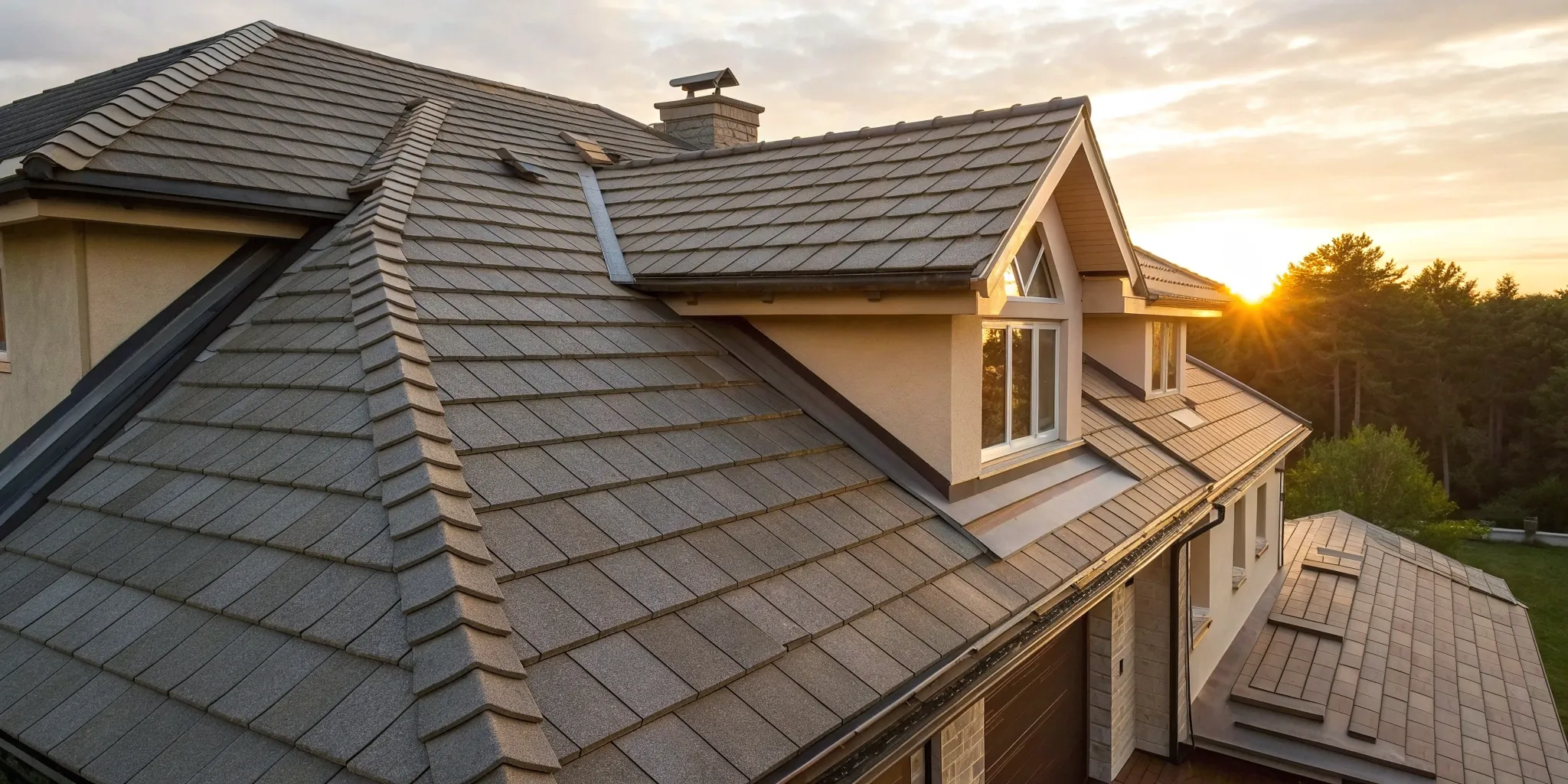
A simple, flat gable roof is much easier and cheaper to replace than one with a complex design. If your roof has multiple angles, valleys, hips, dormers, or skylights, the project becomes more intricate. Each of these features requires precise cutting, fitting, and sealing to prevent leaks, which adds significant time and skill to the installation process. The more complex your roof's architecture, the more you can expect to pay in labor and for the extra materials needed to handle all those corners and joints properly.
Your Home's Location
Beyond general labor rates, your specific location influences costs in other ways. The price of materials can fluctuate based on regional availability and shipping expenses. Local building codes and permit requirements can also add to the total cost. For instance, homes in areas prone to wildfires or hurricanes may be required to use specific fire-resistant or high-wind-rated materials, which are often more expensive. These regional factors are why a new roof in San Diego might have a different price tag than the exact same roof in Seattle.
A Price Guide to Common Roofing Materials
Your choice of roofing material is one of the biggest decisions you'll make, and it has a huge impact on your total project cost. But it’s not just about the price tag. The material you choose also determines your home's curb appeal, how long the roof will last, and how much maintenance it will need over the years. From the classic look of asphalt shingles to the modern appeal of standing-seam metal, each option comes with its own set of pros, cons, and costs.
Think of this as a long-term investment. A cheaper material might save you money now, but could lead to more frequent repairs or an earlier replacement down the line. On the other hand, a premium material could last for 50 years or more, adding significant value to your home. It’s all about finding the right balance for your budget, your home’s style, and your long-term goals. Let’s break down the numbers for some of the most popular roofing materials so you can make an informed choice. Having a clear idea of these costs will help you plan your project and discuss options confidently with your contractor.
Asphalt Shingles
Asphalt shingles are the most common roofing material in the country, and for good reason. They are affordable, easy to install, and come in a wide variety of colors to match any home style. If you're looking for a reliable and budget-friendly option, this is often the go-to choice. For most homes, you can expect the cost to tear off and replace an asphalt shingle roof to fall somewhere between $20,000 and $25,000. While they don't have the longevity of materials like metal or slate, a well-maintained asphalt roof can still protect your home for a solid 15 to 20 years.
Architectural Shingles
Think of architectural shingles as the premium version of standard asphalt shingles. They are thicker, more durable, and designed with a dimensional, laminated look that mimics the appearance of natural materials like cedar shake or slate. This upgrade in quality and aesthetics comes with a higher price point. The average cost to replace a roof with architectural shingles is around $30,680. In exchange for the higher upfront investment, you get a roof that not only looks more high-end but also typically comes with a longer warranty and better resistance to wind and weather.
Metal Roofing
Once reserved for commercial buildings and rustic barns, metal roofing has become a popular choice for modern homes. It’s incredibly durable, energy-efficient, and offers a clean, contemporary look. Metal roofs come in various styles, including standing-seam panels and shingles that mimic other materials. The cost can range widely from $5 to $16 per square foot, depending on the type of metal and the complexity of your roof. While the initial cost is higher than asphalt, a metal roof can last 50 years or more with very little maintenance, making it a smart long-term investment.
Clay and Concrete Tiles
For a classic, timeless look that’s especially popular in Spanish, Mediterranean, and Southwestern-style homes, tile is an excellent choice. Both clay and concrete tiles are extremely durable, fire-resistant, and can last for a century or more. However, they are also very heavy, so your home’s structure must be able to support the weight. The cost for a tile roof can range from $7 to $25 per square foot, putting a full replacement anywhere from $10,500 to over $62,500. The wide price range reflects the variety of tile styles, colors, and profiles available.
Slate and Cedar Shake
If you’re looking for a premium, natural material, slate and cedar shake are two top-tier options. Slate is a beautiful natural stone that offers unmatched durability and can last for over 100 years. It’s also one of the most expensive materials, with costs typically running from $10 to $30 per square foot. Cedar shake offers a rustic, charming aesthetic that ages into a beautiful silvery gray. It’s less expensive than slate, with total costs often landing between $20,000 and $36,000, but it does require more regular maintenance to prevent moss and rot.
Don't Forget These Additional Costs
When you get a quote for a new roof, it usually covers the big-ticket items: materials and labor. But a roof replacement is a major construction project, and other expenses can pop up along the way. Thinking about these potential costs ahead of time is the best way to create a realistic budget and avoid stressful surprises. From city permits to fixing hidden damage, here are the additional costs you’ll want to plan for.
Permits and Inspections
Before any work begins, your contractor will likely need to pull a permit from your local municipality. This ensures the project meets local building codes and safety standards. The cost for permits and the required inspections typically runs between $100 and $500, depending on where you live. While it might seem like just another fee, this step is crucial for your protection. It confirms the work is done correctly, which is important for your home’s safety and future resale value. Having expert guidance can help you make sure all the necessary paperwork is handled properly.
Decking or Underlayment Repairs
You can’t see the condition of your roof’s decking until the old shingles come off. The decking is the layer of wood that forms the foundation of your roof, and if it has suffered from water damage, rot, or mold, it will need to be repaired or replaced. This is one of the most common unexpected costs in a roof replacement. If your contractor finds soft spots or damaged wood, they’ll need to address it before installing the new roof to ensure a solid, long-lasting structure. Factoring a little extra into your budget for potential decking repairs is always a smart move.
Debris Disposal and Cleanup
Tearing off an old roof generates a surprising amount of waste. All those old shingles, nails, and underlayment materials have to go somewhere, and you’ll need to account for the cost of disposal. Most contractors will include the price of a dumpster rental and hauling fees in their estimate, but it’s always a good idea to confirm this. A full tear-off project costs more than an overlay precisely because of the extra labor and disposal involved. Make sure your contract clearly states that your contractor is responsible for a thorough cleanup, leaving your property just as they found it.
New Gutters and Flashing
A roof replacement is the perfect opportunity to assess the rest of your roofing system. This includes components like gutters, flashing, vents, soffits, and fascia. If your gutters are old and clogged or the metal flashing around your chimney is failing, it makes sense to replace them at the same time as your roof. While this will add to the total cost, integrating these new elements during the installation is more efficient and cost-effective than doing it as a separate project later. It ensures your entire system works together seamlessly to protect your home from water damage.
Unexpected Structural Issues
Sometimes, a tear-off reveals more than just a few rotten deck boards. If your old roof had long-standing issues like leaks, curling shingles, or water stains on your ceiling, there could be underlying structural problems. These issues must be fixed before a new roof can be installed. While nobody wants to hear about structural repairs, addressing them is non-negotiable for the safety and integrity of your home. This is where having a dedicated advisor becomes invaluable, as they can help you understand the problem and find the right professionals to get the job done correctly.
Breaking Down Your Labor Costs
When you get a quote for a new roof, you’ll see it’s split between two main categories: materials and labor. While the cost of shingles or tiles is straightforward, labor costs can feel a bit more abstract. It’s not just about paying a crew for a few days of work; it’s about paying for their skill, insurance, safety equipment, and the time it takes to do the job right. Understanding what goes into this part of the bill is key to creating an accurate budget and comparing estimates from different contractors. Labor is often the single largest expense in a roof replacement, so let’s look at what drives that cost and how you can be strategic about it.
Labor's Share of the Total Bill
Don’t be surprised if labor accounts for more than half of your total project cost. In fact, it’s common for labor to make up 50% to 60% of the final bill. This covers the entire process, from the careful tear-off of your old roof and site cleanup to the precise installation of the new materials. You're paying for a team of skilled professionals who know how to work safely and efficiently at great heights. This expertise is critical—a poorly installed roof can lead to leaks and costly damage down the road. Think of it as an investment in craftsmanship that ensures your new roof performs as it should for decades to come.
How the Season Affects Pricing
Just like booking a vacation, timing matters in roofing. Roofers are busiest during the late spring, summer, and early fall when the weather is most predictable. During this peak season, high demand can lead to higher labor rates and longer wait times. If your roof replacement isn't an emergency, you might get a better deal by scheduling the project during the off-season, like in the late fall or early winter. Contractors are often looking to fill their schedules during these slower months and may offer more competitive pricing. The trade-off could be a higher chance of weather delays, but the potential savings can be significant.
Why Labor Rates Vary by Region
The cost of labor isn't the same everywhere. Rates can change dramatically depending on where you live, sometimes varying even between nearby cities. This difference is tied to the local cost of living, regional market demand, state licensing requirements, and insurance costs for contractors. For this reason, national average cost estimates are helpful for a ballpark figure, but they won’t be as accurate as a local quote. The only way to know the true cost of a new roof in your area is to get detailed estimates from qualified, local professionals who understand the specific factors at play in your neighborhood.
Common Budgeting Mistakes to Avoid
Budgeting for a new roof is more than just getting a final number—it's about planning for the entire project, expected and unexpected. A solid budget is your best tool for a smooth, stress-free renovation. But a few common missteps can quickly derail your plans and your finances. Let's walk through the most frequent budgeting mistakes so you can sidestep them with confidence. Being aware of these pitfalls is the first step to ensuring your roof replacement project stays on track and delivers the quality you expect for your home.
Choosing the Cheapest Bid
It’s tempting to jump on the lowest quote you receive. After all, who doesn't want to save money? But when it comes to your roof, an unusually low price can be a major red flag. Contractors offering rock-bottom prices may be cutting corners by using lower-quality materials, hiring less-experienced labor, or skipping crucial steps. While you might save some money upfront, you could end up paying much more down the line for repairs or even a full replacement sooner than you should. Think of it as an investment in your home's safety and integrity; sometimes, the best value isn't the lowest price.
Forgetting About Potential "Hidden" Costs
One of the biggest budget-busters in a roof replacement is what you can't see. Once the old shingles are torn off, your contractor might find underlying issues like water damage, rot, or soft spots in the roof decking. Repairing this structural damage is non-negotiable and will add to your final cost. This is why a roof overlay (adding new shingles on top of old ones) can be a risky bet; it saves a little money initially but completely ignores what’s happening underneath. The best way to prepare is to build a contingency fund—typically 10% to 20% of the total project cost—to cover any surprises.
Getting Only One Estimate
Shopping for a new roof is like any other major purchase: you need to compare your options. Getting just one estimate leaves you with no context for what a fair price is or what the project scope should include. You should always get at least three detailed, in-person quotes from different roofing contractors. This allows you to compare not just the final price, but also the proposed materials, timelines, warranties, and communication styles. Having multiple bids empowers you to make an informed decision and helps you find a professional you can trust. At Realm, we help homeowners find vetted professionals to ensure you get competitive and comprehensive quotes.
Overlooking Long-Term Value
Focusing solely on the upfront cost can cause you to miss the bigger picture. A full tear-off and replacement might cost more initially than an overlay, but it results in a more durable, longer-lasting roof and gives your contractor the chance to inspect and repair the underlying structure. This approach prevents small issues from becoming major, costly problems later. Similarly, investing in higher-quality materials can extend the life of your roof and improve your home's energy efficiency. While a new roof is a critical update that adds value, its primary benefit is protecting your home and giving you peace of mind for decades to come.
How to Find and Hire the Right Contractor
Finding the right contractor is arguably the most important step in your roof replacement project. This isn't just about finding someone who can nail shingles; it's about finding a professional partner you can trust with the safety and integrity of your home. A great contractor communicates clearly, provides transparent pricing, and stands by their work. The vetting process can feel daunting, but taking the time to do it right will save you from headaches and unexpected costs down the road. Here’s how to approach it methodically.
Get at Least Three Detailed Estimates
First things first: don't just go with the first contractor you talk to. You should always get at least three in-person quotes to get a feel for the market rate and what different companies offer. An estimate over the phone isn't enough—a true professional will want to inspect your roof in person before giving you a number. This process helps you compare not just the final price, but the scope of work, proposed materials, and project timeline. A detailed, itemized bid shows that a contractor is thorough and transparent. This is a key part of the Realm process, where we help you gather and compare bids from our network of vetted pros to ensure you get a fair and comprehensive deal.
Verify Their License and Insurance
This step is non-negotiable. Before you even think about signing a contract, confirm that any potential contractor is licensed, bonded, and insured. A valid license proves they meet state requirements, while insurance protects you from liability if a worker is injured on your property. Being bonded offers financial protection if the contractor fails to complete the job or meet their obligations. Don't just take their word for it—ask for copies of their certificates and verify their license with your state's contractor board. Reputable companies with at least five years of experience and solid online reviews are generally a safer bet, which is why we vet every professional in our network for you.
Communicate Your Expectations Clearly
Clear communication is the foundation of a successful renovation project. Before any work begins, make sure you and your contractor are on the same page about every detail. This means getting a detailed contract and warranty in writing. Discuss your expectations for the timeline, daily cleanup, and how they’ll protect your landscaping and property during the tear-off and installation. Don't be afraid to ask questions. A good contractor will be happy to walk you through the process and address your concerns. Putting everything in writing prevents misunderstandings and ensures the final result is exactly what you envisioned for your home.
Understand Every Line of the Contract
The contract is your ultimate protection, so read it carefully before you sign. A vague agreement is a major red flag. Your contract should be a detailed, itemized document that breaks down every cost, from labor and materials to permits and debris disposal. It should specify the exact brands and types of materials being used, the payment schedule, and the warranty information for both materials and workmanship. Ask what’s included and, just as importantly, what isn’t. Understanding every line item helps you avoid surprise charges and ensures there are no gray areas about the scope of the project. If something seems unclear, ask for clarification in writing.
Smart Budgeting Tips for Your New Roof
A new roof is one of the most significant investments you’ll make in your home, but it doesn’t have to be a source of financial stress. With a bit of foresight and smart planning, you can manage the costs effectively and ensure you’re getting the best value for your money. From setting aside a safety net for surprises to timing your project just right, these practical tips will help you create a realistic budget and stick to it.
Set Up a Contingency Fund
No matter how detailed your initial quote is, surprises can and do happen. Once the old roofing material is torn off, your contractor might find issues like rotted decking or water damage that need to be addressed. That’s why a contingency fund is your best friend. Plan on setting aside an extra 10% to 20% of your total estimated project cost. This buffer covers unexpected repairs and ensures that a surprise discovery doesn’t derail your entire budget, providing peace of mind and keeping the project moving forward smoothly.
Get Everything in Writing
A verbal agreement or a handshake won’t cut it when it comes to a project of this scale. A detailed, written contract is essential to protect yourself and set clear expectations. Before signing, make sure the document outlines the full scope of work, specific materials, a cost breakdown, a payment schedule, and an estimated timeline. We always recommend getting at least three in-person quotes from different vetted professionals to compare. This allows you to weigh your options and ensures you’re getting a fair price for the work.
Look Into Financing Options
Paying for a new roof entirely out-of-pocket isn’t always realistic, and that’s perfectly okay. There are many financing options available that can make this essential home improvement project much more manageable. You can explore home equity loans, personal loans, or financing programs offered directly by roofing companies. Taking the time to find a payment solution that fits your budget allows you to prioritize quality over cost. Be cautious of contractors who offer suspiciously low prices, as this can sometimes be a red flag for subpar work or materials.
Plan an Off-Season Installation to Save
If your roof replacement isn’t an emergency, timing the project strategically can lead to significant savings. The peak season for roofers is typically late spring through summer. By scheduling your installation during the off-season, like in the late fall or early winter, you may find that contractors are more available and willing to offer better pricing. Because demand is lower, they’re often looking to keep their crews busy. While you might have to be more flexible with potential weather delays, the cost savings can be well worth the trade-off.
When Is the Best Time for a Roof Replacement?
Timing is everything, and that’s especially true for a big project like replacing your roof. Deciding when to schedule the work can have a huge impact on your budget and overall stress levels. Most homeowners find themselves in one of two situations: either they plan a replacement proactively, or they’re forced to react to an emergency leak or storm damage.
Being proactive gives you control. You get to call the shots, do your research, and find the right team for the job without the pressure of a ticking clock (or a dripping ceiling). An emergency replacement, on the other hand, often means rushed decisions and higher costs. By understanding the signs of a failing roof and the seasonality of the industry, you can schedule your project strategically, saving yourself a lot of money and headaches down the road. Think of it less as just another home repair and more as a smart investment in your property’s future.
How Timing Can Help You Save
If you have the flexibility to plan your roof replacement, you can use the calendar to your advantage. Roofing contractors are busiest in the spring and summer when the weather is clear and demand is high. But if you schedule your project during the off-season, you might get a better deal.
Consider booking your roof replacement in the late fall or early winter. During these slower months, contractors are often looking to keep their crews busy and may offer more competitive pricing. This simple shift in timing can lead to significant savings without compromising on the quality of the work. It’s a strategic move that allows you to get the same great result for a lower price, simply by avoiding the peak season rush.
Planning Ahead vs. Emergency Repairs
The difference between a planned replacement and an emergency one is night and day. When you plan ahead, you have time to carefully consider all the factors that change the cost of your roof replacement, from the type of shingles to the complexity of your roof’s design. You can gather multiple quotes, vet contractors thoroughly, and schedule the work at a time that’s convenient for you.
An emergency repair strips away all that control. If you wait until you see signs like curling shingles, leaks, water stains, mold, or soft spots, you’re no longer planning—you’re reacting. This often means paying a premium for immediate service and having fewer choices for contractors. The key is to treat those early warning signs as your cue to start the planning process, not as a problem to ignore.
Related Articles
- What's the Approximate Cost of Roof Replacement?
- How Much Does a Roof Replacement Cost? A Homeowner's Guide
- Shingle Roof Replacement Cost: A Full Breakdown
- How Much Does a New Roof Cost? A Homeowner's Guide
Frequently Asked Questions
Is it ever okay to install new shingles over my old ones? This is a common question because putting a new layer of shingles over the old one, known as an overlay, is cheaper than a full tear-off. While it might save you money upfront, it's generally not recommended. An overlay adds significant weight to your roof and, more importantly, it prevents your contractor from inspecting the underlying wood decking for rot or water damage. A full tear-off ensures you have a solid foundation for your new roof, which is crucial for its longevity and performance.
How long does a typical roof replacement take from start to finish? For an average-sized home, the actual tear-off and installation process usually takes just a few days, often between two and five. However, the entire project timeline is longer. You should factor in time for getting estimates, signing a contract, ordering materials, and pulling permits. Weather can also cause delays. A good contractor will give you a clear timeline for each phase of the project so you know exactly what to expect.
My roof was damaged in a storm. Will my homeowner's insurance cover the replacement? Most homeowner's insurance policies cover roof damage from sudden events like wind, hail, or a fallen tree. However, they typically don't cover damage that results from old age or a lack of maintenance. The best first step is to review your policy and then contact your insurance agent to understand your coverage and deductible. They will likely send an adjuster to assess the damage before you hire a contractor to begin any work.
Why do the estimates I'm getting from different contractors vary so much? It can be confusing when you get quotes with very different price tags. This variation often comes down to the quality of materials proposed, the experience level of the crew, and the scope of work included. A lower bid might not account for things like debris disposal, new flashing, or a robust warranty. A higher bid could reflect premium materials and a more experienced team. This is why it's so important to compare detailed, itemized bids rather than just the final number.
Besides the cost, what's the most important thing to look for in a roofing contractor? Clear communication is absolutely essential. You are trusting this person with one of the most critical parts of your home, so you need a contractor who listens to your concerns, answers your questions clearly, and keeps you informed throughout the process. Look for a professional who provides a detailed written contract and is transparent about their license and insurance. A great contractor makes you feel confident and supported from the first meeting to the final inspection.

















.png)


.png)