How to Budget for a Bathroom Remodel: A Smart Guide
Get practical tips on how to budget for a bathroom remodel, from setting a realistic budget to managing costs and avoiding common renovation surprises.
|
January 21, 2026
In this article:
You’ve spent hours scrolling through inspiration, pinning photos of walk-in showers and perfect vanities. You can almost feel the heated floors under your feet. But then comes the big question: how much will this all cost? It’s the moment where dreams meet reality, and it can feel intimidating. The key to turning your vision into a beautiful, functional space is a well-thought-out financial plan. Learning how to budget for a bathroom remodel is the bridge that connects your ideas to a tangible outcome. It empowers you to decide where to splurge and where to save, ensuring you get the results you want without the stress of unexpected bills. Let's break down the process step-by-step.
Key Takeaways
- Plan for the Unexpected: Set your initial budget using the 5-10% rule, but always add a 10-15% contingency fund. This buffer is essential for handling surprises like hidden water damage or outdated plumbing without derailing your project.
- Layout and Materials Drive Your Budget: The biggest cost increases come from moving plumbing and choosing high-end finishes. Decide early where you want to splurge and where you can save to keep your spending aligned with your vision.
- Vet Your Professionals Thoroughly: The cheapest bid is rarely the best value. Protect your investment by getting multiple detailed quotes, verifying licenses and insurance, and checking recent references to ensure quality work and avoid costly mistakes.
How Much Does a Bathroom Remodel Cost?
Figuring out the cost of a bathroom remodel can feel like trying to hit a moving target. The final price tag depends on your vision, the materials you choose, and the scope of the work. But you need a starting point, right? Let's break down the typical costs into three main categories, from a simple refresh to a full-blown luxury renovation, so you can get a clearer picture of what to expect for your project.
The Quick Refresh: Minor Updates
If you’re looking for a noticeable change without tearing down walls, a minor refresh is a great option. This usually involves keeping the existing layout and making cosmetic updates. Think a fresh coat of paint, new light fixtures, a modern vanity, or updated hardware. Projects like converting a tub to a shower can also fall into this category. A quick refresh can make a huge impact on the feel of your space and typically costs less than $5,000, making it a budget-friendly way to breathe new life into your bathroom.
The Full Makeover: Mid-Range Remodels
This is the most common type of bathroom project, where you might move some plumbing, replace the tub and toilet, install new flooring, and add a new vanity. The national average for a mid-range bathroom remodel is around $24,000. A helpful guideline is to budget for a bathroom remodel using 5% to 10% of your home's total value. So, if your home is valued at $800,000, you could reasonably expect to spend between $40,000 and $80,000 for a comprehensive update that will add significant value and enjoyment to your home.
The Luxury Retreat: High-End Renovations
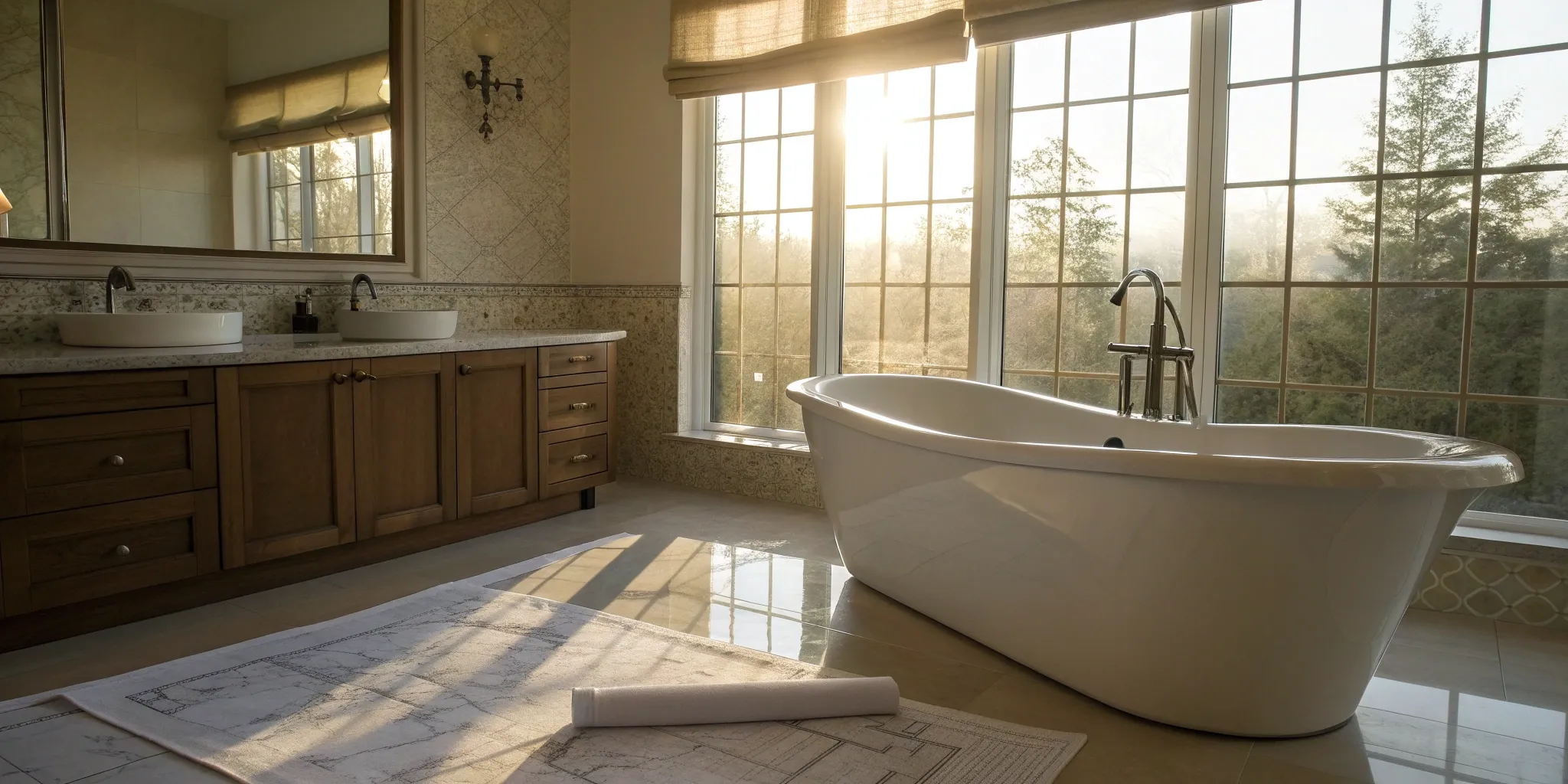
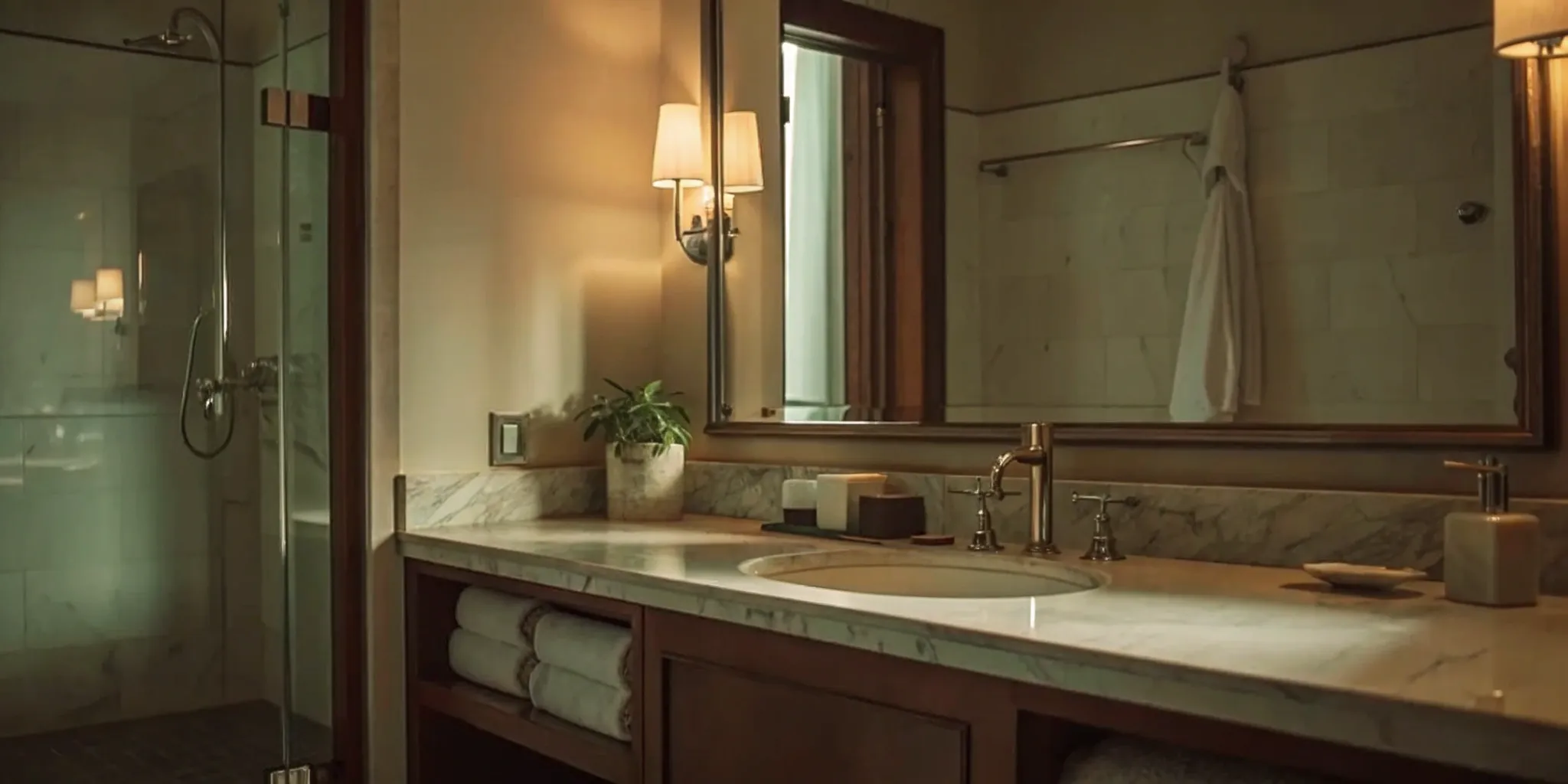
Ready to create your own personal spa? A high-end renovation is where you can really let your imagination run wild. This could include expanding the bathroom's footprint, adding a steam shower, installing heated floors, using premium materials like natural stone, and incorporating custom cabinetry and high-end fixtures. These luxurious projects often involve significant structural, plumbing, and electrical work. Depending on the finishes and features you select, a high-end remodel can easily exceed $100,000, resulting in a truly bespoke and relaxing retreat.
Where Your Money Goes: A Budget Breakdown
It’s one thing to have a total budget, but it’s another to know where that money actually goes. Labor is the biggest piece of the puzzle, often accounting for 40% to 65% of your total project cost. Beyond that, you’ll have costs for permits and demolition before the new work even begins. To give you a clearer idea, here’s a realistic bathroom remodeling budget breakdown by percentage:
- Labor: 20%
- Cabinets and hardware: 16%
- Fixtures (tub, toilet, etc.): 15%
- Faucets and plumbing: 14%
- Flooring: 9%
- Countertops: 7%
- Walls and ceiling: 5%
- Lighting and ventilation: 5%
What Drives Up Your Remodel Costs?
It’s one thing to dream about your perfect bathroom, but it’s another to make that dream fit into a realistic budget. While every project is different, a few key factors consistently have the biggest impact on the final price tag. Understanding these cost drivers from the start is the best way to plan a remodel that meets your goals without creating financial stress. From the layout of the room to the people you hire, let’s break down exactly where your money goes and why.
Changing Your Bathroom's Size and Layout
The single biggest decision that can inflate your budget is changing the bathroom’s existing footprint. If you’re keeping your toilet, sink, and shower in their current spots, you’re looking at a much simpler, more affordable project. The moment you decide to move walls or relocate plumbing, costs begin to climb. This kind of structural work involves demolition, reframing, new drywall, and potentially re-routing complex pipe and electrical systems hidden behind your walls. While a new layout can dramatically improve your bathroom’s function, it’s important to weigh that benefit against the significant increase in labor and material costs for your renovation plan.
Choosing Your Materials and Finishes
This is where your personal style meets your budget, and the choices you make can cause costs to vary dramatically. The difference between a $2-per-square-foot ceramic tile and a $20-per-square-foot marble tile adds up quickly. The same goes for your vanity, countertops, faucets, and lighting. A pre-fabricated vanity from a big-box store will cost a fraction of a custom-built piece. High-end finishes, luxury brand fixtures, and modern smart features like heated floors or digital shower controls will also push your total cost higher. It’s wise to decide early on where you want to splurge and where you’re willing to save on materials and finishes.
Hiring the Right Professionals
Labor is one of the most significant expenses in any remodel, and it’s the one you shouldn’t cut corners on. Even the most expensive materials can look terrible if they’re installed poorly. A quality renovation requires a team of skilled tradespeople, including a general contractor, plumber, electrician, and tiler. When you’re comparing bids, remember that the cheapest option isn’t always the best. An unusually low price can be a red flag for a lack of insurance, experience, or a tendency to add surprise charges later. Investing in vetted professionals ensures the job is done right, on time, and up to code, saving you from costly repairs down the road.
Updating Plumbing and Electrical
In many older homes, what’s behind the walls can lead to unexpected costs. If your home has outdated galvanized pipes or old wiring, you’ll likely need to replace them to meet current safety standards. Any bathroom renovation is the perfect time to make these essential upgrades. This might include replacing old plumbing lines, adding a new circuit for better lighting or a vent fan, and installing GFCI outlets, which are required near water sources. While these updates aren’t as glamorous as a new vanity, they are critical for the safety and long-term health of your home. This is a key reason why having a contingency fund is so important.
Factoring in Permits and Fees
Depending on the scope of your project, you will likely need a building permit from your local municipality. Any work that involves moving walls or changing plumbing and electrical layouts typically requires one. The purpose of a building permit is to ensure that all the work is performed safely and complies with local building codes. The cost can range from a couple of hundred to over a thousand dollars, depending on where you live and the complexity of your remodel. Your contractor will usually handle the process of pulling the permit, but the fee will be included in your overall project cost, so make sure it’s a line item in your budget.
How to Set a Budget and Stick to It
Creating a realistic budget is the single most important step you can take before starting a bathroom remodel. It’s your financial roadmap for the entire project, helping you make smart decisions and avoid stressful surprises down the line. A well-planned budget isn’t about limiting your vision; it’s about bringing it to life without breaking the bank. By thinking through the costs upfront, you can move forward with confidence, knowing you’re prepared for every expense, from the big-ticket items to the little details.
Use the 5-10% Home Value Rule
If you’re not sure where to even begin, a great rule of thumb is to budget between 5% and 10% of your home’s total value for a bathroom remodel. For example, if your home is worth $500,000, a reasonable budget would fall somewhere between $25,000 and $50,000. This range gives you a realistic starting point based on your property's value and local market. Think of it as a guardrail to keep your spending in check while ensuring your investment pays off. This simple calculation helps you set expectations and provides a solid number to work with as you start planning the specifics with your project advisor.
Build a Contingency Fund (10-15%)
Here’s a piece of advice I give every homeowner: always plan for the unexpected. No matter how carefully you plan, surprises can pop up once the walls are opened. That’s why a contingency fund is non-negotiable. You should set aside an extra 10% to 15% of your total budget for unforeseen issues like hidden water damage, old pipes that need replacing, or outdated wiring. This isn’t a “nice-to-have”; it’s your project’s safety net. Having this buffer gives you peace of mind, ensuring that a small hiccup doesn’t derail your entire renovation or force you to make compromises on your must-haves.
Track Every Expense
Once your budget is set, the key to staying on track is to monitor every single dollar you spend. I recommend using a simple spreadsheet or a budgeting app to log all your expenses as they happen. This includes everything from contractor payments and building permits to the new vanity, tiles, and even the drawer pulls. Tracking your spending in real-time allows you to see exactly where your money is going. If you overspend in one area, you can see it immediately and make adjustments elsewhere to stay within your overall budget. This habit prevents costs from spiraling and eliminates any shocking credit card bills at the end of the project.
Save Money Without Sacrificing Quality
Saving money on your remodel doesn’t have to mean settling for less. It’s about making smart choices. For instance, when you start to compare contractors, remember that the lowest bid isn’t always the best deal. It’s crucial to evaluate more than just the price; consider their proposed timeline, the quality of their past work, and the materials they plan to use. A slightly more expensive contractor who guarantees their work and uses durable materials can save you a fortune in future repairs. You can also save by doing some of the non-skilled labor yourself, like painting or demolition, or by shopping for fixtures and finishes during seasonal sales.
How to Choose the Right Contractor
The person you hire can make or break your bathroom remodel. A great contractor acts as your project partner, keeping things on schedule and within budget, while the wrong one can lead to costly mistakes and endless stress. This is arguably the most important decision you'll make, so it pays to be thorough. Finding a reliable professional you can trust involves more than a quick online search; it requires careful vetting and clear communication from the start.
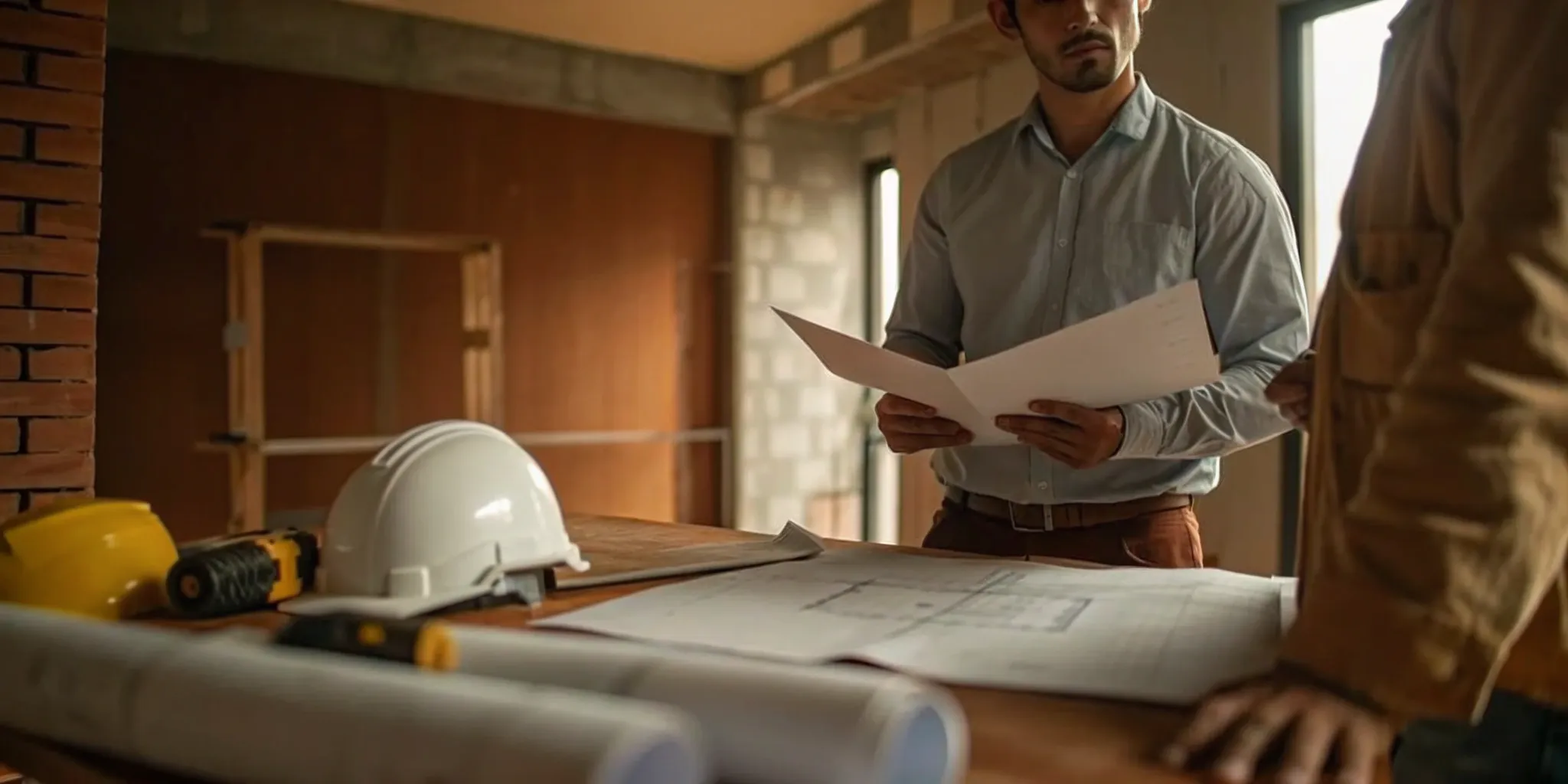
Before you even start looking, have a clear idea of your project's scope. Knowing what you want—from the layout to the specific tiles and fixtures—will help you get more accurate and comparable bids. When you're ready to reach out, aim to get at least three quotes from different contractors. This will give you a solid understanding of the market rate for your project. But remember, the goal isn't just to find the cheapest option. You're looking for the best value, which includes quality craftsmanship, reliability, and professionalism. A key part of the process is checking credentials. Always verify that a contractor is licensed, bonded, and insured. This protects you from liability and ensures they meet state and local standards. Finally, trust your gut. You'll be working closely with this person for weeks or even months, so it's important to hire someone you feel comfortable with. At Realm, we simplify this entire process by connecting you with our network of vetted professionals, so you can move forward with confidence.
Read the Fine Print on Estimates
When you start getting bids, you'll notice they aren't all created equal. It's important to understand what you're looking at. A contractor's quote should be a fixed-price offer based on a very detailed scope of work—not just a ballpark number scribbled on a notepad. A thorough quote will break down costs for labor, materials, and any subcontractor fees. It should also mention permits, as a professional will know what your city requires and include that in the plan. Reading this fine print helps you avoid surprises down the line and ensures you and your contractor are on the same page from day one.
Spot Red Flags in Contractor Bids
It’s tempting to jump on the lowest bid, but price isn't the only factor. A suspiciously low offer can be a major red flag, often signaling that the contractor is cutting corners on materials or labor. Be wary of bids that are vague, lack a clear timeline, or don't break down the costs. Another warning sign is a contractor who pressures you to sign a contract immediately or asks for a huge upfront deposit (most states limit how much they can ask for). The clarity and professionalism of the bid often reflect the quality of the contractor's work. A clear, detailed proposal shows they’ve listened to your needs and have a solid plan.
Check Their Reputation and Reliability
Before you sign anything, do your homework. The first step is to verify their credentials. Is the contractor licensed, bonded, and insured? A valid license proves they meet state requirements, and insurance protects you from liability if an accident happens on your property. Don't just take their word for it—ask for proof. Next, check their reputation. Look up online reviews and, most importantly, ask for references from recent clients. Call those references and ask about their experience. Was the project completed on time? How was the communication? Were they happy with the final result? This is why working with Realm is so valuable; we’ve already vetted every professional for you.
Get Multiple Quotes to Compare
Never go with the first contractor you talk to. A standard rule of thumb is to get at least three different quotes for your bathroom remodel. This process isn't just about finding the best price; it's about understanding the market and what a realistic budget for your project looks like. When you compare quotes, make sure you're comparing apples to apples. Does each bid include the same scope of work, quality of materials, and a similar timeline? Getting multiple bids empowers you to make an informed decision and helps you find a contractor who offers the best value, not just the lowest cost. It’s a crucial step in planning your project effectively.
Plan for the Unexpected: Hidden Remodel Costs
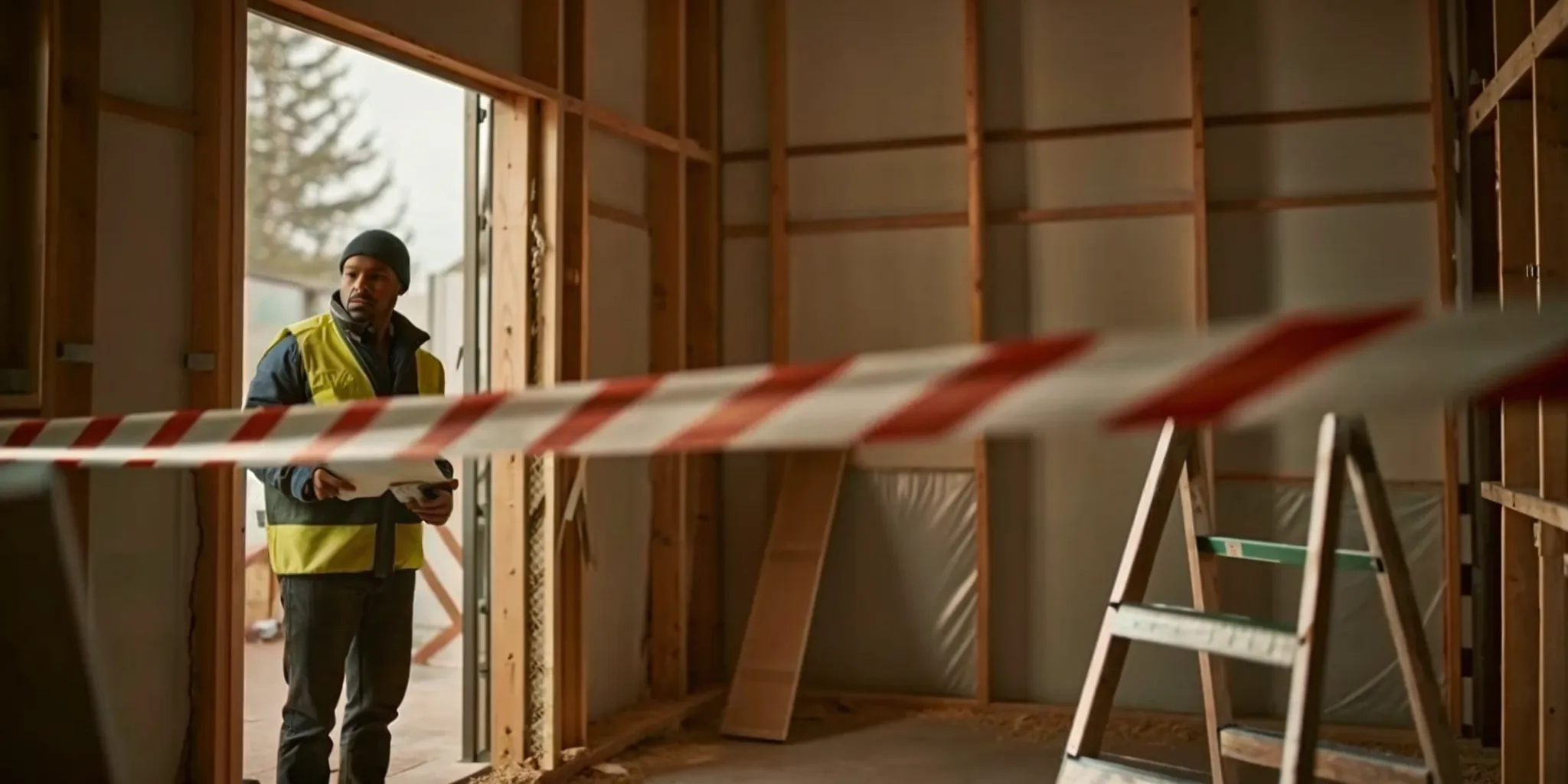
Even with the most detailed plan, a remodel can throw you a curveball. When you start opening up walls and floors, you might find surprises you didn't budget for. This is where a contingency fund becomes your best friend. Think of it as a financial safety net for your project, typically 10% to 20% of your total budget, set aside specifically for these "what if" moments. It’s the difference between a stressful scramble and a calm, collected pivot when your contractor says, "We've found something."
Hidden issues are especially common in older homes, where previous renovations might not have been done to code or materials have simply aged. From leaky pipes hiding behind the drywall to outdated wiring that can’t handle your new heated floors, these problems need to be fixed before your project can move forward. Ignoring them isn't an option—it just creates bigger, more expensive headaches down the road. Having a dedicated advisor can help you anticipate potential issues based on your home's age and condition, but it's always smart to be prepared. This buffer in your budget ensures that an unexpected discovery doesn't derail your entire renovation and turn your dream project into a source of anxiety.
Uncovering Water Damage or Structural Problems
Bathrooms are ground zero for moisture, so it’s not surprising that water damage is one of the most common hidden issues. A slow, undetected leak from a toilet, shower, or sink can rot subfloors, damage wall studs, and lead to mold growth. You often won't know the extent of the problem until your contractor starts demolition. Fixing water damage can add a few thousand dollars to your bill, as it involves replacing structural elements and ensuring the area is properly treated for mold. While it’s an unwelcome expense, addressing it properly is crucial for the health of your home and family.
Dealing with Outdated Plumbing and Wiring
If you live in an older home, your remodel might reveal plumbing and electrical systems that are past their prime. Galvanized pipes can corrode from the inside out, and old wiring may not be able to support modern lighting, outlets, and appliances safely. If you’re moving fixtures, like shifting your toilet or vanity, you’ll almost certainly need to update the plumbing lines. These updates aren't just for performance; they're for safety. Bringing everything up to modern standards is a necessary investment that protects your home, even if it adds a significant amount to your project's bottom line.
Meeting New Building Code Requirements
Building codes are constantly evolving to improve safety and efficiency. A major renovation often requires you to bring the entire room up to the current standards, not just the parts you’re changing. This could mean adding new GFCI outlets near water sources, installing a more powerful ventilation fan, or even widening a doorway for accessibility. A licensed and insured contractor will be familiar with local requirements and include these updates in their bid. This is one of the many reasons why it's so important to work with vetted professionals who understand the permit process and can ensure your new bathroom is both beautiful and compliant.
How Project Delays Affect Your Budget
Time really is money in a renovation. Delays can happen for all sorts of reasons: a custom vanity arrives late, your preferred tile is on backorder, or your contractor has to pause while waiting for an inspection. Each day your project runs over schedule can add to your costs. You might have to pay for extra labor hours or extend the rental on a portable toilet. Delays also add to the personal cost of living in a construction zone. While some setbacks are unavoidable, clear communication with your contractor and making material selections early can help keep your project on track and your budget intact.
Related Articles
- How to Estimate a Bathroom Remodel: A Full Breakdown
- How to Estimate Bathroom Remodel Cost Accurately
- How Much Does A Bathroom Renovation Cost?
- Bathroom Remodel Estimate Sample: A Cost Breakdown
Frequently Asked Questions
Is the 5-10% home value rule a strict guideline for my bathroom budget? Think of it less as a strict rule and more as a reality check. It’s an excellent starting point that grounds your budget in your home’s overall value and the local market. This helps you avoid both under-investing and over-spending. Your final cost will always come down to the scope of work and the materials you choose, but this guideline gives you a solid, realistic range to begin the planning process.
What's the best way to save money without ending up with a cheap-looking bathroom? It’s all about making smart trade-offs. I always suggest splurging on the things you touch and use every day, like a quality faucet or beautiful cabinet hardware. You can save significantly by keeping your bathroom's current layout, which avoids the high cost of moving plumbing and walls. You can also find beautiful, durable ceramic or porcelain tile that gives you a high-end look without the price tag of natural stone.
Why is it so important to have a contingency fund? What if I don't end up needing it? A contingency fund is your project’s safety net. It’s the money you set aside specifically for surprises, like finding hidden water damage or needing to update old wiring. Having this buffer prevents a small issue from derailing your entire project or forcing you to cut corners on the finishes you love. If you get to the end and haven't touched it, that's fantastic! You’ll simply have that money back in your pocket.
All the contractor bids I received are different. How do I know which one is the right choice? You’re looking for the best value, not just the lowest price. A suspiciously low bid can be a red flag for cheap materials, inexperienced labor, or a contractor who plans to add costs later. A quality bid will be detailed, breaking down the costs for labor, materials, and permits. The right contractor is one who communicates clearly, provides solid references, and gives you a comprehensive proposal that shows they understand your vision.
How long should I expect my bathroom remodel to take? The timeline really depends on the scope of your project. A simple cosmetic refresh might only take a week or two. A full gut renovation that involves moving walls and plumbing could take anywhere from four to eight weeks, or sometimes longer. Your contractor should provide a detailed schedule with their proposal, but be prepared for potential delays from things like custom orders or inspection schedules.














.png)



.png)