How to Create a Renovation Budget That's Realistic
Learn how to create a renovation budget that’s realistic, with practical tips for estimating costs, setting priorities, and planning for the unexpected.
|
February 19, 2026
In this article:
Nothing stops a renovation dream faster than the fear of a runaway budget. We’ve all heard the stories of projects that went double the expected cost or were derailed by one surprising discovery. That anxiety is real, but it doesn’t have to be your story. The key to a successful renovation is taking control of the finances from day one. A detailed, flexible budget is your best tool for preventing surprises and making confident decisions. This guide will show you exactly how to create a renovation budget that prepares you for the unexpected, keeps your project on track, and puts you in the driver's seat.
Key Takeaways
- Plan for the Unplanned: Surprises are an inevitable part of renovating. A contingency fund of 15-20% isn't just a suggestion—it's the essential buffer that prevents a small issue like hidden water damage from derailing your entire project.
- Define Everything Before Demolition: The most accurate budget comes from meticulous prep work. Finalize your design, get multiple itemized contractor quotes, and separate your "must-haves" from "nice-to-haves" before work starts to prevent costly mid-project changes.
- Actively Manage Your Money in Real-Time: A budget isn't a "set it and forget it" document. Use a simple spreadsheet to track every expense, stick to a milestone-based payment schedule, and formalize any scope adjustments with a written change order to maintain control.
What's in a Renovation Budget?
When you first start dreaming about a renovation, it’s easy to focus on the big, exciting purchases, like new countertops or that perfect clawfoot tub. But a truly realistic budget accounts for much more than just the finished product. A comprehensive budget is your roadmap for the entire project, and it needs to include every potential cost category, from the materials you can see to the professional fees and permits you can’t. Thinking through each of these components from the start is the best way to prevent sticker shock down the road. It helps you understand the full financial picture, make informed decisions, and keep your project on track without last-minute scrambles for cash. Let’s break down the key categories that should be in every renovation budget.
Materials and Supplies
This category covers more than just the final finishes. While you’ll definitely budget for things like flooring, tile, and paint, you also need to account for all the supporting materials that make the installation possible. Think about the less glamorous but essential items like glue, mortar, grout, and underlayment. You should also factor in the cost of any tools you’ll need to buy or rent, such as a floor sander or a tile saw. It’s a good practice to get detailed quotes for all your materials and add a small buffer, just in case prices change or you need a little extra.
Labor Costs
Unless you’re a seasoned DIY pro, you’ll likely need to hire professionals for at least part of your renovation. Labor is a significant portion of any project budget, covering skilled work like plumbing, electrical, drywall, and cabinet installation. It’s crucial to get project estimates from a few different contractors to compare costs and services. Don’t just look at the price tag; read their reviews and ensure they’re licensed and insured. Working with vetted professionals gives you peace of mind that the job will be done right, saving you from costly fixes in the future.
Permits and Inspections
Many home renovations, especially those involving structural changes, plumbing, or electrical work, require permits from your local building department. These permits ensure that the work is done safely and meets all current building codes. The cost of permits and subsequent inspections can vary widely depending on your project's scope and location. Often, your contractor will handle the application process, but the fee will be part of your overall cost. This is a non-negotiable expense, so be sure to ask your contractor about required building permits early in the planning phase.
Design and Architectural Fees
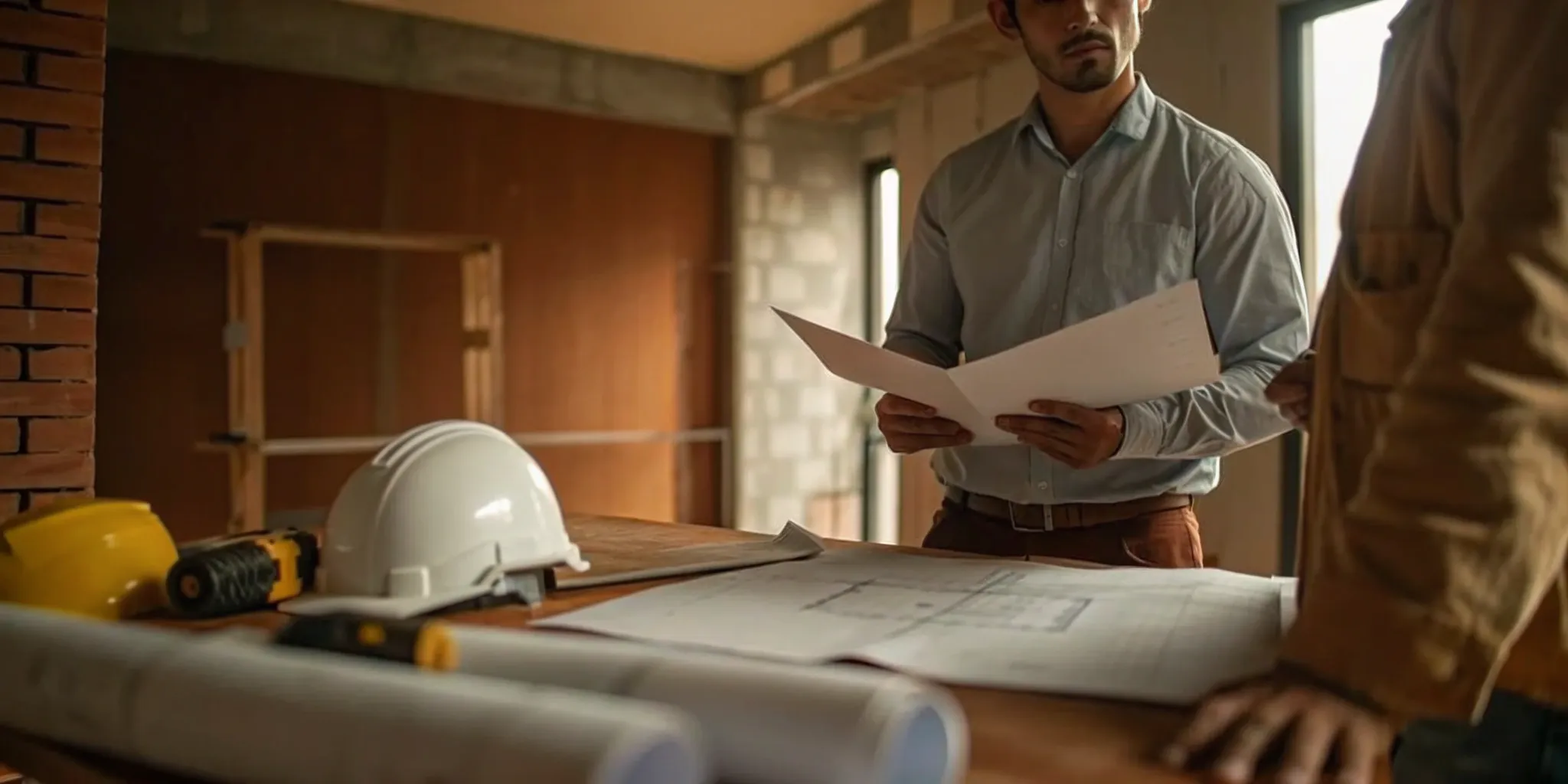
For larger or more complex projects, hiring an architect or an interior designer can be a smart investment. These professionals do more than just make things look pretty; they create detailed plans and blueprints that serve as a guide for your entire project. Having a professional create these plans before you start getting contractor quotes can lead to more accurate and comparable bids. While there is an upfront fee for their services, a good designer or architect can help you avoid costly mistakes and make the most of your space and budget.
The Contingency Fund
If there’s one thing you can count on in a renovation, it’s the unexpected. A contingency fund is your financial safety net for surprises that pop up along the way, like discovering old wiring that needs replacing or finding water damage behind a wall. A good rule of thumb is to set aside an extra 10% to 15% of your total project cost for these unforeseen expenses. This isn’t money you necessarily plan to spend, but having it ready ensures that a surprise issue won’t derail your entire project or force you to make compromises on your vision.
How to Accurately Estimate Renovation Costs
Creating an accurate cost estimate is part art, part science. It involves a mix of thorough research, professional input, and a clear understanding of your project's scope. While it might seem like a lot of upfront work, getting this number right is the single most important step in setting your renovation up for success. A solid estimate acts as your financial roadmap, helping you make informed decisions and avoid sticker shock down the line. Let's walk through the key methods for building a reliable cost projection for your project.
Get Multiple Contractor Quotes
Never settle for the first quote you receive. It’s essential to get project estimates from at least three different contractors. This isn't just about finding the cheapest option; it's about understanding the market rate and finding a professional you trust. When you review quotes, make sure they are detailed and itemized. A vague, one-line estimate is a red flag. You want a clear breakdown of costs for labor, materials, and any other fees. This allows you to compare apples to apples and see exactly what you’re paying for. At Realm, we connect you with our network of vetted local contractors to ensure you get transparent, competitive bids from reliable pros.
Research Local Material Prices
The cost of materials can vary dramatically depending on where you live. A little local research can go a long way in helping you understand if the material allowances in your contractor quotes are reasonable. Spend some time visiting local suppliers, browsing home improvement store websites, and looking up prices for big-ticket items like flooring, countertops, or windows. Knowing the average cost for similar projects in your area gives you a powerful baseline. This knowledge empowers you to have more productive conversations with your contractor about material choices and potential cost-saving alternatives without sacrificing quality.
Use Online Cost Calculators
Online renovation calculators can be a fantastic starting point for getting a rough idea of your project's cost. These tools are great for the early planning stages when you're just trying to figure out a ballpark budget. They typically ask for basic information like your zip code, the type of room, and the general scope of work to provide a broad estimate. However, remember that these are just estimates. For a truly accurate picture, you need a more personalized approach. Realm’s data-driven project planner goes a step further, analyzing millions of local data points to give you a customized cost estimate tailored to your specific home and goals.
Break Down Costs by Project Phase
Once you have a general estimate, it's time to get granular. Breaking down the total cost by project phase or task is a game-changer for managing your budget. Create a detailed list that separates costs for demolition, framing, plumbing, electrical, drywall, painting, and finishes. According to home and DIY experts, creating a detailed budget not only helps you see where you can cut costs but also doubles as a to-do list. This method makes the total number feel less intimidating and gives you clear visibility into where every dollar is going, making it much easier to track spending as the project progresses.
How Much Should You Spend on Renovations?
Deciding on the right amount to spend on a renovation is one of the trickiest parts of the process. Spend too little, and you might not get the results you want. Spend too much, and you risk over-investing in a way that you won't recoup if you sell. While there’s no single magic number, there are some helpful guidelines and key factors that can point you in the right direction.
The goal is to find the sweet spot that aligns with your home's value, your personal finances, and your long-term plans. By looking at established rules of thumb, considering your unique situation, and understanding the potential return on investment, you can build a budget that feels both ambitious and achievable. Let's break down how to approach this big question.
Understanding the 10-15% Rule
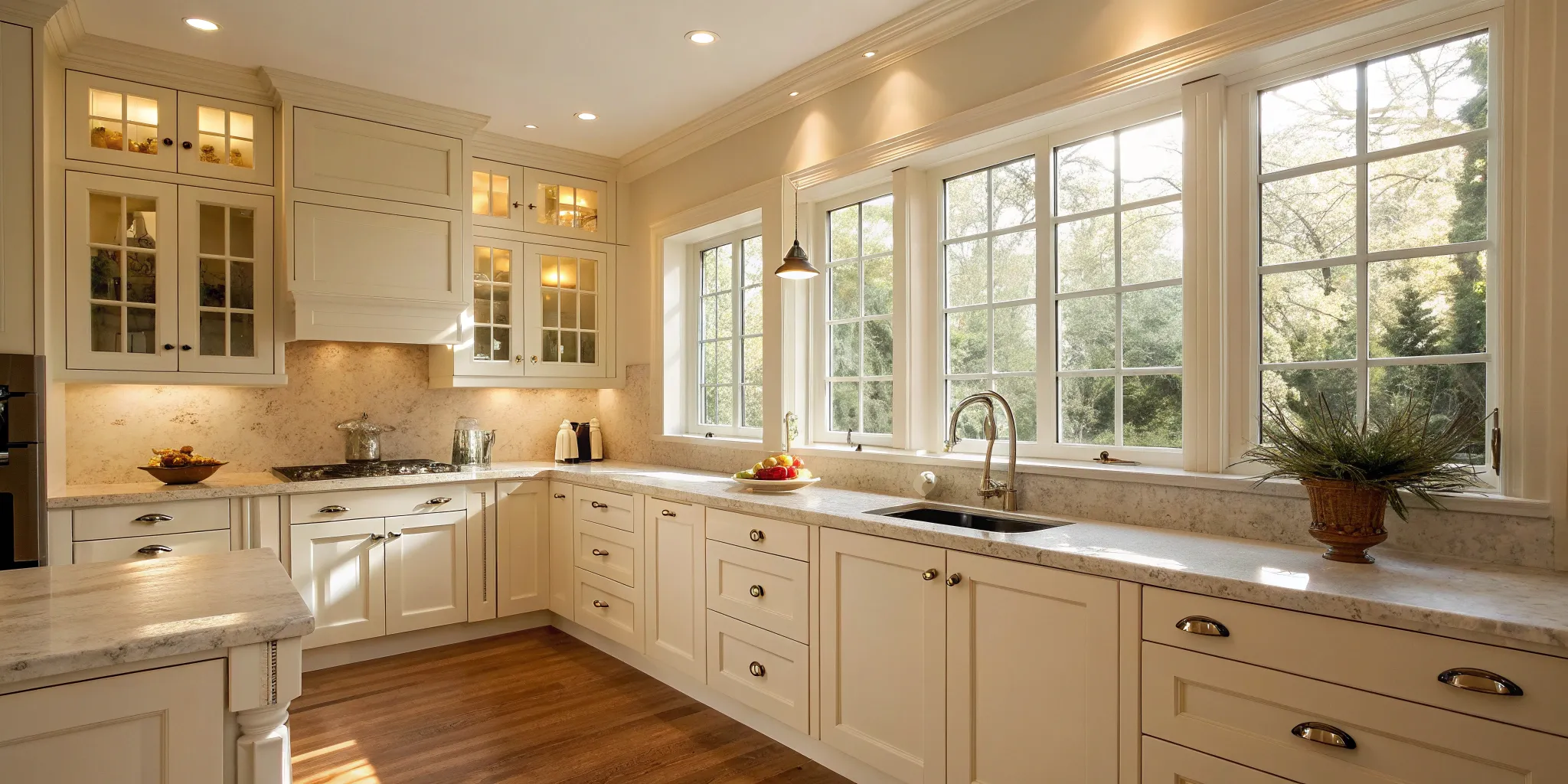
You may have heard of the 10-15% rule. Think of it as a helpful starting point, not a strict mandate. This guideline suggests that you should spend about 10-15% of your home’s total value on a single-room renovation, like a kitchen. For example, if your home is worth $800,000, a kitchen remodel budget might fall between $80,000 and $120,000. This rule helps you stay financially stable and ensures your project is in scale with your home's overall value, preventing you from over-improving for your neighborhood.
Factors That Influence Your Budget
While the 10-15% rule is a great benchmark, your final budget will be shaped by several personal factors. The scope of your project is the biggest one—are you simply replacing cabinets, or are you changing the entire layout and updating electrical systems? Your home's current value and your location also play a huge role, as labor and material costs can vary significantly by region. Finally, consider how long you plan to live in the house. If this is your forever home, you might be willing to invest more in features you’ll enjoy for years to come, regardless of their resale value.
Considering ROI for Different Renovations
Return on investment, or ROI, is the portion of your renovation costs you're likely to get back when you sell your home. It’s important to remember that you usually only recoup a percentage of what you spend—often around 60-75%. To get a sense of what adds value in your area, look at the selling prices of similar, recently remodeled homes in your neighborhood. This research gives you a realistic idea of what buyers are willing to pay for. Projects like kitchen and bathroom updates or curb appeal improvements typically offer a higher ROI than more personalized additions.
How to Plan for Unexpected Costs
No matter how meticulously you plan, renovations have a knack for throwing curveballs. It’s the nature of tearing down walls and uncovering the history of a house. The key isn’t to prevent every surprise—that’s impossible—but to be financially and mentally prepared for them. This is where your contingency fund becomes your best friend, acting as a dedicated buffer for the unexpected.
Think of it this way: a solid plan anticipates the possibility of problems. While you can’t know for sure if you’ll find old termite damage or that your dream tile will be backordered, you can be aware of the common issues that send budgets off track. Understanding these potential pitfalls ahead of time helps you react calmly and make smart decisions instead of panicked ones. From hidden structural problems to last-minute design changes, let’s look at the most frequent culprits behind unexpected costs and how you can prepare for them.
Hidden Structural Issues
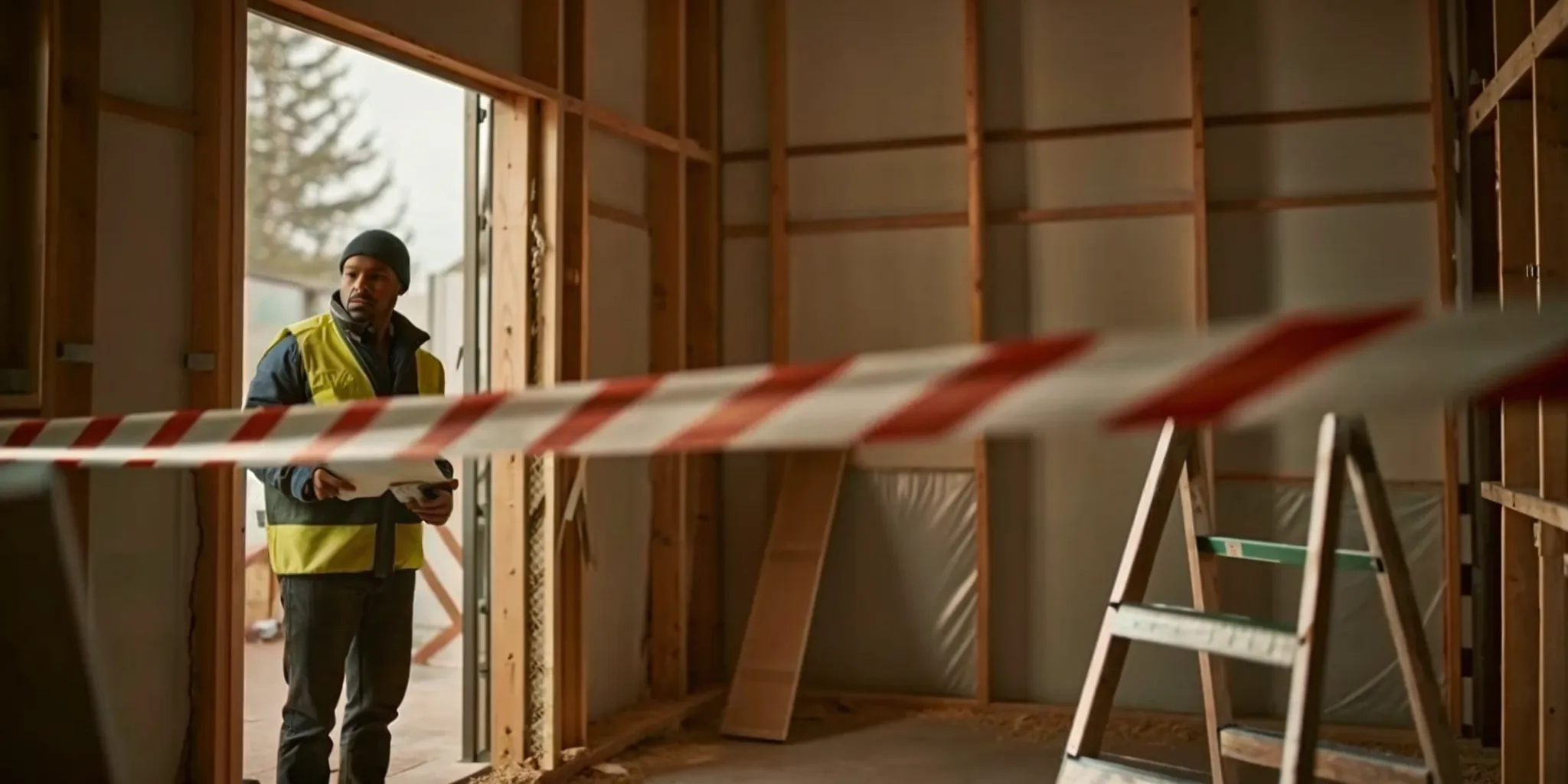
The moment of truth in any renovation is demolition day. When walls come down, you might uncover issues that were impossible to see beforehand. Problems like hidden water damage from a long-forgotten leak, outdated and unsafe electrical wiring, or crumbling plumbing are common discoveries in older homes. These aren't just minor inconveniences; they often involve foundational or safety-related work that must be addressed before your project can continue. It’s wise to save extra money for these exact scenarios, as finding hidden damage is one of the most common reasons for going over budget. A good contractor can sometimes spot red flags, but you should always be prepared for at least one structural surprise.
Code Compliance Updates
Building codes exist to keep your home safe, and they evolve over time. A renovation often acts as a trigger, requiring you to bring certain elements of your home up to the current code. For example, if you’re redoing your kitchen electrical, you may also be required to update your home's main electrical panel. Other common mandatory updates include adding specific types of insulation or installing hardwired smoke detectors. No matter how well you plan, these kinds of unexpected costs can come up. Working with an expert who understands local regulations, like a Realm advisor, ensures these requirements are factored in from the start, minimizing surprises during inspections.
Mid-Project Design Changes
This is one of the few unexpected costs you have direct control over. It’s easy to get swept up in the project and decide to upgrade your countertops at the last minute or add a few more recessed lights. While these changes might seem small, they can quickly inflate your budget and extend your timeline. This phenomenon, often called "scope creep," is a major budget-buster. The best way to avoid it is to finalize every design decision—from paint colors and hardware to tile and fixtures—before any work begins. Committing to your plan helps keep your project on track and your budget intact.
Timeline Delays and Price Hikes
Delays can happen for reasons outside of anyone’s control, like bad weather, shipping issues for materials, or a backlog at the permit office. These delays don’t just push back your completion date; they can also increase labor costs if your contractor has to reschedule other jobs. On top of that, material prices can fluctuate. Renovation costs tend to rise each year, so locking in prices with your vendors and contractors as early as possible is a smart move. Building a little extra time into your project schedule can also provide a helpful buffer, reducing the stress and financial strain of an unexpected delay.
How to Create a Flexible Budget
A renovation budget is more of a roadmap than a rigid set of rules. The most successful projects are the ones where the budget is treated as a living document, designed to adapt to the realities of construction. Building flexibility into your financial plan from day one is the best way to handle surprises without derailing your project or your peace of mind. It’s about creating a framework that allows you to make smart, informed decisions as the renovation unfolds.
A flexible budget anticipates the unexpected. It acknowledges that you might find asbestos behind a wall or that the price of lumber could change mid-project. Instead of letting these moments create a crisis, a flexible plan gives you a clear path forward. It empowers you to pivot, reallocate funds, and have productive conversations with your contractor about how to keep the project moving. This approach turns potential stress into manageable problem-solving, which is the key to a renovation experience you can actually enjoy.
Build in a Contingency Fund
Think of a contingency fund as your project’s built-in safety net. No matter how meticulously you plan, renovations have a knack for revealing surprises, like outdated wiring hidden in a wall or a plumbing issue you didn't know you had. Instead of letting these discoveries cause a panic, a contingency fund gives you the resources to handle them. Most experts recommend setting aside an extra 10% to 20% of your total project cost. For older homes or more complex remodels, pushing that to 30% is even smarter. This isn't money you necessarily will spend, but having it ready ensures that an unexpected problem doesn’t force you to compromise on your vision.
Prioritize Must-Haves vs. Nice-to-Haves
Before you get lost in tile samples and paint swatches, take time to separate your needs from your wants. Grab a notebook and create two columns: "must-haves" and "nice-to-haves." Your must-haves are the non-negotiables—the things that are essential to the project's success, like a functional kitchen layout or fixing a structural issue. The nice-to-haves are the upgrades you’d love if the budget allows, like that high-end faucet or custom cabinetry. This list becomes your guide. If an unexpected cost pops up, you’ll know exactly which "nice-to-have" you can sacrifice to keep your essential goals on track. This process helps you focus your spending on what will truly make you happy in your home for years to come.
Review Your Budget Regularly
Your budget shouldn't be a document you create once and file away. It’s a tool you should be using throughout the entire renovation. Set up a recurring check-in, maybe once a week, to review your spending. A simple spreadsheet or a budgeting app can help you track every expense against your initial estimates. This habit allows you to see exactly where your money is going and catch potential overages before they become major problems. By staying on top of the numbers, you can have proactive conversations with your Realm advisor or contractor and make adjustments early, ensuring there are no shocking bills at the end of the project.
Set Payment Milestones
A standard practice in the construction industry is to never pay for the full project upfront. Instead, you should work with your contractor to establish a payment schedule based on clear, verifiable milestones. For example, you might make an initial payment to cover materials, another after demolition is complete, another once the drywall is up, and so on, with the final payment due only after the project is fully finished and you’ve completed a final walkthrough. This approach protects you by ensuring you only pay for completed work. It also helps keep your project on schedule, as it incentivizes your contractor to hit each target on time.
How to Set Priorities Within Your Budget
Okay, you have a number in mind for your renovation. Now comes the tricky part: deciding how to spend it. A budget isn't just a limit; it's a roadmap that guides every choice you make. When you can't do everything at once, you have to prioritize. This means figuring out what’s absolutely essential versus what would be nice to have. It’s a balancing act between fixing what’s broken, improving your daily life, and thinking about your home’s future value. By sorting your project list into clear categories, you can make sure your money goes toward the things that matter most to you and your home.
Start with Essential Repairs and Safety
Before you even think about new countertops or paint colors, you need to address the health and safety of your home. Think of this as the foundation of your renovation. Any pressing issues—like a leaky roof, outdated electrical wiring, plumbing problems, or foundation cracks—should be at the very top of your list. While these repairs aren't the most exciting part of a remodel, they are non-negotiable. Ignoring them can lead to much bigger, more expensive problems later on. A dedicated project advisor can help you identify these critical needs during an initial assessment, ensuring your investment protects your home for the long haul.
Focus on High-Impact Lifestyle Improvements
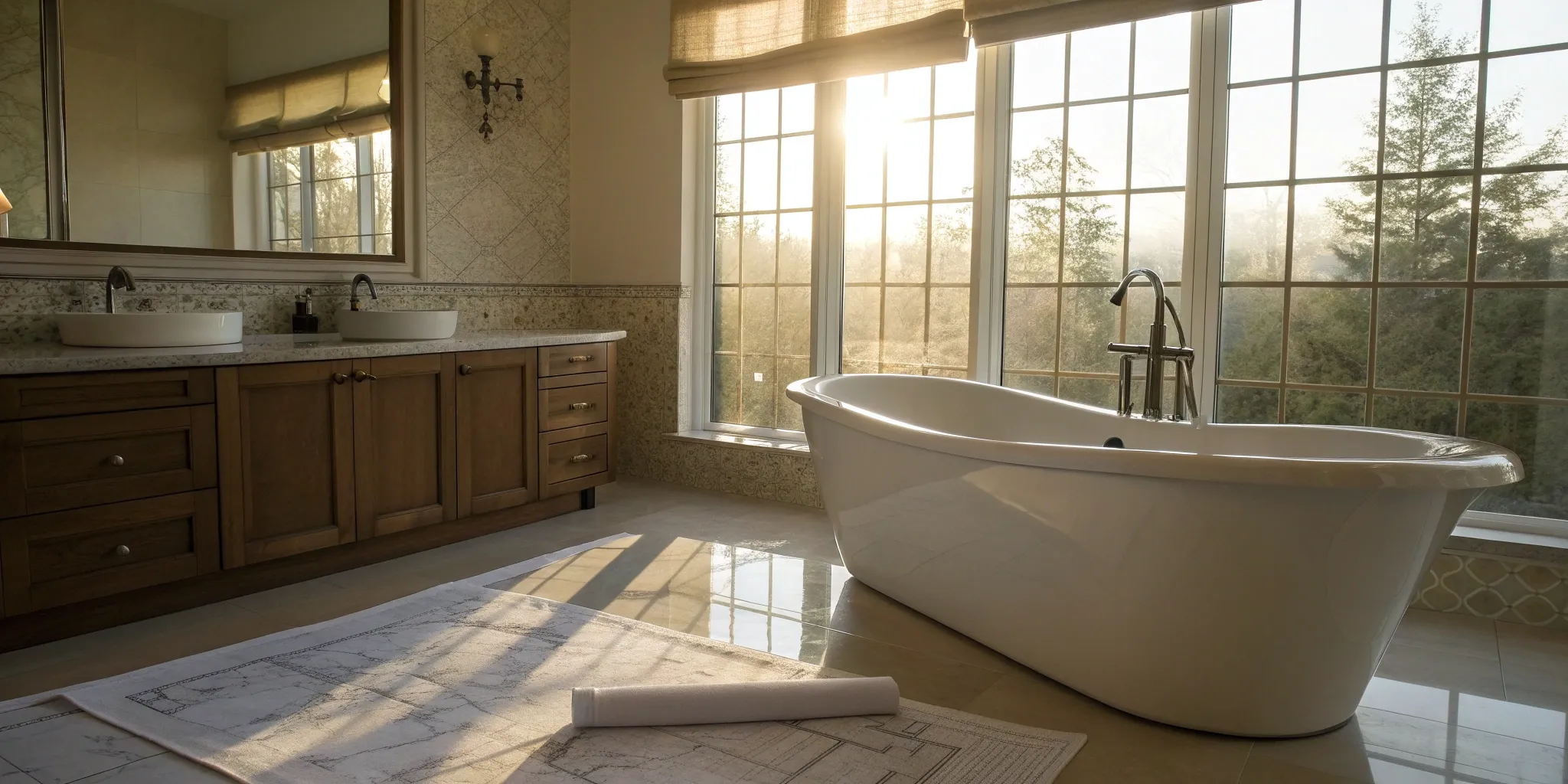
Once the essential repairs are covered, you can move on to the fun stuff. This is where you get to focus on changes that will genuinely make your day-to-day life better. Since you'll be living in your home, prioritize what makes you happy and comfortable. Think about your daily routines and any friction points. Do you wish you had more kitchen counter space for meal prep? Is your bathroom layout awkward and cramped? These high-impact projects, like a kitchen or bathroom remodel, often provide the most personal satisfaction. The main reason for your renovation is your own enjoyment, so invest in the spaces you use and love the most.
Balance Immediate Needs with Long-Term Goals
A smart renovation plan considers both your immediate wants and your long-term financial picture. It’s important to find a balance. If your dream project list exceeds your current budget, consider breaking it into phases. Maybe you tackle the kitchen this year and plan for the bathroom addition in a few years. It’s also wise to keep your home’s overall value in mind. A common guideline is to spend no more than 10-15% of your home's value on a single project, like a kitchen remodel. This helps ensure your investment aligns with your property's worth and local market. Working with experts can help you make strategic decisions that fit both your lifestyle and your financial goals. You can learn more about why Realm provides this kind of dedicated support.
Tools for Managing Your Renovation Budget
A budget is only as good as your ability to stick to it. Staying on track requires more than just a number in your head—it requires a system. The right tools can make all the difference between a project that finishes on budget and one that spirals out of control. Luckily, you don't need complicated software to keep your finances in order. A few simple strategies and tools will help you monitor every dollar from start to finish, giving you the clarity and confidence to manage your project effectively.
Use Budget Tracking Spreadsheets and Apps
The simplest way to track your spending is with a spreadsheet. Creating a budget tracker helps you see exactly where your money is going, identify areas to cut costs, and manage your to-do list so nothing gets missed. You can build a simple one in Google Sheets or Excel with columns for the item, estimated cost, actual cost, and the difference. If spreadsheets aren't your thing, plenty of budgeting apps can connect to your bank accounts and automatically categorize your renovation spending. The key is to choose a tool you'll actually use consistently.
Organize Receipts and Documents
A renovation comes with a mountain of paperwork: contractor estimates, invoices, receipts for materials, and warranty information. Keeping these documents organized is non-negotiable. Create a dedicated folder—either a physical one or a digital one in Google Drive or Dropbox—for everything related to your project. Scan physical receipts to create digital backups. This paper trail is your best friend if you need to return an item, file a warranty claim, or clarify a charge with your contractor. It also gives you a clear, real-time view of how you’re spending against your plan.
Manage Contractor Payment Schedules
Never pay for a full renovation upfront. Instead, work with your contractor to establish a payment schedule tied to specific project milestones, like the completion of demolition or the installation of cabinets. This ensures you’re only paying for work that has been completed to your satisfaction. Your contract should also outline a clear process for handling changes. Any adjustments that affect the budget should be documented in a formal change order that you approve before work begins. This is a core part of how Realm supports homeowners, ensuring transparency and control throughout the project.
Common Budgeting Mistakes to Avoid
Creating a solid budget is your best defense against renovation stress. But even the most detailed plans can go off track if you fall into a few common traps. Knowing what these pitfalls are ahead of time can save you from major headaches and unexpected costs down the road. Let’s walk through the four biggest budgeting mistakes homeowners make and, more importantly, how you can steer clear of them.
Underestimating the Project Timeline
It’s a truth universally acknowledged in home renovation: it will probably take longer than you think. Underestimating your project’s timeline isn’t just a test of patience; it’s a direct hit to your budget. Delays can lead to extended labor costs, temporary housing fees, and the general financial strain of a project that drags on. To avoid this, build a buffer into your schedule from the start. It’s also wise to break the project into phases, like tackling the bathrooms first, then the kitchen. This makes the timeline feel more manageable and gives you clear milestones to track against your budget.
Skipping the Contingency Fund
If you only take one piece of advice, let it be this: do not skip the contingency fund. This isn't just "extra" money; it's an essential part of your renovation budget. Think of it as a financial safety net for the inevitable surprises, like discovering outdated wiring behind a wall or needing to address a hidden leak. Most experts suggest setting aside 20-30% of your total project cost for these "what-ifs." While it might feel like you're over-budgeting initially, this fund is what keeps a small surprise from turning into a full-blown financial crisis. It’s the key to budgeting for the unexpected and finishing your project with peace of mind.
Not Getting Detailed Quotes
A one-line estimate on the back of a business card is not a quote. One of the biggest mistakes you can make is moving forward without a detailed, itemized bid from your contractor. A proper quote breaks everything down: labor costs, material prices, permit fees, and a clear payment schedule. This level of detail is your best tool for preventing surprise charges and misunderstandings. To get the most accurate quotes, it helps to have detailed plans from a designer or architect. At Realm, we help you connect with vetted professionals who provide the transparent, comprehensive quotes you need to make confident decisions. Always aim to get at least three before choosing your team.
Forgetting to Budget for Living Expenses
Your renovation budget shouldn't stop at materials and labor. You also need to account for how the project will impact your daily life and finances. Are you planning to live in the house during the remodel? Be realistic about the cost of eating out more often when your kitchen is a dust-filled construction zone. If the work is extensive and you need to move out, you’ll have to budget for rent, storage units, and moving costs. These "soft costs" can add up quickly and catch you off guard if they aren't part of the initial plan. Thinking through your living situation ahead of time ensures your budget reflects the full financial picture of your renovation.
When to Adjust Your Budget Mid-Project
Even with the most detailed plan, renovations have a way of throwing curveballs. The goal isn’t to create a budget that never changes, but to build one that’s flexible enough to handle surprises. When unexpected costs pop up, it’s not a sign of failure—it’s a normal part of the process. The key is to have a clear strategy for how you’ll adapt. By knowing what to look for, where you can make smart adjustments, and how to keep communication lines open with your team, you can manage changes without derailing your entire project.
Know the Warning Signs
The most obvious sign you might need to adjust your budget is when your contractor uncovers a hidden issue, like outdated wiring or water damage behind a wall. This is precisely why a contingency fund is non-negotiable. While a 10-15% buffer is a good start, some renovation veterans suggest planning for 20-30% more than your initial estimate, especially in older homes. If you start dipping into that contingency fund early or your contractor mentions a potential change that isn’t accounted for, it’s time to pause and reassess. Proactive conversations about these warning signs will keep you in control of your spending.
How to Make Smart Cuts
If costs are climbing, you have options beyond just writing a bigger check. Look at your list of priorities and see where you can make strategic cuts. Could you handle some of the finishing work, like painting or installing hardware, yourself? This is a great way to save on labor costs. You could also look for alternative materials that give you a similar look for less. Perhaps you can postpone a "nice-to-have" feature, like custom closet organizers, until a later date. This is where having a dedicated advisor can be invaluable, as they can help you identify smart trade-offs that won’t compromise the quality or function of your space.
Communicate Changes to Your Contractor
Clear and documented communication is your best defense against budget creep. If you or your contractor propose a change, it needs to be formalized in a "change order." This document should detail the new scope of work, the associated costs (or savings), and any impact on the project timeline. A verbal agreement won't cut it. Schedule regular check-in meetings to review progress and track spending against your budget. This ensures everyone is on the same page and helps you catch potential overages before they become major problems, keeping your project on track and your finances in check.
Related Articles
- Breaking Down Your Full Interior Renovation Cost
- How to Hire a General Contractor for House Renovation
- Creating a Home Renovation Project Plan in 7 Steps
- How to Estimate Bathroom Remodel Cost Accurately
- Avoiding the Renovation Budget Trap: A Data-Backed Guide
Frequently Asked Questions
What’s the single biggest budgeting mistake I can make? The most common mistake is failing to plan for the unexpected. It’s easy to build a budget around the things you can see, like new cabinets and flooring, but renovations almost always uncover surprises. Skipping a contingency fund or not building a buffer into your timeline sets you up for major stress. A realistic budget acknowledges from the start that things might go wrong, and it prepares you financially for when they do.
How strictly should I follow the 10-15% rule for a room remodel? Think of the 10-15% rule as a helpful starting point, not a strict command. It’s a great way to make sure your project is in scale with your home’s overall value, which is important for resale. However, your personal situation matters more. If this is your forever home and a dream kitchen will bring you joy for the next 20 years, you might decide to invest more. The key is to make a conscious choice that aligns with your finances and long-term plans.
My project list is longer than my budget. How do I decide what to cut? Start by separating your absolute must-haves from your nice-to-haves. Be honest about what is essential for your home's safety and your daily happiness versus what is purely an upgrade. Address any critical repairs first, like faulty wiring or plumbing. From there, focus on the changes that will have the biggest positive impact on your life. You can often save on finishes by choosing a less expensive but still beautiful material, or by planning to tackle some of the smaller, cosmetic projects yourself down the line.
What should I do if a contractor’s quote seems vague or too high? Never move forward with a vague quote. A professional and transparent contractor should provide a detailed, itemized bid that breaks down the costs for labor, materials, and any fees. If a quote seems high, having at least two others for comparison will tell you if it’s in line with the local market. Don’t be afraid to ask questions. A good contractor will be able to walk you through their estimate and explain what each line item covers.
What’s the difference between using my contingency fund and just changing my mind? Your contingency fund is your financial safety net for true unknowns, like discovering water damage behind a wall or needing to bring old plumbing up to code. These are necessary fixes you couldn't have planned for. Changing your mind mid-project to upgrade your countertops or add more lighting is what’s known as “scope creep.” While it’s your right to make changes, those costs should come from a separate pool of money, not your emergency contingency fund.






























.png)












.png)