Avoiding the Renovation Budget Trap: A Data-Backed Guide
78% of renovations go over budget. Learn the real reasons why—and how data-backed planning can help you avoid costly renovation mistakes.
|
December 30, 2025

In this article:
Avoiding the Renovation Budget Trap: A Data-Backed Guide
Home renovations can breathe new life into a house: adding space, improving comfort, and even boosting property value. It's no wonder that a majority of homeowners would rather renovate than move; one survey found 63% of homeowners prefer to upgrade their current home instead of relocating. However, planning a remodel isn’t all fresh paint and new fixtures. A striking 78% of home renovation projects end up over budget, and about two-thirds of homeowners take on debt to cover the extra costs. These statistics highlight a common challenge: without proper planning and guidance, renovation dreams can turn into financial stress. The good news is that with the right approach, you can avoid budget pitfalls and confidently transform your home. Below, we explore why renovations often go over budget and how you can keep your project on track, all in plain language from helpful renovation experts.
Why Do Home Renovations Go Over Budget?
Even the best-intentioned homeowners can run into cost overruns. Understanding the common reasons behind budget blowouts is the first step toward preventing them. Here are a few major factors that frequently lead renovations to cost more than expected:
- Unrealistic Initial Budget:
- One of the biggest culprits is starting with a budget that doesn’t match reality. Many homeowners underestimate how much their desired project will actually cost. In fact, experts note that “many home projects go over budget because homeowners don’t start with a realistic budget in mind”. Labor, materials, permits, and even the time of year can all affect costs. If you haven’t done thorough research or gotten detailed estimates, you might base your budget on best-case scenarios or outdated averages. This leaves little room for the inevitable surprises that pop up during construction.
- Not Accounting for Feasibility and Scope:
- Another reason costs swell is jumping into design or demolition without checking feasibility. Tearing down a wall or adding a bathroom might sound straightforward, but there could be structural or legal constraints. As renovation contractor Whitney Hill explains, projects often “go over budget due to homeowners not understanding what’s actually feasible before jumping in”. Skipping an early feasibility study – such as checking zoning laws, permit requirements, or the condition of existing structures and systems – can lead to costly changes down the road. For example, discovering too late that your plan violates building codes or that your electrical panel can't support a new addition can force expensive revisions mid-project.
- Choosing the Wrong Contractor (or No Contractor):
- Who you entrust to do the work can make or break your budget. A reputable, experienced contractor might charge more upfront but will likely stick closer to the quoted price and timeline. On the other hand, hiring someone unvetted or lured by a rock-bottom bid can lead to trouble. Over a third of homeowners (32%) report that a contractor they hired never even showed up, and 39% have seen contractors cut corners, causing issues that require more money to fix (benzinga.com). In one survey, 53% of projects managed by a contractor ended up over budget (compared to 42% of DIY projects) (benzinga.com). Common pitfalls include unclear contracts, surprise add-on charges, or even contractors abandoning the job. All of this can quickly drive up costs beyond the original plan.
- Scope Creep and Changing Plans:
- Excitement and inspiration can sometimes expand the project scope while work is underway. Homeowners might start with a simple kitchen update and then decide to also redo the flooring throughout the house, for example. Every time you add features or change materials mid-project, you risk increasing the budget. This phenomenon – known as “scope creep” – often happens when there isn’t a clear renovation plan or when homeowners keep encountering new ideas (think discovering a beautiful backsplash tile and deciding to go for it). Without discipline and a firm plan, the project can snowball beyond the initial budget.
- Unforeseen Issues Behind the Walls:
- Every old home has its secrets. It’s only when you open up walls or floors that you might discover hidden problems like mold, rot, outdated wiring, or structural deficits. Fixing these issues is usually not optional – you must address them before proceeding. As one tradesman put it, “the homeowner doesn’t know what’s behind the walls… if there is mold, structural issues or rot, those things need to be addressed before anything else” (nasdaq.com). These unplanned repairs contribute to a “compounding effect” of costs (nasdaq.com). In short, one thing leads to another, and your budget takes the hit. While some contingency for surprises is always wise, extensive issues can still push you over the limit if you weren’t prepared for them.
Pro Tips to Keep Your Renovation On Budget
Understanding the risks is important, but the real goal is to prevent budget overruns before they happen. Here are some trusted strategies and tips, straight from renovation experts and advisors, to help you plan smart and avoid costly surprises:
- Do Your Homework and Set a Realistic Budget:
- Before any hammer swings, invest time in researching and planning. Gather data on local renovation costs for projects like yours – this could involve getting multiple quotes from contractors or using online cost estimators. Remember that the average cost to renovate a home can range widely (from about $20k to $90k) depending on the scope (nasdaq.com). Use these figures as a baseline, but adjust for your home's specifics. Be honest about what you can afford and prioritize your must-haves. Having a firm understanding of your budget up front will guide all other decisions (nasdaq.com). If the initial quotes come in higher than expected, consider scaling back the project or completing it in phases. It’s better to plan conservatively than to assume everything will magically cost less.
- Conduct a Feasibility Check Early:
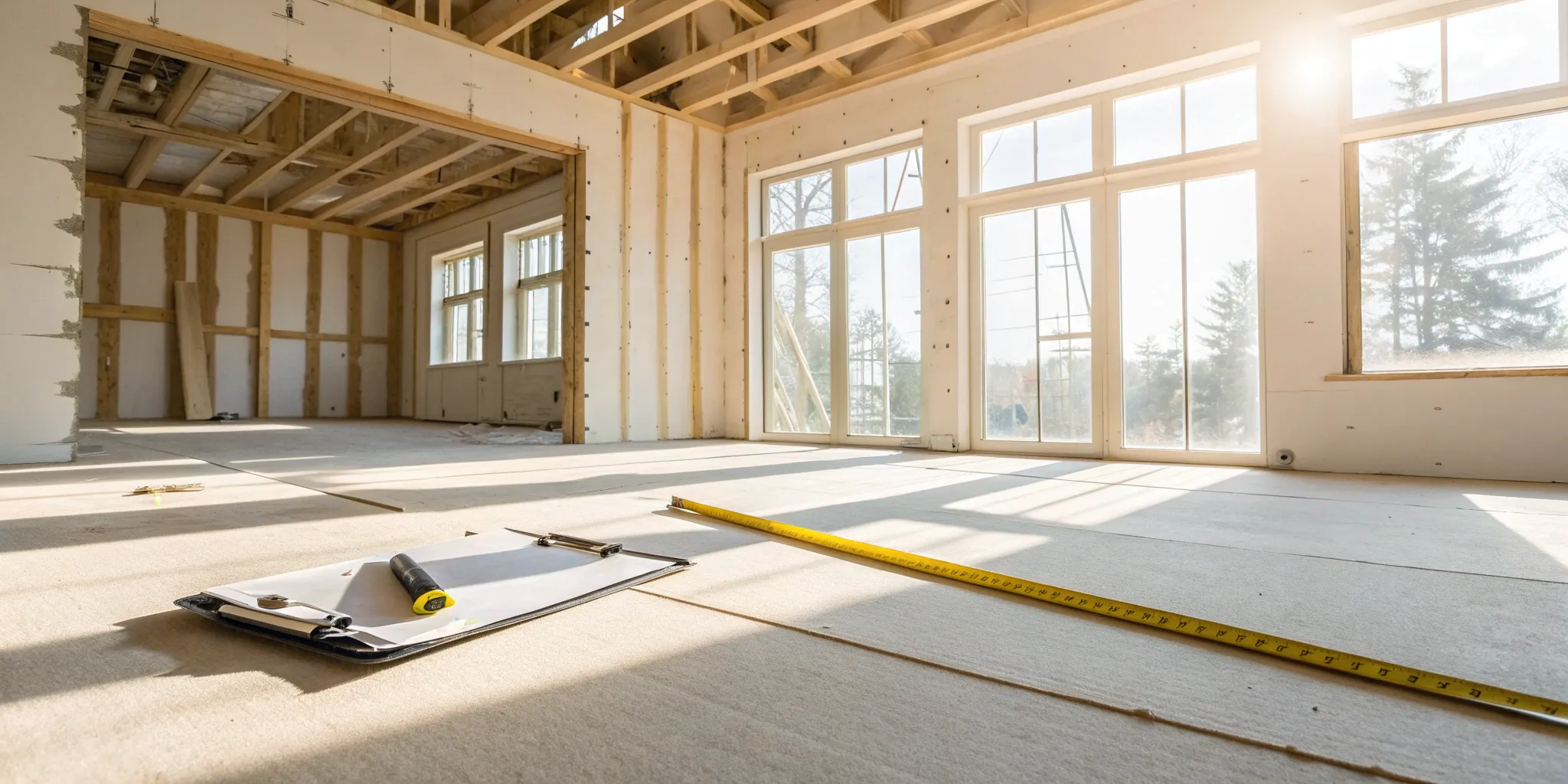
- Before you finalize your renovation plans, check what’s actually feasiblein your home. This means looking into local building codes, permit requirements, and any structural limitations. If you’re adding square footage or making significant changes, consult an architect or experienced renovation planner for an initial assessment. For example, verify if that wall you want to remove is load-bearing, or if an addition is allowed on your lot. Doing a full feasibility analysis at the start can prevent expensive detours later. Essentially, measure twice (in the planning stage) so you only have to cut – and pay – once. This step can save you from heartache and wallet-ache by catching deal-breakers early.
- Vet Your Contractors and Get Multiple Bids:
- Choosing the right contractor is one of the most important budget decisions you’ll make. Don’t rush this. Seek recommendations, read reviews, and interview multiple contractors. A smart practice is to get at least 3 detailed bids for your project – this not only gives you a sense of the fair cost, but also lets you compare approaches. When reviewing bids, make sure they include similar scope and quality of materials for an apples-to-apples comparison. Ask for references and actually follow up on them. A trustworthy professional should have no problem connecting you with past clients. It’s also wise to check that they are licensed and insured in your area (and if possible, find out if they have a history of completing jobs on time). Be wary of any quote that is dramatically lower than others – “if a price seems too low, be prepared and have a little extra just in case” something goes wrong. In other words, the cheapest bid could cost you more in the long run if the work is subpar. Take your time to find a contractor who communicates clearly, has a good reputation, and makes you feel comfortable; it’s worth the effort upfront to avoid budget drama mid-project.


- Plan (and Limit) Your Project Scope:
- One way to combat scope creep is to define the project scope in detail before work begins. Make a list of “must-haves” vs “nice-to-haves” and stick to it. If you decide during construction that you must add something, try to remove or downgrade another element to offset the cost. It’s also helpful to schedule any optional or future wish-list items for a later phase, once you’ve saved more funds. By resisting the temptation to change plans on the fly, you keep your budget under control. Communicate clearly with your contractor that any changes should be discussed (and quoted) before proceeding, so you always know the budget impact in advance. A well-defined plan is your roadmap – and it’s easier to stay on budget when you don’t take unexpected detours.
- Expect the Unexpected (Build in a Buffer):
- No matter how well you plan, there will almost always be a surprise or two during a renovation. Maybe it’s an outdated plumbing connection that needs replacement, or drywall that has to be opened up to upgrade wiring – unexpected tasks happen. The best defense is to budget for contingencies. Professionals often recommend setting aside around a 10-20% buffer in your budget for these surprises. In practice, that means if your renovation is estimated to cost $50,000, you should have an extra $5,000–$10,000 available just in case. One expert suggests keeping a 15% cushion so that “if you do go over your initial estimate, you’re still financially prepared.”( nasdaq.com) By factoring this cushion in from the start, you won’t have to scramble for funds or compromise on quality if something unforeseen arises. And if you’re lucky enough to avoid major surprises, you’ll simply end up under budget or can allocate those extra funds to a future project.
- Consider Professional Guidance:
- If all this planning feels overwhelming, remember that you don’t have to figure it out alone. Home renovation is a complex, high-stakes endeavor, and it’s perfectly fine to seek help. Many homeowners now turn to renovation advisors or planning services for support. These professionals act as a neutral guide and advocate – they can provide data-driven cost estimates, ROI insights, and help you prioritize projects based on value. They’ll often assist with creating realistic budgets, reviewing contractor bids line-by-line to flag any inconsistencies, and even connecting you with vetted contractors. Essentially, an experienced advisor helps you make informed decisions at each step, adding a layer of expert oversight. This kind of guidance can be especially valuable for first-time renovators or anyone tackling a large project. It offers peace of mind that someone with experience has your back, ensuring your renovation is feasible, fairly priced, and aligned with your goals. By investing in good advice upfront, you could save thousands by avoiding mistakes and delays.
Conclusion:
Renovating your home is a journey filled with big decisions – and equally big rewards when done right. Yes, the statistics show that most remodeling projects run over budget in the absence of careful planning (nasdaq.com). But your project doesn’t have to become another cautionary tale. By approaching your renovation with solid research, a realistic budget (plus a safety net), and the right team by your side, you can sidestep the common pitfalls. The key is to remain proactive and informed at every stage. Whether it’s double-checking a contractor’s credentials or taking the time to map out exactly what you want, each step you take to plan smartly is an investment in a smoother, more predictable renovation. In the end, a well-planned remodel can transform your home to better suit your life – without breaking the bank. With data-backed strategies and perhaps a trusted advisor guiding you, you can feel confident that your dream renovation will stay on budget and deliver the value and joy you envision for years to come.






















.png)







.png)