Residential Construction Renovation: A Simple Guide
Get practical tips for residential construction renovation, from budgeting and planning to choosing the right contractor for your next home project.
|
January 20, 2026

In this article:
Taking on a home renovation can feel like you’re handing over the keys to your home and your bank account, hoping for the best. But you should be in the driver’s seat of your project, not a passenger. Gaining a clear understanding of the process is the key to feeling empowered and in control from start to finish. The world of residential construction renovation has its own language and rules, and this guide is your translator. We’ll equip you with the knowledge to ask the right questions, vet professionals confidently, and manage your project like a pro, ensuring your vision becomes a reality.
Key Takeaways
- Create a Detailed Plan and Budget First: Before you get caught up in design choices, establish a firm, all-in budget—including a 15-20% contingency fund for surprises. A detailed plan is your best tool for preventing stress and keeping your project on track.
- Hire a Partner, Not Just a Price Tag: The lowest bid can often lead to the biggest headaches. Prioritize finding a licensed, insured contractor with a strong portfolio and great references. You're looking for a trustworthy partner who communicates well, not just the cheapest option.
- Prepare for the Process, Not Just the Result: Renovations are a marathon, not a sprint. Understand the step-by-step process, from permits to the final punch list, and prepare for the disruption to your daily life. Clear communication with your contractor is key to handling inevitable bumps in the road.
What Is a Home Renovation?
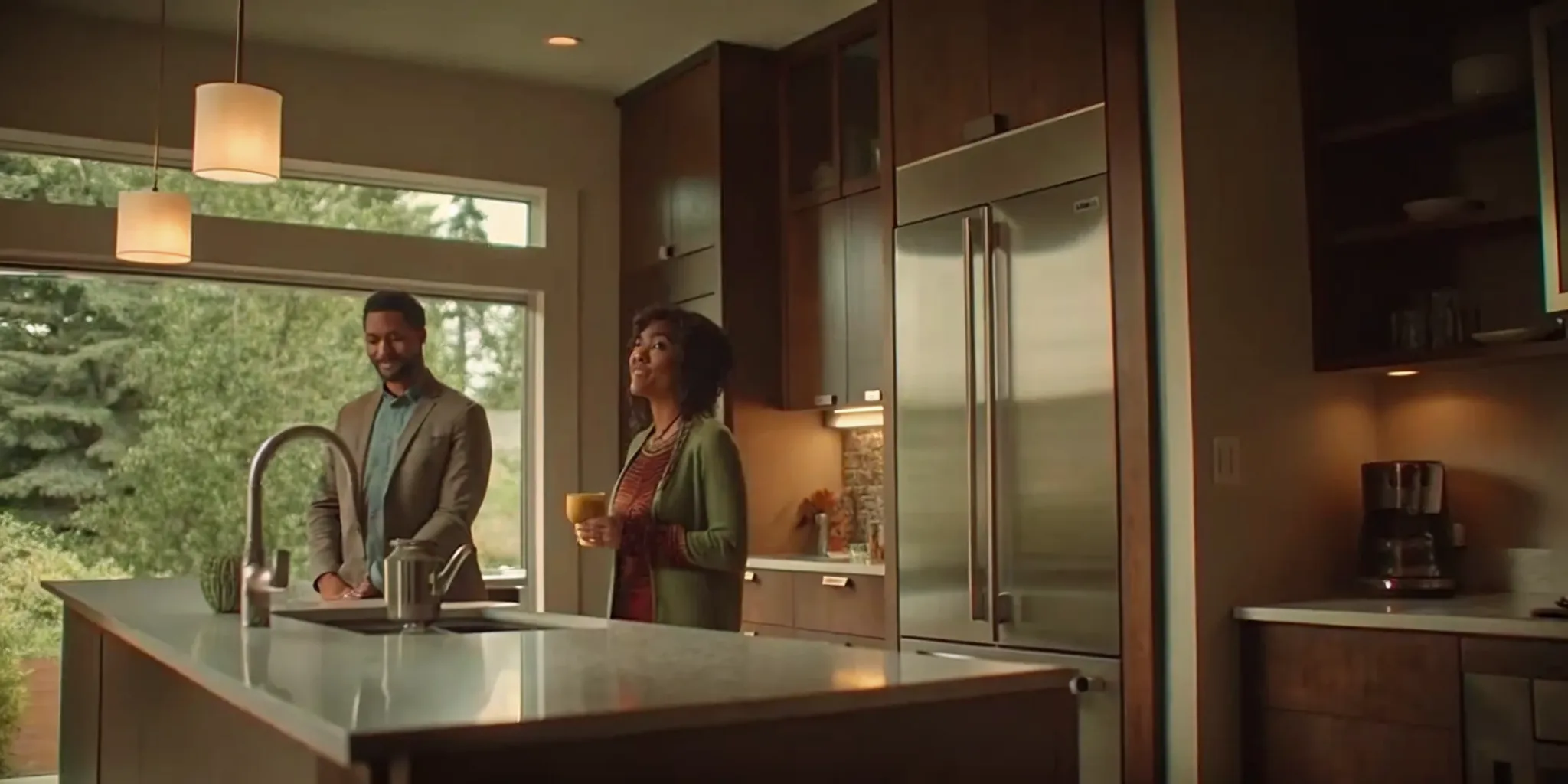
At its core, a home renovation is any project that improves or alters your existing house. It’s a broad term that covers everything from simple cosmetic updates, like painting your living room, to major structural changes, like tearing down a wall. These projects are all about enhancing your home's functionality, boosting its aesthetic appeal, and ultimately, increasing its value. Whether you’re finally getting the open-concept kitchen you’ve been dreaming of or adding a bathroom to accommodate a growing family, you’re undertaking a renovation.
The goal is to make your space more comfortable, more efficient, and more you. It’s a chance to fix what’s not working and create a home that supports your lifestyle, not one you have to work around. The process can feel overwhelming, which is why having a clear plan and the right team is so important. Understanding how the process works from start to finish helps you set realistic expectations and feel confident in your decisions, ensuring the final result is exactly what you envisioned.
Common Renovation Projects
Homeowners decide to renovate for all sorts of reasons, but a few projects consistently top the list. Kitchen and bathroom updates are incredibly popular because they have a huge impact on daily life and can significantly increase a home's value. Many people also undertake renovations to create more space, whether that means building a new room, finishing a basement, or even adding a second story. Other common projects focus on improving energy efficiency with new windows and insulation or enhancing curb appeal with exterior paint and landscaping. Ultimately, the right project is the one that helps your home better suit your lifestyle.
Should You Renovate or Rebuild?
This is a major question, and the answer depends entirely on your specific situation. Deciding whether to renovate or rebuild comes down to a few key factors: the structural condition of your home, your budget, and your long-term goals. Renovating is often more cost-effective and less disruptive since you’re working with the home’s existing footprint. However, if your house has serious foundational issues or the layout just doesn’t work, a complete rebuild might offer more design flexibility. It’s a trade-off between preserving character and saving money versus getting a brand-new, fully customized home. Weighing the cost of renovations versus new construction is a critical first step.
What Can a Renovation Company Do for You?
Think of a renovation company as your project’s general manager. Their job is to take your vision and handle all the complex logistics required to make it a reality. Instead of you having to find, vet, and coordinate an architect, a plumber, an electrician, and a painter, the renovation company does it for you. They are your single point of contact, responsible for managing timelines, budgets, and the quality of the work.
This is especially valuable for larger projects where one small delay can create a domino effect of issues. A good company brings a team of trusted professionals to the table, ensuring everyone works together seamlessly. They also handle the less glamorous—but critical—tasks like securing permits and making sure everything is built to code. Essentially, they take the stress of day-to-day project management off your shoulders, allowing you to focus on the exciting design decisions. With a platform like Realm, you get the added benefit of a dedicated advisor who helps you manage the entire process from the initial idea to the final walk-through.
Kitchen and Bathroom Remodels
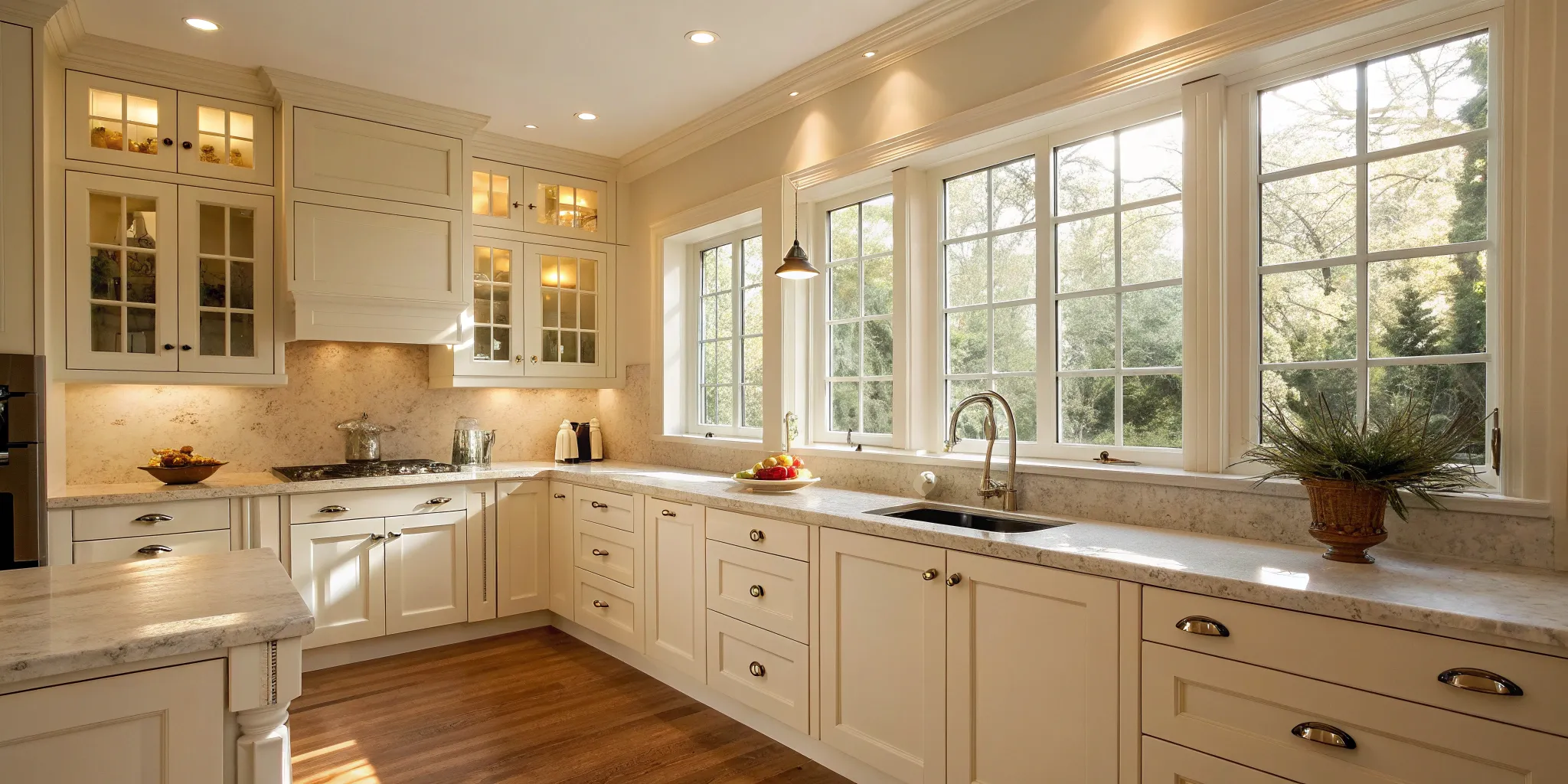
Kitchens and bathrooms are consistently the most popular rooms to renovate, and for good reason. They’re also the most complex. As one guide notes, "Kitchens and bathrooms are often the most costly to remodel because they involve plumbing, special fixtures, and detailed work." A renovation company coordinates the specialized trades needed for these spaces—plumbers, electricians, tile setters, and cabinet installers—in the correct sequence. They ensure that the waterproofing is done right, the ventilation is up to code, and the expensive fixtures you picked out are installed perfectly. This expert oversight is key to creating a beautiful, functional space that lasts.
Home Additions and Extensions
Adding a room or extending your home’s footprint is a major construction project that requires deep expertise. A renovation company, particularly a full-service design-build firm, manages every phase, from initial architectural drawings to the final coat of paint. This integrated approach prevents common pitfalls, like failing to get a fixed-price bid, which can lead to surprise costs. By handling the structural engineering, permitting, and construction under one roof, they ensure the new addition feels like a natural part of your home. This is where having a trusted partner to oversee the project can save you from costly mistakes and headaches.
Basement and Attic Conversions
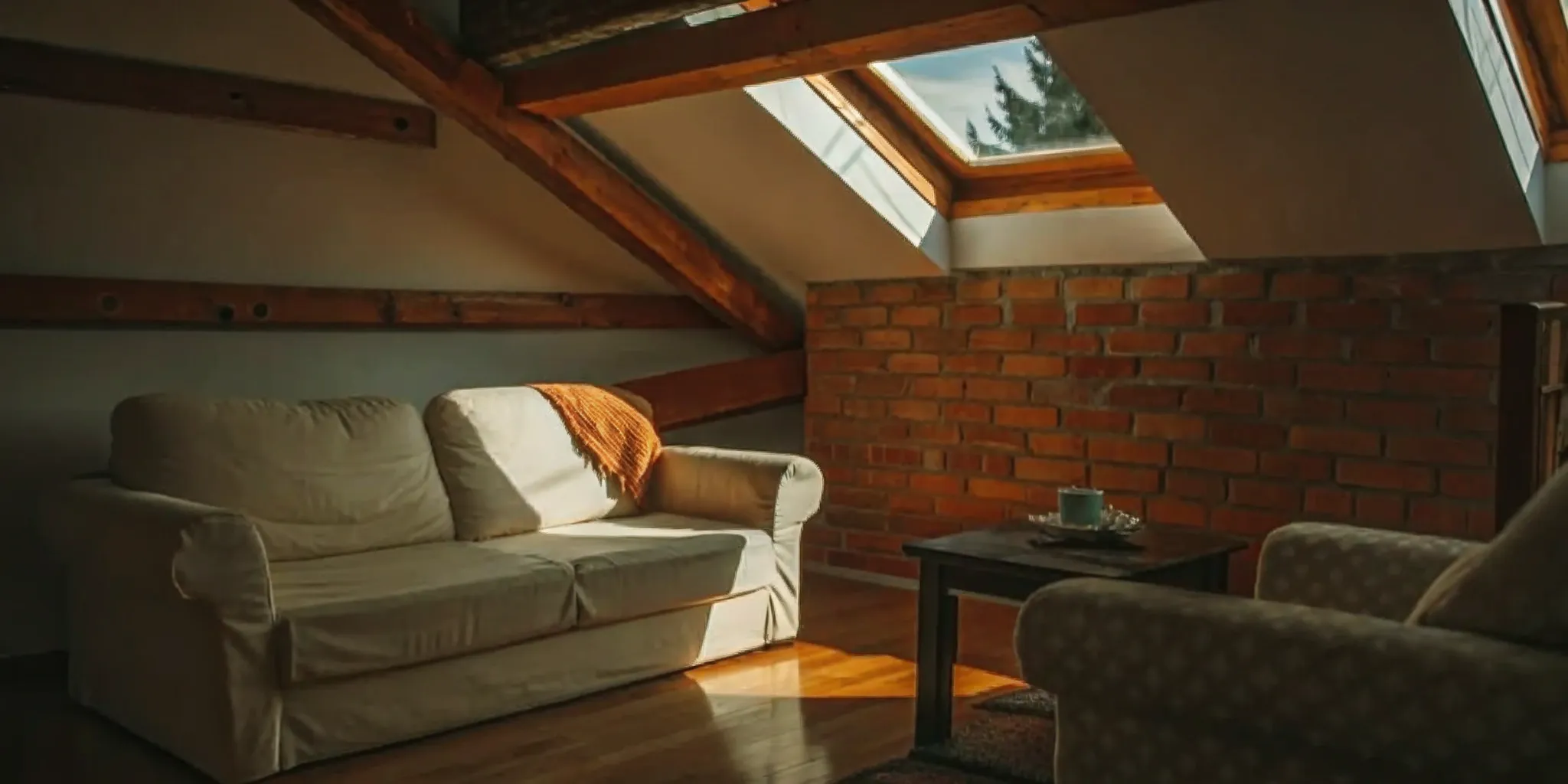
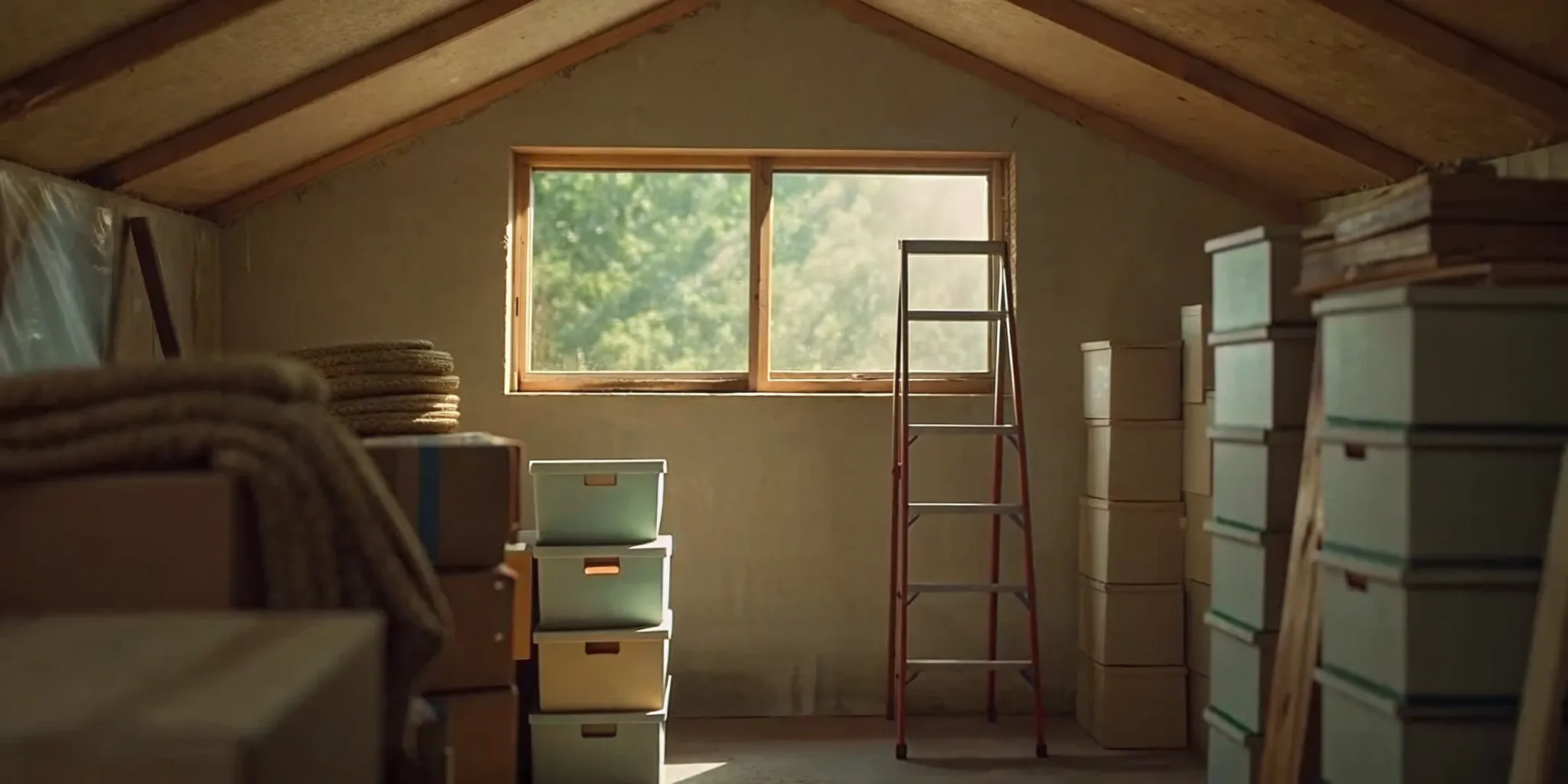
Transforming an unfinished basement or attic is a fantastic way to gain more living space without building an addition. However, these projects come with unique challenges. A professional renovation company has the technical knowledge to address critical issues like moisture control, structural support, and proper insulation. They’ll ensure your new space is safe and comfortable, handling requirements for things like egress windows in a basement bedroom or reinforcing floor joists in an attic. Their expertise turns a potentially tricky conversion into a valuable and seamless extension of your home.
Exterior Updates and Roofing
Your home’s exterior is its first line of defense against the elements, and it’s also the first impression it makes. A renovation company can manage a wide range of exterior projects, from replacing a roof and installing new siding to upgrading windows and doors for better energy efficiency. For homeowners in areas prone to environmental risks, this work is even more critical. A professional ensures that high-quality, durable materials are used and installed correctly to protect your home for years to come. They can also help you make design choices that enhance your home’s curb appeal and align with local needs, like using fire-resistant materials.
How Much Does a Home Renovation Cost?
Let’s talk about the number one question on every homeowner's mind: What’s this actually going to cost? While there’s no single magic number, understanding the key factors that influence your budget is the first step toward a successful project. The final price tag depends on your home's location, the scope of your project, the materials you choose, and the professionals you hire.
Think of it less as a fixed price and more as a flexible range. A simple cosmetic update will cost far less than a full gut renovation that involves moving walls or updating ancient plumbing. The good news is that with careful planning, you can create a realistic budget that aligns with your goals. At Realm, we help homeowners build a customized project plan that breaks down these costs, so you know exactly where your money is going before construction ever begins.
Breaking Down the Cost Per Square Foot
A common way to estimate renovation costs is by looking at the price per square foot. Generally, you can expect to pay between $100 and $400 per square foot. A small, straightforward project with standard finishes will land on the lower end of that spectrum, while a complex renovation with high-end materials in an expensive city will be on the higher end.
Remember, this is just a starting point. This figure doesn't always account for hidden costs that can pop up, like permit fees, repairing unexpected water damage, or bringing old electrical systems up to code. That’s why it’s so important to have an experienced team and a solid plan to account for these potential surprises from the start.
Budgeting for a Kitchen Renovation
The kitchen is the heart of the home, and its renovation costs reflect that. A minor kitchen refresh—think painting cabinets, updating hardware, and swapping out a faucet—might run you between $23,000 and $35,000. A more common midrange remodel, which could include new semi-custom cabinets, countertops, and appliances, typically falls between $35,000 and $65,000.
If you’re dreaming of a high-end kitchen with a new layout, custom cabinetry, and professional-grade appliances, your budget will likely start at $75,000 and go up from there. Your dedicated advisor can help you figure out where to save and where to splurge to get the kitchen you want within a budget you’re comfortable with.
Budgeting for a Bathroom Renovation
Bathroom renovation costs also come in a wide range. For a small guest bathroom or powder room update, you might spend between $7,000 and $12,000. A standard, full renovation of a secondary bathroom, including a new vanity, toilet, and tub or shower, usually costs between $12,000 and $25,000.
For a primary bathroom, the sky's the limit. A project with custom features like a large walk-in shower, a freestanding tub, and double vanities can easily range from $25,000 to $40,000 or more. The materials you choose for tile, countertops, and fixtures will play a huge role in the final cost.
Planning a Whole-Home Renovation Budget
If you’re planning to overhaul your entire house, you’re looking at a significant investment. A whole-home renovation can start around $150,000 and often exceeds $300,000 for a complete gut remodel. These projects are complex, with many moving parts that require careful coordination and management.
The most important part of planning a large-scale renovation is setting aside a contingency fund. We always recommend budgeting an extra 10% to 20% of your total project cost for unexpected issues. This isn’t being pessimistic; it’s being prepared. Having that cushion ensures that a surprise discovery won’t derail your entire project.
How to Choose the Right Renovation Contractor
Finding the right contractor is arguably the most important decision you’ll make for your renovation. This isn’t just about hiring someone to swing a hammer; it’s about finding a partner who will bring your vision to life, manage a complex project, and be a guest in your home for weeks or even months. A great contractor communicates clearly, respects your budget, and has the expertise to handle the inevitable surprises that come with any renovation. They are the conductor of your project's orchestra, ensuring every piece comes together beautifully.
The vetting process can feel like a job interview, and in many ways, it is. You’re hiring someone for a critical role, and the wrong choice can lead to blown budgets, extended timelines, and a lot of stress. Taking the time to do your homework now will save you from major headaches down the road. At Realm, we simplify this by connecting you with our network of vetted professionals, taking the guesswork out of the equation. But if you're running the search yourself, these are the essential steps to follow. Think of this as your checklist for finding a reliable, skilled, and trustworthy pro for your project.
Check for Proper Licensing and Insurance
Before you even think about design or demolition, you need to cover the basics. Your contractor must be properly licensed, bonded, and insured. This isn’t just red tape; it’s your protection. A license proves they meet state requirements for competency, while insurance covers potential accidents or property damage on site. Being bonded offers another layer of financial protection if the contractor fails to complete the job or pay subcontractors. Don't just take their word for it—ask for copies of their credentials and verify them with your state’s licensing board. This simple step ensures you’re working with a legitimate professional.
Review Their Past Work and Portfolio
A portfolio is more than just a collection of pretty pictures. It’s a contractor’s resume. When you review their past work, look for projects that are similar in scope and style to what you have in mind. If you’re planning a modern kitchen remodel, a portfolio full of rustic farmhouse bathrooms might not be the right fit. Pay attention to the details—the quality of the tile work, the alignment of the cabinetry, the finishing touches. A strong portfolio demonstrates a consistent standard of quality and gives you confidence that they can execute your specific vision.
Read Reviews and Talk to References
Online reviews are a good starting point, but talking to past clients is even better. A reputable contractor will be happy to provide you with a list of references. Don’t be shy about reaching out. Ask them about their experience—what went well? What challenges came up? How did the contractor handle unexpected issues? You’ll want to know if they stuck to the timeline and budget, how they communicated throughout the project, and if the quality of the work has held up over time. This is one of the most common steps homeowners skip, but it provides invaluable insight into what it’s really like to work with a contractor.
Understand Their Communication Style
A renovation project has a lot of moving parts, and clear, consistent communication is the glue that holds it all together. During your initial conversations, pay attention to how a potential contractor communicates. Are they responsive to your calls and emails? Do they listen to your ideas and answer your questions thoroughly? It’s important to find someone whose communication style meshes with yours. Discuss how you’ll stay in touch throughout the project—will it be through daily texts, weekly meetings, or a project management app? Establishing these expectations upfront ensures everyone stays on the same page from start to finish.
How to Compare Contractor Quotes
Once you have a few contractor bids in hand, it’s tempting to just scan for the lowest number. But a smart comparison goes much deeper than the final price. You’re looking for the best value, which means finding a fair price for high-quality work from a professional you can trust. The goal is to compare apples to apples, and that requires a close look at the details within each quote. A bid that seems like a bargain on the surface could hide cut corners, low-quality materials, or surprise costs down the line. This is one of the most critical steps in your renovation journey, as the contractor you choose will be your partner for weeks or even months.
Think of each quote as a reflection of the contractor’s professionalism and approach to your project. Is it detailed and transparent, or vague and rushed? The way a contractor presents their bid can tell you a lot about what it will be like to work with them. A thorough, well-organized quote suggests a contractor who is detail-oriented and communicative—qualities you definitely want on your team. At Realm, we help you gather and analyze bids so you can feel confident in your choice. Our process ensures you get clear, comparable quotes from vetted professionals, taking the guesswork out of the equation and setting your project up for success from the start.
Ask for Detailed, Itemized Estimates
A single-page quote with a lump-sum price is a major red flag. You should always ask for a detailed, itemized estimate that breaks down the project into specific line items. This transparency is non-negotiable. A thorough quote should list the costs for each part of the job, including demolition, materials, labor, permits, and subcontractor fees. For example, a kitchen remodel estimate should separate the costs for cabinets, countertops, plumbing, electrical work, and flooring.
This level of detail allows you to see exactly where your money is going and helps you compare different bids accurately. It also protects you from unexpected expenses later on. If one contractor’s material allowance seems much lower than another’s, it’s a great opportunity to ask questions and understand the quality of the products they plan to use.
Learn the Different Pricing Models
Contractors don’t all structure their prices the same way, and understanding the differences is key to evaluating your quotes. Most bids will fall into one of a few common pricing models. A fixed-price or flat-fee contract gives you a single price for the entire project scope. This offers cost certainty, which is great for budgeting.
Another common model is time and materials (T&M), where you pay an hourly rate for labor plus the actual cost of materials. This can be more flexible but also less predictable. A third option is cost-plus, where you pay for the project costs (labor, materials) plus a set percentage or fee for the contractor’s overhead and profit. Each model has its pros and cons, so make sure you understand which one your contractor is using and that you’re comfortable with it.
Spot the Red Flags in a Quote
When you’re reviewing quotes, keep an eye out for warning signs that could signal future problems. A bid that is drastically lower than the others is a major red flag. While it might seem like a great deal, it often means the contractor is using subpar materials, inexperienced labor, or plans to make up the difference with expensive change orders later.
Other red flags include vague descriptions of the work, a lack of a clear payment schedule, or a request for a very large upfront deposit. Be wary of any contractor who pressures you to make a decision immediately. A true professional will give you the time and information you need to feel comfortable. Finally, confirm that the quote includes details about their licensing and insurance; it’s essential for protecting your home and investment.
How to Create a Realistic Renovation Budget
A realistic budget is the foundation of a successful renovation. It’s more than just a number; it’s a roadmap that guides your decisions and helps you avoid stress and financial strain down the line. Taking the time to plan your finances carefully ensures you can create the space you want without derailing your long-term financial health. Think of it as the first, most important step in building your dream home.
Set Clear Financial Goals
Before you even think about paint colors or tile samples, you need to decide on a firm, all-in budget. This is the maximum amount you are comfortable spending on the entire project. Look at your savings, consider financing options, and come up with a final number that won’t stretch you too thin. This figure will be your north star, influencing every choice you make, from the scope of the work to the materials you select. Having a clear financial boundary from the start is the best way to keep your project on track. A dedicated advisor can help you understand what’s possible within your budget and how the process works.
Build in a Contingency Fund (Don't Skip This!)
Here’s a piece of advice every seasoned homeowner and contractor will give you: expect the unexpected. No matter how well you plan, renovations often uncover surprises, like old plumbing that needs replacing or a structural issue hidden behind a wall. That’s where a contingency fund comes in. You should set aside an extra 10% to 20% of your total project cost for these unforeseen expenses. This isn’t a “nice-to-have”; it’s a crucial part of a realistic budget. This buffer gives you the flexibility to handle issues without having to compromise on your vision or halt the project altogether.
Separate Your Needs From Your Wants
Once you have your total budget, it’s time to prioritize. Grab a notebook and make two columns: “Needs” and “Wants.” Your needs are the non-negotiable elements required for a functional and safe space, like new electrical wiring or fixing a leaky faucet. Your wants are the features you’d love to have but could live without, like imported Italian tile or top-of-the-line smart appliances. This exercise helps you see where your money absolutely has to go and where you have room to make trade-offs. Breaking your project down this way ensures your budget covers the essentials first, and you can then strategically add in the wants your finances allow.
What to Expect: The Renovation Process Step-by-Step
A home renovation can feel like a huge undertaking, but it becomes much more manageable when you break it down into clear, predictable stages. While every project has its own unique quirks, most follow a similar path from start to finish. Understanding this roadmap helps you know what’s coming next, what decisions you’ll need to make, and how to prepare for each phase. It’s the best way to keep stress low and excitement high, ensuring you feel in control rather than overwhelmed.
Think of the process in four main parts: planning and design, permits and prep work, construction, and the final touches. Each step builds on the last, creating a logical flow that takes your project from a simple idea to a finished space you love. Having a partner to guide you through these stages is key, especially when you're juggling daily life with big project decisions. At Realm, we provide a dedicated advisor to help you create a customized plan, find the right professionals, and stay on track from day one. Let’s walk through what you can expect at every step of the journey.
Step 1: Planning and Design
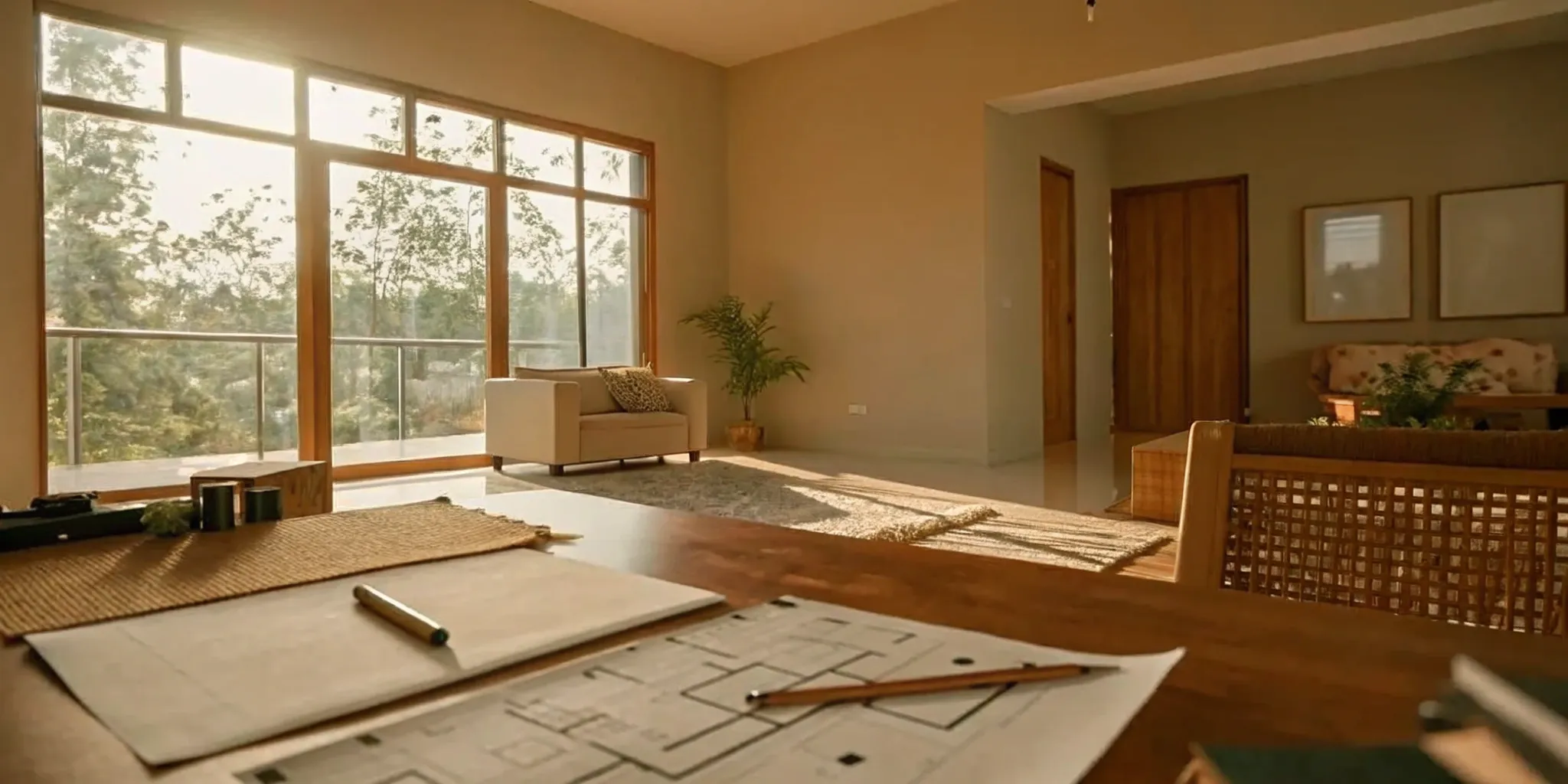
This is where your vision starts to take shape. The planning and design phase is arguably the most important part of your entire renovation because it sets the foundation for everything that follows. As the experts at Block Renovation note, "The planning kickoff phase lays the groundwork for your renovation project, ensuring that all aspects are considered before moving forward." This is your chance to dream big and then refine those dreams into a concrete, actionable plan. You’ll work with your contractor, an architect, or a designer to finalize the project scope, create layouts, select materials, and establish a detailed budget. A solid plan at this stage helps prevent expensive changes and delays down the road.
Step 2: Permits and Prep Work
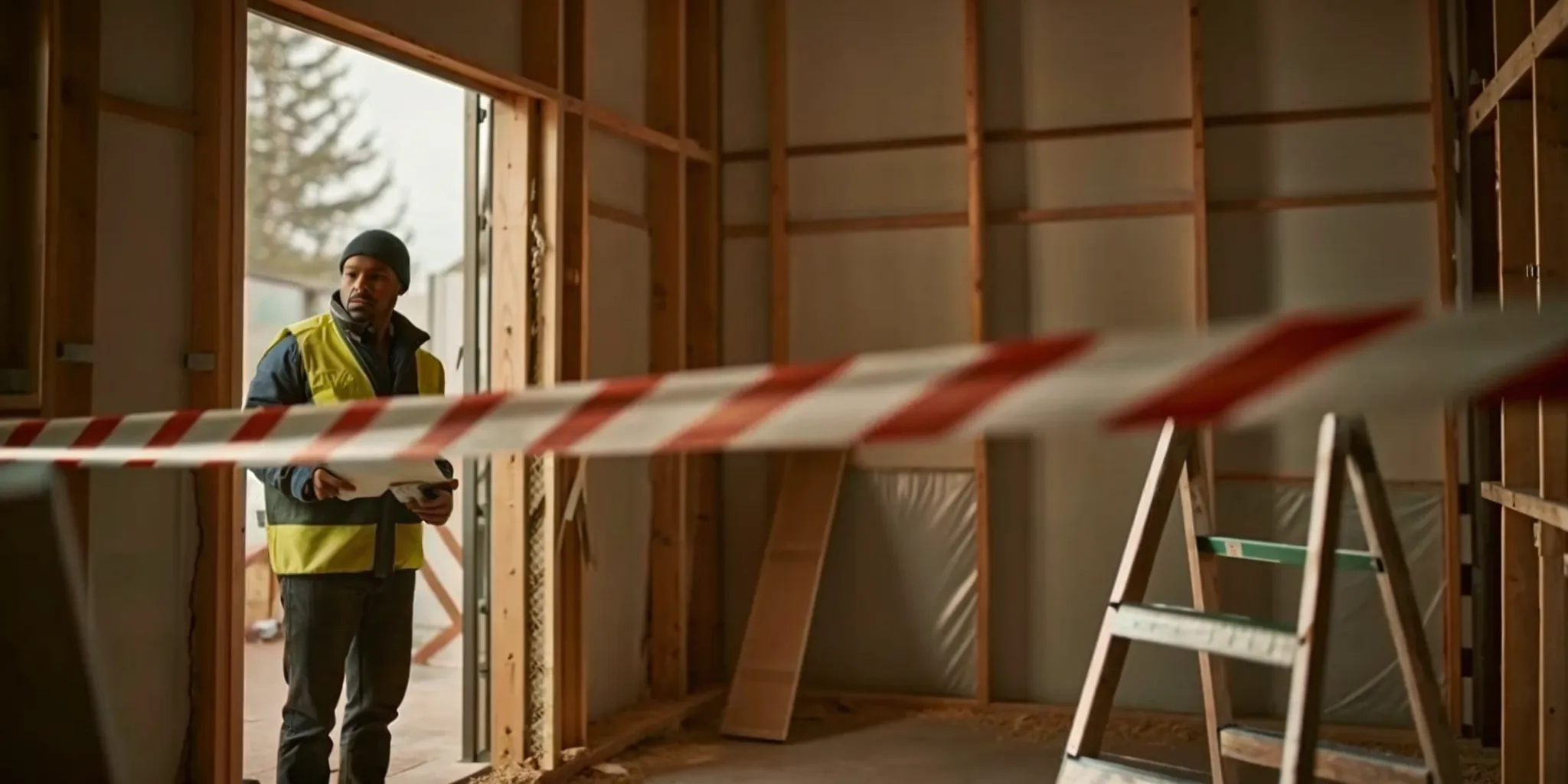
Once your design is locked in, it’s time to handle the logistics. Before any construction can begin, you’ll need to secure the necessary permits from your local building department. This process ensures that your project meets all safety and zoning requirements. It’s wise to "refer to your local laws around home renovation permits and inspections, and follow the given steps to obtain necessary permits." A great contractor or a service like Realm can manage this often-complicated paperwork for you. This phase also includes crucial prep work, like ordering materials, scheduling subcontractors, and preparing your home for construction by setting up dust barriers and clearing out the work area.
Step 3: Construction
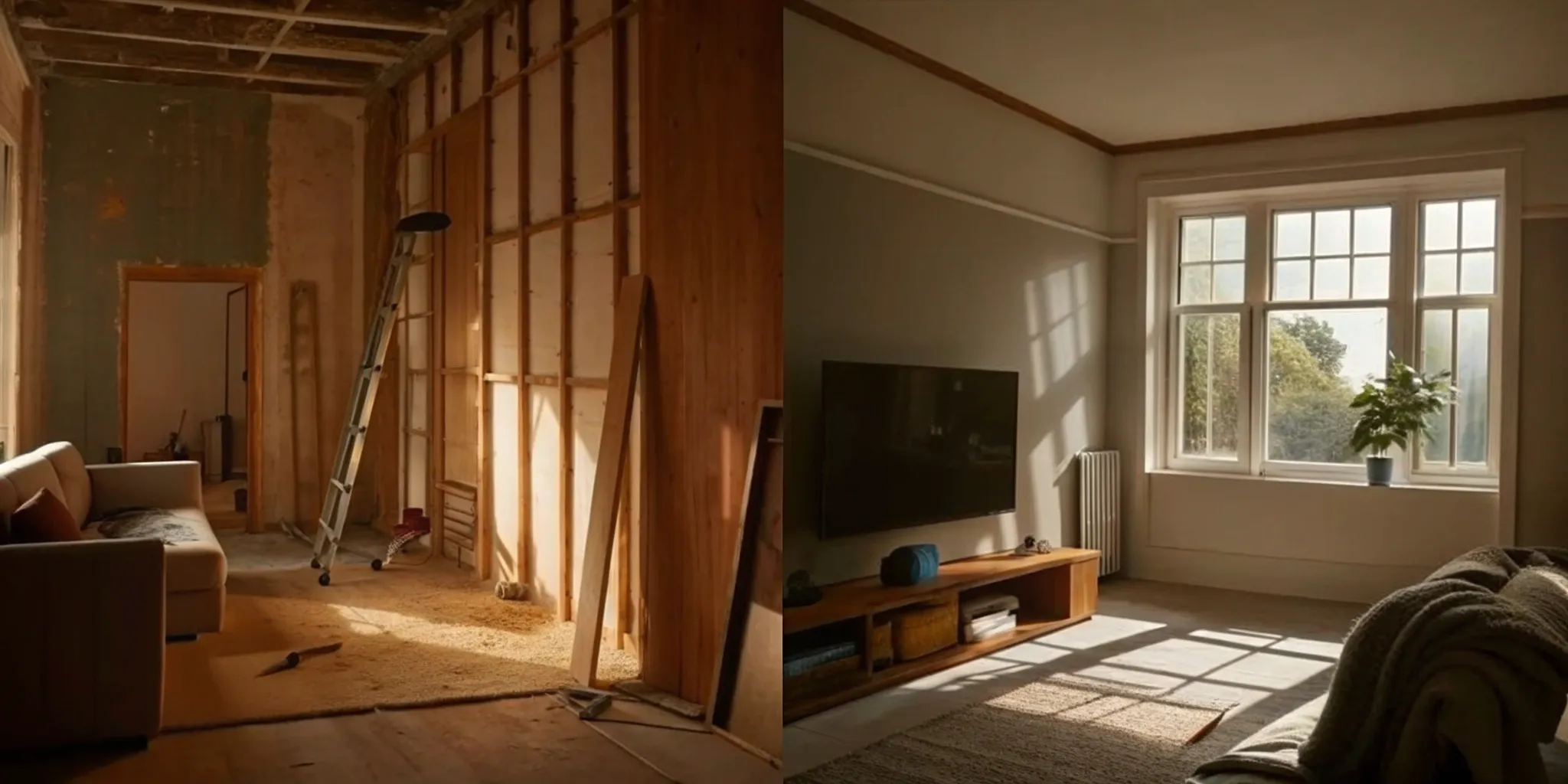
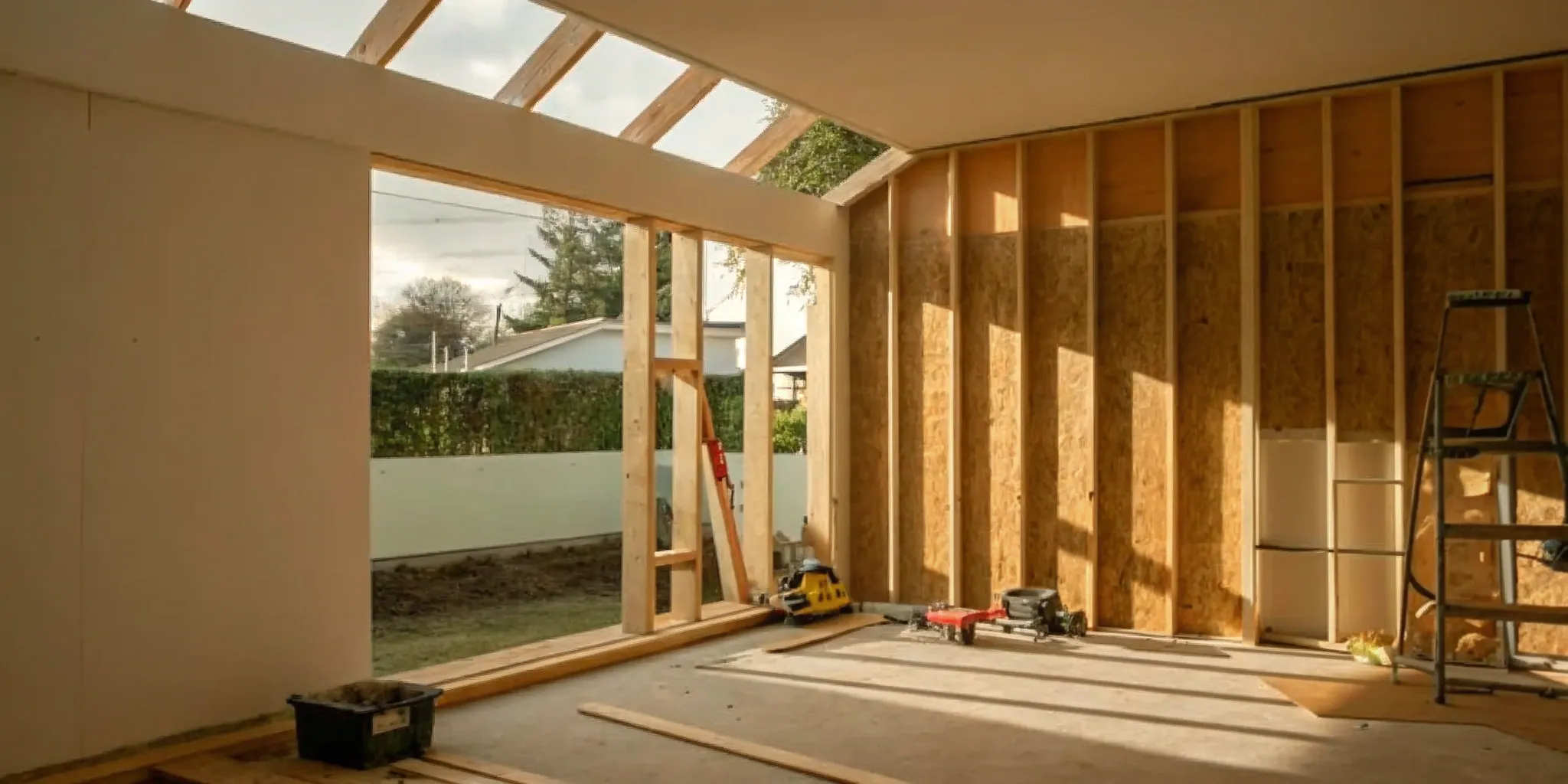
This is when the real transformation begins. The construction phase is often the longest and most disruptive, but it’s also the most exciting as you see your vision come to life. The process typically starts with demolition, followed by any necessary structural work. After that comes the "rough-in" stage. As Allstate explains, "this is the time for critical work behind walls, below floors, and above ceilings — plumbing, electrical, heating and air conditioning rough-ins, subfloors and insulation are all addressed." Once inspections for the rough-in work are complete, your team will install drywall, paint, lay flooring, and begin installing major features like cabinets and countertops.
Step 4: Final Touches and Walk-Through
You’re in the home stretch! This final phase is all about the details that turn a construction site back into a home. Your team will focus on installing light fixtures, plumbing fixtures, hardware, and appliances. They’ll also complete any final paint touch-ups and give the entire space a thorough cleaning. Before the project is officially complete, you’ll do a final walk-through with your contractor to create a "punch list"—a list of any small items that still need attention. Once those items are addressed and you’ve passed your final inspection, you can officially celebrate your beautifully renovated space.
Common Renovation Challenges (and How to Handle Them)
Even the most carefully planned renovation can hit a few bumps. Knowing what to look out for ahead of time can make all the difference between a minor hiccup and a major headache. While every project is unique, most challenges fall into a few common categories. The key isn’t avoiding problems entirely—it’s having a solid plan to handle them when they pop up. With a bit of foresight and the right team on your side, you can keep your project on track and your stress levels in check.
Unexpected Costs and Budget Creep
It’s the renovation nightmare everyone talks about: the budget that keeps growing. This often happens when unforeseen issues arise, like finding old wiring that needs replacing or underestimating the cost of materials. To get ahead of this, start with a highly detailed, itemized budget that accounts for every line item. The most important step is to build a contingency fund of at least 15-20% of your total project cost. This isn't "extra" money; it's a dedicated buffer for the unexpected. Having a clear financial plan from day one is your best defense against budget creep.
Timeline Delays
Few renovations finish exactly on the day they were supposed to. Delays can come from anywhere: waiting on city permits, material backorders, or even a stretch of bad weather. While you can’t control the supply chain, you can set realistic expectations. Talk to your contractor about their process and potential bottlenecks before you begin. Regular, clear communication is crucial. A weekly check-in can help you stay informed about progress and address any scheduling conflicts as they happen, ensuring everyone is on the same page and working toward the same goal.
Living in a Construction Zone
Renovating the home you live in is a true test of patience. The constant dust, noise, and disruption to your daily routine can be draining. Decision fatigue is also very real when you’re making dozens of choices while your home is in disarray. Before the first hammer swings, make a plan for how your family will function. Can you seal off the work area from the rest of your house? Should you set up a temporary kitchen in another room? If the project is extensive, you might even consider finding temporary accommodations to preserve your sanity.
How to Find the Best Renovation Company Near You
Finding the right renovation company is one of the most critical steps in your project’s journey. This isn’t just about hiring someone to do a job; it’s about finding a partner you can trust with your home and your investment. The right contractor will communicate clearly, respect your budget, and have the expertise to bring your vision to life. While the search can feel like a big undertaking, breaking it down into manageable steps makes it much easier to find a great match. A methodical approach will help you confidently choose a team that’s right for your specific project.
Where to Start Your Search
Before you even type "contractors near me" into a search bar, start with the people you trust. Ask friends, family, and neighbors for recommendations, especially if they’ve completed similar projects. A personal referral is often the best place to begin. At the same time, get crystal clear on your project's scope. Knowing exactly what you want—from the general layout to specific finishes—will help you find a contractor with the right experience. Once you have a clear plan, you can broaden your search using online resources. Platforms that offer a streamlined process for matching homeowners with vetted contractors can save you significant time and provide an extra layer of confidence.
Smart Questions to Ask Potential Contractors
Think of your initial conversations with contractors as interviews—because that’s exactly what they are. You’re hiring them for an important role, so it’s essential to ask the right questions. Go beyond just the cost and timeline. Ask about their experience with projects like yours and request to see a portfolio of their recent work. A crucial question is, "Are you licensed, bonded, and insured?" The answer should be an immediate "yes." Also, try to understand their communication style. Ask who your main point of contact will be and how they handle project updates or unexpected issues. Having expert guidance and a clear line of communication from the start can prevent major headaches down the road.
How to Vet Your Finalists
Once you’ve narrowed your list down to two or three contenders, it’s time to do your homework. This is the final check to ensure you’re making a sound decision. First, verify their credentials. Don't just take their word for it—look up their license number to confirm it's active and in good standing. Next, call their references. Talk to at least two or three recent clients and ask about their experience, from the quality of the work to how the contractor handled challenges. Finally, review their online presence and read reviews, but remember to take them with a grain of salt. By thoroughly vetting your finalists, you can feel secure knowing you’re partnering with true vetted professionals who will respect your home.
Common Renovation Mistakes to Avoid
Embarking on a home renovation is incredibly exciting. It’s easy to get swept up in visions of your dream kitchen or spa-like bathroom and want to jump right in. But moving too quickly without a solid foundation can lead to stress, unexpected costs, and a final result that doesn’t quite match your vision. The good news is that many of the most common renovation pitfalls are entirely avoidable with a bit of foresight.
Think of it like preparing for a road trip. You wouldn’t just get in the car and start driving without a map, a destination, or an idea of how much gas money you’ll need. A renovation works the same way. By taking the time to plan thoroughly, choosing the right partners for the journey, and understanding the full scope of the project, you set yourself up for a much smoother ride. We’ll walk through some of the most frequent missteps homeowners make and show you how to sidestep them, ensuring your project stays on track and on budget.
Rushing the Planning Phase
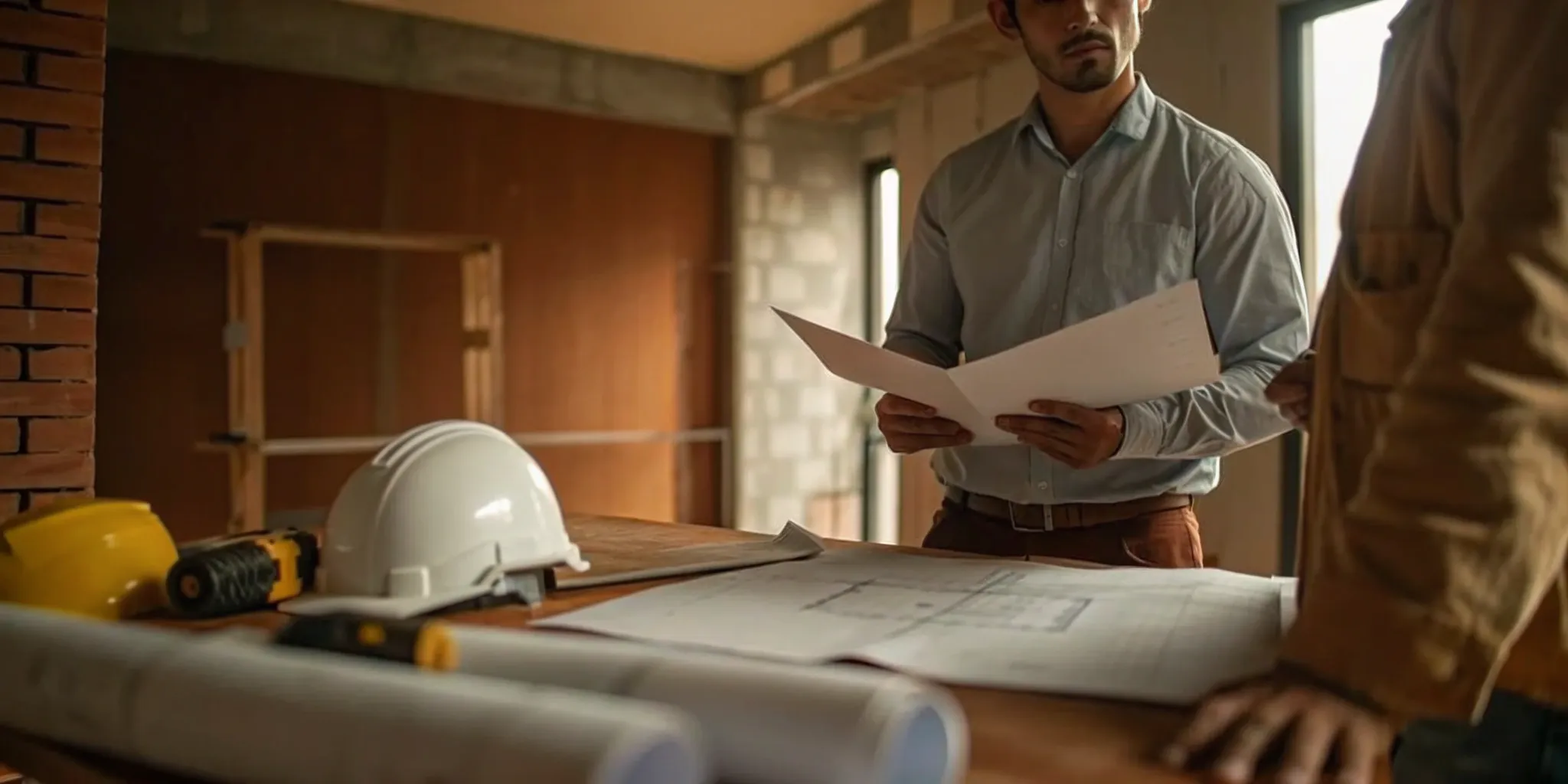
When inspiration strikes, your first instinct might be to start calling contractors and picking out paint colors. It’s tempting to skip ahead to the exciting parts, but rushing the planning phase is one of the surest ways to invite delays and budget overruns. A successful renovation is built on a detailed plan that outlines everything from the overall design to the specific materials and finishes. Taking the time to create a comprehensive budget and project plan before any demolition begins is essential. This is your project’s blueprint, and getting it right will save you countless headaches down the line.
Choosing a Contractor Based Only on Price
It’s natural to want the best deal, but when it comes to choosing a contractor, the lowest bid isn’t always the best value. An unusually low price can be a red flag for an unlicensed or unqualified contractor, subpar materials, or a quote that doesn't include the full scope of work. This can lead to poor craftsmanship and costly repairs later on. Instead of focusing solely on the price tag, look for a professional with proper credentials, a strong portfolio of past work, and great references. You’re not just hiring someone to do a job; you’re entrusting them with your home. That’s why working with a network of vetted professionals is so important.
Underestimating the Project's Scope
"We just want to take down this one wall." It often sounds simple, but in reality, many homeowners don't realize the full scope of work their project requires. Removing a wall might involve rerouting electrical wiring, moving plumbing, patching flooring, and structural work. Failing to account for these interconnected tasks is a primary cause of budget creep and timeline extensions. A thorough understanding of the project scope is crucial for accurate planning. Working with an expert who can see the full picture helps you create a customized plan that accounts for every step, ensuring there are no surprises once construction is underway.
Related Articles
- How to Hire a General Contractor for House Renovation
- Breaking Down Your Full Interior Renovation Cost
- How to Estimate Bathroom Remodel Cost Accurately
- Average Basement Finishing Costs: A Complete Breakdown
Frequently Asked Questions
How long will my renovation actually take? This is the million-dollar question, and the honest answer is: it depends. A simple bathroom update might take a few weeks, while a full kitchen remodel could take two to three months from demolition to the final touches. Larger projects like a home addition can stretch for six months or more. The timeline is influenced by the scope of your project, how long it takes to get permits, and the availability of your chosen materials. A good contractor will provide you with a detailed project schedule upfront so you have a clear and realistic idea of the timeline before work begins.
What's the difference between a contractor, an architect, and a designer? Think of them as specialists for different parts of your project. An architect deals with the science of the building—the structure, blueprints, and ensuring the home is sound and safe. An interior designer focuses on the art—the aesthetic, layout, color, materials, and furniture that make a space feel right. A general contractor is the project manager who brings it all to life, hiring the tradespeople, managing the schedule, and overseeing the day-to-day construction. For some projects, a great contractor is all you need, while larger remodels often benefit from having a designer or architect involved in the planning phase.
Is it possible to live in my home during the renovation? For smaller projects, like a guest bathroom remodel, absolutely. You can usually manage by sealing off the work area to contain dust and noise. However, for larger projects like a kitchen overhaul or a whole-home renovation, it gets much more challenging. Living without a functioning kitchen or through major structural work can be incredibly disruptive. Many homeowners find that moving out, even temporarily, is the best way to preserve their daily routine and peace of mind during a large-scale project.
How do I know if my project needs a permit? As a general rule, if you’re moving walls, changing the footprint of your home, or touching the electrical or plumbing systems, you will almost certainly need a permit. Purely cosmetic updates like painting, installing new countertops, or replacing a light fixture typically don’t require one. Every city has its own specific regulations, so it’s not something you want to guess on. The best approach is to work with a professional contractor who understands local codes and will manage the entire permitting process for you.
Why is a contingency fund so important, and how much should I set aside? Think of a contingency fund as your project’s essential safety net. It’s not extra money for splurging on fancier finishes; it’s a dedicated buffer for the true unknowns that can pop up when you open up walls, like finding outdated wiring or hidden water damage. We always recommend setting aside 15% to 20% of your total project cost for this fund. Having that cushion means an unexpected issue becomes a manageable problem to solve rather than a crisis that derails your entire renovation.




























.png)












.png)