The Average Cost Per Square Foot for Addition Explained
Get the facts on the average cost per square foot for addition, plus tips on budgeting, hidden costs, and what impacts your final project price.
|
November 5, 2025
In this article:
One of the first questions homeowners ask is, "What's the bottom line?" You’ll quickly find that the average cost per square foot for addition can range from under $100 to over $500. Why such a massive difference? Because that number is just the beginning of the conversation. Building up with a second story is far more complex and costly than building out with a ground-floor extension. Likewise, a new bathroom with intricate plumbing and tilework will cost more than a simple family room. This article will explain why those costs vary so much, giving you the insight to plan a project that fits both your vision and your budget.
Key Takeaways
- Use "Cost Per Square Foot" as a Guide, Not a Guarantee: This figure varies widely based on your project. A simple ground-floor family room might be $80-$200 per square foot, while a second-story addition can easily climb to $300-$500+ because of the complex structural, plumbing, and electrical work involved.
- Account for "Hidden" Costs from the Start: Your total budget needs to include more than just labor and materials. Factor in essential expenses like architectural plans and building permits, and always build in a 10-20% contingency fund for any surprises that pop up.
- Make Key Decisions Before Construction Begins: The most effective way to control your budget is to plan thoroughly. Finalize your design, compare detailed quotes from vetted contractors, and make your material selections upfront to avoid costly change orders and delays down the road.
How Much Does a Home Addition Cost Per Square Foot?
When you start planning a home addition, the cost per square foot is one of the first numbers you'll see. While it's a helpful starting point, this figure can vary wildly depending on what you’re building. Think of it less as a fixed price and more as a flexible range. The final number depends on the scope of your project, the materials you select, and the labor rates in your area. A simple bedroom addition in one city could have a completely different per-square-foot cost than a complex kitchen build-out in another. Let's break down the typical costs for different types of additions to give you a clearer picture of what to expect for your project.
Breaking Down Single-Story Addition Costs
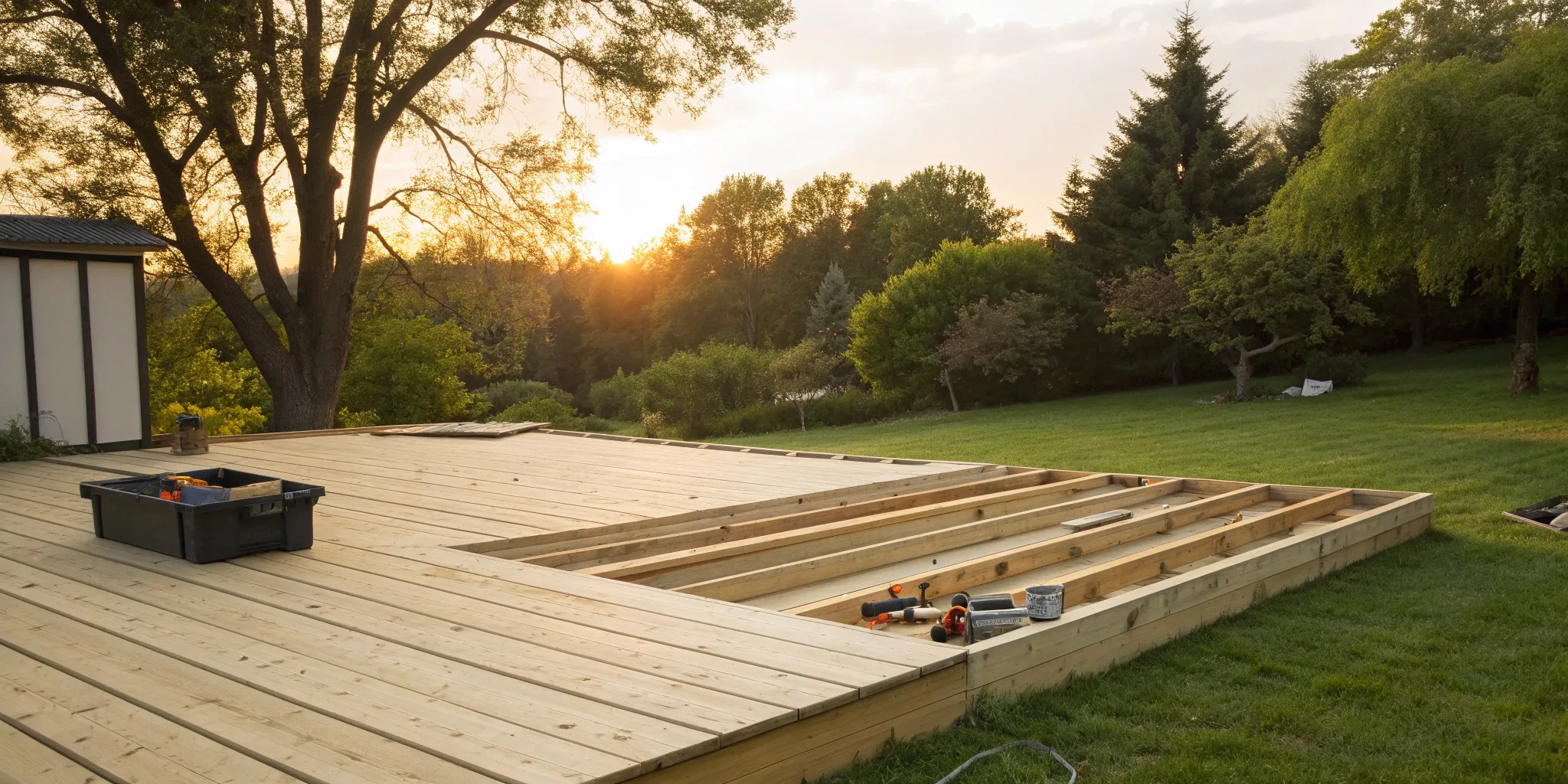
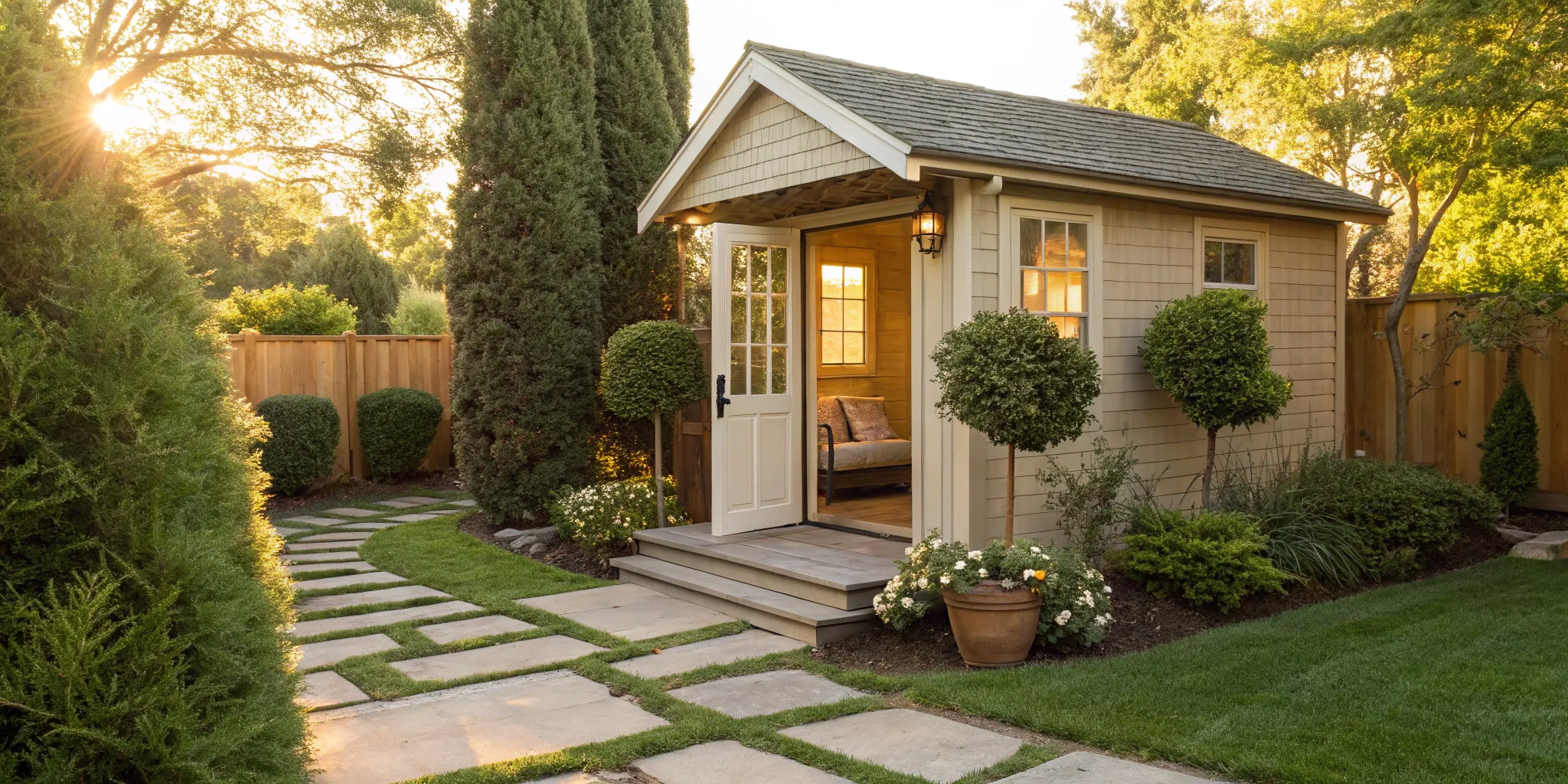
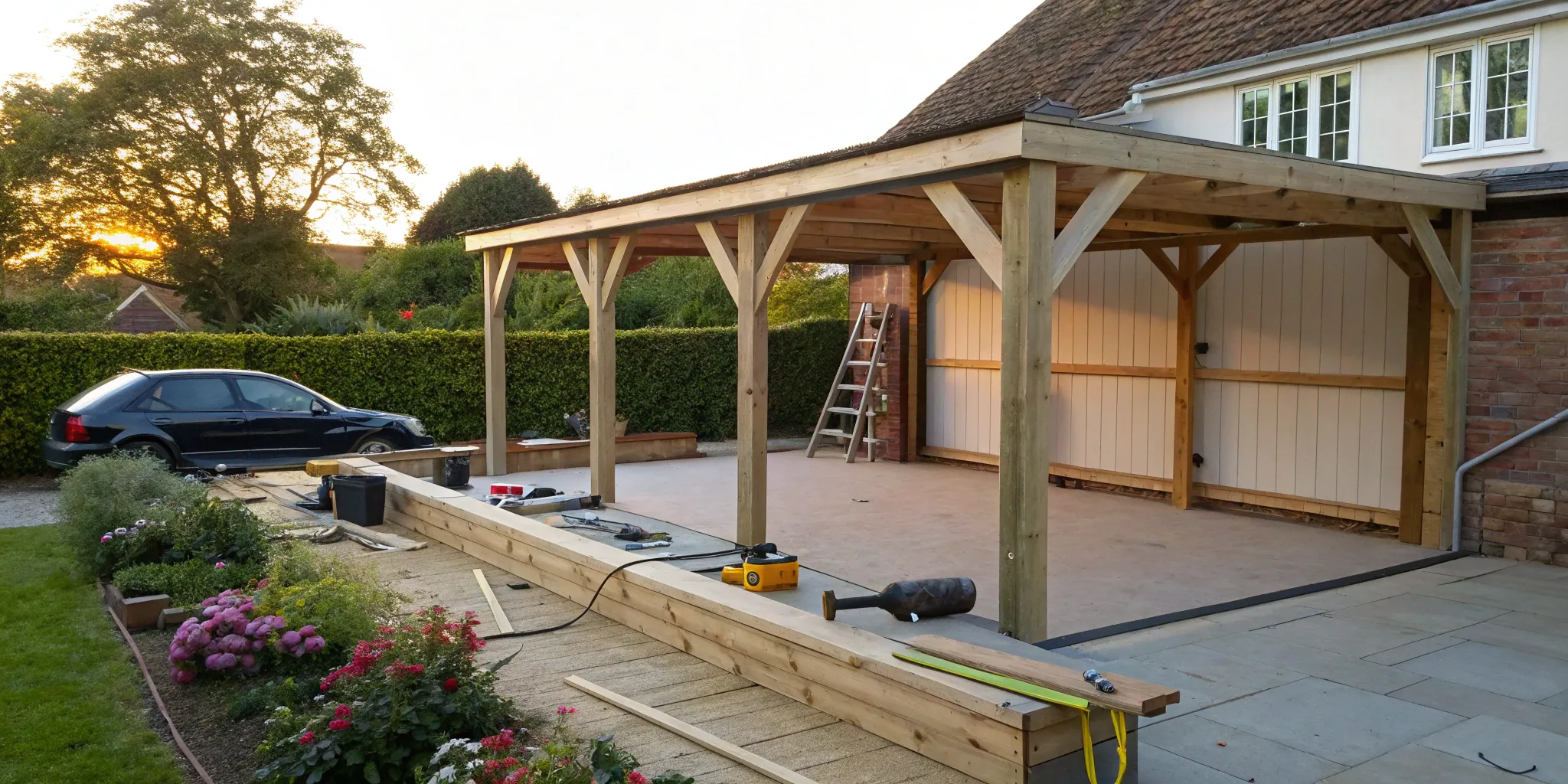
Adding a single-story extension is a popular way to gain more living space. Generally, you can expect the cost to fall between $80 and $200 per square foot. A small bump-out might cost as little as $4,000, while a full-size family room addition could reach $160,000. This wide range comes down to the project's complexity and the quality of materials you choose. A simple design with standard finishes will always be more budget-friendly than one with custom features and high-end materials.
Understanding Two-Story Addition Costs
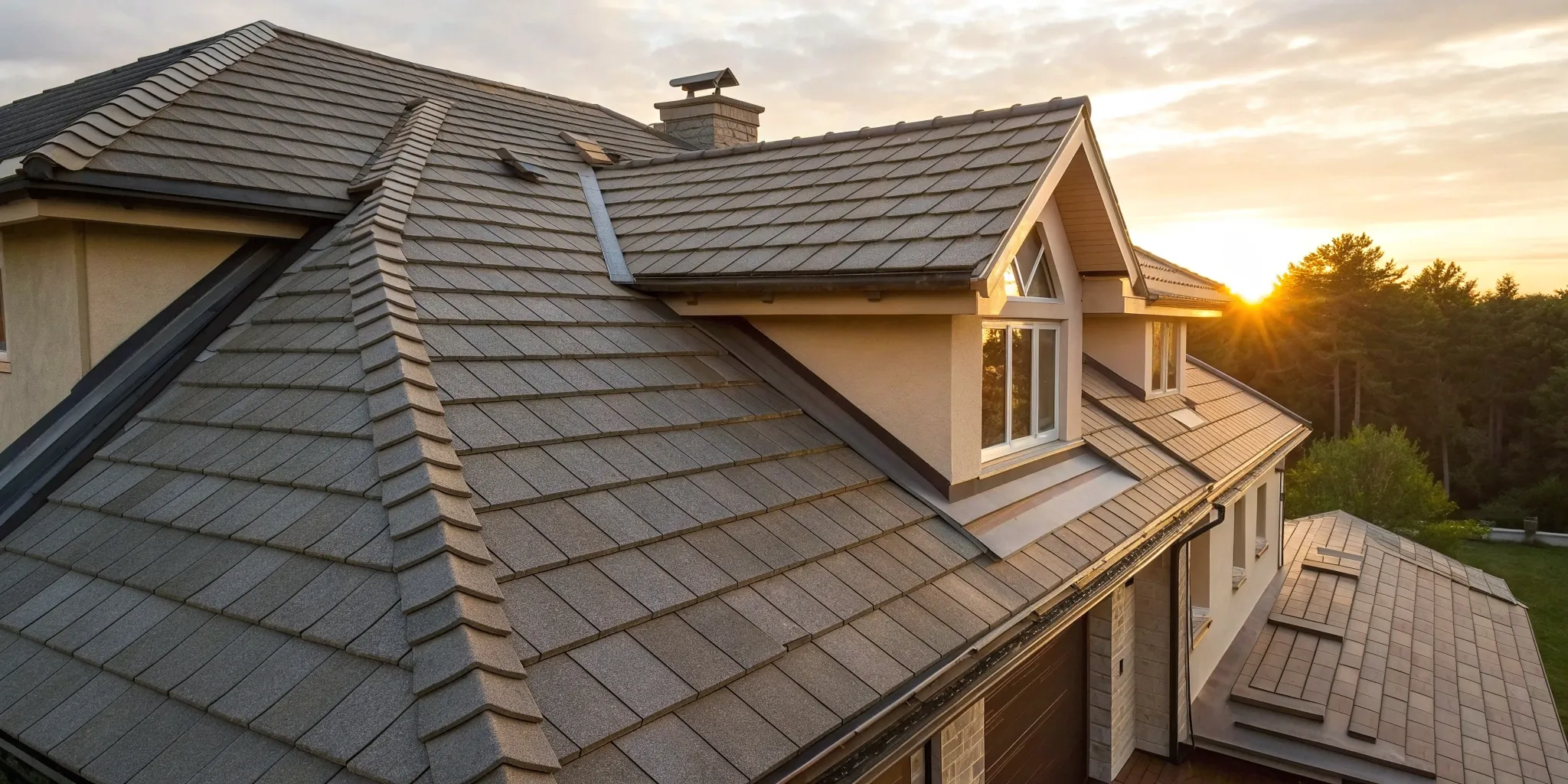
If you're looking to add a second story, be prepared for a higher price point, typically ranging from $300 to $500 per square foot. Why the jump? Your home's existing foundation and frame need significant reinforcement to handle the weight of a new level, which involves complex engineering and construction. Because of this, building out is almost always more cost-effective than building up. This type of project requires careful planning with a team of professionals to ensure it's done safely and correctly.
What About Specialty Additions?
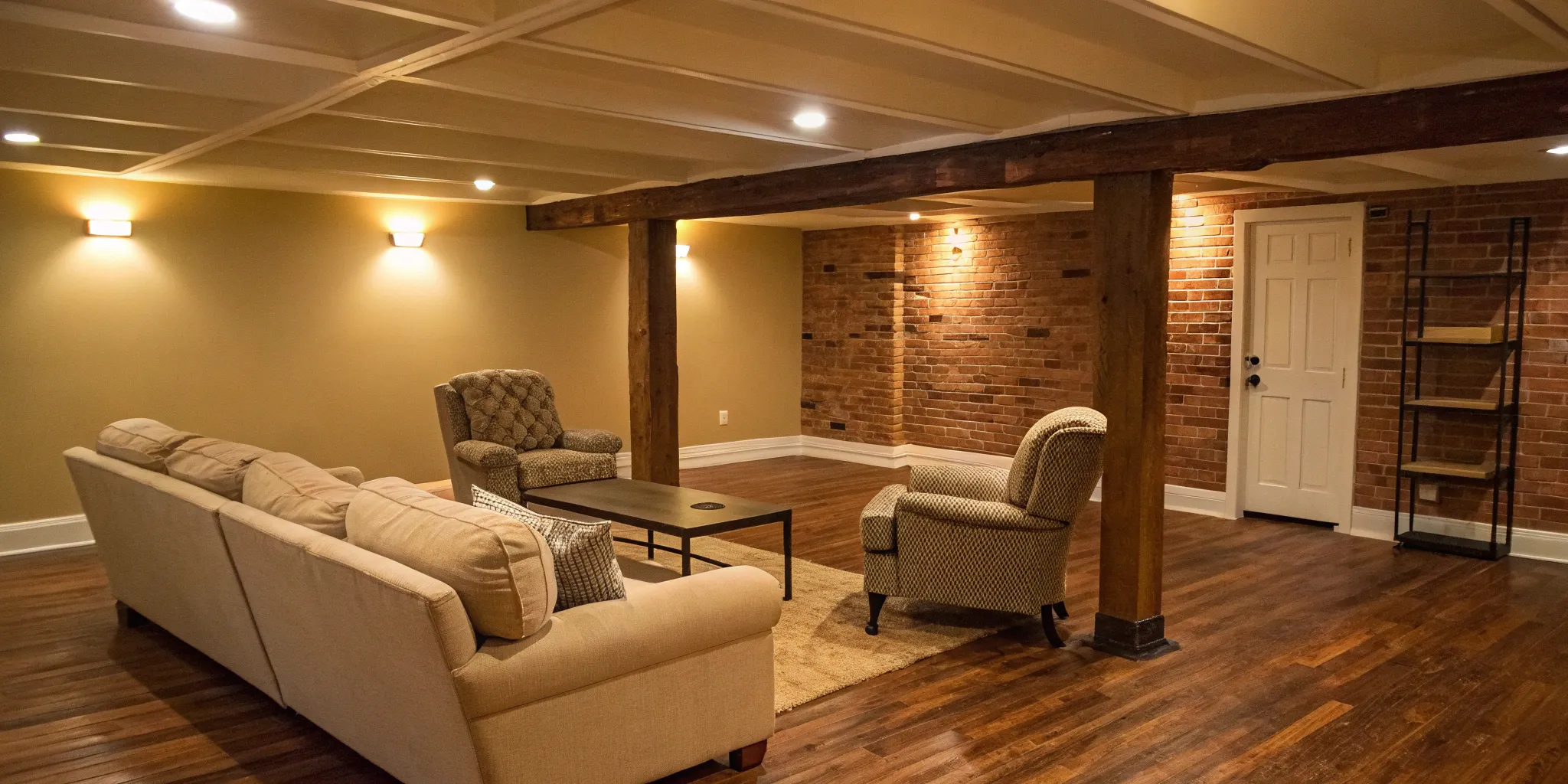
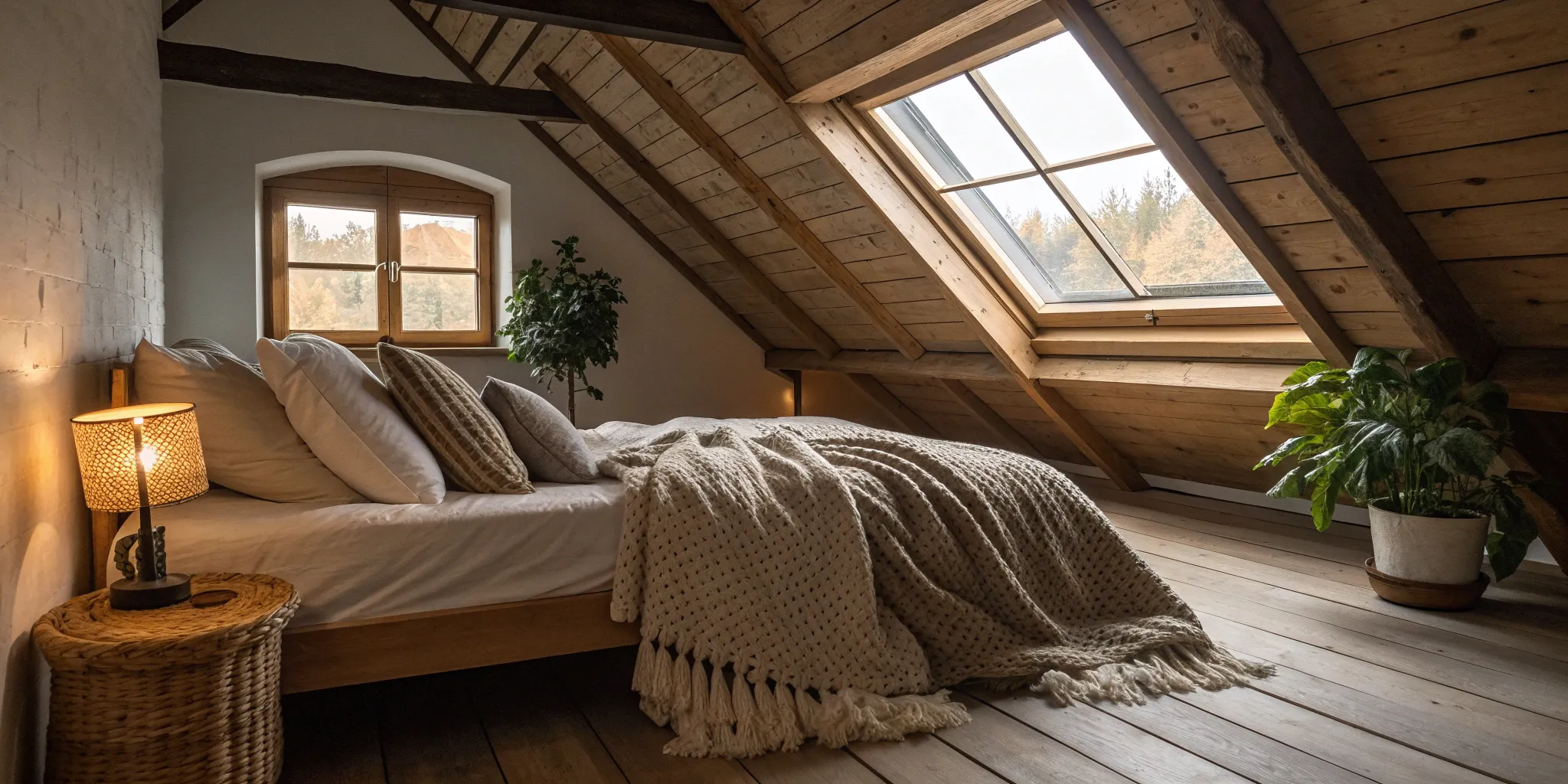
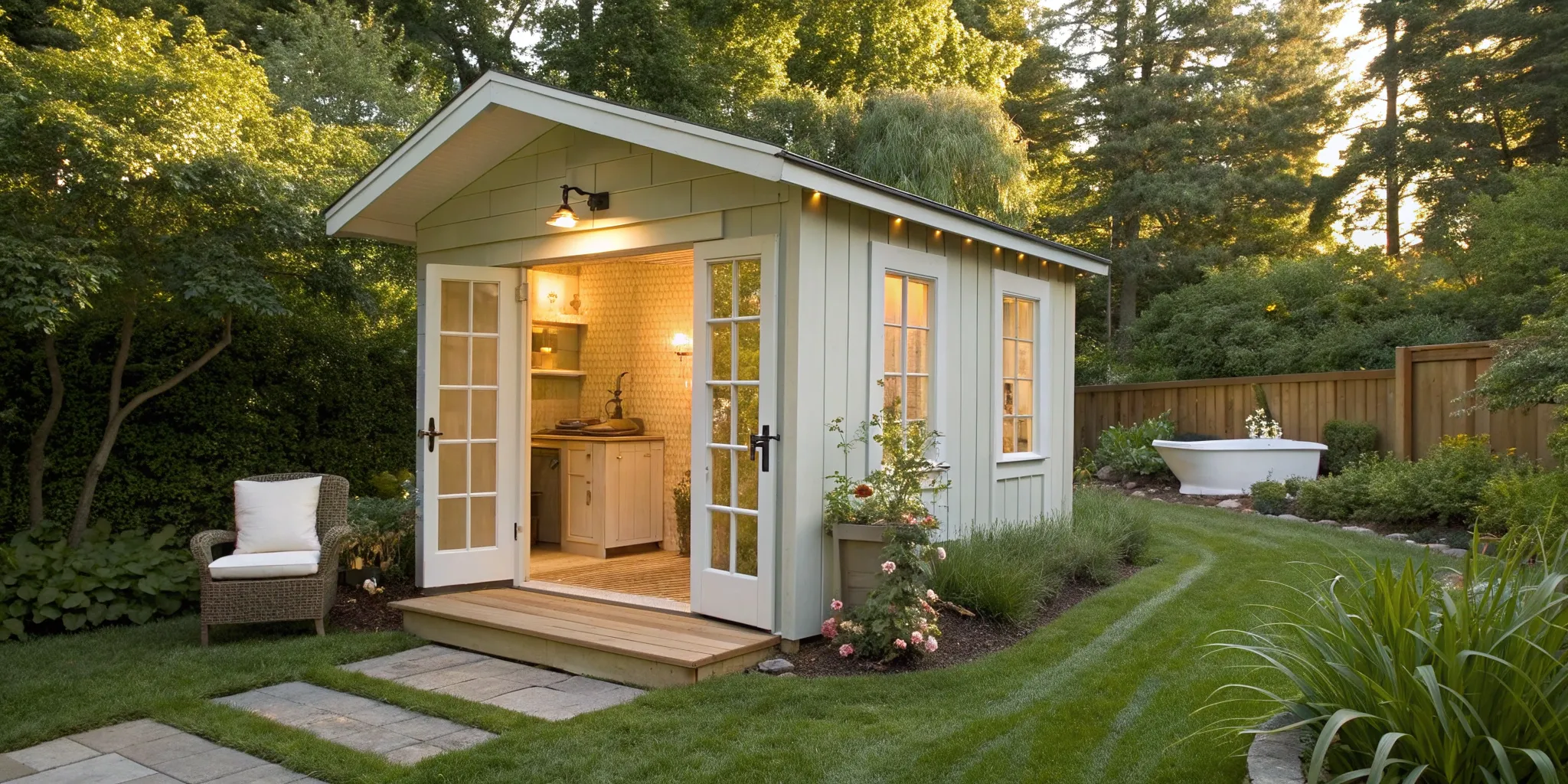
The function of your new space plays a huge role in its cost. A simple room like a bedroom might range from $80 to $480+ per square foot. However, spaces requiring extensive plumbing and electrical, like a kitchen or bathroom, are more expensive, often costing $200 to $600+ per square foot. Custom cabinetry, high-end appliances, and tile work all add up. Sunrooms usually fall between $150 and $550+ per square foot. The more specialized the room, the more your project budget will need to accommodate.
What Drives Your Addition's Per-Square-Foot Cost?
Thinking about your addition's cost in per-square-foot terms is a great starting point, but it's just that—a start. The final price tag is shaped by a handful of key factors that can cause that number to swing significantly. Understanding what these drivers are will help you create a more accurate budget and make informed decisions as you plan your project. From your zip code to your choice of flooring, every detail plays a role in the total cost.
Your Home's Location
It’s a simple fact of real estate and renovation: where you live matters. The cost of a home addition can vary dramatically based on your city and even your neighborhood. Areas with a higher cost of living, like many communities in the Bay Area or Los Angeles, will have higher costs for materials, permits, and especially labor. A project in a dense urban area often costs more than the exact same project in a suburban or rural location. This regional difference is one of the biggest variables in your budget, so it's important to research costs specific to your local market.
The Materials You Choose
This is where you have the most control over your budget. The finishes and materials you select have a direct impact on your per-square-foot cost. For example, choosing standard-grade vinyl windows, laminate countertops, and basic lighting fixtures will keep costs down. On the other hand, opting for custom wood-clad windows, high-end stone countertops, and designer fixtures will push the price up. Thinking through your priorities—where you want to save and where you want to splurge—is a critical step in the planning process. Your choice of materials will define both the look and the final cost of your new space.
The Complexity of the Design
A simple, rectangular room addition is the most straightforward and cost-effective design. As you add complexity, the price per square foot increases. Features like vaulted ceilings, complex rooflines, custom built-ins, or an unconventional floor plan all require more intricate framing, specialized labor, and more materials. A more complex design simply takes more time and skill to build, which is reflected in the overall cost. If you're trying to stick to a tight budget, keeping the design clean and simple is one of the most effective ways to manage expenses.
Labor and Contractor Rates
Labor is one of the biggest line items in any renovation budget, often making up 40% to 60% of the total project cost. The rates for skilled tradespeople—like framers, electricians, and plumbers—are influenced by your location and the current demand for their services. A complex project that requires highly specialized skills will also command higher labor rates. This is why getting detailed quotes from several vetted contractors is so important. It helps you understand the going rate for quality work in your area and ensures you're getting a fair price for the professionals who will bring your vision to life.
How Much Will Your New Room Cost?
Okay, let's talk numbers. The type of room you're adding has one of the biggest impacts on your cost per square foot. A simple bedroom will cost far less than a full kitchen with high-end appliances and custom cabinets. To give you a clearer picture, here’s a breakdown of what you can expect to spend on some of the most popular home additions. Remember, these are ballpark figures—your final cost will depend on your specific location, materials, and project complexity. Getting a customized plan is the best way to understand the true cost for your home.
Adding a Kitchen or Bathroom
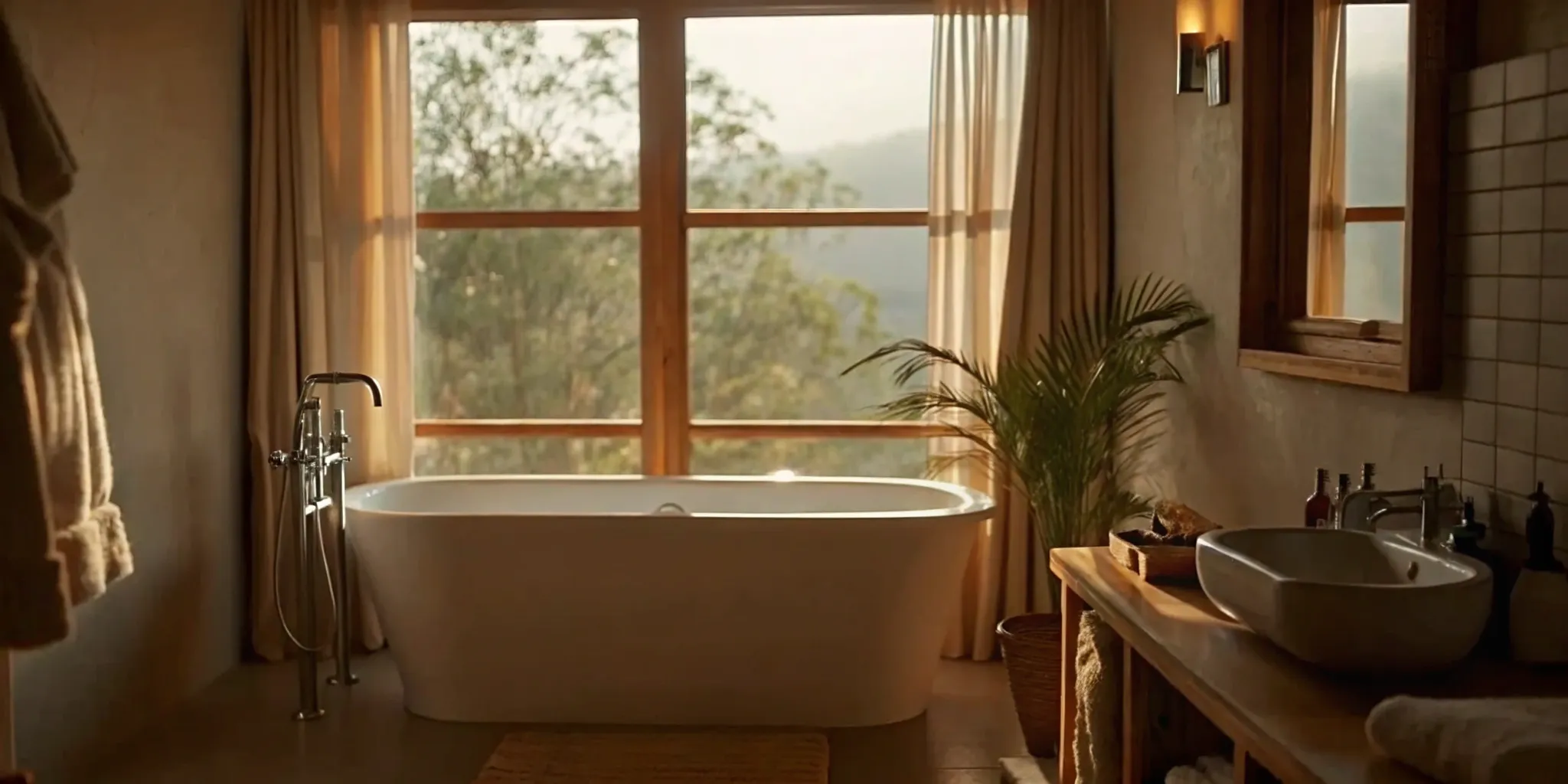
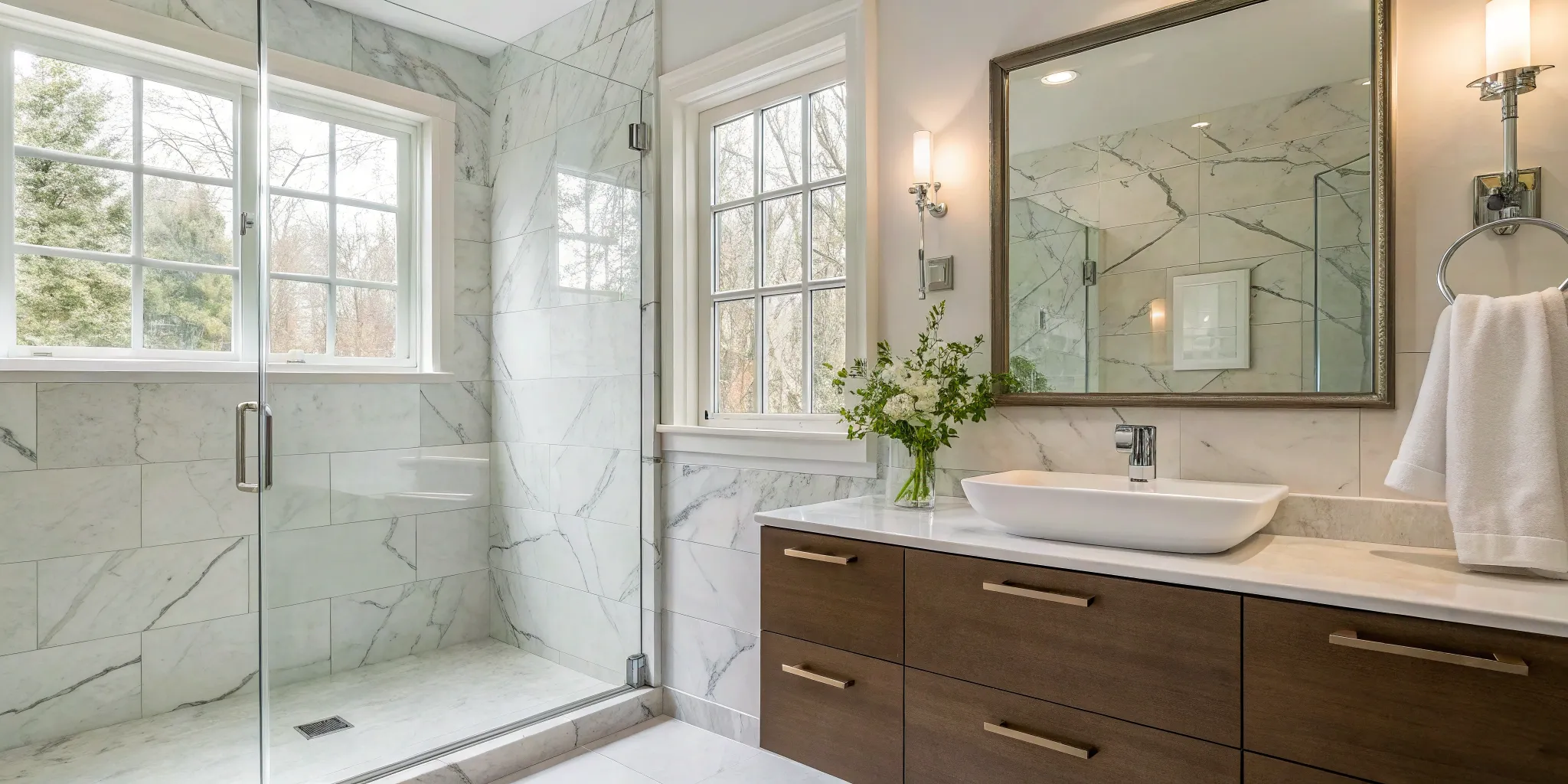
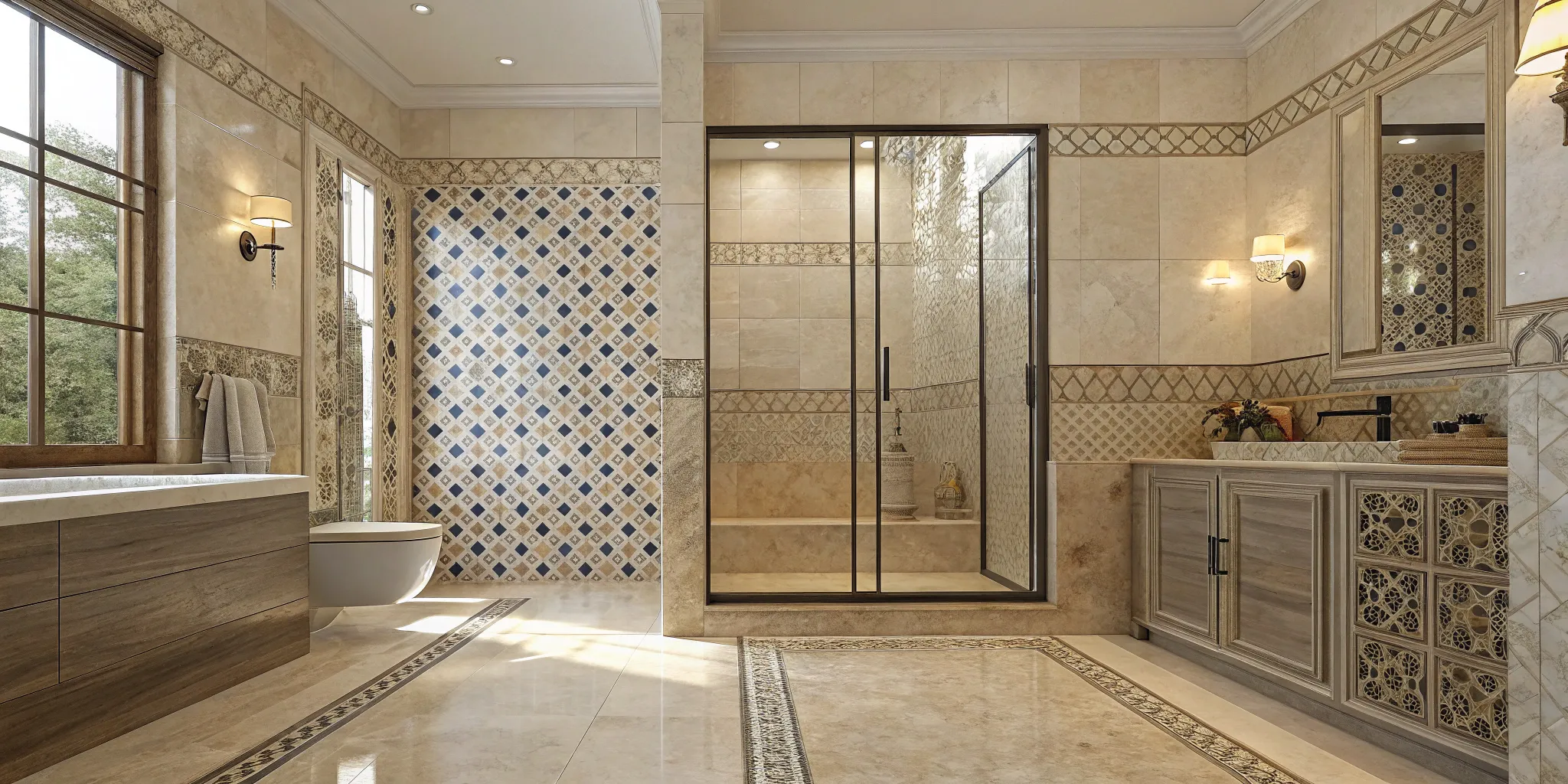
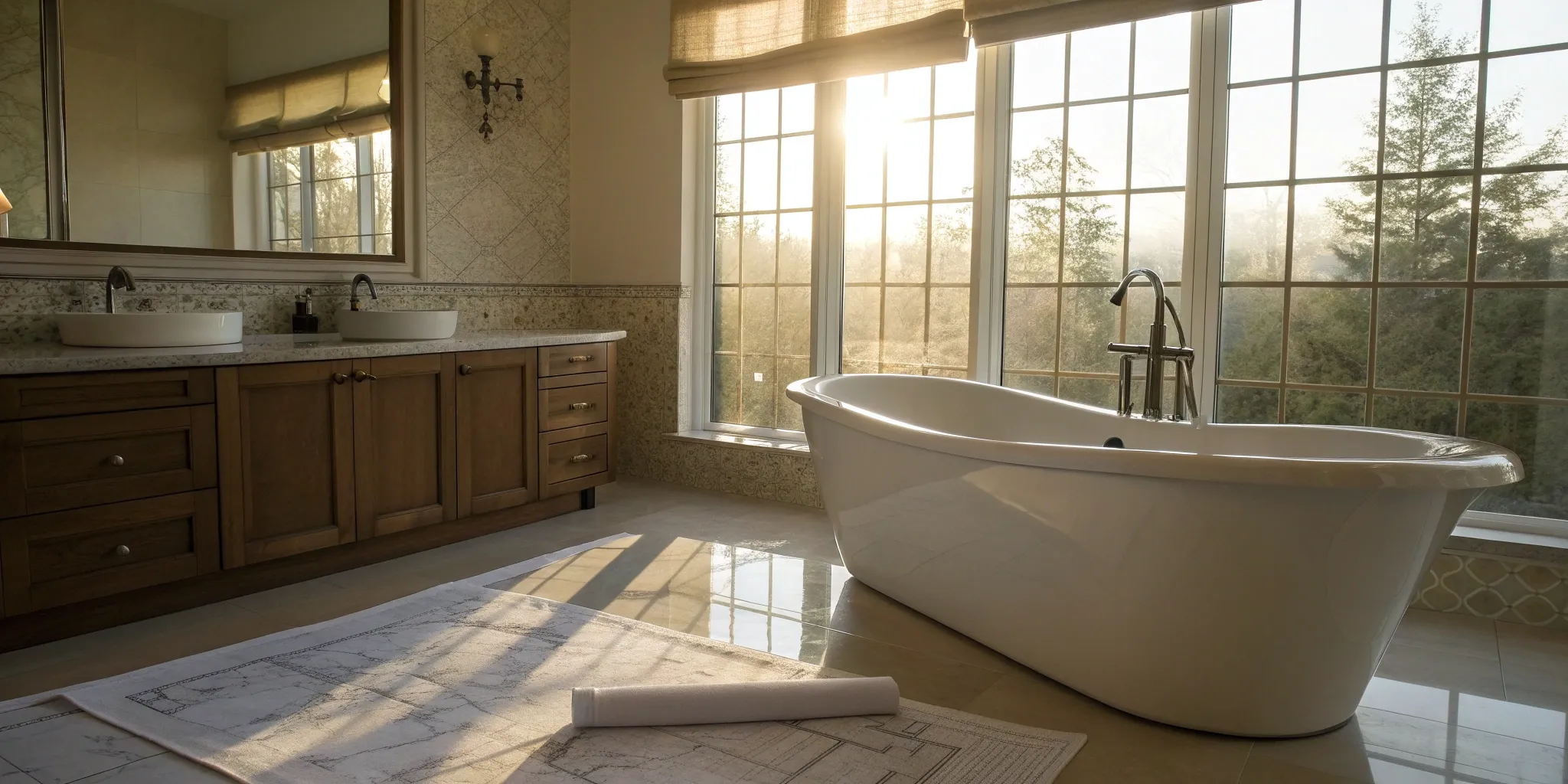
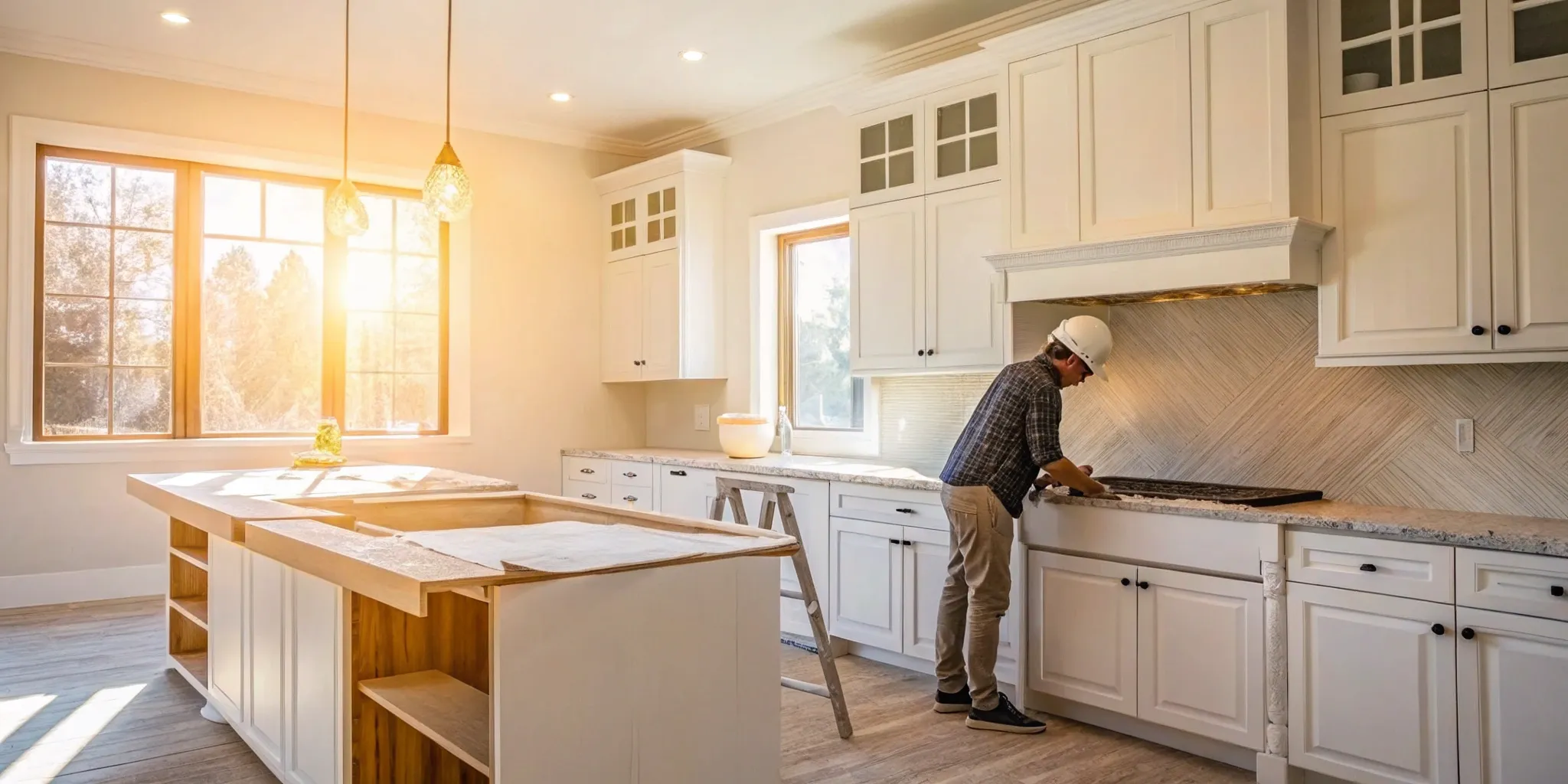
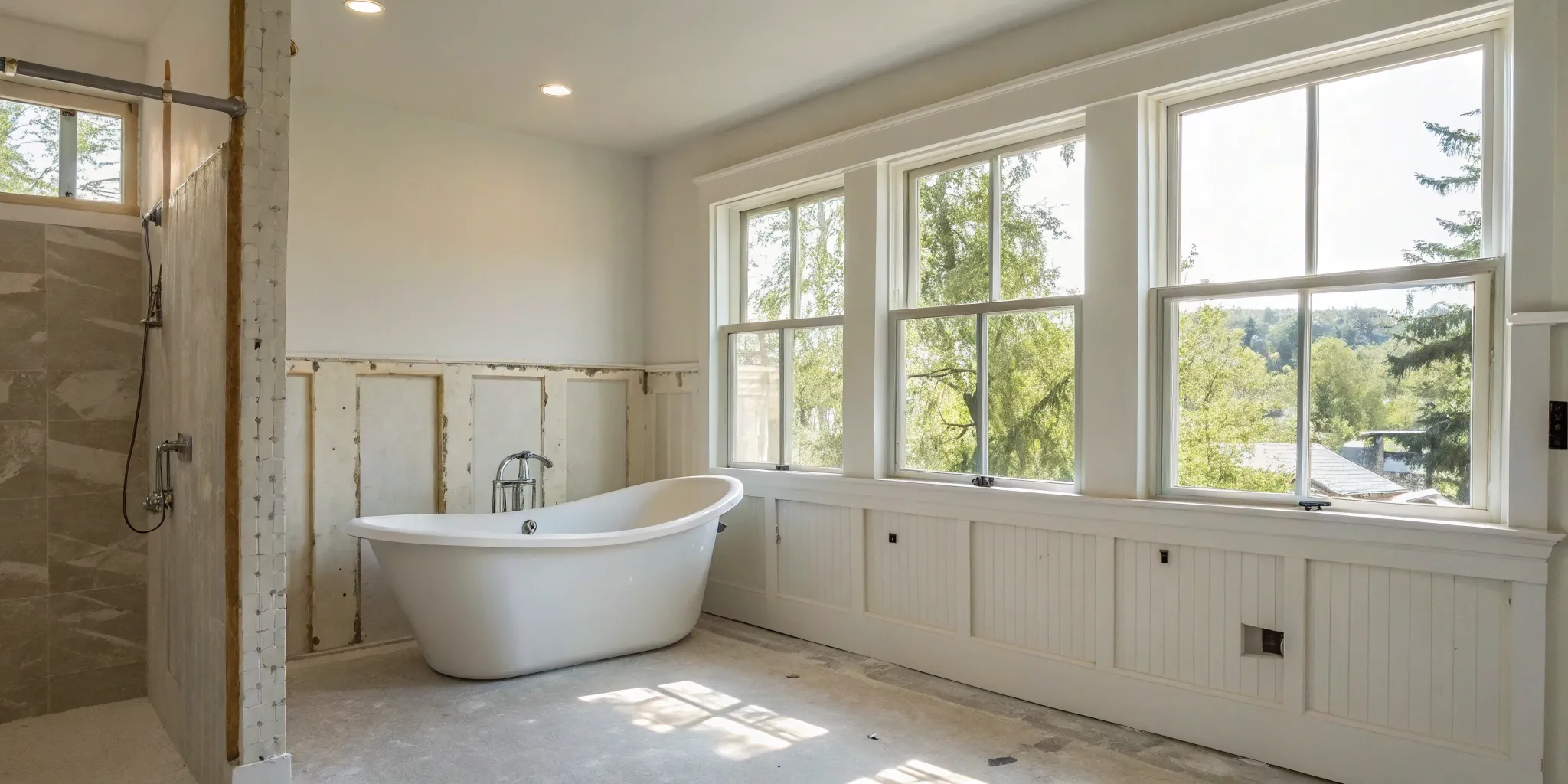
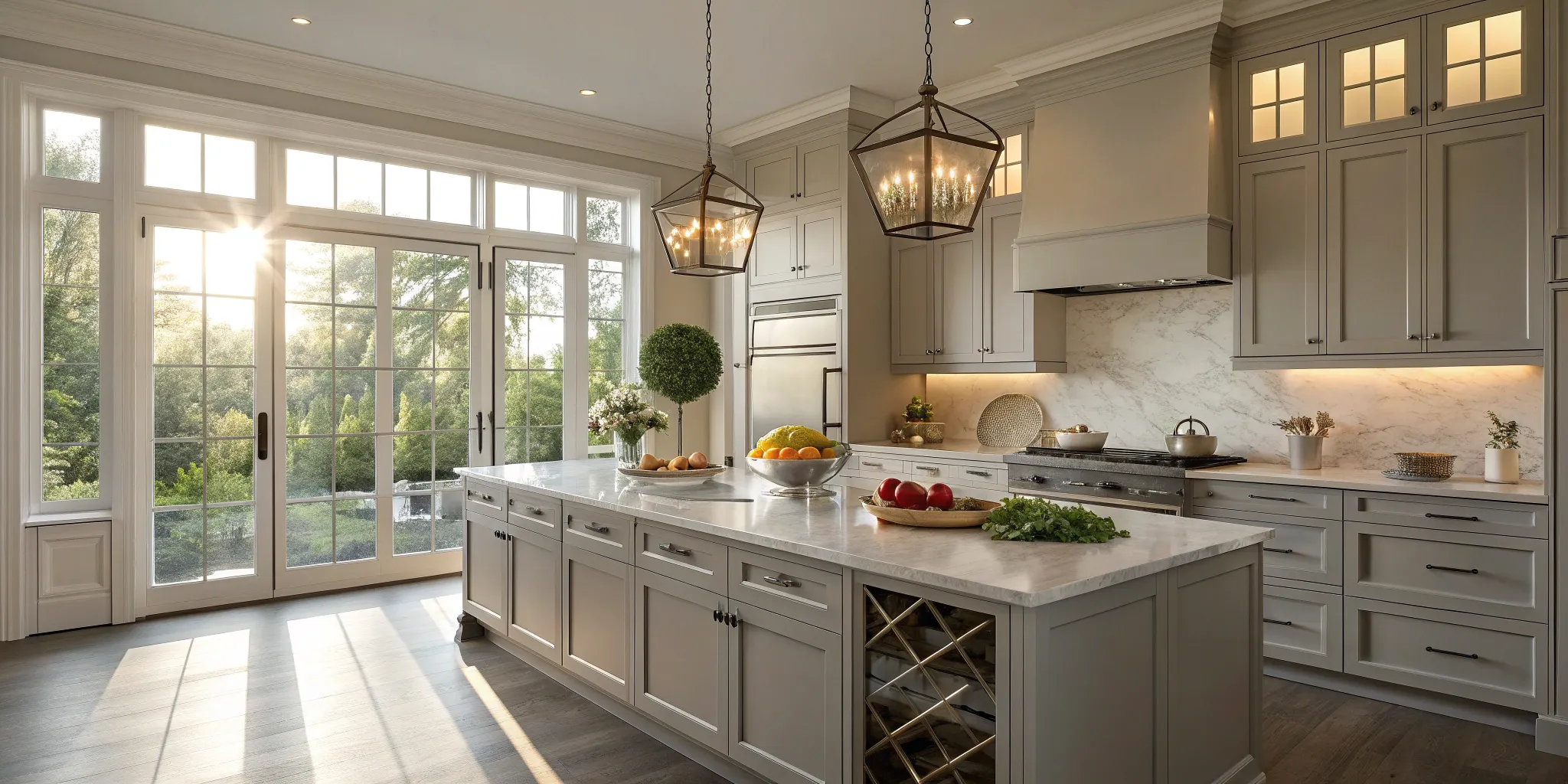
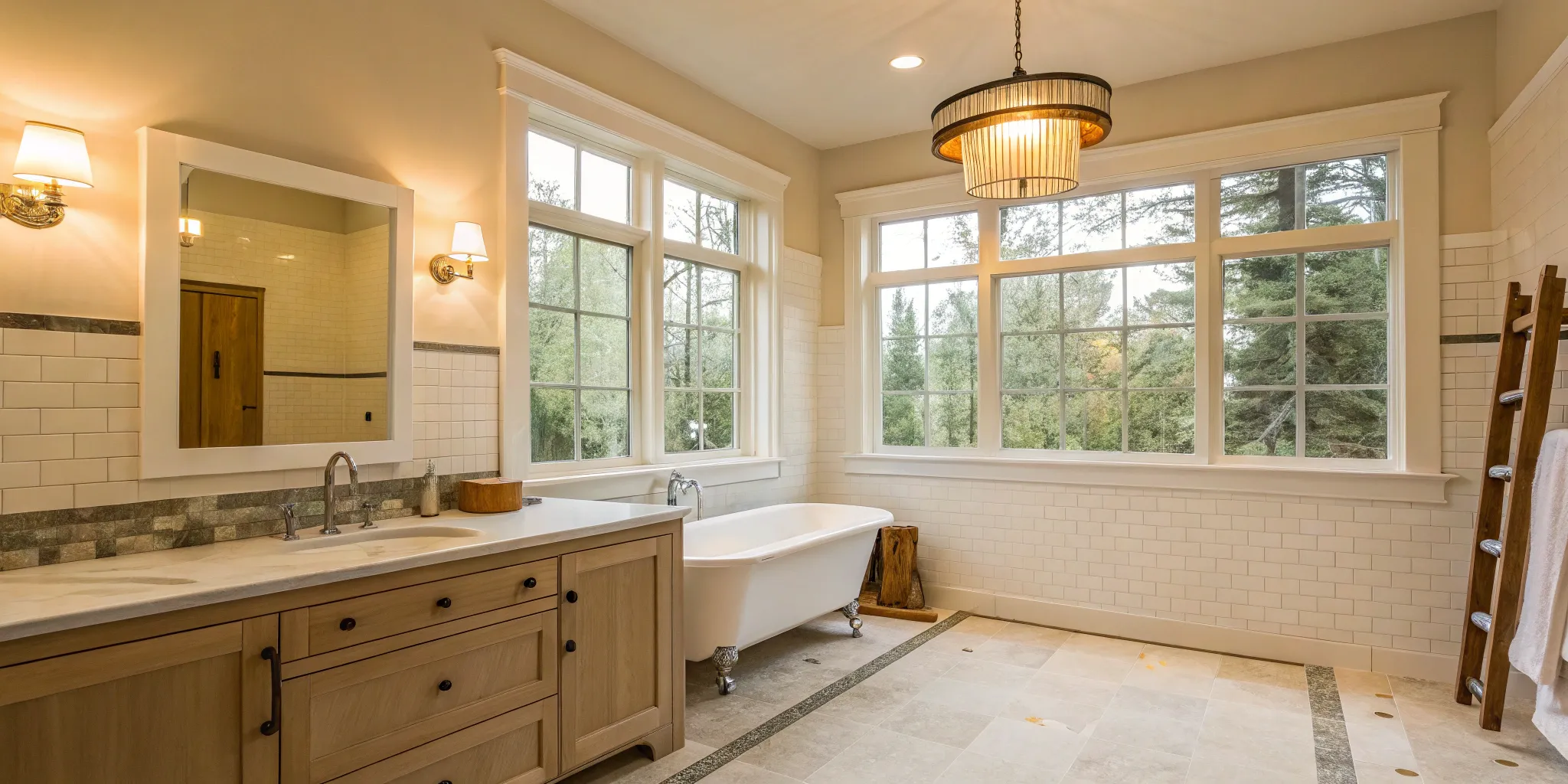
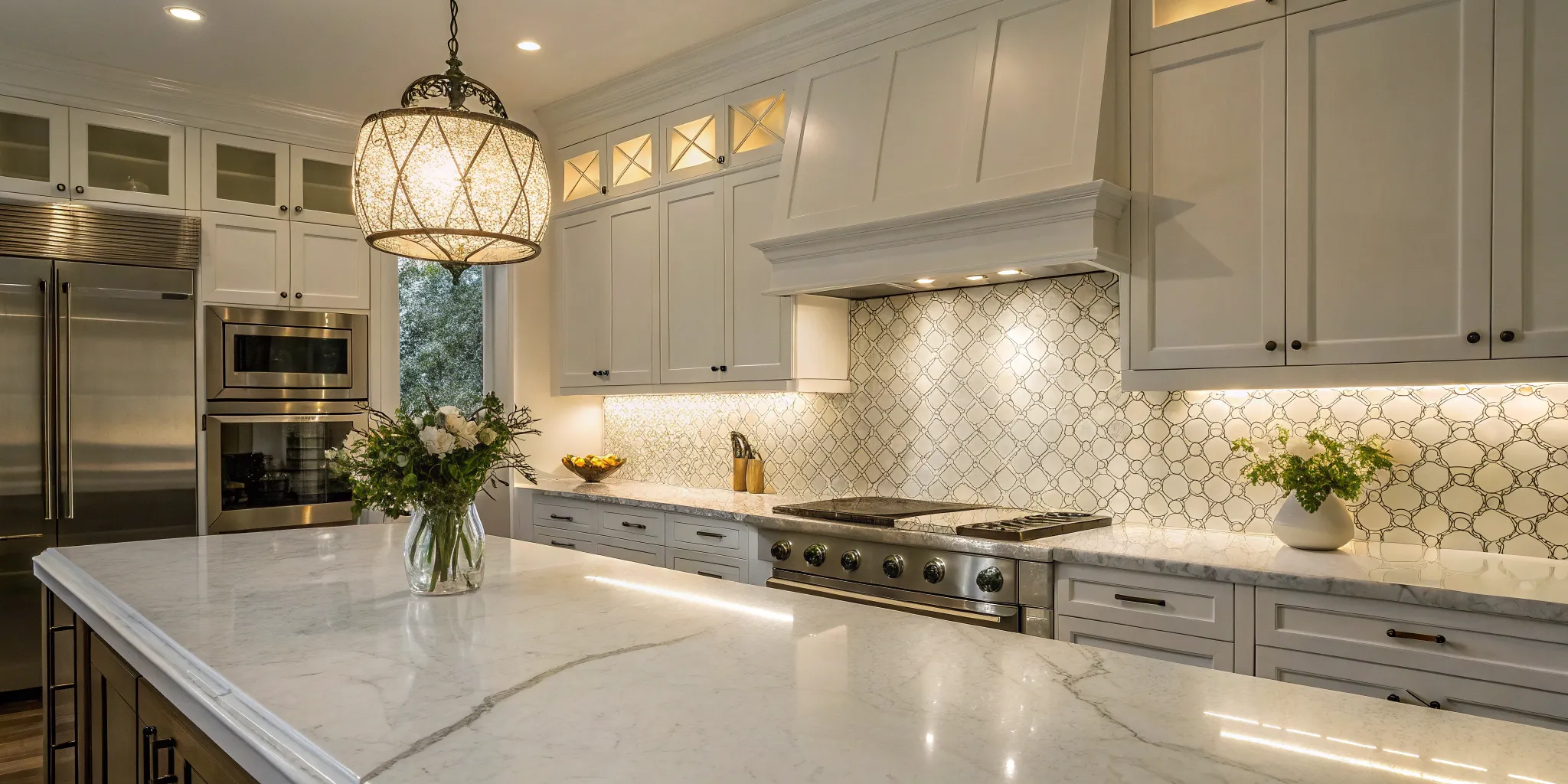
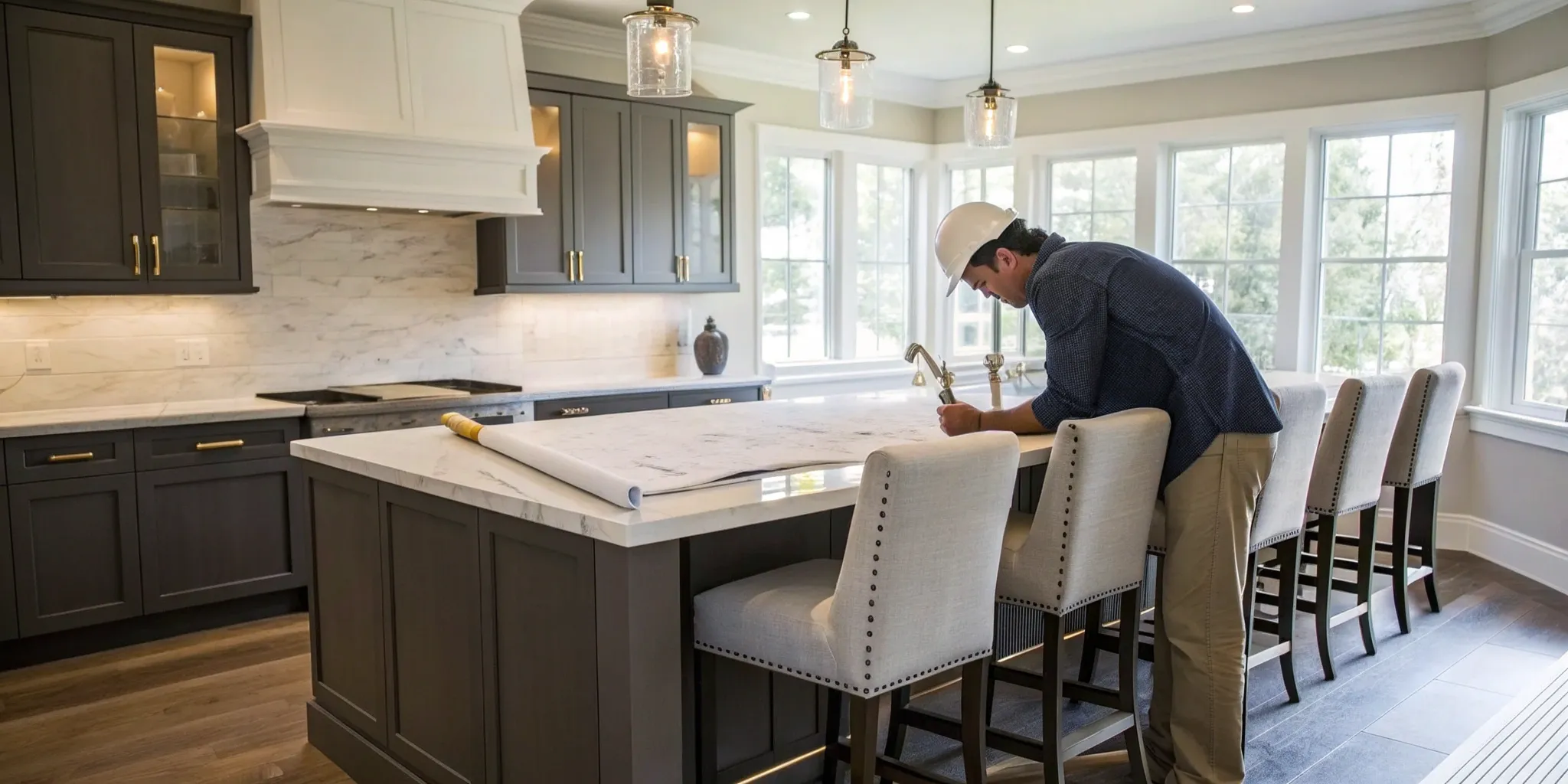
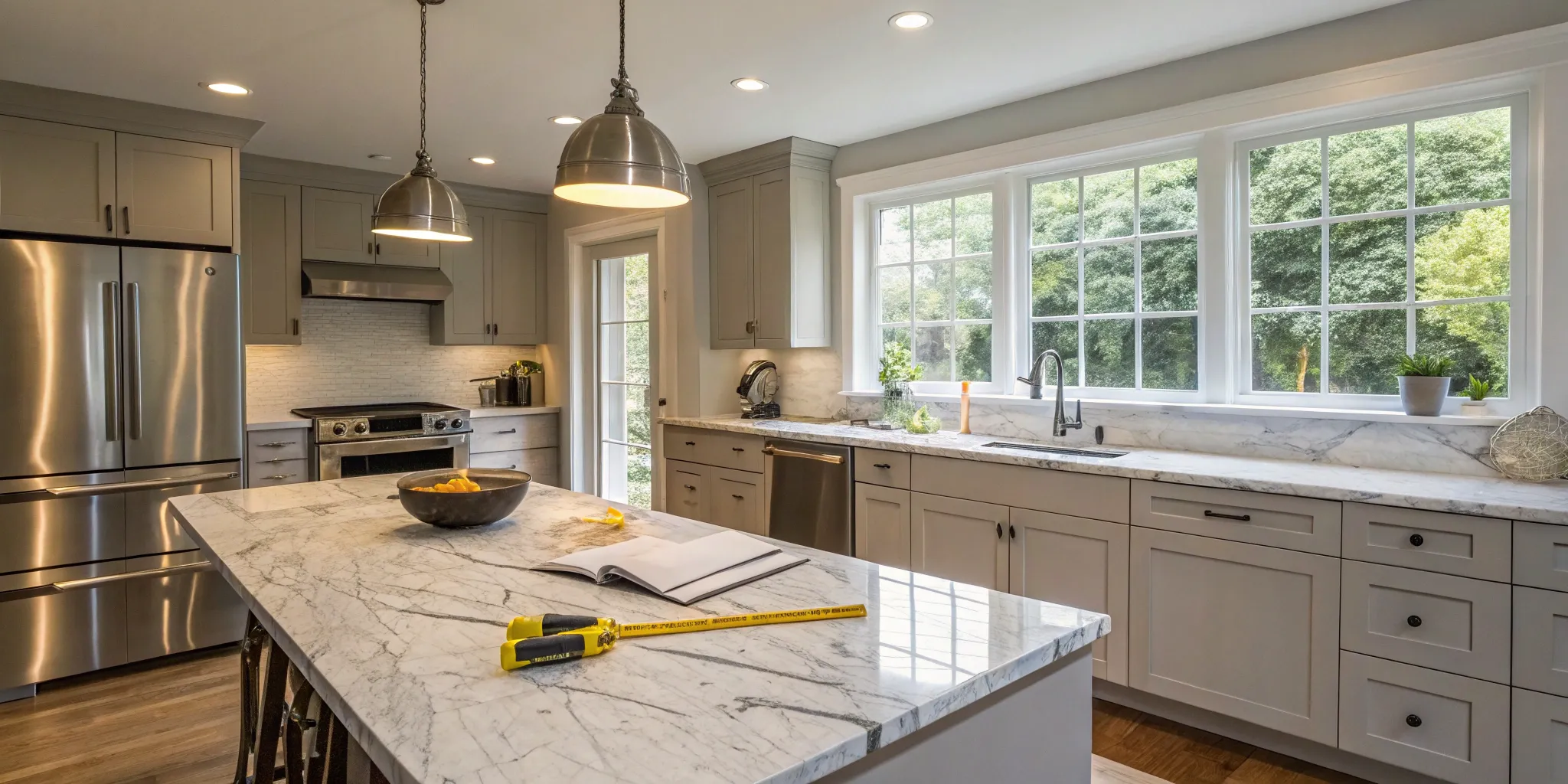
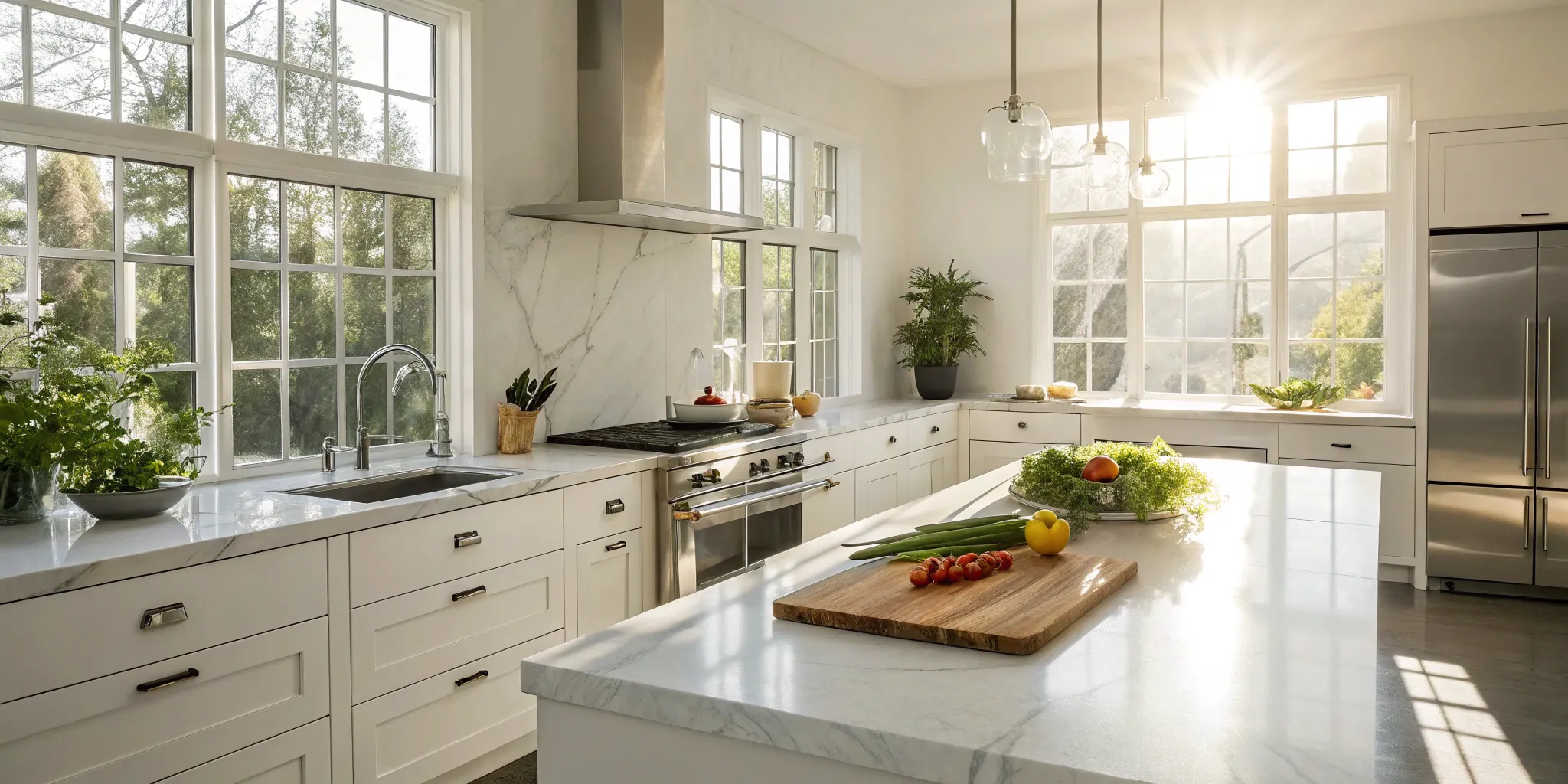
Kitchens and bathrooms are the most complex and expensive rooms to add. Expect to pay between $250–$750 per square foot for a new kitchen and $200–$600 per square foot for a bathroom. Why the high price tag? These spaces require extensive plumbing and electrical work, plus costly items like cabinetry, countertops, appliances, and fixtures. The wide cost range reflects the difference between basic finishes and high-end, luxury materials. While the initial investment is steep, updated kitchens and bathrooms are major selling points and can significantly increase your home's value.
Expanding Your Living Space
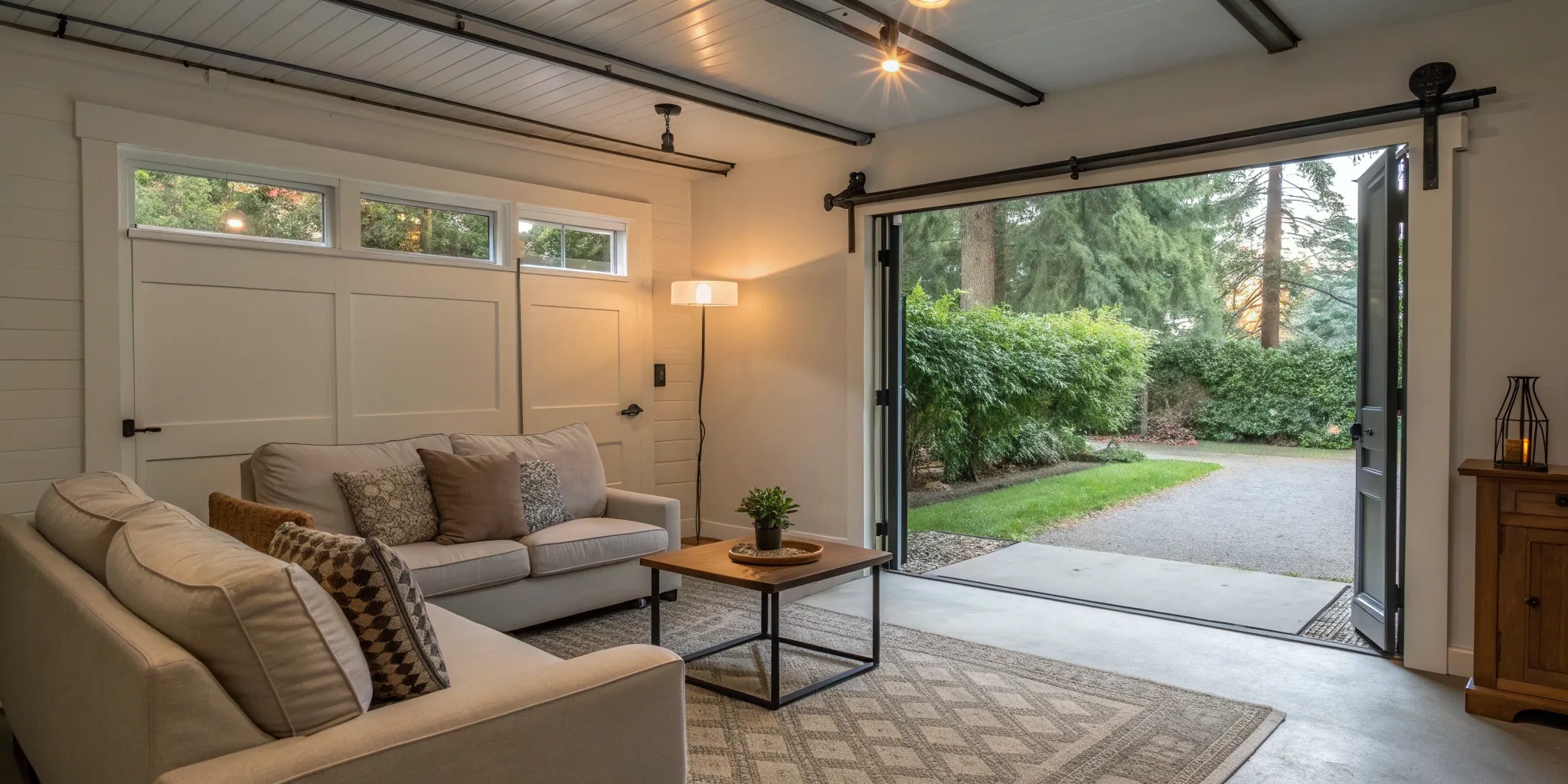
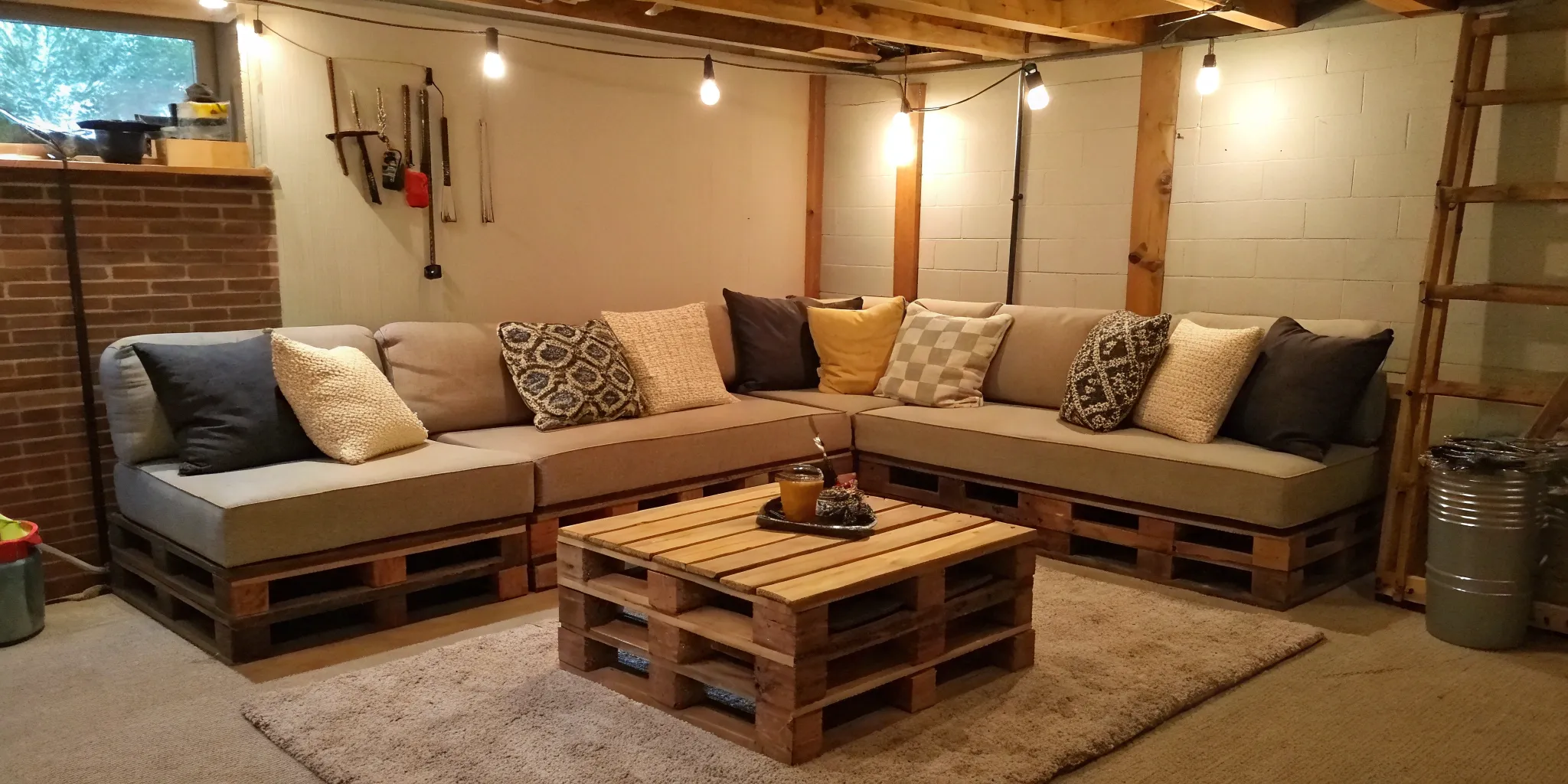
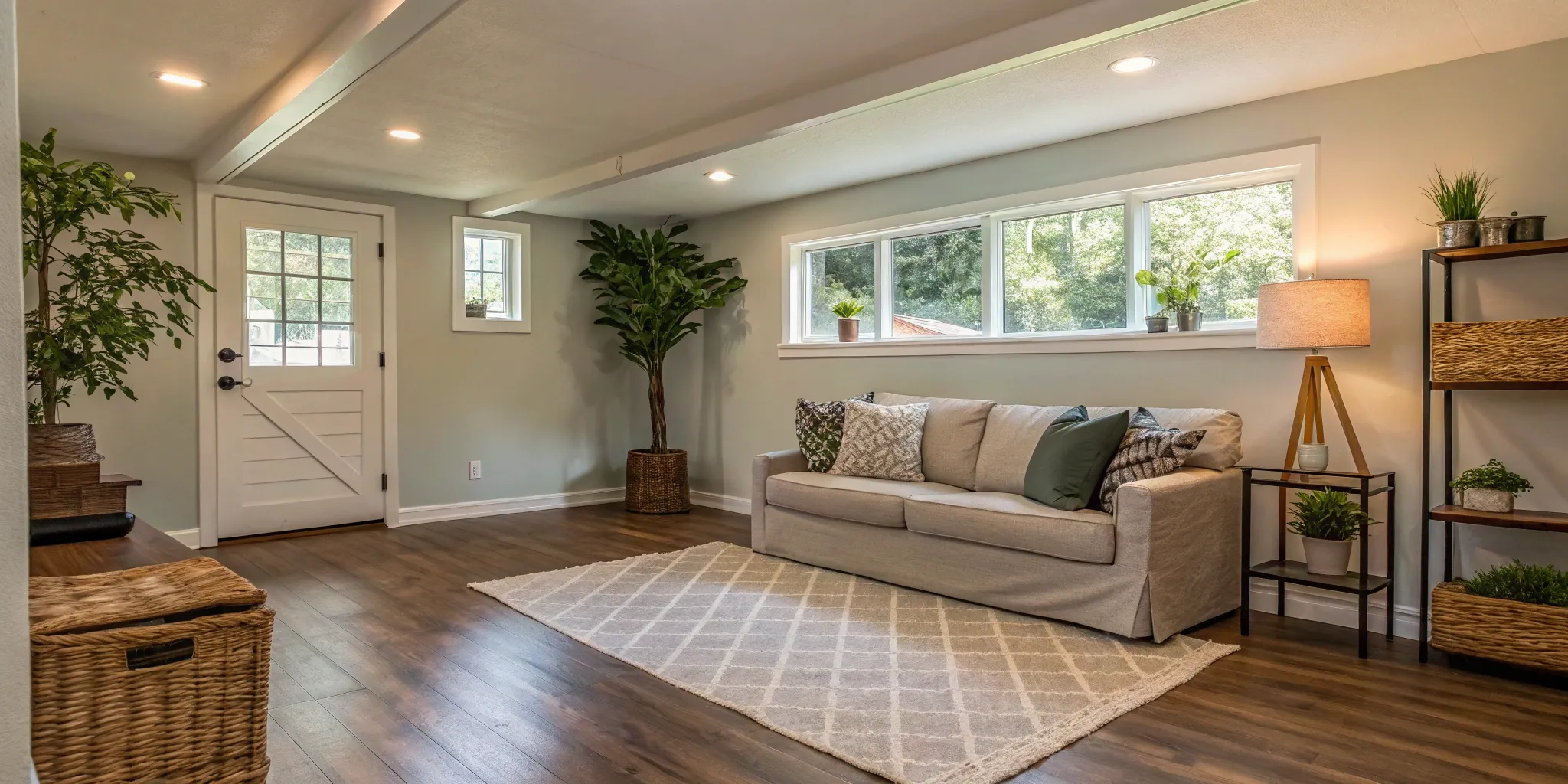
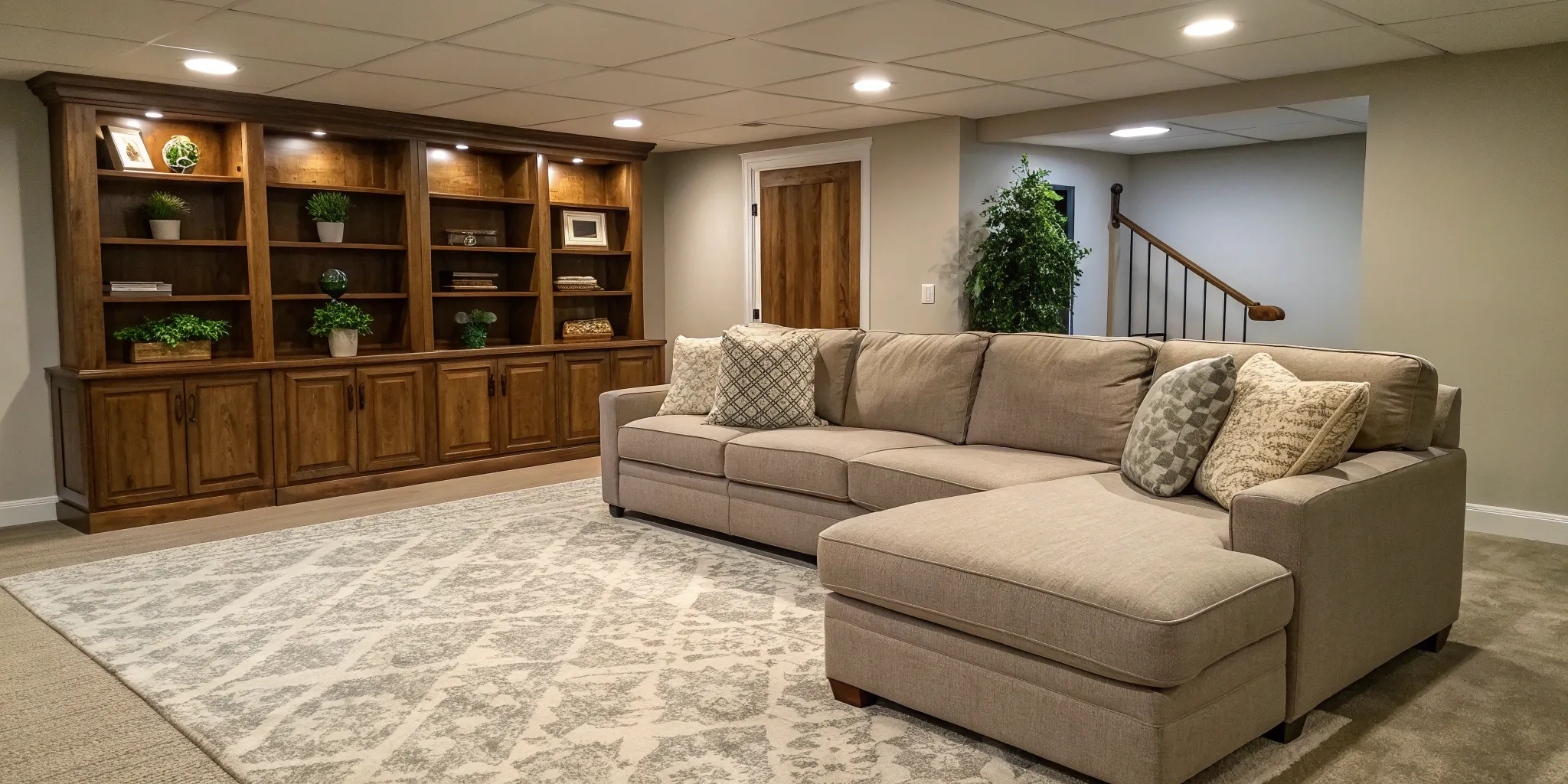
If you need more room for your family to relax, expanding your living space is a great option. The cost varies depending on whether you build out or up. Building out by extending your home’s ground floor is more straightforward, typically costing $80 to $200 per square foot. Building up and adding a second story is a much bigger undertaking, involving structural reinforcement and roofing, which brings the cost to $300 to $500 per square foot. While building up is more expensive per foot, it allows you to add space without sacrificing your yard.
Building a Sunroom or Mudroom
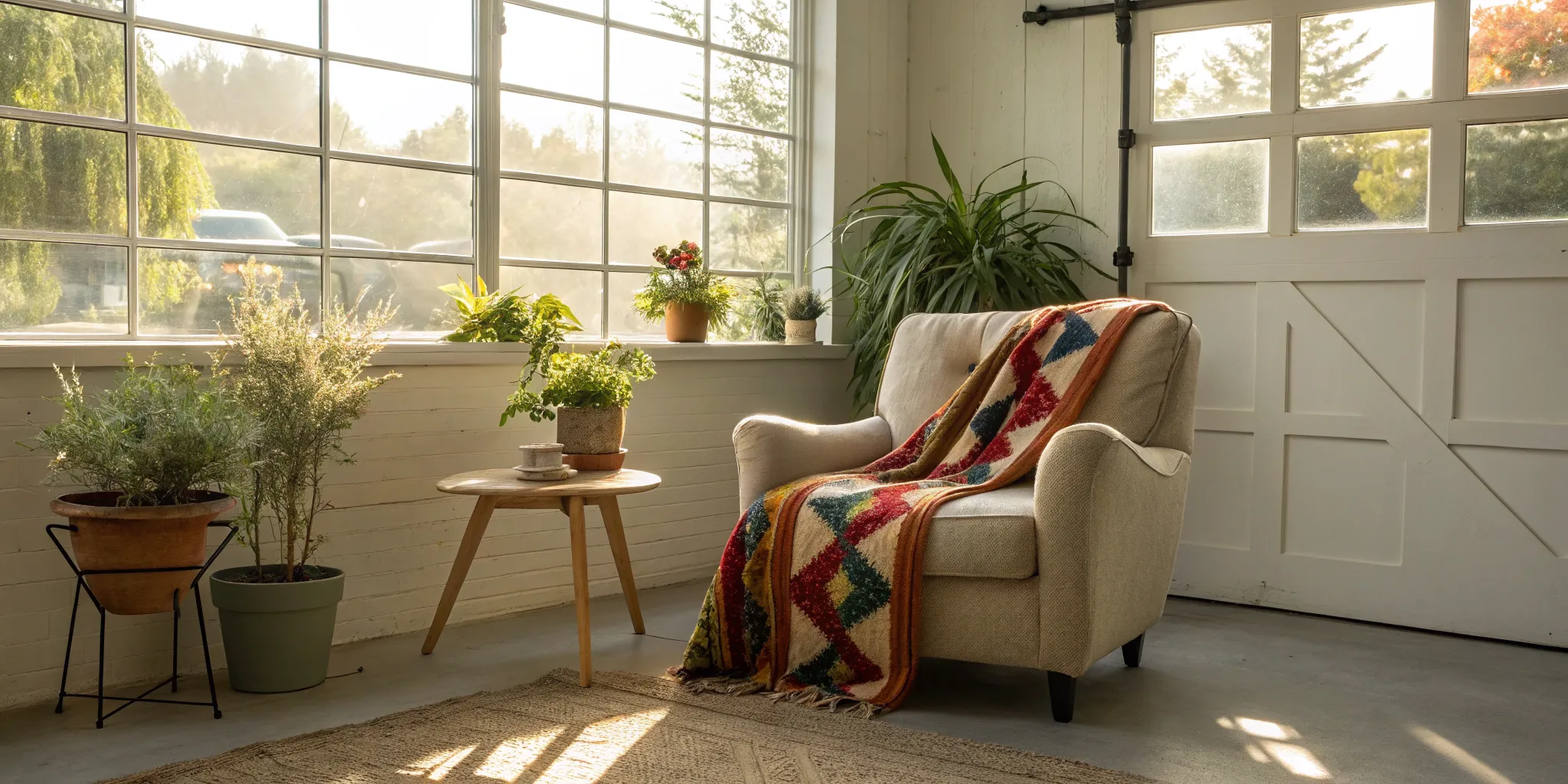
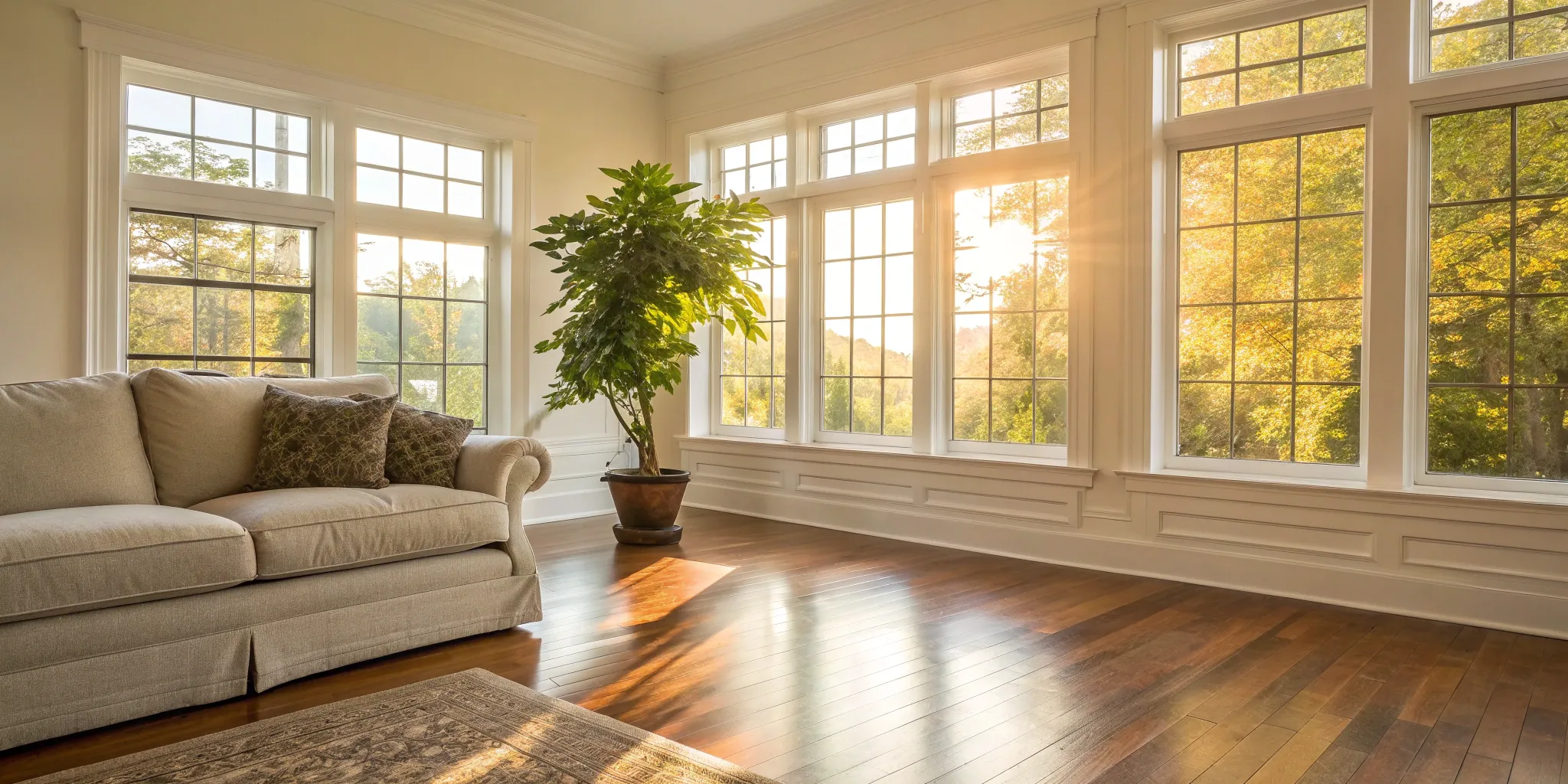
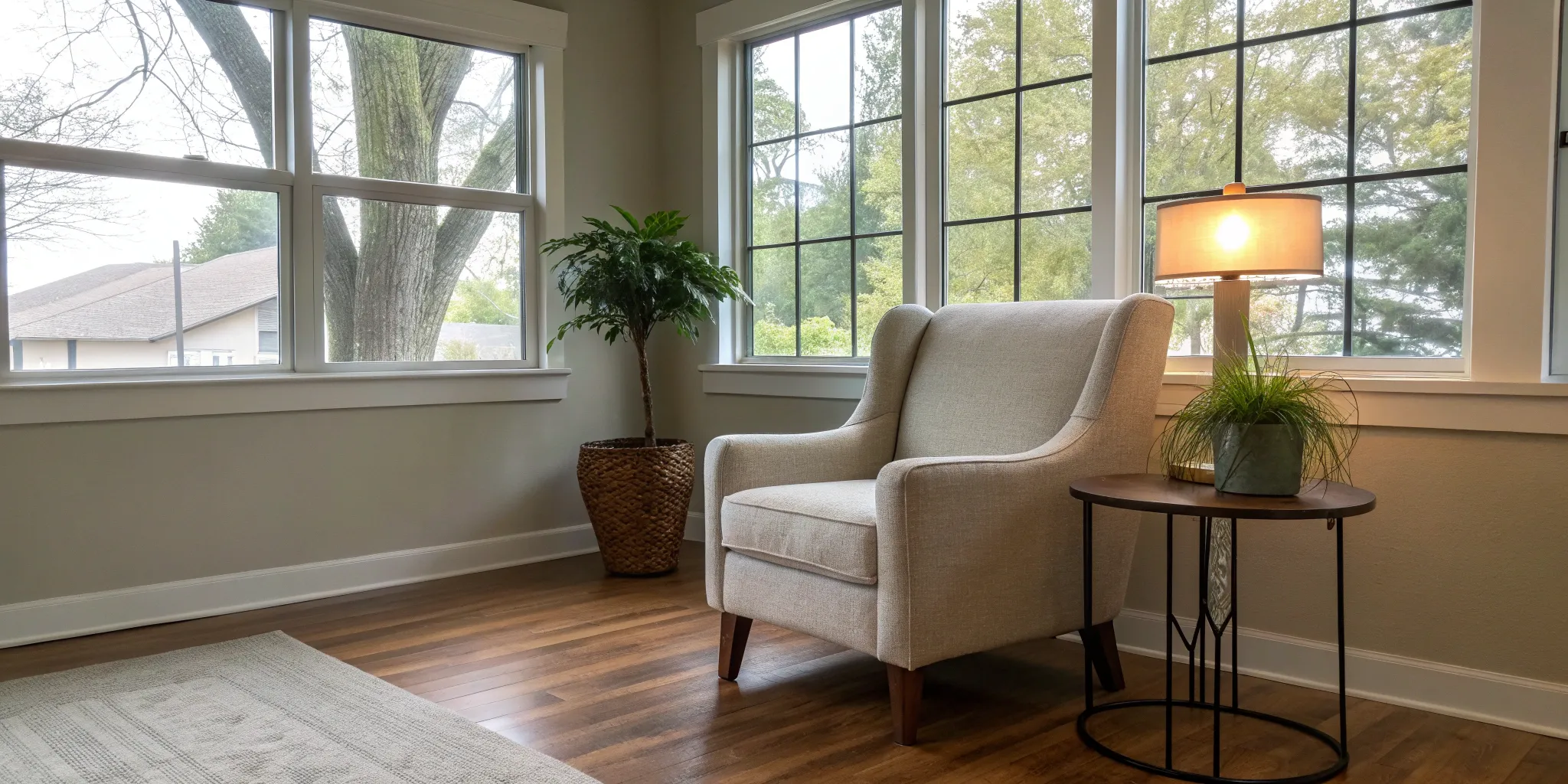
Specialty rooms like sunrooms and mudrooms add unique functionality to your home. A sunroom, with its extensive glass and light-filled design, generally costs between $150–$550 per square foot. The final price depends on factors like the type of glass used and whether the space will be heated and cooled for year-round use. A mudroom addition is a bit more budget-friendly, ranging from $100–$500 per square foot. Costs for a mudroom are driven by features like custom built-in storage, durable flooring, and any plumbing needed for a utility sink.
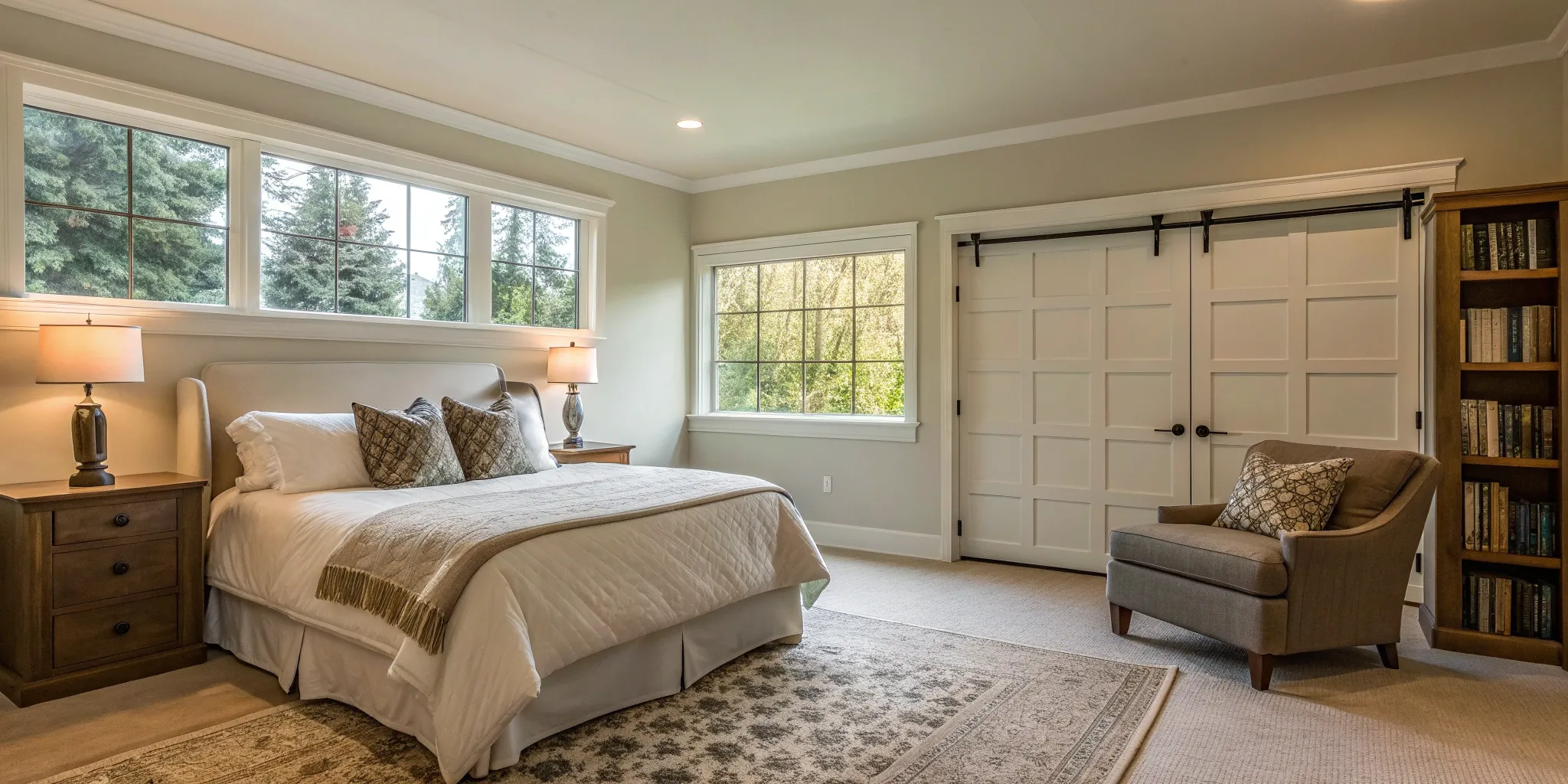
Creating a Master Suite
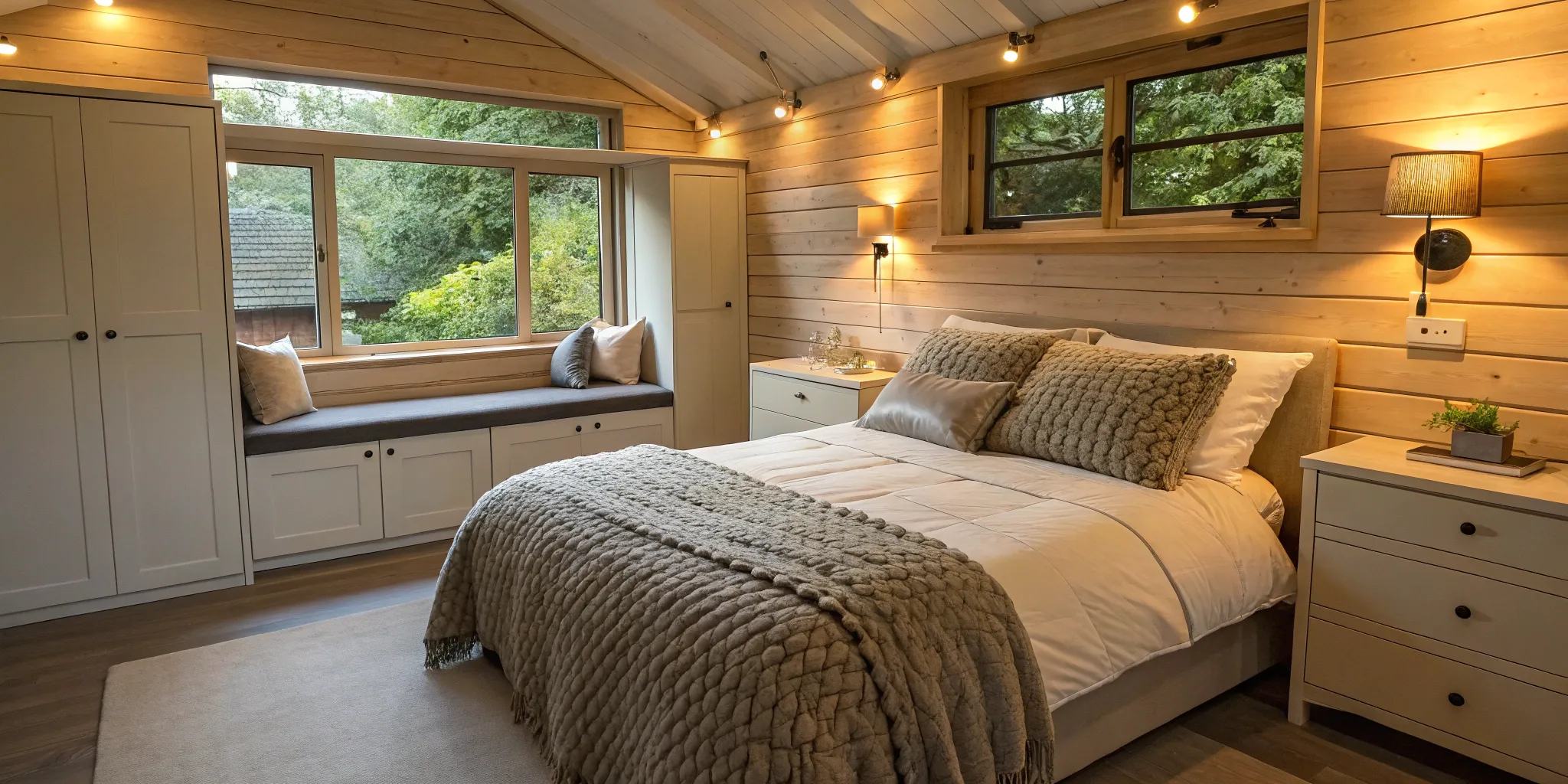
A master suite addition creates a private retreat, combining a bedroom, bathroom, and often a walk-in closet. Instead of a square-foot price, it's easier to look at the total project cost, which averages around $62,500 but can range from $25,000 to over $100,000. This wide range is due to the project's complexity—it’s essentially a multi-room addition. The level of luxury you choose for the bathroom fixtures, closet systems, and bedroom finishes will determine where your project falls on that spectrum. Finding the right vetted professionals is key to bringing this kind of personal sanctuary to life.
Does a Bigger Addition Mean a Lower Cost Per Square Foot?
It might seem counterintuitive, but when it comes to home additions, building bigger can sometimes mean a lower cost per square foot. This is because of economies of scale. Certain project costs are fixed, whether you’re adding 100 square feet or 500. Think about things like design plans, permits, foundation work, and bringing in specialized trades like plumbers and electricians. Once these professionals are on-site, the incremental cost to have them work on a larger space is often less than the initial cost to get them there. When you build a larger addition, you spread those fixed costs over more square footage, which can bring down the average price for each square foot you add.
However, this isn’t a universal rule. The type of space you’re adding, the complexity of the build, and whether you’re building out or up all play a major role. A simple, large family room will have a very different per-square-foot cost than a smaller, high-end kitchen addition packed with plumbing, electrical, and custom finishes. Understanding how project size affects your budget helps you make smarter decisions about the scope of your renovation. It allows you to weigh the benefits of more space against the total investment, ensuring you find the right balance for your home and your finances.
Small Projects: Bump-Outs and Expansions
A bump-out is a great way to add a little extra breathing room—like a breakfast nook in a kitchen or a bay window in a living room—without the expense of a full-scale addition. While the total price tag can be relatively low, sometimes starting around $4,000, the cost per square foot is often quite high. You’re paying for a foundation, roof, and exterior finishing for a very small amount of new space. These projects still require careful planning and professional work to seamlessly tie into your home’s existing structure and style.
Medium Projects: Adding a Full Room
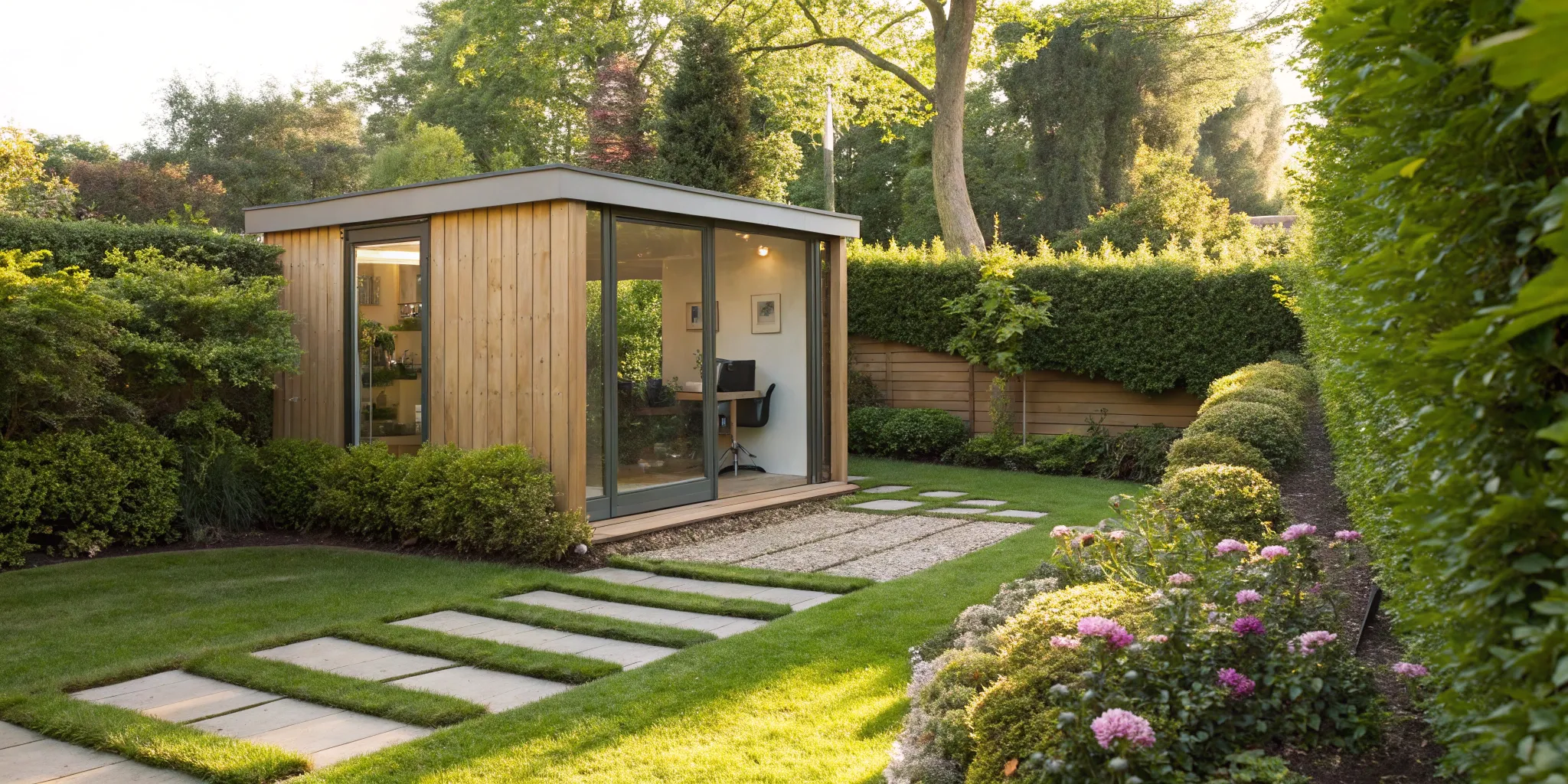
When you move up to adding a full room, you start to see the economies of scale kick in. A popular choice is a 20x20 room addition, which gives you a generous 400 square feet for a new family room, primary bedroom, or large home office. While the total project cost is higher—often around $48,000—the cost per square foot typically drops compared to a small bump-out. You’re getting significantly more living space for your investment in foundation, framing, and roofing work, making it a more balanced approach to expanding your home.
Large Projects: Major Additions
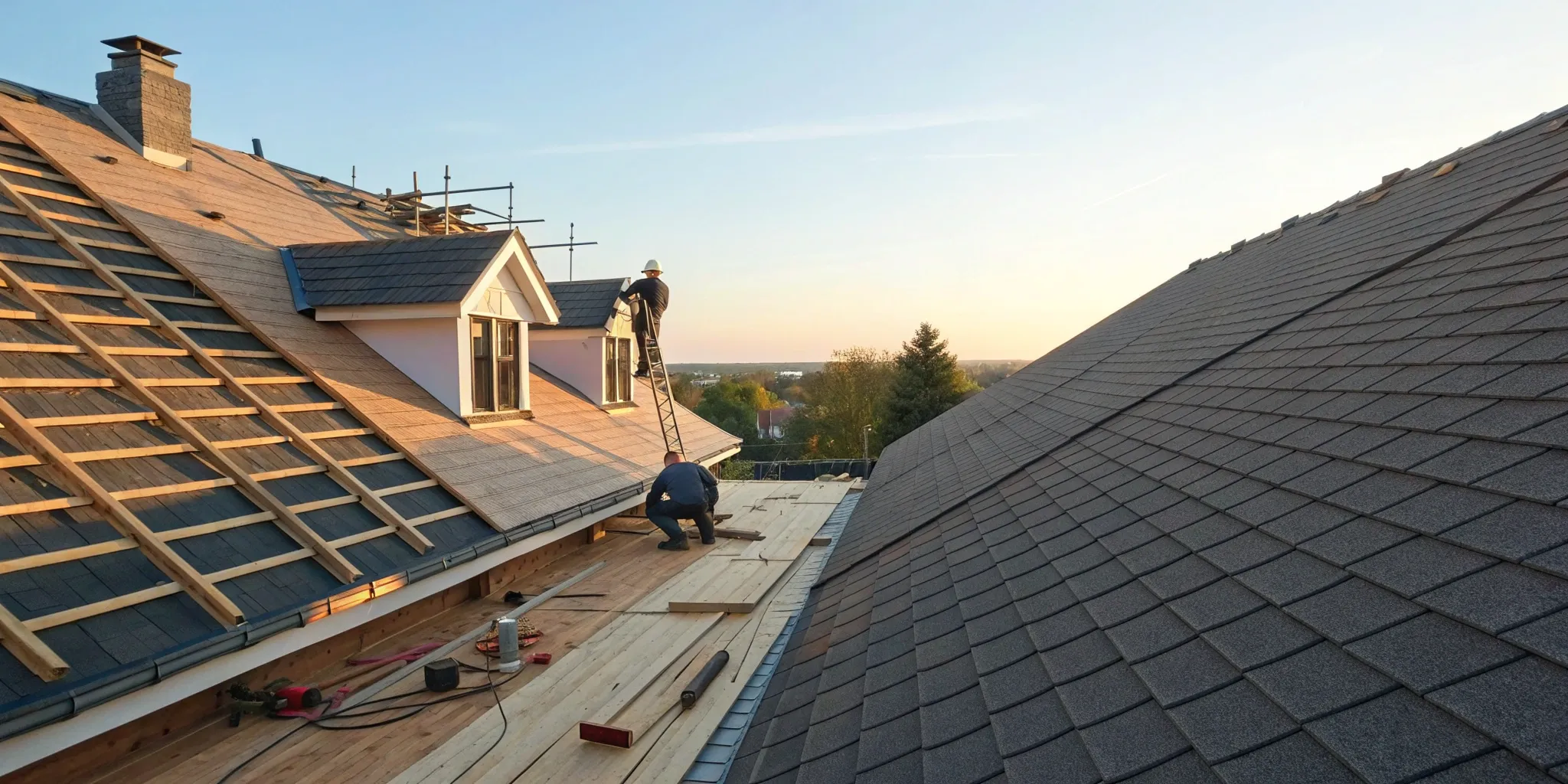
For major additions, the cost per square foot can vary widely, often falling between $250 to $500. While a larger footprint generally means a lower cost per square foot, the details matter. One of the biggest factors is whether you build out or build up. Adding a second story can cost nearly twice as much as building a single-story addition with the same square footage. This is because building up requires significant structural reinforcement of the existing home, complex engineering, and more intensive labor, which drives up the overall home addition costs.
Don't Forget These "Hidden" Addition Costs
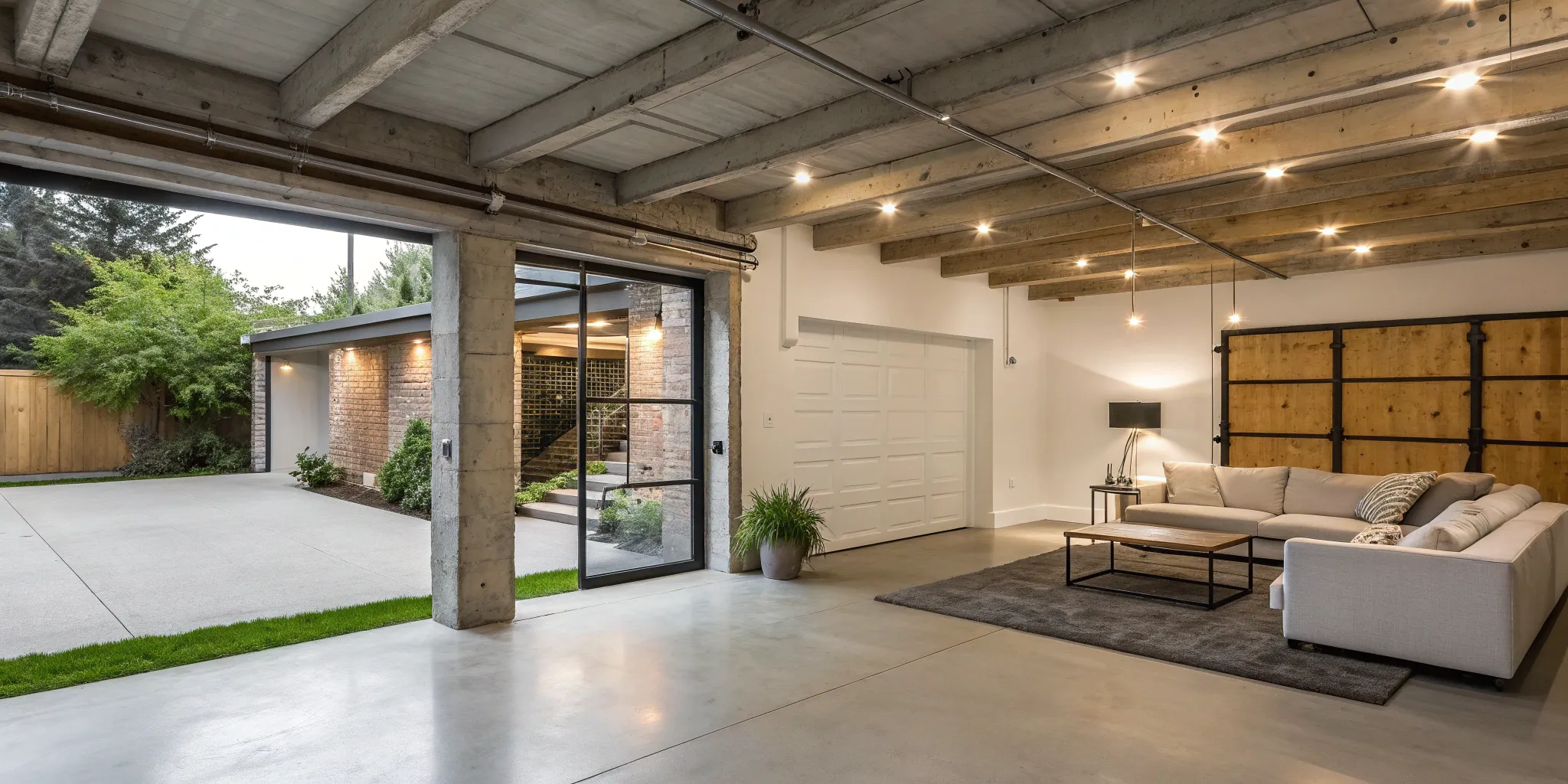
When you’re budgeting for a home addition, it’s easy to focus on the big-ticket items like framing, roofing, and flooring. But the final price tag includes much more than just the construction itself. Several "hidden" costs can catch homeowners by surprise if they aren't accounted for from the start. These expenses, from administrative fees to foundational work, are essential for a successful and legally compliant project.
Think of them as the behind-the-scenes necessities that make your beautiful new space possible. Overlooking them can lead to budget overruns and stressful last-minute decisions. A detailed, professional plan is your best tool for seeing the full picture. By understanding every potential expense upfront, you can create a more accurate budget, avoid unexpected financial strain, and ensure your project runs smoothly from the initial design to the final coat of paint. Let’s walk through the most common costs that often fly under the radar.
Permits and Inspections
Before any construction begins, you’ll need the green light from your local municipality. This comes in the form of building permits, which ensure your project meets safety standards and zoning regulations. The cost can vary dramatically depending on where you live, ranging from a few hundred dollars to over $7,500 for complex projects. On average, you can expect to pay around $1,300. This fee covers the administrative review of your plans and the necessary inspections at key stages of construction. Don't treat this as an optional step—building without a permit can result in hefty fines and even an order to tear down the work.
Utilities and Electrical Work
Your new addition will need power, lighting, heating, and possibly plumbing. Extending these essential services isn't a minor task. The cost to run new electrical wiring, install outlets and fixtures, extend HVAC ductwork, and add plumbing lines can be significant. This work typically accounts for about 14% of your total project cost. It requires licensed professionals to ensure everything is installed safely and up to code. Factoring this in early helps you budget for a space that is not only beautiful but also comfortable and fully functional from day one.
Site Prep and Foundation
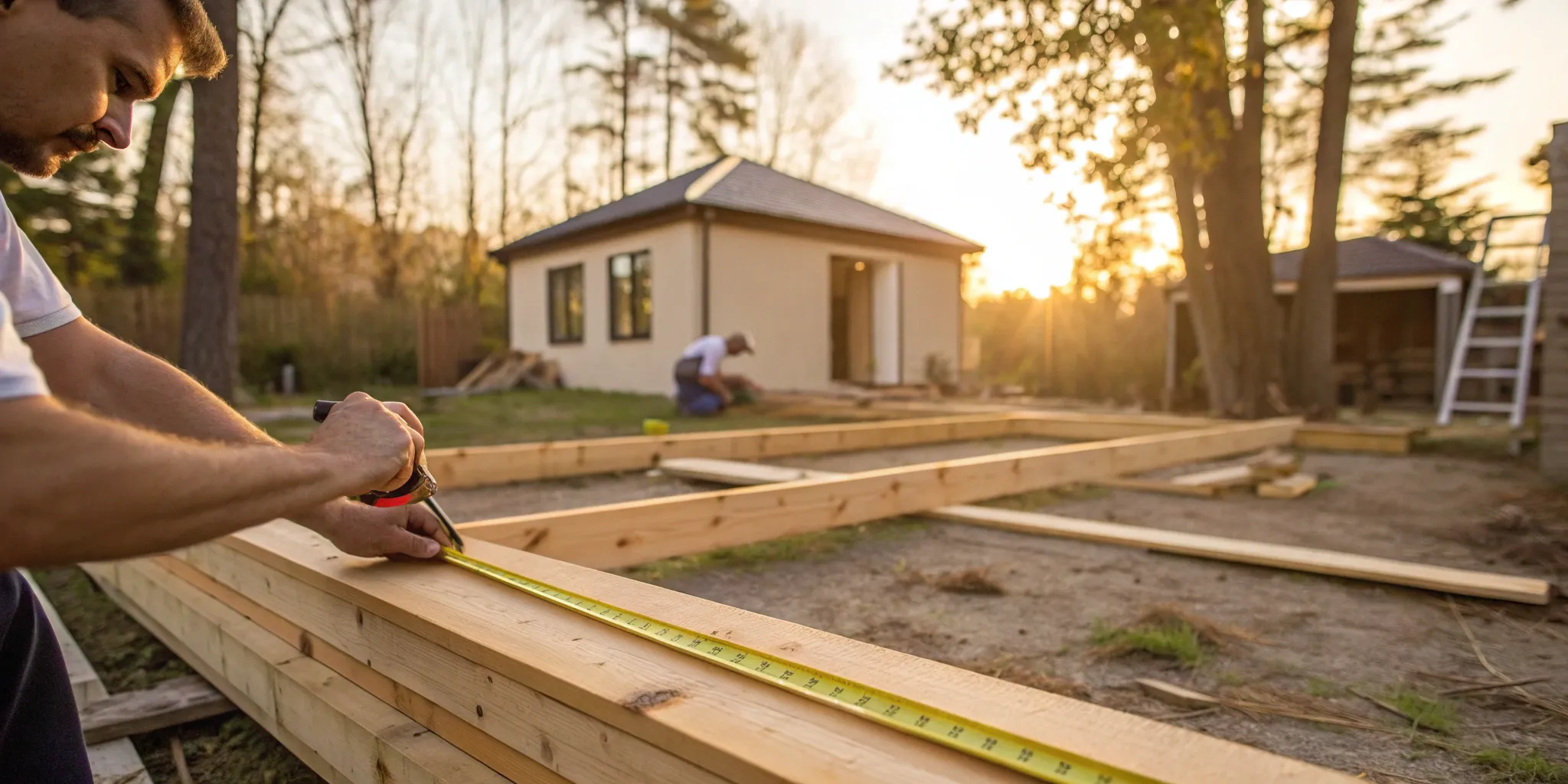
You can't build a solid addition on a shaky or unprepared site. Before the foundation is poured, the ground must be properly prepared. This process, known as site preparation, can involve clearing and leveling the land, excavating for the foundation, and even demolishing existing structures like a deck or patio. The cost will depend on the condition of your property and the scale of the addition. This foundational work is absolutely critical for the structural integrity and long-term stability of your new space, so it’s a non-negotiable part of the budget.
Design and Engineering Plans
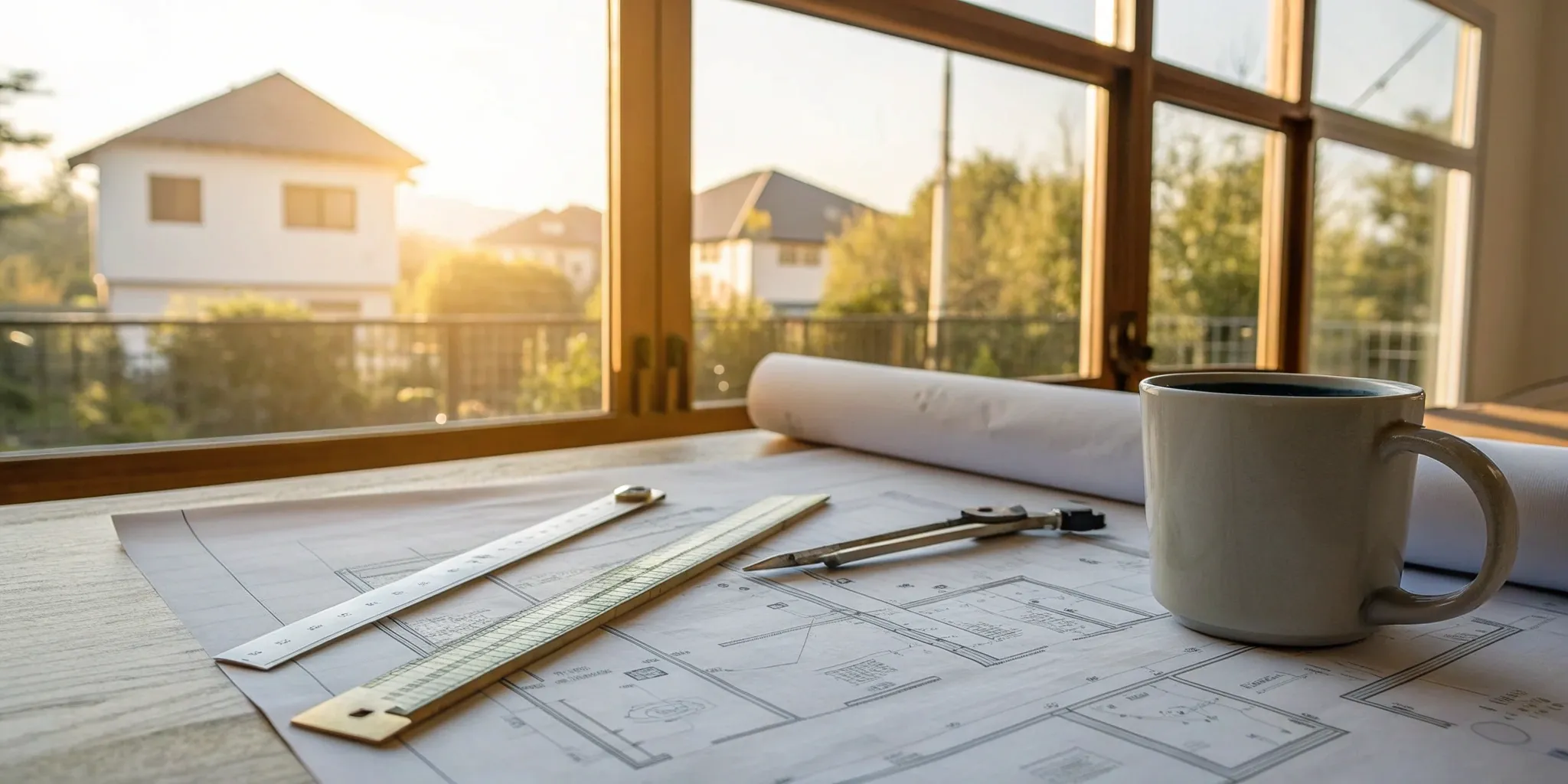
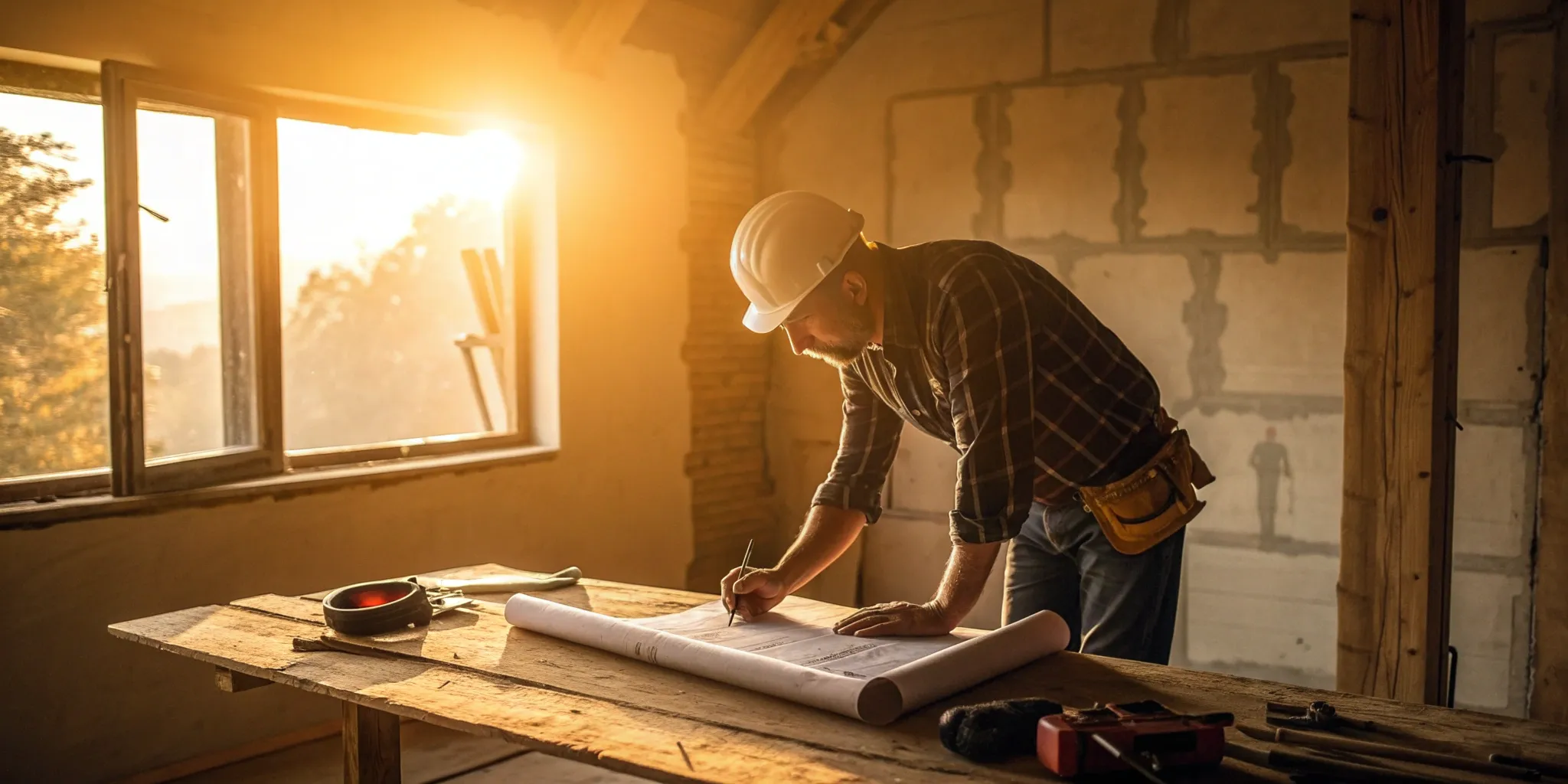
A successful addition starts with a great plan. Unless you’re an architect yourself, you’ll need to hire a professional to create detailed drawings for your project. These plans serve as the blueprint for your contractor and are required for securing building permits. The cost for an architect or designer can range from $2,400 to $14,000, depending on your project's complexity. While it might seem like a big upfront expense, investing in professional design ensures your addition is well-planned, structurally sound, and tailored to your needs—preventing costly mistakes and changes down the line.
Will Your Addition Add Value to Your Home?
Adding on to your home is a major financial decision, so it’s smart to think about what it means for your property value. While an addition almost always increases your home’s worth, it’s rare to recoup 100% of the project cost at resale. Think of it as an investment in both your lifestyle and your home’s equity. The real return is a blend of the daily enjoyment you’ll get from the new space and the long-term financial gain.
The key is to build smart. The type of addition you choose, the quality of the work, and the trends in your local real estate market all play a huge role in your final return on investment (ROI). A well-designed primary suite in a neighborhood of growing families will likely offer a better return than a highly specialized hobby room. Understanding these factors from the start helps you plan a project that meets your needs today and makes financial sense for the future. With a clear plan, you can create a space you love while making a sound investment.
Additions with the Best ROI
If maximizing resale value is a top priority, some additions consistently offer a better financial return than others. Projects that add practical, everyday living space tend to be the most appealing to future buyers. According to industry data, you can generally expect to recoup a significant portion of your investment. A two-story addition often leads the pack with around a 65% ROI, followed closely by a primary suite at 63%. Adding a bathroom can bring back about 53% of its cost. These projects add functional square footage that directly addresses what most buyers are looking for: more room to live and grow.
How the Market Affects Resale Value
The value of your addition is heavily influenced by your neighborhood. When it’s time to sell, appraisers determine your home’s value by comparing it to similar, recently sold properties nearby, often called “comps.” If your addition makes your home significantly larger or more luxurious than every other house on the block, you may not see a dollar-for-dollar increase in its appraised value. The goal is to enhance your home so it stands out in a good way, not to over-improve it for the area. A good understanding of your local market is essential before you start planning.
Myths About Recouping Your Costs
One of the biggest myths in home renovation is that you’ll make back every penny you spend. While an addition certainly adds value, it’s best to set realistic expectations. Most homeowners can expect to recover anywhere from 50% to 80% of the project cost upon resale. Instead of viewing an addition as a pure financial flip, consider it a hybrid investment. You’re investing in your family’s comfort and happiness for years to come, while also building long-term equity. The value of a new space that perfectly fits your life is something you get to enjoy every single day.
How to Create a Realistic Budget for Your Addition
Setting a budget for your home addition can feel like trying to hit a moving target, but it doesn't have to be. A realistic budget is more than just a number—it's a detailed plan that accounts for every phase of the project, from the initial designs to the final coat of paint. The key is to be thorough and strategic from the very beginning. By breaking down the costs, planning for surprises, and making smart choices along the way, you can create a financial roadmap that keeps your project on track and minimizes stress. Let's walk through the essential steps to build a budget you can feel confident about.
Plan for the Unexpected: Your Contingency Fund
No matter how perfectly you plan, home renovations have a knack for throwing curveballs. You might uncover hidden water damage, decide to upgrade your light fixtures at the last minute, or face an unexpected material delay. That’s where a contingency fund comes in. Think of it as your project’s financial safety net. It’s crucial to set aside an extra 10-20% of your total project cost for these unforeseen expenses. This isn’t a "nice-to-have"; it's a must-have. Building this buffer into your budget from day one means an unexpected issue becomes a manageable hiccup instead of a full-blown crisis that derails your project.
Compare Quotes from Vetted Contractors
Once you have a design in mind, it’s time to find the right team to build it. Don't just go with the first contractor you talk to. A best practice is to get detailed price estimates from at least three different contractors to find the best value for your investment. This isn't just about finding the lowest price—it's about understanding what you're getting for your money. A thorough quote will break down costs for labor, materials, and permits. Comparing them helps you gauge the market rate and find a partner who is transparent and reliable. Realm simplifies this process by connecting you with a network of vetted professionals who are trusted and right for your specific project.
Save with Smart Timing and Material Choices
You can find significant savings by being strategic about when you build and what you build with. If your timeline is flexible, consider starting your project during an "off-peak" season, like late fall or winter. Many contractors are less busy during these months, and you may find that labor costs are more competitive. Material choices also play a huge role in your final cost. While it’s tempting to go for high-end finishes everywhere, you can save by mixing standard materials with a few premium splurges. For example, you could choose standard tile for the floor but add a high-end designer backsplash as a focal point.
Get an Accurate Plan from a Pro
One of the costliest mistakes you can make is changing your mind midway through construction. The best way to avoid this is to invest in a detailed plan from the very beginning. Working with a designer or architect to finalize your layout, materials, and finishes before any walls come down can save you thousands in change orders later. A professional will help you think through every detail, from outlet placement to window sizes, ensuring the final design is exactly what you want. This initial investment provides a clear blueprint for your contractor, leading to a more accurate quote and a smoother building process. It’s the foundation of a well-managed and successful project.
What Common Budgeting Mistakes Should You Avoid?
Creating a budget for a home addition can feel like trying to hit a moving target. It’s a big project with a lot of variables, and it’s easy to miss a few things along the way. But a little foresight can make a huge difference, helping you stay in control of your finances and avoid stressful surprises. The key is knowing what to look out for from the very beginning. Many homeowners dive in with a number in mind, only to find that unexpected costs and overlooked details throw their plans off course. This isn't about being pessimistic; it's about being prepared so you can actually enjoy the process. By sidestepping a few common financial traps, you can approach your renovation with clarity and confidence, ensuring your final budget is as solid as your new foundation. Let’s walk through the three biggest budgeting mistakes homeowners make—from underestimating the real costs to forgetting about permits—and how you can steer clear of them. This will help you build a realistic financial plan that accounts for the full scope of your project.
Underestimating the Total Project Cost
It’s tempting to focus on the exciting parts, like finishes and fixtures, but the foundational costs of an addition are significant. Many homeowners are surprised to learn that adding onto an existing house can be more complex and costly per square foot than building from scratch. You’re not just building new walls; you’re tying into your home’s existing structure, roofline, and systems. On average, a home addition costs around $51,000, with most projects falling somewhere between $22,000 and $83,000. To avoid sticker shock, it’s best to get a detailed breakdown from a professional who understands the full scope of the work, from demolition to the final coat of paint.
Expecting a 100% Return on Investment
While a well-designed addition certainly adds value to your home, it’s rare to recoup 100% of the cost upon resale. Think of it as an investment in your quality of life first and a financial investment second. Most additions see a return of 50% to 80% of what you spent. The exact ROI depends on the type of project and your local market. For example, kitchen and bathroom additions tend to have a higher return (around 60% to 80%) than a sunroom. Knowing these figures helps you set realistic expectations and make choices that balance your personal needs with potential resale value.
Forgetting "Soft Costs" Like Permits and Fees
The costs for labor and materials—often called "hard costs"—are only part of the equation. It’s the "soft costs" that often catch homeowners by surprise. These are the essential but less visible expenses like architectural plans, engineering fees, and building permits. All home additions require building permits to ensure they meet local safety codes, and these alone can cost anywhere from a few hundred to several thousand dollars. When you’re gathering quotes, make sure to ask if these soft costs are included or if you need to budget for them separately. A clear plan from a trusted professional will account for these from the start.
Plan Your Addition with Confidence
Thinking about adding on to your home is exciting, but the big question of cost can feel a little daunting. Let’s break it down so you can move forward with a clear head. While the national average for a home addition hovers around $51,000, the actual price can range from about $22,000 to over $83,000. This wide gap isn’t meant to be confusing; it just shows how much your specific choices can shape the final budget.
A helpful way to estimate is by looking at the cost per square foot. If you’re planning to build out and extend your home’s ground floor, you can generally expect to spend between $80 and $200 per square foot. Deciding to build up by adding a second story? That cost can jump to between $300 and $500 per square foot. The higher price tag for a second story comes from the significant structural work needed to support the new level, which is a crucial safety and engineering consideration.
Beyond the structure, the type of room you’re adding plays a huge role. A new bathroom, for example, will almost always cost more per square foot than a new bedroom because it requires complex plumbing and electrical work. Understanding these key variables—building up versus out, the function of the room, and the materials you choose—is the first step to feeling in control of your project. When you have a grasp on the factors that influence cost, you can make informed decisions that align with your vision and your budget. This is where having a customized plan becomes so valuable, turning big questions into a clear, actionable roadmap.
Frequently Asked Questions
Why does it cost so much more to build up than to build out? Building a second story is a much more complex engineering challenge than extending your ground floor. Your home's original foundation and frame were only designed to support one level. To safely add a second story, your contractor will need to do significant structural reinforcement to handle the extra weight. This involves more intensive labor, specialized engineering plans, and more materials, which is why the cost per square foot is considerably higher.
Is "cost per square foot" a reliable number for budgeting? Think of cost per square foot as a starting point, not a final price tag. It’s a useful way to get a general idea, but it doesn't account for the specifics of your project. For example, a 400-square-foot kitchen addition will have a much higher cost per square foot than a 400-square-foot bedroom because of the expensive plumbing, electrical, cabinetry, and appliances involved. Your final cost will always depend on the room's function, the quality of materials you choose, and labor rates in your area.
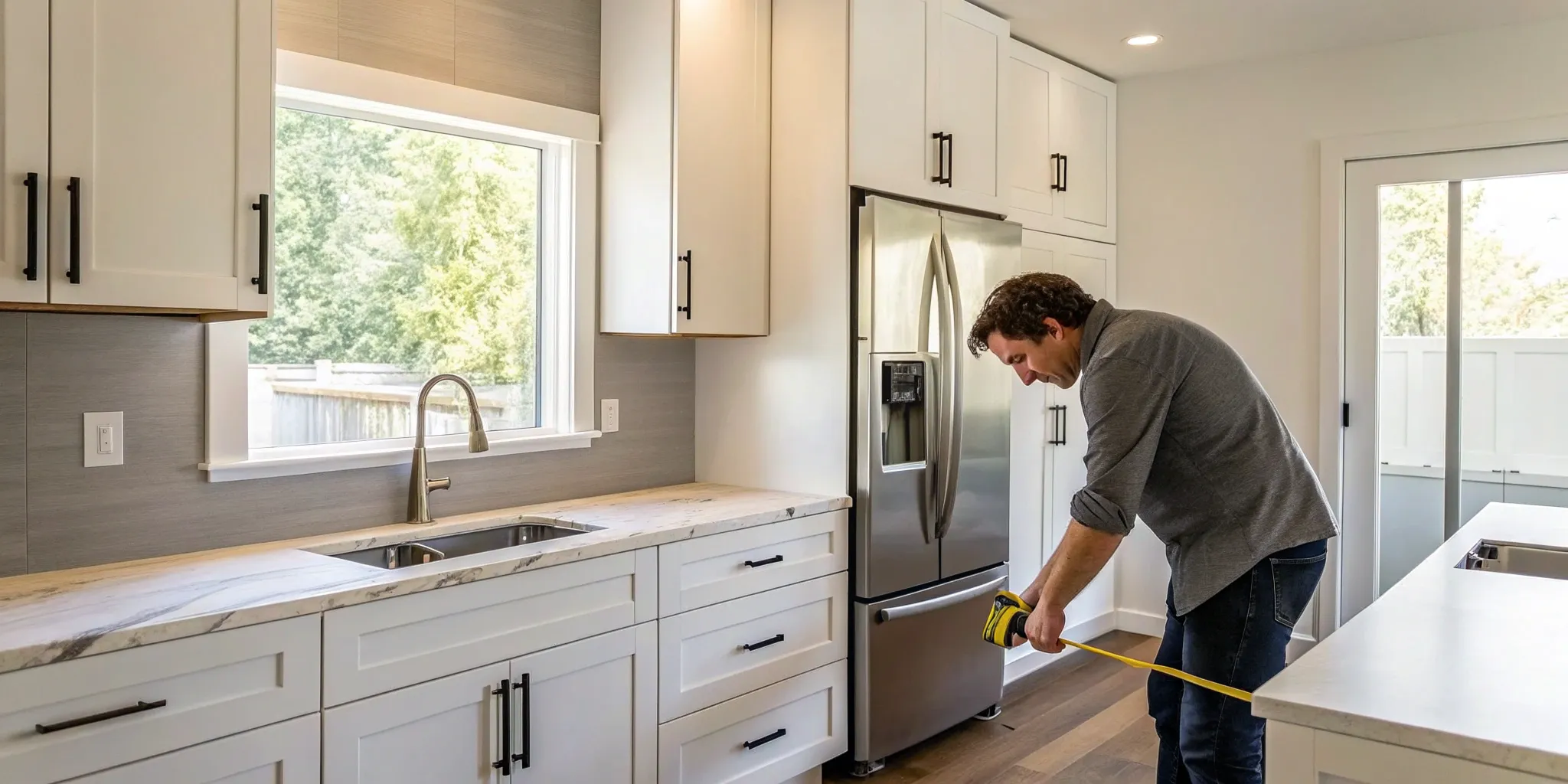
What's the first step to getting an accurate cost estimate for my project? Before you can get a truly accurate quote from a contractor, you need a detailed plan. The most effective first step is to work with a designer or architect to create a complete set of drawings. This plan should outline the exact layout, dimensions, and materials for your addition. When contractors have this level of detail, they can provide precise quotes based on the same scope of work, allowing you to compare your options fairly.
Besides the actual construction, what are the biggest costs I should plan for? It’s easy to forget about the essential work that happens before the first wall goes up. These "soft costs" are a necessary part of any addition. The most significant ones are typically the fees for architectural or design plans, the cost of building permits from your city, and any site preparation needed to get the land ready. This could involve clearing the area, excavating, or pouring a new foundation. These items are critical for a legal and structurally sound project.
How can I save money on my addition without sacrificing quality? You have a few great options for managing costs. First, keep the design simple. Complex rooflines and unconventional layouts require more labor and materials, so a straightforward rectangular design is always more budget-friendly. Second, be strategic with your materials. You can mix standard, affordable finishes with a few high-impact splurges, like a beautiful countertop or unique light fixtures. Finally, if your timeline is flexible, consider scheduling your project during the off-season, as some contractors may offer more competitive rates.













.png)





.avif)