The Real Deck Installation Cost Per Square Foot
Get the facts on deck installation cost per square foot, including material choices, labor, and tips to help you plan and budget for your new outdoor space.
|
December 18, 2025
In this article:
Planning a new deck is exciting. You can already picture the summer barbecues and quiet mornings with a cup of coffee. But before you get to the fun part, there’s the budget. Figuring out the cost can feel overwhelming, and the numbers you find online can be all over the place. The truth is, the final price tag is shaped by much more than just the size of your deck. From the materials you choose to the complexity of the design and the time of year you build, many factors influence your deck installation cost per square foot. This guide is here to clear up the confusion. We’ll break down every element of the budget, from labor and permits to hidden costs, so you can plan with confidence and build the outdoor space you’ve been dreaming of.
Key Takeaways
- Balance Upfront Cost with Long-Term Upkeep: While pressure-treated wood is the cheapest option to start, remember to factor in the future cost of maintenance. Higher-end materials like composite can save you time and money on staining and repairs for years to come.
- Budget for More Than Just Materials: Labor often makes up 40-60% of your total deck cost. Be sure to also account for necessary expenses like building permits, site preparation, and foundation work to create a complete and realistic budget.
- Keep Your Design Simple to Manage Costs: The complexity of your deck's design is a major price driver. A straightforward, single-level rectangle will always be more affordable than a multi-level or curved deck, which requires more specialized labor and materials.
How Much Does a New Deck Cost Per Square Foot?
When you start budgeting for a new deck, you’ll quickly find that your choice of material is the single biggest factor influencing the price. The cost per square foot isn't just about the raw materials; it also includes the labor, hardware, and specific construction needs for each type of decking. Think of it like choosing flooring for your house—hardwood, tile, and carpet all come with different price tags and installation requirements.
To give you a clear picture, we’ve broken down the most common decking materials and their typical installed costs. These ranges account for both the materials and the professional labor to get the job done right. Keep in mind that prices can fluctuate based on your location, the complexity of your design, and the specific contractor you hire. Using these numbers as a starting point will help you align your vision with your budget and make an informed decision for your outdoor space.
Pressure-Treated Wood: The Budget-Friendly Classic
If you’re looking for the most affordable way to build a deck, pressure-treated wood is your go-to option. With installation, you can expect to pay between $15 and $25 per square foot. This wood is chemically treated to resist rot and insects, giving it a lifespan of about 10 to 15 years with proper care. While the upfront cost is low, remember to factor in the long-term commitment. Pressure-treated decks require regular maintenance, including annual cleaning and staining or sealing every few years, to keep them looking great and prevent splintering.
Composite Decking: The Low-Maintenance Option
For homeowners who want the look of wood without the constant upkeep, composite decking is a fantastic choice. Made from a blend of wood fibers and recycled plastics, this material is designed for durability. The installed cost typically runs from $25 to $40 per square foot. While the initial investment is higher than pressure-treated wood, you’ll save time and money on maintenance for years to come. Top brands like Trex offer decking that won't rot, warp, or splinter, and it only needs an occasional soap-and-water cleaning. With a lifespan of 25 to 50 years, it’s a long-term value play.
PVC and Vinyl: The Most Durable Choice
If your top priority is a deck that will stand the test of time with almost zero maintenance, look no further than PVC or vinyl decking. These materials are entirely synthetic, making them completely resistant to moisture, mold, and insects. The installed cost is usually between $25 and $45 per square foot. Because they contain no organic material, they are less likely to stain or fade compared to other options. A PVC deck can easily last over 50 years, making it a true "set it and forget it" solution for your backyard.
Cedar and Redwood: The Natural Beauties
For those who love the authentic look and feel of real wood, cedar and redwood are beautiful, high-end options. These woods have a rich color and natural resistance to rot and insects. You can expect to pay between $20 and $35 per square foot for a fully installed cedar or redwood deck. Their lifespan is typically around 15 to 20 years. While they hold up better than pressure-treated lumber, they still require regular deck maintenance to preserve their vibrant color and protect the wood from the elements. Without it, they will eventually fade to a silvery gray.
How Deck Materials Affect Your Total Cost
The material you choose for your deck is one of the biggest decisions you’ll make, and it has a major impact on your total budget. But the price tag on the lumber or composite boards is just the beginning. To understand the true cost, you need to think about the long-term value of your investment, including how much you’ll spend on upkeep over the years and how your choice influences the cost of labor.
Thinking Long-Term: Durability and Value
It’s easy to focus on the upfront cost, where pressure-treated wood is often the most budget-friendly option. However, a slightly higher initial investment in a more durable material can save you from having to replace your deck down the road. While a basic wood deck has a solid lifespan, premium materials like composite and PVC decking are designed to last for 30 to 50 years or more. Thinking about your deck in terms of cost-per-year instead of just the initial price can help you see the long-term value in choosing a material built to withstand the elements for decades.
Factoring in Future Maintenance Costs
Your time is valuable, and so are the costs of ongoing maintenance. A less expensive wood deck often requires a commitment to regular sanding, staining, and sealing to keep it looking good and protect it from rot and weather damage. These tasks add up, both in money spent on supplies and weekends dedicated to the work. In contrast, composite, PVC, and aluminum decking require very little maintenance beyond an occasional cleaning. Factoring in these future expenses gives you a more realistic picture of the total cost of ownership for your new outdoor space.
How Your Material Choice Affects Labor
No matter which material you land on, labor will be a significant part of your final bill, often accounting for 40% to 60% of the total project cost. While you’re comparing the price per square foot for materials, don’t forget that installation is a separate and substantial expense. Some materials may require specialized tools or installation techniques, which can affect the quotes you receive from contractors. That’s why it’s so important to get a detailed estimate that breaks down the costs for both materials and labor. Learning how to read a remodeling contract helps you understand exactly what you’re paying for and ensures there are no surprises.
What Other Costs Should You Budget For?
When you’re planning your deck budget, the price of the decking material is just the starting point. Several other significant costs will shape your final total, and it’s smart to account for them from the beginning to avoid any surprises. Think of it like baking a cake—the flour is essential, but you also need to factor in the eggs, sugar, and frosting to get the full picture. From paying your build team to getting the right permits and prepping your yard, these additional expenses are a normal and necessary part of any deck project. Understanding them helps you create a realistic budget and ensures your project runs smoothly from the ground up.
Breaking Down Labor and Contractor Fees
Unless you’re a seasoned DIYer, you’ll be hiring professionals to build your deck, and their labor will be one of the largest items in your budget. Expect labor to make up anywhere from 40% to 70% of your total project cost. This fee covers the skill, time, and hard work of the construction crew who will turn a pile of materials into your beautiful outdoor space. The rate can vary based on your location and the complexity of your design. While it might be tempting to find the cheapest quote, remember that quality craftsmanship is crucial for a safe and long-lasting deck. Working with vetted professionals ensures the job is done right and up to code.
The Price of Permits and Inspections
Before any work begins, you’ll likely need a building permit from your local municipality. This isn’t just red tape; it’s a process that ensures your new deck is structurally sound and safe for your family and friends. The cost for permits can range from a few hundred to a few thousand dollars, depending on where you live and the scale of your project. For example, a simple, low-to-the-ground deck might have a lower permit fee than a complex, multi-level one. Your contractor can typically handle the application process, but the fee itself is an important line item to include in your budget.
Prepping Your Yard: Site and Foundation Costs
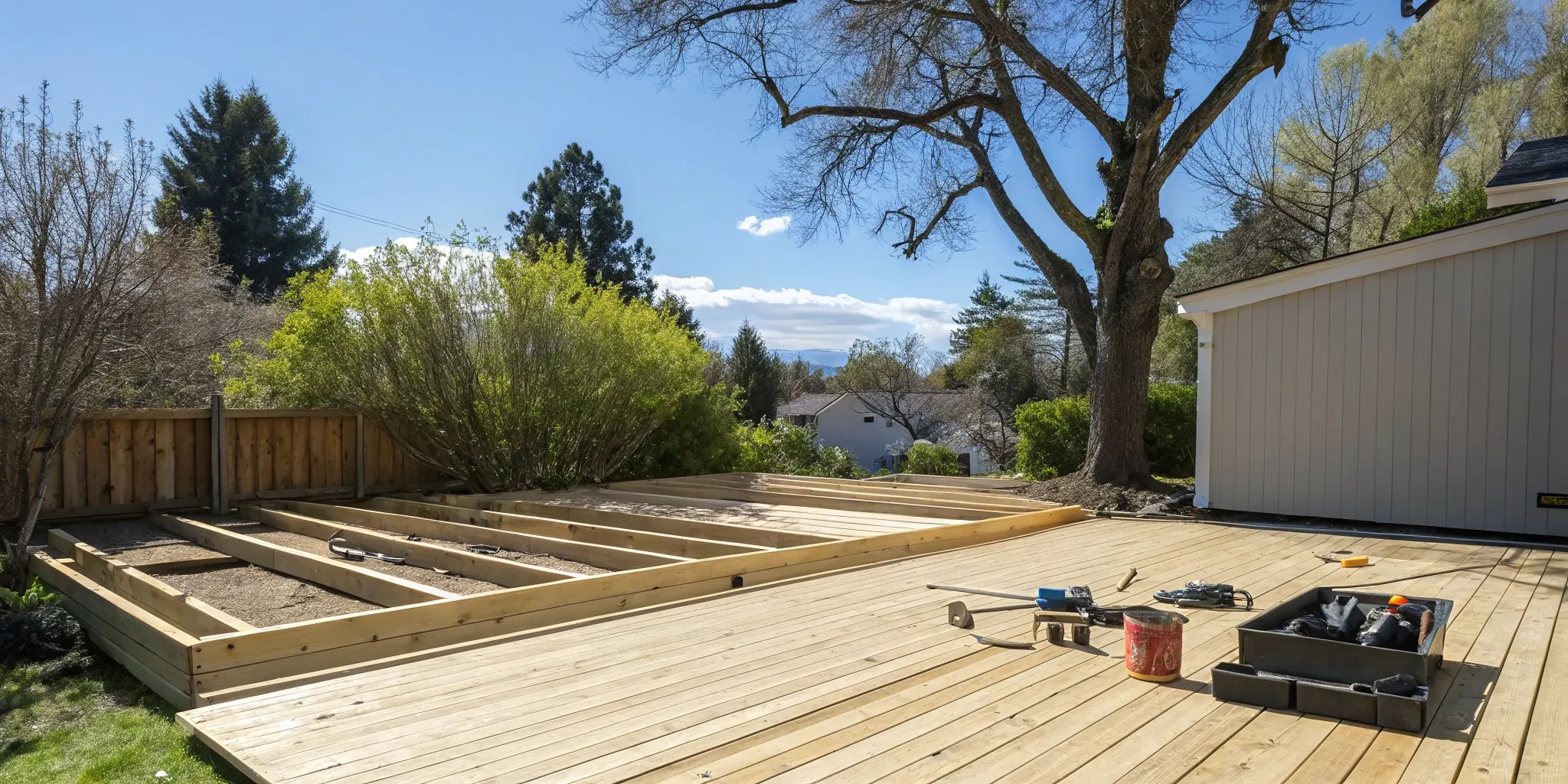
Your new deck needs a solid, stable place to live. That often means there’s work to do before the first board is ever laid. Site preparation can involve clearing and leveling the ground, removing an old patio or deck, or dealing with tricky slopes. You’ll also need a proper foundation, which usually involves pouring concrete footings to support the deck’s structure. This is especially important for ensuring stability over the long term. If your yard has accessibility issues or requires significant grading, these costs can increase, so it’s a good idea to have your contractor assess the site early on.
Adding Up Railings, Stairs, and Other Features
The final touches and functional elements of your deck also come with their own costs. Railings are a safety must-have for any elevated deck, and the material you choose (wood, composite, metal) will affect the price. If your deck needs stairs, you can expect to pay around $25 to $50 per step. Beyond the essentials, you can add custom features that make the space your own. Things like built-in benches, planters, a pergola for shade, or integrated lighting will all add to the final cost. It’s helpful to prioritize these features based on how you plan to use your new space.
How Your Deck's Design Affects the Price Tag
Once you’ve landed on your materials, the next big factor influencing your budget is the deck’s design. The complexity of your vision directly translates to the final price tag. A simple, straightforward layout will always be more cost-effective than an intricate, multi-level masterpiece with all the bells and whistles. Think of it this way: the more cuts, angles, and structural supports your contractor has to manage, the more time and materials the job will require. Let’s break down how specific design choices can impact your overall spending.
Single-Level vs. Multi-Level Designs
The most fundamental design choice you’ll make is the number of levels. A simple, ground-level deck is the most budget-friendly path. It requires a less complex foundation and support structure, making both labor and material costs lower. Once you start adding levels or building a second-story deck, the price climbs quickly. These designs demand more significant structural support, complex engineering to ensure safety, and additional features like stairs and extensive railings. As a result, multi-level decks not only use more materials but also require more specialized labor to construct properly.
The Cost of Custom Shapes and Add-Ons
A standard rectangular deck is the most efficient shape to build, but many homeowners dream of something more unique. Just know that custom shapes come with a higher price. Designs that curve, wrap around a corner of your house, or feature multiple angles require more intricate cuts and planning. This leads to more material waste and significantly more labor hours. The same goes for a detached or floating deck, which needs its own complete foundation system instead of attaching to your home’s existing structure. While these custom designs can be stunning, be prepared to account for that added complexity in your budget.
Budgeting for Built-In Seating, Planters, and Lighting
The features that make a deck feel like a true outdoor living room also add to the bottom line. Built-in elements like benches, planter boxes, or a pergola are essentially small construction projects added onto your main deck build. Each one requires extra materials, design work, and labor. Outdoor lighting is another popular upgrade that adds ambiance and safety, but it also requires a licensed electrician. Factoring in the fixtures and professional installation, you can expect deck lighting to add anywhere from $1,000 to $2,000 to your total project cost. Plan for these features from the start to avoid surprises later.
Does Deck Size Change the Cost Per Square Foot?
When you’re planning your deck budget, it’s easy to assume that a smaller deck will always have a lower cost per square foot. While the total project price will certainly be less for a 10x12 deck than a 20x20 one, the math on a per-square-foot basis can be a little surprising. Think of it like buying in bulk at the grocery store—the more you buy, the lower the unit price often becomes. The same principle applies to building a deck.
Several fixed costs are involved in any deck project, regardless of its final dimensions. These initial expenses, combined with the efficiencies that come with a larger build, mean that size plays a significant role in your final cost breakdown. Understanding this relationship will help you right-size your deck to get the most value for your investment and avoid any surprises when the quotes start coming in.
The Surprising Economics of Deck Size
Generally, the larger your deck, the lower your cost per square foot will be. While the overall ticket price goes up with every square foot you add, the price for each of those individual square feet tends to drop. Most homeowners can expect to pay between $30 and $60 per square foot for a new deck. For example, a simple 10x10 foot deck might cost between $4,000 and $6,000. However, doubling the size to a 20x20 foot deck doesn't necessarily double the price per square foot. Instead, the larger deck might run from $16,000 to $24,000, showing how the total project cost scales.
Why a Smaller Deck Can Have a Higher Per-Square-Foot Cost
The main reason smaller decks can have a higher per-square-foot cost comes down to fixed expenses and labor. Every project has baseline costs for things like design, permits, and getting the crew and equipment to your home. These costs are the same whether your contractor is building a 100-square-foot platform or a 400-square-foot entertaining space. When those fixed costs are spread across fewer square feet, the per-foot price naturally goes up. Labor, which can account for 40-60% of your total budget, is a huge factor here. A small but complex design with multiple levels or custom railings will require more intricate work, driving up labor hours and your per-square-foot cost even more.
What Hidden Factors Can Drive Up Your Deck Cost?
You’ve picked your materials and have a design in mind, but your budget might not be complete just yet. Beyond the obvious costs of decking boards and labor, several other factors can influence your final bill. These "hidden" costs aren't about contractors trying to pull a fast one; they're simply variables that depend on your specific property, timeline, and vision for the space.
Thinking through these elements ahead of time can help you create a more realistic budget and avoid surprises down the road. From the time of year you choose to build to the unique challenges of your backyard, being aware of these potential costs is the first step toward a smooth, predictable project. Let’s look at some of the most common factors that can affect your total deck cost.
How the Time of Year Affects Pricing
Just like planning a vacation, timing matters when you’re building a deck. Spring and summer are peak seasons for outdoor construction. Homeowners are eager to get their projects done to enjoy the warm weather, which means contractors are in high demand. This surge can sometimes lead to higher prices and longer wait times. If you have some flexibility, consider scheduling your project for the off-season. Building in the fall or early winter can often result in more competitive quotes from builders who are looking to fill their schedules. It’s a simple shift that could create some welcome room in your budget.
When Your Yard's Layout Adds to the Cost
Your deck is only as strong as the ground it’s built on, and not all yards are created equal. If your property has a significant slope or uneven terrain, your contractor will need to do additional site preparation to create a stable, level foundation. This could involve grading the land, which adds labor and equipment costs to the project. The complexity of your design also plays a role. A large, rectangular deck is fairly straightforward, but intricate designs with multiple levels, curves, or unique angles require more materials, more precise cuts, and more skilled labor, all of which will increase the price.
Adding Utilities: Electrical and Plumbing Costs
If your vision includes more than just a simple platform, you’ll need to budget for the extras. Turning your deck into a true outdoor living space often involves adding utilities. Do you want built-in lighting for evening ambiance, outlets for speakers, or a ceiling fan for your covered porch? That will require a licensed electrician. Dreaming of an outdoor kitchen with a sink or a built-in gas grill? You’ll need to hire a plumber. These services are specialized and are typically priced separately from the main deck construction. Don’t forget other line items like railings, stairs, and the necessary building permits, which are essential for safety and compliance.
Common Budgeting Mistakes to Avoid
Creating a realistic budget is key to any renovation, and a deck is no exception. It’s easy to get excited about the design, but a few common missteps in the planning phase can lead to stress and unexpected costs. A solid financial plan ensures your project goes smoothly from start to finish. Let's walk through the mistakes homeowners often make so you can sidestep them with confidence.
Underestimating the Total Project Cost
It’s tempting to focus on material costs, but the total price tag is much more complex. On average, a new deck costs around $8,264, and that figure includes things homeowners often forget. Labor is a huge piece of the puzzle, typically accounting for 40% of the total project cost. You also need to factor in permits, site preparation, and features like stairs. To avoid surprises, think in terms of cost per square foot—usually $30 to $60—and get a comprehensive quote to see the full picture.
Choosing Materials Based on Price Alone
While pressure-treated lumber is budget-friendly upfront, it might not be the most economical choice long-term. Cheaper materials often require more maintenance, like regular staining, and may need replacing sooner. Investing in higher-quality materials like composite or PVC decking can save you time and money over the life of your deck. These durable options can last for 30 to 50 years with minimal upkeep, making them a smart investment. When you work with an advisor, you can weigh the pros and cons to find the right balance for your budget.
Forgetting to Get Multiple Contractor Quotes
Hiring the first contractor you speak with is an easy way to overpay. It’s essential to get written price estimates from several professionals before making a decision. This lets you compare not just the price, but the scope of work, timeline, and materials in each bid. Be wary of a quote that seems drastically lower than others; it could be a red flag for subpar work or hidden fees. Taking the time to find vetted, reliable contractors ensures you get fair pricing and quality craftsmanship for your investment.
How Can You Save Money on a New Deck?
A beautiful new deck is a fantastic investment in your home, but that doesn't mean you have to overspend to get the outdoor space you want. With some strategic planning, you can keep your budget in check without compromising on quality. The key is to know where you can be flexible and where it pays to invest. From the materials you choose to the time of year you build, several factors can significantly impact your final bill.
Thinking through your options ahead of time will help you have more productive conversations with contractors and make informed decisions. Let’s walk through three of the most effective ways to manage your deck installation costs, so you can build a space you love at a price you’re comfortable with. A little bit of foresight can lead to big savings down the road.
Choose Your Materials Wisely
Your choice of decking material is the single biggest factor in your project's budget. If keeping upfront costs low is your top priority, pressure-treated lumber is the most affordable option. However, materials like composite, PVC, or premium woods like redwood will cost more initially but may save you money on maintenance over time. The cost of deck installation can vary dramatically based on what you choose—pressure-treated wood might be $2 to $5 per square foot for materials alone, while composite can range from $12 to $22. Weigh the initial price against long-term upkeep to find the right balance for your budget and lifestyle.
Time Your Project for Off-Season Savings
Contractors are busiest during the spring and summer when everyone is thinking about outdoor projects. If you can wait, scheduling your deck build for the fall or early winter could lead to significant savings. During these slower months, builders are more likely to have openings in their schedules and may offer more competitive pricing to keep their crews busy. Since many of Realm’s service areas have mild winters, building a deck in the off-season is a practical way to get lower prices from contractors without having to worry about major weather delays. Planning ahead can really pay off.
Decide Between DIY and Hiring a Pro
If you have solid construction skills, building the deck yourself can cut your total cost by half or more by eliminating labor fees. This is most feasible for a simple, single-level deck that doesn't require complex footings or engineering. However, it's important to be realistic about your abilities. Deck building is a complex job, and mistakes can lead to costly repairs or safety issues. While DIY seems cheaper on the surface, most homeowners find that it's best to hire a professional deck builder to ensure the job is done correctly, safely, and up to code. A pro handles everything from permits to final inspection, giving you peace of mind.
How to Get an Accurate Deck Quote
Getting a quote for your new deck isn't just about finding the lowest price—it's about understanding exactly what you're paying for and finding a contractor you can trust. A detailed, transparent quote is the foundation of a successful project, ensuring there are no surprises down the line. It helps you compare apples to apples when looking at different bids and gives you a clear roadmap for your budget. Think of it as the first step in building a strong relationship with your contractor, one based on clear communication and shared expectations. When you know what to look for, you can confidently choose the right professional for the job.
Key Questions to Ask Every Contractor
Before you sign any contracts, it’s important to do your homework. Having a standard set of questions helps you evaluate each contractor fairly. Always get estimates from several different professionals to get a sense of the market rate for your project. This is a key part of the process that Realm helps homeowners with by connecting them with a network of vetted professionals.
Here are the essential questions to ask every contractor you consider:
- Are you licensed and insured? Ask for proof of both general liability insurance and worker's compensation.
- Can you provide a portfolio and references? Seeing past work and speaking to former clients is one of the best ways to gauge quality.
- Who will be performing the work? Will it be the contractor themselves, their employees, or subcontractors?
- What is the estimated timeline? Get a clear start and end date, and ask how they handle potential delays.
- How will you handle permits? Confirm if they will be responsible for securing all necessary building permits.
- What does your payment schedule look like? Avoid contractors who ask for the full amount upfront.
How to Read a Detailed Cost Breakdown
A good quote is more than just a single number at the bottom of a page. It should be a detailed, itemized breakdown that shows you exactly where your money is going. A vague estimate is a sign that the contractor may not have fully thought through your project.
Your quote should clearly separate costs for:
- Materials: This should list the type and quantity of decking, framing lumber, hardware, and railings.
- Labor: This covers the cost of the crew's time for demolition, site prep, construction, and cleanup.
- Permits and Fees: Any costs associated with pulling the necessary permits from your local municipality.
- Site Preparation: This includes any excavation, grading, or foundation work needed before construction can begin.
- Additional Features: Costs for stairs, built-in seating, lighting, or other custom elements should be listed separately.
Remember, an initial estimate is often for basic work. Your final cost might change based on the specific details of your project, so make sure the quote reflects your unique design and material choices.
Spotting Red Flags in an Estimate
Your gut feeling about a contractor is important, but a written estimate can reveal a lot, too. Learning to spot the warning signs can save you from headaches and unexpected costs. Be wary of any bid that is significantly lower than the others. While it might seem tempting, an unusually low price can be a red flag for lower-quality materials, inexperienced labor, or a contractor who plans to cut corners.
Here are a few red flags to watch out for:
- A Vague or Incomplete Quote: If the estimate lacks a detailed breakdown of costs, ask for a more thorough version.
- High-Pressure Tactics: A good contractor will give you time to review the quote and make a decision without pressure.
- Large Upfront Payment: A request for a large cash deposit or the full project cost before work begins is a major warning sign.
- No Written Contract: Never proceed with a project based on a verbal agreement alone. A professional will always provide a detailed contract outlining the full scope of work.
Create Your Deck Budget With Confidence
Putting together a budget for your new deck can feel like a huge task, but it’s really just about breaking it down into manageable pieces. When you understand where the costs come from, you can create a realistic financial plan and move forward without the guesswork. The goal is to build a budget that accounts for every part of the project, so you can avoid surprises down the road.
So, let’s talk numbers. The average cost to build a deck typically lands somewhere between $30 and $60 per square foot. Where your project falls in that range depends heavily on your choices. A straightforward deck made from pressure-treated wood might cost around $25 to $35 per square foot. If you’re opting for a higher-end composite material, you can expect to budget closer to $40 to $60 per square foot or more.
Remember that materials are only one part of the story. Labor is a major line item, often accounting for about 40% of the total project cost, which can translate to $15 to $35 per square foot for installation alone. It’s also critical to factor in costs for building permits, which can range from a few hundred to a few thousand dollars depending on your city’s requirements. These are the details that are easy to overlook but are essential for a successful and legally compliant project.
By considering all these factors—materials, labor, permits, and any special features—you can create a comprehensive budget that reflects the true cost of your deck. Having a clear financial roadmap from the start makes the entire renovation process less stressful. And if you need a hand sorting through contractor quotes and making sure your numbers are solid, that’s exactly what a Realm advisor is here for. We help you plan with confidence so you can focus on the exciting part: enjoying your beautiful new outdoor space.
Related Articles
- Average Deck Building Cost: A Complete Guide
- How Much Does it Cost to Build a Deck? A Detailed Guide
- Deck Building Cost: A Homeowner's Breakdown
- Average Cost of a New Deck: A Price Breakdown
Frequently Asked Questions
Why does my small deck have such a high cost per square foot? It seems counterintuitive, but smaller decks often have a higher cost per square foot than larger ones. This is because every project has fixed costs for things like permits, design, and getting a crew to your home. When you spread those fixed expenses over a smaller area, the price for each square foot goes up. Think of it as a setup fee that gets diluted the larger the project becomes.
Is it really worth paying more for composite or PVC decking? This comes down to how you value your time and long-term budget. While pressure-treated wood has a lower upfront price, it requires consistent maintenance like staining and sealing to protect it. Composite and PVC decking cost more initially, but they are designed to last for decades with just an occasional cleaning. If you prefer a low-maintenance outdoor space and want to avoid future costs and weekend projects, the higher initial investment often pays for itself over the life of the deck.
Besides materials and labor, what's the one cost homeowners forget most often? Permits and site preparation are the two areas that most frequently catch homeowners by surprise. Getting a building permit is a necessary step to ensure your deck is safe and up to code, and the fees can range from a few hundred to a few thousand dollars. Additionally, if your yard isn't perfectly level or needs an old patio removed, the cost of preparing the site for construction is another essential line item that needs to be in your initial budget.
How much can I really save by building in the off-season? Building your deck in the fall or early winter can definitely create some room in your budget. Contractors are in high demand during the spring and summer, but their schedules often slow down in the cooler months. Because they're looking to keep their crews busy, you can often get more competitive quotes. While there's no exact percentage, it's not uncommon to see savings of 10-15% just by being flexible with your timing.
My design is simple, so why is the labor quote still almost half the total cost? Labor is a significant investment because you're paying for professional skill, safety, and efficiency. A professional crew does more than just assemble the deck; they handle site prep, pour concrete footings, ensure the structure is perfectly level and secure, and manage the entire project to meet building codes. This expertise is what guarantees your deck will be a safe, long-lasting addition to your home, making it a crucial part of your budget.


















.png)







.avif)