Converting Garage to Master Suite: A Complete Guide
Get expert tips on converting garage to master suite, including costs, permits, design ideas, and key steps for a comfortable, stylish new living space.
|
December 17, 2025
In this article:
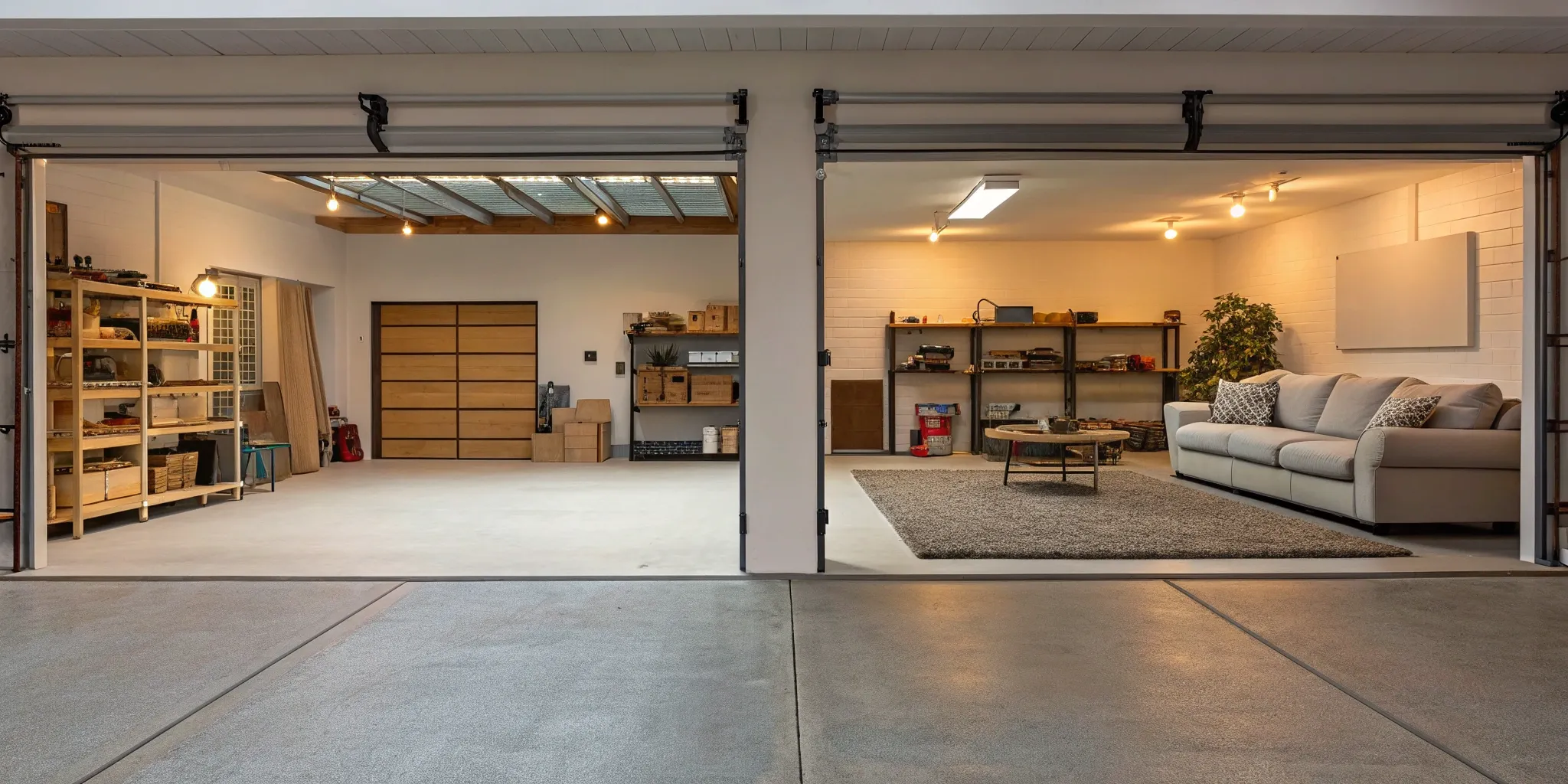
Your home is your sanctuary, but sometimes it feels like you’re running out of room. Whether your family is growing or you’re just craving a private retreat away from the main living areas, finding that extra space can feel like an impossible puzzle. That’s where your garage comes in. It’s a large, underutilized space just waiting for a new purpose. The project of converting a garage to a master suite is a brilliant way to add valuable square footage without the cost and disruption of a full-scale addition. This guide will walk you through everything you need to know, from creating a functional layout to understanding the costs, so you can confidently transform that dusty space into the beautiful, comfortable oasis you need.
Key Takeaways
- Think beyond the drywall: A successful garage conversion requires addressing the fundamentals first—structural integrity, proper insulation, and code-compliant utilities—before you even think about paint colors.
- Your budget needs a strong foundation: The biggest costs aren't the finishes, but the essential systems like plumbing and electrical, so plan for these major expenses and include a 10-20% buffer for the unexpected.
- A great design blends in seamlessly: To add the most value, your conversion should look like it was always part of the house, which means matching the exterior, adding plenty of windows, and creating a functional layout.
What's Involved in a Garage-to-Master-Suite Conversion?
Thinking about turning your garage into a dreamy master suite is exciting, but it’s a project with a lot of moving parts. It’s more than just putting up some walls and laying down carpet; you’re creating a fully functional living space from the ground up. This means tackling everything from structural changes and utility hookups to permits and design. Understanding the major steps involved from the start will help you plan your budget, set a realistic timeline, and ensure the final result is a beautiful, safe, and valuable addition to your home. Let's walk through the key phases of the project.
Start with a Plan and Design
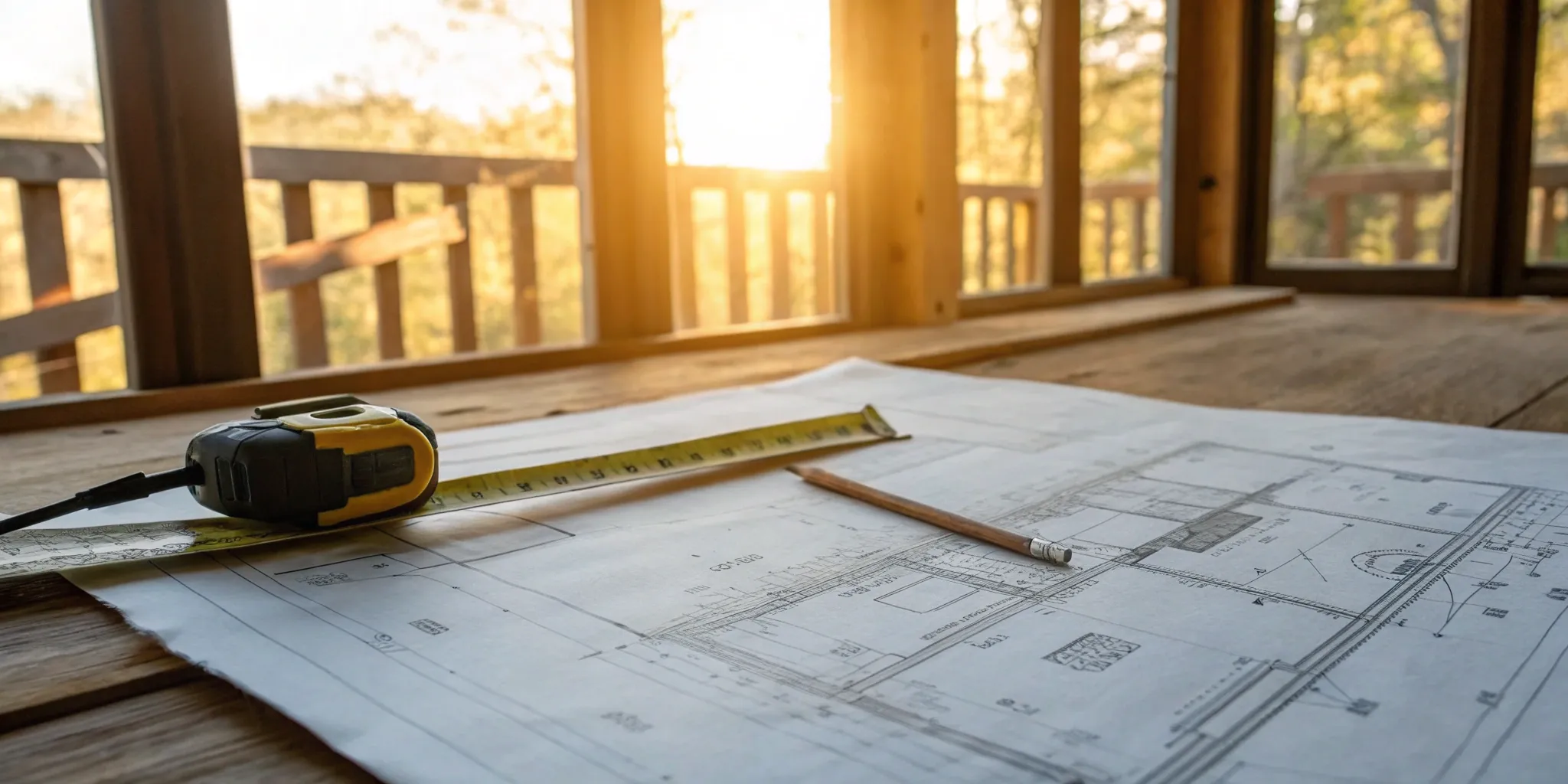
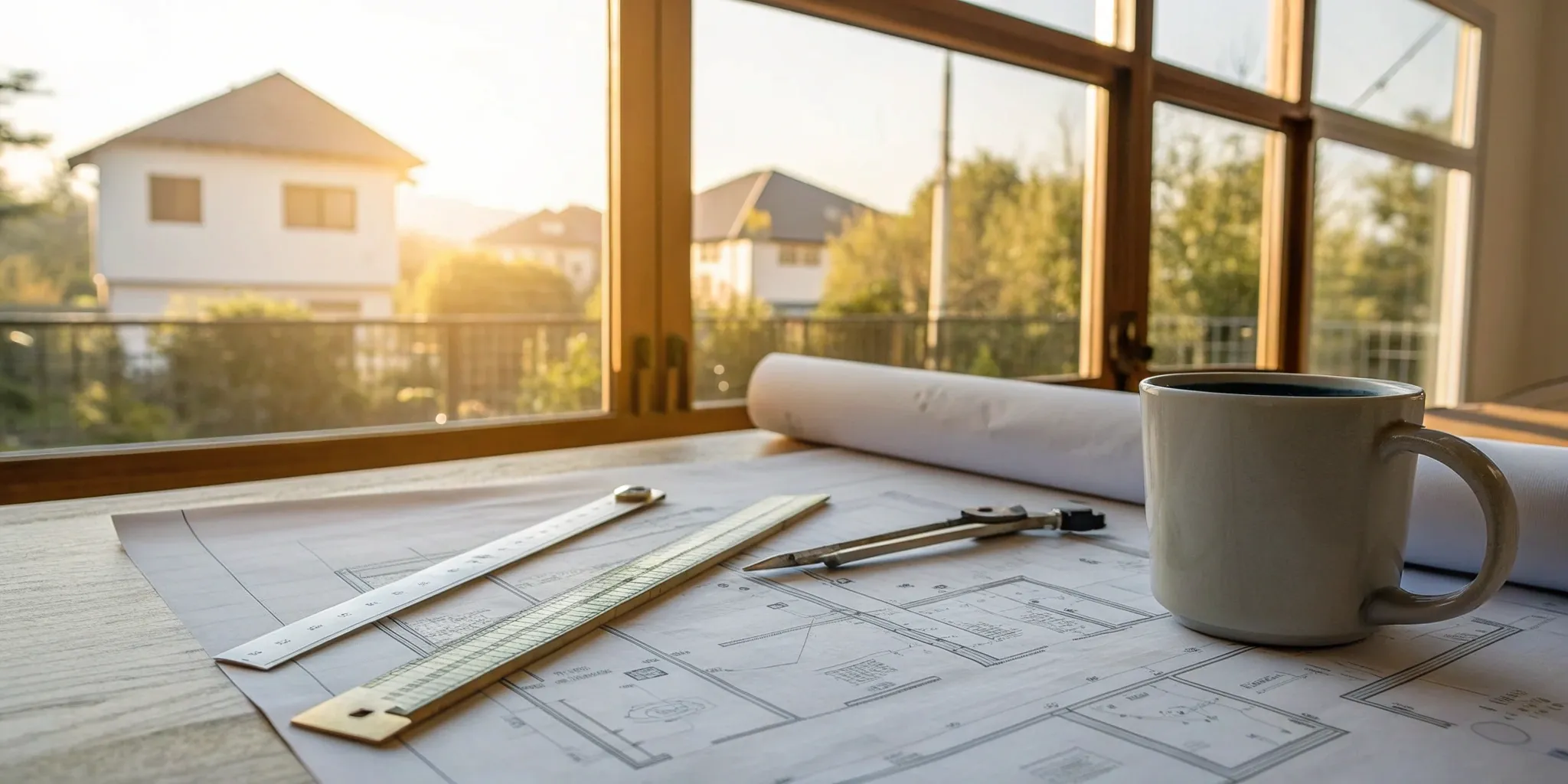
First things first: you need a solid plan. A garage conversion comes with unique challenges, like adding proper insulation, running new plumbing for a bathroom, and ensuring the design feels like a seamless extension of your home, not an afterthought. This is where you’ll decide on the layout, window placement, and all the little details that make a space feel right. Creating a detailed design plan helps you visualize the final product and gives your contractor a clear roadmap to follow. Having customized plans from the outset is the best way to keep your project on track and on budget, avoiding costly changes down the line.
Understand Permits and Local Rules
Navigating permits can feel intimidating, but it’s a non-negotiable step. For a project of this scale, you will almost certainly need permits from your local city or county. These regulations exist to ensure your new master suite is safe, structurally sound, and meets all building codes for things like electrical wiring, plumbing, and fire safety. Don’t try to skip this part—it can cause major headaches and fines later on. The easiest way to handle this is by working with an expert who is familiar with your area’s specific rules. They can manage the application process for you and make sure all work is done to code, giving you total peace of mind.
Map Out Your Construction Timeline
It’s important to have realistic expectations for how long your conversion will take. Because this renovation involves structural work, new utilities, and multiple inspections, the entire process typically lasts between two and four months from start to finish. This timeline accounts for demolition, framing, running electrical and plumbing lines, installing insulation and drywall, and all the finishing touches like painting and flooring. A detailed construction schedule will help you prepare for the disruption and keep everyone on the same page. Properly managing the project ensures each phase flows smoothly into the next, preventing unnecessary delays and helping you get into your new suite as soon as possible.
How Much Does a Garage Conversion Cost?
Let's talk numbers. Turning your garage into a beautiful master suite is a smart investment, but it’s important to have a realistic budget from the start. The total cost can vary quite a bit based on your home's location, the size of your garage, and the finishes you choose. Think of your budget in a few key categories: the basic structure, essential systems like plumbing and electrical, your design choices, and how you plan to finance the project. Breaking it down this way makes the total figure feel much more manageable and helps you see where your money is going.
Break Down the Basic Costs
On average, you can expect a garage-to-master-suite conversion to cost between $25,000 and $60,000. If you’re adding a full bathroom, which is typical for a master suite, that range often shifts to $35,000 to $60,000 or more. This initial estimate covers the essentials like framing, insulation, drywall, and basic flooring. The final price tag depends heavily on the complexity of the job and the specific materials you select. A larger, two-car garage will naturally cost more to convert than a smaller one-car space, so be sure to factor in square footage when you’re creating your initial budget.
Factor in Plumbing and Electrical
Adding a bathroom and proper lighting means you’ll need to run new plumbing and electrical lines, which is a significant part of the budget. Plumbing costs alone can range from $5,000 to $15,000, depending on how far your garage is from your home’s existing utility lines. This work is critical for creating a functional, comfortable living space and must be done by licensed professionals to meet safety codes. Don't forget to budget for new outlets, light fixtures, and potentially a dedicated circuit for your new suite, as these are essential for a modern bedroom.
Account for High-End Finishes
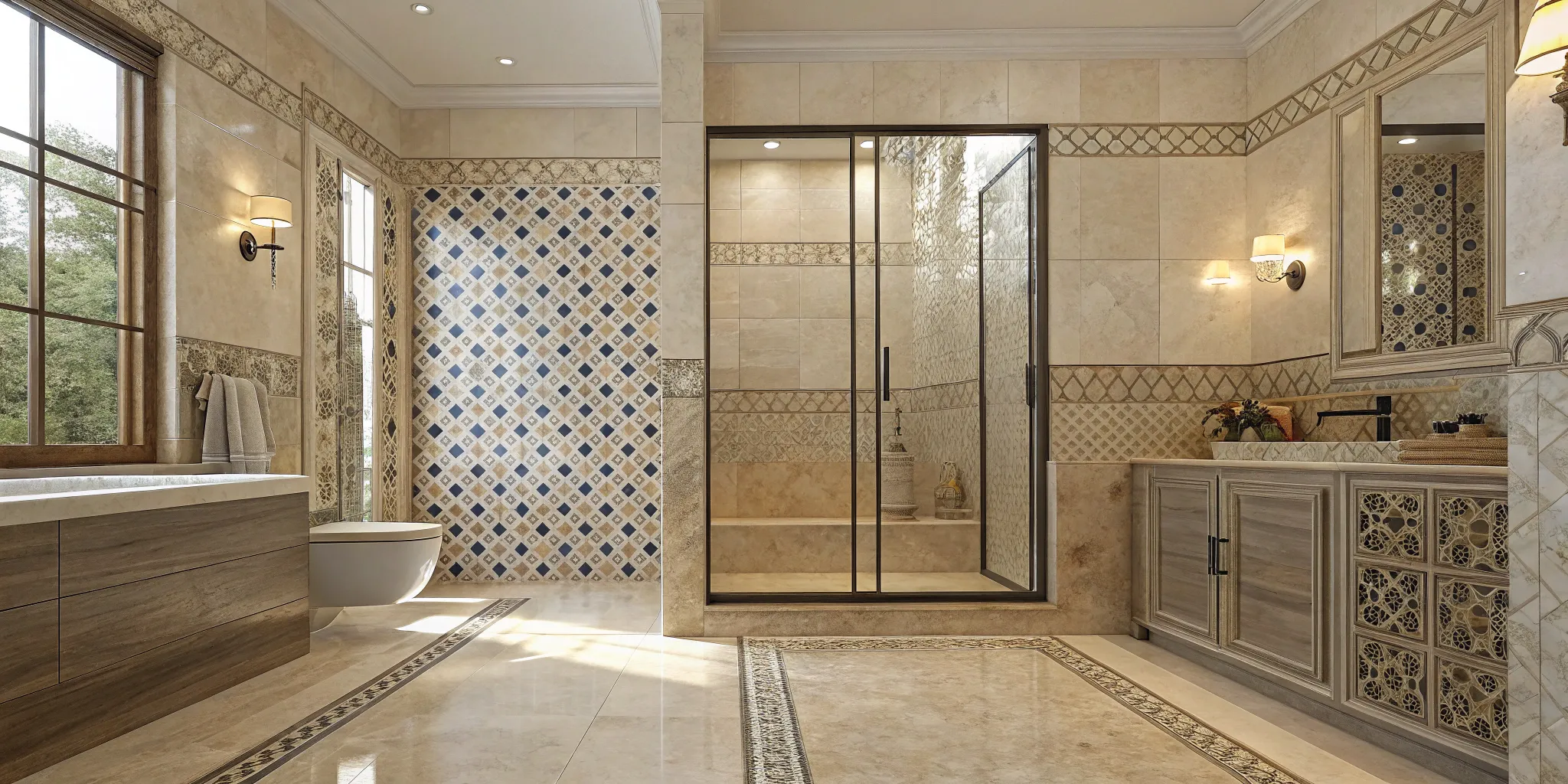
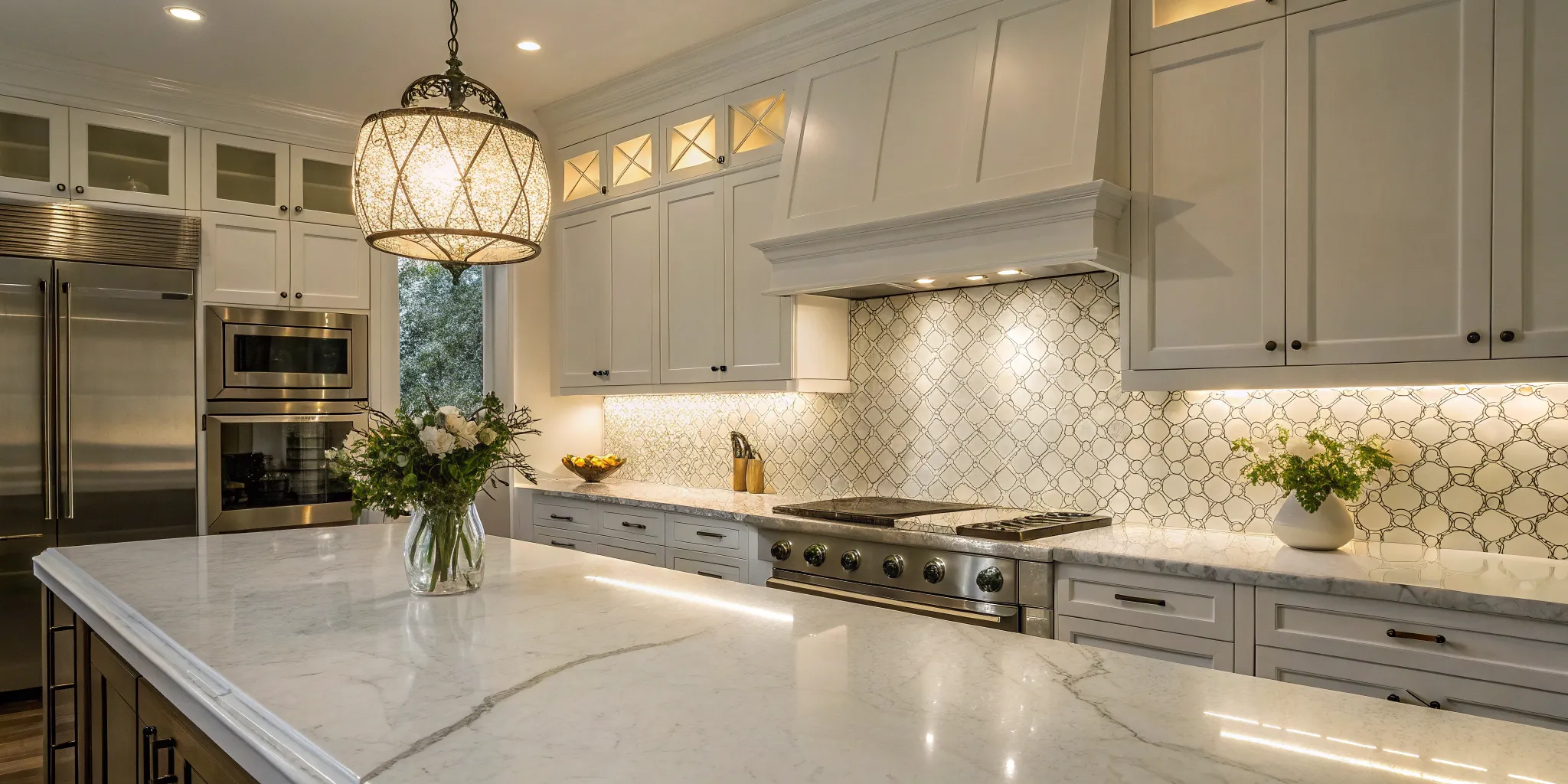
This is where you can really personalize the space—and where costs can climb. Your choice of flooring, paint, tile, and fixtures will have a major impact on the final look and overall budget. While mid-range materials are durable and stylish, opting for high-end finishes like hardwood floors, custom tile in the bathroom, or designer light fixtures will increase your total spending. It’s a good idea to decide what’s most important to you. Maybe you’ll splurge on a spa-like shower but choose more budget-friendly flooring to balance things out.
Explore Your Financing Options
Most homeowners don't pay for a large-scale renovation entirely out of pocket. Fortunately, there are several ways to finance a garage conversion. Many people use a home equity loan or a home equity line of credit (HELOC), which allows you to borrow against the value you’ve already built in your home. A home improvement loan or even an unsecured personal loan can also be great options, often with fixed interest rates that make budgeting predictable. Exploring these choices early on will help you understand what you can comfortably afford and move forward with confidence.
What Are the Key Steps in the Conversion Process?
A garage conversion is a major renovation, but it follows a logical sequence of steps. Once your designs are finalized and permits are in hand, the real transformation begins. The process moves from foundational work like structural prep and utilities to the finishing touches that make the space feel like home. Think of it like building a house within a house. You're starting with a basic shell and methodically adding the layers that create a safe, comfortable, and beautiful living area. Understanding this flow helps you track progress and know what to expect as your dusty garage becomes a beautiful master suite.
A great general contractor will manage this entire process, but knowing the key phases helps you ask the right questions and feel confident in the project's direction. From framing the new walls to installing the final light fixtures, each step builds upon the last. We'll walk through the four main stages: prepping the structure, installing climate control, running utilities, and adding the finishes that bring your vision to life. This roadmap will give you a clear picture of the journey from a car park to a cozy retreat. It’s a big project, but breaking it down into these manageable phases makes it much less intimidating and helps you see the light at the end of the tunnel—or in this case, the beautiful, finished master suite.
Assess and Prep the Structure
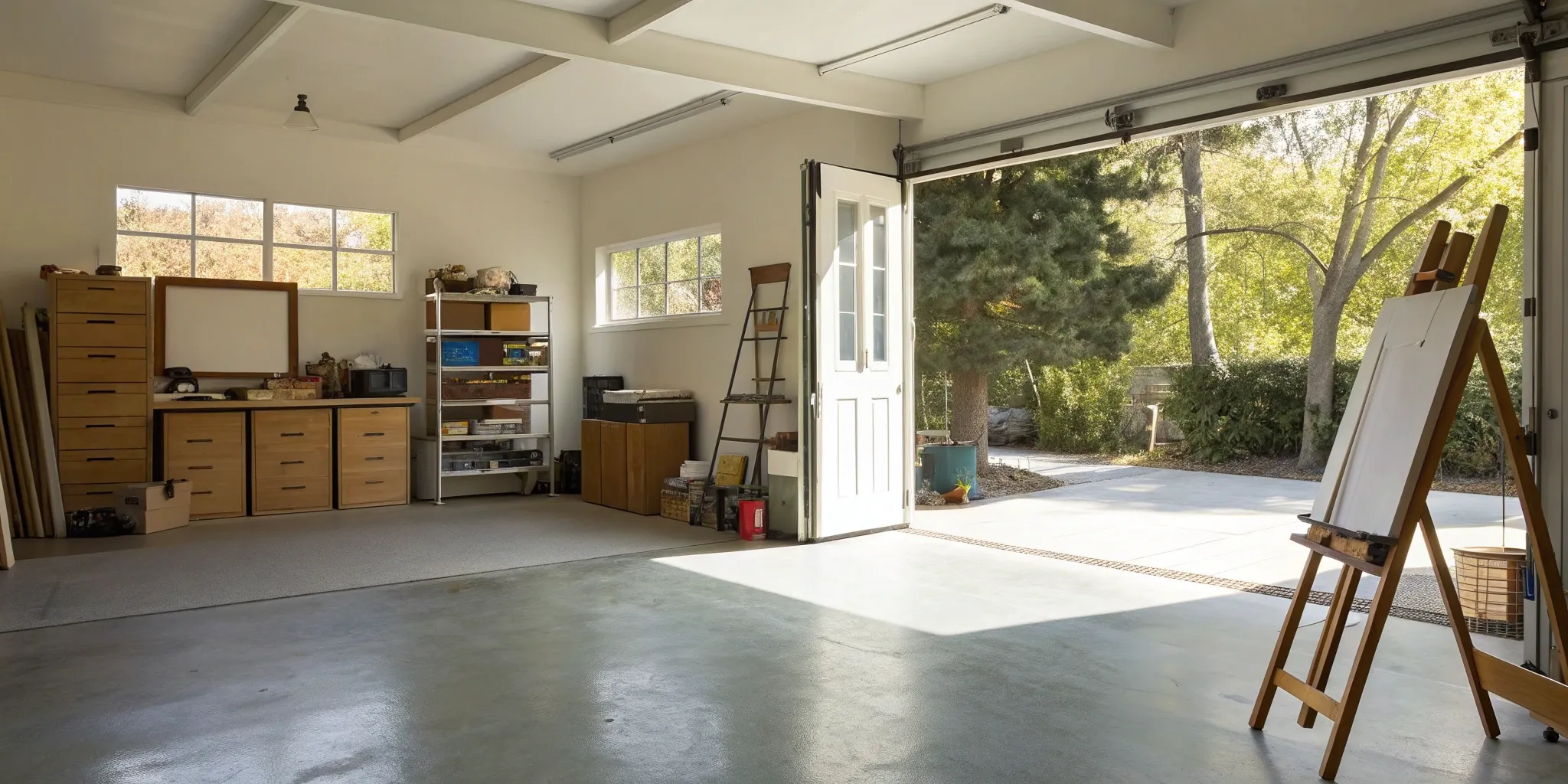
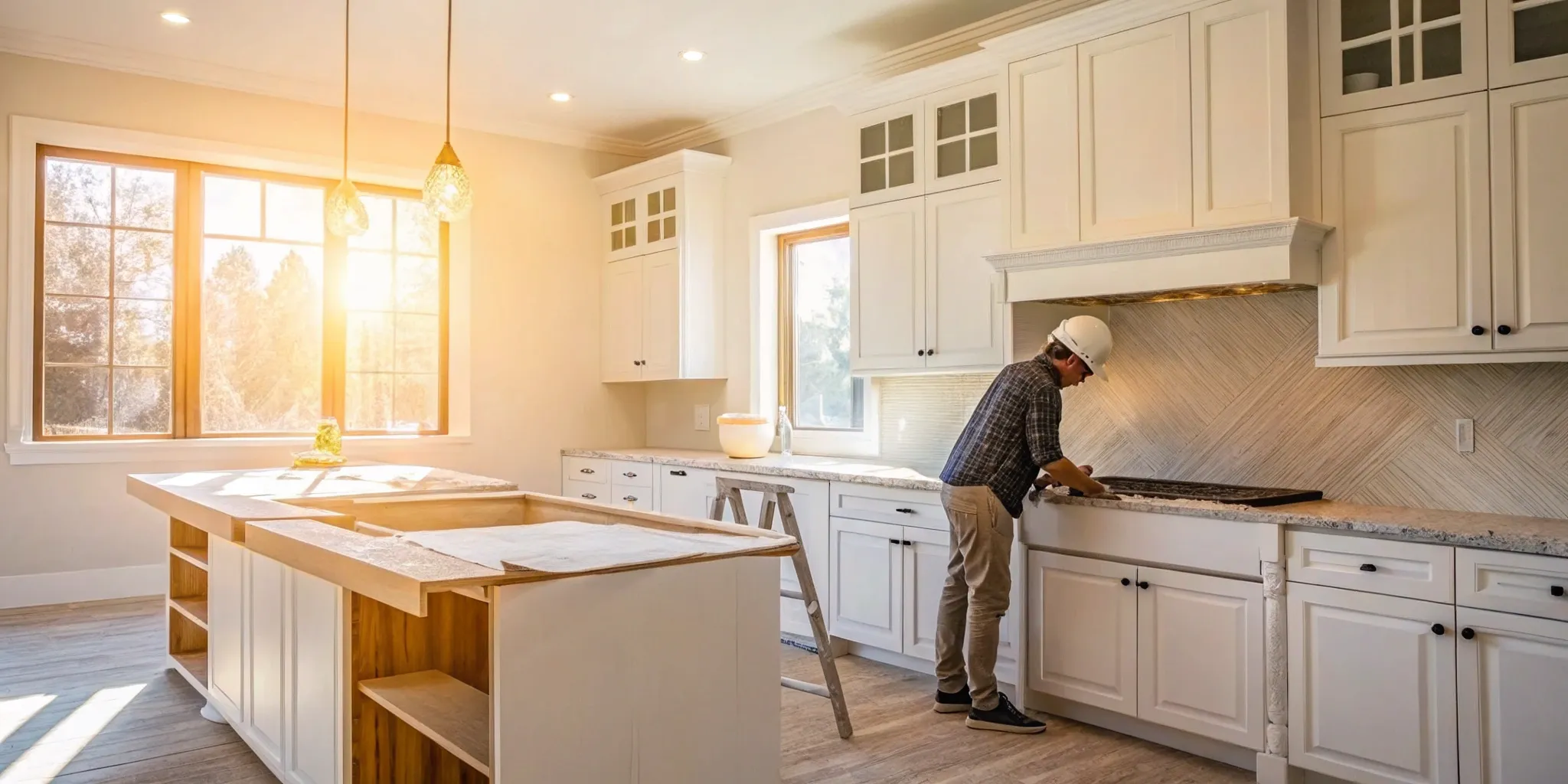
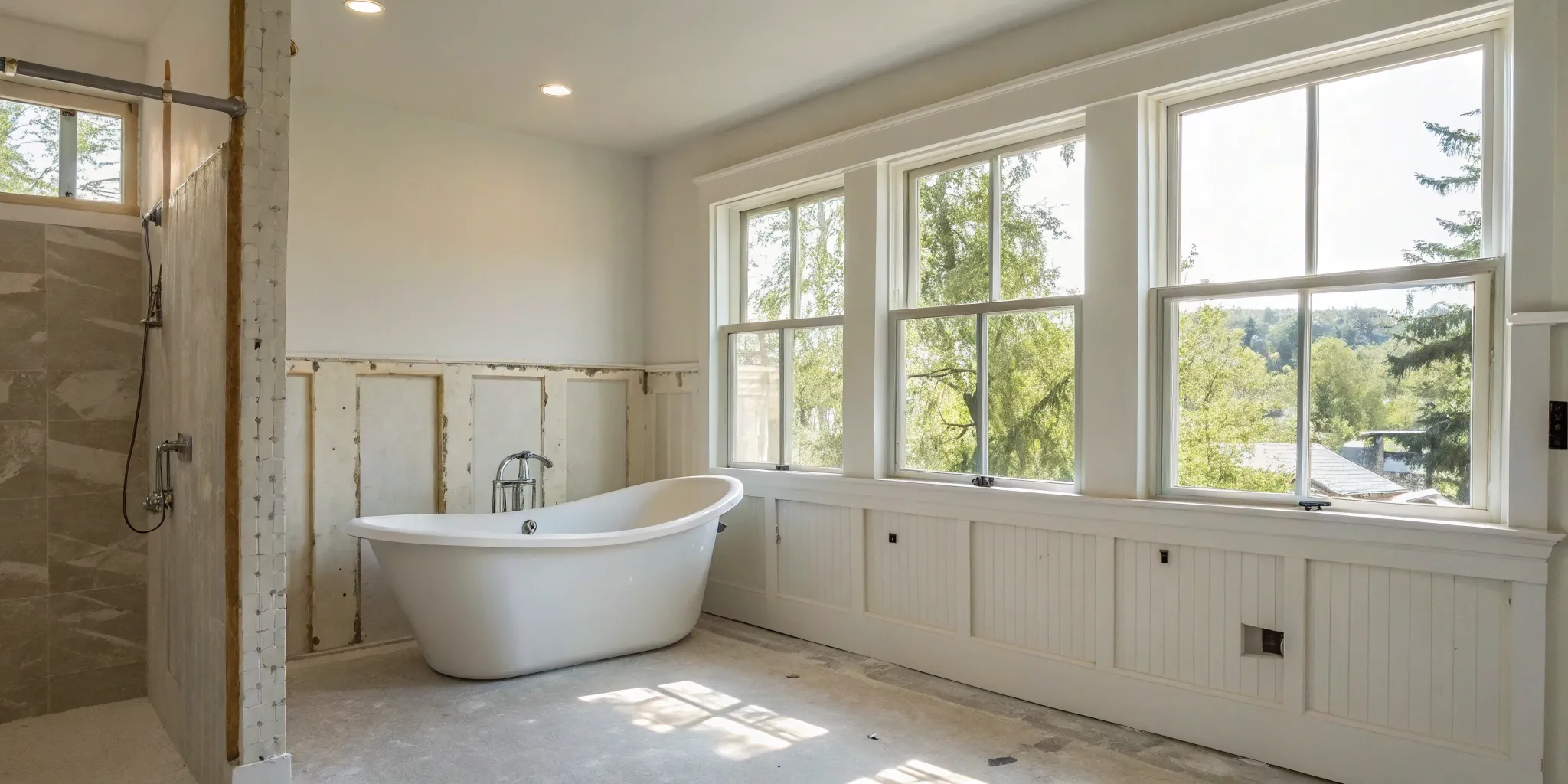
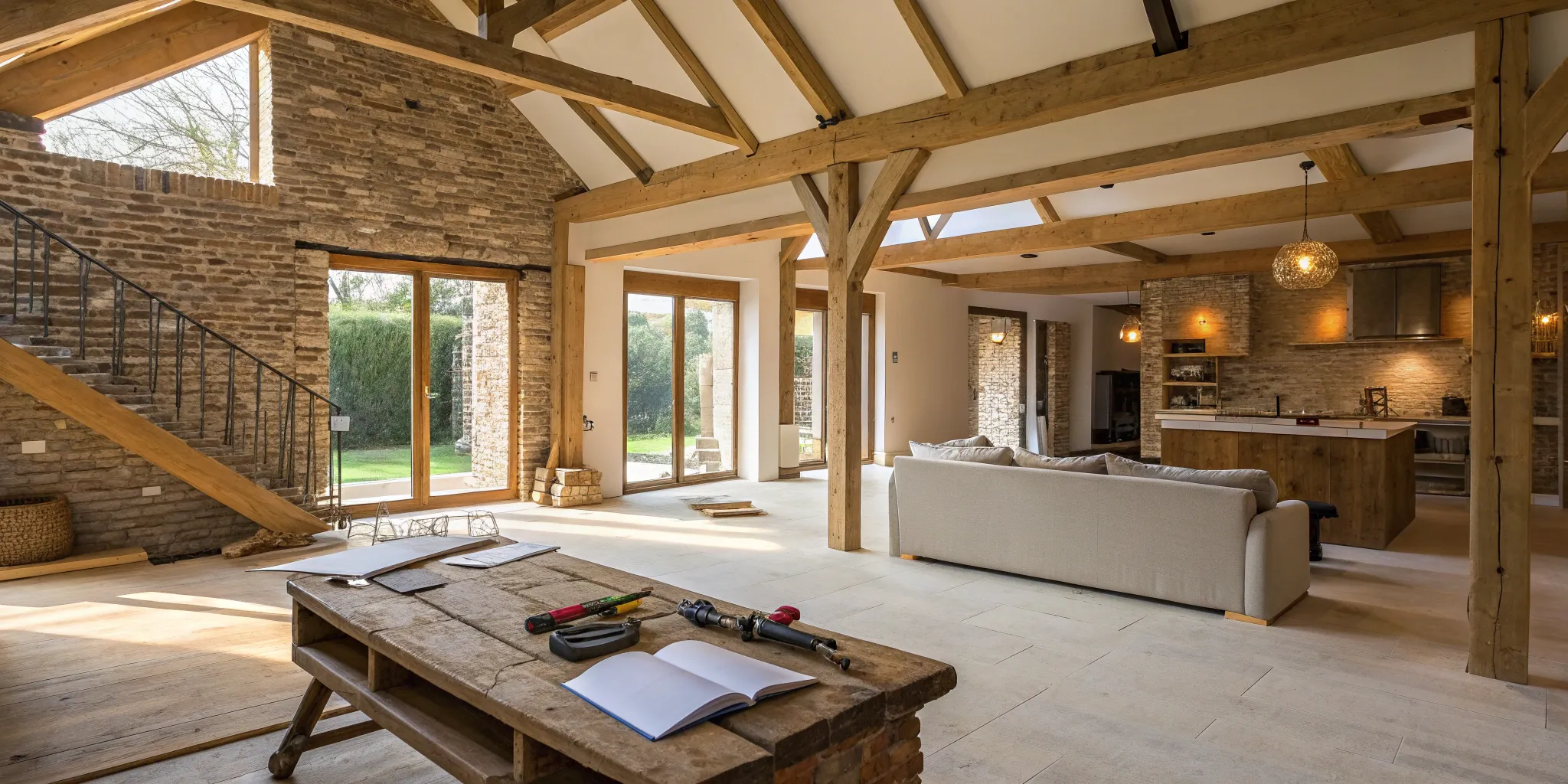
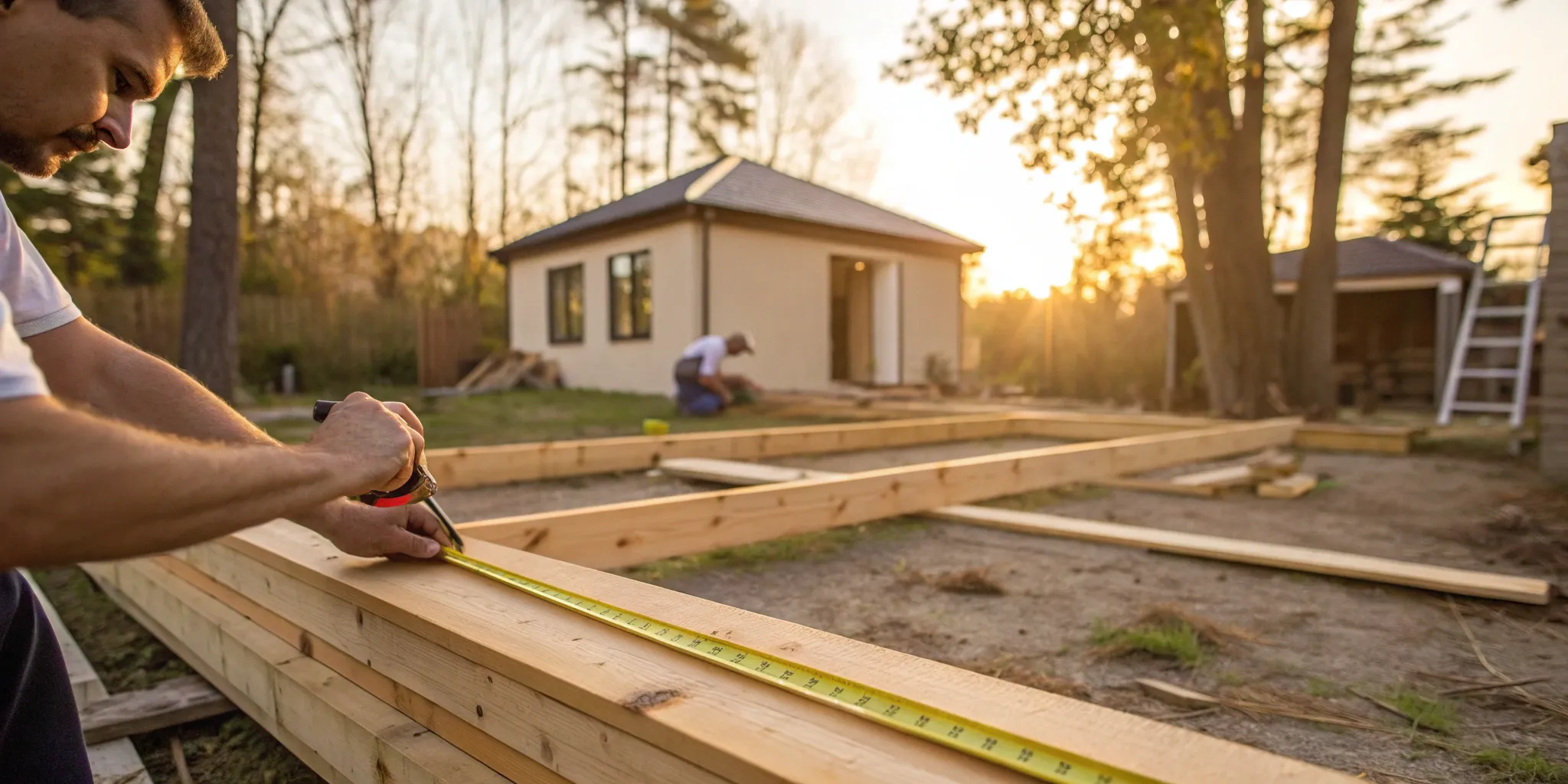
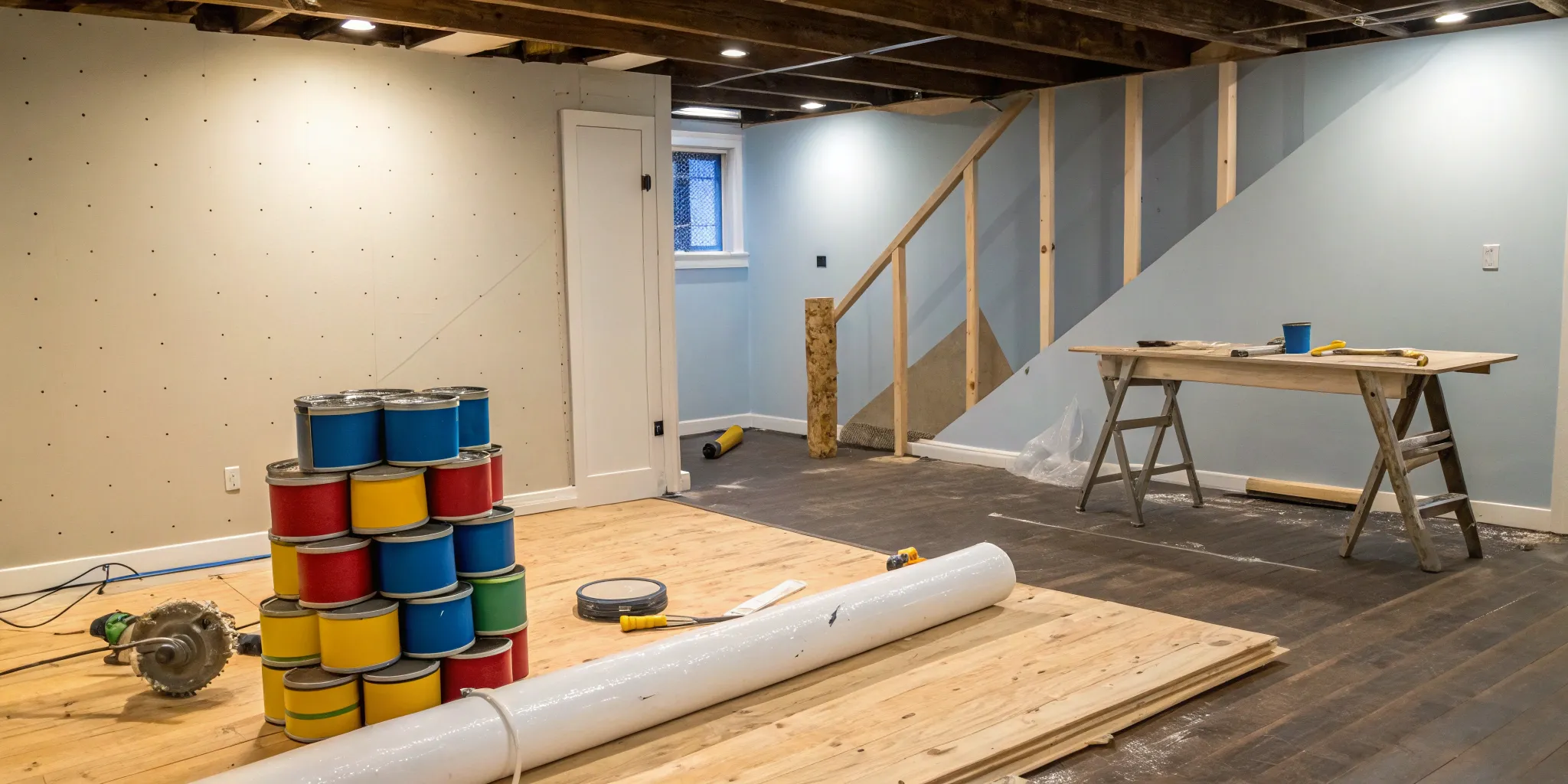
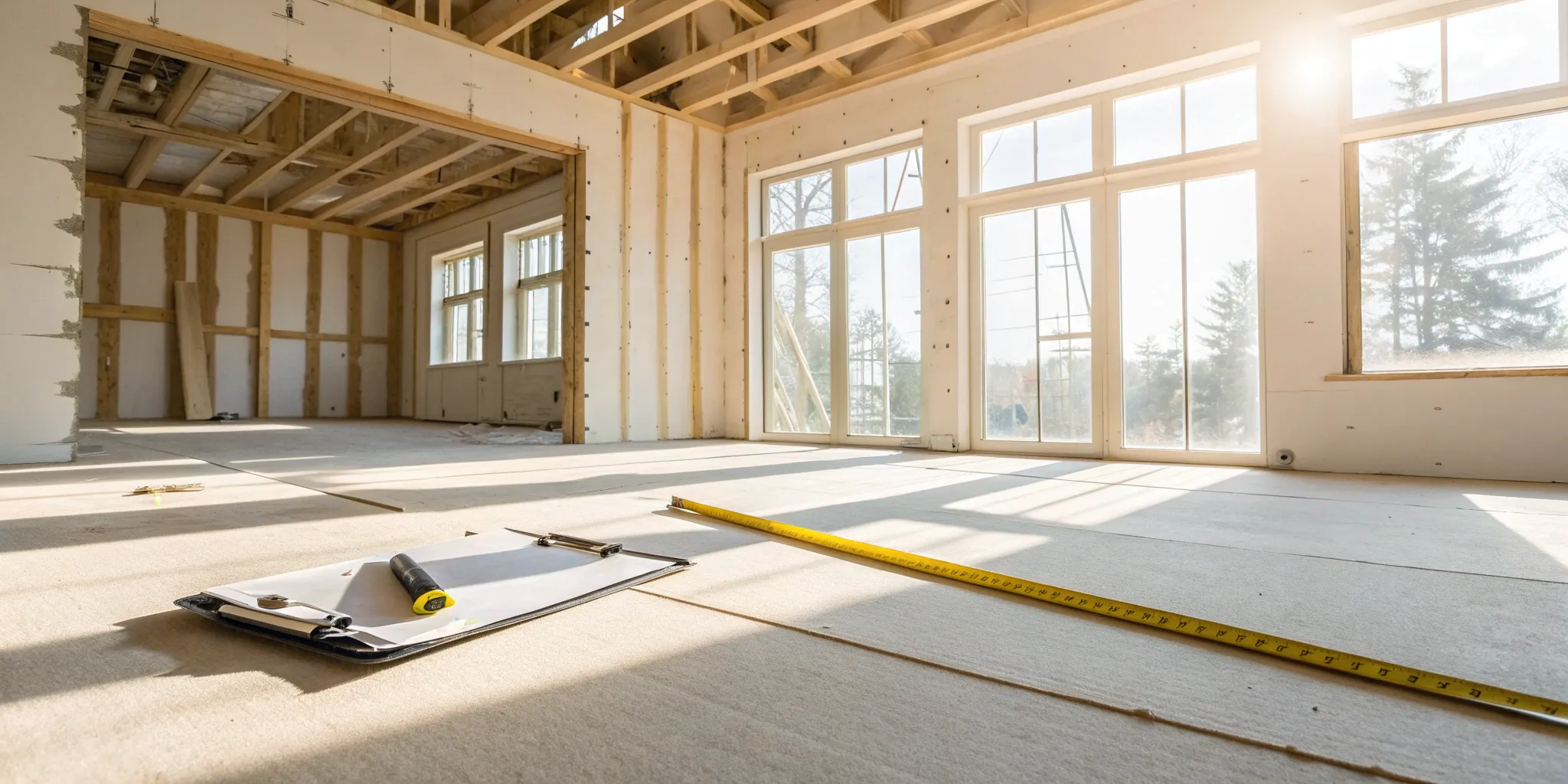
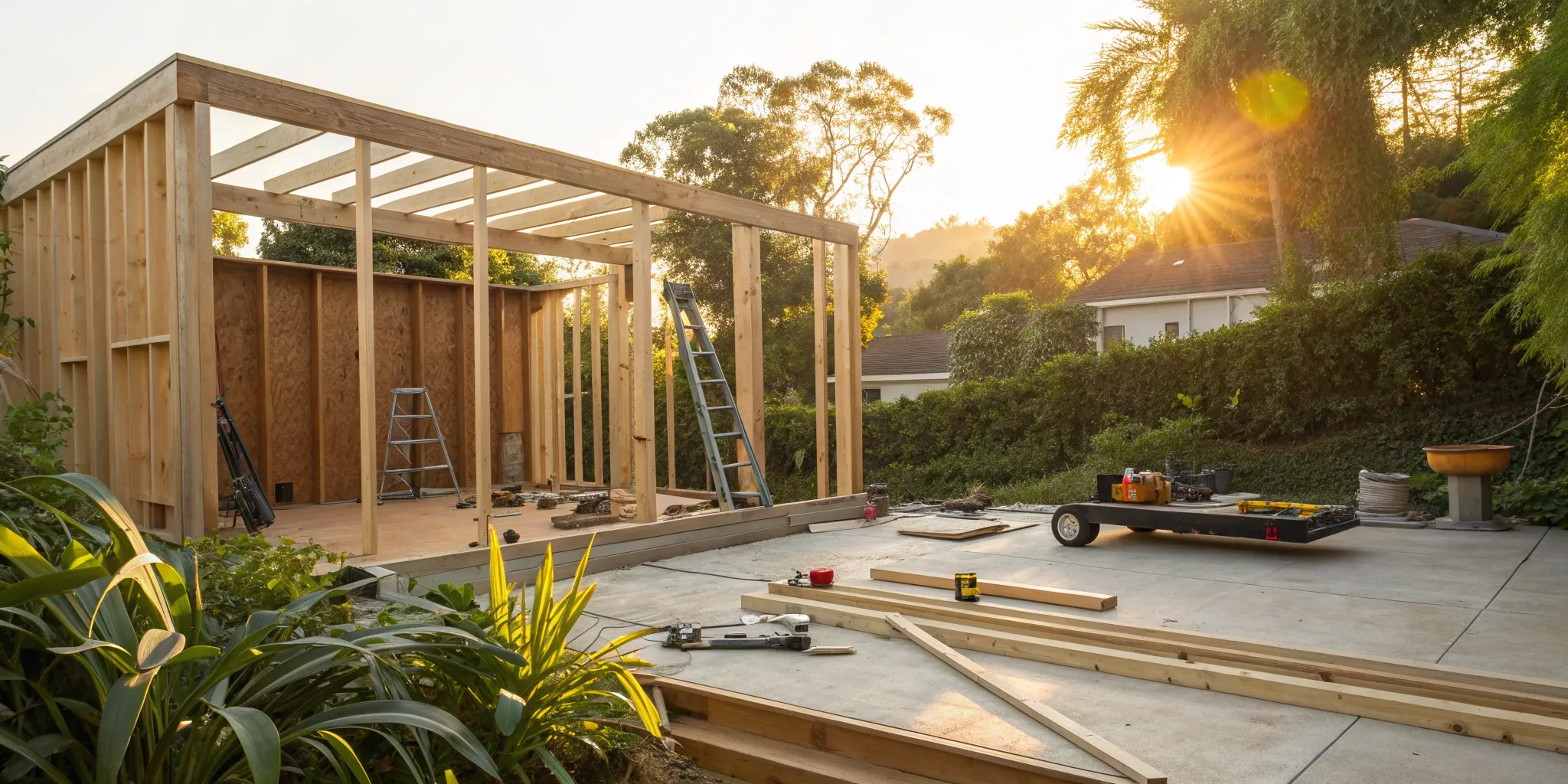
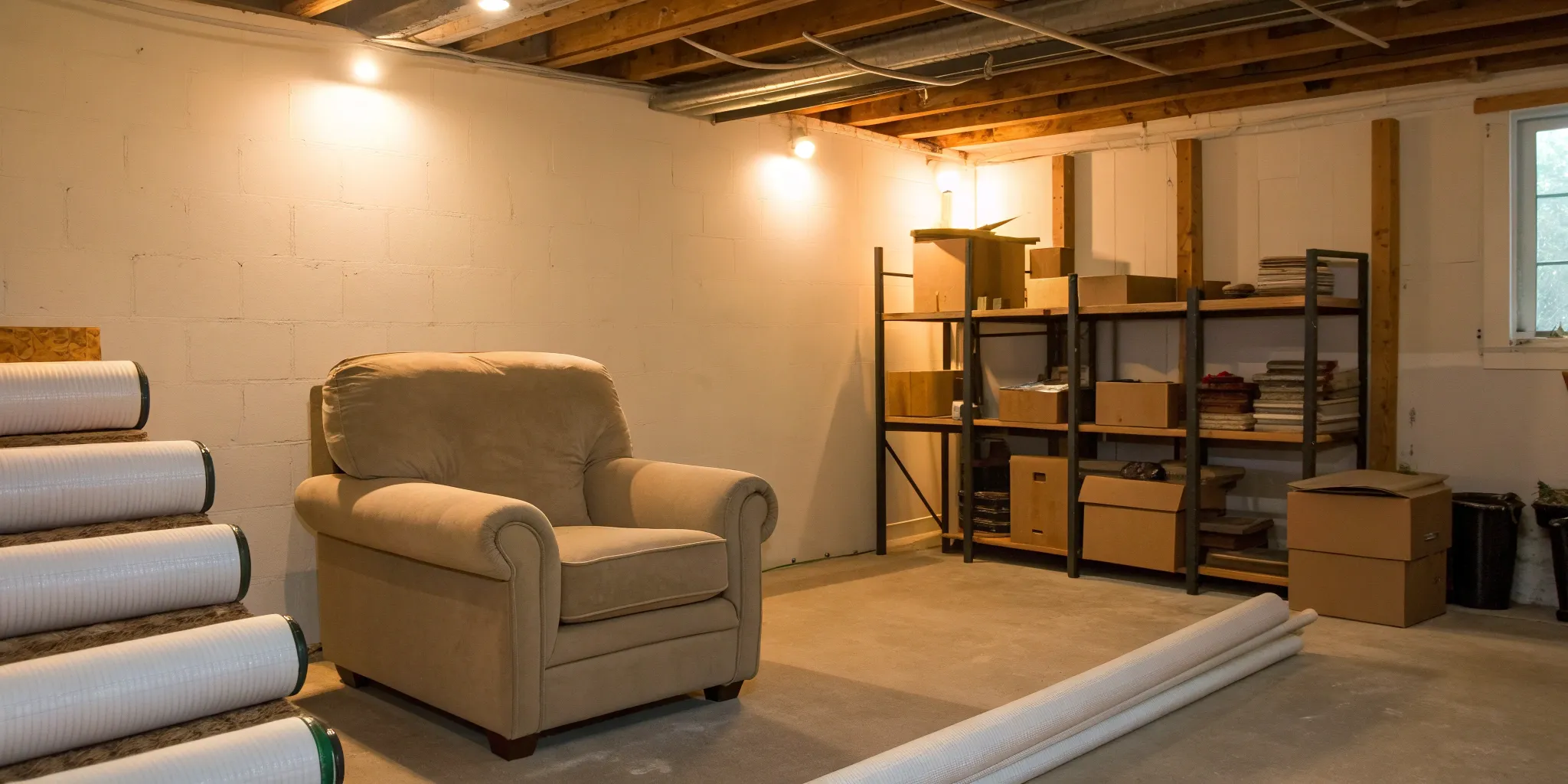
Before anything else, your contractor will prepare the garage's shell. This starts with a thorough assessment of the foundation, walls, and roof to ensure they are sound. The most significant change is typically removing the large garage door and framing a new, insulated wall in its place, complete with windows for natural light. The concrete floor will also need attention; since most garage floors are sloped for drainage, it will need to be leveled to create a flat surface for flooring. This foundational work is critical for ensuring the new suite is stable, secure, and built to last. It’s the essential first step in a complex renovation process that turns a utility space into a true living area.
Install Insulation and Climate Control
Garages aren't built with the same comfort standards as the rest of your home, so making the space livable is a top priority. This phase focuses on installing high-quality insulation in the walls and ceiling to regulate temperature and improve energy efficiency. Your team will also install a climate control system. This might involve extending your home's existing HVAC ductwork or, more commonly, adding a separate, efficient unit like a ductless mini-split system. Proper insulation and air sealing are crucial for keeping the room comfortable year-round and are often required by local building codes, so this step will likely be inspected before you can move forward.
Run New Electrical and Plumbing
With the walls open, it’s the perfect time for electricians and plumbers to work their magic. This is a significant part of the project, as the space is wired and plumbed from scratch. An electrician will run new wiring to meet residential codes, adding outlets, overhead lighting, switches, and hardwired smoke detectors. At the same time, a plumber will run supply and drain lines for the new master bathroom, including the shower, toilet, and vanity. This work requires precision and expertise, which is why it’s so important to work with vetted professionals who understand the specific requirements for converting a garage into a safe and functional living space.
Add Flooring and Finishing Touches
This is the most exciting stage, where your new master suite truly takes shape. After the utility work is inspected and approved, the team will hang drywall, tape, and mud the seams to create smooth walls and ceilings. Then comes the paint, trim, and interior doors, which start to define the room's character. Your chosen flooring—whether it's engineered hardwood, laminate, or carpet—is installed over the newly leveled subfloor. Finally, the crew will install light fixtures, bathroom vanities, faucets, and any other finishing touches you’ve planned. Choosing durable and stylish materials will ensure your new suite is a space you’ll love for years to come.
How Do You Design a Functional Layout?
A great layout is the foundation of a successful garage conversion. This isn't just about placing a bed and a dresser; it's about creating a space that feels intentional, comfortable, and completely integrated with the rest of your home. A thoughtful design considers everything from traffic flow and storage to natural light and how the new suite connects to the outdoors. Planning this stage carefully ensures your finished master suite is a peaceful retreat, not just a repurposed garage. With the right approach, you can transform a utilitarian space into a beautiful and highly functional part of your home.
Maximize Space with Smart Storage
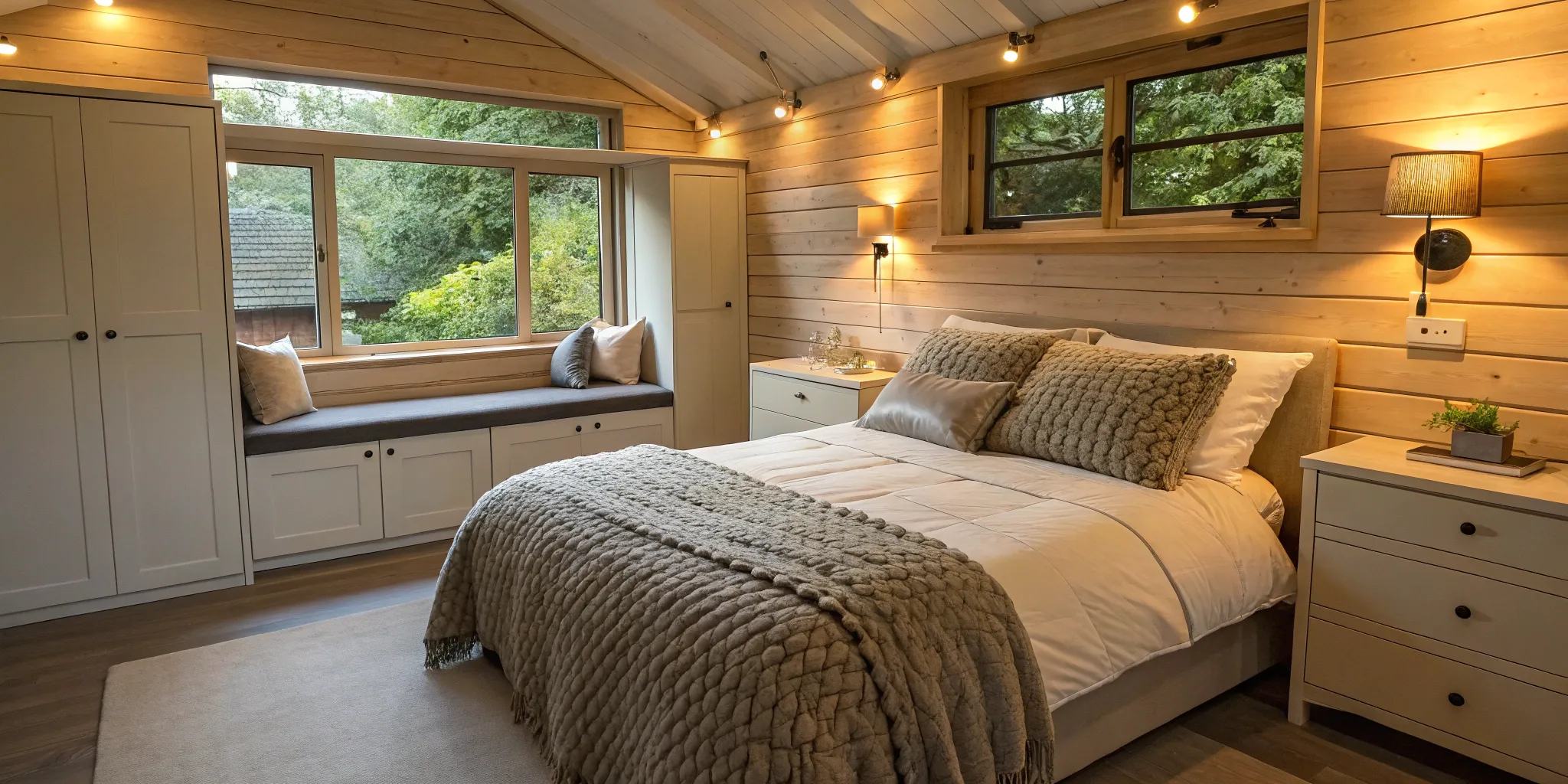
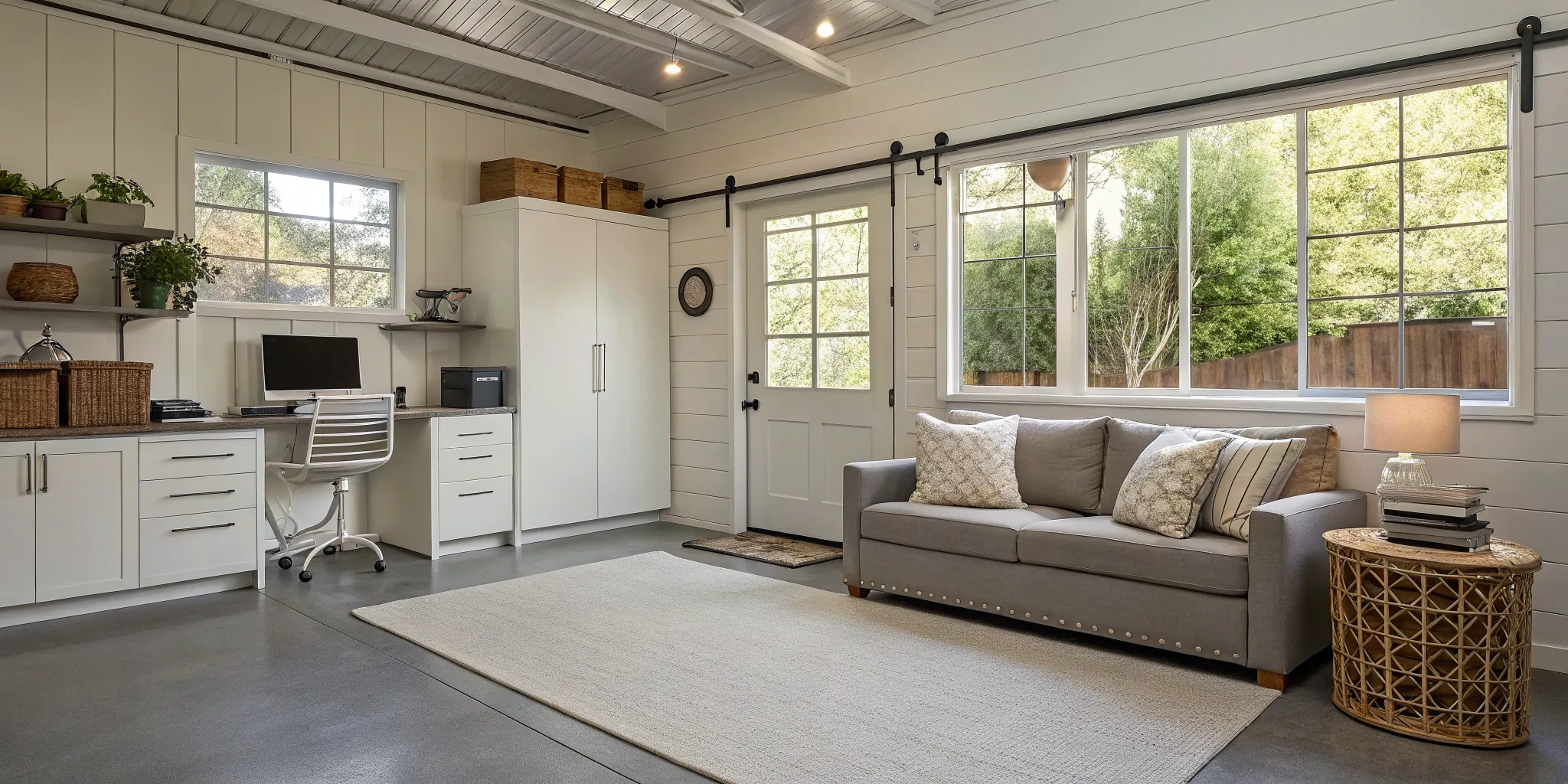
Garages aren't always palatial, so smart storage is your best friend. Think vertically and creatively to make the most of every square foot. Instead of bulky, freestanding wardrobes, consider built-in closets with custom shelving that reaches the ceiling. Flexible, modular cabinets can adapt to your needs, and a custom-built desk or vanity can fit perfectly into an awkward corner. The goal is to create a place for everything, which keeps the room feeling open and uncluttered. By planning your storage solutions early, you can build them right into the design for a seamless, high-end look.
Plan for Natural Light and Windows
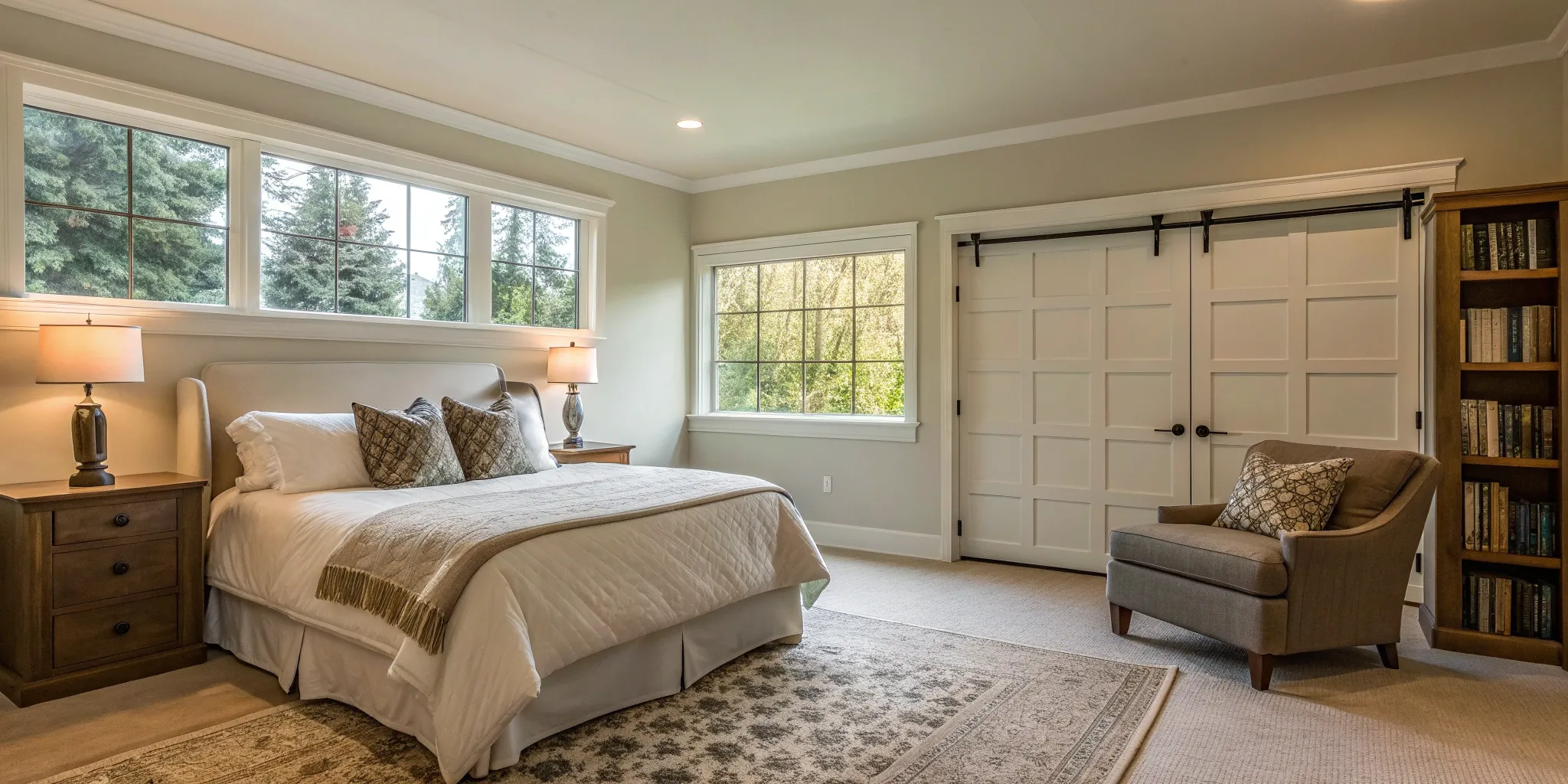
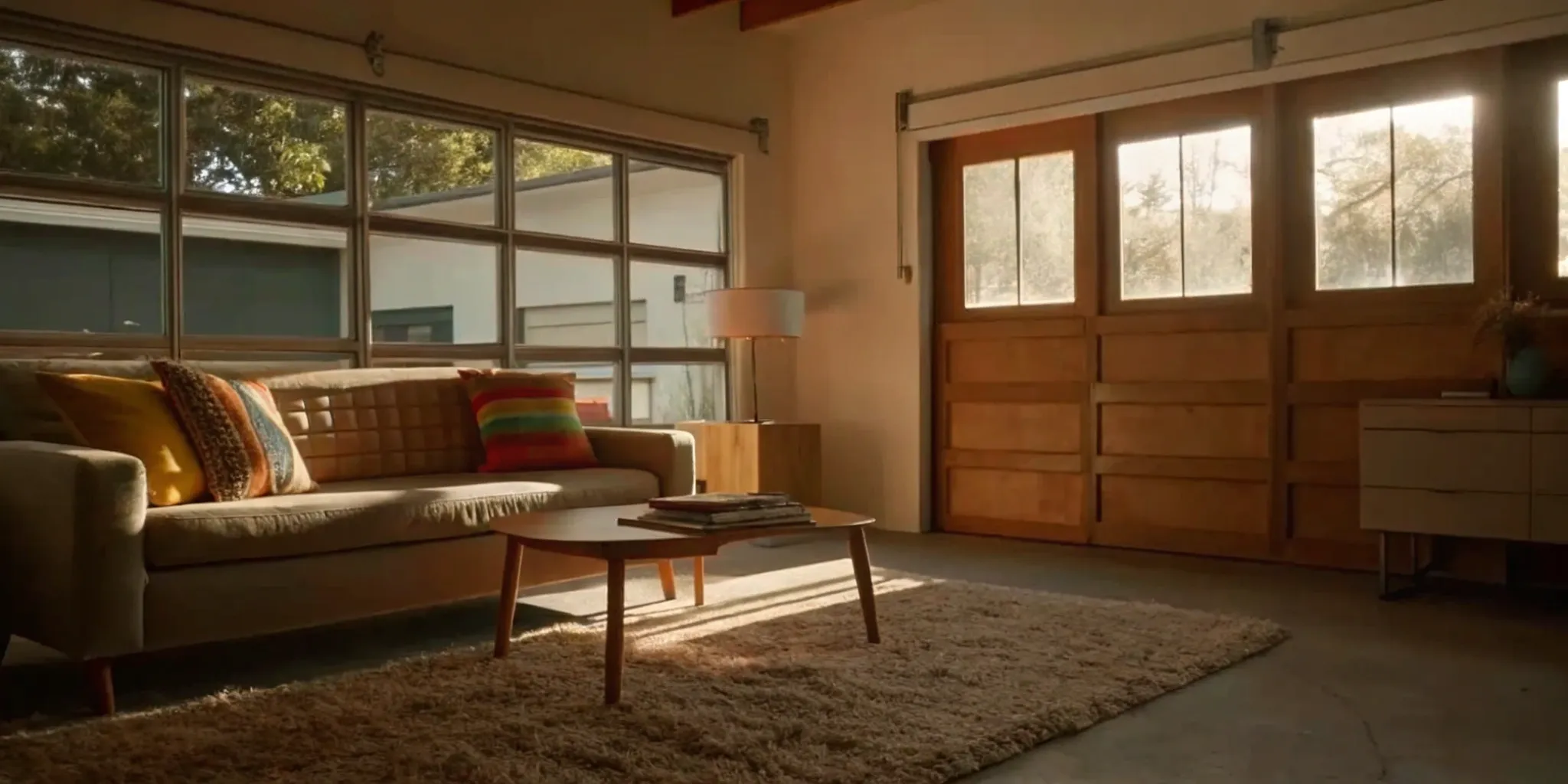
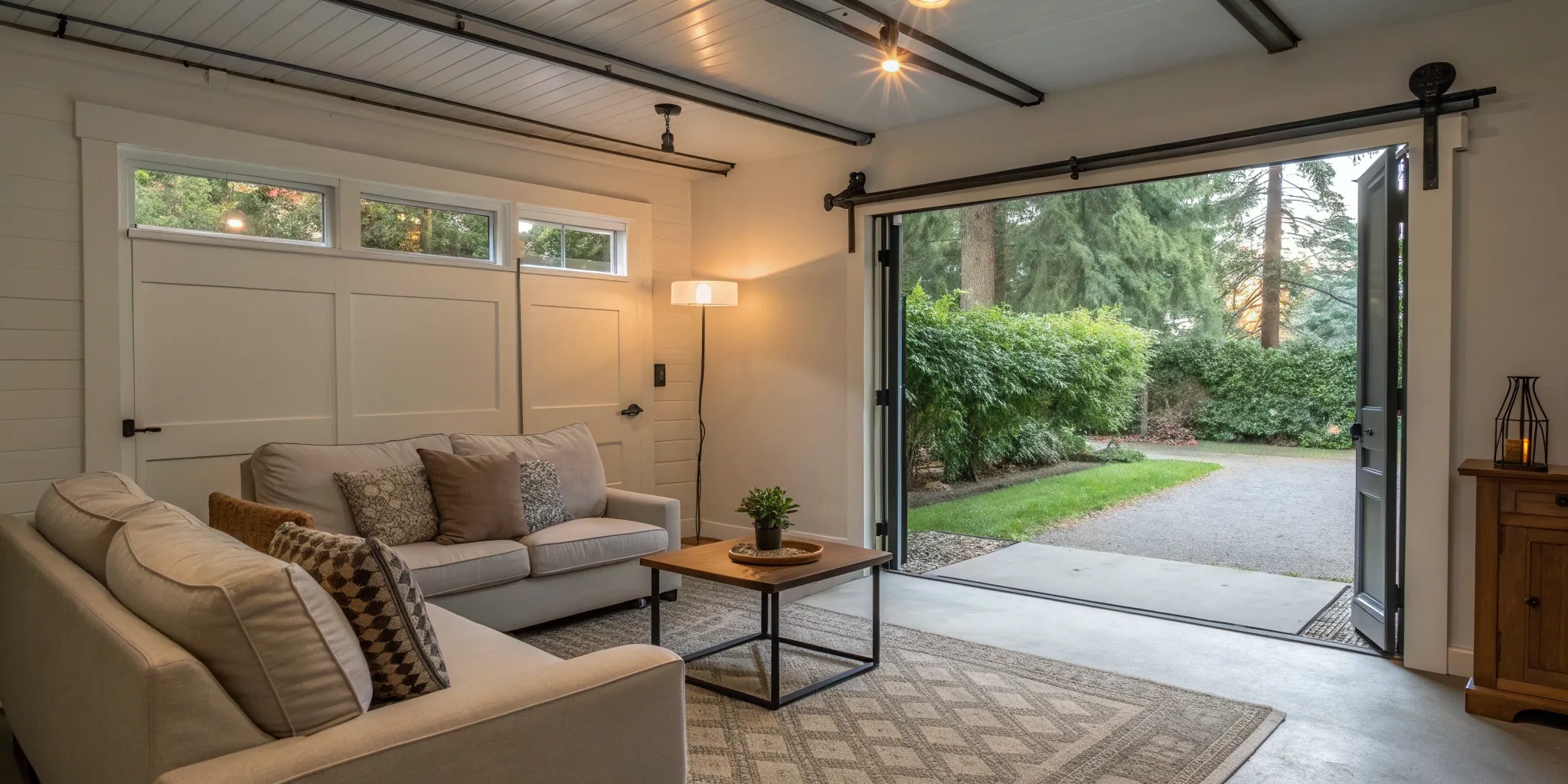
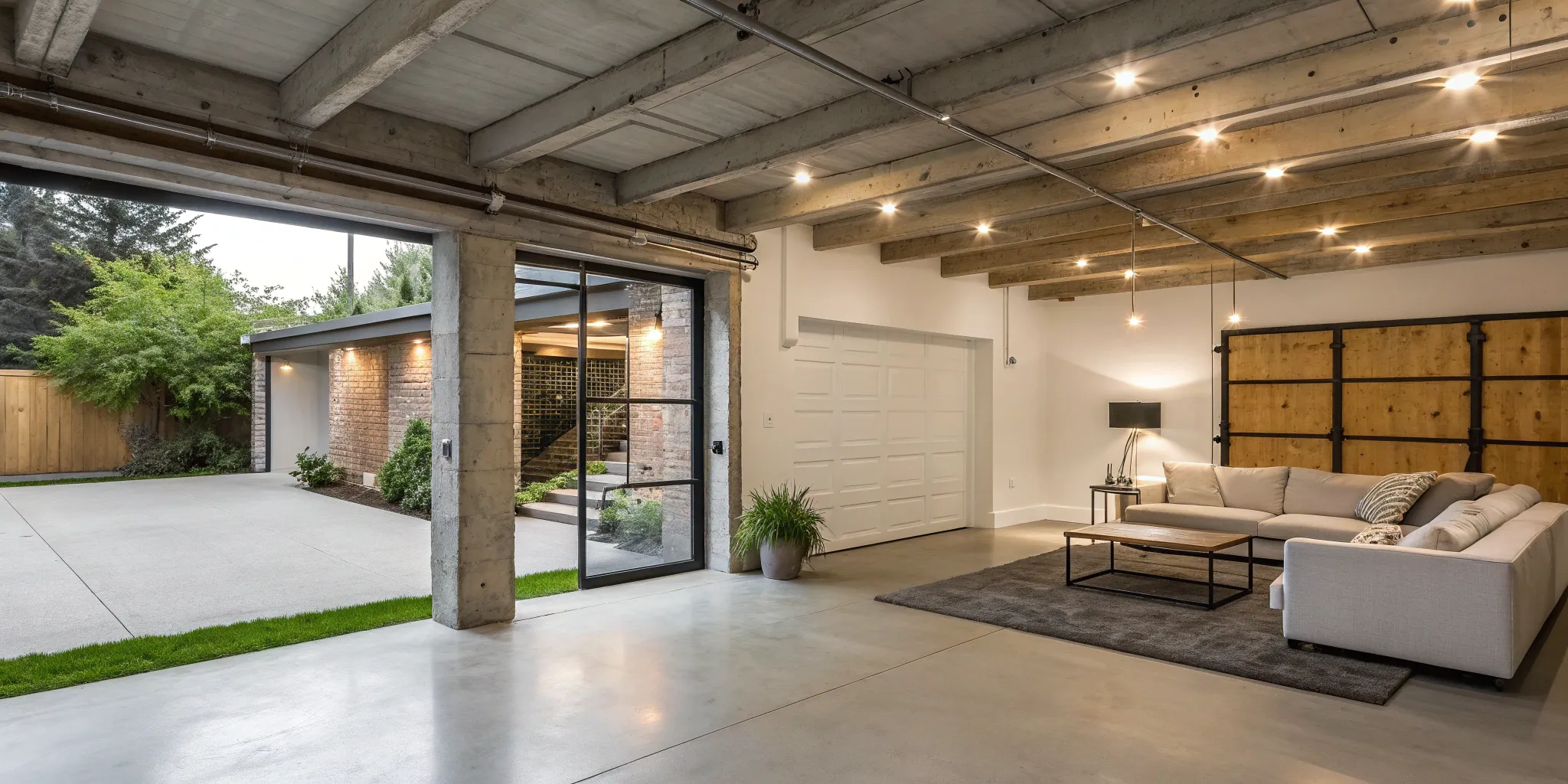
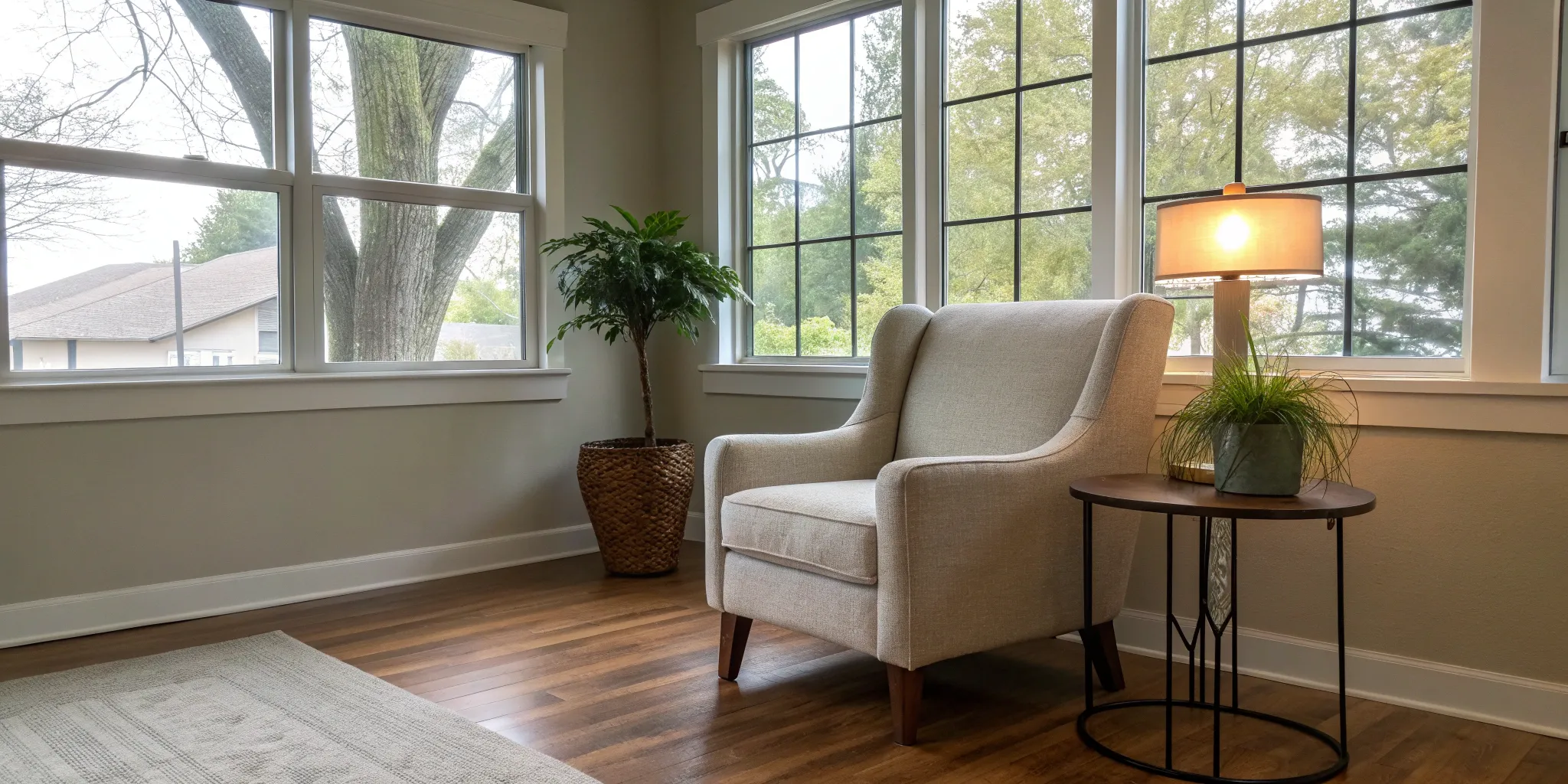
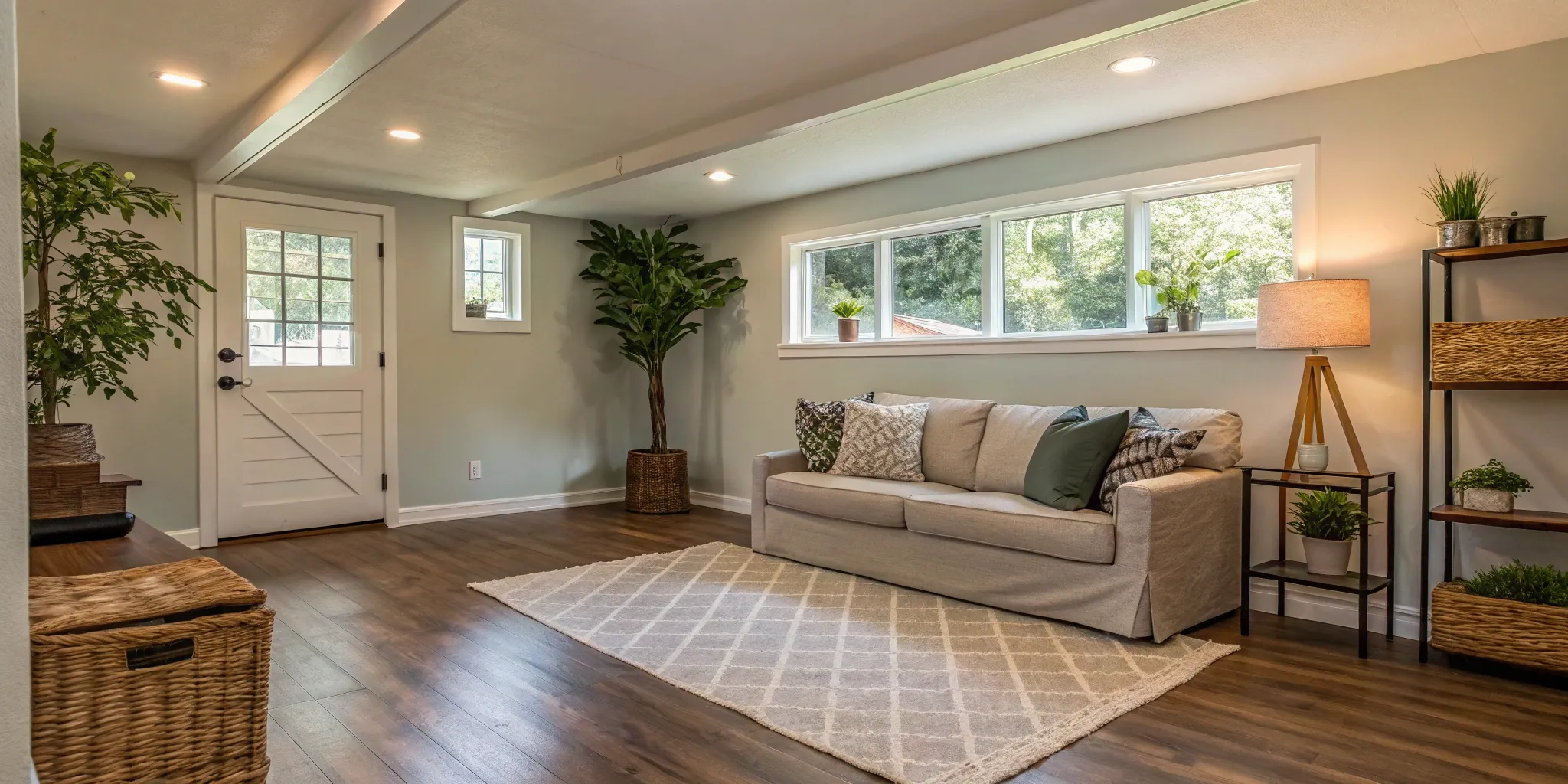
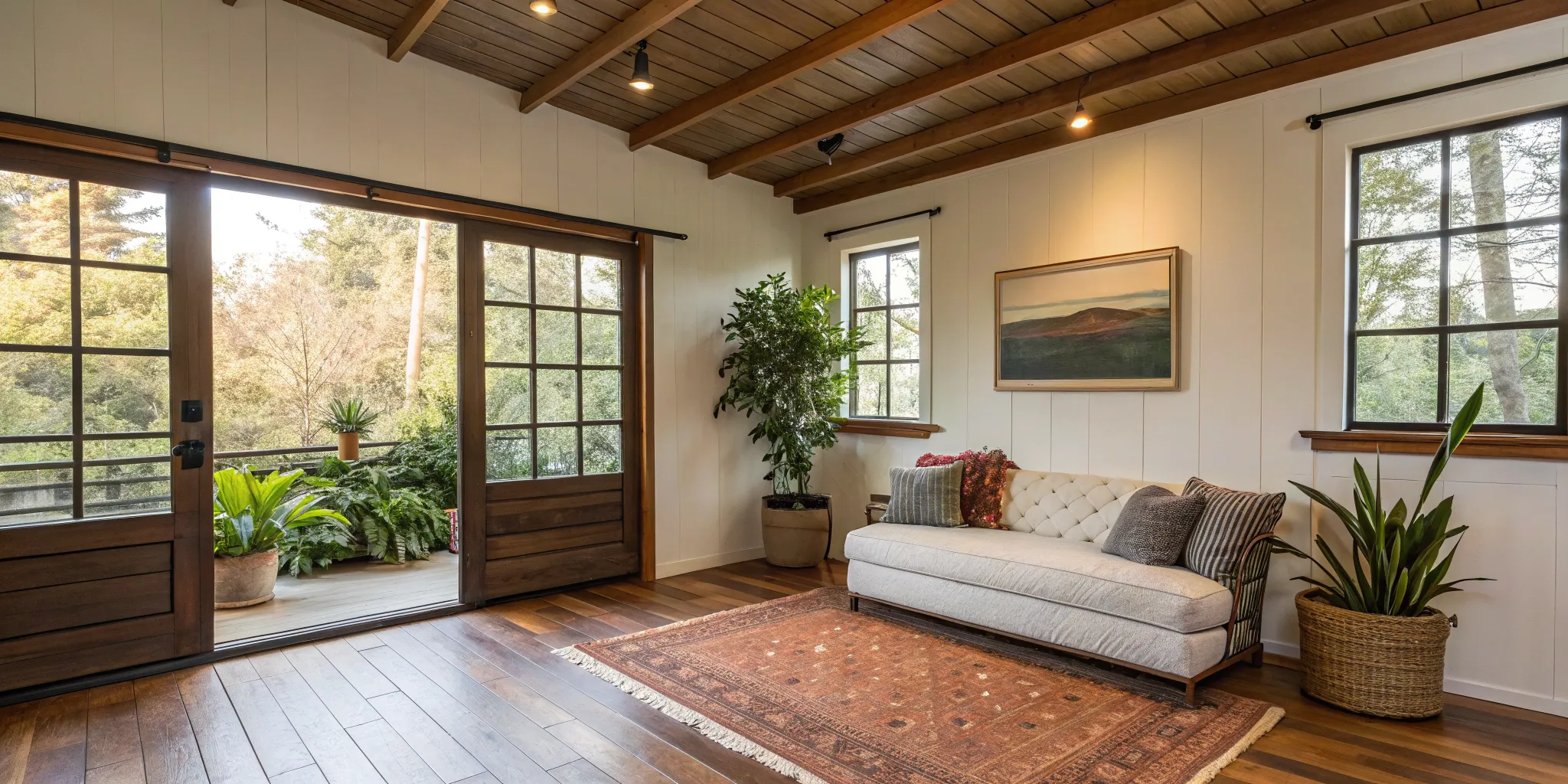
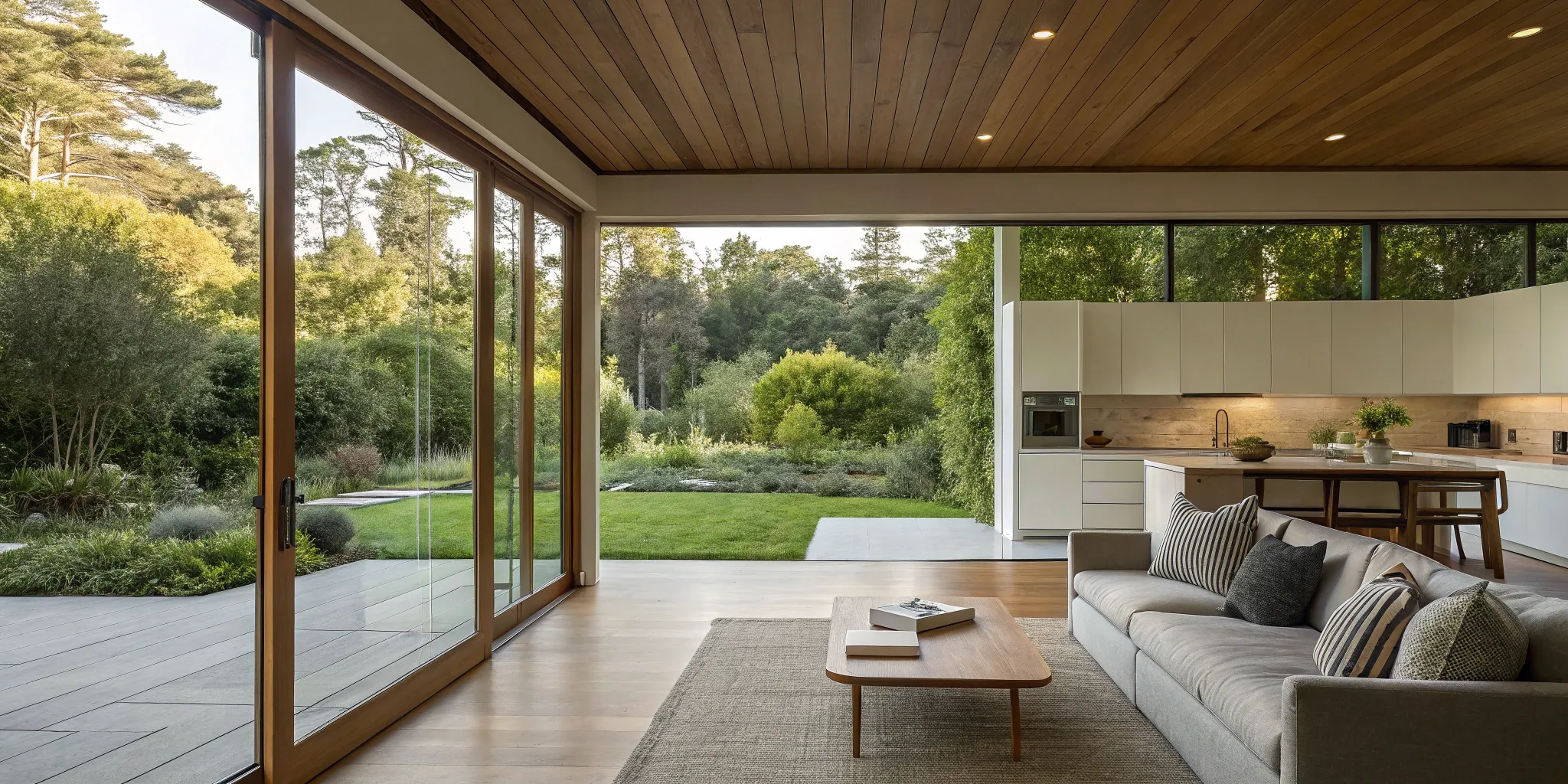
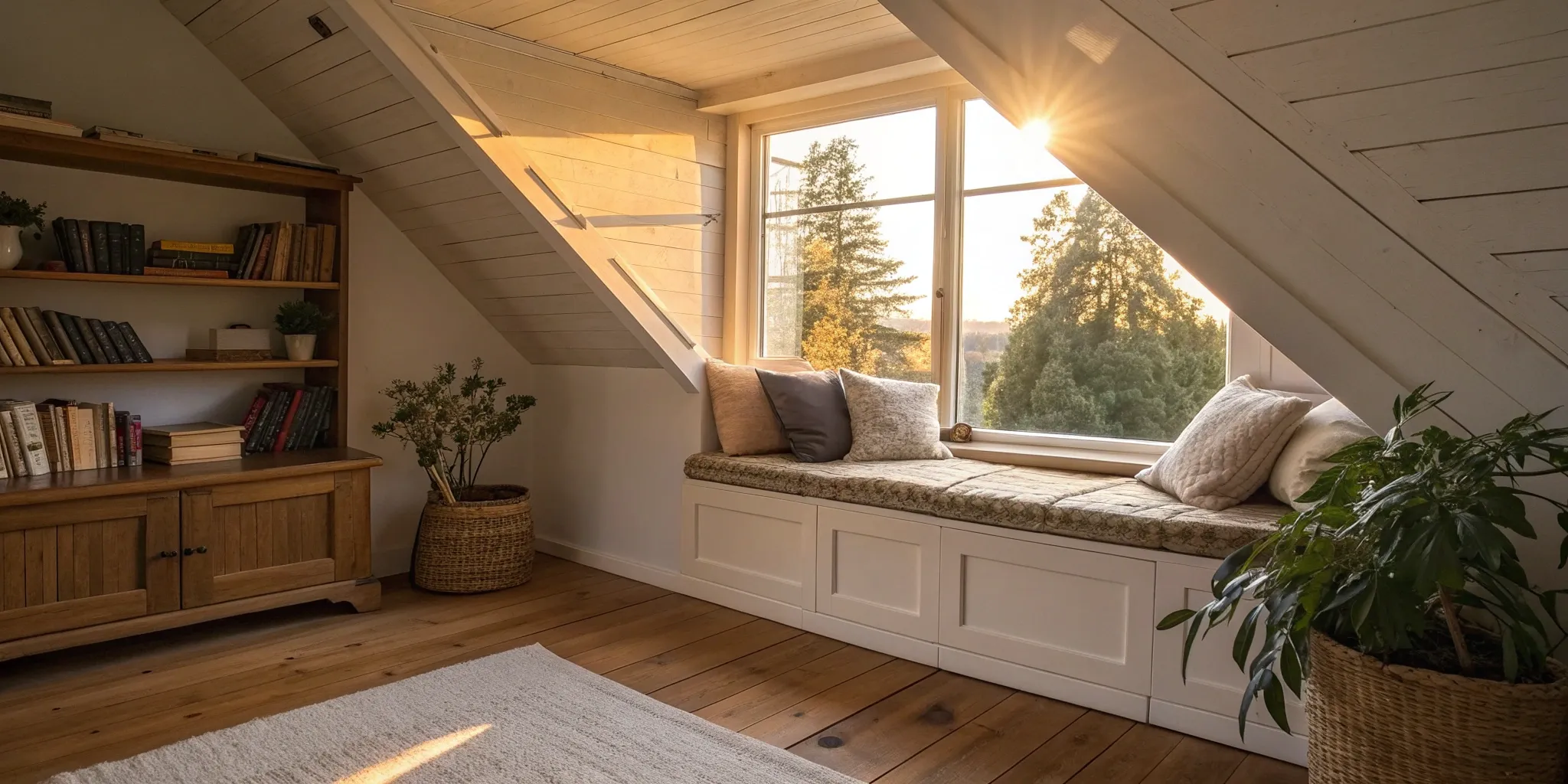
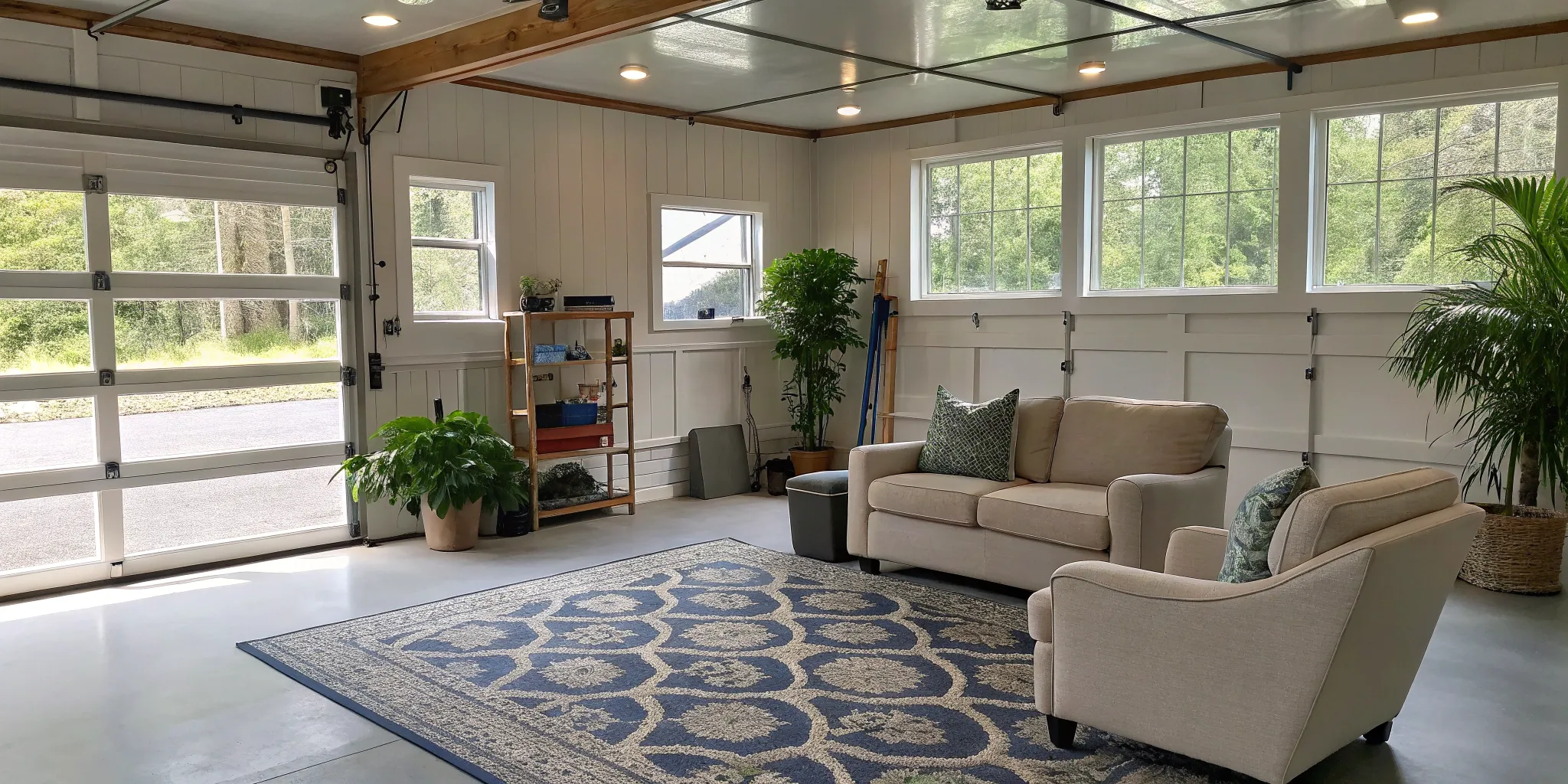
Nothing makes a room feel more inviting than natural light. Since garages typically have few, if any, windows, this is a top priority. A great strategy is to replace the main garage door with large sliding glass doors or elegant French doors. This not only floods the space with light but also provides a private entrance to a patio or backyard. Adding new windows on the side walls or even skylights can further brighten the room and make it feel larger. Good lighting design is a game-changer, transforming a dark box into a bright and airy sanctuary.
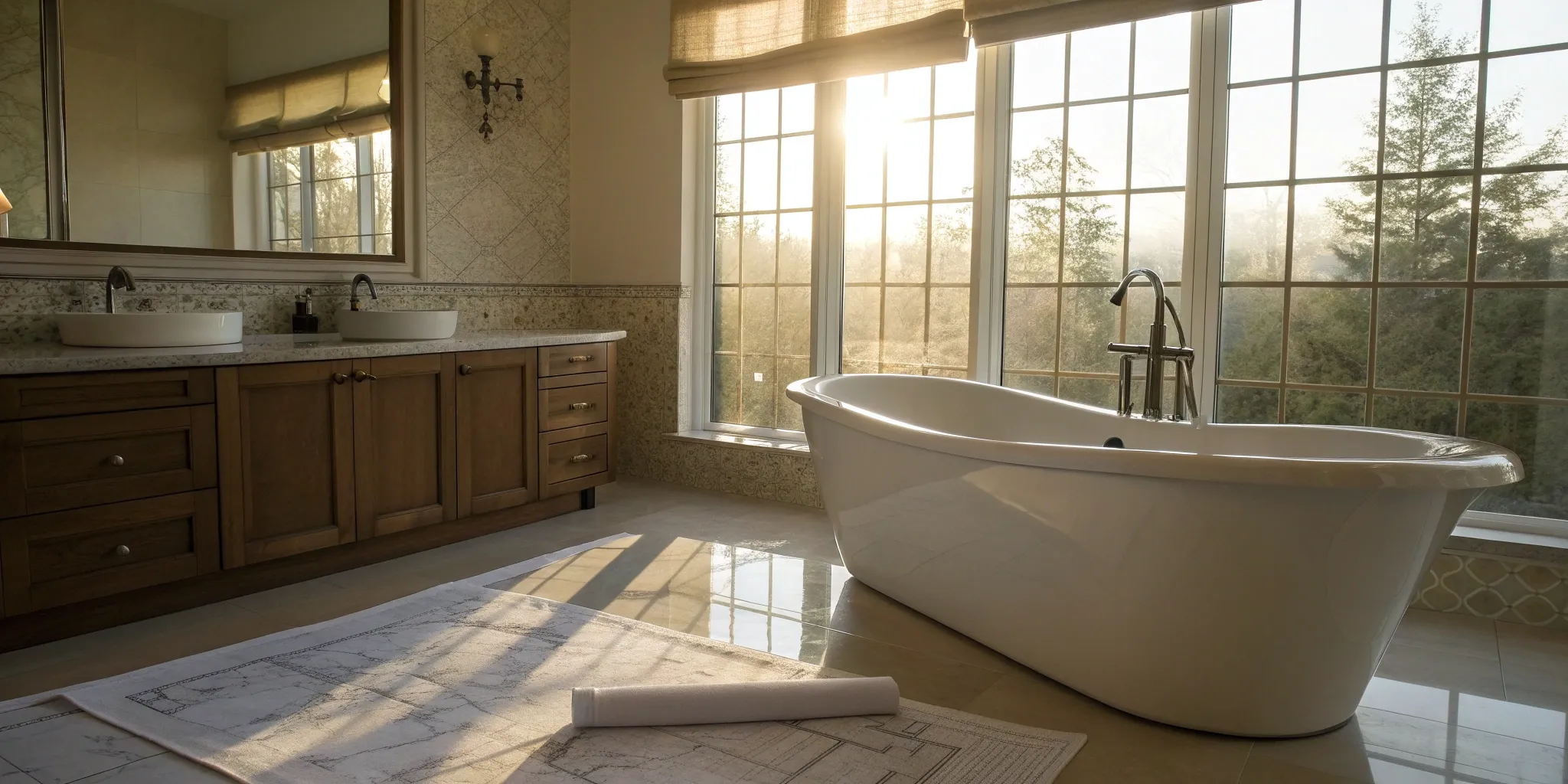
Integrate the Bathroom Seamlessly
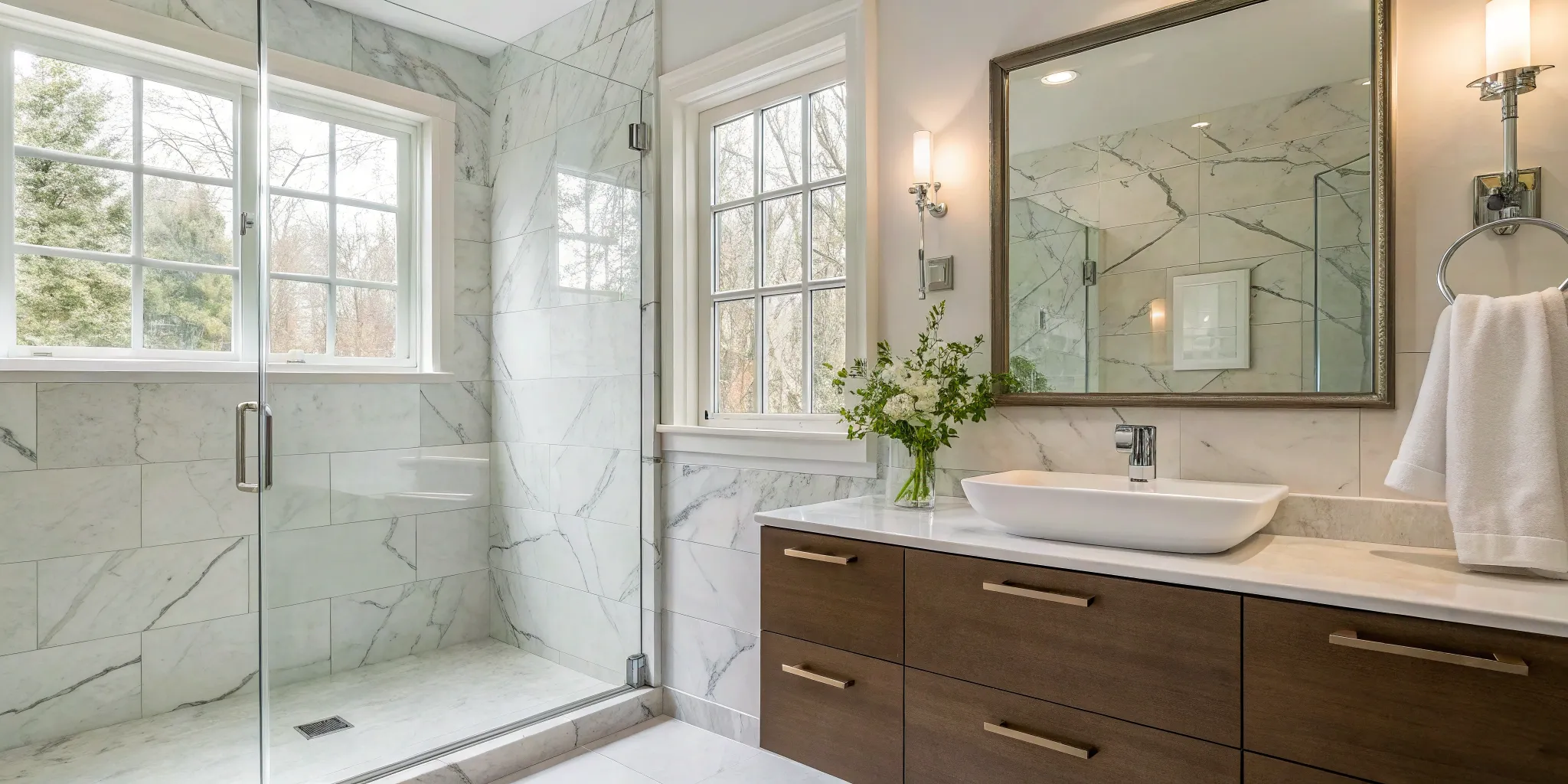
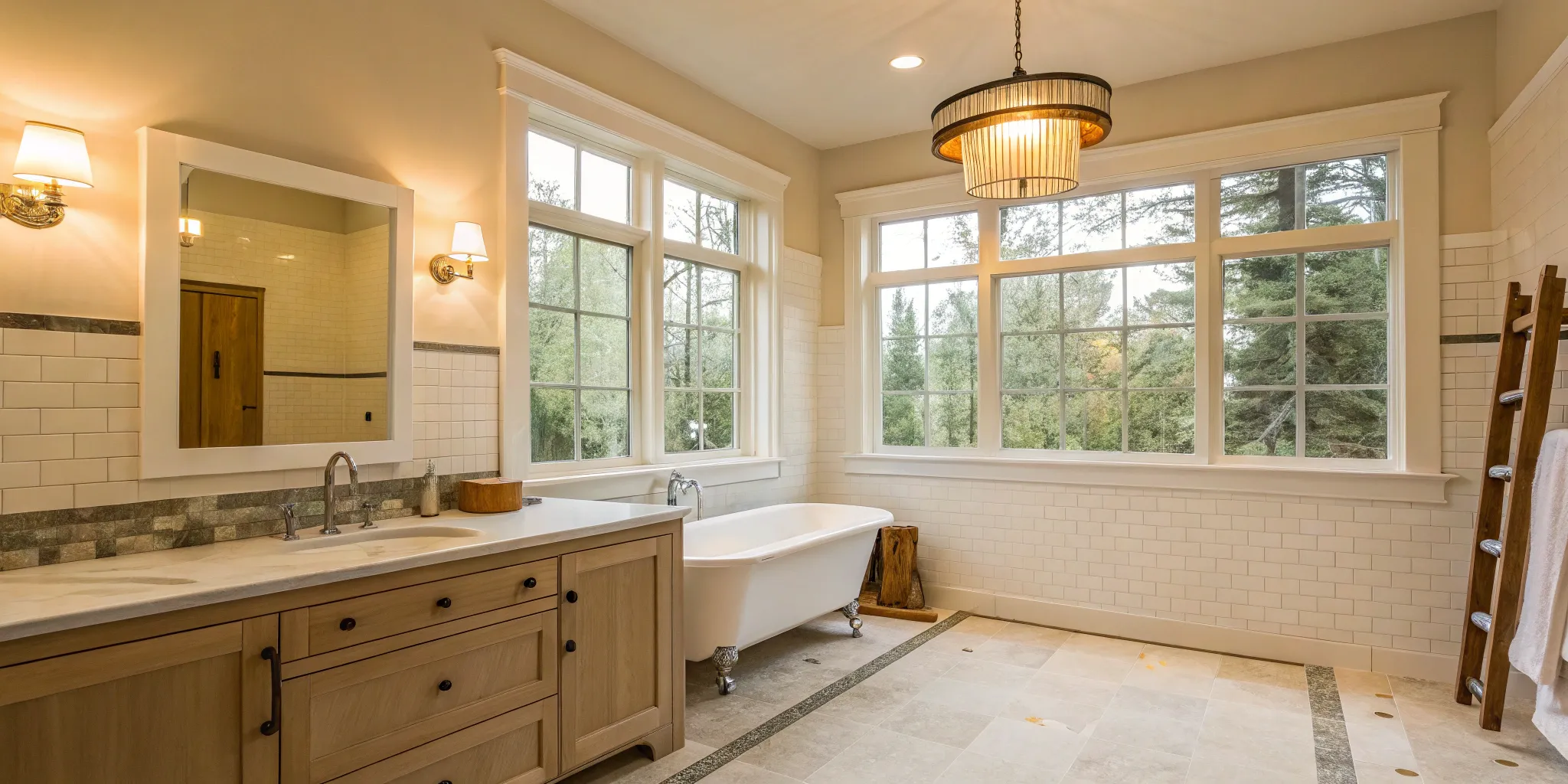
Adding an en-suite bathroom is what truly turns a converted garage into a master suite. This step requires careful planning, as you’ll need to connect to your home’s existing plumbing and electrical systems. Think about the bathroom’s placement to ensure it’s convenient and private. Do you want a large walk-in shower, a soaking tub, or a simple, functional setup? Including a full bathroom will place your project’s cost on the higher end, but it adds significant comfort and value. Working with an expert advisor can help you map out the plumbing routes and design a layout that flows perfectly with the bedroom.
Match the Exterior to Your Home
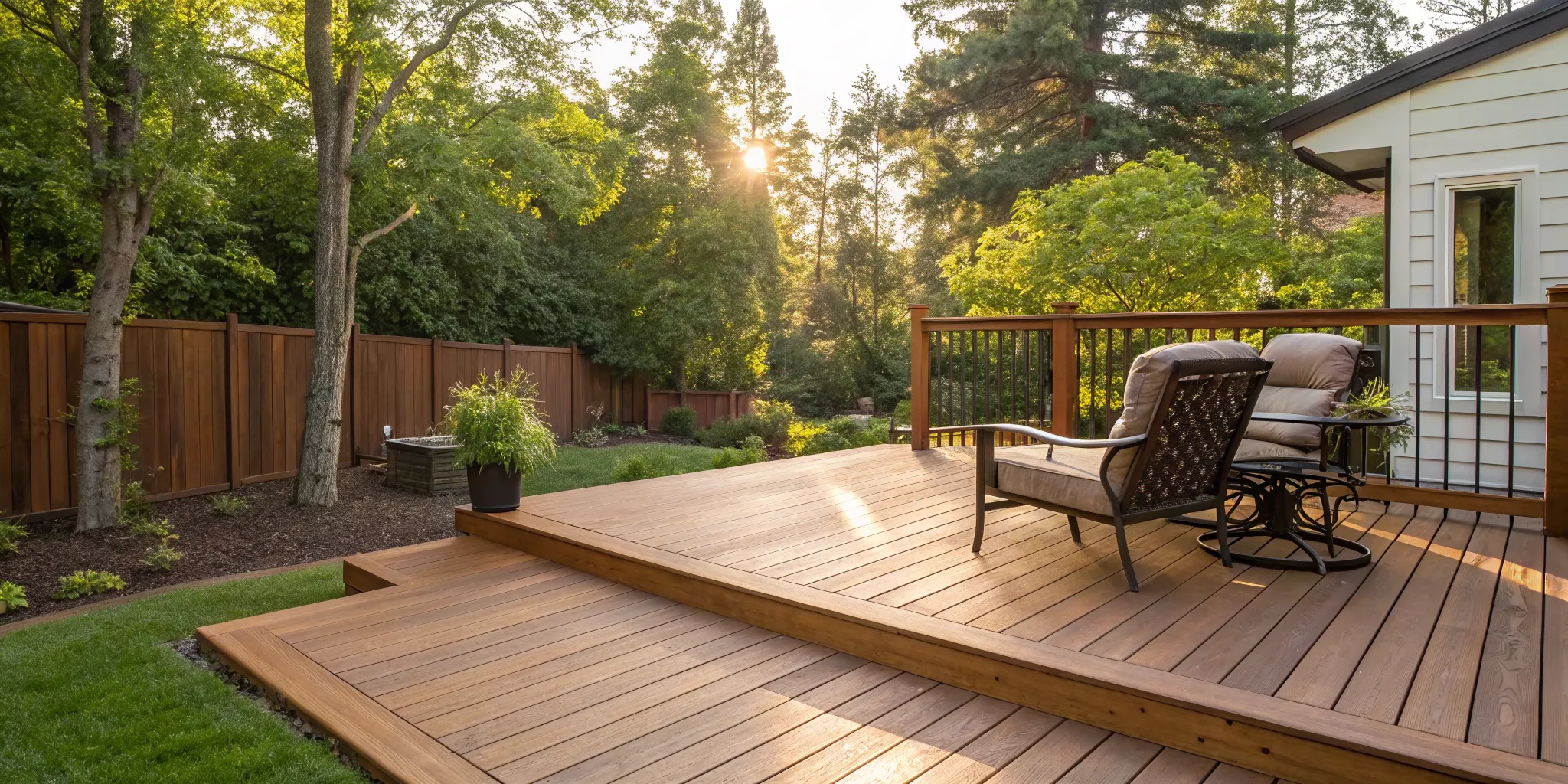
For your conversion to feel like a true extension of your house, the exterior needs to blend in. This means removing the garage door and replacing it with a wall that matches your home’s current siding, brick, or stucco. Pay attention to details like window trim and paint colors to create a cohesive look. Don’t forget about landscaping—adding a small garden bed, a walkway, or some shrubs can help soften the transition and tie the new suite into your property’s overall aesthetic. This finishing touch is crucial for curb appeal and making the conversion look like it was always meant to be there.
What Permits Will You Need?
Tackling the permit process might feel like the least exciting part of your renovation, but it’s one of the most important. Getting the right permits ensures your new master suite is safe, legally recognized as a living space, and adds real value to your home. Think of it as the official green light for your project and a safeguard for your investment. Skipping this step can lead to fines, trouble when you sell, and even orders to tear out the work you just paid for.
Know When a Permit is Required
Let’s be clear: when converting a garage into a master suite, you will almost always need permits. You’re making significant changes that alter your home’s structure and function, and your local municipality needs to sign off on them. This isn't just about adding a bedroom; it's about transforming a non-habitable space into a legal, conditioned living area. Permits are typically required for any work involving new electrical wiring, plumbing installation, structural changes to walls or the foundation, and adding windows or doors. These approvals confirm that your project plans meet critical safety standards for you and your family.
How to Get the Right Approvals
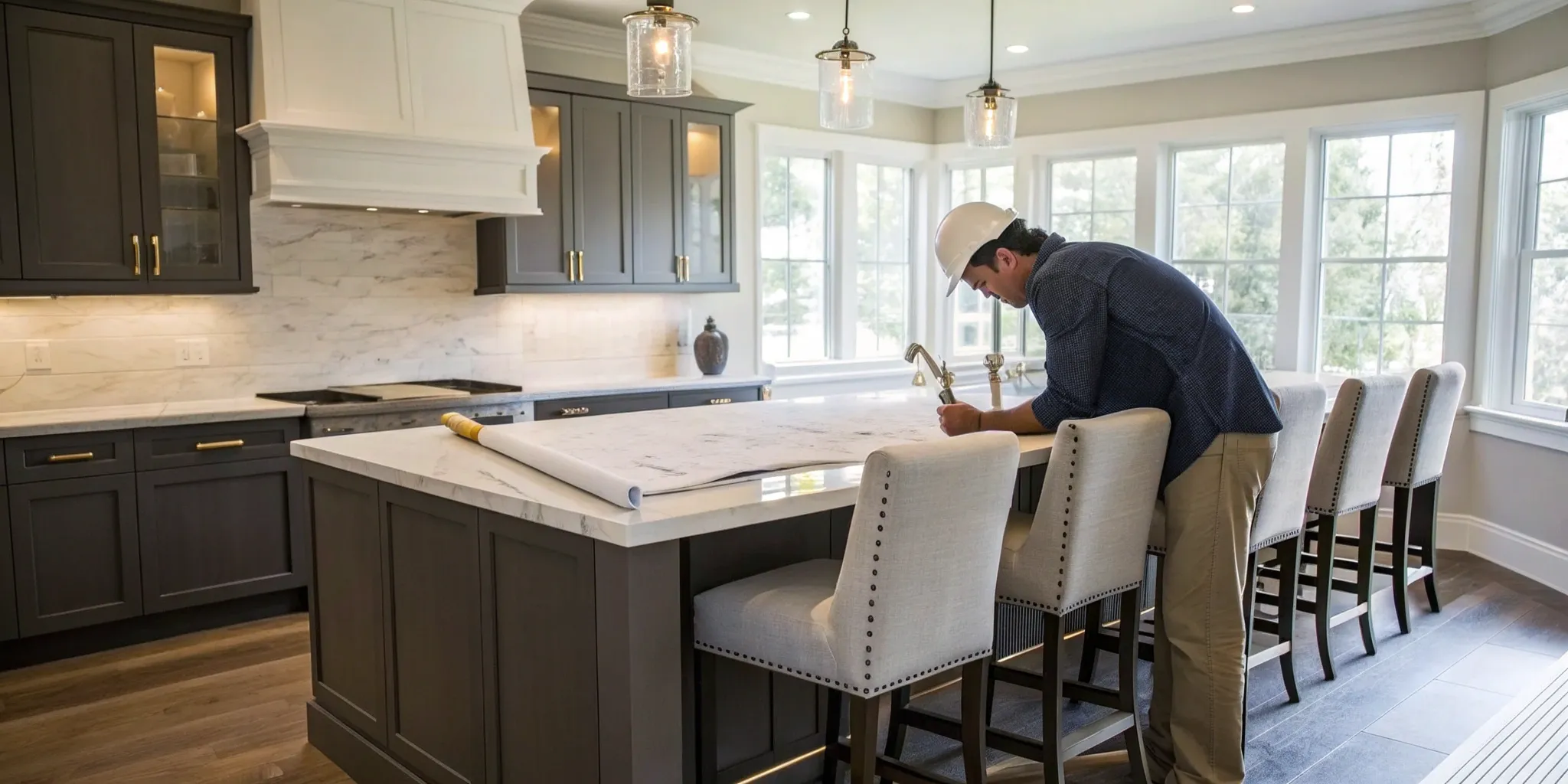
Your first stop for information should be your local city or county building department. Their website is often a great resource, or you can call or visit them in person. They can provide a checklist of the required documents, which usually include detailed architectural plans. The easiest way to handle this process is to work with a professional who knows the local rules. An experienced contractor or a design-build firm can manage the entire application and inspection schedule for you. This is where expert guidance becomes invaluable, as it removes the guesswork and ensures all the paperwork is filed correctly from the start.
Work with Local Building Codes
Permits give you permission to start, while building codes are the rules you must follow during construction. These codes are incredibly specific and exist to ensure your new suite is safe and comfortable. They dictate requirements for things like ceiling height, insulation R-value, the size and type of windows for emergency egress, and proper ventilation in the bathroom. Because these regulations can vary from one city to another, it’s essential to work with a team that has local experience. They will ensure every detail of your project is up to code, helping you pass inspections without costly delays or rework.
What Challenges Should You Prepare For?
A garage-to-master-suite conversion is an exciting project, but it’s also a major renovation that comes with its own unique set of hurdles. Garages are built to house cars, not people, so transforming the space into a comfortable, code-compliant living area requires careful planning. Thinking through the potential challenges before you start can save you from major headaches, budget overruns, and frustrating delays down the road. From securing the right financing to dealing with the nitty-gritty of insulation and plumbing, being prepared is your best tool for a successful project.
The key is to approach your conversion with a clear understanding of what’s involved. This isn’t just about adding drywall and flooring; it’s about creating a fully integrated part of your home. You’ll need to consider how to keep the room comfortable year-round, where to run new plumbing lines for your dream bathroom, and how to handle the inevitable surprises that pop up during construction. A dedicated Realm advisor can help you anticipate these issues, but it’s always smart to know what to look out for. Let’s walk through the most common challenges you should prepare for.
Avoid Common Financial Pitfalls
One of the first hurdles is figuring out how to pay for the project. A garage conversion is a significant investment, so it’s important to have your financing sorted out before you begin. Many homeowners explore options like a home equity loan, which functions like a second mortgage, or a home improvement loan. Some also consider unsecured personal loans, which often come with fixed interest rates. The right choice depends on your financial situation, the project's total cost, and your home's equity. Planning your financing early helps you set a realistic budget and avoids the stress of scrambling for funds mid-project.
Solve for Insulation and Climate Control
Garages are rarely built with the same level of insulation as the rest of a house. This means you’ll need to address walls, ceilings, and even the floor to ensure your new master suite is comfortable and energy-efficient. Proper insulation is crucial for keeping the room warm in the winter and cool in the summer. You’ll also want to invest in energy-efficient windows to replace the garage door and any existing drafty windows. Getting the climate control right from the start will not only make the space more enjoyable but will also help you save on utility bills in the long run.
Anticipate Plumbing and Electrical Hurdles
Adding a bathroom and proper lighting to a garage requires significant utility work. Most garages have minimal electrical wiring and no plumbing, so you’ll need to run new lines from your home’s main systems. This can be a complex job that involves cutting into concrete slabs for plumbing and potentially upgrading your home’s electrical panel to handle the additional load. These tasks are not simple DIY projects; they require licensed professionals to ensure the work is done safely and up to code. This is where having access to a network of vetted contractors becomes invaluable.
Manage Unexpected Costs and Delays
Even with the most detailed plan, renovations can come with surprises. The average cost to convert a garage can range from $25,000 to $60,000, but unexpected issues can drive that number up. You might discover foundation cracks once you pull up the old flooring or find that your existing HVAC system can’t support the new space. That’s why it’s essential to build a contingency fund—typically 10% to 20% of your total budget—to cover unforeseen expenses. This financial cushion ensures that a surprise problem doesn’t derail your entire project, allowing you to handle it without compromising on your vision.
Should You Hire a Professional?
The idea of tackling a garage conversion yourself can be tempting, especially when you’re trying to manage a budget. But this isn’t a simple weekend project like painting a room or installing a new light fixture. A garage-to-master-suite conversion is a major construction project that involves multiple trades, complex building codes, and significant structural changes. Before you decide to go it alone, it’s important to understand what you’re signing up for and weigh the pros and cons of hiring an expert. For a project of this scale, bringing in a professional is often the smartest move for your timeline, budget, and peace of mind.
DIY vs. Hiring a Pro: Which is Best?
Let’s be real: converting a garage is a massive undertaking. The process often involves demolition, leveling the concrete floor, framing new walls, and cutting openings for windows and doors. You’ll also need to handle new electrical wiring, run plumbing lines for the bathroom, install HVAC ducts for climate control, and add proper insulation. That’s all before you even get to drywall, flooring, and painting. Unless you have extensive construction experience, managing these interconnected tasks can quickly become overwhelming. For most homeowners, hiring a licensed general contractor is the best way to ensure the job is done correctly, safely, and up to code.
The Benefits of Working with an Expert
A seasoned professional brings much more than just tools and a crew to the table. A licensed contractor provides the expert guidance needed to handle structural changes, complex electrical and plumbing systems, and all the necessary permits. They know the local building codes inside and out, which helps you avoid expensive and dangerous mistakes. A pro can also help you make smart design choices that maximize your return on investment. A well-executed conversion can significantly increase your home’s value, but a poorly done one can become a liability. An expert ensures your new master suite is a beautiful, functional, and valuable addition to your home.
How to Find a Vetted Professional
Finding the right contractor can feel like a job in itself. You need someone who is licensed, insured, and has specific experience with garage conversions in your area. It’s crucial to check references, review past projects, and make sure they understand local regulations. This is where a service like Realm can make all the difference. We simplify the process of finding vetted professionals by connecting you with trusted, experienced contractors who are perfectly suited for your project. We’ve already done the background checks, so you can move forward with confidence, knowing your project is in capable hands.
What Are the Pros and Cons of a Garage Conversion?
Turning your garage into a master suite is a fantastic way to add square footage without building a full-on addition. But like any major renovation, it comes with its own set of benefits and drawbacks. Before you start tearing down walls, it’s important to weigh whether this project is the right fit for your home, lifestyle, and budget. Thinking through the potential impact on your daily life and your home’s future value will help you make a decision you feel great about. Let's walk through the key things to consider.
The Upside: More Space and Added Value
The most obvious benefit of a garage conversion is gaining a significant amount of living space. For growing families or anyone craving a private retreat, transforming an underused garage into a beautiful master suite can be a game-changer. This new space not only improves your quality of life but can also increase your property's overall value. A well-designed suite with a bedroom and bathroom is a major selling point. By working with an expert team, you can create a functional and stylish space that feels like a natural extension of your home, making the investment worthwhile when it’s time to sell.
How a Conversion Impacts Resale Value
While a thoughtfully executed conversion can certainly make your home more attractive, its effect on resale value depends on your local market. In areas where parking is tight or buyers expect a dedicated garage for storage and vehicles, removing one could be a drawback. It’s a good idea to think about what potential buyers in your neighborhood typically look for. A beautifully integrated master suite might be exactly what they want, but losing a functional garage could be a dealbreaker for others. Understanding these local preferences is key to ensuring your renovation adds, rather than subtracts, from your home’s appeal.
The Downside: Potential Challenges to Consider
A garage conversion is a complex and often expensive project. It’s much more than just putting up some drywall and laying down carpet. The process involves significant work, including demolition, leveling the concrete floor, running new electrical and plumbing lines, and installing proper insulation and climate control. You’ll also need to replace the garage door with a properly insulated wall and add windows for natural light. Because of the project's complexity, it's essential to have a clear plan and budget from the start. Realm’s process is designed to help you manage these moving parts and avoid costly surprises along the way.
Related Articles
Frequently Asked Questions
How long does a garage conversion usually take from start to finish? You should plan for the entire project to take between two and four months. This timeline covers everything from finalizing the design and securing permits to the last coat of paint. The construction itself involves a sequence of steps—like framing, running utilities, and then finishing—that can’t be rushed. Delays with permits or inspections can also extend the schedule, which is why having a clear plan from day one is so important.
Is converting my garage a better investment than building a home addition? Generally, yes. A garage conversion is often a more cost-effective way to add living space because the basic structure—the foundation, walls, and roof—is already in place. You're saving a significant amount of money compared to building an entirely new structure from the ground up. It allows you to gain a new bedroom and bathroom by transforming underused space, which typically provides a strong return on your investment.
Will I lose home value if I get rid of my garage? This is a common concern, and the answer really depends on your neighborhood and the quality of the work. In areas where off-street parking is essential, losing a garage could be a drawback for some buyers. However, a beautifully designed and fully permitted master suite adds significant, high-quality living space, which often increases your home's value far more than the garage was worth. The key is to make the conversion feel like a seamless, intentional part of the home.
What is the single biggest challenge I should prepare for? The most complex part of a garage conversion is almost always the utility work. Garages aren't equipped with the plumbing and electrical systems needed for a master suite, so you’re essentially starting from scratch. This involves running new water and sewer lines for the bathroom and installing a full electrical system for lights and outlets. This work requires licensed professionals and can sometimes uncover surprises, so it's wise to have a contingency fund set aside.
Can I still keep some space for storage if I convert my garage? Absolutely. A smart layout can give you the best of both worlds. You could design the space to partition off a small area at the back of the garage for tools and storage, accessible by a separate exterior door. Another popular option is to incorporate clever, custom storage solutions like floor-to-ceiling built-in closets and cabinets into the master suite design itself. This keeps the room feeling open while ensuring you still have a place for everything.





















.png)






.avif)