How Much to Convert a Garage to Living Space?
Find out how much does it cost to convert a garage into a bedroom and bathroom, plus tips to plan your budget and avoid common renovation mistakes.
|
December 16, 2025
In this article:
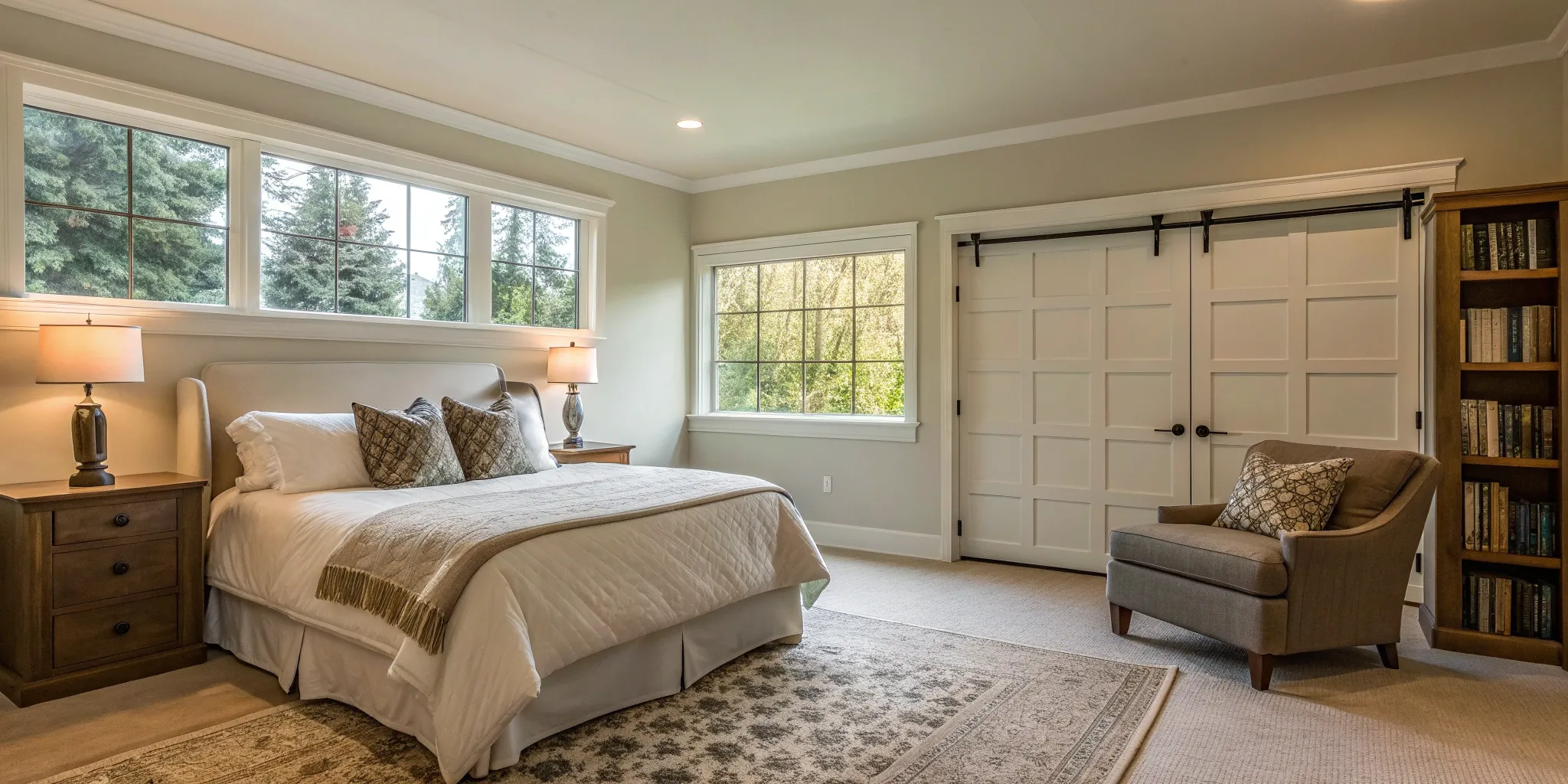
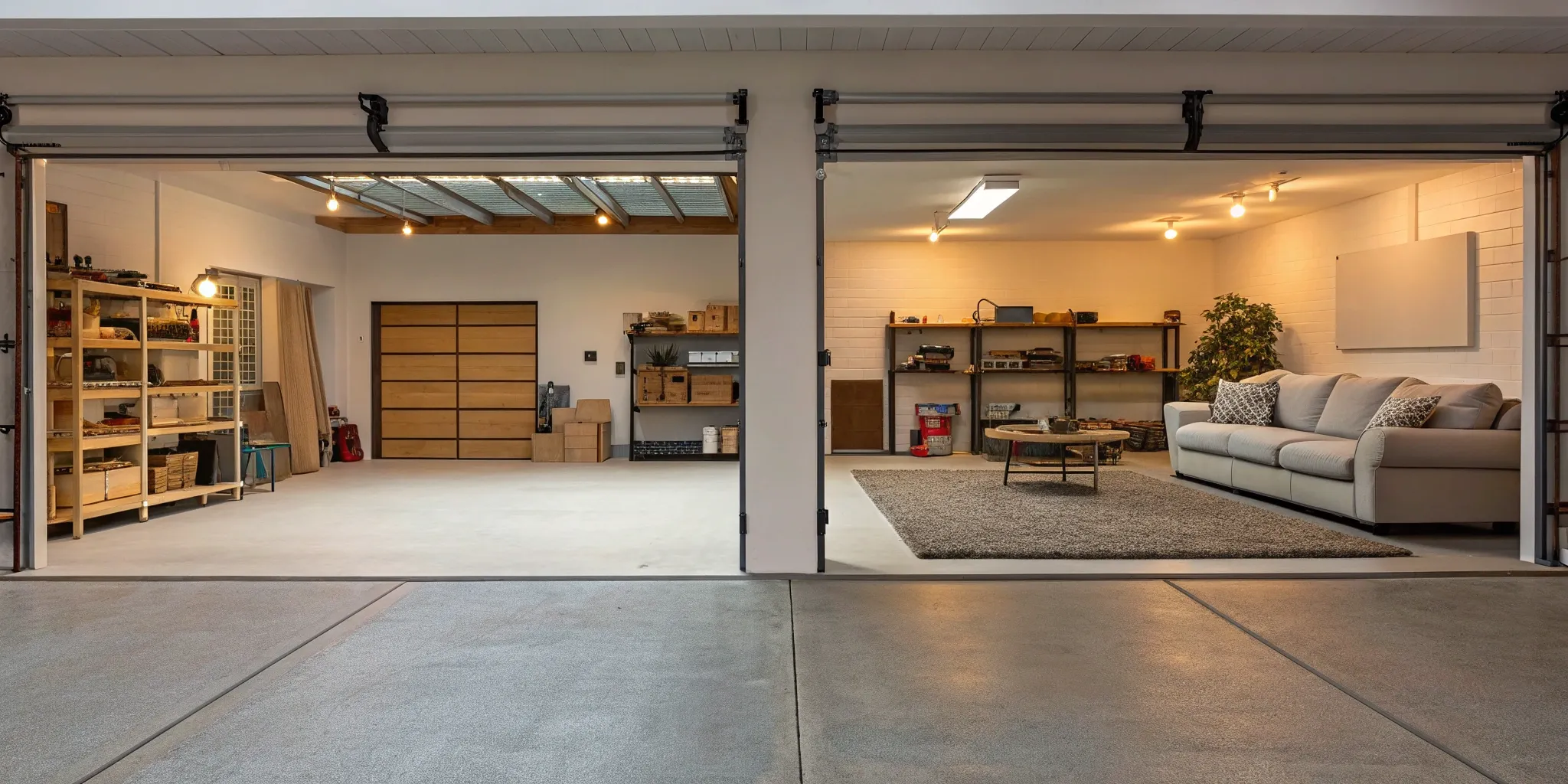
Your home is great, but you're running out of room. Maybe you need a guest suite for visiting family, a private space for your teenager, or a dedicated home office that isn't the dining room table. Moving is a massive hassle and expense. That's when you start eyeing the garage—a space full of potential just waiting to be claimed. A garage conversion is a brilliant way to add valuable square footage without changing your home's footprint. But before you start picking out paint colors, the big question looms: how much does it cost to convert a garage into a bedroom and bathroom? This guide will break down the numbers, from permits to plumbing, so you can create a realistic budget.
Key Takeaways
- Your Budget Hinges on the Bathroom: Expect a wide cost range, from around $12,000 to $50,000+. Adding plumbing for a bathroom is the single biggest factor that will push your project to the higher end, so decide on that feature first to create a realistic budget.
- Prioritize the "Bones" of the Space: The most critical—and often most expensive—work involves making the garage a safe and comfortable room. This means properly budgeting for non-negotiable items like electrical panel upgrades, new insulation, and an HVAC system from the very start.
- Protect Your Investment with a Solid Plan: To get the best return (often around 80%), treat your conversion like any major renovation. Secure the right permits, set aside a 10-20% contingency fund for surprises, and always compare quotes from several vetted contractors to ensure you get quality work at a fair price.
How Much Does It Cost to Convert a Garage into a Bedroom and Bathroom?
Let's get straight to the point: what will it cost to turn your garage into a bedroom and bathroom? For a project like this, you should plan for a budget somewhere between $12,000 and $25,000. If you’re dreaming of a more luxurious space with high-end finishes or a complex design, that number can easily reach $50,000 or more. This range typically covers all the essentials, from framing and insulation to the final plumbing and electrical work.
To give you a clearer picture, a recent report from Angi found the national average for a garage conversion is about $16,600. Of course, your final price tag will depend on the scope of your renovation, the materials you select, and how much work is needed to make the space truly livable. Adding a full bathroom is one of the biggest variables that will push your project toward the higher end of that range, since the plumbing work alone can add thousands to the budget.
It’s also helpful to remember that labor often makes up about half of the total project cost, so the professionals you hire will be a big part of your final expenses. And don't forget to factor in permits, which are crucial for ensuring your new space is safe and up to code. These usually cost around $550. The best way to get a handle on all these moving parts is to start with a clear, customized plan that helps you create a realistic budget for your specific project.
What Affects the Cost of a Garage Conversion?
When you start budgeting for a garage conversion, you’ll quickly see that there’s no single price tag. The final cost depends on a handful of key factors, from the size of your space to the finishes you choose. Understanding these variables is the first step to creating a realistic budget and turning your vision into a functional, beautiful new room. Think of it less as a fixed price and more as a flexible range that you have some control over. Let's break down the main elements that will shape your project's bottom line.
Size of Your Garage
It makes sense that the bigger your garage, the more your conversion will cost. A larger space requires more materials—from drywall and insulation to flooring—and more hours of labor to get the job done. For example, converting a one-car garage (around 240 square feet) will naturally be less expensive than tackling a two-car garage (often 440 square feet or more). The price difference can be significant, so your garage’s existing footprint is the primary starting point for estimating your total budget.
Your Choice of Materials and Finishes
This is where your personal style meets your budget. The materials and finishes you select have a major impact on the overall cost. If you opt for high-end hardwood floors, custom cabinetry, and premium countertops, your expenses will be much higher than if you choose more standard options like luxury vinyl plank flooring and stock cabinets. Think about every detail, from light fixtures to faucets. While it’s tempting to splurge, making thoughtful choices here can help you manage costs without sacrificing the look and feel you want for your new space.
The Complexity of Your Design
A simple conversion into a home office or gym will cost far less than creating a full accessory dwelling unit (ADU) with a kitchen and bathroom. The reason? Complexity. Adding plumbing for a bathroom or kitchen is often one of the most expensive parts of a garage conversion, as it involves cutting into the concrete slab and running new water and sewer lines. Similarly, extensive electrical work, like adding a subpanel or multiple new circuits for appliances, will also increase your costs. This is where having a customized plan from the start can save you from unexpected expenses down the road.
Local Labor and Material Costs
Where you live plays a big role in your project's cost. Labor rates and material prices can vary significantly from one city to another, especially in the markets Realm serves like the SF Bay Area, Los Angeles, and Seattle. Labor typically accounts for a large portion of your total budget, so local wages will definitely influence your quotes. On top of that, permit fees and regulations differ by municipality. That's why it’s so important to work with vetted local professionals who understand the regional pricing and building codes to ensure your project is done right and on budget.
How Much Does Plumbing and Electrical Work Cost?
Plumbing and electrical work are two of the biggest line items in any garage conversion budget, and for good reason. These systems are the lifeblood of your new space, and getting them right is non-negotiable for safety and comfort. Because this work is complex and requires licensed expertise, it’s not the place to cut corners. The costs can vary widely depending on the scope of your project, the current state of your home’s systems, and how far your garage is from existing utility lines. For example, a simple bedroom conversion will have very different utility needs than a full in-law suite with a kitchen and laundry.
Planning these elements carefully from the start is crucial. Think about how you’ll use the space. Will it be a simple bedroom, or will it be an accessory dwelling unit (ADU) with a full kitchen and bathroom? The more fixtures and appliances you add, the more intricate—and expensive—the plumbing and electrical work will become. Working with an expert can help you map out a plan that meets your needs without creating unnecessary expenses. A dedicated advisor can help you anticipate these costs and find the right professionals for the job, ensuring everything is up to code and built to last. This initial planning phase is where you can make key decisions that will impact your budget down the line.
Plumbing for a New Bathroom
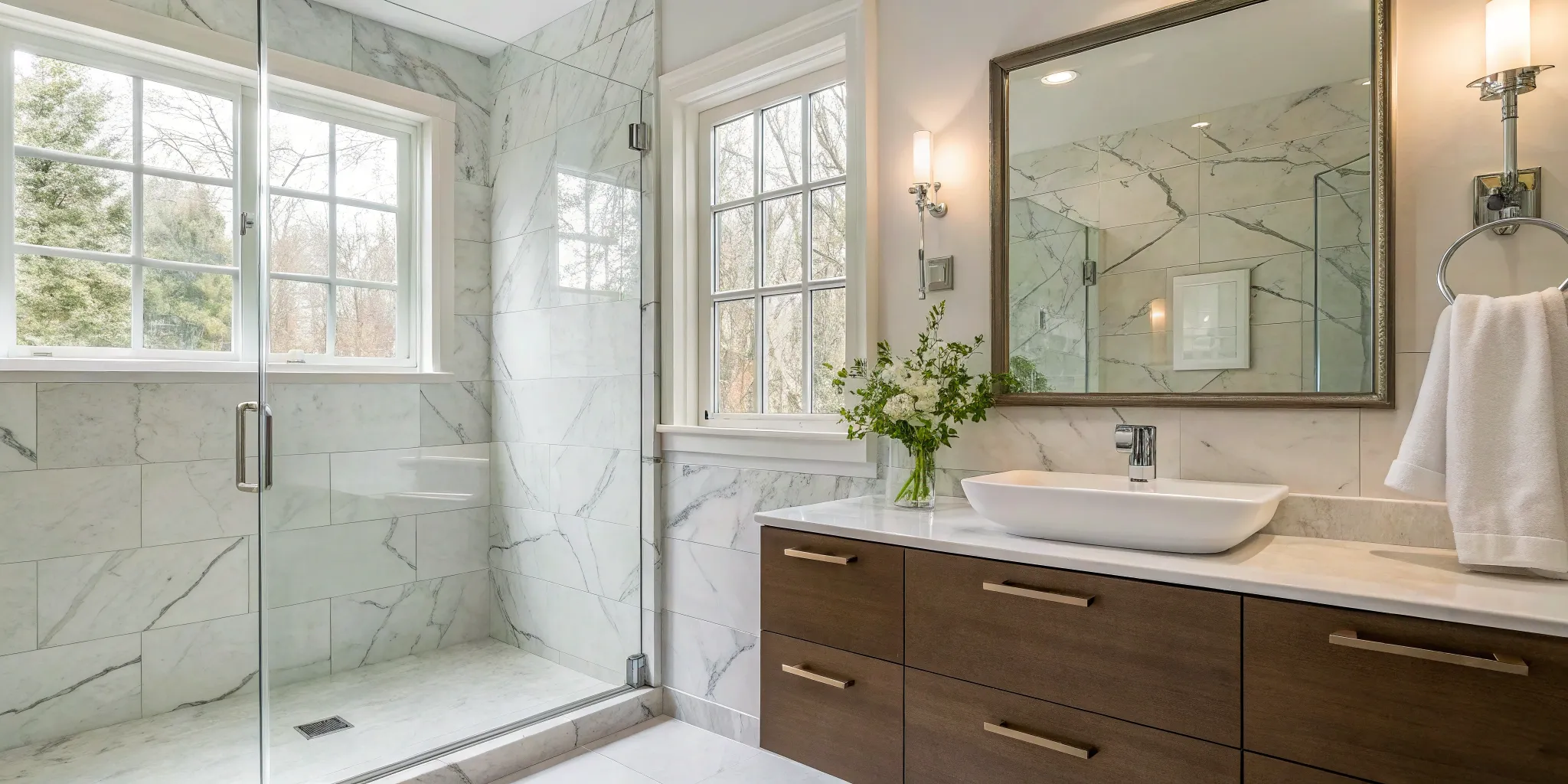
Adding a bathroom or kitchen is often the most expensive part of a garage conversion. It’s not just the cost of the fixtures like the toilet, sink, and shower; it’s the labor and materials required to run new water supply and drain lines. The complexity of this installation can really drive up the price. If your garage shares a wall with your home’s kitchen or an existing bathroom, your costs will likely be lower because the new plumbing has less distance to travel. But if the new plumbing needs to be routed across your property, be prepared for a bigger bill.
Connecting to Water and Sewer Lines
The real challenge with plumbing is often what you can’t see. Connecting your new bathroom or kitchen to your home’s main water and sewer lines can be a major undertaking. If your garage is detached or far from the existing plumbing, contractors will need to dig trenches to lay new pipes. This is especially true for homes built on a slab foundation without a basement or crawl space for easier access. The extensive labor and materials needed for this kind of connection make it a significant cost driver for the entire project, so it's something to discuss with your contractor early on.
Upgrading Your Electrical Panel
Your garage was likely wired to power a garage door opener and a few lights—not a fully functioning living space. Adding a bedroom, bathroom, and maybe a kitchenette means a much bigger electrical load. To handle the new appliances, lighting, and outlets safely, you’ll almost certainly need to upgrade your home’s main electrical panel. This is a critical step to prevent overloaded circuits and potential fire hazards. The cost will depend on the capacity of your current panel and how much of an upgrade is needed to support the new space. A licensed electrician can assess your current system and tell you exactly what’s required.
Installing New Outlets and Lighting
Once the main panel is ready, you’ll need to run new wiring throughout the garage for outlets, switches, and light fixtures. The cost for this work is often calculated per connection point. You can expect to pay between $250 and $300 for each new outlet or light fixture you install. This can add up quickly, so it’s smart to plan your electrical layout thoughtfully. Think about where you’ll place furniture and how you’ll use each part of the room to ensure you have power exactly where you need it without overspending on unnecessary connections. This is where a detailed floor plan becomes incredibly helpful.
Breaking Down Structural, Insulation, and Flooring Costs
Once you have a plan for plumbing and electrical, it’s time to focus on the elements that will transform your garage from a concrete box into a comfortable, finished room. Structural work, insulation, and flooring are the foundational pieces that make the space truly livable. These aren't just cosmetic upgrades; they're essential for safety, comfort, and energy efficiency. Getting these big-ticket items right from the start is crucial, as fixing them later can be expensive and disruptive.
This is where a lot of the heavy lifting happens—both literally and financially. You’ll be dealing with everything from leveling the concrete slab to cutting new openings for windows. Because these tasks often involve the structural integrity of your home, it’s important to work with professionals who understand local building codes. Having a clear plan and a team you trust can make this phase much smoother. A dedicated project advisor can help you sort through contractor bids and ensure every detail is up to standard.
Insulating Walls and Ceilings
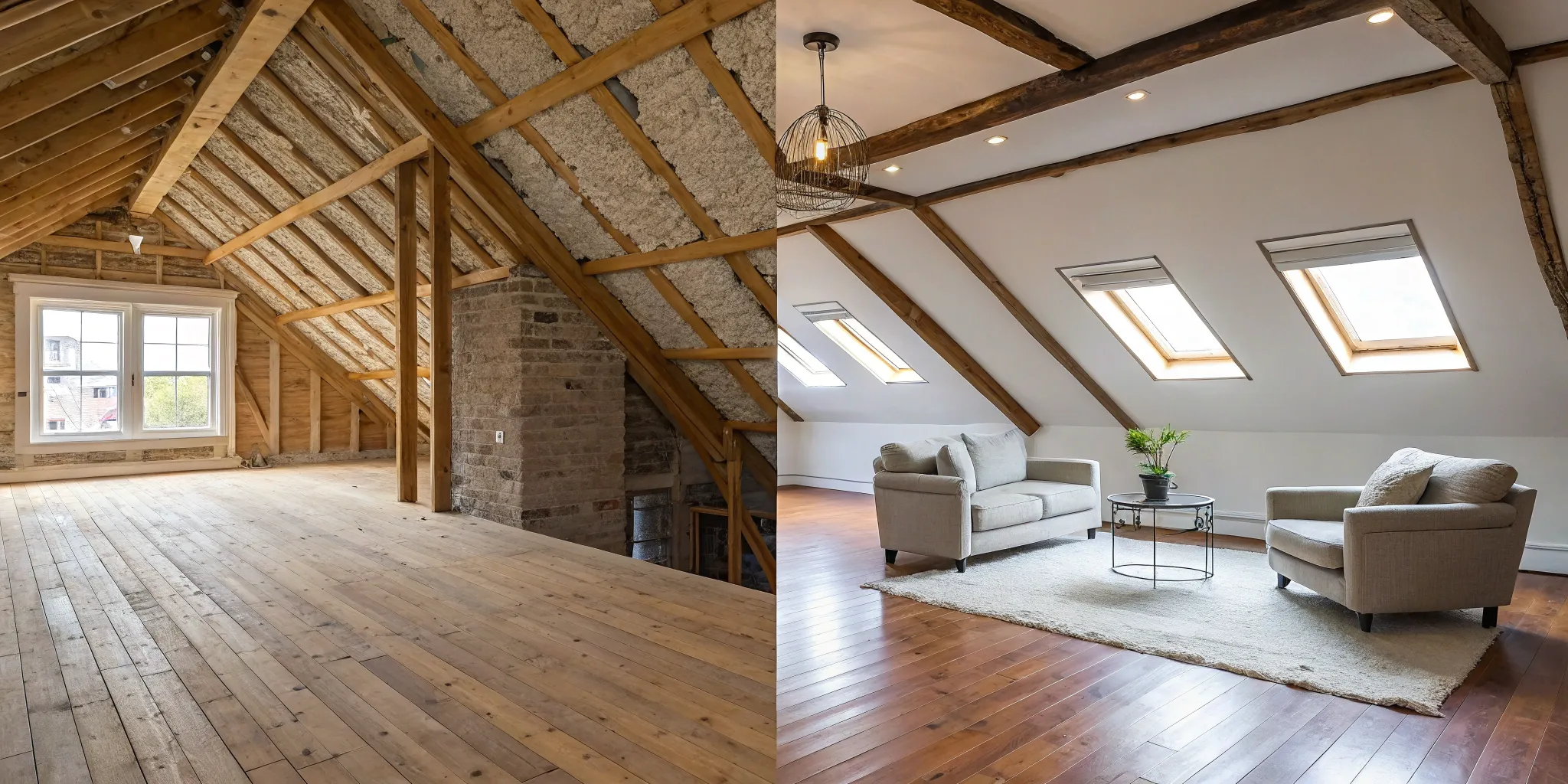
Proper insulation is a non-negotiable step in any garage conversion. Garages are typically not built with insulation, which is why they get so hot in the summer and cold in the winter. To create a comfortable living space, you'll need to add insulation to the exterior walls and the ceiling. This is key for maintaining a stable indoor temperature and will have a big impact on your future energy bills. Think of it as wrapping your new room in a cozy blanket. Common options include fiberglass batts, spray foam, or rigid foam boards, and your contractor can help you choose the best fit for your climate and budget.
Choosing Your Flooring
The flooring you choose will dramatically affect both the look and cost of your project. While a garage already has a concrete floor, you can't just throw a rug over it. The concrete slab is often sloped for drainage and sits lower than the rest of your house. You’ll need to build a raised subfloor on top of the concrete to level the surface, create a moisture barrier, and add insulation. From there, your options are wide open. Materials can range from about $2 to $12 per square foot for choices like durable luxury vinyl plank (LVP), cozy carpet, or classic engineered hardwood.
Foundation and Other Structural Work
Beyond the floor, you might need other structural changes to make the space work. The original concrete slab may need repairs or leveling before a subfloor can be installed. If you’re dreaming of high, vaulted ceilings, you’ll likely need to remove the existing ceiling joists and install new support beams to maintain your home's structural integrity. This is definitely a job for the pros. These kinds of modifications are complex and require careful planning to ensure the final space is both beautiful and safe. This is where having expert guidance is invaluable for making sound decisions.
Adding Windows and Doors
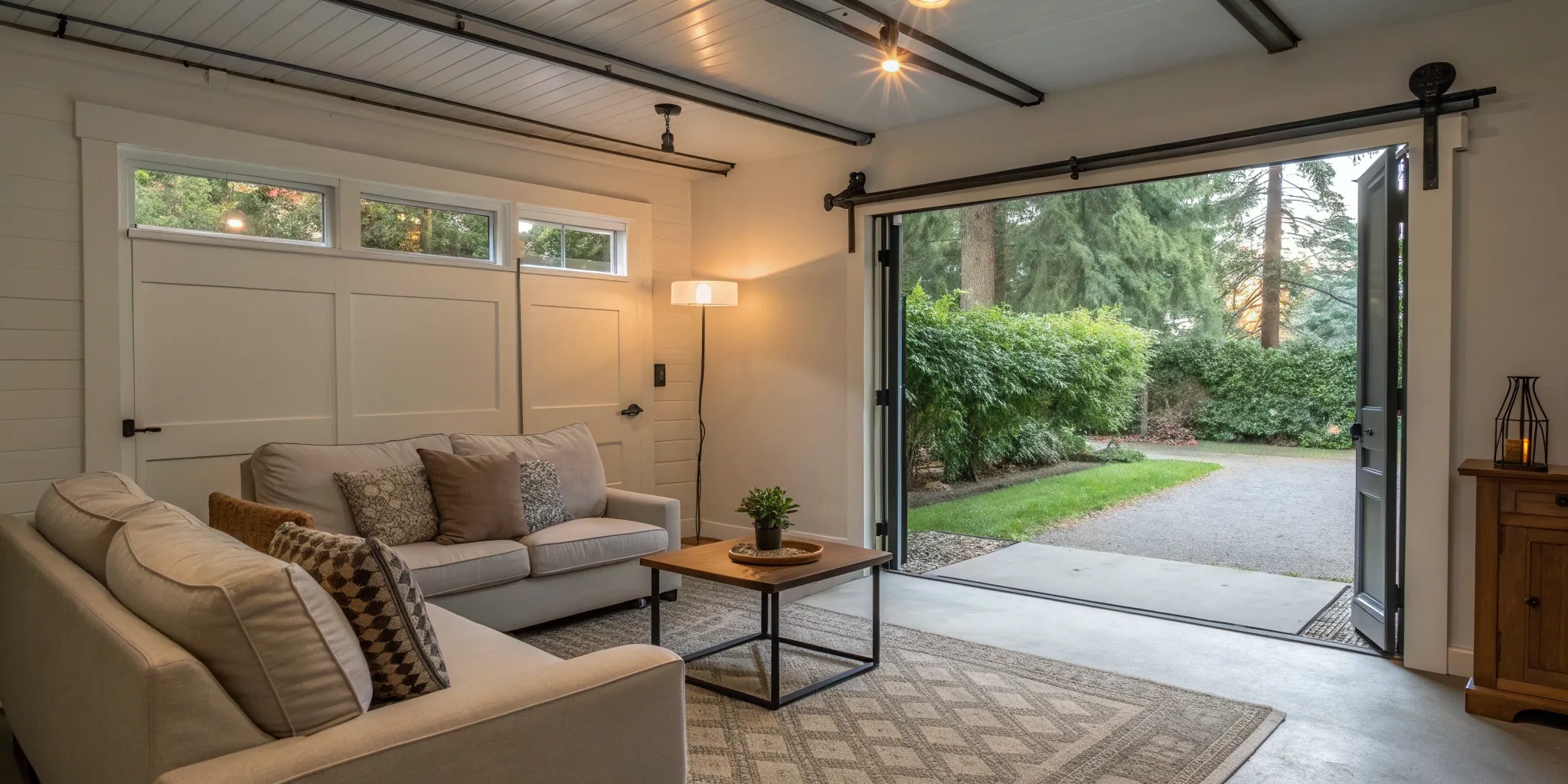
To make a garage feel less like a garage, you need natural light and proper access. This means adding windows and at least one exterior door. Cutting new openings in exterior walls is a significant structural task that affects your budget and requires a permit. You’ll also need to decide what to do with the main garage door opening. Many homeowners choose to remove the door entirely and frame a new wall with a window or a set of French doors. These changes are essential for meeting building codes for a legal living space, especially if it’s going to be a bedroom, which requires a point of egress for safety.
What Permits Do You Need for a Garage Conversion?
Tackling the world of permits can feel like a huge headache, but it’s one of the most important steps in your garage conversion. Getting the right permits ensures your new living space is safe, structurally sound, and legally recognized, which is crucial for your home’s value and your peace of mind. Think of it as a roadmap that keeps your project on track and up to code.
The specific requirements can change quite a bit depending on where you live, from Los Angeles to the Bay Area. Your local building department is the ultimate authority on what you’ll need. Working with a renovation partner can make this process much smoother, as they can handle the paperwork and make sure all the right boxes are checked. This step protects your investment and makes sure your beautiful new room is a legitimate part of your home.
Building Permits
For a project that changes a non-livable area like a garage into a living space, you will almost certainly need a building permit. This is your city’s official permission to start construction. To get one, you’ll typically need to submit a floor plan of your proposed design. Don’t worry—this doesn’t always have to be a complex architectural drawing; sometimes a clear, simple plan is enough. The permit process also sets up required inspections for critical work like new plumbing and electrical systems, confirming that everything is installed safely and correctly.
Zoning and HOA Rules
Beyond building codes, you also need to consider local zoning rules and, if applicable, your Homeowners’ Association (HOA) regulations. Zoning laws dictate how land in your area can be used, and converting a garage could impact things like on-site parking requirements or whether you can create a separate rental unit. It’s always smart to check with your local planning authority before you get too far into the design. If you live in a community with an HOA, you’ll also need their approval, as they often have specific rules about what changes you can make to your property.
Permit and Inspection Fees
Getting permits isn’t free, and you should factor these costs into your overall budget. Permit and inspection fees typically cover the cost for the city to review your plans and for a building inspector to visit your home at key stages of the project. While the exact amount varies by location, you can generally expect to pay a few hundred to over a thousand dollars. This fee is an essential investment in your project’s legitimacy. It provides the official oversight needed to confirm your garage conversion meets all local building rules and safety standards.
Factoring in Your HVAC Costs
Garages are built for cars, not people, which means they usually lack proper heating, ventilation, and air conditioning (HVAC). Making your new space comfortable year-round is a non-negotiable part of the conversion process, and it's one of the key things that transforms a storage area into a true living space. This isn't just about staying warm in the winter and cool in the summer; it's about creating a healthy environment with good air quality that feels like a natural extension of your home. Without it, you might end up with a room that's too hot, too cold, or too stuffy to enjoy. While it's an essential expense, the right HVAC system also presents an opportunity to make your home more energy-efficient. Planning for this from the start helps you avoid surprise costs and ensures your new room is a place you'll actually want to spend time in. A Realm advisor can help you weigh the options and connect you with vetted HVAC professionals who understand local codes and climate needs, ensuring the job is done right the first time.
Heating and Cooling Options
Your first big decision is how to heat and cool the space. One popular route is installing a ductless mini-split system, which typically costs between $1,500 and $4,000. These units are great because they operate independently from your home's main system, giving you precise temperature control over the new room. The other option is to extend your home's existing central HVAC system into the garage. This can run from $3,000 to $5,000 and might be a good choice if your current system can handle the extra load and the ductwork is easy to access.
Ductwork and Ventilation Needs
Beyond just temperature, you need to think about fresh air. Proper ventilation is crucial for maintaining good air quality and preventing the space from feeling stuffy or damp. If you extend your central system, a contractor will need to install new ductwork, which adds to the labor and material costs. Even with a mini-split, you'll need to consider ventilation solutions like exhaust fans, especially if you're adding a bathroom. This work often goes hand-in-hand with plumbing and electrical upgrades, so it’s important to have a holistic project plan that accounts for how these systems will integrate.
Thinking About Energy Efficiency
This is where you can make a smart investment that pays off for years. Choosing an energy-efficient HVAC system might cost a bit more upfront, but it will lead to lower utility bills down the road. Look for systems with a high SEER (Seasonal Energy Efficiency Ratio) rating. You can also significantly improve efficiency by properly insulating the garage. High-quality insulation creates a tight seal that keeps conditioned air in and outdoor temperatures out. Making these energy-efficient choices can sometimes qualify you for local rebates or tax credits, so it’s worth looking into.
What Common Budgeting Mistakes Should You Avoid?
A successful garage conversion hinges on a solid, realistic budget. It’s exciting to dream about your new space, but a few common missteps can quickly turn that dream into a financial headache. Knowing what to watch out for from the start will help you stay in control of your project and your finances. Let’s walk through the most frequent budgeting mistakes homeowners make and how you can steer clear of them. By planning carefully, you can ensure your project is a smooth, rewarding experience from start to finish.
Underestimating the Total Cost
It’s easy to look at an empty garage and think the transformation will be simple, but costs can add up faster than you expect. The typical price for a garage conversion can range from around $6,000 to over $27,000, depending on the scope of your project. A major reason for under-budgeting is forgetting about complex additions like plumbing. If you’re adding a bathroom or a kitchen sink, you can expect your total costs to climb significantly due to the extra labor, materials, and permits required. A realistic budget accounts for every detail, from the foundation to the final coat of paint.
Skipping a Professional Consultation
Trying to manage a major renovation on your own to save money can often backfire. Bringing in a professional general contractor is one of the smartest moves you can make. They have the experience to manage timelines, coordinate different tradespeople, and ensure everything is done safely and correctly. While a contractor’s fee might add 10% to 20% to your budget, their expertise prevents costly errors and delays. An experienced partner can also help you find vetted professionals and handle the complexities of the renovation process, saving you from expensive headaches down the road.
Trying to DIY Complex Tasks
While rolling up your sleeves and tackling parts of the project yourself can be a great way to save money, it’s important to know your limits. Tasks like framing a wall or laying flooring might be within your skillset, but electrical and plumbing work should always be left to licensed professionals. As one DIY guide notes, even if you do most of the work yourself, you should still "hire licensed electricians and plumbers for the rough-in and final connections." Faulty wiring is a serious fire hazard, and improper plumbing can lead to major water damage. Doing these jobs incorrectly can lead to failed inspections, expensive repairs, and even fines.
Forgetting About Code Requirements
Before you swing a single hammer, you need to understand your local building codes. Most garage conversions require permits to ensure the new living space is safe and habitable. This includes meeting standards for things like ceiling height, window size for emergency egress, and proper insulation. While you might not need special permission if all the work is internal and doesn't change your home's footprint, it's crucial to check with your local planning authority first. Skipping this step can result in fines and create major problems when you eventually decide to sell your home.
How to Keep Your Garage Conversion on Budget
A garage conversion is a major investment, but it doesn’t have to drain your savings. With a solid game plan, you can manage your expenses and create a beautiful new space without the financial stress. It all comes down to being proactive and making informed decisions from the very beginning. A realistic budget is your best tool for a successful renovation, and sticking to it is entirely possible. Here are a few key strategies to keep your project on track and prevent costs from spiraling.
Get Multiple Contractor Quotes
This is one of the most important steps you can take. You should always compare prices from at least three different professionals before making a decision. This process isn't just about finding the lowest bid; it's about understanding the fair market rate for your project and finding a team you can trust. When you review quotes, don't just look at the final number. Compare the scope of work, the proposed materials, and the timeline. Remember, the cheapest option isn't always the best. A low bid could signal inexperience or cut corners. Instead, consider each contractor's reputation and experience to find the right balance of cost and quality. Finding the right team is a huge part of the process, which is why Realm’s approach focuses on matching you with vetted, reliable contractors for your specific project.
Plan for Unexpected Costs
Here’s a truth about renovations: they almost always come with a few surprises. Once you open up walls, you might discover outdated wiring, hidden plumbing issues, or structural quirks that need to be addressed. These unforeseen problems can quickly inflate your budget if you aren't prepared. That’s why it’s essential to build a contingency fund into your total budget. Most experts recommend setting aside an extra 10% to 20% of your project’s total cost for these unexpected expenses. Think of it as a financial safety net. If you don't end up needing it, great! But if you do, you’ll be able to handle the issue without derailing your project or causing major stress.
Choose Cost-Effective Materials
Your choice of materials and finishes has a massive impact on the final cost of your garage conversion. This is also where you have the most control. Opting for cost-effective materials doesn't mean you have to sacrifice style or quality. It’s about making smart swaps. For example, you could choose high-quality luxury vinyl tile that mimics the look of hardwood for a fraction of the price. Or, you could select stylish, standard-sized windows and doors instead of custom ones. By choosing materials that are durable and attractive but not from a high-end luxury brand, you can significantly cut costs. Focus on finding that sweet spot between good quality and a price that fits your budget.
What's the Return on Investment for a Garage Conversion?
A garage conversion is a significant project, so it’s smart to think about the financial return. This isn’t just an expense; it’s an investment in your property. The return on that investment shows up in a few key ways: a direct increase in your home's market value, greater appeal to future buyers, and even the potential for new income streams.
When you trade storage space for living space, you’re adding square footage that counts. A well-planned conversion can pay for itself over time, both in real dollars and in the added enjoyment and utility you get from your home. Let’s break down exactly how this investment can pay off, from the immediate impact on your property value to the long-term financial benefits. A customized renovation plan is the first step to making sure your project delivers the best possible return.
How It Affects Your Property Value
The most direct financial return comes from the increase in your home’s value. On average, homeowners can expect a garage conversion to recoup about 80% of its cost upon resale. For example, a $30,000 project could add around $24,000 to your home's value. You’re turning a space primarily used for parking and storage into a functional, conditioned living area, which is almost always a net positive on an appraisal. The key is to ensure the conversion is high-quality and feels like a seamless part of the house, not an obvious add-on.
Boosting Your Home's Appeal to Buyers
When it’s time to sell, having more versatile living space is a major advantage. A garage conversion can give your property the exact feature a buyer is looking for, whether that’s a fourth bedroom, a dedicated home office, or a private in-law suite. This added functionality makes your home stand out from others on the market. Instead of being just another three-bedroom house, it becomes a three-bedroom house with a home gym or guest quarters. This can attract a wider pool of interested buyers and help your home sell more quickly.
The Long-Term Financial Payoff
The financial benefits of a garage conversion can extend far beyond a higher sale price. If you design the space as a legal Accessory Dwelling Unit (ADU), you can create a steady stream of rental income. This monthly cash flow can help you pay off your mortgage faster or cover the project's initial cost over just a few years. Whether you decide to rent it out or simply enjoy the extra space for your family, a thoughtfully executed conversion is a smart financial move that adds lasting value and utility to your property.
Related Articles
- Garage Conversion Ideas Bedroom: A Complete Guide
- Convert Garage to Living Space Cost: A Full Breakdown
- Garage Conversion Cost Per Square Foot: A Price Guide
- Inspiring Garage Conversion Ideas: Before and After
Frequently Asked Questions
Is it possible to do a simple garage conversion for less than the average cost? Yes, absolutely. The key to staying on the lower end of the budget spectrum is to keep the project's scope simple. The costs really start to climb when you introduce complex elements like plumbing for a bathroom or kitchen. A basic conversion into a home office, gym, or playroom without these additions will be far more affordable. Your choice of finishes also plays a huge role, so opting for standard, durable materials over high-end custom ones can save you thousands.
Will I lose home value if I get rid of my garage parking? This is a common concern, and the answer really depends on your neighborhood. In areas where street parking is a constant challenge or nearly every home has a garage, removing that dedicated parking could be a drawback for some future buyers. However, the value you add with well-designed, permitted living space often outweighs the loss of a parking spot. The goal is to create a high-quality conversion that feels like a natural part of the home, not an afterthought.
How long does a typical garage conversion take? The timeline can vary quite a bit based on your project's complexity and how long your local permitting process takes. A straightforward conversion might take anywhere from 4 to 6 weeks once construction begins. If you're adding a bathroom or making significant structural changes, you should plan for a longer timeline, potentially 8 to 12 weeks or more. Remember that the initial planning and permit approval phase can also add several weeks before any work even starts.
What's the single biggest mistake I can make with my budget? The most common and costly mistake is not having a contingency fund. Renovations almost always uncover a surprise or two, whether it's an unexpected electrical issue or a problem with the concrete slab. Without a safety net of about 10-20% of your total budget set aside, a small problem can completely derail your project's finances and timeline. Planning for the unexpected is the best way to stay in control of your budget.
Besides adding a bathroom, what's another major 'hidden' cost I should plan for? Making the space comfortable year-round is a big one that people often underestimate. Garages aren't built with insulation or climate control, so you'll need to budget for proper insulation in the walls and ceiling, as well as a new HVAC solution like a ductless mini-split system. These elements are essential for turning the garage into a truly livable room, and they represent a significant but necessary part of the total cost.




























.png)










.avif)